industrial-automation
(66)
The Poison Gas That Became a Product
Streamline Innovations built a business around an ugly molecule: hydrogen sulfide. Its trick is to make the poison disappear without making a second mess.

Cannon makes the places we take for granted work
A flooded street, an aging pier, a launch facility: Cannon builds its business around the engineering details that make places usable. After 50 years, the interesting story is still in the work.

Recycleye’s £40 treadmill became a business that picks through your rubbish
A camera, an eBay treadmill and some borrowed garage space started Recycleye. Its robots and optical sorters now tackle recycling’s awkward arithmetic: recovering materials has to pay.

The Consultancy That Refuses to Leave at the PowerPoint
Morson Praxis has folded several specialist firms into one engineering consultancy with a blunt promise: define the problem, design the answer, then stay for delivery. Its work stretches from 29,000 railway bridges to the tooling around a four-passenger electric aircraft.
NI Made the Test Bench Programmable. Emerson Bet $8.2 Billion It Could Make It Bigger
For nearly 50 years, NI has sold engineers a stubbornly useful idea: the instrument is better when software calls the shots. Now the company has Emerson's scale, an AI assistant named Nigel and the harder task of modernizing without breaking the systems customers already trust.

The Family Trailer Company That Bet CA$15 Million on Making Boring Things Better
Southland Trailers grew from a local welding shop into a 500-plus-person manufacturer by obsessing over factory flow, useful engineering and the stubborn details that decide whether a trailer earns its keep.
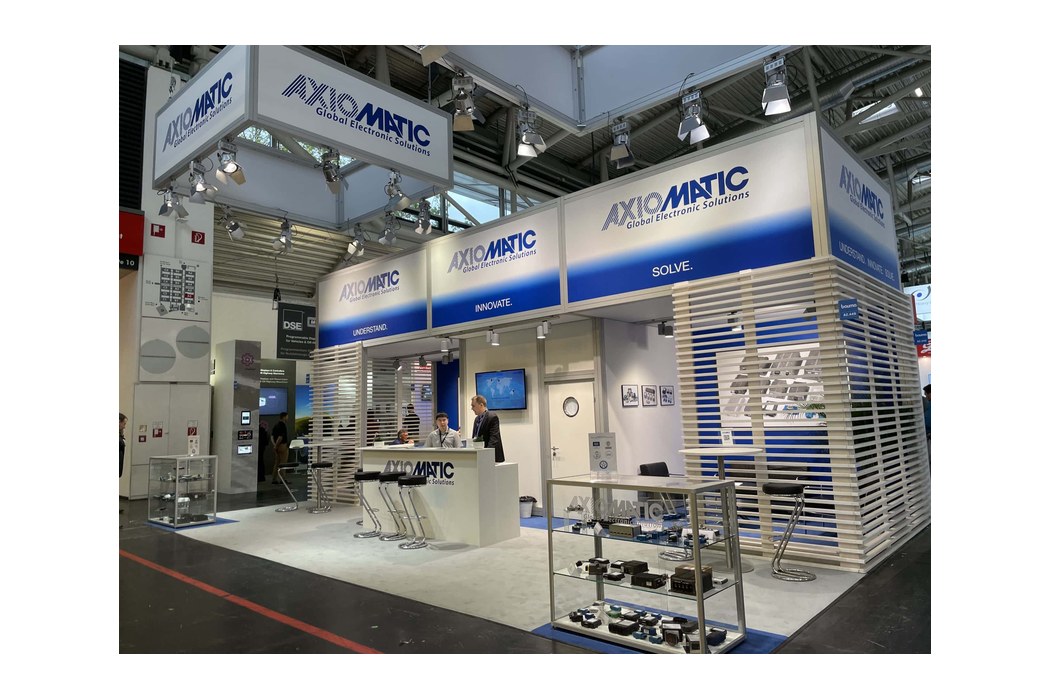
Axiomatic's 35-Year Bet: Make the Tiny Boxes That Keep Giant Machines Talking
The Mississauga manufacturer built a durable business in the least glamorous layer of automation: translating signals, surviving vibration and keeping expensive machines from arguing with themselves.
The $6.1 Million Bet That Turned an Electrical Wholesaler Into Ontario's Quiet Logistics Machine
Gerrie Electric grew from one employee and a service van into a C$200-million-plus distributor. Its useful lesson is decidedly unglamorous: remove the tiny procurement delays that make expensive crews stand around.

NODAR Is Teaching Cheap Cameras to Do LiDAR's Expensive Job
The autonomous-vehicle industry spent years putting lasers on roofs. NODAR's contrarian pitch is simpler: spread two cameras apart, keep them calibrated through every pothole, and let software recover the world in 3D.

Hirebotics Hid the Robot Code - and Put a $105,000 Welder on Wheels
The Nashville robotics company started by renting general-purpose cobots by the hour. A welding distributor, a stubborn programming bottleneck and one unusually useful app turned that experiment into a hardware-plus-software business for fabrication shops.

The 10-Minute Robot Changeover: Southie Autonomy Wants the Line Lead to Run the Machines
Factories do not only need smarter robots. They need robots that can survive Tuesday afternoon - when the SKU changes, the labor roster thins, and nobody has time to call an integrator.
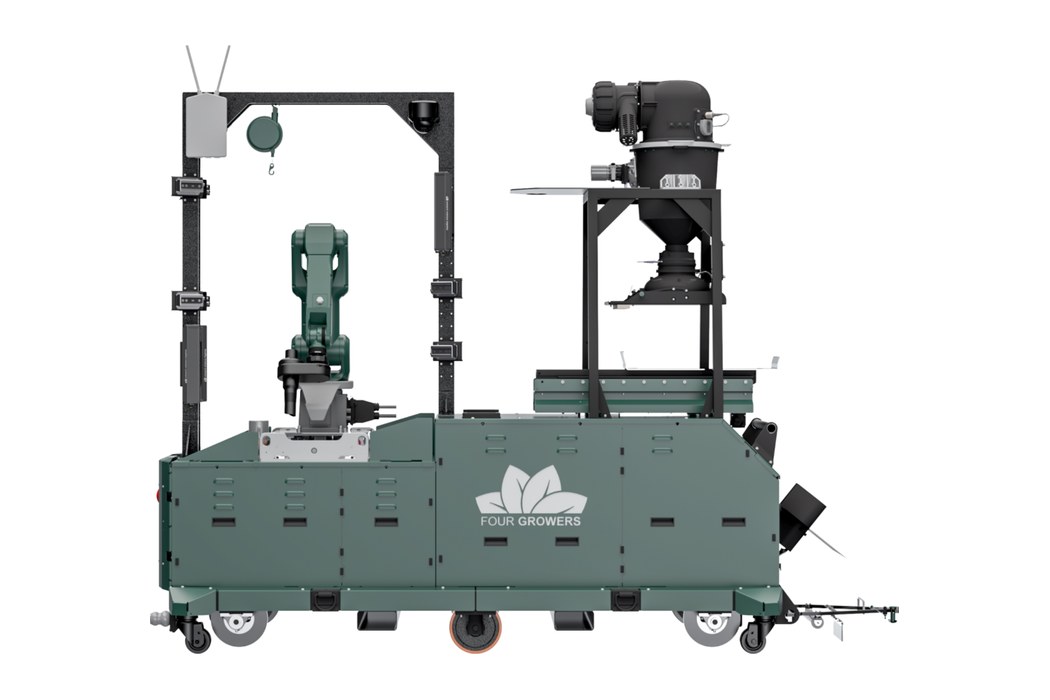
The Robot That Picks a Tomato Better Than You Can
Two Pitt engineers spent months living in greenhouses to learn why picking a tomato is so hard for a machine. Their answer, the GR-100, now harvests faster than the humans it works alongside.

CiNQ Builds the Rooms Where Industry Never Sleeps
The Dubai engineering group turns drawings into E-houses, offshore living quarters and chilled-water tanks - the quiet infrastructure that keeps power, people and data centers running.

Riot Ventures Built a $1 Billion Firm by Betting on the Physical World
While venture capital chased frictionless software, Riot went looking for friction - factories, fleets, power systems and defense hardware. Its concentrated, multistage strategy now stretches from the first institutional check to pre-IPO rounds.
The Robots Taking the Warehouse's Hardest Shift
Berkshire Grey spent a decade teaching machines to pick the unpickable. Now its robots are moving from the tote to the sorter to the trailer door - chasing every stubborn bottleneck in the warehouse.

The Tiny Sensors Trying to Put Factory Emergencies Out of Business
Waites has planted more than half a million sensors across six continents, listening for the faint mechanical clues that precede expensive failure. The clever part is not merely hearing the warning - it is turning that signal into a repair someone can actually make.

The Machines That Teach AI Chips to Behave
Onto Innovation does not design the AI chip. It builds the eyes, rulers and feedback loops that help factories make those chips without wasting a fortune.

The Loading Dock Became a Computer. Rite-Hite Was Already There.
The 61-year-old Milwaukee manufacturer built its name stopping trailers from leaving too soon. Now it is turning the loading dock - one of industry’s most dangerous, wasteful and data-poor spaces - into a connected system.

The Chips Between a Battery and Everything It Wants to Become
onsemi does its most consequential work in the awkward space between raw electricity and useful motion. Its power chips and sensors are becoming the quiet architecture behind electric cars, factory robots and AI data centers.
Invio Automation Is Building the Factory Before the Factory Exists
The modern factory has a costly problem: buying a robot is easy, but making the whole line work is not. Invio Automation sells the planning, machinery, integration, and long-haul support that connect the whiteboard to the shop floor.

The $5.4 Billion Company Behind Every Beep
Zebra Technologies turned the humble barcode into a bridge between physical work and digital intelligence. Now its scanners, printers, sensors, software and screens are becoming the control layer for the frontline.

The Company Under the Cloud
AI may live in the cloud, but the cloud lives on switchgear, drives and control systems. ABB is the century-old engineering company turning the digital economy's appetite for power into an industrial growth story.

Gleason Corporation
The 160-year-old Rochester manufacturer is turning the humble gear into a connected data loop - linking design software, cutting machines and metrology so factories can correct quality while production is still running.

M.C. Dean, Inc.
The 77-year-old family company has turned electrical contracting into a $3 billion cyber-physical infrastructure business - one that builds critical systems in a factory before they ever reach the job site.
Rockwell Automation
It started in 1903 with a $1,000 bet on a better motor controller. A century later, Rockwell Automation runs the machinery behind cars, medicine and microchips - and is quietly wiring the factory floor into the cloud.

Graco Inc.
A parking-lot attendant's fix for a frozen grease gun turned into a century-long fluid-handling empire. Here is how Graco quietly became the company inside your paint sprayer, your car's assembly line and your factory's pumps.

Siemens
The company Werner von Siemens started with a telegraph in 1847 now wants to be the operating system for the physical world - one factory, train, and power grid at a time.

Teradyne
Most people never see a Teradyne machine, yet its testers stand between ambitious chip designs and the devices we trust. Now the 66-year-old Massachusetts company is applying the same factory-floor discipline to AI hardware, advanced packaging and robots that work beside people.

Schneider Electric
The 190-year-old industrial group has become the control layer for an electric economy - linking breakers, factories, buildings and AI data centers to the software that decides how power should move.

Emerson
Emerson spent a century making the machinery of modern life. Now it is assembling something harder to see: the digital nervous system for factories, power grids and process plants.