founder-interviews
(23)
Mixergy: Ask what went wrong.
Andrew Warner spent hundreds of thousands of dollars building the wrong thing. Mixergy became useful when he started asking other founders how they had done it.

Good advice. No introduction required.
Village Global’s Venture Stories opens the conversations most founders never get invited to. The useful bits are often the mistakes: a price set too low, a sales handoff that never quite worked, a market that took a decade to explain.
Riding Unicorns opens the room
Two investors, more than 250 episodes, and a deceptively useful question: what actually happened? Riding Unicorns turns the private business of building startups into a public conversation.

Europe deserves a hearing
Tech.eu Podcast began with interference and a questionable jingle. Its enduring idea was clearer: European technology needed a conversation of its own.
A million starts with a better question
My First Million turns business brainstorming into a spectator sport. Behind the jokes is a practical lesson in distribution: find people who already care, then give them something worth coming back for.
Masters of Scale: Think big. Start small.
A founder with a glue gun. A podcast with a theory. Masters of Scale turns the awkward work of building a business into lessons you can hear, question, and try.

20VC turned the microphone into a cheque book.
Harry Stebbings built a podcast to get closer to venture capital. Then he built a venture firm whose calling card was already playing in founders’ headphones.
Founders Journey asks what happened before the win
Jimmy Douloumbakas gives founders an hour to explain the awkward parts. His podcast’s own growth experiments make the story more useful still.

The SaaS Revolution Show: Borrow the experience.
Alex Theuma turned conversations with software founders into a podcast and a community. The archive offers useful operating lessons - including a few from the business that built it.
AI has a demo. Who has a business?
Unsupervised Learning puts the people building AI in the interview chair. Redpoint’s podcast asks what happens after the impressive demo - when customers, costs and awkward trade-offs arrive.
Grit gets to the hard part.
Building a company sounds tidy after it works. Kleiner Perkins’ Grit asks the people who built it about the decisions that made the story messy.

SaaS Club asks the expensive questions.
Omer Khan has spent twelve years asking software founders what actually worked. SaaS Club turns their wrong turns, first sales and uncomfortable decisions into something the next founder can use.
The SaaSiest Podcast: Good questions travel.
Two friends started interviewing SaaS operators. The conversations became a European community - and a business built around getting the right people talking.
BG2 Pod opens the room where tech bets are made
Brad Gerstner and Bill Gurley turned their investing conversations into a public podcast. The useful part is hearing how a promising technology becomes a business - and where the arithmetic gets awkward.
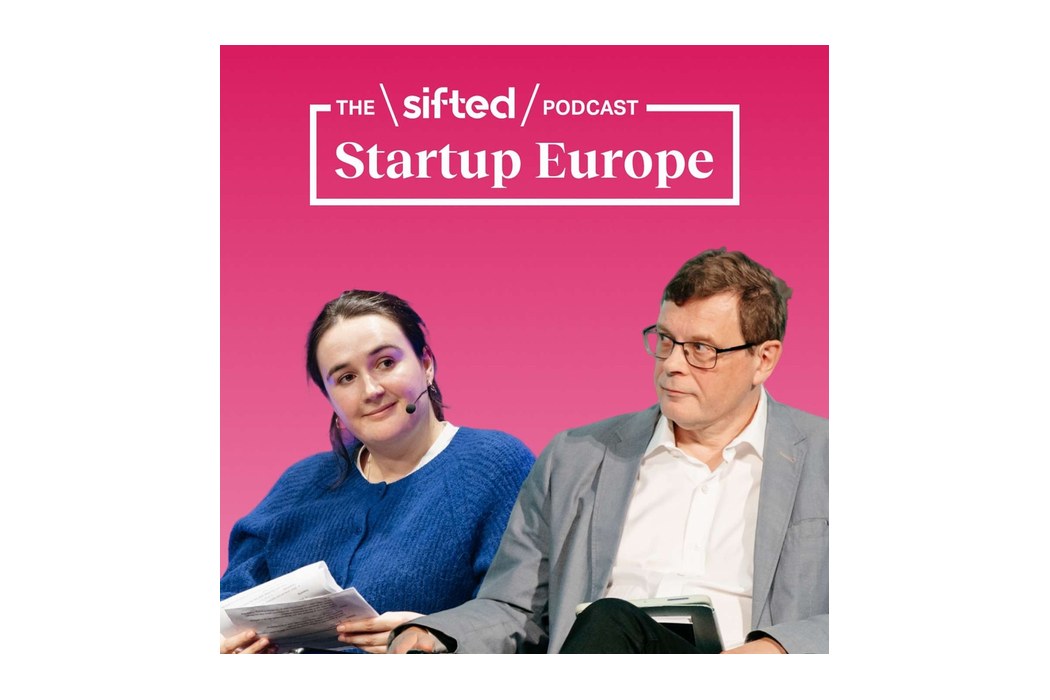
Europe’s startup story. With the follow-up questions.
Startup Europe puts founders and the reporters covering them within earshot. Behind the weekly podcast is Sifted’s larger bet: European tech deserves a conversation of its own.

a16z Podcast opens the room.
A venture firm put its conversations on the internet. The interesting part is how it learned to make those conversations worth your time.
This Week in Startups kept the conversation going
The podcast network closed. The founder-focused show stayed on the air. Inside a media business built around the questions people ask before they build a company.

The Social Radars gets past the pitch.
Jessica Livingston and Carolynn Levy know the founders behind the famous companies. Their podcast returns to the awkward decisions, failed ideas, and human details that a pitch deck leaves out.
Better business starts with better listening
The Entrepreneurs turns Monocle’s curiosity about the world into a weekly business habit. Its most useful lesson may come from a company nothing like yours.

No Priors opens the room where AI gets built
Sarah Guo and Elad Gil turn their access to AI founders into a weekly public conversation. The useful part is hearing which assumptions the builders are willing to defend.

Unicorn Bakery asks the next question.
Unicorn Bakery turns founder conversations into a media business built on trust. Its real product is the detail that a success story usually leaves out.
Europe, one conversation at a time
EU-Startups tried podcasting, stopped, and came back nine years later. Its second act shows what happens when a media company gives its network a microphone.

Foundr Podcast: Give the interview away.
Nathan Chan worried a free podcast would eat his magazine. A six-month bet helped turn the same conversations into the front door of an education business.