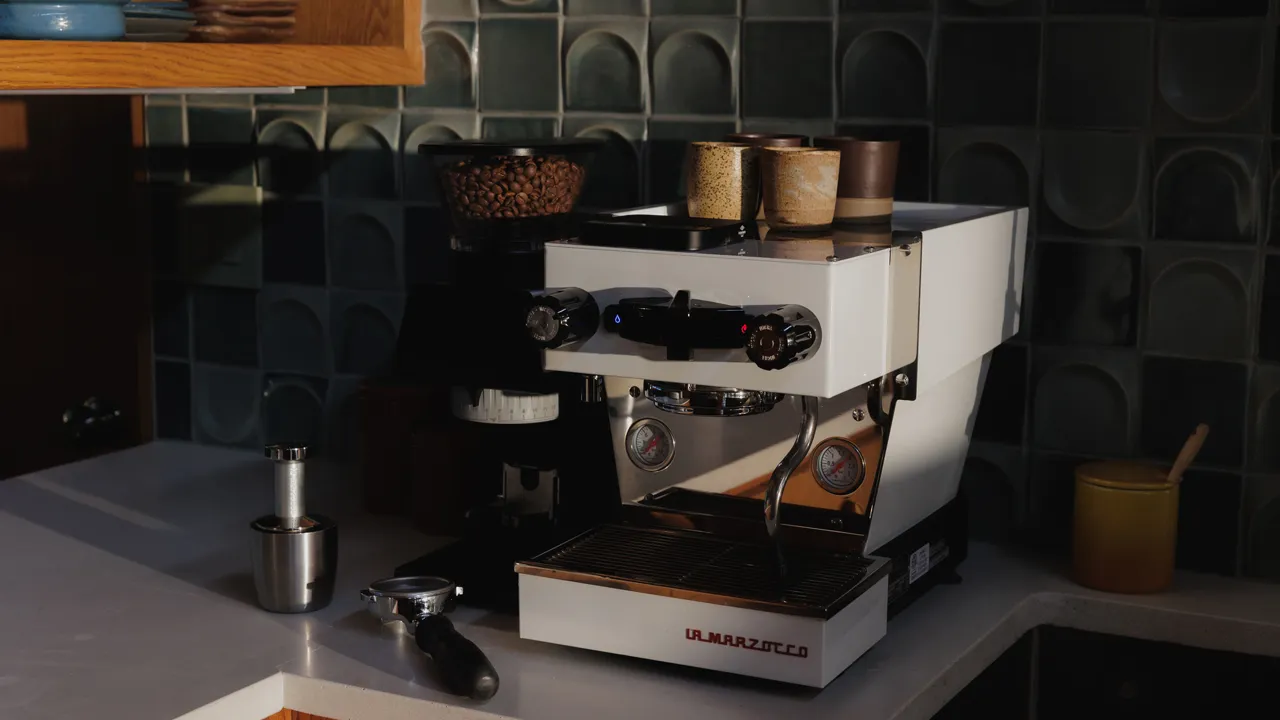
On 7 October 2026, a business programme devoted 28 minutes to coffee. The guests represented La Marzocco, the espresso-machine maker, and Hagen, a coffee brand drawing on Danish culture. A machine and a place to drink what it makes: an ordinary pairing, until you consider the different businesses behind them. One sells equipment. The other gives customers a reason to choose a particular cup.
This is the territory of The Entrepreneurs, Monocle’s weekly radio show. Hospitality, design, fashion and retail sit comfortably beside technology. The programme treats a workshop, a restaurant and a software company as places where interesting decisions happen. You can hear a business story without waiting for somebody to announce a funding round.
- A weekly, globally minded programme hosted by Tom Edwards.
- Founder interviews and reports spanning new businesses and established brands.
- Listen through Monocle, Apple Podcasts or Spotify; pick episodes by the problem you face.
The useful question is what a founder hears when the guest operates in another industry. Perhaps the product differs completely. The difficulty of making somebody care about it can sound remarkably familiar.
A magazine learned to speak
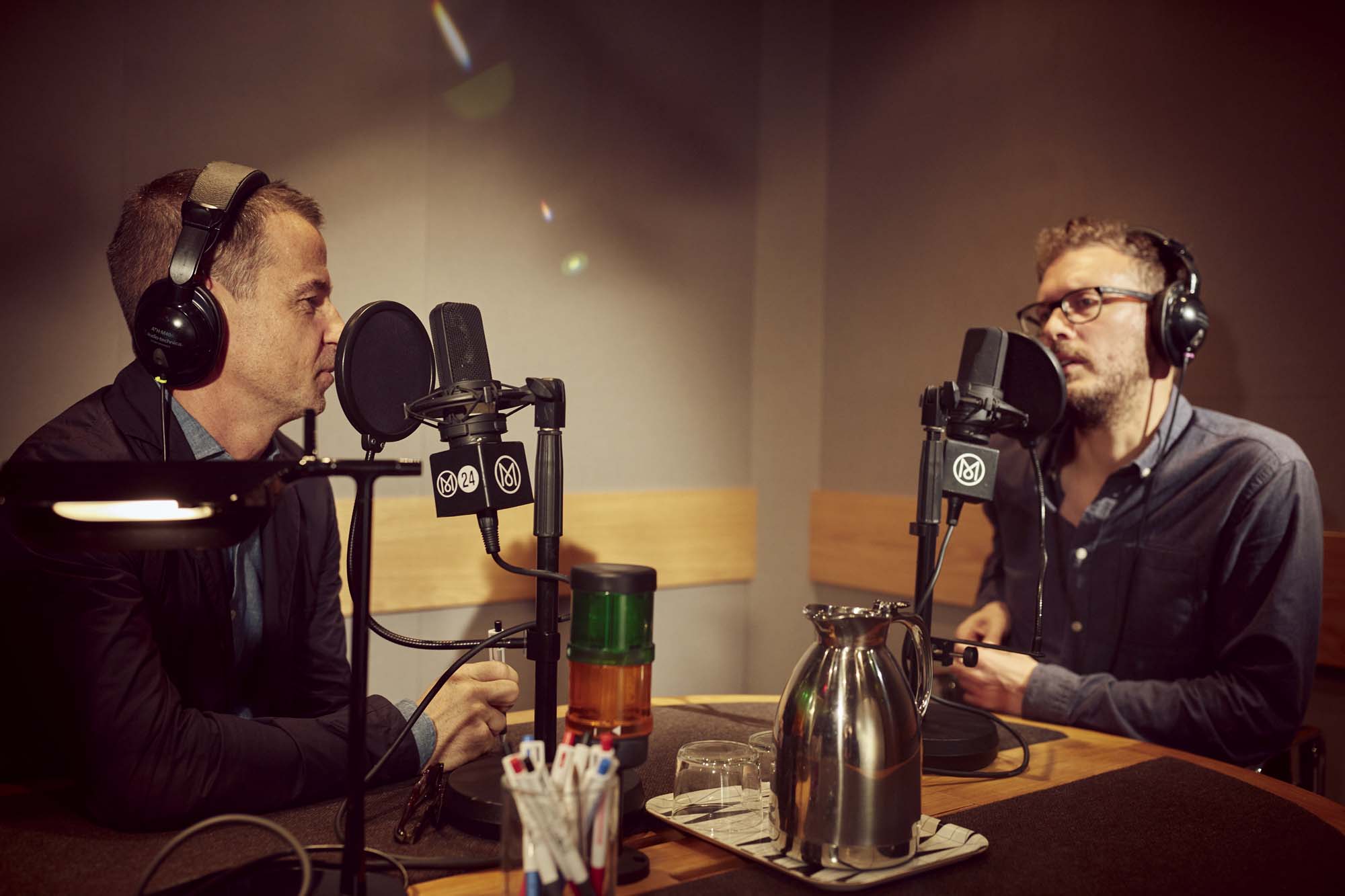
The first edition appeared on 19 October 2011. It ran for 48 minutes, explored luxury eyewear and asked business leaders about management and investment. Tom Edwards was already at the microphone. Monocle Radio, then called Monocle 24, had launched two days earlier.
The station grew from an existing weekly podcast. Monocle’s own anniversary account describes editors deciding to build a full radio service, equipping studios and adding broadcasting recruits. There were sleepless nights and technical leaps of faith. The proposition was public-service authority delivered with a conversational voice.
For The Entrepreneurs, that origin matters. It belongs to an editorial organisation with interests across cities, culture and design. Its expertise comes from reporting, interviewing and making connections between subjects. A hotel’s choice of atmosphere belongs in the same conversation as a founder’s choice of market.
The guest list does the positioning
Consider three visits. In March 2025, Canva co-founder Cameron Adams discussed simplicity, company culture and the relationship between profitability and social impact. In October, Maison Mirabeau founders Stephen and Jeany Cronk discussed their move to Provence and a rosé brand sold in more than 40 countries. In September 2026, the programme travelled to Manila to meet Moment Group founders Abba Napa and Eliza Antonino.
Those choices explain the show’s place in the market. Business audio can centre on the personal founder journey, as in How I Built This, or on technology and investing. Monocle offers a broader editorial neighbourhood: the business behind the things people buy, wear, inhabit and enjoy. This is a comparison of editorial approaches, rather than a ranking.
Its likely audience includes founders, independent operators, designers and managers looking for fresh examples. You do not need to be preparing a pitch deck. A shop owner thinking about identity has a reason to listen to the coffee episode. A product team wrestling with complexity has a reason to find Adams.
Confidence gets cross-examined
The archive has room for less flattering subjects. In November 2025, Childs Farm founder Joanna Jensen challenged the business usefulness of acting as if you know everything. Her episode addressed how that attitude can hold back growth. In August 2026, serial entrepreneur Mike Grossman joined a discussion of starting businesses and failure.
Another episode featured Ahmed Elhawary, who launched Mayfair Jets just weeks before the pandemic. The timing alone makes the story worth choosing. It puts an external shock beside the tidy assumptions of a new enterprise.
These episodes offer starting points for better questions. What failed first: demand, distribution or the founder’s interpretation of both? What evidence justified a change? When confidence stops helping, whom do you ask? Treat those as questions to carry into the interviews and into your own business. An episode description is an invitation to investigate.
The business behind the business stories
The programme is part of Monocle, the media brand founded by Tyler Brûlé in 2007. The parent operates magazines, books, shops, cafés and radio. The Entrepreneurs name also appears on an annual print title; the weekly programme is its own audio offering within that larger world.
A 2016 account of the station described sponsorship funding, professional studios and a team of 20 engineers, producers and researchers. It also recorded a surprise: radio attracted magazine newcomers. Executive editor Steve Bloomfield described radio bringing new people to the magazine. These were station-wide observations, rather than figures for this show.
“A whole new audience for our magazine”
Steve Bloomfield, Monocle executive editor, 2016
For a listener, the entry point is simple: publicly playable episodes, with no separate programme subscription required. For another publisher, the lesson is more demanding. Extending a brand into sound means giving people a reason to return, and making the voice recognisable. A microphone purchase gets you only part of the way there.
Take one idea back to work
Try a small experiment. Choose one episode about your own sector and one about a different one. Write down the customer, the choice being made and the constraint. Then separate the guest’s circumstances from the part you could test.
For the Mirabeau episode, the listening question is how a drink associated with summer might earn another occasion. For Hagen, it is how cultural identity helps a coffee brand distinguish itself. Your test could be a new buying occasion or a clearer explanation of why your product belongs somewhere.
The comparison becomes less useful when the conditions diverge: an established brand’s reputation, a different regulatory environment, or access to capital you do not have. Check those before copying the decision. The show supplies examples. You still have to work out which assumptions survive contact with your customers.
That is a sensible use of half an hour: leave with one sharper question, then go and ask it.