In 2020, Airwallex lost nearly half its revenue overnight. Years later, its founder Jack Zhang sat down for Grit to discuss raising money through uncertainty and choosing to keep building even with a $1.2 billion acquisition on the table. The interesting question arrives before the happy ending: what would you have done while the outcome was still open?
- The product: long conversations about the work of building companies.
- The advantage: an operator as host, with Kleiner Perkins’ network behind him.
- The useful habit: take one decision from an episode and test its assumptions against your own business.
That is a good way into Grit, the interview show created and hosted by Joubin Mirzadegan. Published by Kleiner Perkins, it gives an ordinary listener access to people whose calendars are otherwise difficult to penetrate. The guests have built sales organizations, software businesses and public companies. The attraction is hearing how choices looked from inside them.
A sales call, with better questions
The show began in 2020 as Go To Market Grit. Its inaugural guest was Robert Frati, then Slack’s senior vice president of sales and customer success. That starting point matters. Selling, hiring and keeping customers are the unglamorous machinery behind a company’s public story. Beginning with a sales leader put that machinery in the foreground.
Mirzadegan had joined Kleiner Perkins the previous year. Before that, he worked at Bracket Computing, Evident.io and Palo Alto Networks. His firm’s biography credits him with growing a cloud business from one enterprise representative and $2 million in annual recurring revenue to more than $50 million in four quarters. He comes to the microphone with experience of the numbers behind expansion.
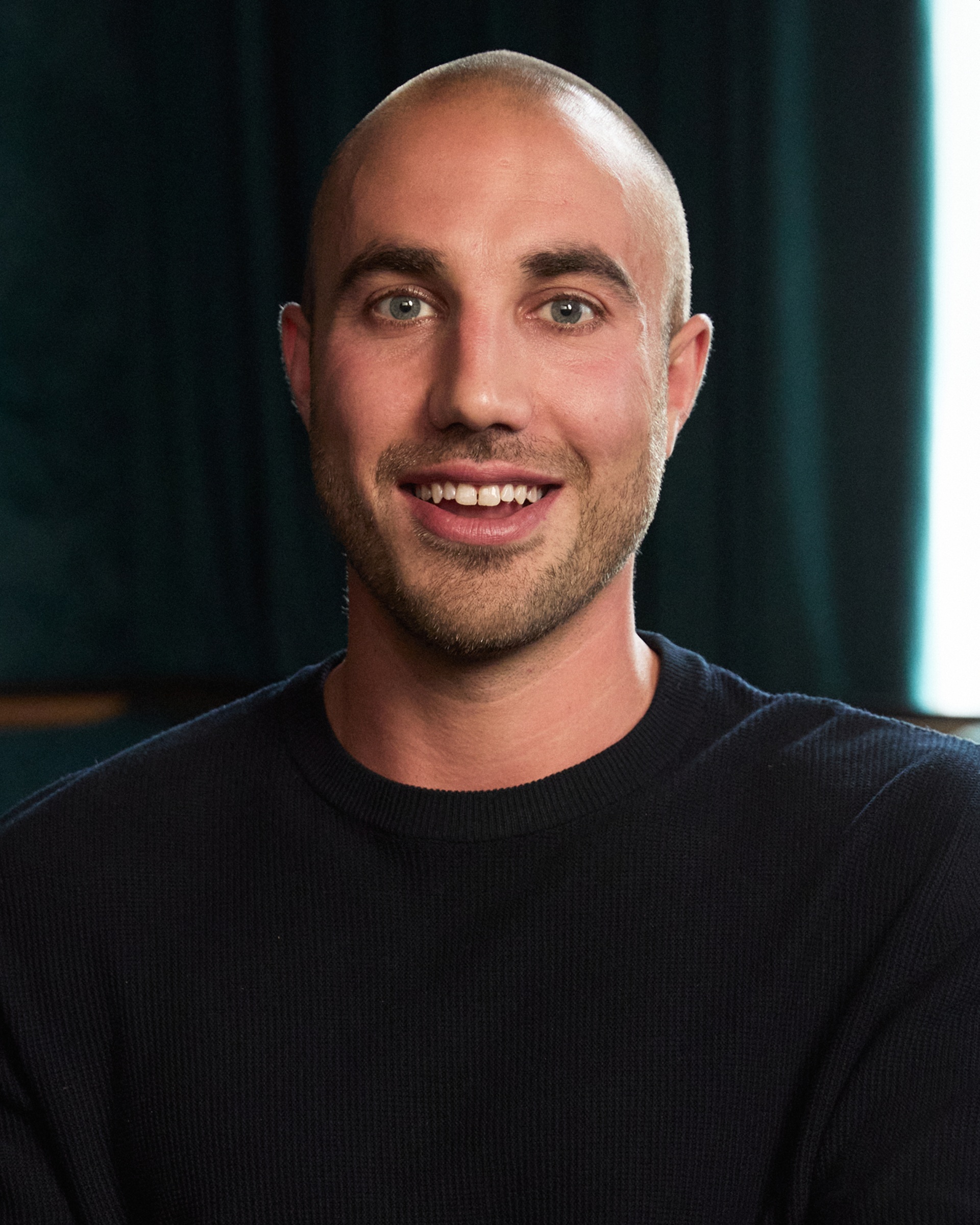
His present roles add another wrinkle: he is a Kleiner Perkins partner and CEO and co-founder of Roadrunner. Grit therefore sits close to the activity it describes. The show belongs to the firm’s media output, while its host also works with founders and builds a company himself. That proximity is part of its appeal.
The price of staying in the room
Grit’s product is straightforward. There are audio interviews, full videos on Kleiner Perkins’ YouTube channel, and shorter extracts on LinkedIn and X. The public episodes are available without a Grit subscription. The listener’s main expense is time: recent conversations run from roughly 51 minutes to 83 minutes. This is a commitment best made with a question already in mind.
The intended audience is easy to recognize: a founder deciding when to hire, a sales leader wondering whether demand can support expansion, an operator confronting a new market. Grit addresses the distance between an abstract business principle and the awkward circumstances in which somebody must apply it. A conversation can make those circumstances visible.
Its institutional setting also deserves attention. Publishing interviews gives Kleiner Perkins another way to put its people and relationships in public view. That is a reasonable reading of the business arrangement. For the audience, the exchange is simple: attention in return for access to operating experience. Treat the show as a firm-published interview series when weighing what guests say.
The billion-dollar number is the beginning
In December 2025, Evan Spiegel joined Grit with Kleiner Perkins advisor Bing Gordon. The episode returned to Snap’s rejection of a $3 billion Facebook offer and its desire to remain independent. It also examined the company’s commitment to augmented reality glasses. One conversation could therefore connect an early ownership decision with a later product direction.
For a listener, the acquisition number creates the drama. The reusable question is smaller: what future did independence preserve? Simply imitating Spiegel’s refusal would ignore the company, the alternatives and the people making the decision. The episode is more useful as an invitation to identify the choices a transaction would close off.
Other guests move the inquiry away from exits. Handshake co-founder Garrett Lord described how a network built around career opportunity became an asset for AI training. Verified experts and accumulated trust were central to the explanation. Sean Henry’s Stord interview brought the conversation down to warehouses and delivery: a network moving 50 million packages a year, according to the episode’s description.
These are useful neighbors in a listening library. One business depends on knowing who people are and what they know. Another must connect physical operations reliably. Putting them beside software founders expands the range of problems an operator can study. A company-building show has room for a loading dock.
Yesterday’s answer gets another hearing
When Glean’s Arvind Jain returned in January 2026, he offered a pointed view of technological change. His argument was for reopening assumptions as AI capabilities improve. It also gives a team something concrete to debate: which old decisions still earn their place?
“My mindset by default is that if you built something last year, it’s got to be obsolete.”Arvind Jain · Grit · January 2026
The October 2026 interview with Vercel COO Jeanne Grosser brought that question into support operations. The episode reports that agents already resolve 91% of Vercel’s support volume. Listen for what automation changes about the work left for people. A percentage can start an investigation; the workflow explains whether another business could borrow the approach.
Bring a pencil to the podcast
The most productive way to use Grit is to choose by problem. If you are wrestling with expansion, start with Mark Roberge’s conversation about finding product-market fit and using your own data to decide when to scale. If you are considering a new business line, Handshake’s account offers a different kind of evidence to examine.
Then write three sentences: what the guest chose, what made the choice possible, and what evidence would justify trying it yourself. This is a suggested listening method, not a promise from the show. Advice about hiring ahead of demand becomes hazardous when cash is scarce. Advice built around a trusted network travels poorly to a business that has yet to earn that trust.
Grit is worth passing to a colleague when an episode gives both of you a specific decision to discuss. Send the conversation with a question attached. The next meeting might begin with something more useful than a famous founder’s name: an assumption your team can actually examine.