kleiner-perkins
(36)
Superblocks
Superblocks is a New York-based enterprise software company that lets organizations build, deploy, and govern AI-generated internal applications. Its AI agent, Clark, turns natural-language prompts into full-stack apps backed by extensible React code, while enforcing an enterprise's existing security policies, data permissions, design standards, and audit requirements. The company positions itself as the governed, IT-controlled answer to consumer 'vibe coding' tools, serving teams that need to ship internal software quickly without introducing security and compliance risk.
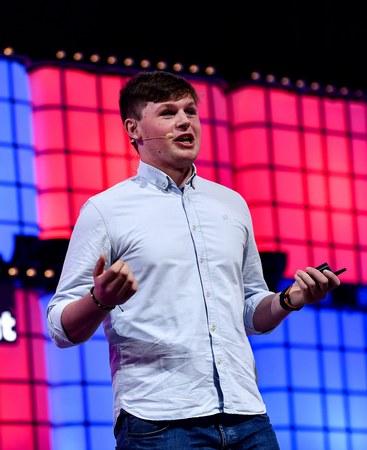
Shane Curran
Shane Curran is the founder and CEO of Evervault, an encryption infrastructure company he started in 2018 after dropping out of University College Dublin three days into a business and law degree. A year earlier, at 16, he had won the BT Young Scientist and Technology Exhibition with a post-quantum encrypted storage project called qCrypt. Evervault sells developer-facing tools that keep sensitive data - card numbers, health records, keys - encrypted while still being processed, running inside AWS Nitro Enclaves. The company has raised $46 million from Sequoia, Kleiner Perkins, Index Ventures and Ribbit Capital, most recently a $25M Series B in March 2026.

Dazzle AI
Dazzle AI is a Palo Alto consumer-AI startup founded by former Yahoo CEO Marissa Mayer that aims to close the gap between what people want to do and what they can actually do with AI. Emerging from the assets of Mayer's earlier venture Sunshine, Dazzle is building a consumer-facing AI application - described as a next-generation personal assistant - and raised $8 million in seed funding in December 2025 at a $35 million post-money valuation, led by Forerunner's Kirsten Green.

Carlo Kobe
Carlo Kobe is the co-founder and CEO of Mine (formerly Fizz), a New York fintech building credit-building debit cards and AI-powered money tools for Gen Z. A German immigrant who dropped out of Harvard at 19 to join Y Combinator's Summer 2021 batch, he built the company after being denied a credit card in Harvard Square because his parents couldn't co-sign. Mine has grown to roughly a million users, about $10M in annual recurring revenue, and raised around $28.5M from Kleiner Perkins, 359 Capital, SV Angel, and Y Combinator.

Arcade
Arcade is a San Francisco software company that lets go-to-market teams build interactive product demos in minutes instead of weeks. Using a Chrome extension or desktop app, users record their product, then add pan-and-zoom, hotspots, synthetic voiceovers, and branching paths to create clickable 'arcades' that can be embedded in websites, emails, and social posts. Founded in 2021 by former Atlassian colleagues Caroline Clark and Rich Manalang, the company turns the old 'request a demo' wall into a 'try before you buy' experience, and is used by more than 14,000 companies including Zapier, Red Hat, and New Relic.

Manifest OS
Manifest OS is a New York-based legal technology company building the operating system for AI-native law firms. It powers a unified law-firm brand, Manifest Law, with an end-to-end AI platform and centralized back office, replacing the billable hour with flat, outcome-based pricing. Starting in business immigration, the company raised a $60M Series A at a $750M valuation in April 2026, reported as the largest Series A in legal-tech history.
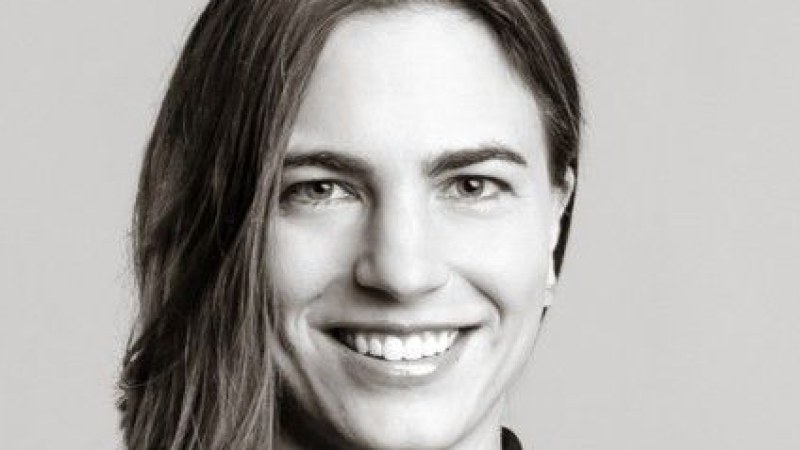
Caroline Clark
Caroline Clark is the CEO and co-founder of Arcade, the San Francisco software company that turned the dreaded product demo into something people actually want to watch. After product marketing at Atlassian and a stint at Sequoia Capital, she started Arcade in 2021 to kill the screenshots-and-gifs grind she lived through firsthand. Today more than 14,000 companies, from Salesforce to Zapier to Carta, build interactive demos and AI-generated product videos on Arcade, which raised a $14M Series A led by Kleiner Perkins in November 2024. Clark borrows the feel of video games, pulsating dots, satisfying load times, to make B2B software feel like play, and runs the company on a borrowed Sequoia creed: rigor, discipline, and focus on quality.
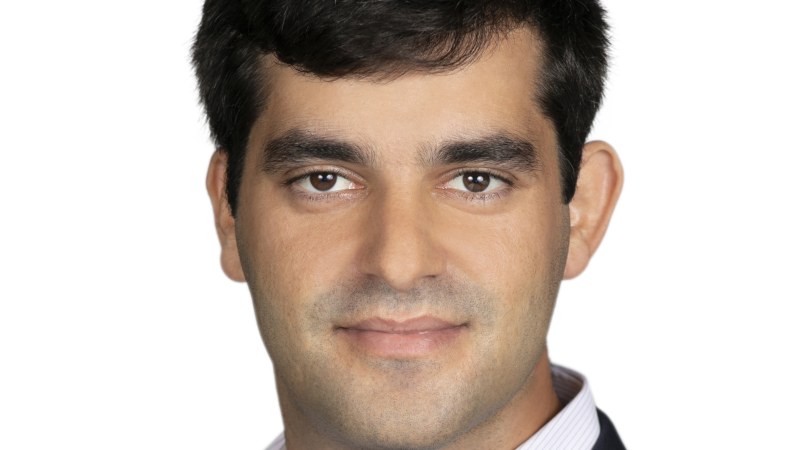
Dmitry Turbiner
Dmitry Turbiner is the founder and CEO of General Radar Corp., a Silicon Valley deep-tech company building what it calls the world's first 100% commercial AESA phased-array radar with defense-grade performance. An MIT-trained electrical engineer who designed flight-grade satellite antennas at NASA's Jet Propulsion Laboratory, Turbiner left a Stanford master's program to start the company in 2016. General Radar has raised more than $47 million across seed and Series A rounds from backers including Kleiner Perkins and Octave Ventures, and pioneered a 'Radar-as-a-Service' model that aims to deliver high-resolution, long-range threat detection in a fraction of the usual time and cost.
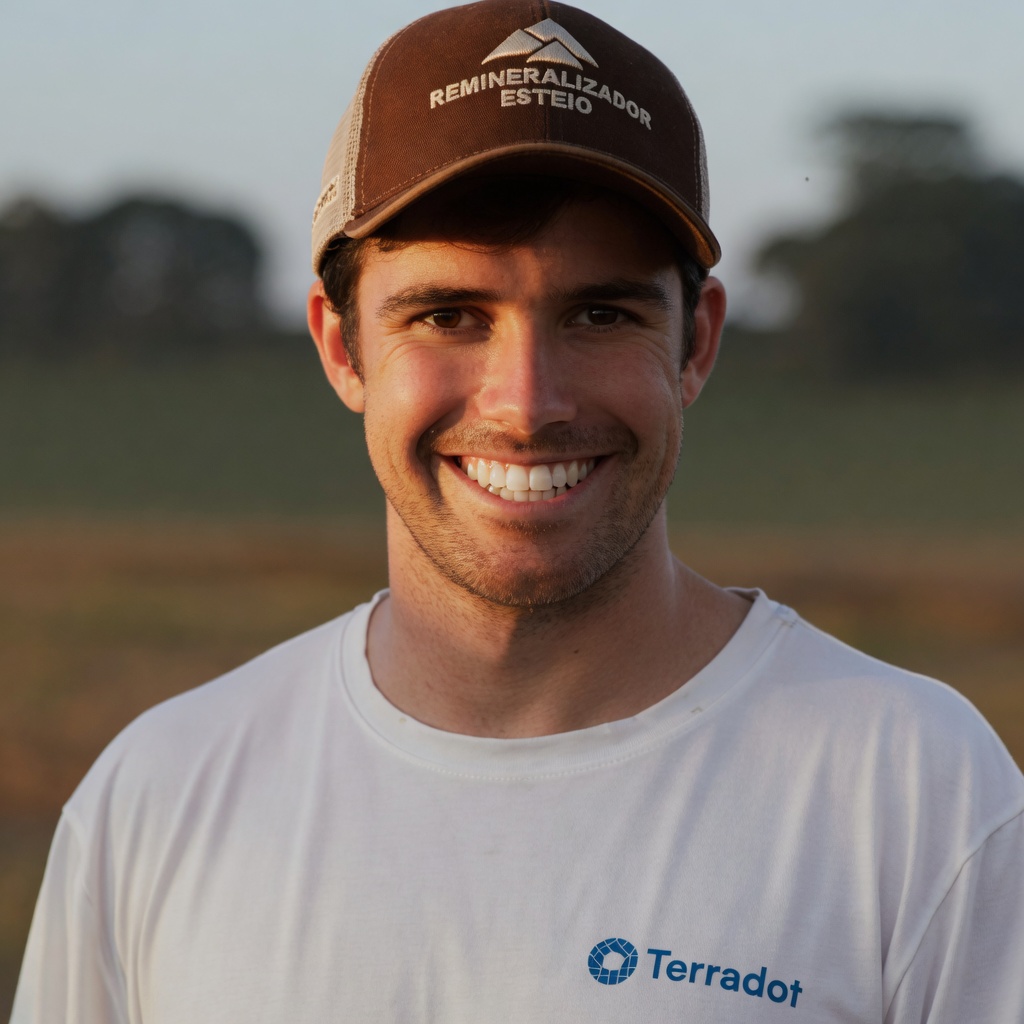
James Kanoff
James Kanoff is the co-founder and CEO of Terradot, a climate company using enhanced rock weathering to pull carbon dioxide out of the atmosphere by spreading crushed silicate rock across farmland. He launched Terradot in 2024 with $58.2M in funding, including a $54M Series A led by Kleiner Perkins and backing from Google, Microsoft, John Doerr and Sheryl Sandberg, and has already signed some of the largest carbon-removal deals in the field's history. Before Terradot, while a Stanford undergraduate sent home during the COVID-19 pandemic, he co-founded The Farmlink Project, a nonprofit that has rescued well over 130 million pounds of surplus food for communities facing hunger.
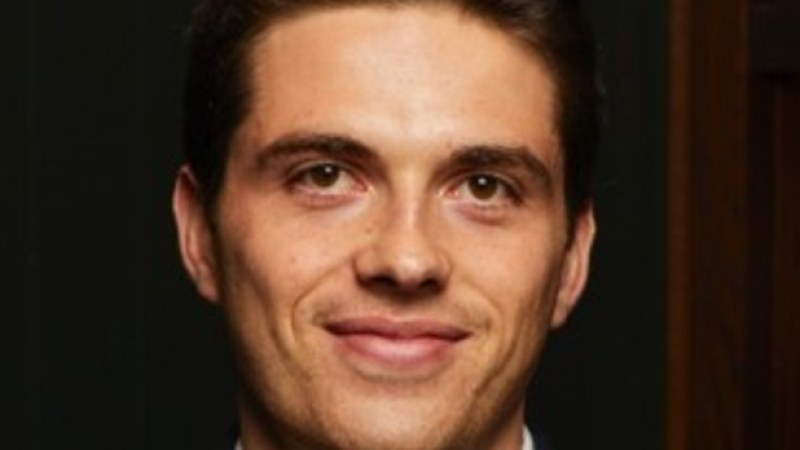
Gabriel Stengel
Gabriel Stengel is the co-founder and CEO of Rogo, a generative AI platform built for investment banks, private equity firms and hedge funds. A 2020 Princeton computer science graduate who did stints at J.P. Morgan and whose co-founder came from Lazard, Stengel turned a clunky senior-thesis econometrics chatbot into a company that, by April 2026, raised a $160 million Series D at a roughly $2 billion valuation. Rogo's AI agent Felix now serves more than 35,000 finance professionals across 250-plus institutions, automating the grunt work of benchmarking, earnings analysis and pitch decks that once kept junior bankers awake at night.

Monica Desai Weiss
Monica Desai Weiss is the Chief Business Officer of Manifest OS, the New York startup building an AI-native law firm model that raised a $60M Series A in April 2026 at a $750M valuation. A former bond trader at JPMorgan, she ran Operations & Strategy at Blockchain.com, then spent years as a Principal at Kleiner Perkins backing fintech, crypto and consumer companies including Settle, Propel and Nova Credit. She is also a writer whose 'Bits' essays dissected the early DeFi and NFT waves.

Nate Mazonson
Nate Mazonson is the co-founder and CEO of Alara Imaging (Alara Gateway), a San Francisco health-tech startup building a secure gateway-as-a-service that moves radiology data between hospitals and the cloud in real time. A Dartmouth-trained environmental engineer turned Stanford MBA, he spent five years in venture capital at Cambridge Associates and Kleiner Perkins before co-founding the vertical-farming company Plenty in 2015 and then Alara in 2019. His through-line: take antiquated, high-stakes infrastructure - first food, now medical imaging - and rebuild it as modern, machine-learning-ready software.
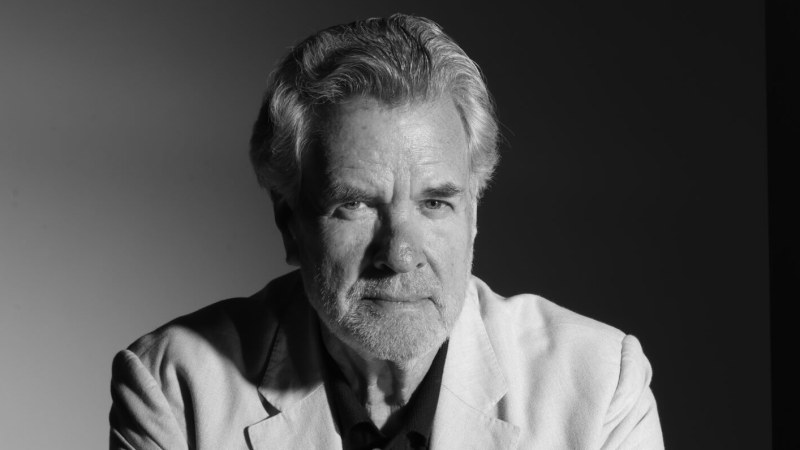
Nicholas Callaway
Nicholas Callaway is a New York publisher, app maker, and television producer who has spent more than 40 years making books and media that push the limits of how art can be reproduced. As founder and CEO of Callaway Arts & Entertainment, he produced Madonna's 'Sex' (still the best-selling illustrated book of its era), David Kirk's 'Miss Spider' series, the $22,000 life-scale Sistine Chapel three-volume set, and the panoramic 'Bob Dylan: Mixing Up the Medicine.' In 2010 he spun off Callaway Digital Arts with backing from Kleiner Perkins, after Steve Jobs took notice of his children's apps, and went on to publish #1 hits like 'Endless Alphabet.'

Juicero
Juicero was a San Francisco hardware startup that built a Wi-Fi-connected, $699 cold-press juicer paired with proprietary single-serving produce packs sold by subscription. Backed by roughly $118.5 million from Kleiner Perkins, Google Ventures, and Campbell Soup's venture arm, it became a Silicon Valley cautionary tale in 2017 after Bloomberg showed the packs could be squeezed by hand just as effectively as the machine. The company suspended sales in September 2017. The juicero.com domain now hosts an unrelated sparkling-water brand revived in 2025.
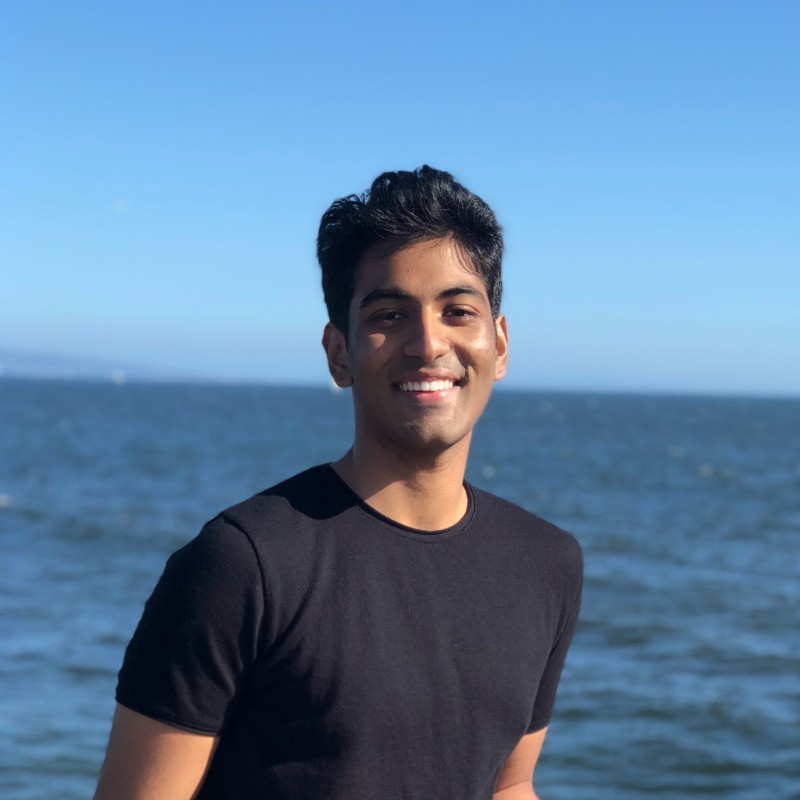
Apurva Shrivastava
Apurva Shrivastava is the co-founder and Co-CEO of Avoca, a New York AI company that builds voice and workflow agents for home services businesses like HVAC, plumbing, and roofing contractors. An MIT computer science graduate and second-time founder who built AI products at Apple and engineered at Retool, he and co-founder Tyson Chen pivoted from restaurants to the trades after a chance encounter at a Texas conference. By 2026 Avoca had crossed a $1 billion valuation, 800-plus customers, and $125M-plus raised from Kleiner Perkins, Meritech, and General Catalyst.
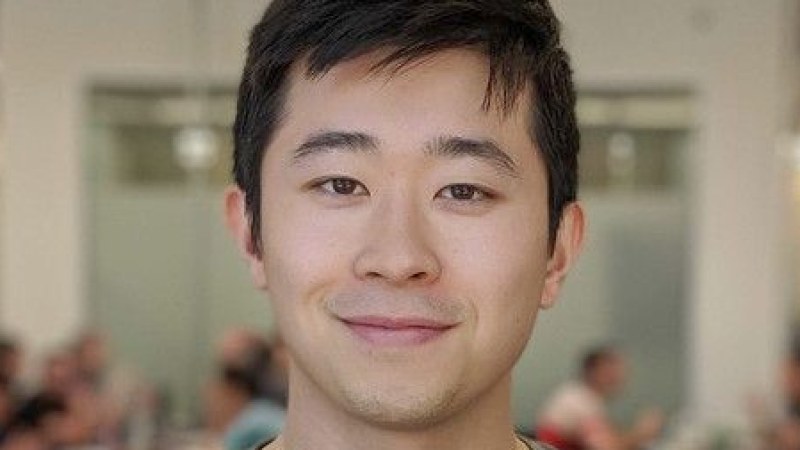
Tyson Chen
Tyson Chen is the co-founder and co-CEO of Avoca, a New York based startup building AI agents that answer the phones, book jobs, and chase estimates for the trades - HVAC, plumbing, roofing, electrical. He met his co-founder Apurva Shrivastava at an MIT poker night, started out trying to save restaurants from missed calls, then pivoted after a Dallas heating-and-air company showed them that one missed call could mean a lost $40,000 install. In April 2026 Avoca raised a $125M+ Series B led by Meritech and General Catalyst at a $1 billion valuation.

Nooks
Nooks is an AI Sales Assistant Platform (ASAP) that automates the grind of outbound sales - parallel dialing, prospect research, call coaching, and follow-up - so reps can spend more time having real conversations and less time leaving voicemails. Founded by three Stanford classmates in 2020 and headquartered in San Francisco, the company has raised $70M, including a $43M Series B led by Kleiner Perkins, and counts Seismic, Greenhouse, Brex, Deel, and HubSpot among its customers.
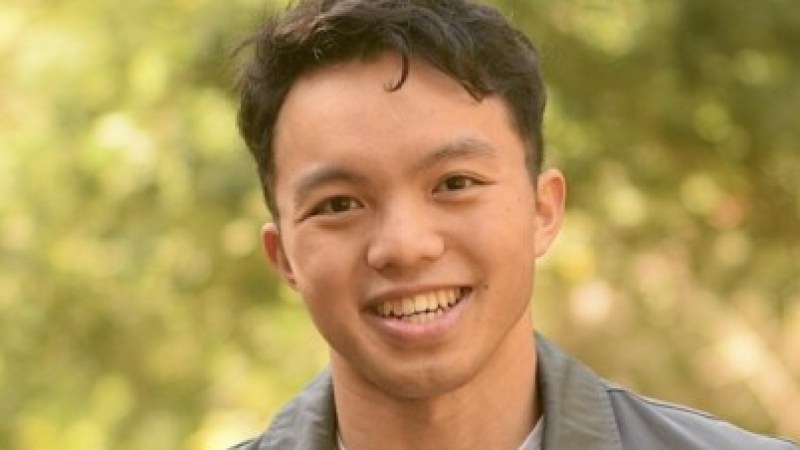
Dan Lee
Dan Lee is the Co-Founder and CEO of Nooks, an AI Sales Assistant Platform that automates the manual busywork of sales development reps so they can focus on the human side of selling. Born in Manhattan and raised in New Jersey, Lee studied AI at Stanford (BS '21, MS '22), did ML stints at Scale AI and Cerebras Systems, and co-founded Nooks in 2020 with Stanford classmates Rohan Suri and Nikhil Cheerla. The company has raised $70 million in total funding, including a $43M Series B led by Kleiner Perkins in October 2024, and was named a Forbes 30 Under 30 AI honoree in 2025.
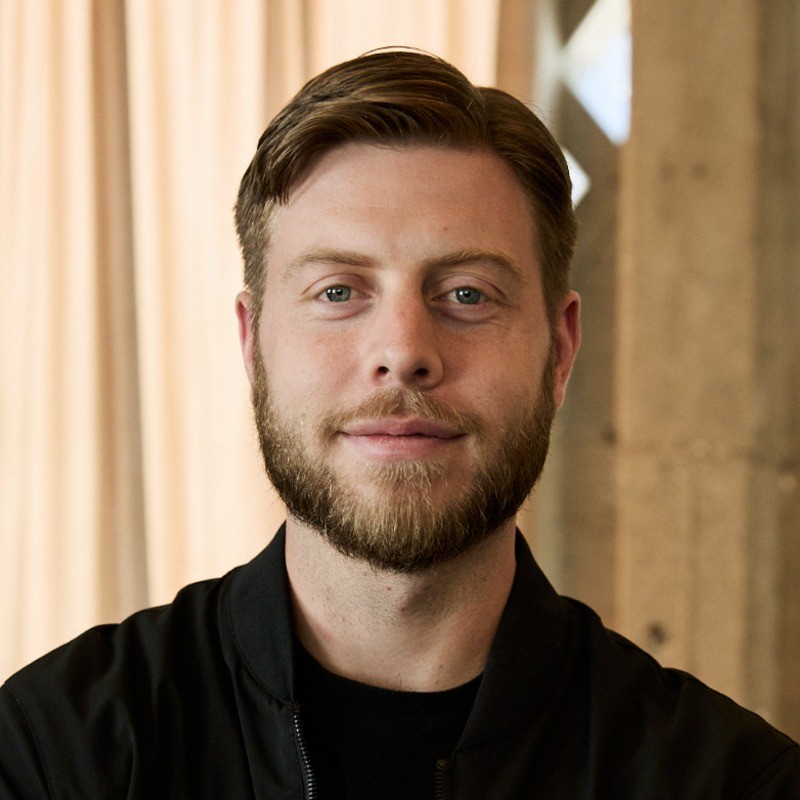
Everett Randle
Everett 'Ev' Randle is a General Partner at Benchmark, one of Silicon Valley's most legendary and selective venture capital firms. A Colorado native who graduated top of his class from CU Boulder's Leeds School of Business, Randle cut his teeth at Vista Equity Partners before moving through Bond Capital, Founders Fund, and two stints at Kleiner Perkins. He backed companies like Rippling, Anthropic, Databricks, Flock Safety, and Huntress across those roles. He is also a respected essayist in the VC world, best known for 'Playing Different Games' (2021), a widely-cited breakdown of Tiger Global's disruption of venture capital, and 'Operating Yield' (2023), a new framework for measuring SaaS growth efficiency. In April 2025, Benchmark announced Randle as its newest General Partner - a firm that manages roughly $425M per fund with only five partners.

Karl Meyer
Karl Meyer is General Partner and Managing Director, Head of Global Portfolio Operations at Digital Alpha, an alternative asset manager focused on digital infrastructure - the backbone of the digital economy spanning next-generation networks, cloud, and IoT/Smart Cities. Bringing two decades of enterprise technology experience from Cisco, Kleiner Perkins, HPE, and Incorta, Meyer joined Digital Alpha in October 2021 to build a world-class operations function and drive measurable value creation across the firm's portfolio companies. He currently serves on the boards of Energybox and PacketFabric, where his enterprise software and go-to-market expertise helps portfolio companies scale into Global 2,000 accounts.
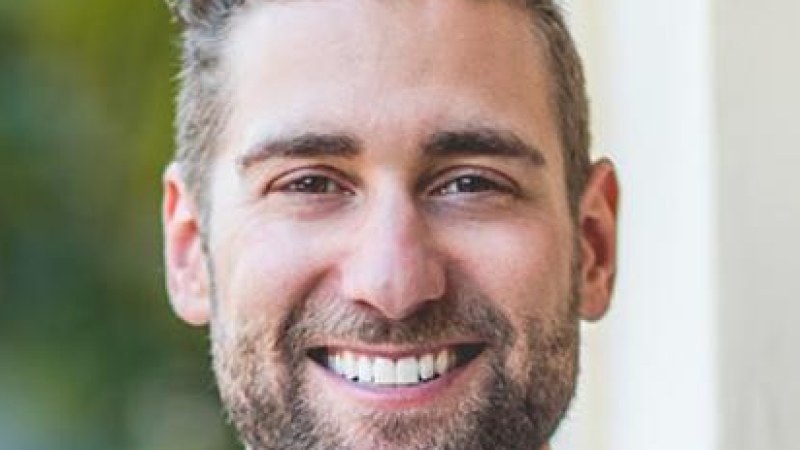
Max Motschwiller
Max Motschwiller is a General Partner at Meritech Capital, a Palo Alto-based growth investment firm behind more than $150 billion in IPOs. He leads investments in enterprise software and fintech at Series B, with a focus on companies scaling toward market leadership. Before Meritech, he backed Uber, Duolingo, Dropcam, and MyFitnessPal at Kleiner Perkins, and spent three years at Summit Partners executing growth equity deals. Named to Forbes 30 Under 30 in 2015, Motschwiller brings an edge forged at Harvard lacrosse, two VC institutions, and a sharp eye for companies that define their categories.
Noah Knauf
Noah Knauf is a General Partner and co-founder at BOND Capital, the San Francisco-based growth-stage venture firm he helped launch in 2019 alongside Mary Meeker, Mood Rowghani, and Juliet de Baubigny after spinning out of Kleiner Perkins. With more than two decades in finance and private equity, he brings a rare combination of Bain consulting rigor, nine years deploying $1.8 billion at Warburg Pincus, and front-row experience at one of Silicon Valley's most storied VC firms. At BOND, he leads investments in high-growth technology companies with a particular focus on healthcare, fintech, gaming, and frontier technology, serving on the boards of AKASA, Saildrone, Sidecar Health, and Sunday.
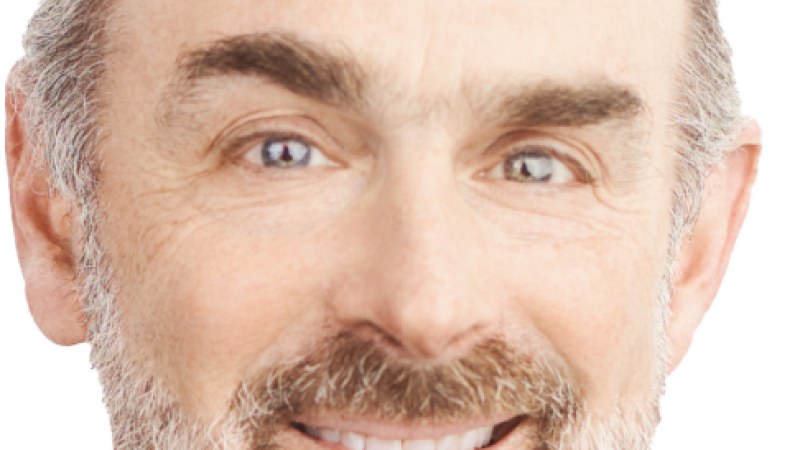
Ted Schlein
Ted Schlein is Chairman and Founding General Partner of Ballistic Ventures, a cybersecurity-dedicated venture capital firm based in Daly City, California. After nearly 30 years at Kleiner Perkins where he became Silicon Valley's foremost cybersecurity investor, Schlein launched Ballistic in 2021 with a $300 million inaugural fund, followed by a $360 million second fund in 2024 and a $100 million third raise in 2025. A former operator at Symantec and founding CEO of Fortify Software, he sits on the DHS Homeland Security Advisory Council and the CIA's InQTel board, bridging the gap between Silicon Valley capital and national security infrastructure.
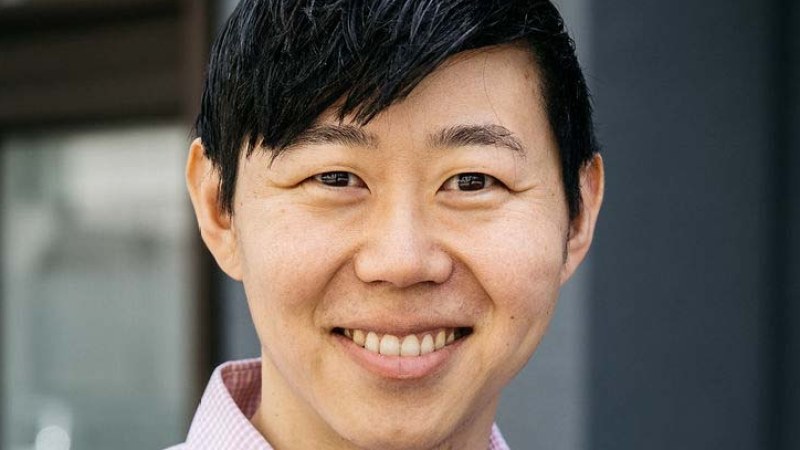
Wayne Hu
Wayne Hu is a General Partner at SignalFire, the AI-native venture capital firm he helped build from its first investment team in 2015. A Princeton-trained mathematician turned Google strategist turned VC, he led the YouTube ads monetization operation at Google before pivoting to investing — backing companies like Grow Therapy, EvenUp, and Solace from the earliest stages. His edge is equal parts pattern recognition and proprietary data: SignalFire's Beacon AI platform ingests signals about talent, market trends, and founder trajectories that most investors never see. He invests where incumbents haven't bothered — sectors ripe for end-to-end reinvention.
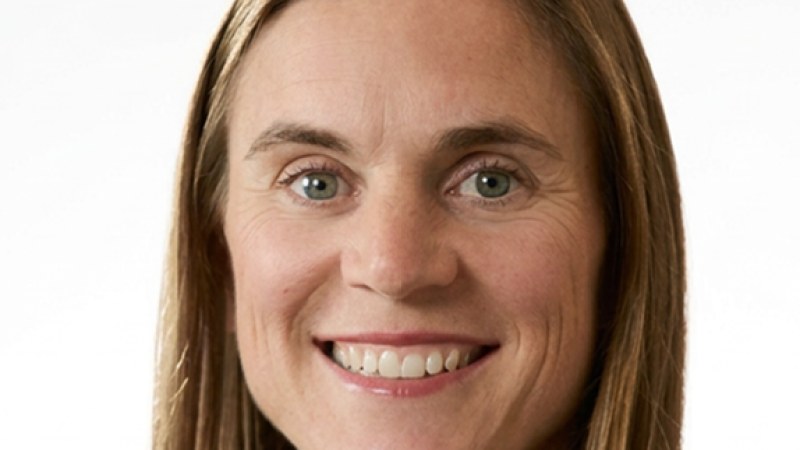
Annie Case
Annie Case is a Partner (and current Advisor) at Kleiner Perkins, one of Silicon Valley's most storied venture firms, where she backs early-stage founders building in consumer tech, digital health, and enterprise AI. A Stanford-educated defender who won the 2011 NCAA soccer championship, she traded cleats for cap tables after stints at Bain & Company and Uber — where she helped scale UberEats internationally — and has since built a portfolio spanning mental health (Modern Health), AI healthcare infrastructure (Ambience), fitness coaching (Future), and next-generation shopping (Phia). Known for investing at the intersection of human behavior and technology, Case brings rare operator empathy to the boardroom.
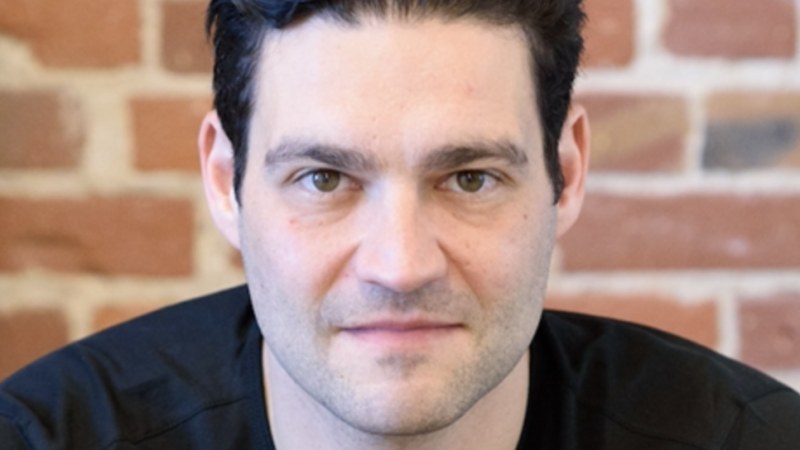
Ilya Fushman
Ilya Fushman is a Partner at Kleiner Perkins, one of Silicon Valley's most storied venture firms, where he invests in early and growth-stage companies reshaping enterprise software, infrastructure, financial services, and AI. Before VC, he was a senior product leader at Dropbox (employee #75) and a General Partner at Index Ventures. A trained physicist with a Stanford PhD and a Nature paper on quantum computing, Fushman brings rare scientific depth to the investment table - having backed transformative companies including Slack, Robinhood, Rippling, Harvey, and Loom.
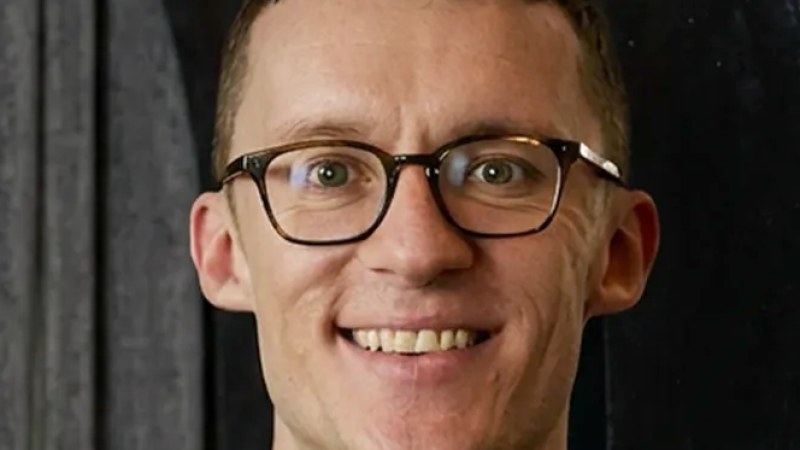
Josh Coyne
Josh Coyne is a Partner at Kleiner Perkins, one of Silicon Valley's most storied venture capital firms, where he has backed category-defining companies including Figma, Rippling, Loom, UiPath, and Synthesia since joining in 2017. A summa cum laude Boston College graduate in Computer Science and Finance, Coyne cut his teeth at Qatalyst Partners advising on multi-billion dollar tech M&A before pivoting to backing founders himself. He focuses on enterprise software, applied AI, fintech, and data infrastructure - and co-hosts Kleiner Perkins' Grit podcast, where he probes founders on product-market fit and go-to-market strategy. Originally from Cleveland, fluent in French, and apparently devoted to Chick-fil-A.
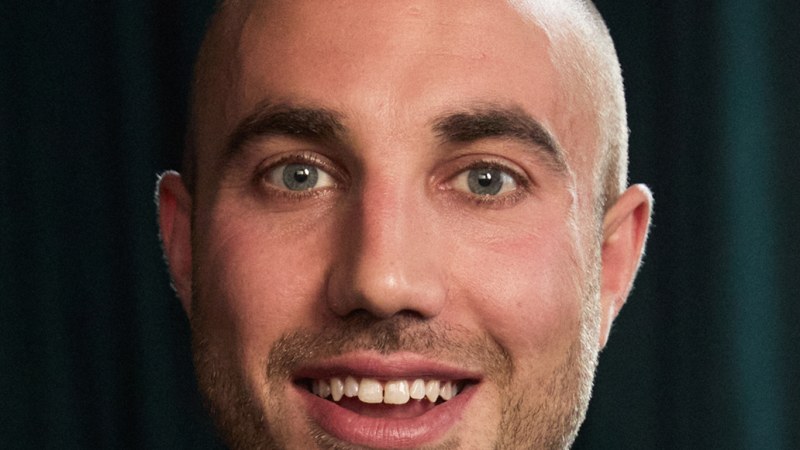
Joubin Mirzadegan
Joubin Mirzadegan is a Partner at Kleiner Perkins and CEO/co-founder of Roadrunner, the firm's first incubation since Glean. A former sandwich artisan turned elite sales operator, he scaled Palo Alto Networks' cloud business from $2M to $50M ARR in four quarters, then joined KP in 2019 to help technical founders build go-to-market machines. Along the way he launched Grit, a top-1%-worldwide podcast where he interviews the builders behind breakout companies - guests have included John Doerr, Evan Spiegel, Michelle Zatlyn, and Bret Taylor. Now he's betting his own chips on Roadrunner, an AI-native CPQ platform rebuilding enterprise quoting from the ground up.
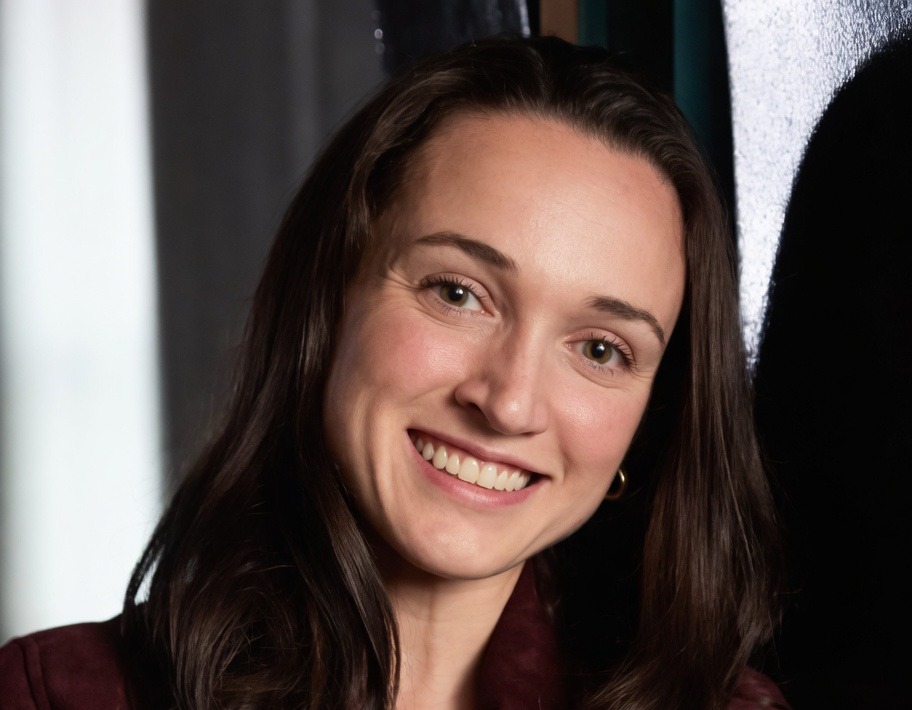
Leigh Marie Braswell
Leigh Marie Braswell is a Partner at Kleiner Perkins, one of Silicon Valley's most storied venture firms, where she backs early-stage founders building the next wave of AI infrastructure and ML applications. A rural Alabama native who became MIT's top competitive female mathematician, she cut her teeth as an early engineer and the first product manager at Scale AI, helped label data for GPT-2, then sharpened her investment instincts at Founders Fund before joining KP in 2023. Her bets - Windsurf (acquired by Google), Neon (acquired by Databricks), Chronosphere (acquired by Palo Alto Networks), and a first angel check into Ambience Healthcare at a $1.1B valuation - reveal a pattern: she backs fast-moving technical founders before anyone else does, using a poker-trained lens for probabilistic decision-making.
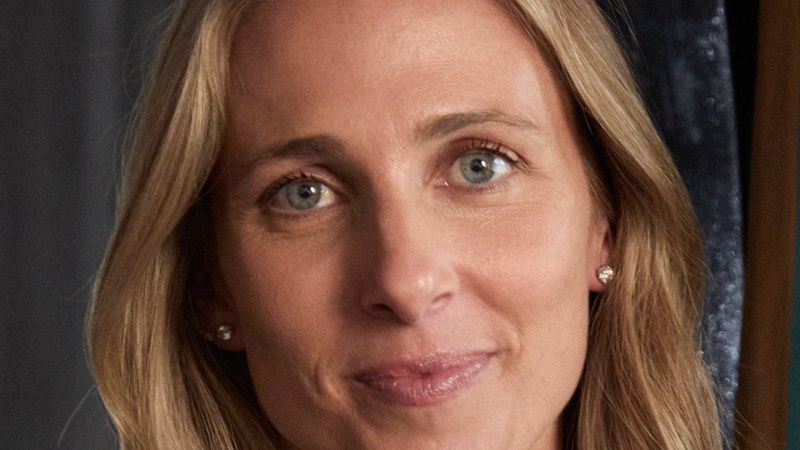
Suzanne Holloway
Suzanne Holloway is the Operating Partner for Go-to-Market at Kleiner Perkins, one of Silicon Valley's most storied venture capital firms. A hands-on marketing leader who helped Miro scale from pre-Series A to a $17.5 billion valuation, she now advises Kleiner Perkins portfolio companies on building marketing strategies and high-performing teams. With deep roots in early-stage B2B startups - from Greenhouse Software to Zugata (acquired by Culture Amp) - Holloway brings rare operational credibility to a firm better known for writing checks than rolling up sleeves.