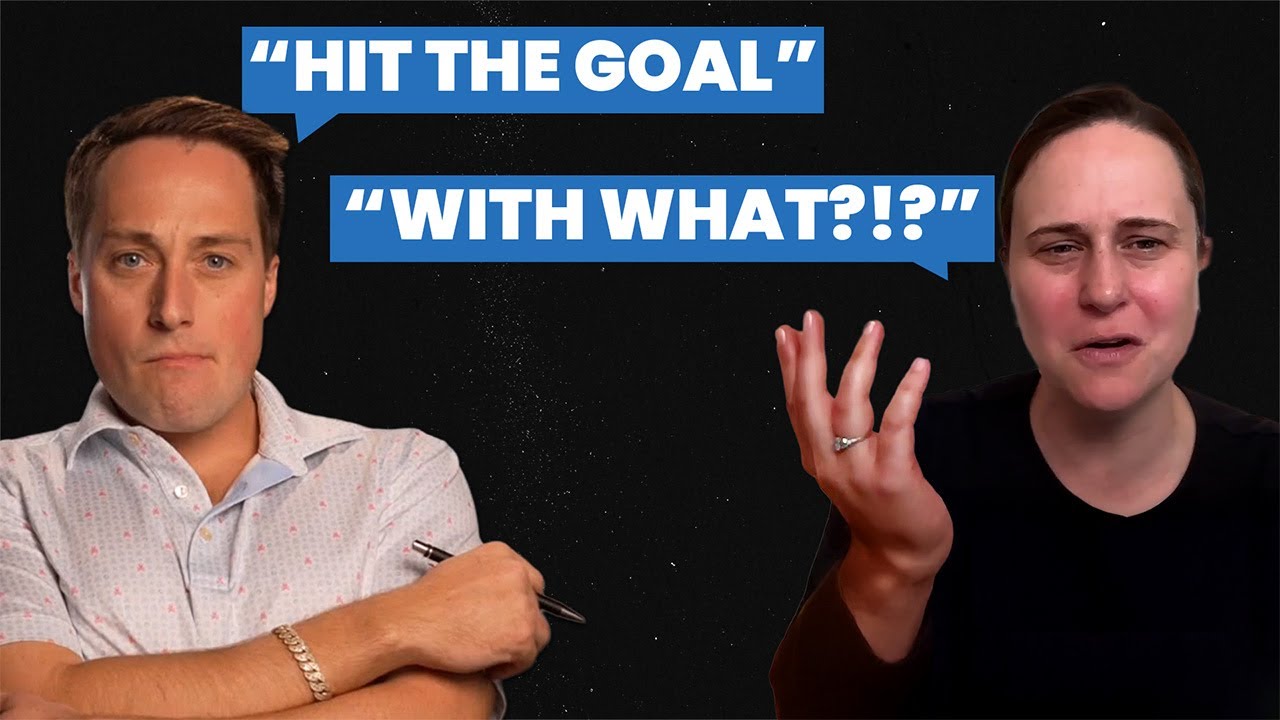
In October 2025, Kyle Poyar had a curious piece of news: his new podcast was apparently the number ten business podcast in Croatia. Portugal had placed it at fifty-seven. For a show about startup growth, this was an amusingly specific foothold. Poyar and his co-host, CFO CJ Gustafson, could talk fluently about revenue. Getting people to listen to them talk about revenue was another problem.
- Mostly Growth pairs a pricing and growth specialist with a CFO.
- Free audio and video episodes cover the decisions behind software revenue.
- The useful tension: ambitious growth plans still need budgets that add up.
That little Croatian victory captures the appeal of Mostly Growth. The hosts explain how businesses work while building a media product of their own. Their subject occasionally walks into the recording booth wearing their clothes. A discussion about distribution becomes a discussion about their distribution. A conversation about creator economics becomes an inspection of their working lives.
The Croatian problem
The premise began with Gustafson suggesting a podcast. Poyar agreed with a condition: “it couldn’t be another boring interview show.” The trailer arrived on September 26, 2025. Poyar’s launch description promised candid takes, unconventional stories and business blunders, with producer Ben Hillman helping turn the conversations into a recurring show.
The early obstacle was discovery. In his October recap, Poyar described podcasts as difficult to share and difficult to dislodge from a listener’s existing habits. The team’s first response was practical: create a LinkedIn page, give the show prominent placement on their websites and mention it in the welcome email sent to free newsletter subscribers.
“We’re still figuring out the growth strategy behind Mostly Growth.”Kyle Poyar · October 2025
Those are modest moves. They also reveal a starting advantage: the hosts already had places to send people from. A newsletter welcome email catches someone who has just expressed interest. It offers a second format at the moment attention is available. Whether that person becomes a regular listener is a separate test.
Two ways of reading a revenue number
Poyar brings experience in pricing, packaging and product-led growth. He previously worked as an operating partner at OpenView and a director at pricing consultancy Simon-Kucher. His Growth Unhinged newsletter examines startup marketing and monetization. Gustafson brings the CFO’s perspective and the audience of Mostly Metrics. Hillman is credited as producer and joins the conversation.
The combination matters because growth can sound different depending on the room. A product team may see adoption. Sales may see pipeline. Finance sees what the company must spend before either becomes cash. Mostly Growth gives those perspectives a common topic: how modern companies make money. Its stated audience includes finance, product and sales operators who want to think like owners.
For those listeners, the product is useful translation. Pricing becomes a question of what customers buy and what delivery costs. Benchmarks become a way to interrogate a plan. AI becomes a question about workflows, spending and monetization. The show fits beside startup interview podcasts and specialist newsletters, offering an ongoing conversation across jobs that often have separate meetings.
A microphone with a business model
The public episodes cost nothing to hear. You can find them on Apple Podcasts and Spotify, watch on YouTube, or browse the show through Growth Unhinged. The commercial side is visible inside the episodes: named sponsors buy access to the conversation’s audience. Late-2025 notes identify Pulley and Metronome; June 2026 notes include Tabs, Lightfield and beehiiv.
These are companies selling tools for finance, billing, customer relationships or publishing. The fit is understandable. A discussion of monetization gathers people who may influence purchases in those categories. Listeners get the conversation; advertisers get an opportunity to reach a relevant professional audience. The hosts’ newsletters also give the show additional routes into that audience.
& websites
& video
attention
Named sponsors fund placements around the conversation. A model diagram, not a revenue estimate.
By December 7, Poyar reported twenty episodes and named four early guests: Brian Balfour, Emily Kramer, Leah Tharin and Dave Kellogg. The original distaste for routine interviews had room for people with something specific to explain. The catalog expanded from commentary into conversations with practitioners. By June 26, the official feed contained seventy-five entries, including its trailer.
The spreadsheet meets its budget
Kramer’s November 2025 appearance supplies a good example of what someone can take back to work. The former Asana and Carta marketing leader discussed budgets, forecasts and her “Fuel and Engine” framework. Creation and distribution belong together. A team can produce material without building a dependable way for the intended buyer to encounter it.
The episode also examined the tension between hiring people and funding programs. A revenue target needs assumptions about conversion and efficiency, alongside resources to execute the work. For a listener preparing an annual plan, the useful action is concrete: put the target, available budget and proposed activities on the same page before agreeing to the number.
The show applies similar curiosity beyond software. A May 2026 Disney World episode examined MagicBands, Lightning Lanes, resident discounts and the park’s app as parts of a pricing ecosystem. It is an invitation to inspect the whole purchase journey. The sticker price is only one decision among many that determine what a customer ultimately spends.
Copy the route to the listener
The hosts have also made their own operating friction material. Their December year-end conversation covered creative output, burnout, subscriber churn and monetization. A June 2026 episode returned to the less photogenic side of independent work: payroll, insurance, delayed payments and acquisition quality. Its agenda included a three-dollar subscriber acquisition tactic followed by a discussion of spam subscribers. Cheap acquisition still needs inspection.
The lesson to borrow is the sequence: make something useful, identify a route to its audience, then check the quality of the response. For a company podcast, that might mean adding an episode to an existing customer email before buying reach. For a planning team, it might mean using one episode to frame a disagreement about pricing or budget.
The conditions matter. Mostly Growth began with experienced operators and established newsletters. A creator without either cannot assume the same distribution moves will produce the same response. A consumer brand may find the B2B discussion less applicable. The worthwhile habit is smaller and portable: ask which assumption makes the advice work. Then do the math in your own business.