In late 2020, Thomas Sjöberg and Daniel Nackovski gave themselves a reason to talk to interesting people. They started a podcast. No elaborate roadmap, according to their later account. Just two friends, experienced in SaaS, asking operators further along the road how things actually worked. A microphone is a remarkably inexpensive-looking doorway into somebody else’s judgment.
- Free interviews about building and scaling B2B SaaS.
- A European focus, with lessons on revenue, product and teams.
- Part of a wider community with Slack, events and executive networks.
The SaaSiest Podcast is now the audio part of a larger company. Its hosts interview founders and functional leaders about go-to-market decisions, hiring, growth and the awkward changes that arrive when a business gets bigger. The interesting question is how a conversation becomes useful enough that people want to continue it somewhere else.
01 / The listener becomes a participant
The sequence is instructive. The podcast came first, then Clubhouse panels, then Slack, then a small physical event, then a bigger one. Eventually, the founders left their jobs. Each step gave the audience another way to participate. Someone who could listen could also ask a question; someone asking a question could meet a peer facing the same problem.
Sjöberg brought experience across sales, marketing and product, including work at inriver. Nackovski brought a background in sales and scaling revenue teams. Their expertise matters because the useful follow-up in a business interview often comes from recognizing the missing detail. A guest says the sales team grew. An operator wants to know what happened to onboarding, territory design and the manager’s calendar.
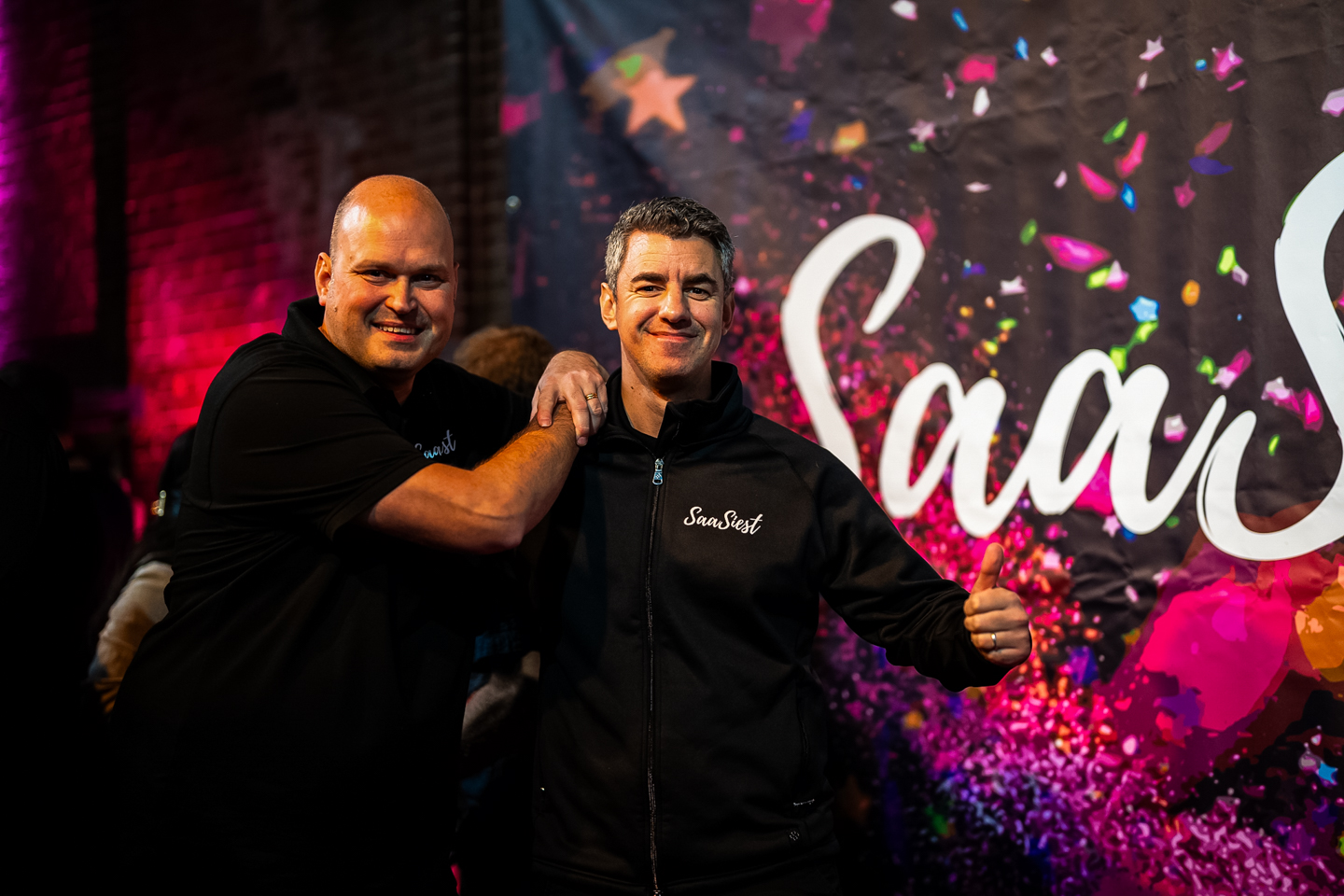
SaaSiest’s stated purpose is to make operating knowledge more accessible to European SaaS professionals. That geographical choice gives the interviews a useful frame. A tactic can travel across borders, but its assumptions deserve a passport check. Selling to a regional buyer and building a global revenue organization are different assignments.
02 / An archive for the problem on your desk
Consider episode 215, published on September 24, 2026. Didi Gurfinkel, co-founder and CEO of Datarails, discusses repositioning a growing company as AI changes its market. The episode description promises a discussion of internal resistance, sales implications and the distinction between existing revenue and the revenue expected from a new strategy. The decision arrives before the familiar business has stopped growing.
That is a useful puzzle for a listener. When do you disturb something that still works? The show lets readers of business success stories hear a practitioner discuss the competing considerations. It can supply questions for a management meeting, even when the guest’s answer would be wrong for the listener’s company.
The audience is B2B SaaS founders and leaders, including people responsible for product, marketing, sales and customer success. SaaSiest occupies a specific corner of business media: operator interviews connected to a European peer community. SaaStr, SaaStock’s SaaS Revolution Show and saas.unbound offer other routes into SaaS conversations. Here, the surrounding network gives the listening experience a possible next step.
03 / What a conversation costs
The podcast is freely accessible through its website and listening platforms, including Podbean and Apple Podcasts. The wider business sells participation: event tickets, a paid CEO network and commercial partnerships. Audio can introduce the hosts and their approach before somebody decides to spend money or a day away from work.
The London Executive Edition provides a concrete example. Scheduled for November 19, 2026, it lists £349 excluding VAT for approved B2B SaaS executives and £899 excluding VAT for investors and service providers. Admission is reviewed. The operator criteria include director-level seniority and companies past roughly €2 million in annual recurring revenue or 20 employees.
The distinction matters. Those prices buy an event, not access to the podcast archive. London also limits the combined investor, advisor and service-provider contingent to fewer than one in ten seats. That rule reveals a product choice: the composition of a discussion is part of what the organizer is selling.
One-to-one meetings booked through Brella, according to SaaSiest’s event recap.
Its Malmö conference recorded around 900 attendees in May 2026. The booked-meeting count helps explain the format. A stage can distribute an idea to a roomful of people; a private conversation lets somebody ask whether it applies to their business. SaaSiest makes both kinds of exchange available.
04 / First, the spreadsheet stopped helping
The company’s own operating story contains a pleasingly ordinary bottleneck. Membrain’s customer case study describes SaaSiest moving from Google Sheets to its first CRM. Event attendance, collaborations, podcast guests and network memberships had become difficult to track together. The founders needed to remember relationships well enough to communicate appropriately.
“It’s about saving that extra click.”Thomas Sjöberg, in Membrain’s customer case study
They met Membrain’s CEO at SaaSiest 2022 and tested the product. Flexible fields, fewer clicks and responsive support influenced the choice. They configured the system themselves; a two-minute Loom video helped onboard a colleague. The lesson is concrete: examine the repeated task before buying the feature list. For this business, usable contact records were central to delivering the experience.
05 / Bring a question. Leave with a test.
A practical way to use the podcast is to choose one problem before pressing play. Write down the guest’s decision, the constraint behind it and the result they describe. Then separate what happened from your guess about why. That small distinction prevents a memorable anecdote from becoming an expensive instruction.
Next, compare the guest’s company stage, buyer and resources with yours. Pick one reversible experiment and a measure you can observe. A discussion of enterprise sales may offer little guidance to a team still finding its first customers. An AI repositioning story cannot establish demand for your own product. The interviews work best as informed prompts for investigation. Bring them to colleagues, challenge their assumptions and see which idea survives contact with your customers.