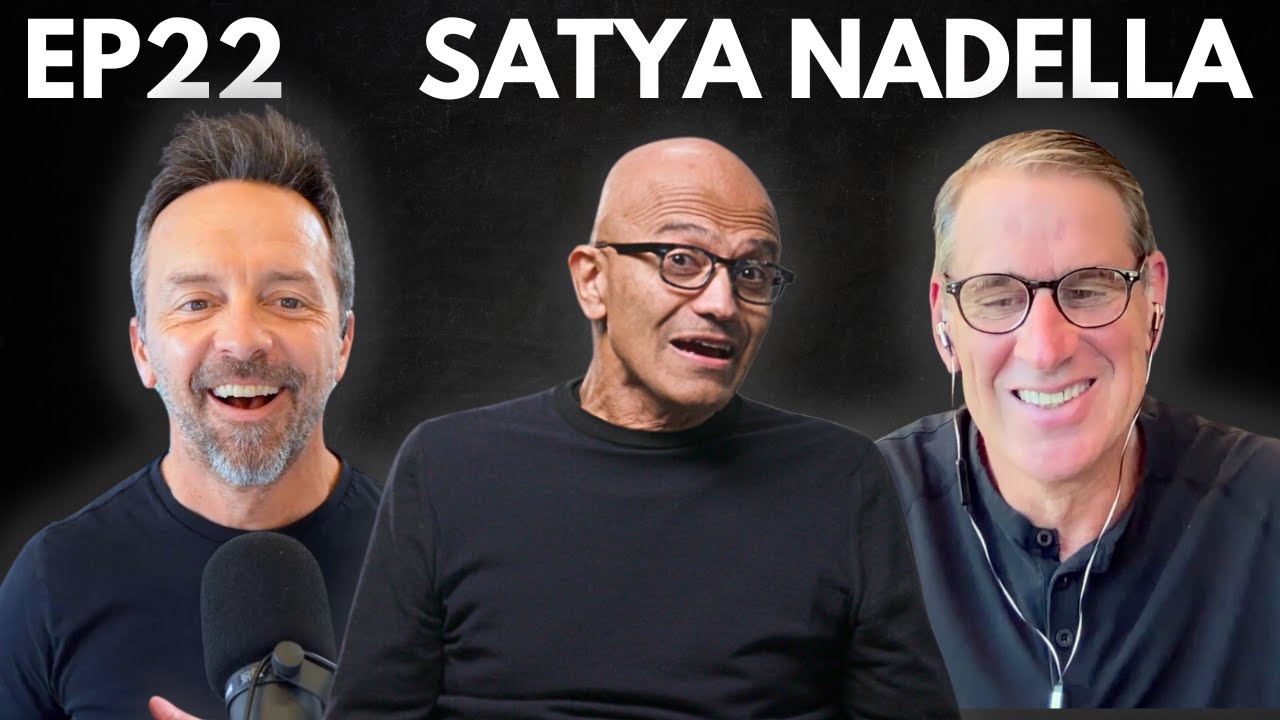
At fifty-six minutes into BG2’s December 2024 interview with Satya Nadella, the conversation arrives at capital expenditure. A few minutes later comes the cost of scaling models and running inference. Microsoft’s chief executive has already discussed leadership, search and AI agents. Now the machinery has a price tag. That progression explains much of BG2’s appeal: the future sounds different when someone has to pay for it.
- The product: public audio and video conversations about technology and money.
- The draw: experienced investors questioning executives who build the businesses.
- The useful habit: follow an exciting idea through customers, costs and evidence.
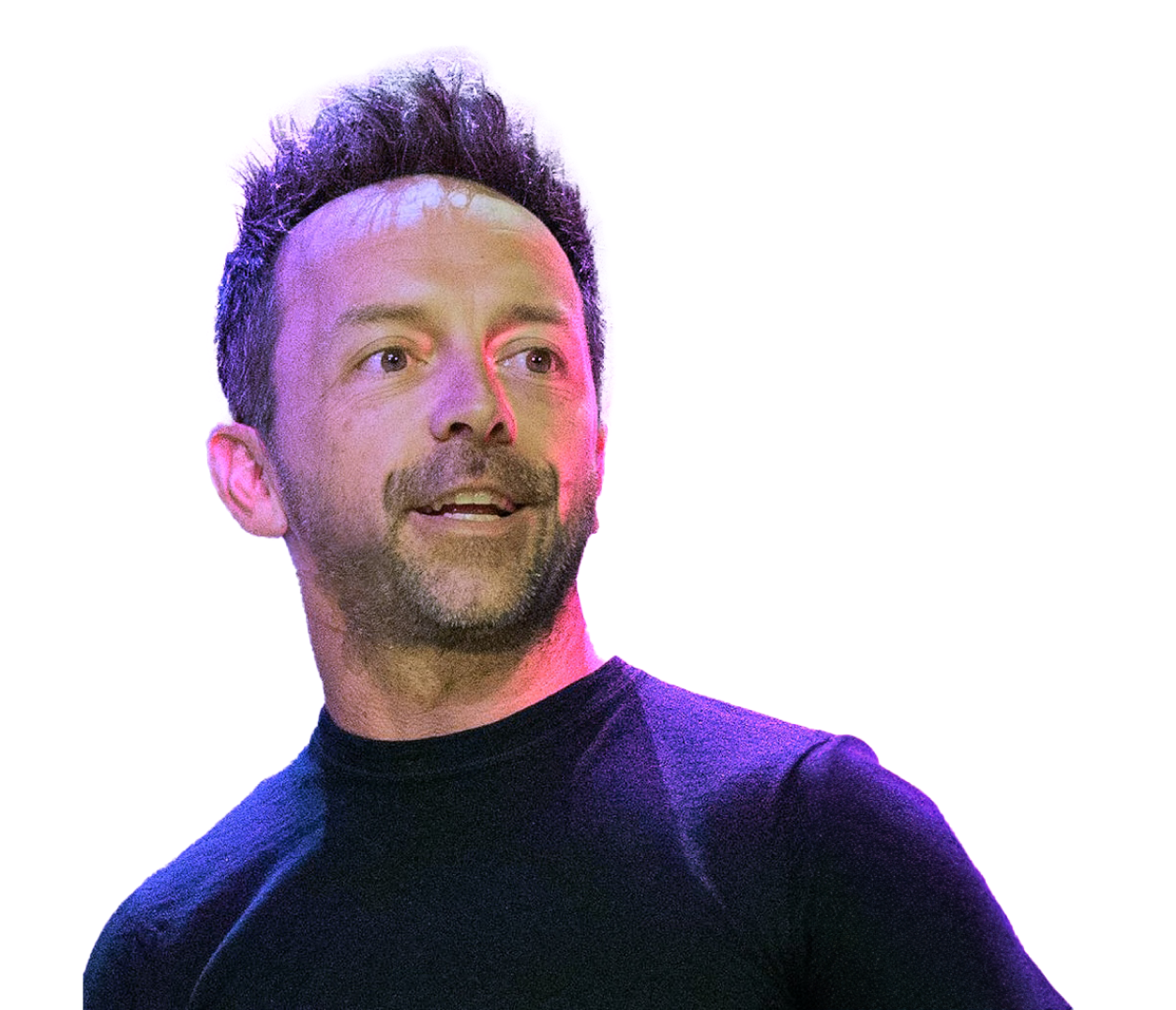
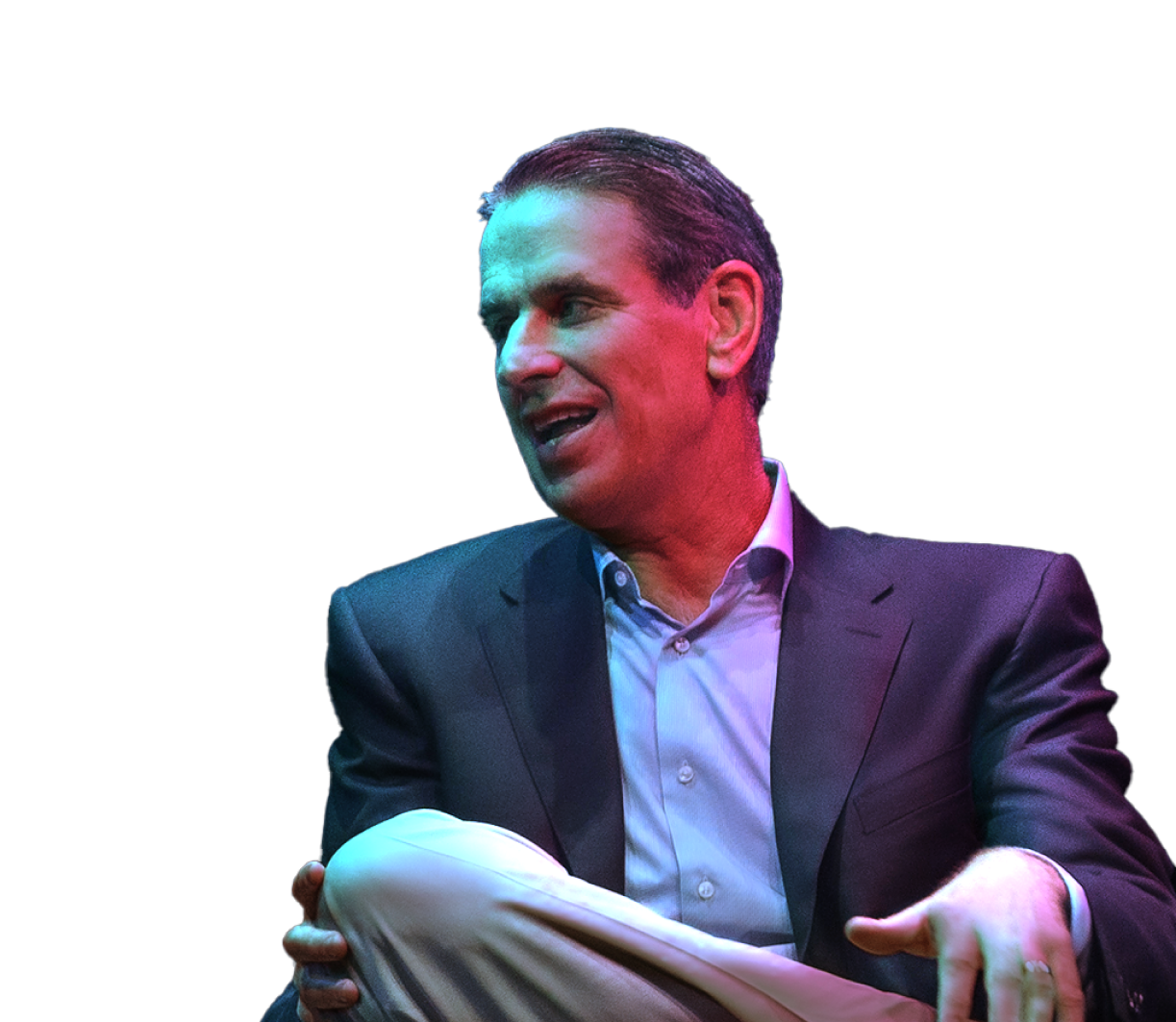
BG2 is the podcast created by Brad Gerstner and Bill Gurley, two investors whose initials happen to match. It occupies a useful corner of business media: close enough to technology’s decision makers to ask informed questions, long enough to explore their answers. You can watch on YouTube or listen through Apple Podcasts, Spotify and iHeartRadio. The entry price is your attention.
Two B.G.s, one public room
The first numbered episode appeared on January 25, 2024. Its topics were already revealing: AI valuations, public technology stocks and a venture correction that kept grinding on. The show began with a problem recognizable to anyone building a company. A market can adore your category while becoming much less willing to fund your particular business.
Gerstner founded Altimeter, which invests across public and private technology markets. Gurley is identified on BG2’s website as a former general partner at Benchmark. They bring different investing backgrounds to the same conversation. A product’s promise, a company’s financing and a stock’s price can enter the discussion together.
There is a precise organizational wrinkle here. Altimeter describes BG2 as created and produced by the two men in their personal capacities. The podcast therefore deserves to be understood on its own terms as a media project. Its hosts’ investment firms supply experience and context; subscribing to the show does not make the listener a client of either firm.
The AI boom, with the bill attached
BG2’s recurring subject is the distance between a technological breakthrough and a durable business. The Nadella interview crosses that distance in stages: consumer and enterprise AI, agents, memory, Copilot adoption, then the infrastructure needed to support them. The episode gives listeners a way to connect an interface they recognize with spending they rarely see.
The guest list makes that approach distinctive. In September 2025, Gerstner and Clark Tang interviewed Nvidia’s Jensen Huang. In October, Gerstner sat down with Nadella and Sam Altman together. Access to these executives is part of the product. The attraction is hearing questions about computing economics put directly to people whose companies help determine those economics.
A competing business podcast might emphasize a founder’s biography, a historical company narrative or a wider panel debate. BG2’s center of gravity is the technology investment conversation. Alternatives such as All-In, Acquired and Invest Like the Best compete for overlapping attention, but the listener’s reason to choose BG2 is this particular combination of market discussion and executive access.
“Open-source podcast”
BG2’s description of itself
The phrase captures the invitation to listen in. It also needs a little care: BG2’s website retains ordinary intellectual-property restrictions. Think of the room as publicly accessible. The phrase does not grant permission to republish everything inside it.
The demo meets the office
The format has expanded beyond the original pair. Altimeter partner Apoorv Agrawal has hosted BG2 Guest Interviews, including a September 2025 conversation with OpenAI platform leaders Sherwin Wu and Olivier Godement. That episode moves into enterprise deployments, voice support, customization and the infrastructure required for real work. For an operator, those are more actionable subjects than a general prediction about AI.
December’s Databricks and Glean interview goes further into the office. Ali Ghodsi and Arvind Jain discuss proprietary data, workflow integration and failed AI bets at their companies. Failure enters the program as something to examine. A working model still has to meet an organization’s data and fit the way its people do their jobs.
In March 2026, Agrawal’s conversation with OpenAI’s Nick Turley puts long-term retention near the beginning. Pricing, distribution and GPU constraints follow. The sequence offers a helpful discipline for product builders: look at whether people return, then examine what serving them demands. A large launch audience leaves that second question unanswered.
- 01Product promiseWhat can it do?
- 02Customer behaviorDo people return?
- 03Delivery costWhat must be built?
Three questions to carry into an episode. Editorial guide; no performance data implied.
Borrow the questions
The thing a reader can copy is the questioning method. Choose a single customer workflow. Write down the claimed benefit. Ask what has to be paid for, integrated or maintained to deliver it. Then decide what evidence would make you reconsider. These are practical exercises suggested by the show’s subjects, and they travel well beyond investing.
Changing a view also has a place in the archive. The October 2025 discussion of stablecoins explicitly includes Gurley’s evolving position on crypto. It is a useful listening prompt: when someone revises an opinion, identify the narrower claim they now accept. Enthusiasm about payment infrastructure need not answer every question about cryptocurrency.
The hosts’ access is harder to copy. Established relationships make executive interviews possible, and those relationships shape the perspective available. BG2’s terms acknowledge that Altimeter and its clients may invest in businesses discussed, and may trade consistently or inconsistently with expressed views. That is relevant context for weighing an argument.
The program works best as a starting point for investigation. Someone choosing enterprise software still needs to test their own data and workflow. Someone making a financial decision needs evidence suited to their circumstances. A confident conversation can sharpen a question; it cannot perform those checks for the listener.
By June 2026, BG2 was discussing SpaceX and another round of AI infrastructure spending. The subjects move quickly. The useful task stays familiar: work out what people want, what delivering it requires, and whether the business holds together. Leave an episode with one assumption to test, and the hour has earned its keep.
Choose your first conversation
Start with the business question closest to your work, then explore the archive.