In February 2023, a new AI podcast opened with a question about openness. Its first numbered guest was Clem Delangue, the CEO of Hugging Face. The topic was the future of open versus closed AI. Before the archive filled with arguments about agents and inference, Unsupervised Learning had chosen a revealing place to begin: who gets to build, and on whose terms?
- Redpoint publishes it. Jacob Effron hosts with fellow investors.
- The product is public audio and video interviews about AI.
- Listen for decisions about users, testing and costs.
- Take a guest’s experience home as a hypothesis to test.
The show’s name sounds like a technical seminar. Its actual subject is frequently more ordinary: how a team chooses what to build, how a customer learns to use it, and whether an appealing experiment survives contact with a business. These questions give the podcast a reason to exist long after the announcement has slipped out of the news cycle.
The interview is the product
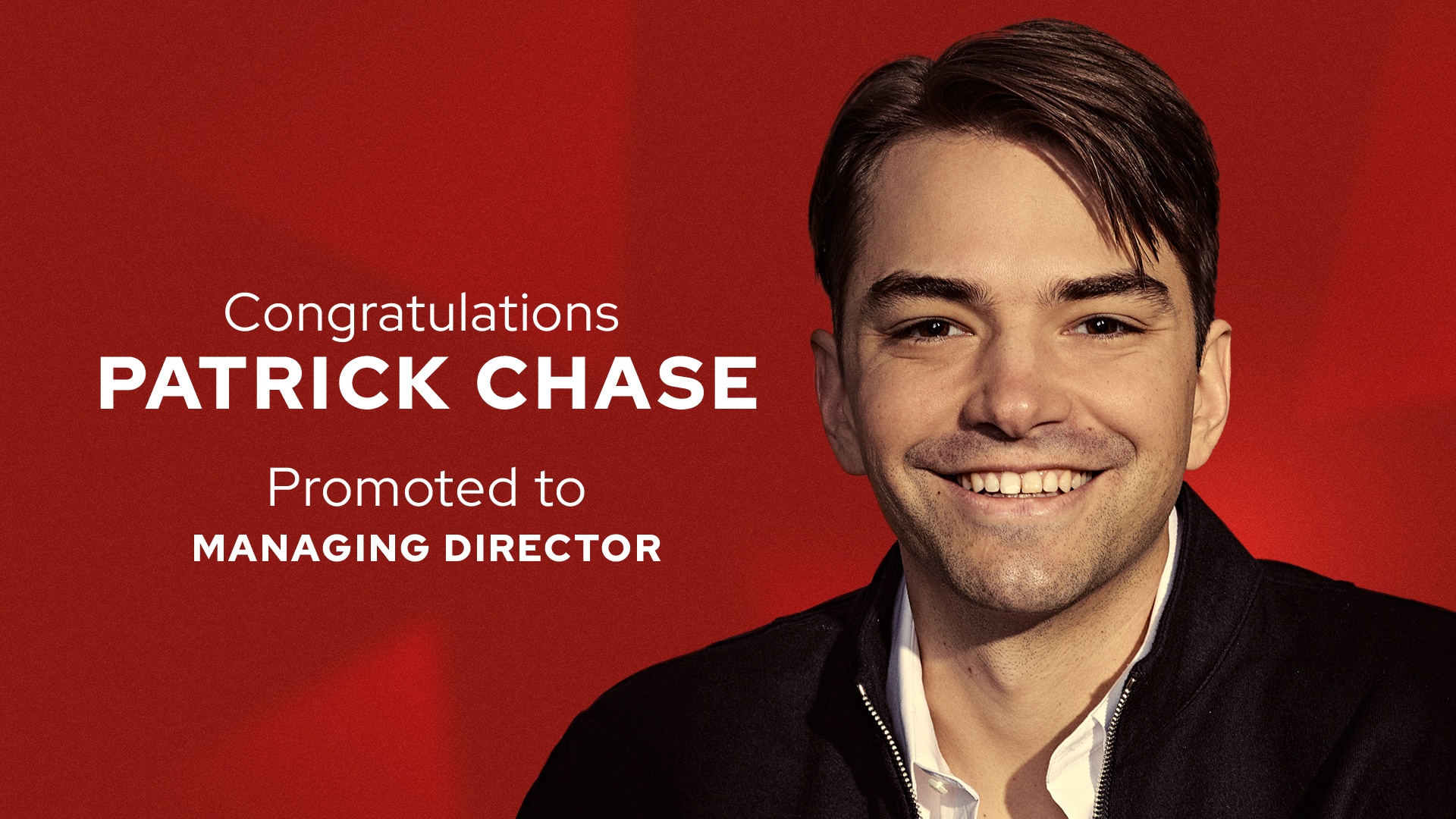
Unsupervised Learning is a media property of Redpoint Ventures. Effron leads the show alongside Patrick Chase, Jordan Segall and Erica Brescia. Their intended audience includes builders, researchers and investors. The service is straightforward: conversations that let those listeners inspect the thinking behind AI research and products.
The hosts bring useful histories to the microphone. Effron worked in product at Flatiron Health before joining Redpoint in 2020. Chase was a senior software engineer on LinkedIn’s machine learning team, building algorithms to rank the feed. Segall worked across engineering, product and forward deployed engineering at enterprise startups. Brescia co-founded Bitnami and later served as GitHub’s COO.
That combination matters. A model researcher and a software buyer can use the same word, “performance,” while worrying about different things. One wants a better score. The other wants the work finished. The hosts’ backgrounds give them several ways into that conversation, from the system underneath a feature to the organization expected to ship it.
The awkward part comes after the demo
The archive becomes especially useful when the subject turns from capability to use. In November 2023, Notion AI engineer Linus Lee discussed staffing, user education, the development of Q&A and the problem of hallucinations. The episode’s topics suggest a product manager’s agenda: what must happen around the model before someone can rely on the feature?
Two months earlier, Tome CEO Keith Peiris had discussed identifying an ideal customer among “AI tourists,” evaluating models and pricing an enterprise product. The distinction is memorable because almost anyone who has launched something recognizes the tourists. They arrive, marvel, click around and disappear. A busy launch can conceal a quiet absence of repeat use.
Then came Intercom co-founder Des Traynor in January 2024, talking about AI team structure, guardrails, retrieval versus fine-tuning and the difficulty of making systems take actions. Those are different problems from generating a plausible answer. A chatbot that describes an order and a system that changes the order face different tests.
Editorial listening guide, not a measured performance chart.
Redpoint also packages interview lessons in writing. Its April 2024 collection draws on guests from Adobe, Notion, Tome, Snorkel, Intercom, Perplexity and OpenAI. Turning conversations into written takeaways gives the material another use: a team can discuss a specific decision without asking everyone to spend an hour wearing headphones.
Read that way, the archive is a collection of decision histories. A product team can compare the point at which one guest wanted more control with the point at which another wanted more automation. The comparison is valuable precisely because their circumstances differ. It makes the assumptions in your own plan easier to notice.
Free to listen. Valuable to publish.
The audio and video are publicly accessible. For a listener, the immediate investment is attention. For a venture firm, publishing interviews can serve a second purpose: it creates a public meeting place around its expertise. That is an interpretation of the arrangement, rather than a claim about the podcast’s revenue.
There is a modest, dated measure of the audience. In an April 2025 Axios newsletter, Redpoint marketing executive Josh Machiz said Unsupervised Learning had reached 10,000 YouTube subscribers. Subscribers are people who raised a hand to hear more. They should not be mistaken for paying customers, downloads or a measurement of influence.
A historical milestone, not today’s audience count.
The investor connection helps explain both the appeal and the reading required. Access to founders can produce detailed answers. Investing also creates a particular view of the market. The sensible listener keeps both in mind and asks where the guest’s incentives enter the explanation. Interviews provide experience and judgment; they leave the listener responsible for the decision.
Changed minds belong on the microphone
The show has crossed over with Latent Space, an adjacent AI engineering podcast, in 2025 and 2026. In the April 2026 conversation, swyx revisited his growing confidence in open models and specialized adaptation. A returning conversation can do something a launch interview cannot: expose how a view changes as the evidence changes.
“It’s a nights and weekends project”
Jacob Effron, April 2026 crossover outro
Effron’s description of making the podcast alongside his investing job adds a human detail to the operation. The microphone occupies the hours around the day job. His appeal for subscriptions and sharing also connects the audience to the show’s ability to attract guests.
The questions keep moving. September 2026 brought Redwood Research CEO Buck Shlegeris discussing AI safety. On October 6, Applied Compute CEO Yash Patil discussed post-training and inference economics, including when to improve a system’s context before changing model weights. These are guest arguments to examine, rather than conclusions the audience must adopt.
This gives the show a useful position between research discussion and startup conversation. Someone choosing software needs to understand the technology’s limits; someone building software needs to understand the buyer’s hesitation. An interview can bring those concerns together. Its value lies partly in letting a listener hear the follow-up question they would have forgotten to ask.
Steal the question
The practical way to use Unsupervised Learning is to choose one decision before pressing play. Perhaps your team is weighing a model change or wondering why a feature has curious visitors but few regulars. Find a relevant interview. Write down the claim, its conditions and one experiment that could challenge it.
This approach depends on having your own users, workload and standard of success. A tactic from a forgiving creative tool may travel poorly to a task where errors are expensive. The podcast earns its place when it helps someone formulate a sharper test. The next step belongs to the person listening.