fintech-founder
(169)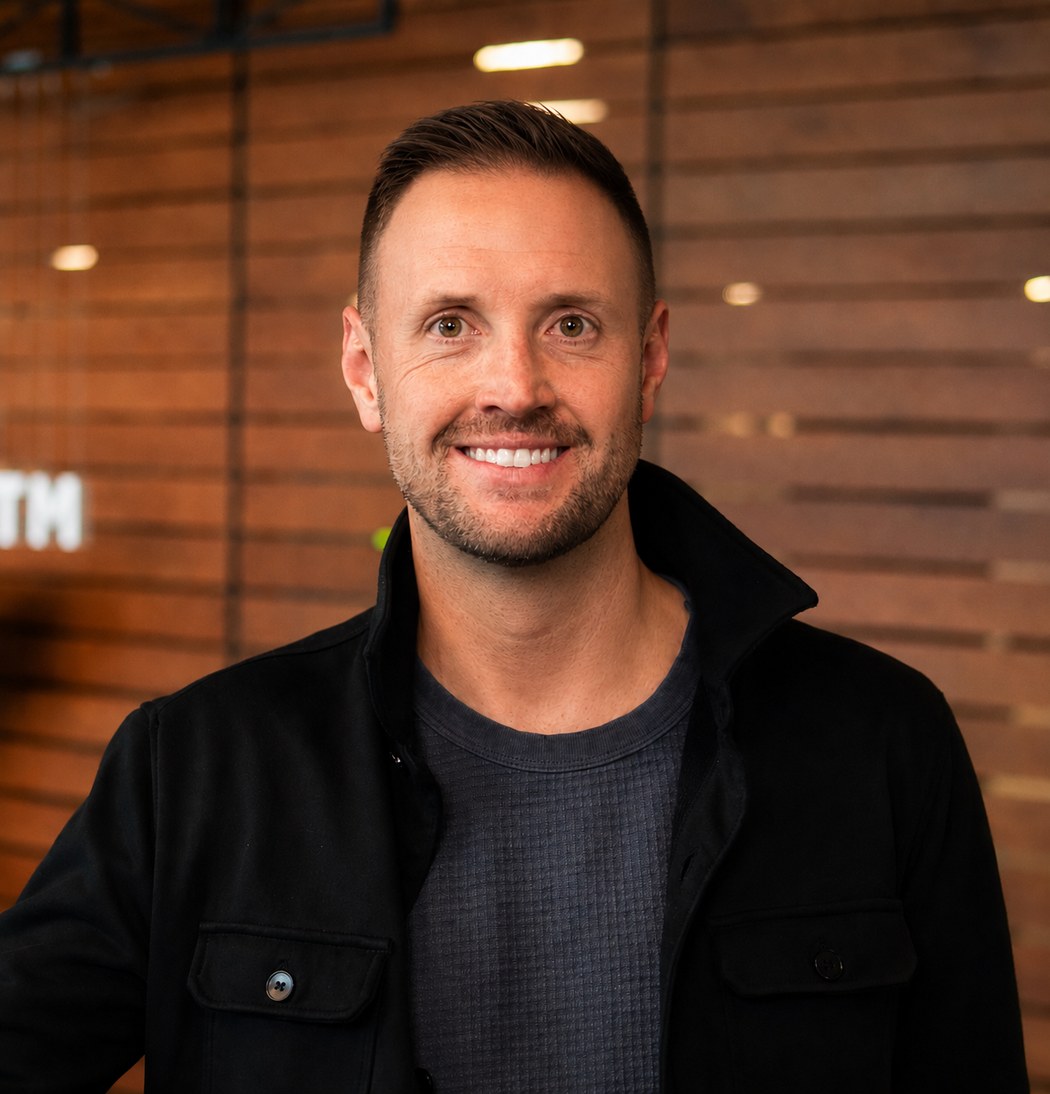
Dan Snyder Put the Mortgage Company on a Stadium. Then He Kept Building.
A fixer-upper taught Dan Snyder what a house could do for a balance sheet. A stadium taught Columbus his company’s name. The years between explain how Lower became a national mortgage platform without leaving Ohio behind.

Linda Du Took the Long Road Through Mortgage Servicing
She helped build the software by first doing the stubborn, regulated work it was meant to replace. Seven years later, Valon has sold the operating company and kept the operating system.
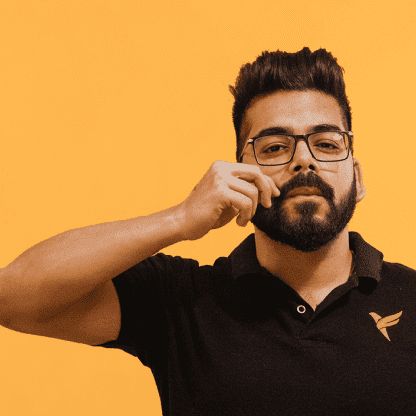
Kush Taneja and the Education of Pocket Money
He began with a college canteen, skipped the placement queue, and helped turn pocket money into a product. The curious part is what Kush Taneja chose to teach next: not finance in a classroom, but judgment at the checkout.

Jannick Malling Is Still Redrawing the Trading Screen
He began with a Flash website at 13 and entered online finance at 17. Two decades later, Public's product-minded co-CEO is still trying to make markets feel less like a private language.
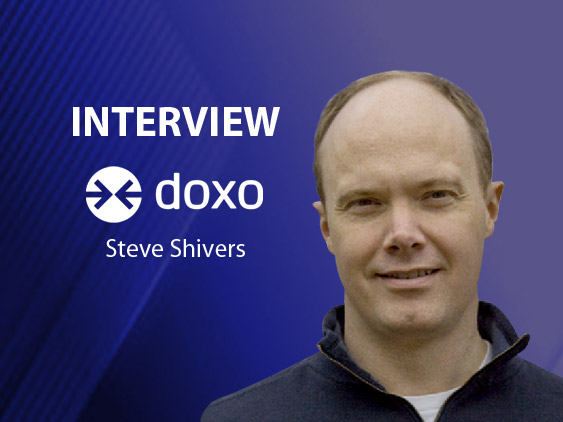
Steve Shivers Took the Long Way Back to Venture Capital
For eleven years, the doxo co-founder declined fresh venture money and rebuilt his company in public view. The wager reveals an operator drawn to hard markets, live dashboards and the unfashionable art of waiting.
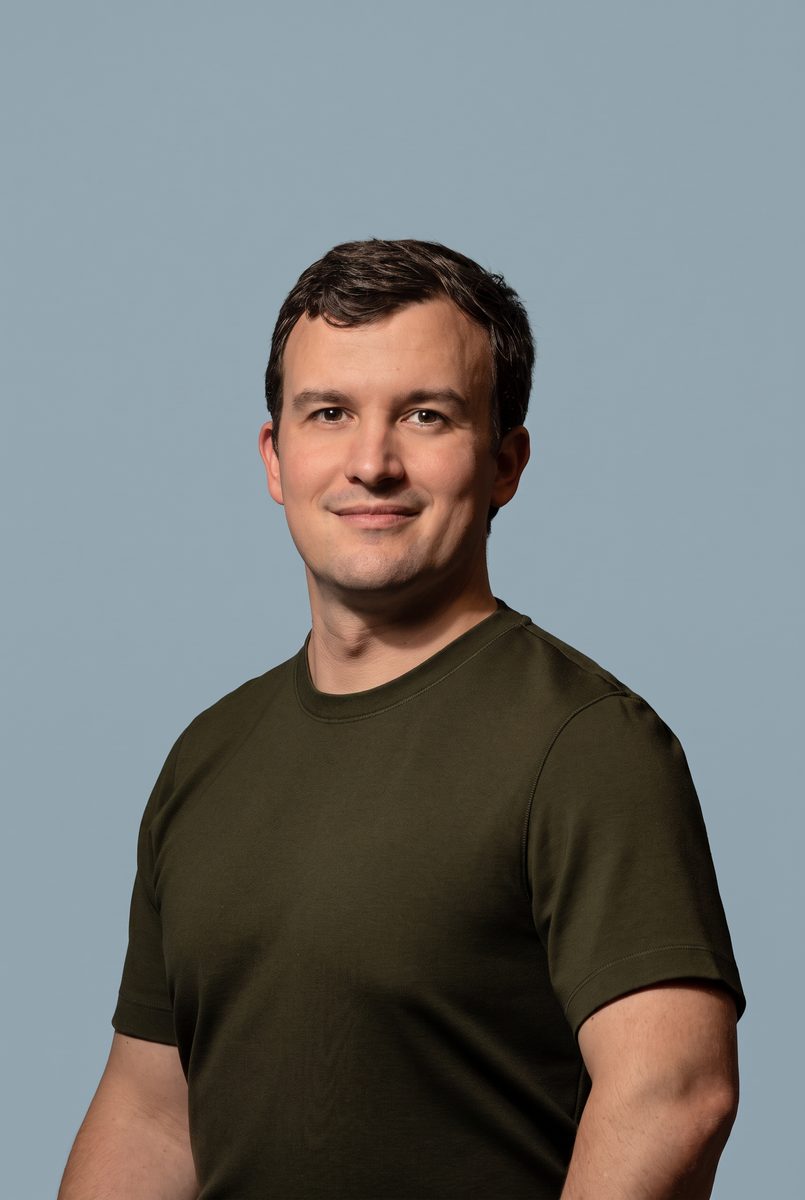
Joseph Kelly Learned to Let Go - Then Built a Company Around Holding On
A teenage life at sea taught Joe Kelly that control is precious and certainty is mostly theatre. Years later, he turned that lesson into Unchained - a financial company designed so no single party holds all the keys.
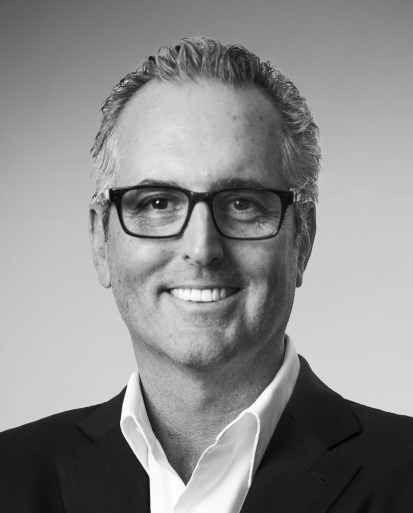
The Twenty-Year Overnight Success of Matt Brown
He was headed for film school when a pinstriped stranger offered to teach him the math. Three decades later, Matt Brown has made a career of turning finance's velvet ropes into software.
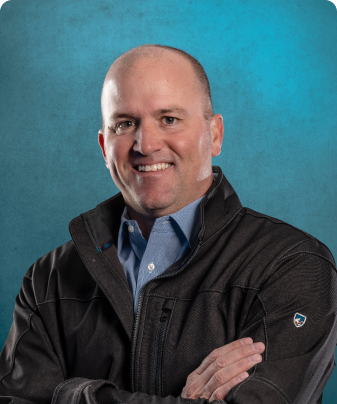
Bart Longson and the Business of the Right Call
He spent weekends ruling on inches and weekdays building companies. The same instinct carried Bart Longson from a recession-battered real-estate business to Clicklease: decide, adjust, and keep the play moving.
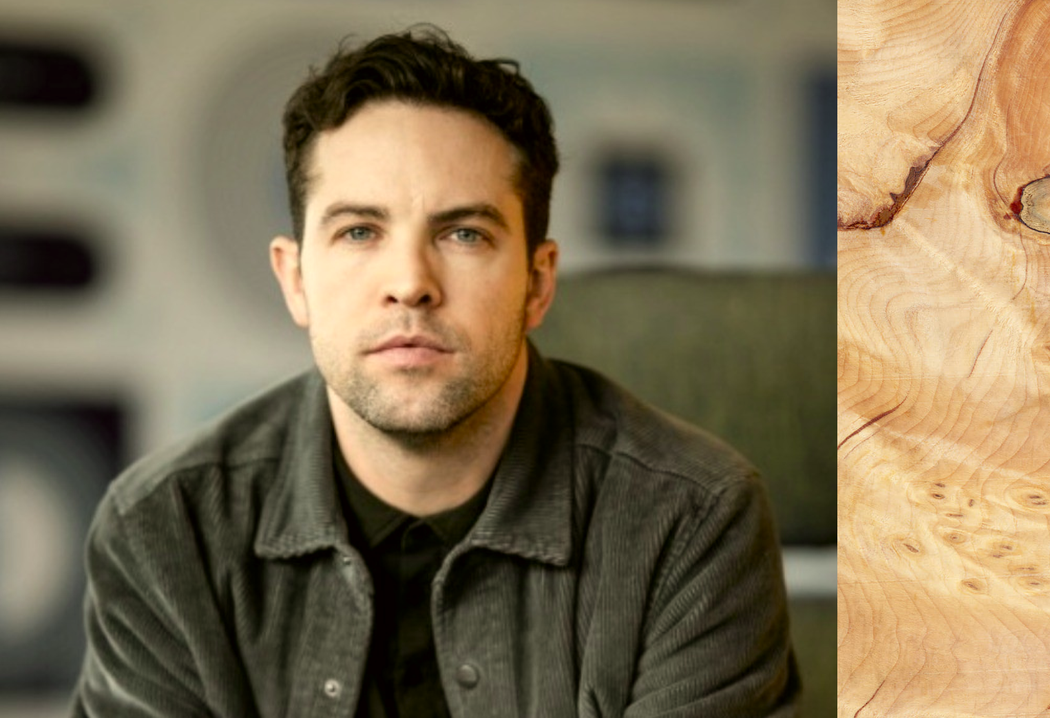
Patrick Kelly and the Sixty-Page Problem
A financial advisor met a 60-page application and discovered that selling insurance was easier than delivering it. His answer became two companies, one recurring obsession and a wager that the industry's least glamorous problems are worth solving properly.

Timothy Sheehan Put the Allowance on a Learning Curve
A father of four turned an awkward family lesson into Greenlight. A decade later, Timothy Sheehan is still designing places where children can make small money decisions before adulthood sends the bill.

Luana Lopes Lara Put the Future on the Trading Floor
The former ballerina and MIT mathematician spent years asking permission to build a new kind of exchange. Then came the moment when permission was no longer the point.
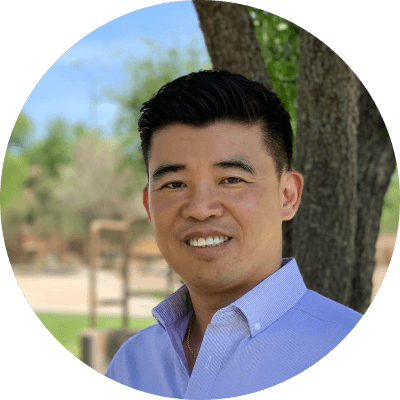
Jacky Chiu and the Human Exception
The Brightside co-founder has spent his career building systems for complicated, regulated industries. His defining choice is to leave room in the machinery for a person who can listen.
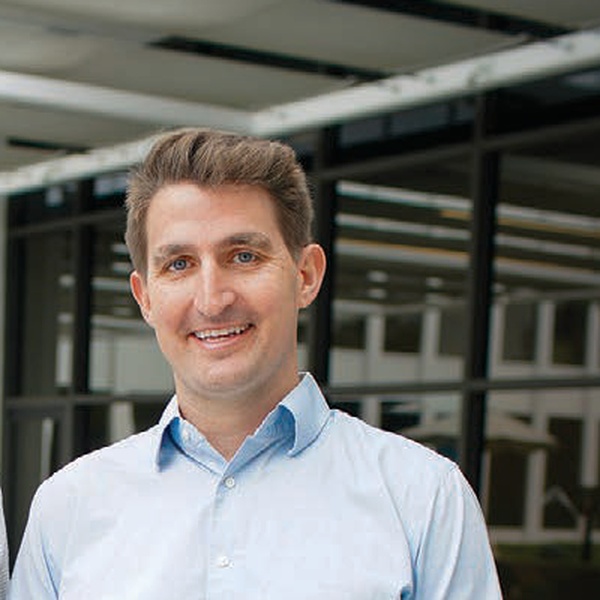
Caleb Morse and the Cost of Saying Yes
A crying cat in a Santa Monica alley presented Caleb Morse with a $4,500 question. His answer became Scratch Financial - and a career spent making an urgent payment a little easier to face.
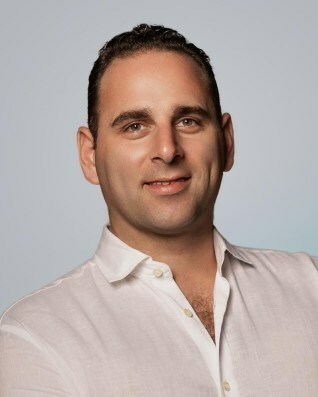
Michael Weisz and the New Rails of Private Money
After opening private markets to individual investors, the Yieldstreet co-founder is taking a second swing at access - this time by building credit and liquidity infrastructure on-chain.

Fahad Hassan Wanted One Honest View of His Money. Then He Built Range.
A household spreadsheet sent the repeat founder back to first principles. His answer was Range - a flat-fee financial platform now betting that software and advisers can share the same desk.
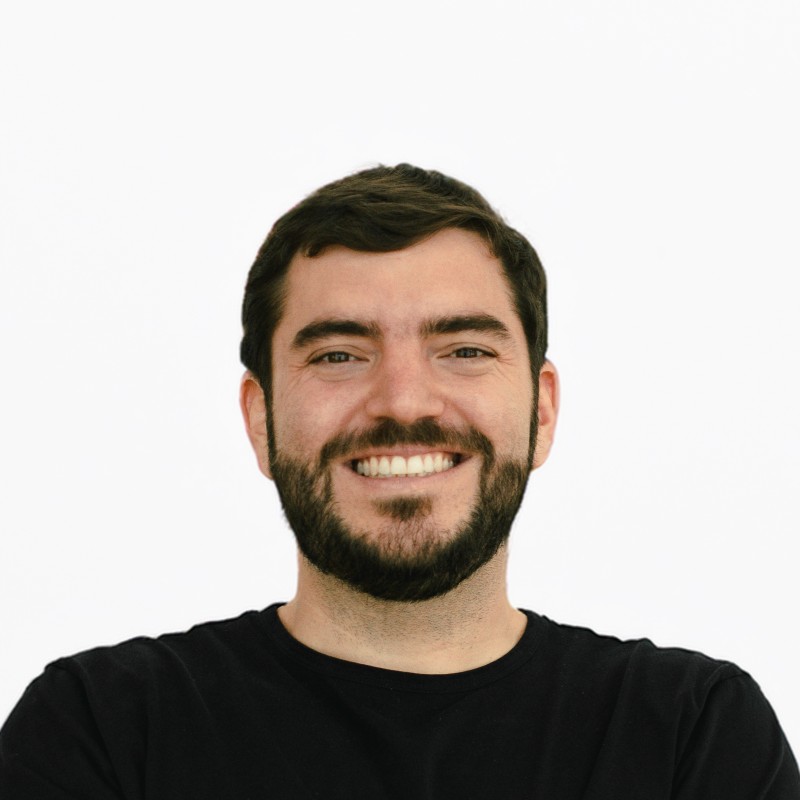
Juan Pablo Ortega and the Trouble With a Simple Payment
He learned the cost of fragmented payments while taking Rappi across nine countries. Now the pilot-turned-founder is trying to give global commerce one control panel - and teaching the software to fly more of the route itself.
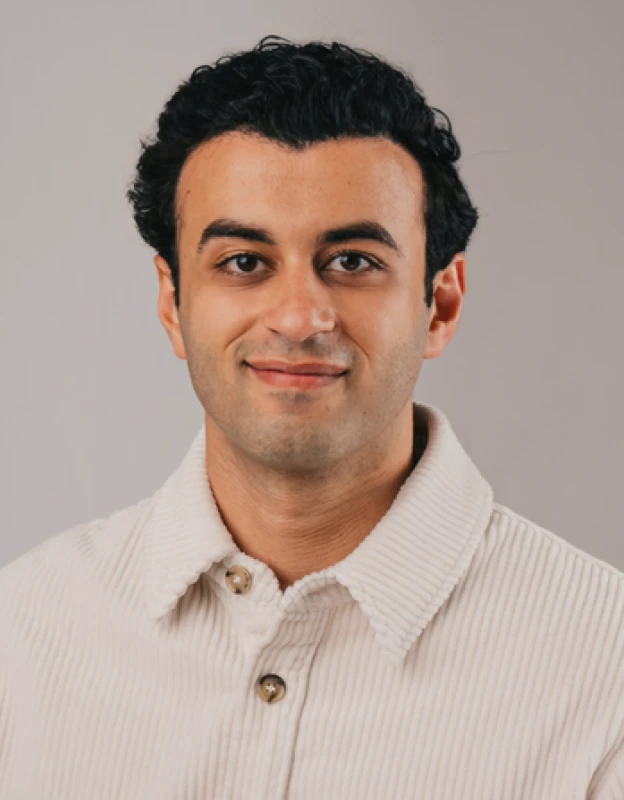
Jonathan Awad Is Teaching Finance to Trust Strangers Again
His parents arrived in America without a file that could vouch for them. Decades later, the Baselayer co-founder is building the machinery that decides which businesses - and now which AI agents - deserve to be believed.

Christian Hecker Bet the Bank on Boredom
A village philosopher walked into investment banking, disliked the costume, and spent the next decade turning Europe's pension anxiety into an app built for ordinary savers.

Marco Cancellieri and the Prototype That Became a Bank
He met two founders at a Munich hackathon and started coding their broker app the next day. A decade later, Marco Cancellieri’s quiet obsession with mobile design sits inside a bank used by 10 million Europeans.
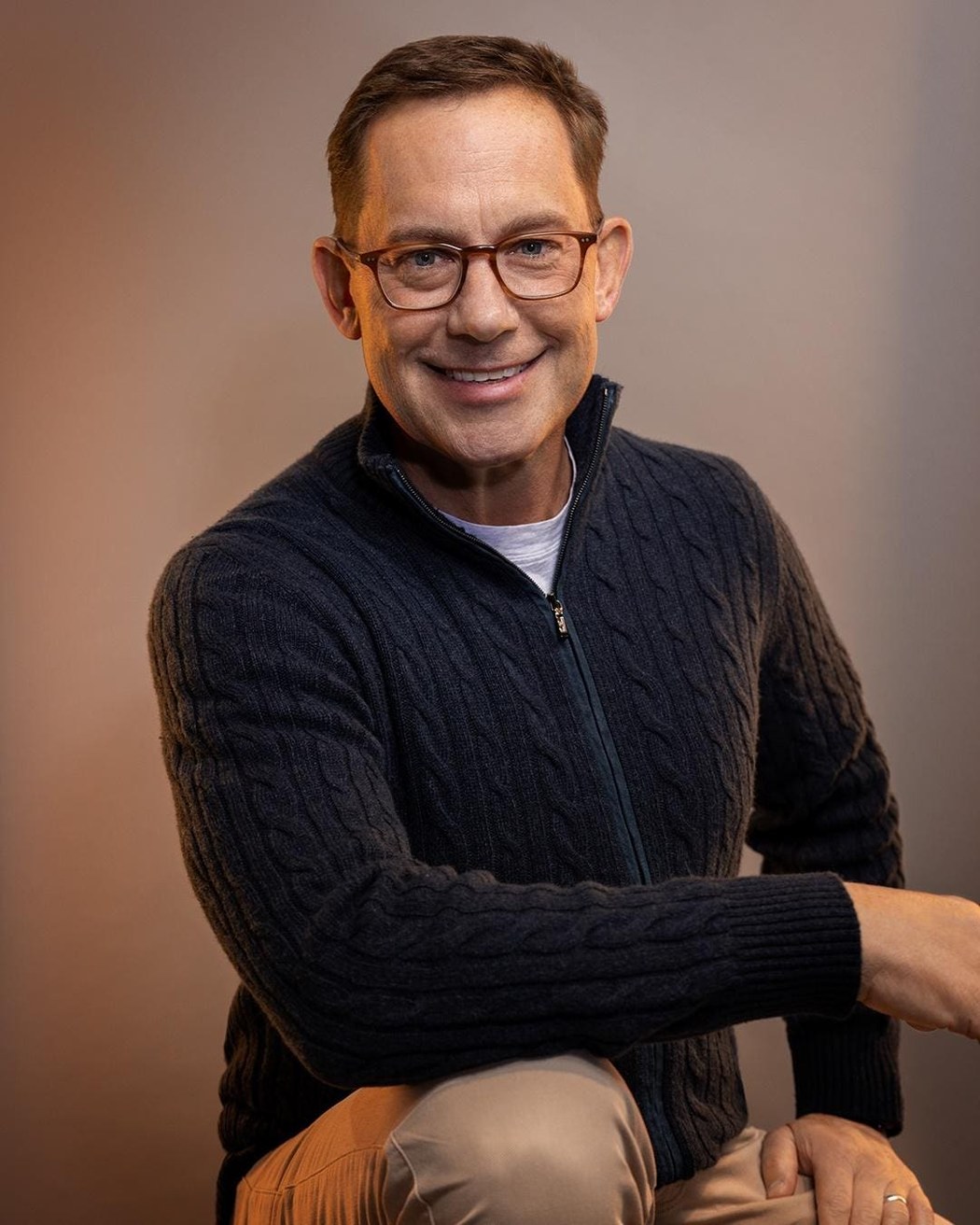
Chris Britt Put a Scholarship at the Center of a Banking Company
A neighbor helped pay for his education. Decades later, the Chime co-founder is trying to turn that private act of faith into a public system - while taking his fee-light fintech into the bank itself.

Thomas Pischke Built the Part of Trade Republic You Never See
A quantum-computing physicist helped turn a three-day conversation about Europe's pension gap into a bank. His signature is not a slogan but the infrastructure underneath it.
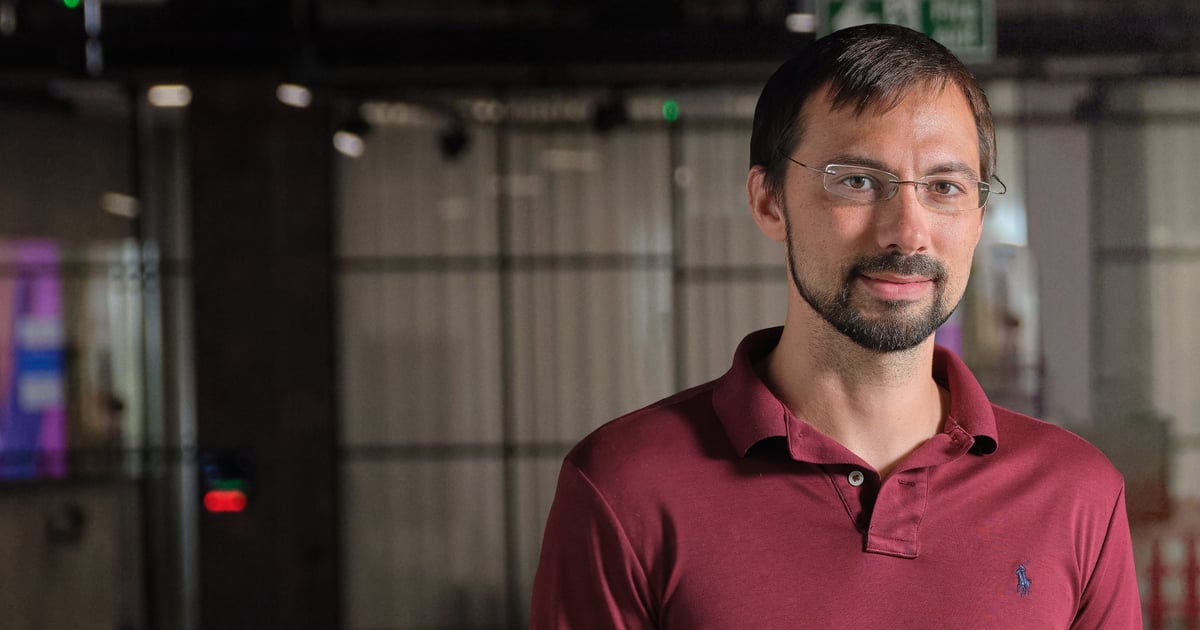
Vlad Yatsenko Built the Machine - Then Stepped Away From the Keyboard
He began by writing code on paper, helped turn a travel card into a global financial platform, and spent a decade making complexity disappear. In 2026, Revolut's quiet technical co-founder chose a different kind of control: letting go.
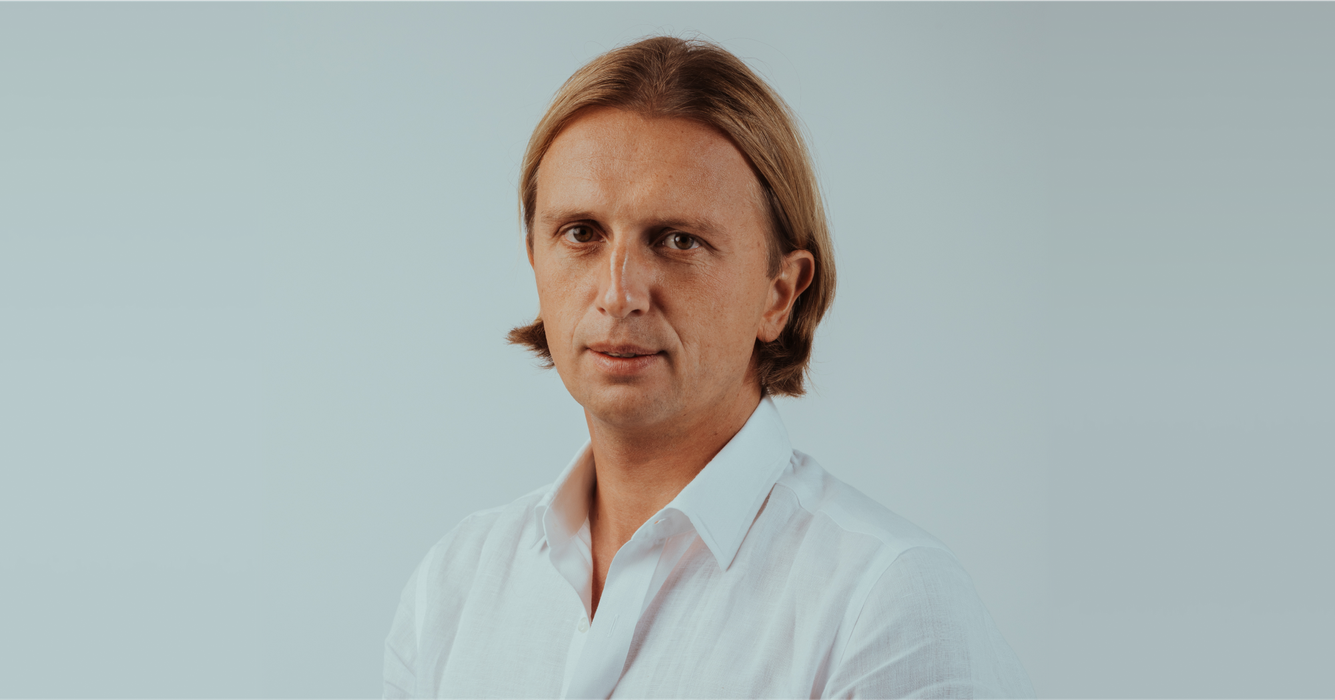
Nik Storonsky Put a Bank in a Phone. Now He Wants to Put It Everywhere.
A physicist and former derivatives trader built Revolut by treating banking as a problem that could be measured, stripped down and rebuilt. Eleven years later, the experiment has become a global test of how fast a bank can move without ceasing to be a bank.

Ryan King Took 100 Noes and Built the Rails Anyway
A coin toss sent Ryan King toward computer science. A hundred investor rejections tested whether he would stay there. Thirteen years after co-founding Chime, the quiet engineer arrived at Nasdaq with proof that useful infrastructure can outlast fashionable doubt.
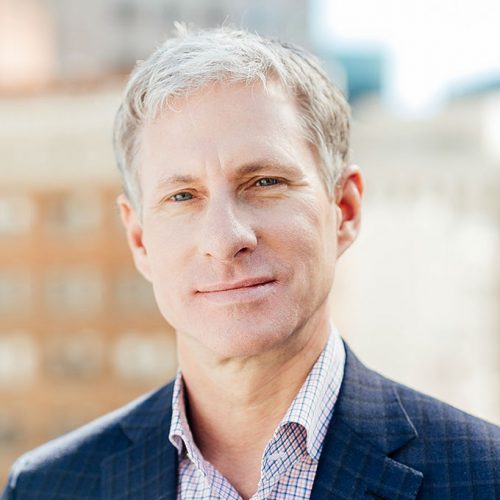
Chris Larsen Has Spent 30 Years Making Money Move
Before crypto had a culture war, Larsen was prying open credit scores and mortgage fees. Ripple is the third act in a career built around one stubborn idea: financial systems should reveal their machinery.
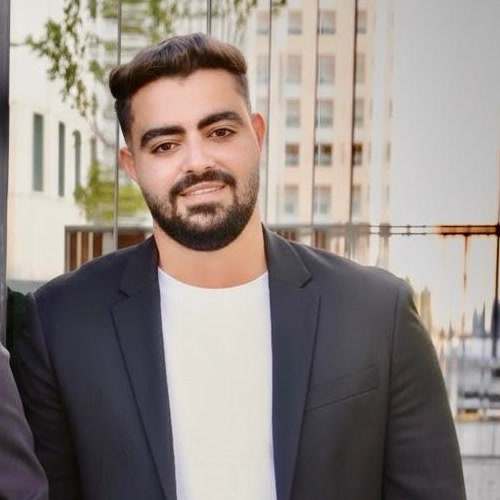
Avia Chen Turned the Refund Nobody Wanted Into the Company Merchants Needed
A beauty brand taught Avia Chen an ugly lesson about online payments. He and his brother built Chargeflow from the paperwork, lost revenue and stubborn curiosity that followed.
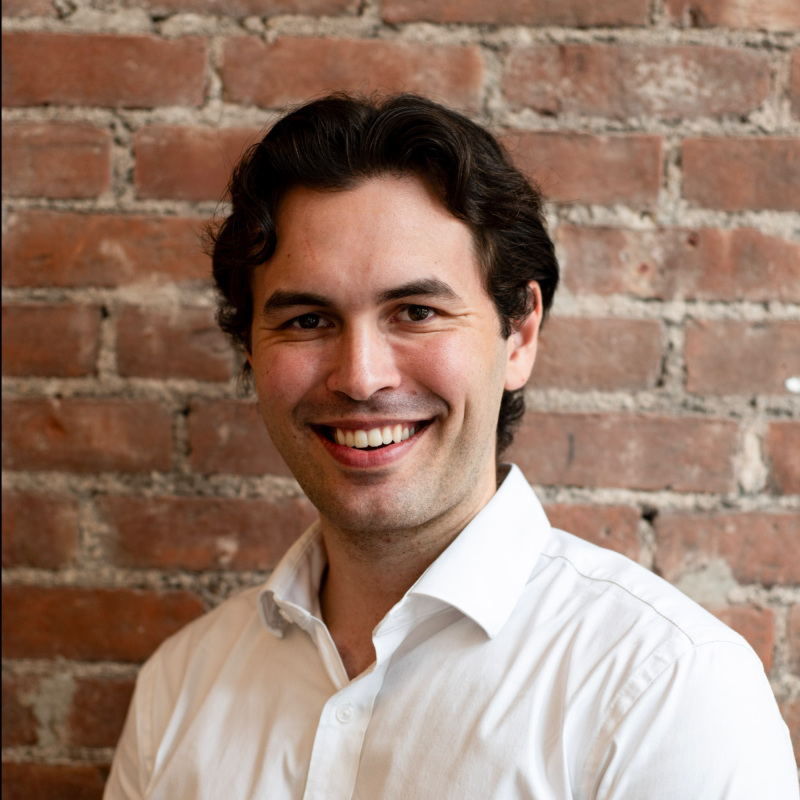
Will Messina Went Looking for Debit-Card Rewards. He Found a $93 Trillion Trust Problem.
A broke college student wondered why debit cards earned no points. The detour that followed led him beneath checkout, into the slow machinery of ACH, and toward a harder question: can a bank payment be trusted before it moves?
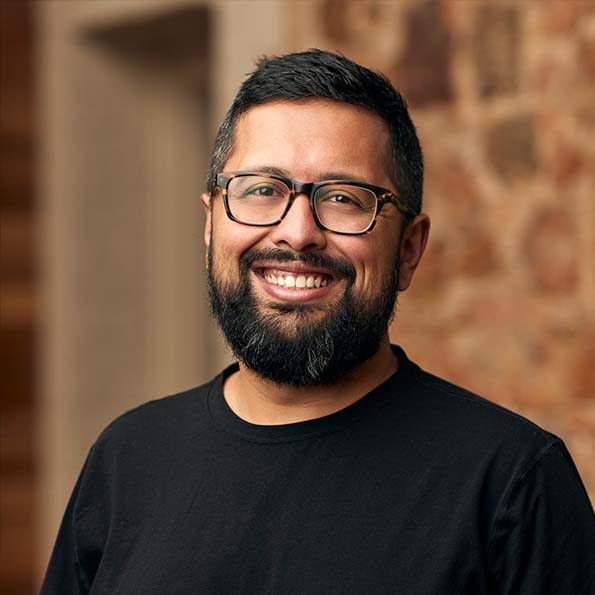
Kaushik Sen Learned to Market Risk by First Building the Systems Behind It
Before he sold a cybersecurity story, Kaushik Sen wrote software, designed systems for banks and helped build a superannuation startup. That unusual route explains why his marketing starts with the machinery, not the megaphone.

Peter Vogt Found Cash Hiding in Your Junk Drawer
A prepaid card looks like money, right up until you try to use it like money. Peter Vogt built Prepaid2Cash around that small, stubborn contradiction - then moved the company from San Francisco to Birmingham to give the idea room to grow.
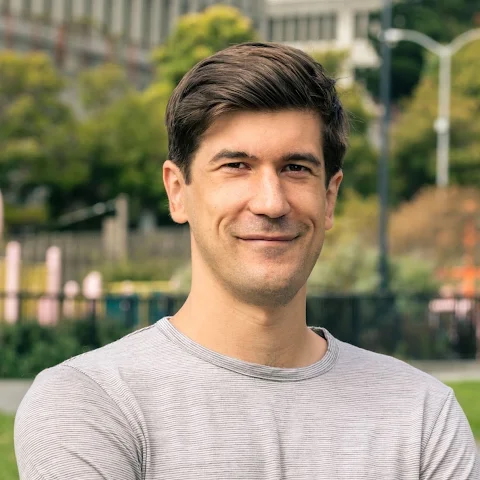
Jonathan Asmis Is Turning the Down Payment Into a Talent Strategy
The Landed co-founder spent a decade testing a stubborn idea: when capable workers cannot afford to live near their jobs, better financial plumbing can do more than another perk.