edge-computing
(39)
Enes Akar Is Making the Database Disappear
After two decades inside distributed systems, the Upstash co-founder has turned an engineer’s irritation with idle infrastructure into a company built for code that appears, runs and vanishes.
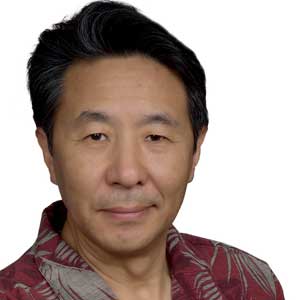
John Lin Spent Decades Teaching Cameras to See. Now He Wants Machines to Know Where They Are.
Before spatial computing became a slogan, John Lin was studying the stubborn physics of camera-phone images. His second act turns that patience into compact vision systems for robots and mixed-reality glasses.
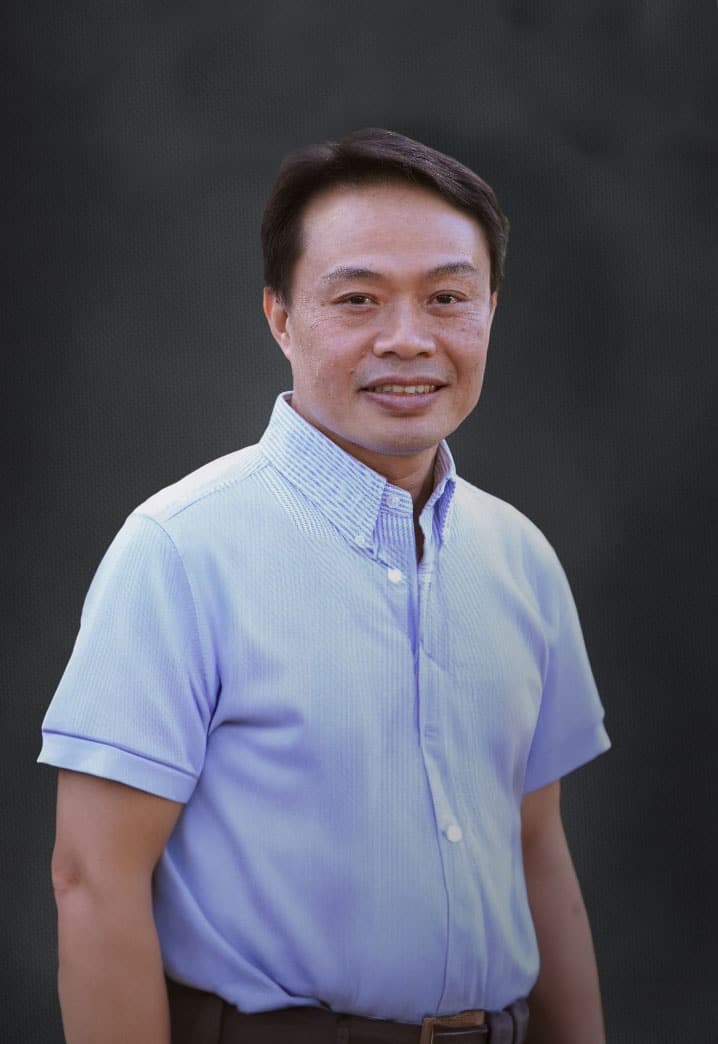
Eric Chen Put a Computer in the Ceiling - Then Waited for the Edge to Catch Up
After two decades inside networking companies, Eric Chen founded Relay2 around a practical provocation: the Wi-Fi access point already hangs where data is born, so why should every useful computation make a round trip to the cloud?

Shekar Ayyar Is Betting the AI Boom on the Part Nobody Sees
After helping VMware turn strategy into more than 60 deals, Shekar Ayyar chose a smaller stage and a harder problem: freeing networks from the boxes that contain them. Now AI is making his once-technical argument feel rather urgent.

Meghan Easley-Park Makes the Messy Middle Work
Before edge AI and e-ink glasses, there were pencils taped into a prototype. Meghan Easley-Park has built a career around the same practical instinct: take an ambitious idea, ask what it is for, then make it work in the real world.

John Bevilacqua Spent 13 Years Making Space Electronics Smaller - Then Trident Came Calling
The Ibeos founder built the unglamorous electronics that keep ambitious spacecraft useful. An Air Force research program, a 40-watt space computer and a 2026 acquisition reveal his practical theory of innovation: listen closely, shrink the hardware and earn the right to fly.
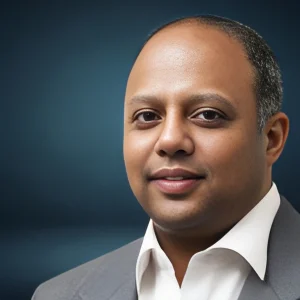
Vinay Nathan Has Spent 13 Years Teaching Factories to Tell the Truth
Before factory AI can sound clever, someone has to connect the old machines, clean up the records and prove the software pays. Vinay Nathan built Altizon around that less glamorous - and more useful - work.
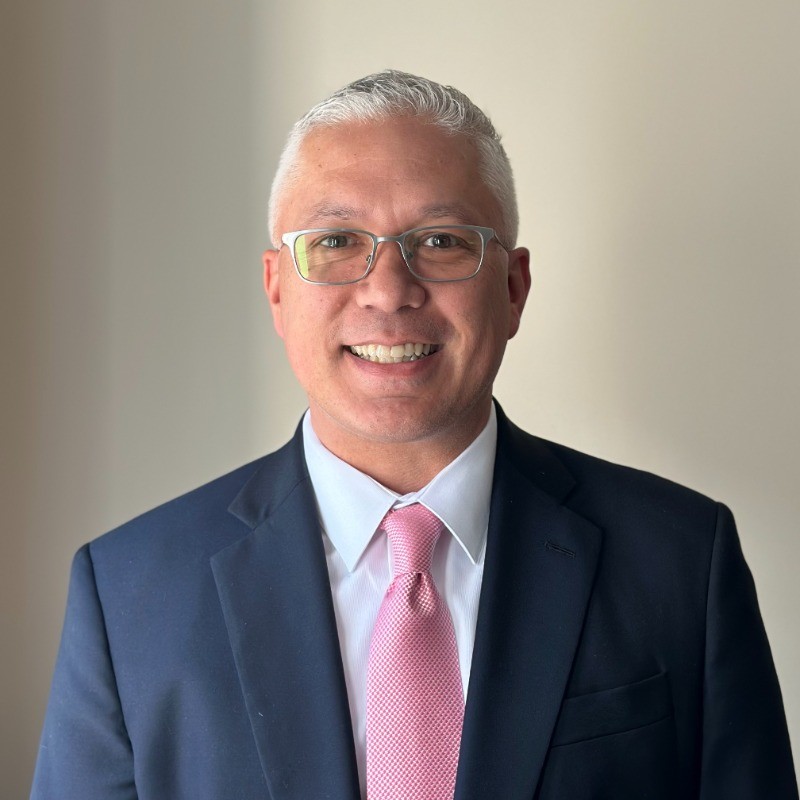
Sam Enoka Is Putting the Cloud Where the Current Already Runs
Raised in North Pole and seasoned in finance and electricity markets, the Greensparc founder has a practical wager: remote communities should host the computing their power can support.
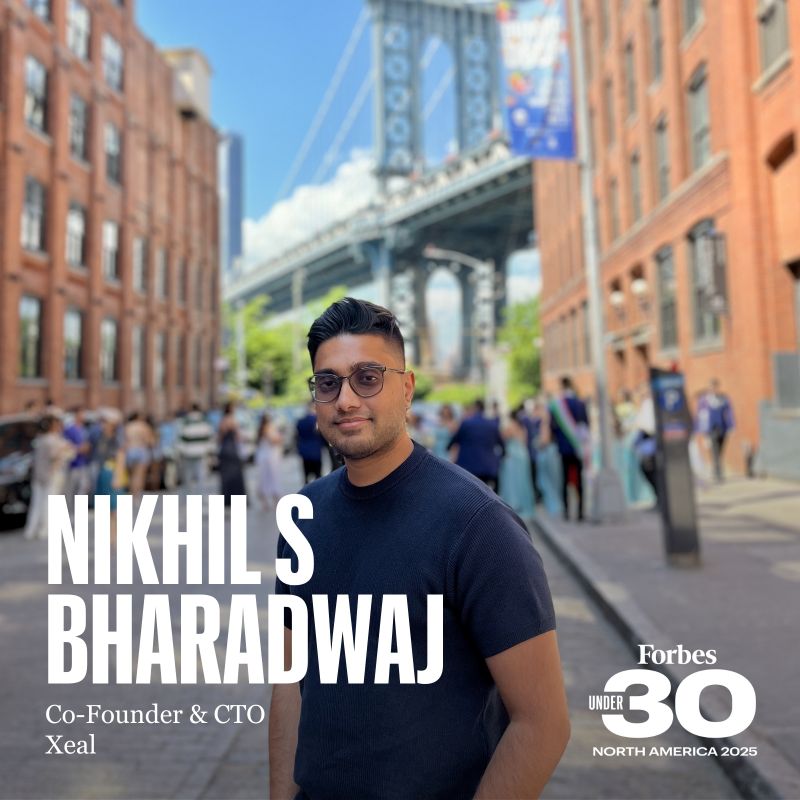
Nikhil Bharadwaj Put the Cloud on Notice
The Xeal co-founder learned EV charging’s least glamorous lesson in concrete garages: if the network disappears, the product cannot. His answer was to move the essential work closer to the plug.

Roger Dewey Put the Tiny SIM Card in Charge
For decades, telecom treated the SIM as a passport. Roger Dewey saw a pocket-sized computer - and built a company around letting it make decisions.
Adam Fish Is Building for the Moment the Network Disappears
A failed connection used to look like an error message. Fish turned it into a company - one built on the idea that phones, tablets and machines should keep working together when the cloud cannot.
Darren Kimura Has Spent 30 Years Solving the Last Mile
From a teenage business in Hilo to solar fields, network control rooms and enterprise AI, Darren Kimura has built a career around one stubborn question: how does useful technology reach the people who need it?

Sami Nassar
Sami Nassar is the Founder, President and Co-CEO of SecEdge, a digital security SaaS platform securing IoT and edge devices from chip to cloud. A semiconductor and cybersecurity veteran, he helped introduce the SIM card into GSM cellular networks in the 1990s, built one of the first cell-phone location-based services companies in the 2000s, and led digital security business lines at NXP Semiconductors and Renesas. He is a founding and board member of the FIDO Alliance and has advised the National Cyber Security Alliance and the EastWest Institute.
Robert Frederick
Robert Frederick is the founder, CEO and President of Sirqul, Inc., a Seattle IoT company built around an Engagement-as-a-Service platform of hundreds of APIs and patented edge devices. An MIT Media Lab alum and TR35 honoree with 41 issued patents, he helped launch Amazon Anywhere and co-founded Amazon Web Services and the AWS Marketplace before scaling the voice startup Snapvine past 5 million users. He is also an author and music producer.

David Aronchick
David Aronchick is the co-founder and CEO of Expanso, the Seattle company commercializing Bacalhau, an open-source platform that moves computation to where data already lives instead of hauling data to the cloud. A 4x founder, he helped launch Google Kubernetes Engine, co-founded the Kubeflow machine learning project, led open source ML strategy at Microsoft Azure, and ran Compute over Data at Protocol Labs. His through-line is a stubborn belief that technology is not neutral and that distributed systems should make computing cheaper, more private, and more useful at the edge.

Michael Hunter
Michael Hunter is the co-founder and CEO of Spear AI, a Washington, D.C. defense technology company turning the ocean's underwater noise into usable intelligence. A former Navy intelligence analyst who deployed to Baghdad with SEAL Team Two and later led AI projects inside the Pentagon's Project Maven, Hunter started Spear AI in 2021 with retired submarine commander John McGunnigle. The company builds software, modular sensors, and engineering services that help the U.S. Navy and commercial partners label and make sense of maritime acoustic data at the edge.

Peter Yorke
Peter Yorke is the CEO and co-founder of Voyomotive, a San Francisco connected-car company whose VOYO device turns an ordinary car's OBD-II port into a smartphone-controlled second brain. A native Californian who has worn the hats of scientist, venture capitalist, and serial entrepreneur, Yorke built a platform that locks doors by proximity, reads manufacturer fault codes, logs trips, and crowdsources road-hazard alerts. VOYO swept the 2015 SEMA show awards and exhibited as one of the most advanced after-market connected-car systems at CES 2016.
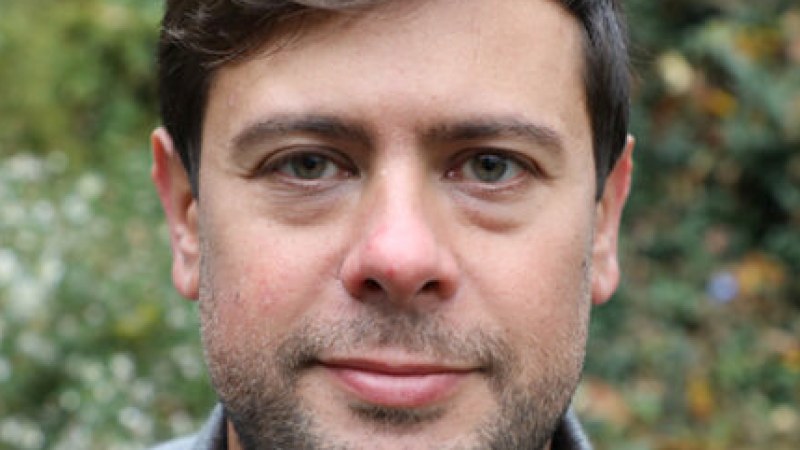
Eliot Horowitz
Eliot Horowitz is the founder and CEO of Viam, a New York robotics-and-automation software platform that lets developers build, deploy, and manage machines in the physical world. He wrote the original core code of MongoDB, which he co-founded in 2007 and steered as CTO for 13 years through a 2017 IPO and a market cap that climbed into the tens of billions. After tinkering with a cat feeder, a chess-playing robot, and a smarter sprinkler during the pandemic, he concluded that robotics hardware had outrun its software, and built Viam to close that gap.

Ulysse Saltiel
Ulysse Saltiel is an Associate in the Office of the CEO at Armada, the San Francisco edge-computing company building modular data centers and connectivity for the planet's most remote corners. A 2025 Pepperdine graduate who double-majored in finance and philosophy and finished summa cum laude, he founded the Pepperdine Finance Society and built the Coastal Capital Summit from a 50-person idea into a 350-plus person flagship event that has funneled students into JP Morgan, Citigroup and beyond. He came up through wealth management at Bordeaux Wealth Advisors and Pepperdine's $1.5B endowment office before landing at the right hand of Armada's leadership.
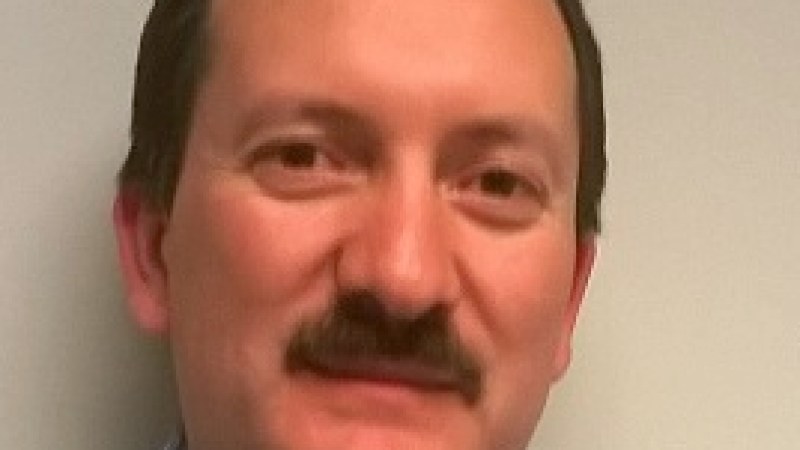
Ross Ortega
Ross Ortega is VP of Product Management at Microsoft, currently leading Discovery and Communications initiatives. He previously built a $1 billion portfolio of Azure networking services - including ExpressRoute, Virtual WAN, Application Gateway, and Web Application Firewall - and then led Azure for Operators, Microsoft's 5G and edge computing platform for telecommunications providers. Before Microsoft, he co-founded Consystant Design Technologies and served as President and CTO of GraniteEdge Networks. A career technologist with roots in embedded systems and networking, Ortega has spent over two decades at Microsoft shaping how enterprises and telecoms connect to the cloud.

Dan Wright
Dan Wright is the Co-Founder and CEO of Armada, a San Francisco-based edge computing company building ruggedized, modular AI data centers deployable anywhere in the world - from oil rigs to military forward operating bases. Before Armada, he led DataRobot as CEO during its hypergrowth phase (peak valuation $6.3B) and was COO and General Counsel at AppDynamics through its landmark $3.7B acquisition by Cisco. A lawyer-turned-operator, Wright co-founded Armada in December 2022 alongside Jon Runyan, raised a $230M Series B at a $2B valuation in May 2026, and has deployed edge AI infrastructure across 43 countries for customers including the U.S. Navy and Aker BP.
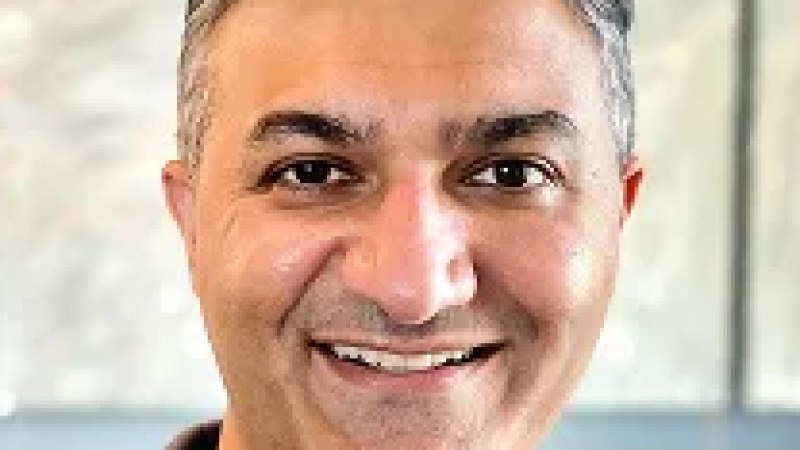
Haseeb Budhani
Haseeb Budhani is the Co-founder and CEO of Rafay Systems, a Sunnyvale-based infrastructure orchestration platform that simplifies Kubernetes and AI infrastructure lifecycle operations across public clouds, private data centers, and the edge. A serial entrepreneur with a track record of building and selling enterprise technology companies, Budhani previously co-founded Soha Systems - a secure remote access startup acquired by Akamai Technologies in 2016 - and has held senior product and engineering roles at Citrix, Infineta Systems, and others. Under his leadership, Rafay has raised $37.1M in total funding, built partnerships with Verizon, NVIDIA, and Cisco, and grown to serve major enterprise customers at the intersection of Kubernetes operations and AI infrastructure.
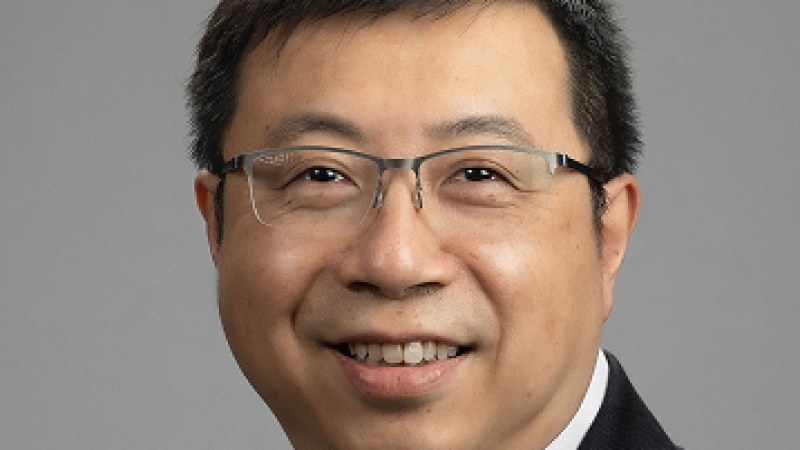
Tenry Fu
Tenry Fu is the CEO and Co-Founder of Spectro Cloud, the enterprise Kubernetes management platform trusted by the U.S. Air Force, U.S. Navy, GE HealthCare, T-Mobile, and Nokia. A serial entrepreneur with 20+ years in system software, Fu previously co-founded CliQr Technologies - which Cisco acquired for $260M in 2016 - before returning with his same co-founders to tackle the next hard problem: making Kubernetes manageable across any environment at any scale. Spectro Cloud has raised $142.5M in total funding, including a $75M Series C led by Goldman Sachs, and holds a post-money valuation of $750M.
Derek Garnier
Derek Garnier is the CEO of Evocative, a global digital infrastructure provider headquartered in Los Angeles, California. With over 35 years in the industry, he has built, operated, and sold multiple companies across data centers, fiber networks, and managed services. A former engineer turned strategist, Garnier co-founded Arcadian Infracom, led Layer42 Networks through a successful acquisition by Wave Broadband in 2015, and returned to Evocative as CEO in February 2023. He champions hybrid cloud, AI-ready infrastructure, and inclusion as core business pillars, guiding Evocative through a significant debt financing round in December 2025 to expand high-density colocation and network capacity for next-generation AI applications.
Dhrupad Trivedi
Dhrupad Trivedi is the President, CEO, and Chairman of A10 Networks (NYSE: ATEN), a San Jose-based cybersecurity and application delivery company. With a Ph.D. in Electrical Engineering and an MBA in Finance from Duke's Fuqua School of Business, he brings over 30 years of deep technical and operational expertise across networking, cybersecurity, and telecommunications. Since taking the helm in December 2019, Trivedi has repositioned A10 as an AI-era security company — landing Microsoft as a customer to protect mission-critical generative AI infrastructure — while driving double-digit revenue growth and expanding the company's portfolio to include AI firewalls, DDoS protection, and next-generation web application firewalls.

Ed Meyercord
Ed Meyercord is President, CEO, and Director of Extreme Networks (NASDAQ: EXTR), a publicly traded enterprise networking company with 2,700 employees and over $1.1 billion in annual revenue. He took the helm in April 2015 after serving as Chairman of the board since 2011, steering Extreme from a hardware-centric also-ran into a cloud-managed, AI-native networking platform. Under his watch the company now powers the wireless networks at Old Trafford, the Burj Khalifa, Taylor Swift concert tours, and Samsung's global operations, while its SaaS ARR has grown dramatically. Before Extreme, Meyercord ran Talk America (a publicly traded telco), Cavalier Telephone, and Critical Alert Systems, after starting his career as an investment banking VP at Salomon Brothers. He is also known for bringing improv comedy principles into corporate leadership and for his advocacy for people with intellectual disabilities through SKIT Programs.
Evan Kaplan
Evan Kaplan is the CEO of InfluxData, the company behind InfluxDB - the world's most popular open-source time series database with over 1.3 million developers. With nearly 20 years in CEO roles across multiple companies, he took InfluxData from a scrappy open-source project of 3,000 users to a platform handling billions of data points per second for 1,900+ enterprise customers. His path to the C-suite ran not through computer science but through environmental science degrees and years spent as a mountain guide in his late 20s - an unconventional origin story that shows up in how he thinks about resilience and long-term endurance.

Ian Small
Ian Small is the CEO of Blues, a Boston-based IoT connectivity company backed by $115M in funding including a $25M Sequoia-led round in 2025. A 30-year Silicon Valley veteran who started at Apple in 1989 working on QuickTime VR, Small went on to lead TokBox (Sequoia-backed video communications platform acquired by Telefonica), serve as Global Chief Data Officer at Telefonica overseeing 300M+ customers, and then spent five years as CEO of Evernote transforming the company through a massive technical overhaul before it was acquired by Bending Spoons in 2023. Known as an 'end-to-end operator' with a famous habit of deep customer listening, he joined Blues in June 2025 to lead the company's next phase of growth in making IoT connectivity accessible and affordable for product makers everywhere.
João Diogo Falcão
João Diogo 'JD' Falcão is the CEO and co-founder of AiFi Inc., the San Francisco-based company building the world's largest autonomous retail network. A PhD from Carnegie Mellon and Master's from Cornell in Robotics, JD spent years shaping AiFi's core technology as CTO before stepping up as Chief Executive in September 2025. Under his and the team's leadership, AiFi has deployed 300+ camera-only autonomous stores globally, processes over 90 petabytes of spatial data annually, and counts Microsoft, ALDI, and 7-Eleven among its partners. His central thesis: the physical world deserves to be as queryable as the internet.

John Kibarian
John Kibarian is the co-founder, President, and CEO of PDF Solutions (NASDAQ: PDFS), a Santa Clara-based semiconductor analytics company he has helmed for over 35 years. Armed with a Ph.D. in Computer Engineering from Carnegie Mellon, Kibarian started building yield-improvement algorithms while still a researcher at SEMATECH - then turned those algorithms into a company. Today PDF Solutions generates $219 million in annual revenue helping chipmakers, test facilities, and battery manufacturers squeeze more quality out of every wafer, with flagship products like the Exensio Analytics Platform and the Sapience Manufacturing Hub driving AI-powered collaboration across global semiconductor supply chains.