crypto
(144)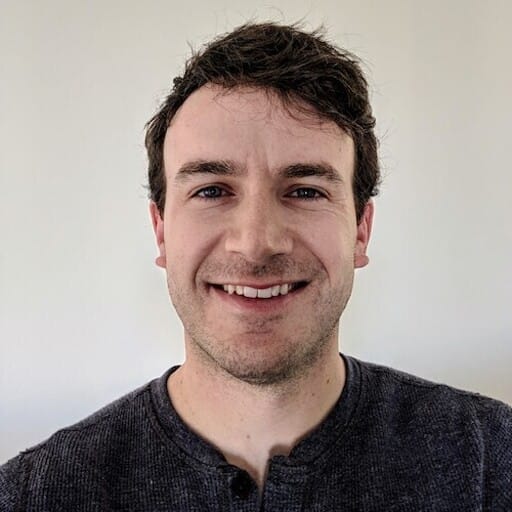
Ryne Saxe and the long way to a simpler dollar
Before Eco, Ryne Saxe studied atoms and negotiated technology deals. His education in money began earlier, watching his father do business on the strength of his word.
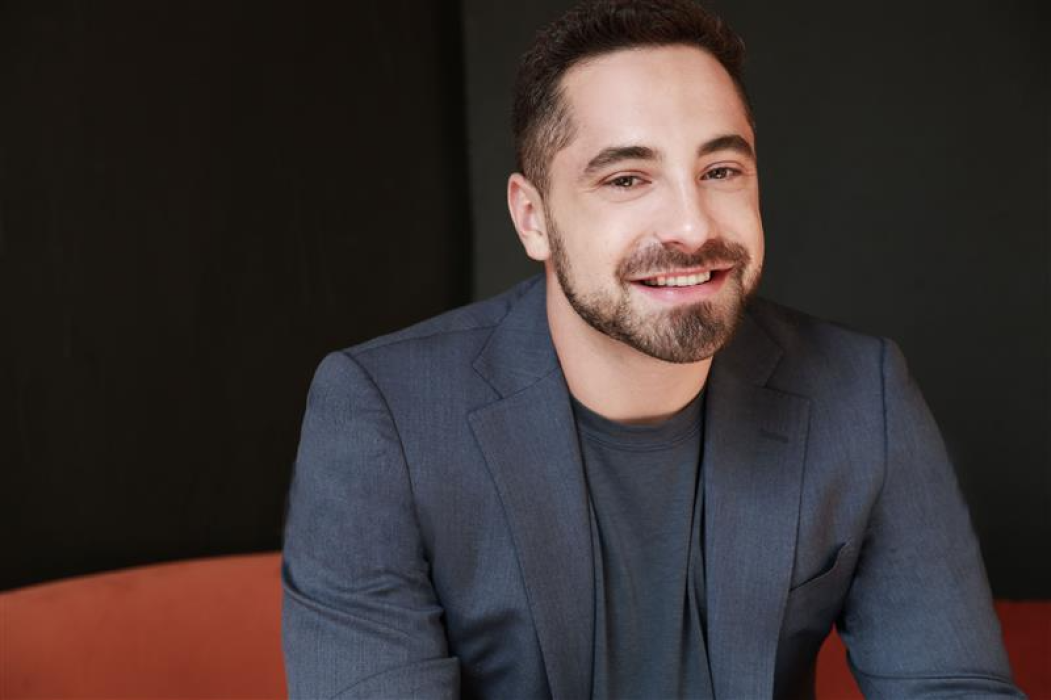
Ben Weiss and the surprisingly physical life of digital money
Ben Weiss helped build CoinFlip around a stubbornly ordinary habit: paying with cash. His route from a college Bitcoin wallet to thousands of kiosks runs through gas stations, bank accounts, and the work of earning trust.
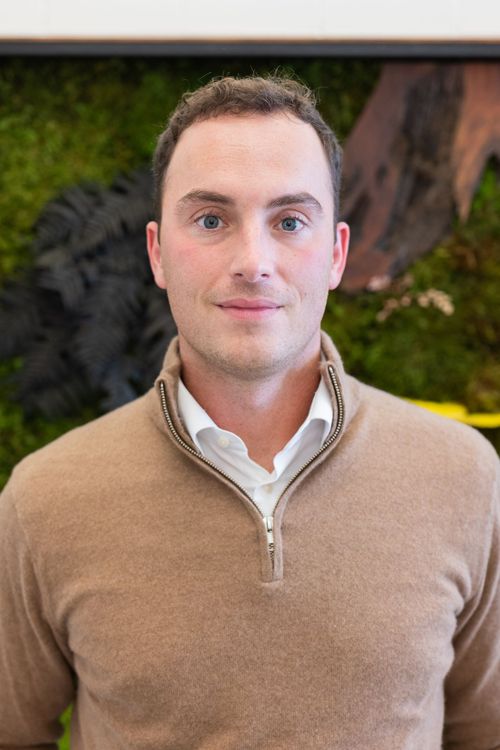
Andy Bromberg and the trouble with a perfectly good calendar
After Sidewire, CoinList and Eco, Andy Bromberg is finding room for smaller inventions. His latest projects offer a close look at a founder who keeps asking why familiar tools have to work that way.
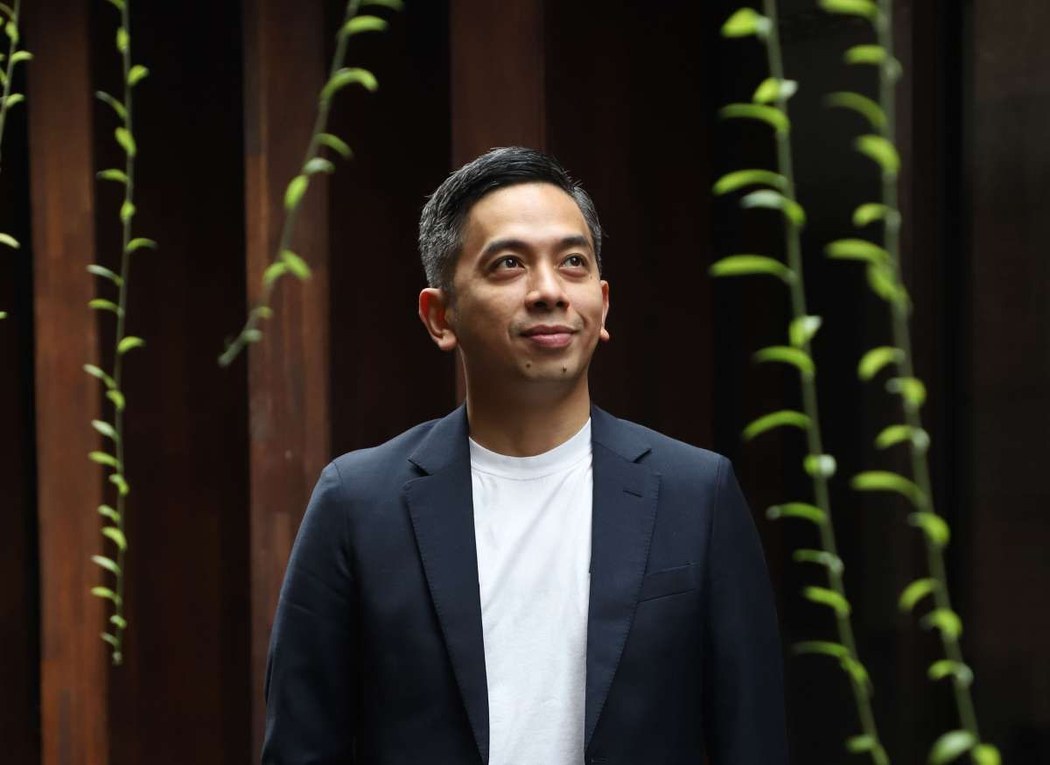
Yudhono Rawis and the art of moving carefully in a market that never sleeps
After years in deal advisory, fintech lending and Tokocrypto, Yudhono Rawis founded FLOQ. His wager is that Indonesia’s digital-asset market will reward the patient work of building trust.

Joshua Blew and the complicated business of being Normal
A teenage stock-picker learned to write code, built banking software, and set out to make crypto easier to use. Joshua Blew’s story is a study in how an impatient investor becomes a patient builder.
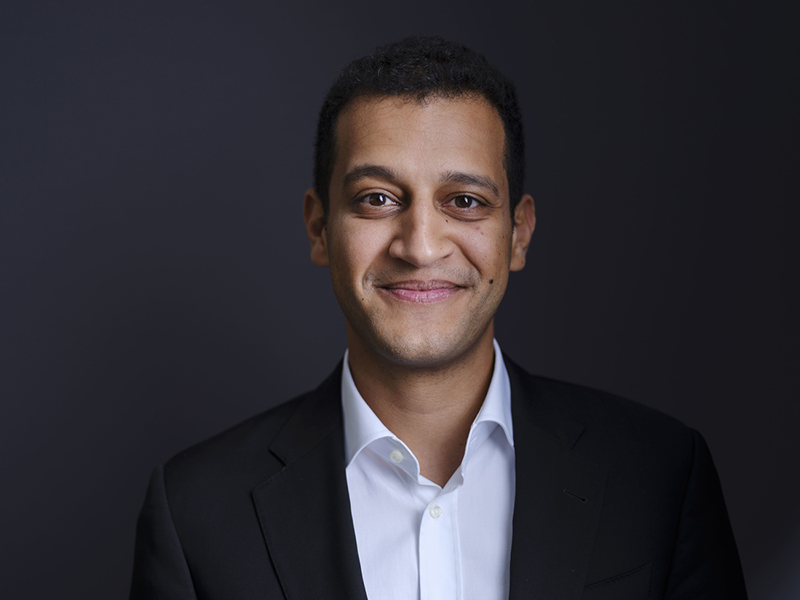
Hany Rashwan’s long road to one less click
Before he co-founded 21Shares, Hany Rashwan put a checkout inside a tweet. His career keeps returning to the same awkward space: the distance between wanting to do something with money and being able to do it.
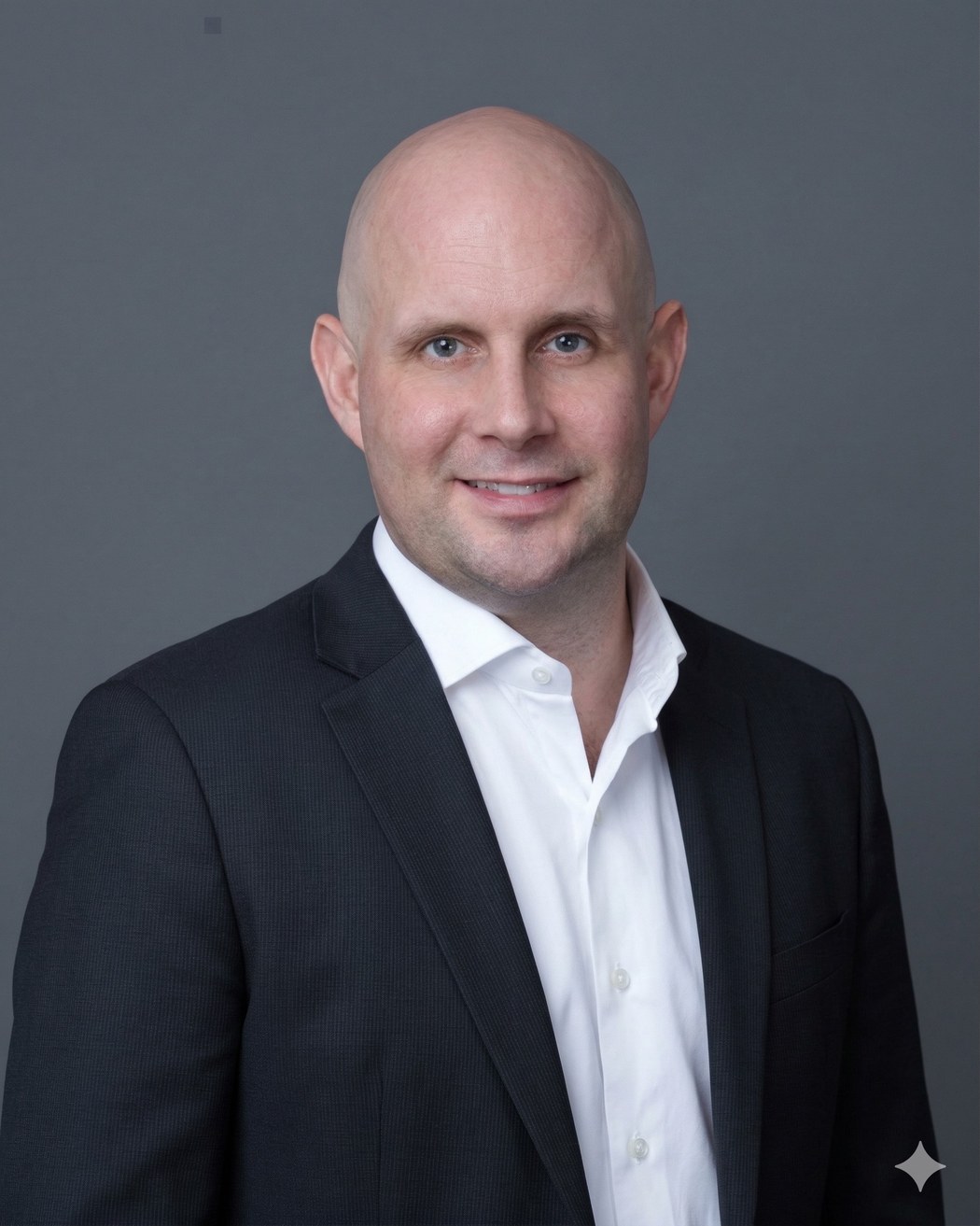
Elliot Andrews and the end of the 100x conversation
Before Aspen Digital, Elliot Andrews worked on the machinery of institutional finance. Now, from Abu Dhabi, he is bringing that experience to a question wealthy crypto investors increasingly ask: how does this fit into the rest of my life?
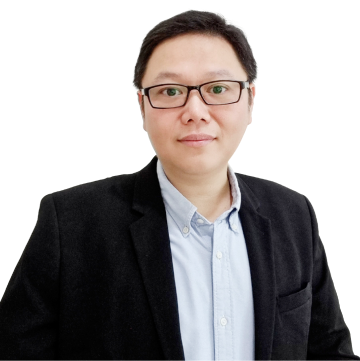
Sumardi Fung and the question that became an exchange
He first dismissed Bitcoin as a scam. A conversation about Ethereum sent Sumardi Fung into mining, then into building Reku - an Indonesian investment platform shaped by years of trading and learning on the job.

Shayne Coplan and the price of being right
A New York kid with an early interest in Ethereum built Polymarket around a stubborn question: what do people really believe when money is on the line? Now his experiment in reading the future has to meet the demands of the financial establishment.
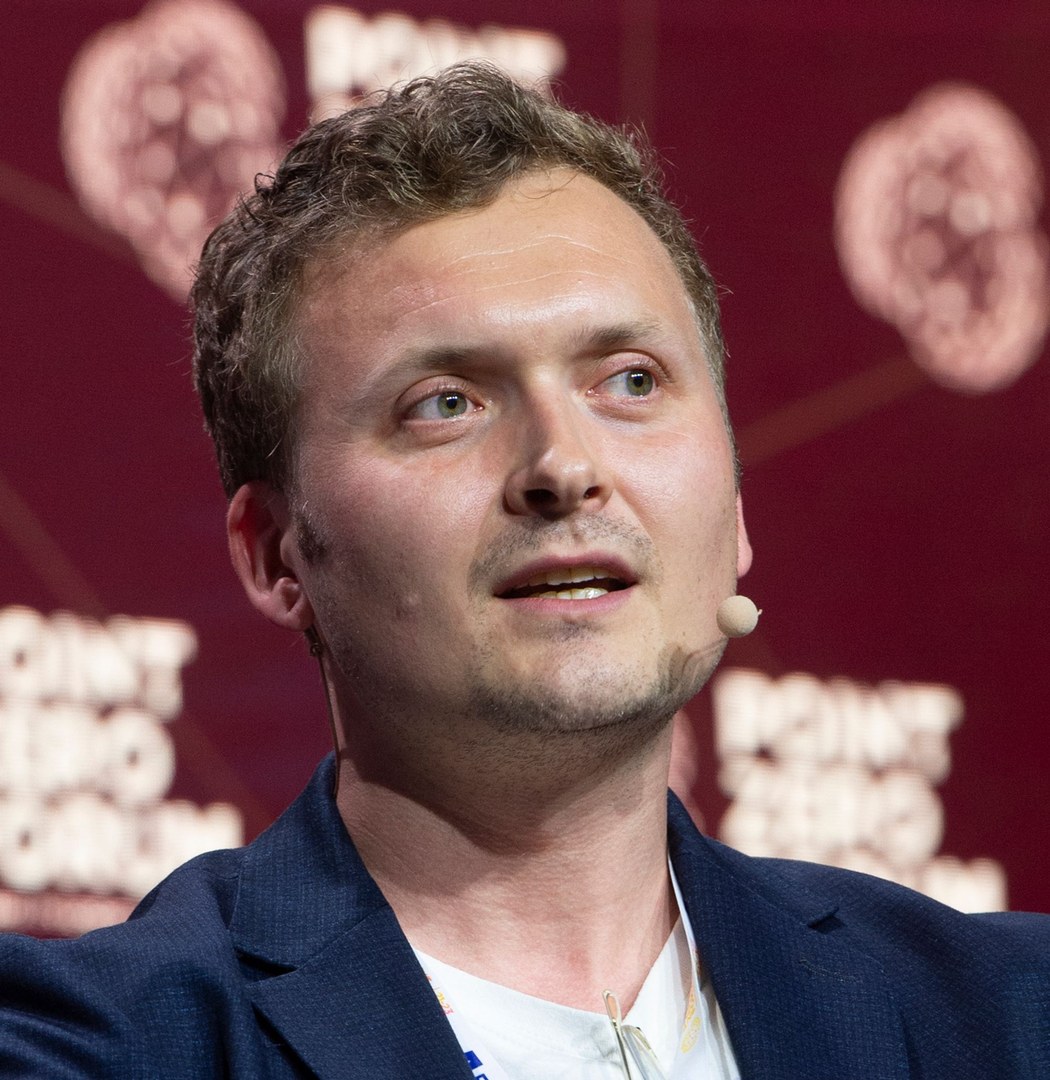
Alex Svanevik and the value of a well-placed comma
A Norwegian data scientist turned a question about anonymous wallets into Nansen. His next wager is that the machines reading the market will also make the trades.
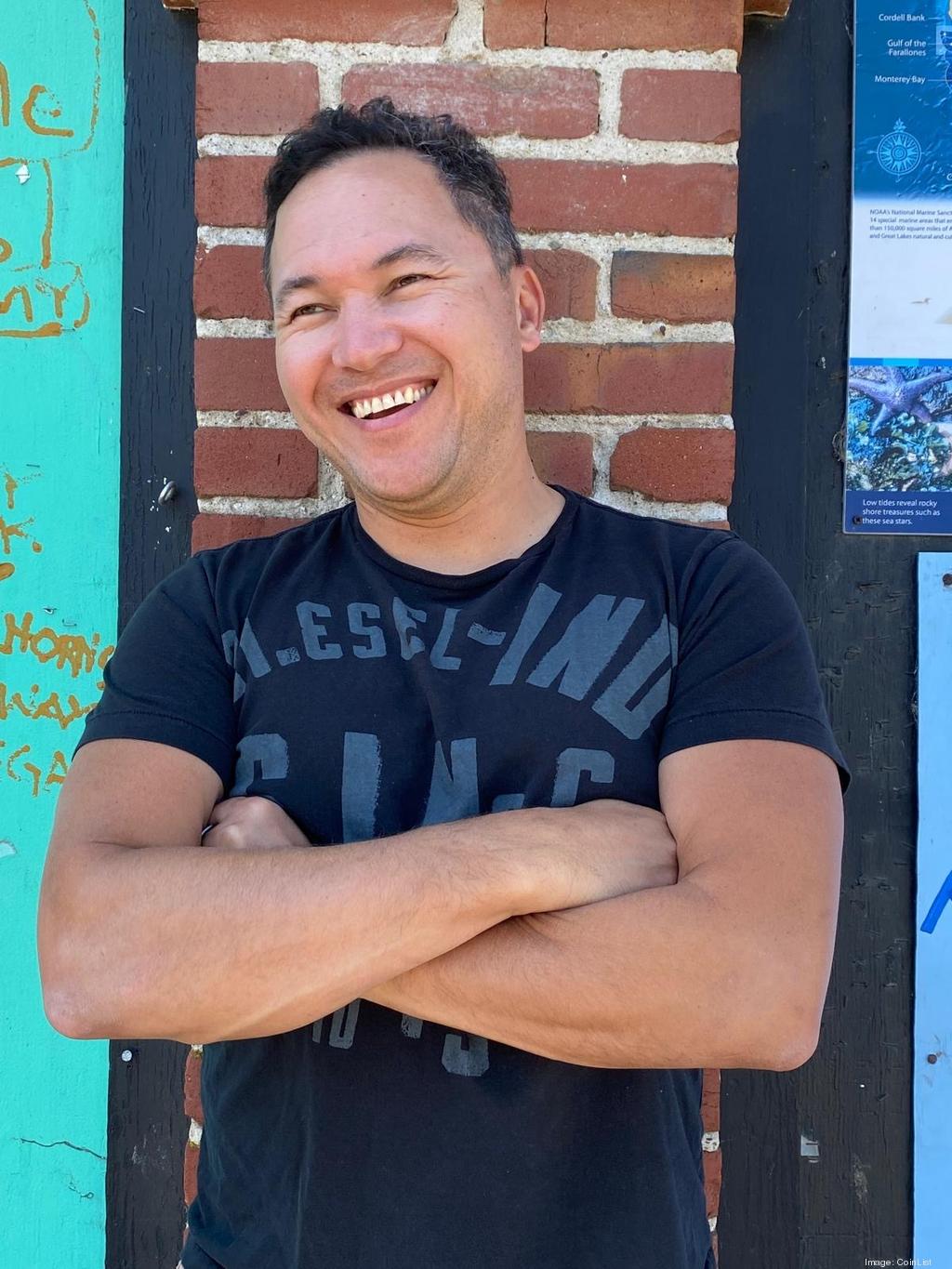
Graham Jenkin and the art of getting there early
Before he helped crypto projects find their first communities, Graham Jenkin was protecting his mornings at Google. The CoinList co-founder’s career follows a practical question: how do you make room for something new?
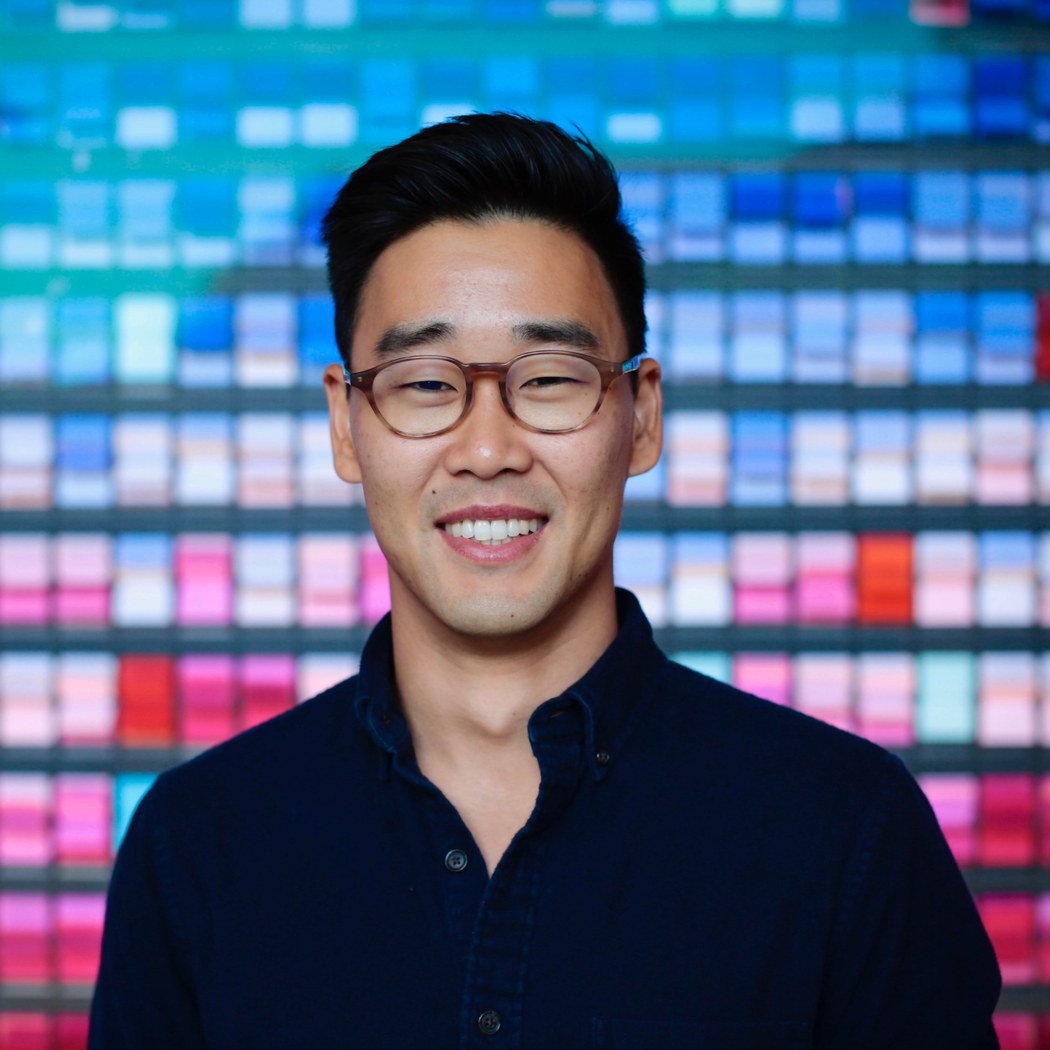
Jesse Choi and the education that began after Stanford
He moved to Jakarta with a Stanford MBA, a private equity background, and a relationship worth crossing the world for. Building Reku would teach Jesse Choi how much a good résumé leaves out.
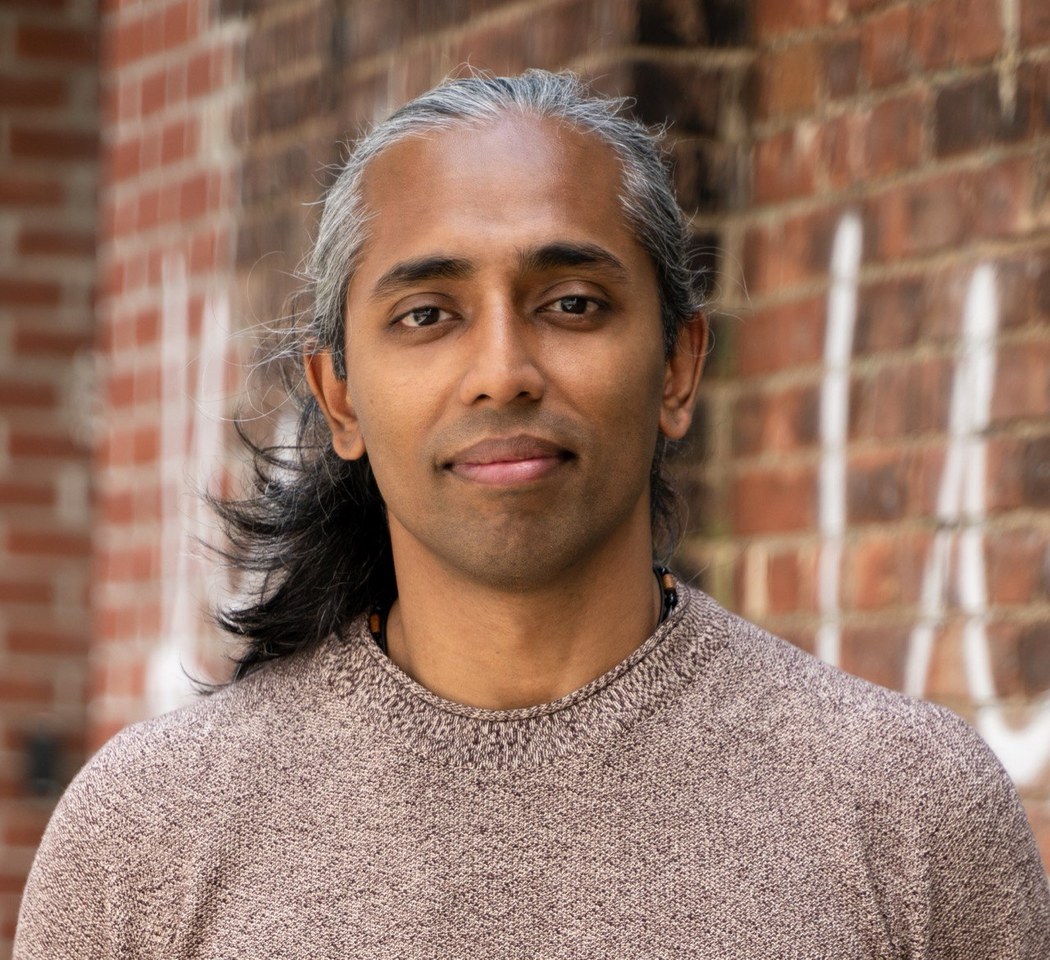
Mo Shaikh and the Missing Forty Dollars
A Brooklyn taxi fare first made Mo Shaikh curious about where money goes. After a real estate experiment and a blockchain born from Meta’s abandoned Diem project, he is putting that question to work as an investor.
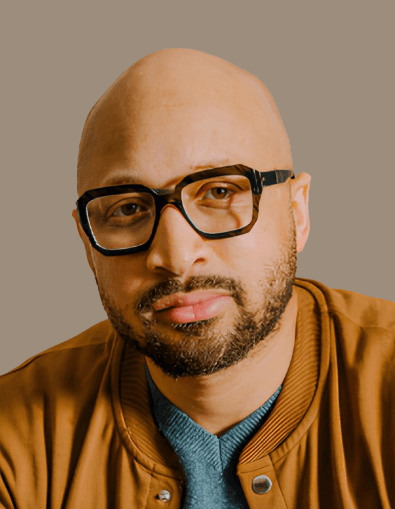
The Engineer Who Kept Asking What Money Should Be Able to Do
Before Sui, Adeniyi Abiodun wrote software for oil wells, banks and Bitcoin miners. The Mysten Labs co-founder has spent the years since Meta’s abandoned Libra project trying to make moving value online feel ordinary.
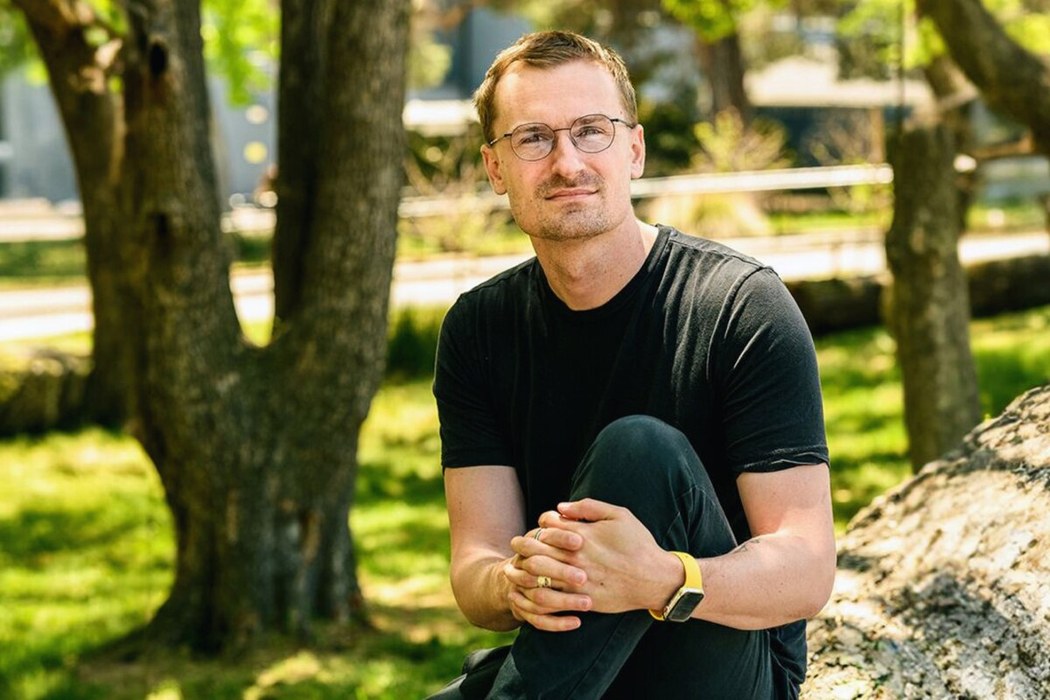
Jesse Pollak Kept Looking for the Door Into Crypto. Then He Built the Floor.
A student startup tried to retire the password. A Coinbase assignment asked for an onchain future. Between them, Jesse Pollak learned that the hardest part of building a new internet is deciding what belongs underneath it.
Dan Romero and the Art of Starting Over
He helped Coinbase find its footing, built an open social network, then handed it on. At Tempo, Dan Romero is testing a new premise: that the next useful crypto product may simply move money.
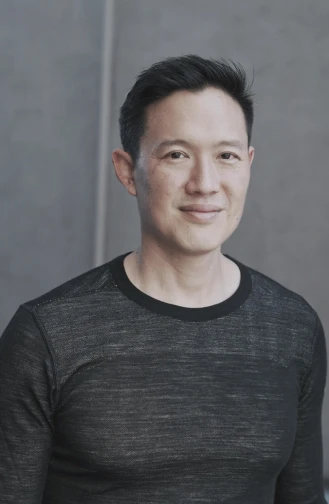
Avery Ching Built the Pipes. Now He Wants to Move the Money.
A circuit-design class sent a Honolulu student toward supercomputing. Two decades later, the systems engineer behind Facebook data infrastructure and Diem is running Aptos Labs - and arguing that the next useful blockchain will look less like a coin and more like a market.
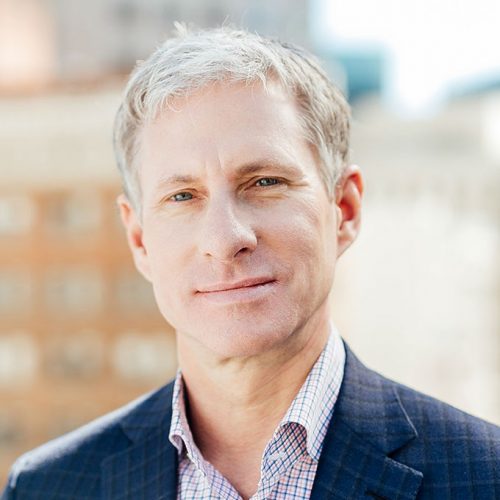
Chris Larsen Has Spent 30 Years Making Money Move
Before crypto had a culture war, Larsen was prying open credit scores and mortgage fees. Ripple is the third act in a career built around one stubborn idea: financial systems should reveal their machinery.

David Wachsman Learned to Sell the Future. Now He Has to Build It.
He built a career helping crypto founders explain unfamiliar ideas. Eleven years later, David Wachsman is testing those lessons in a new role: operator, adviser and investor inside a public company.
Amir Bandeali Built the Pipes for a World of Tokens
A former Chicago trader left the desk, learned to build, and bet that tokenized value would need open markets. Nearly a decade later, 0x is still solving the unglamorous machinery of how assets actually move.
Alexandre Elkrief
He managed institutional crypto positions on spreadsheets and assumptions, then watched the market blow up. Now he is trying to rebuild the plumbing so it can't happen the same way twice.
Utkarsh Sinha
Utkarsh Sinha is the co-founder and CEO of Mochatrade, a Y Combinator (Spring 2026) fintech building a platform for traders outside the US to trade perpetual futures on American stocks with up to 20x leverage, self-custodial wallets, and local-currency onboarding. Raised in a middle-class family in Ranchi, he studied EECS at IIT Kharagpur and computer science at Columbia, worked at McKinsey and in engineering roles, and previously built Martian Wallet from his Columbia dorm room, scaling it to 2M+ installs and a $2B+ transaction volume before it was acquired.
Will Villanueva
Will Villanueva is the co-founder and CEO of DELV (formerly Element Finance), a San Francisco-based decentralized finance company building fixed and variable yield markets on Ethereum. A physicist by training and former Ethereum researcher at ConsenSys, he co-founded Element Finance with Jonny Rhea in 2020 to bring fixed-rate income to DeFi. The company raised a $32M Series A in 2021 at a $320M valuation and later rebranded to DELV, whose flagship product Hyperdrive reimagines fixed and variable rate markets with an everlasting-liquidity AMM design.

Christopher King
Christopher King is the founder and CEO of Eaglebrook, a crypto investment platform that gives registered investment advisors (RIAs) direct access to bitcoin and digital assets through tax-optimized separately managed accounts (SMAs). A Penn State finance graduate who began investing in digital assets in 2014, King started his career in crypto-focused venture capital at Morgan Creek Capital Management before launching Eaglebrook in 2019. The New York and Miami-based company has grown into one of the largest crypto SMA platforms serving wealth managers, backed by investors including Castle Island Ventures, Brewer Lane Ventures, and Franklin Templeton.
Ian Krotinsky
Ian Krotinsky is the co-founder and CEO of Fin, a New York based payments company that uses stablecoin infrastructure to move large sums of money instantly across borders. A former quantitative portfolio manager and trader at Citadel, he and co-founder Aashiq Dheeraj first built TipLink, a tool for sending crypto with a link, before rebranding around a broader ambition: to build the payments app of the future for high-value transfers. In December 2025 the company raised a $17 million Series A led by Pantera Capital, with Sequoia and Samsung Next participating.
Jing Wang
Jing Wang (Jinglan Wang) is the co-founder and CEO of OP Labs, the company that builds and maintains Optimism, one of the largest Ethereum Layer 2 scaling ecosystems. She helped turn a small nonprofit research effort, Plasma Group, into the OP Stack, an open-source framework that now powers a majority of Ethereum's Layer 2 activity and is used by chains from Coinbase, Uniswap, World, Kraken, and Sony. Known for championing retroactive public goods funding and a collaborative, inclusive leadership style, Wang has guided Optimism through a $150M Series B and its evolution from a single chain into the vision of a networked 'Superchain.'
Kirill Gertman
Kirill Gertman is the co-founder and CEO of Conduit, a New York-based B2B cross-border payments platform that settles international transactions using stablecoins. After more than a dozen years building fintech products in banking and startups - including product leadership roles at BRD (acquired by Coinbase) and Eco - he launched Conduit in 2021. The company pivoted from crypto-backed DeFi analytics to cross-border payments after the 2022 market downturn, and now processes more than $10 billion in annualized volume across a network of 20-plus banks in nine countries. In May 2025, Conduit raised a $36 million Series A co-led by Dragonfly Capital and Altos Ventures.

Maggie Wu
Maggie Wu is the CEO and co-founder of VelaFi, a stablecoin-powered payments infrastructure company that helps businesses move money across borders faster and cheaper than traditional banking rails. Born in China and now based in Frisco, Texas, she built her name in Latin America, where her earlier venture TruBit grew to more than 300,000 users. In January 2026 VelaFi raised a $20 million Series B led by XVC and Ikuyo, with backing from Alibaba Investment and BAI Capital, pushing total funding past $40 million as the company expands from Latin America into the United States and Asia.

Scott Keto
Scott Keto is President of CoinList, the San Francisco token-launch and crypto fundraising platform. He joined in 2018 to run strategy and business development, became Chief Operating Officer in January 2021, and now leads the platform that has helped crypto projects raise hundreds of millions of dollars from a global investor base. Trained as a portfolio analyst before earning an MIT Sloan MBA, Keto pairs traditional finance credentials (Series 7, 24, and 79) with a builder's fluency in token design, distribution, and community-driven growth.
Sota Watanabe
Sota Watanabe is the founder and CEO of Startale Group, a Singapore-based Web3 infrastructure company backed by Sony and SBI. He is the founder of Astar Network, one of Japan's most recognized Layer-1 blockchains, and a central figure in Japan's push to bring tokenized stocks, JPY stablecoins, and onchain finance into the mainstream.