cross-border-payments
(37)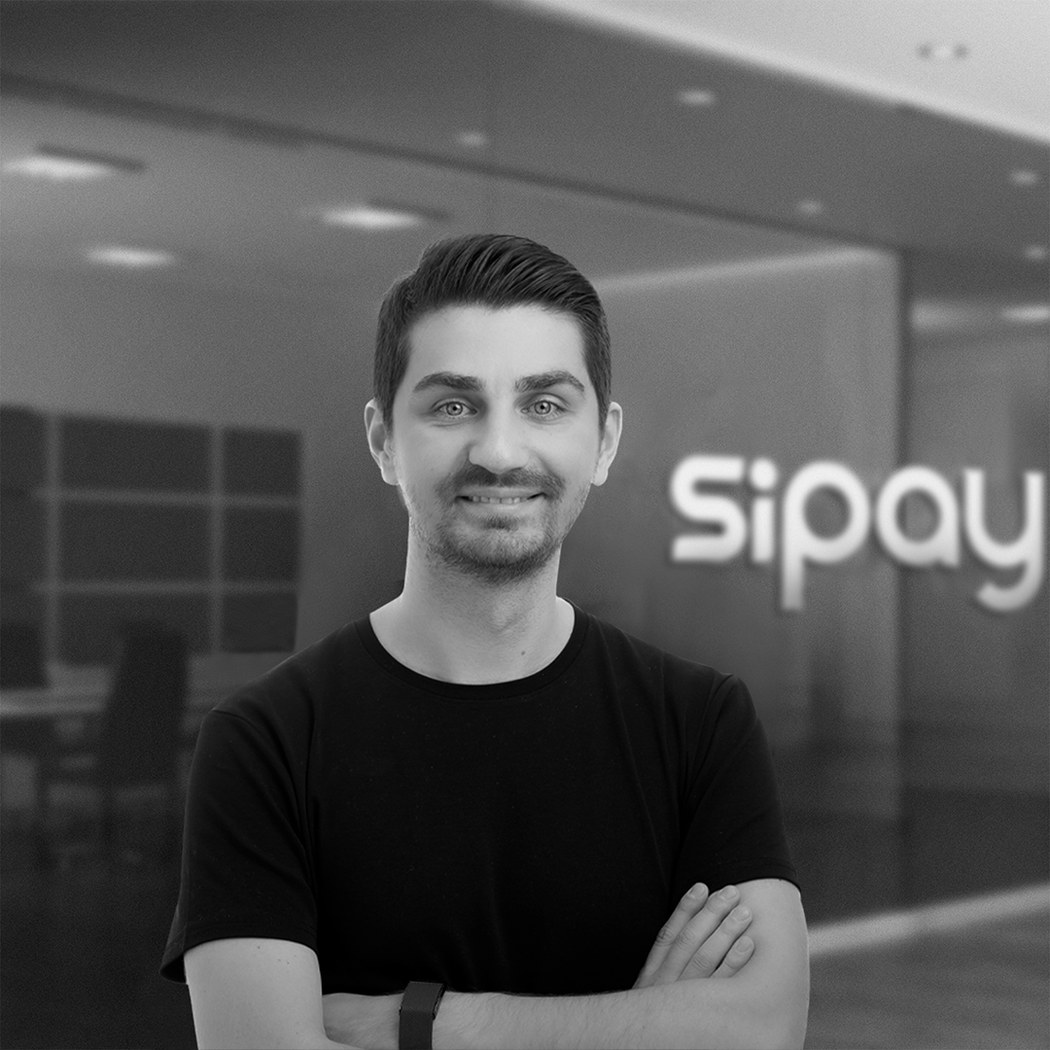
Nezih Sipahioglu and the business after the business
Helping entrepreneurs set up abroad taught Nezih Sipahioglu where the paperwork ended and the real trouble began. At Sipay, he turned that unfinished business into a financial marketplace with international ambitions.
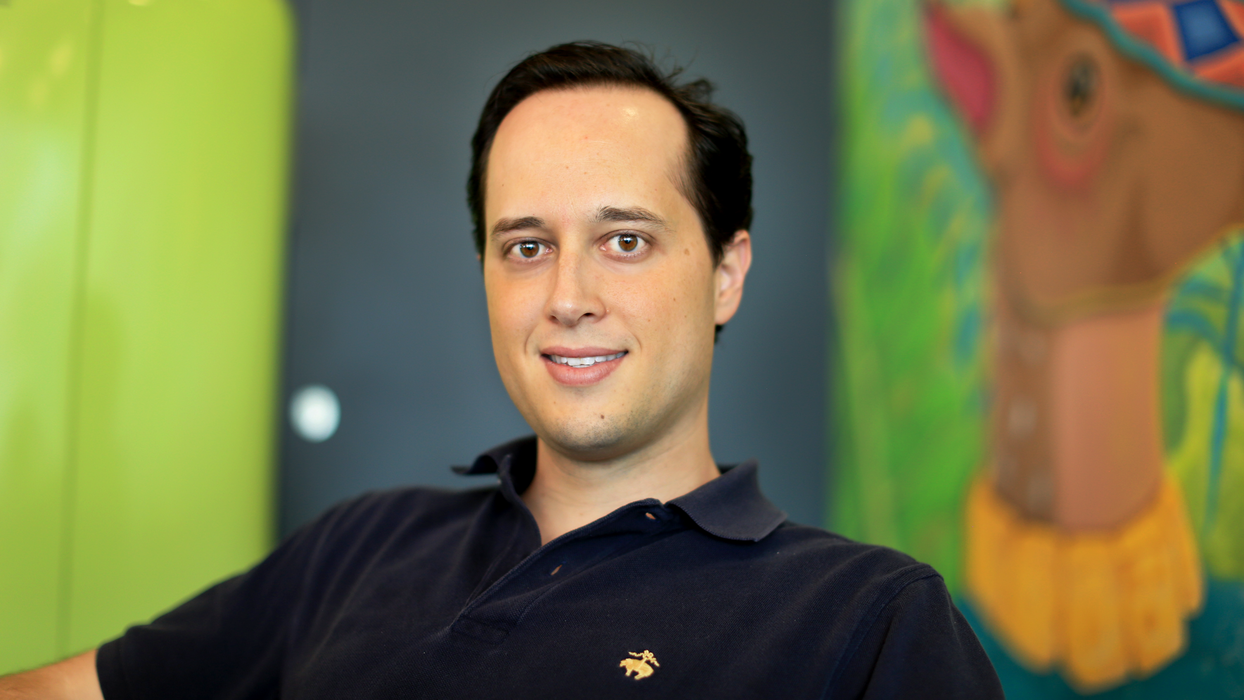
Daniel Vogel and the last mile of money
A failed remittance startup taught Daniel Vogel where digital money gets stuck. At Bitso, the Mexican engineer has spent the years since building the connections that let it move.

João Del Valle and the art of getting through
He wrote EBANX’s first code, became its CEO, and found his way back to GitHub. For João Del Valle, global commerce still comes down to a local question: can this person actually pay?
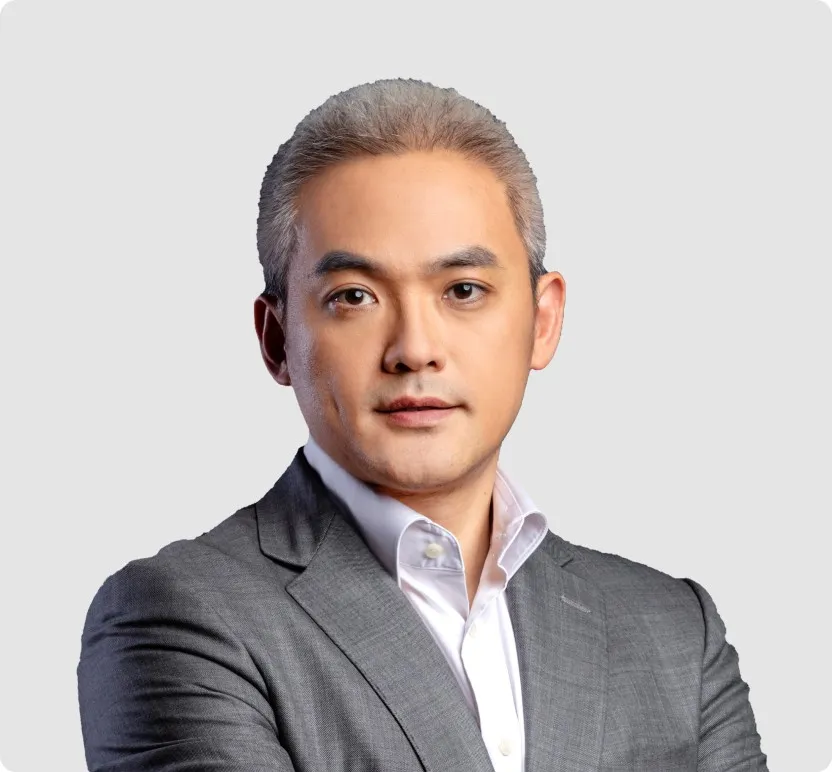
Peng Yang and the surprisingly complicated business of making a payment simple
From Dell to Ant International, Peng Yang has built a career across markets. Now his argument for global finance begins with the small shop - and all the invisible work behind its next sale.

Ning Wang and the Art of Being Local Everywhere
He learned the machinery of payments at PayPal, opened Alipay's American beachhead, then helped build PingPong around a useful paradox: money may travel globally, but trust is always local.

David Messenger and the Art of Making Money Movement Boring
After a career spanning consulting, mobile networks, two acquired startups and China-based fintech, PingPong’s global-business chief has arrived at a curious ambition: make the payment disappear into the work.
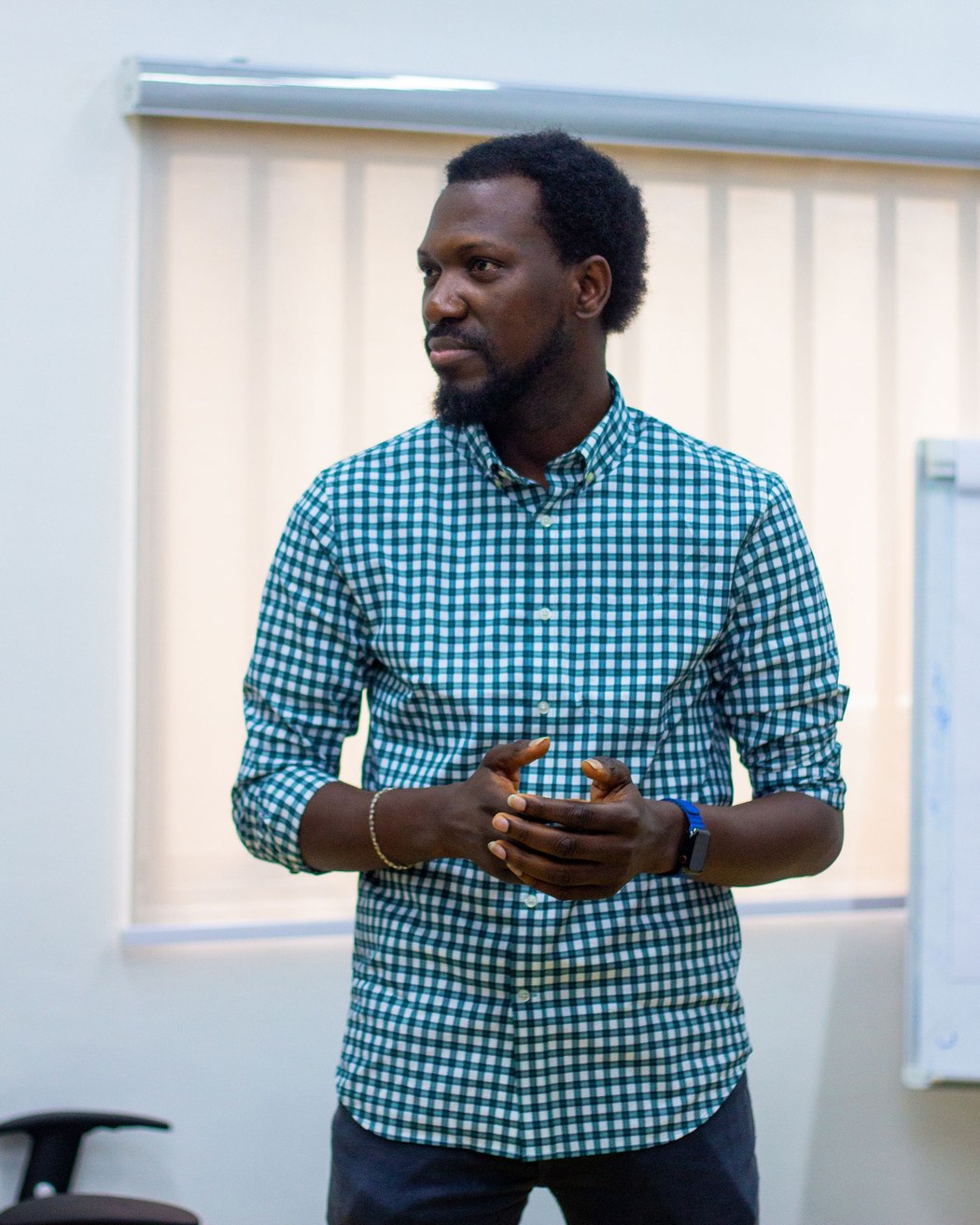
Olugbenga Agboola Is Teaching Money to Take the Short Way Home
The Flutterwave founder spent years stitching together Africa's payment systems. Now his harder task is building a company that can keep moving when he is not the one pushing every button.
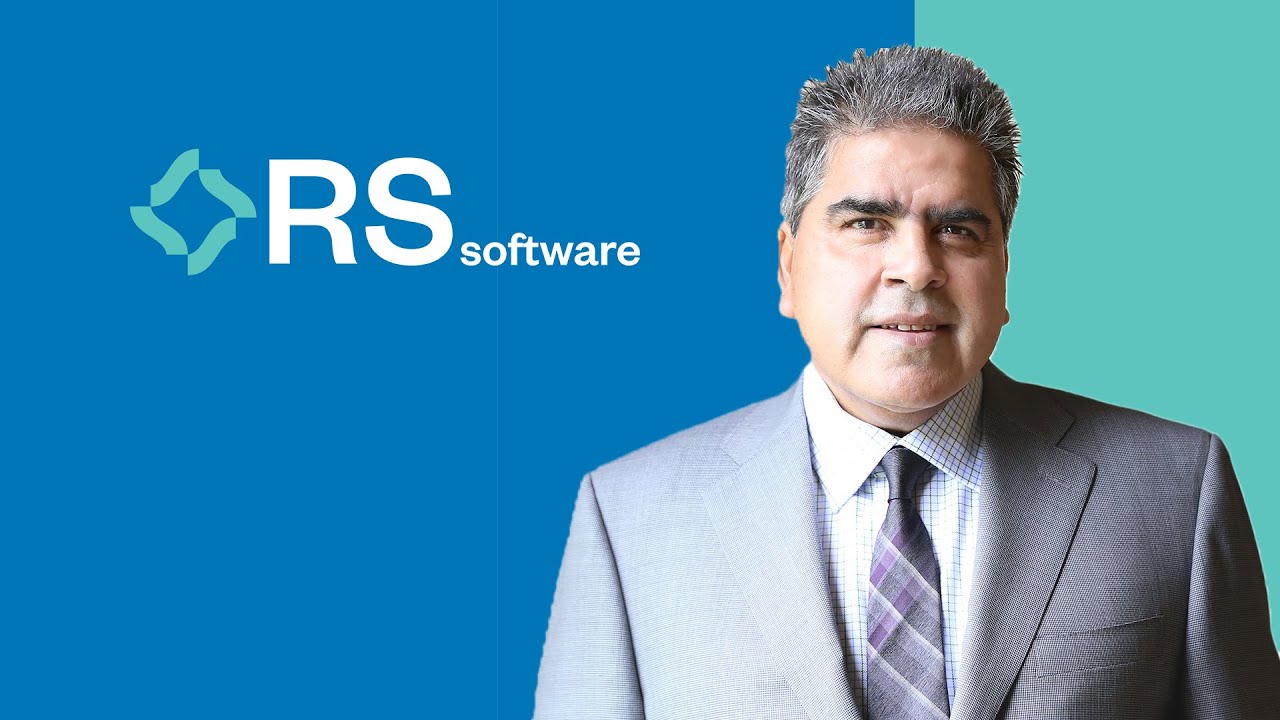
Raj Jain Built the Rails Beneath India’s Payment Revolution
He left a software job in Los Angeles for Kolkata in 1987. The company he founded went on to help engineer UPI, bill payments and fraud systems used at national scale - and now he is trying to make those rails travel.
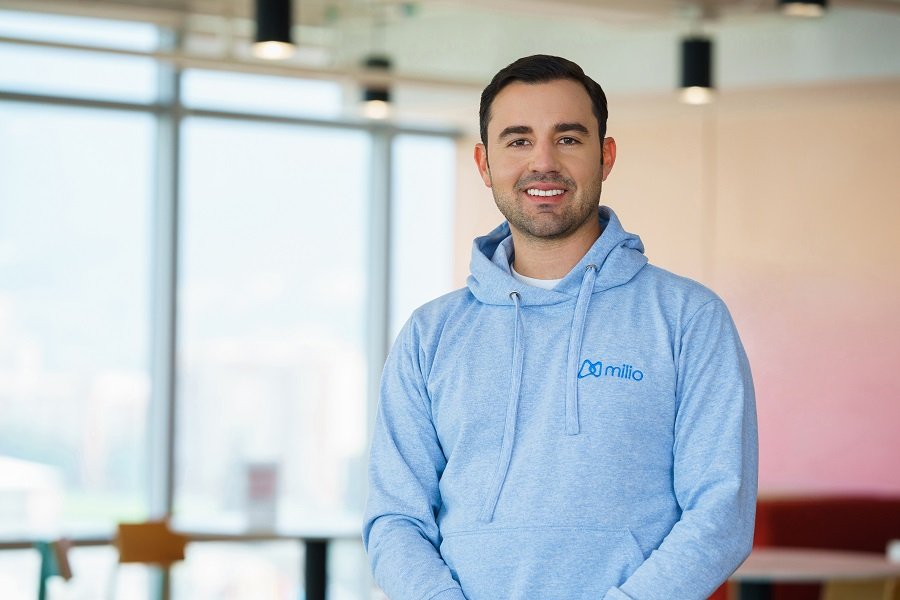
Juan Luis Pérez Escobar Is Connecting Latin America’s Payment Islands
A lawyer from Montería spent years learning how rules and businesses fit together. Now he is building the connective tissue that lets money move between banks, businesses, and borders in real time.

Shahryar Hasnani Is Turning the Dollar Account Into an Export
The economics graduate who also studied fiction went from explaining zero-knowledge rollups to rebuilding dollar access for markets traditional fintech routinely leaves waiting.

Maxwell Obi Is Building the Financial Plumbing Behind Africa's Global Trade
After an exit, a tour through global remittances, and hundreds of conversations with traders and finance teams, Maxwell Obi chose a gloriously unglamorous problem: helping emerging-market businesses move money on time.

Juan Diego Galvez Is Building the Financial Plumbing Nobody Sees
Raised around banking but drawn to technology, the PayCaddy co-founder chose Panama as both headquarters and proving ground. His wager is simple: make the difficult machinery of cards, wallets and compliance feel almost ordinary.

Rodrigo Vidal Built the Bank He Needed to Get Paid
A remote programmer’s payment problem became Wallbit: a border-crossing account, card and investment platform built by founders who still use the product themselves.

Edo Windratno Turned a Two-Hour Bank Errand Into a Fintech Playbook
A frustrating transfer to Europe gave the Jakarta entrepreneur his opening. Transfez fixed the border; Jack followed the paperwork into the finance office.
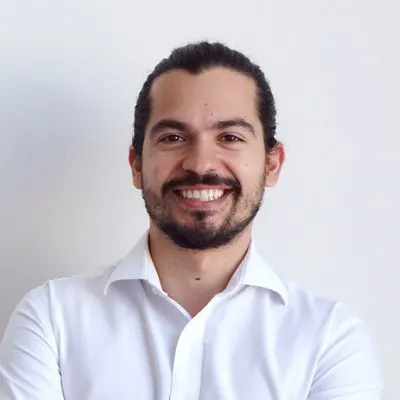
Carlos Medellin Is Making Money Keep Trucking After the Banks Clock Out
The former CFO behind Coba is turning the US-Mexico border from a banking obstacle into an operating detail - starting with the freight companies that cannot wait for Monday morning.
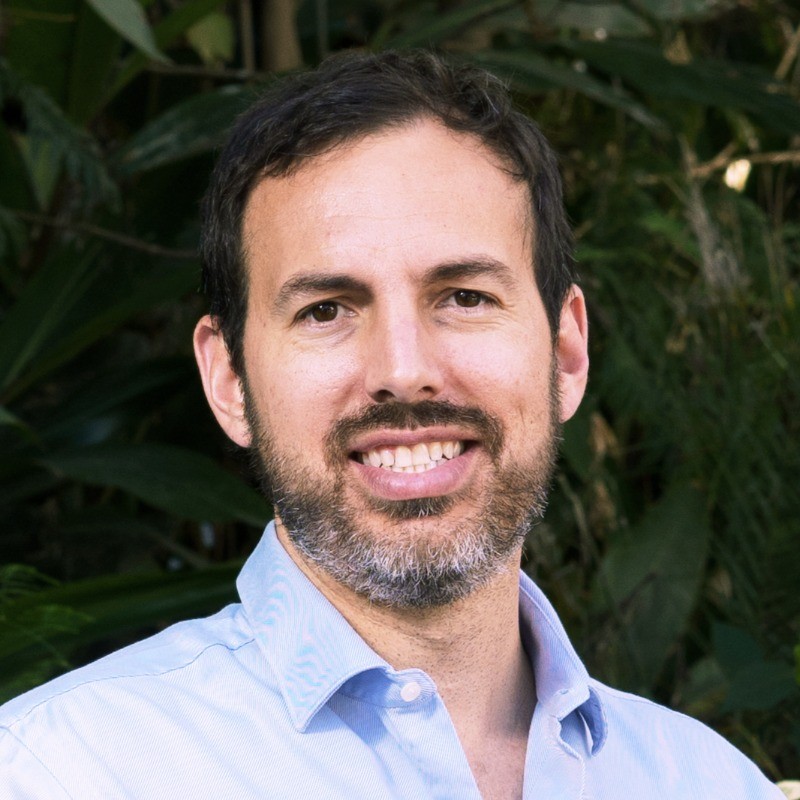
Pablo Orlando Keeps Building Bridges for Money
From a borrowed San Francisco apartment to the plumbing of Latin American payments, Pablo Orlando has spent his career connecting people, currencies and ideas that were waiting to meet.
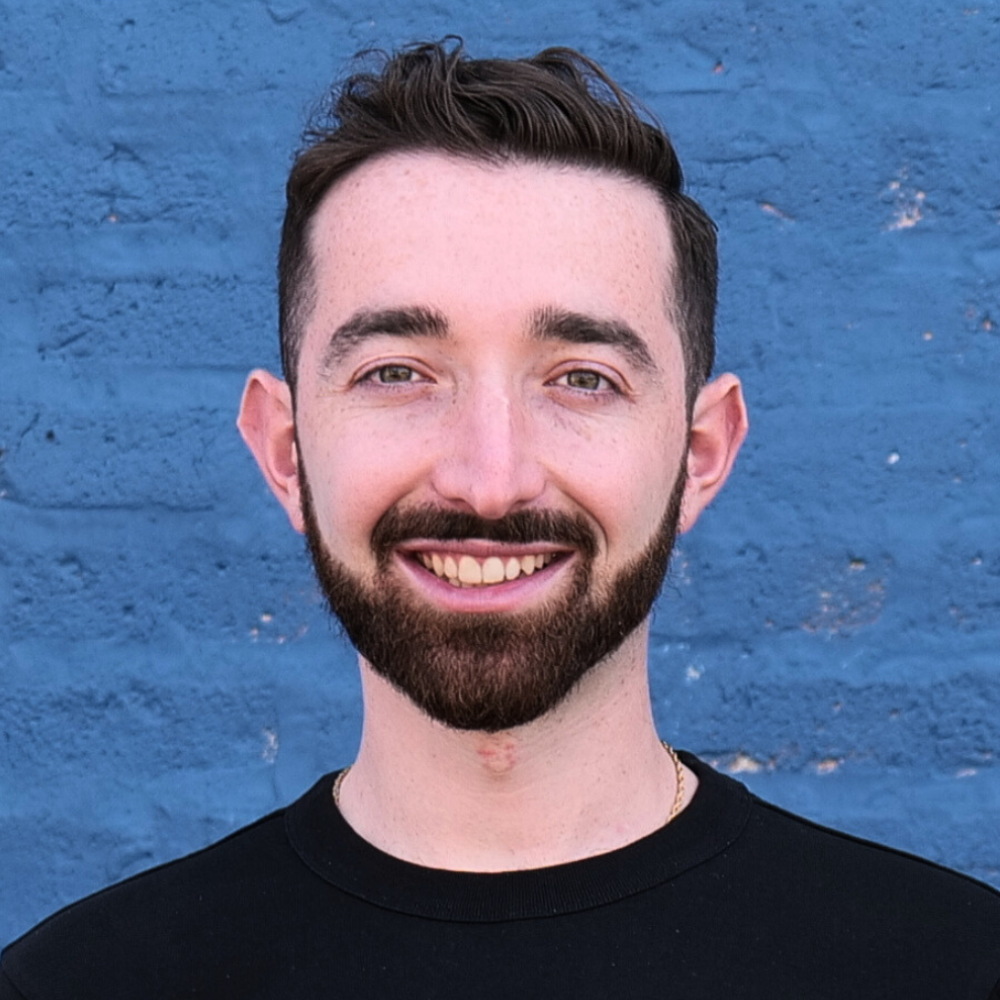
Daniel Lev Is Building the Payment Company His First Startup Needed
A fantasy-sports checkout problem sent Daniel Lev down a payments rabbit hole. The result is Coinflow, a Chicago company trying to make a merchant's money move as quickly as a customer's click.

Brad Loder Is Turning the FX Desk Into a Global Sports Business
Corpay’s cross-border marketing chief found a practical way to explain invisible financial infrastructure: put it beside the teams, leagues and live experiences that already move money around the world.

Tolu Alabi
Tolu Alabi is the co-founder and CEO of Cleva (YC W24), a USD banking platform that lets freelancers and businesses across Africa get paid in dollars and shield their earnings from local currency swings. Born and raised in Nigeria, she played competitive basketball before earning degrees at Grinnell College and Stanford GSB and building products at Stripe and Amazon. She also runs Next in Line Africa, a basketball nonprofit that teaches life skills to young athletes.

Sourav Choraria
Sourav Choraria is the co-founder and CEO of Infinity (YC W24), a Bengaluru business banking platform that helps cross-border SMBs and startups send and receive international payments with multi-currency accounts, flat fees, and no FX markup. He built it with his brother Sidharth after watching their family business lose money to slow, opaque international transfers. Before Infinity he was head of growth at Paytm Money, where he helped scale the wealth platform to 20 million monthly users and launched India's first fixed-deposit-backed credit card.

Walid Mah'd
Walid Mah'd is the co-founder and CEO of Moreta (YC S24), a San Francisco fintech that lets international travelers pay with local QR networks in Asia without a bank account in every country. A former Mastercard Advisors payments consultant and Ivey Business School graduate, he built the company after feeling the friction of paying while backpacking across Southeast and East Asia.

Rushabh Shah
Rushabh Shah is the co-founder and co-CEO of AiPrise, a Y Combinator-backed (S22) global compliance platform that lets companies verify customers and businesses in more than 150 countries through a single interface. A former Meta engineer who worked on developer-focused products and payments, he started AiPrise in 2022 with Chaitanya Sarda after a weekend scramble to make a YC deadline. The company has raised roughly $14.6M, including a $12.5M Series A led by Headline in October 2025, and serves 150+ customers including Bridge (a Stripe company) and dLocal.

Ximena Aleman
Ximena Aleman is the co-founder and Co-CEO of Prometeo, the largest open banking API platform in Latin America. A former journalist from Uruguay, she pivoted from covering entrepreneurs to becoming one, building infrastructure that connects over 1,200 financial institutions across 11 countries through a single API. Under her leadership Prometeo has won the trust of banks like JP Morgan, Santander, Citi and BBVA and raised backing from PayPal Ventures, Samsung Next and others. She is a vocal advocate for financial inclusion and for founders from overlooked corners of the region.
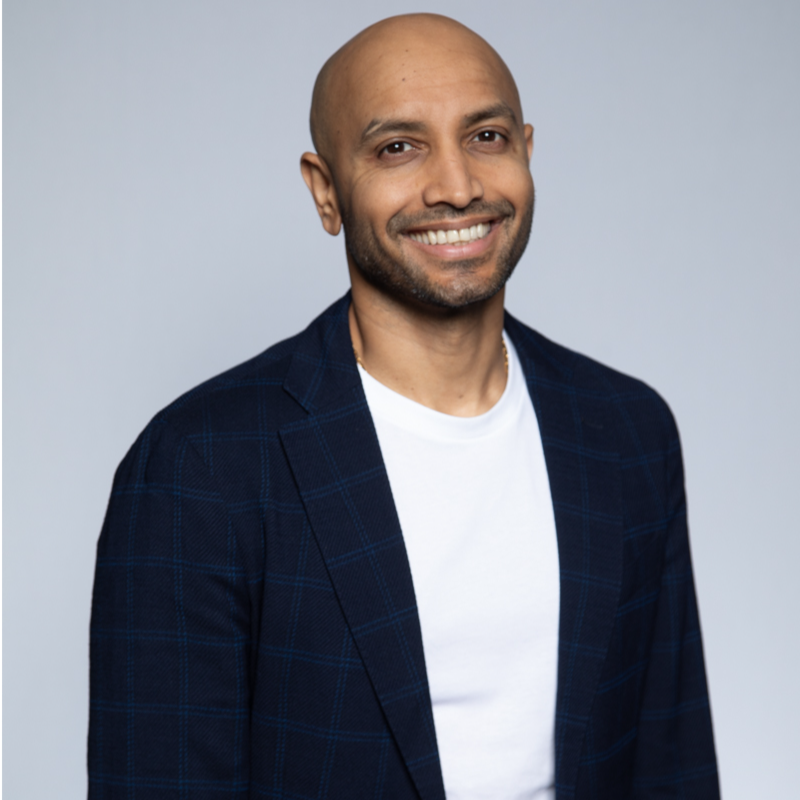
Prajit Nanu
Prajit Nanu is the co-founder and CEO of Nium, the Singapore-born fintech unicorn that has quietly become the plumbing behind global money movement for banks, airlines, and digital platforms. Starting with a frustrating attempt to wire INR 40,000 for a friend's bachelor party in Phuket, he built what is now a $1.4 billion payments infrastructure company processing over $8 billion annually across 190+ countries in 100 currencies. A commerce graduate from Mumbai with a sales background rather than a fintech pedigree, Nanu turned that outsider status into competitive advantage - building what incumbents told him was impossible.

Ian Krotinsky
Ian Krotinsky is the co-founder and CEO of Fin, a New York based payments company that uses stablecoin infrastructure to move large sums of money instantly across borders. A former quantitative portfolio manager and trader at Citadel, he and co-founder Aashiq Dheeraj first built TipLink, a tool for sending crypto with a link, before rebranding around a broader ambition: to build the payments app of the future for high-value transfers. In December 2025 the company raised a $17 million Series A led by Pantera Capital, with Sequoia and Samsung Next participating.

Kirill Gertman
Kirill Gertman is the co-founder and CEO of Conduit, a New York-based B2B cross-border payments platform that settles international transactions using stablecoins. After more than a dozen years building fintech products in banking and startups - including product leadership roles at BRD (acquired by Coinbase) and Eco - he launched Conduit in 2021. The company pivoted from crypto-backed DeFi analytics to cross-border payments after the 2022 market downturn, and now processes more than $10 billion in annualized volume across a network of 20-plus banks in nine countries. In May 2025, Conduit raised a $36 million Series A co-led by Dragonfly Capital and Altos Ventures.

Maggie Wu
Maggie Wu is the CEO and co-founder of VelaFi, a stablecoin-powered payments infrastructure company that helps businesses move money across borders faster and cheaper than traditional banking rails. Born in China and now based in Frisco, Texas, she built her name in Latin America, where her earlier venture TruBit grew to more than 300,000 users. In January 2026 VelaFi raised a $20 million Series B led by XVC and Ikuyo, with backing from Alibaba Investment and BAI Capital, pushing total funding past $40 million as the company expands from Latin America into the United States and Asia.
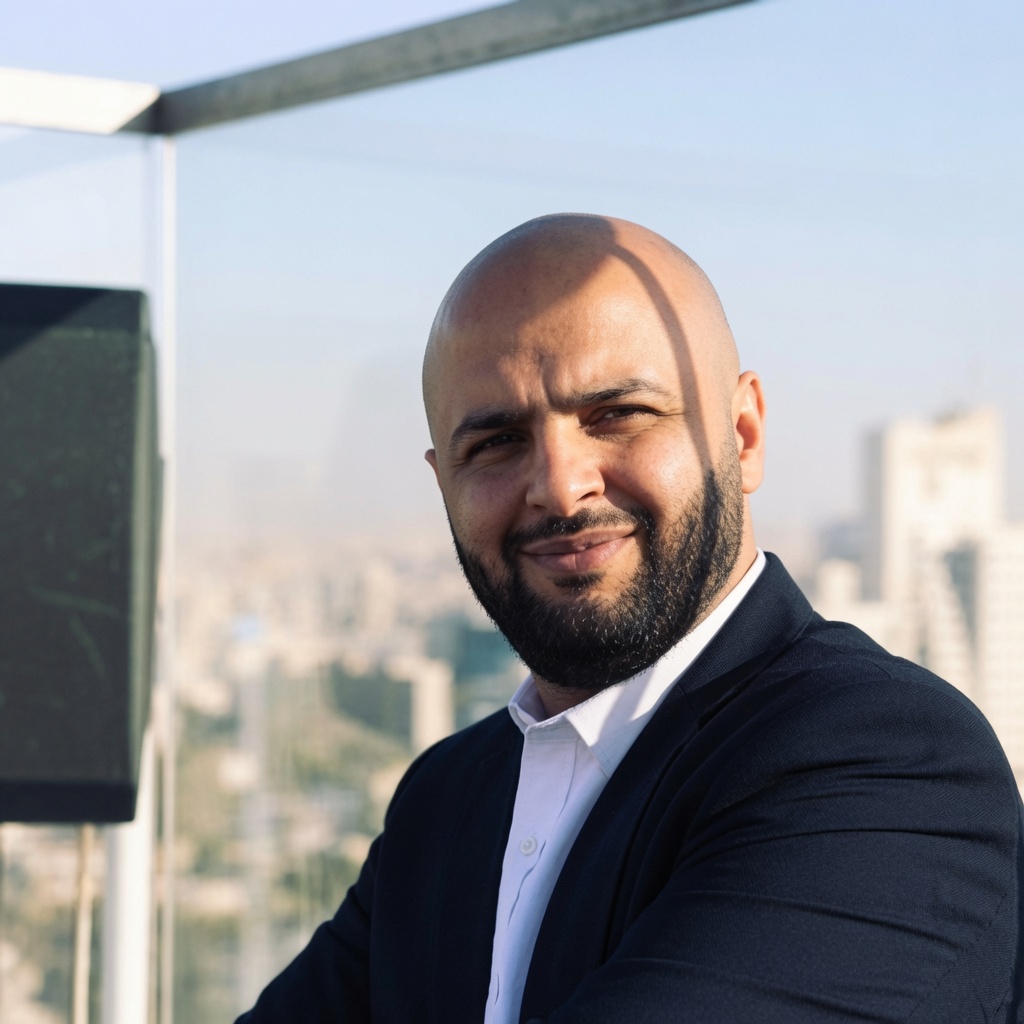
Khalid Alomari
Khalid Alomari is the founder and CEO of Fintesa, a San Francisco-based SaaS platform that lets businesses collect compliant payments across 200+ countries in roughly ten minutes. A computer scientist by training and a cybersecurity engineer by trade, he moved from Amman to San Francisco to take Fintesa through 500 Global and Y Combinator's startup school, building cross-border payment rails for merchants tired of conversion fees.

Nahuel Candia
Nahuel Candia is the co-founder and CEO of Rebill, a payments-infrastructure company that lets global businesses process payments, payouts and financial operations across Latin America and the US without setting up local entities. A developer since age 14 who built three companies before 30, he took Rebill through Y Combinator's Winter 2022 batch and raised roughly $3.6-3.7M from Tiger Global, SV Angel, SOMA Capital, Magma Partners and founders like Vercel's Guillermo Rauch and Dropbox's Arash Ferdowsi. He says Rebill was rejected by YC dozens of times before getting in, and that persistence is now part of the company's origin story.

Arnold Lee
Arnold Lee is the co-founder and CEO of Sphere Labs, the software company behind SpherePay, a cross-border stablecoin payments API, and SphereNet, a Solana-virtual-machine settlement ledger built for regulated fintechs. A Columbia computer science grad who first stumbled into Bitcoin in 2009 trying to buy video games, he spent his early career in embedded systems for IoT startups before incorporating Sphere a week after the FTX collapse, off the back of a global Stripe hackathon win and a stint in Jump Crypto's incubator. Sphere now moves billions in annual volume through corridors legacy banking forgot - Latin America, the Caribbean, Southeast Asia and the Middle East - on the thesis that every payments company eventually becomes a compliance company.