crm
(96)
David Schmaier saw a business in the missing aisle
At Dreamforce in 2013, David Schmaier went looking for a company to buy. The gap he found led to Vlocity, a Salesforce acquisition, and a career spent making software speak the customer’s language.
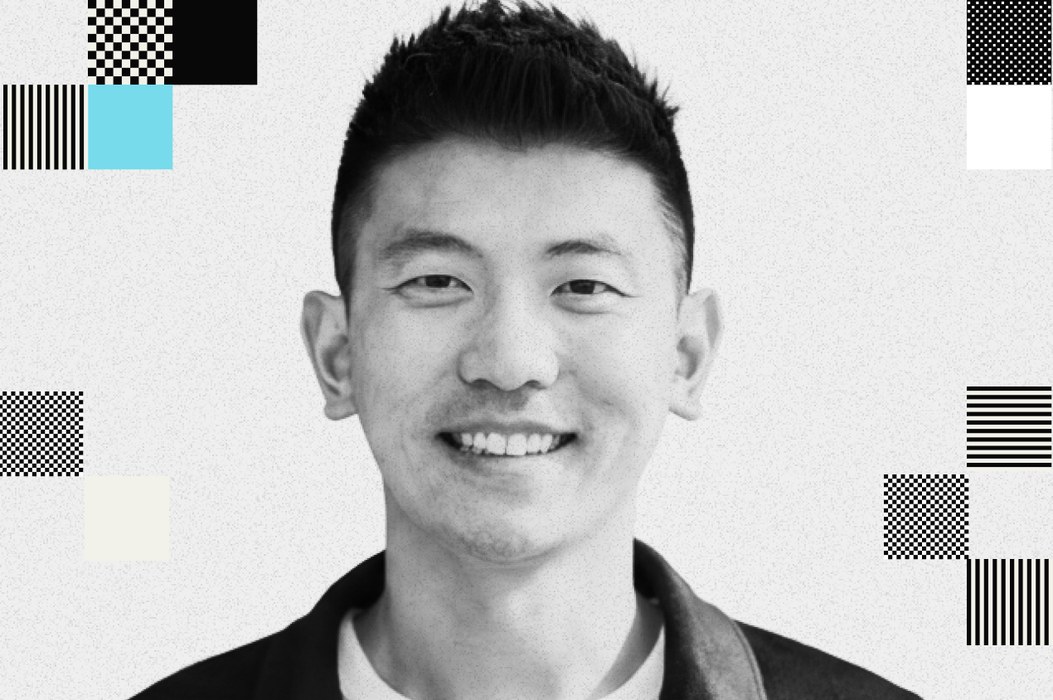
David Zhu and the value of a long memory
At Reevo, David Zhu is betting that sales software should remember what people learn. His founding team has a head start: some of its relationships go back to the schoolyard.

Why Joe Skousen Wants the Software to Disappear
The Inside Real Estate founder has spent years learning why agents leave useful tools untouched. His answer has evolved from marketing services to connected AI, with the same ambition: give people less machinery to manage.
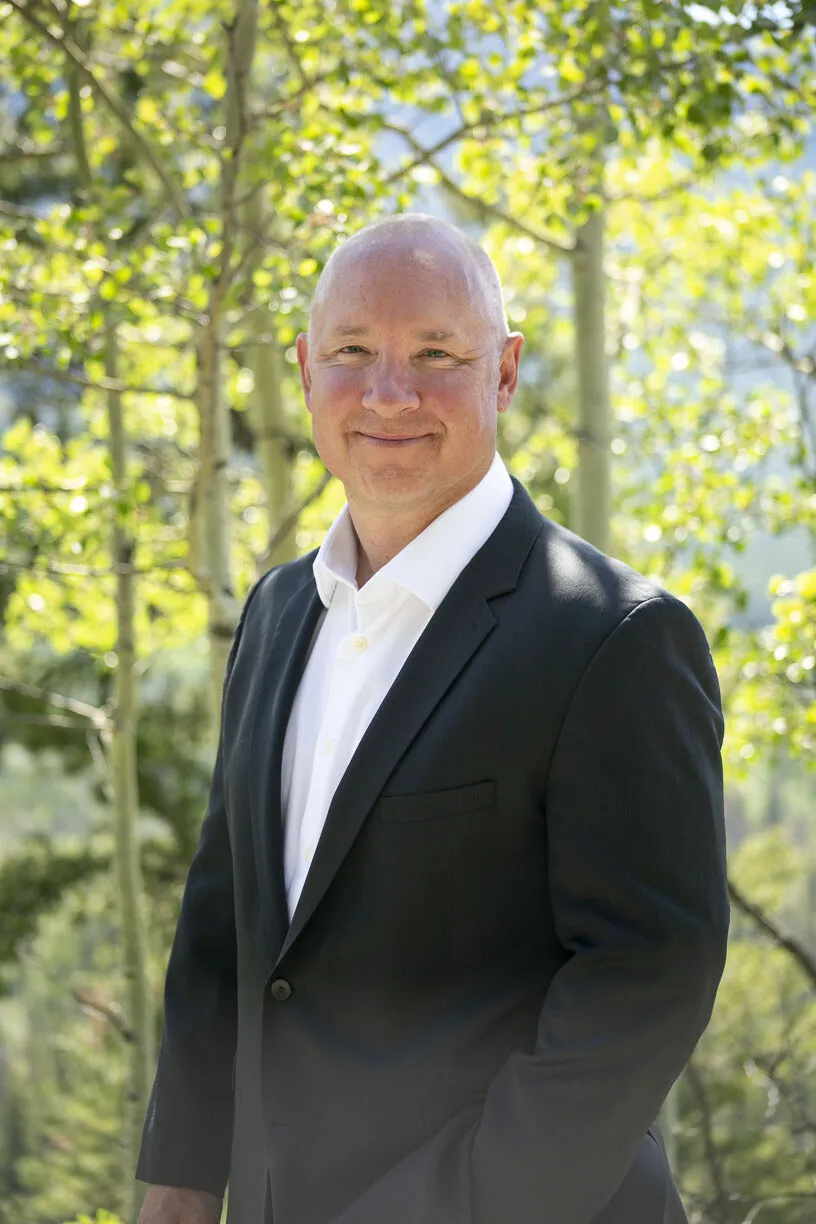
David Hauser and the promise that has to survive Monday
Bits In Glass began in 2002 with a complaint about consulting. David Hauser has spent the years since building a business around the harder part of technology: getting it to work for people.
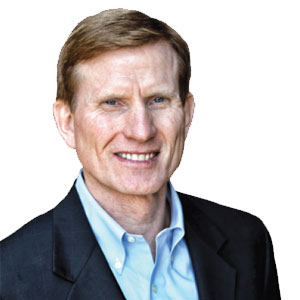
Dale Renner and the business of keeping a promise
From an Iowa farm to customer data software, Dale Renner has kept returning to the same question: can people rely on what you say? At Redpoint Global, that question reaches from the sales pitch to the records beneath an AI model.
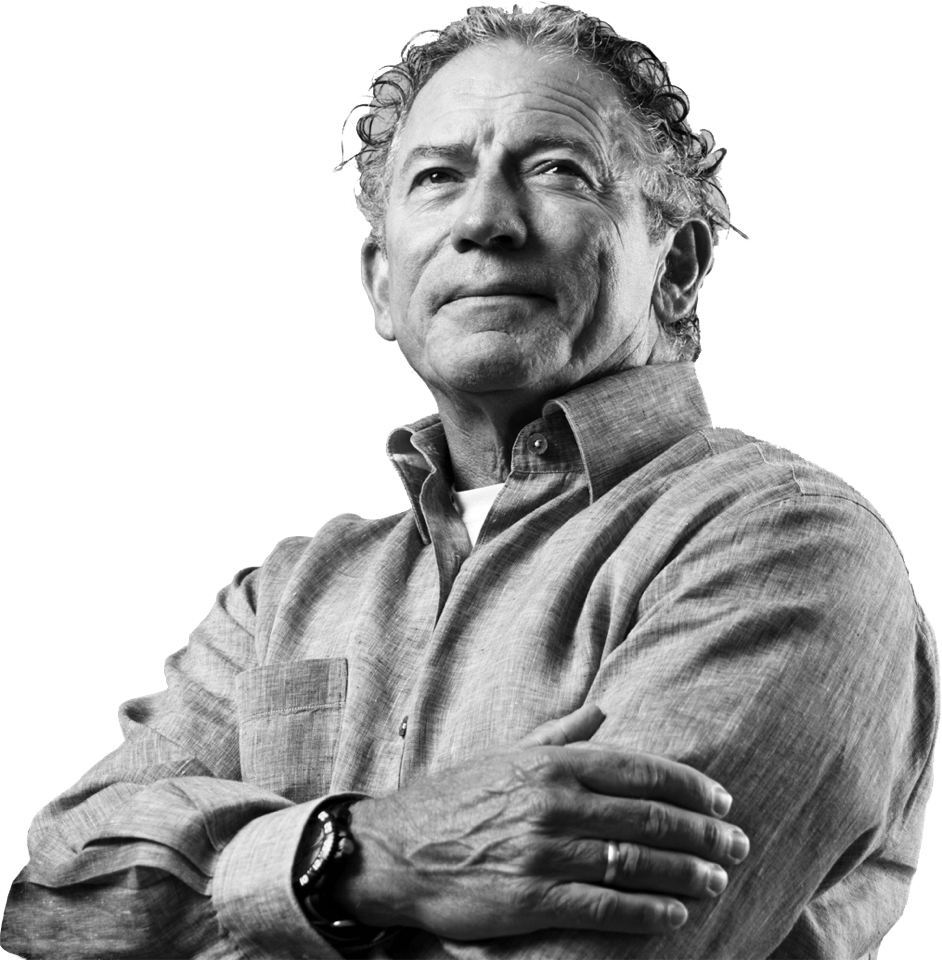
Thomas M. Siebel and the unfinished business of being right
He helped turn customer relationships into a software business, then placed another bet on enterprise AI. Now back as C3 AI’s CEO, Thomas M. Siebel faces a familiar question: can an idea survive the daily work of running a company?

Dimitri Sidney Started by Finding Bugs. Then He Had to Build Trust.
The Customertimes co-founder began as a software tester. His account of becoming a CEO turns on a harder problem: helping a growing company keep the habits that made people want to work together.
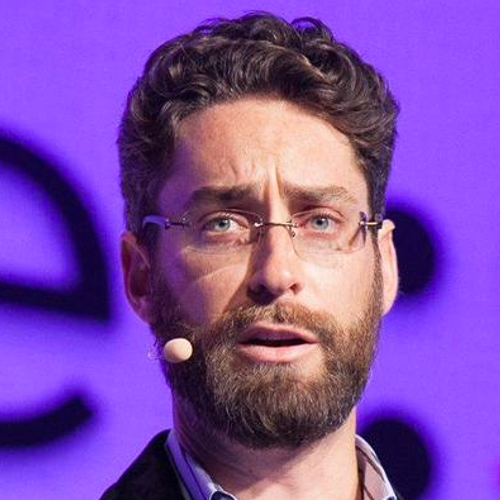
Joshua Tillman and the business of dead air
An internship full of phone calls gave Joshua Tillman a problem worth solving. The company that followed, first DialSource and then Conquer, carried a UC Davis idea into enterprise sales.

Bastin Gerald and the space between getting software and getting somewhere
He helped build software for large corporations, then founded Apptivo for smaller businesses. With Profit.co, Bastin Gerald returned to a familiar puzzle: how to turn a company’s intentions into work that actually moves.
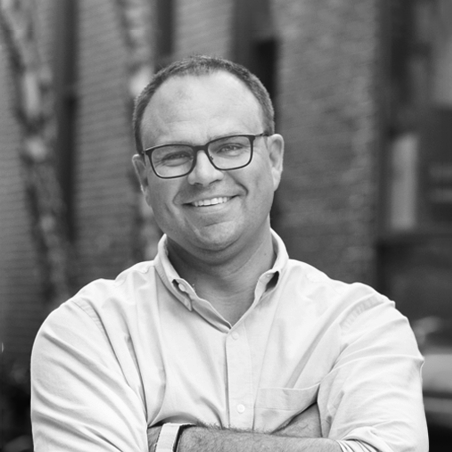
Christopher O'Donnell and the art of starting over
He helped build HubSpot’s CRM. Now the Day AI co-founder is revisiting the bargain that made it work: people do the remembering, software keeps the records. Along the way, there are guitars, a pirate flag, and a useful argument about who should be in charge.

Brad Birnbaum and the unfinished business of hello
He helped put customer support on the internet, sold companies to Salesforce and Meta, and kept coming back. For Kustomer co-founder Brad Birnbaum, the next chapter begins with a familiar question: does the business remember who is asking?

Shubham Goel and the business of knowing someone
A dorm-room partnership became Affinity, a company built around the relationships hiding in everyday work. Shubham Goel’s story begins with a ridiculous website and keeps returning to a serious question: what makes people trust one another?
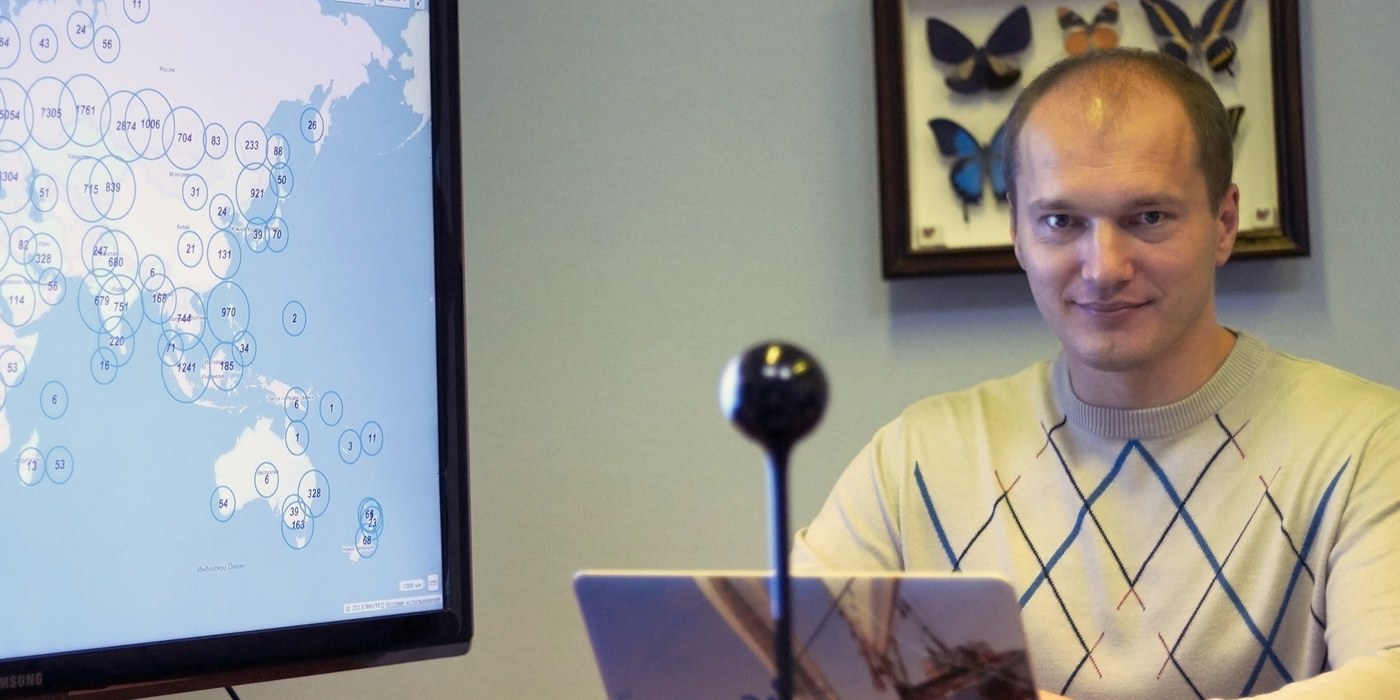
Sergey Rizhikov and the art of learning to divide
Before Bitrix24, there was a programming book, a borrowed print run and a dinner that spent the proceeds. Sergey Rizhikov’s software career grew through a different kind of arithmetic: giving partners room to build.

Nicolas Sharp and the trouble with a business that works
Nicolas Sharp had customers, a co-founder and a working CRM business. Then he decided to start again - trading a narrow market for three years of building, and a different idea of what business software could be.
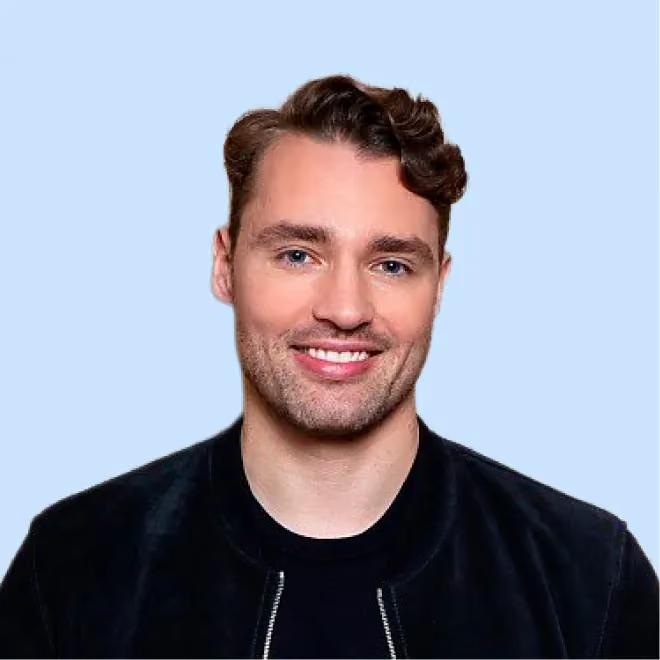
David Maurice Chevalier and the value of a shortcut
A student trading game took him into banking; a tedious university assignment gave his next career its starting point. At Surfe, David Maurice Chevalier is building a business around the hours people would rather spend talking to each other.

Anthony Smith and the four businesses that changed his working life
A salon operator, a consultancy, landscapers, and plumbers gave Anthony Smith a reason to build Insightly. From Perth to Silicon Valley, he kept returning to a deceptively demanding question: can busy people actually use the software?
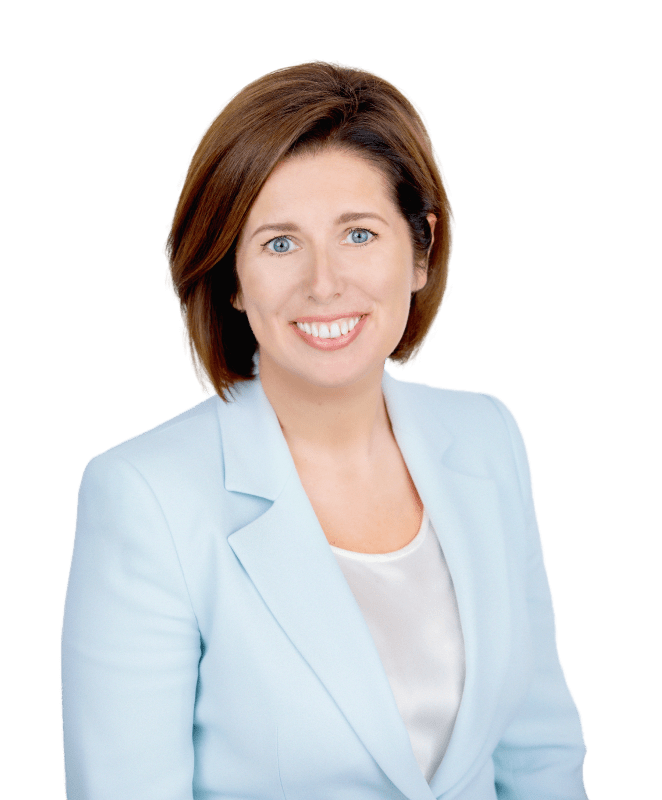
Katherine Kostereva and the art of making herself unnecessary
She learned to sell by knocking on doors. At Creatio, Katherine Kostereva has spent years building software - and a company - that lets other people get on with the job.

Ray Zhou and the customer who insisted on paying
Before Affinity could sell the value of a relationship, Ray Zhou had to learn what one was worth. His route ran through Stanford side projects, borrowed office space, and a customer who finally asked for the bill.
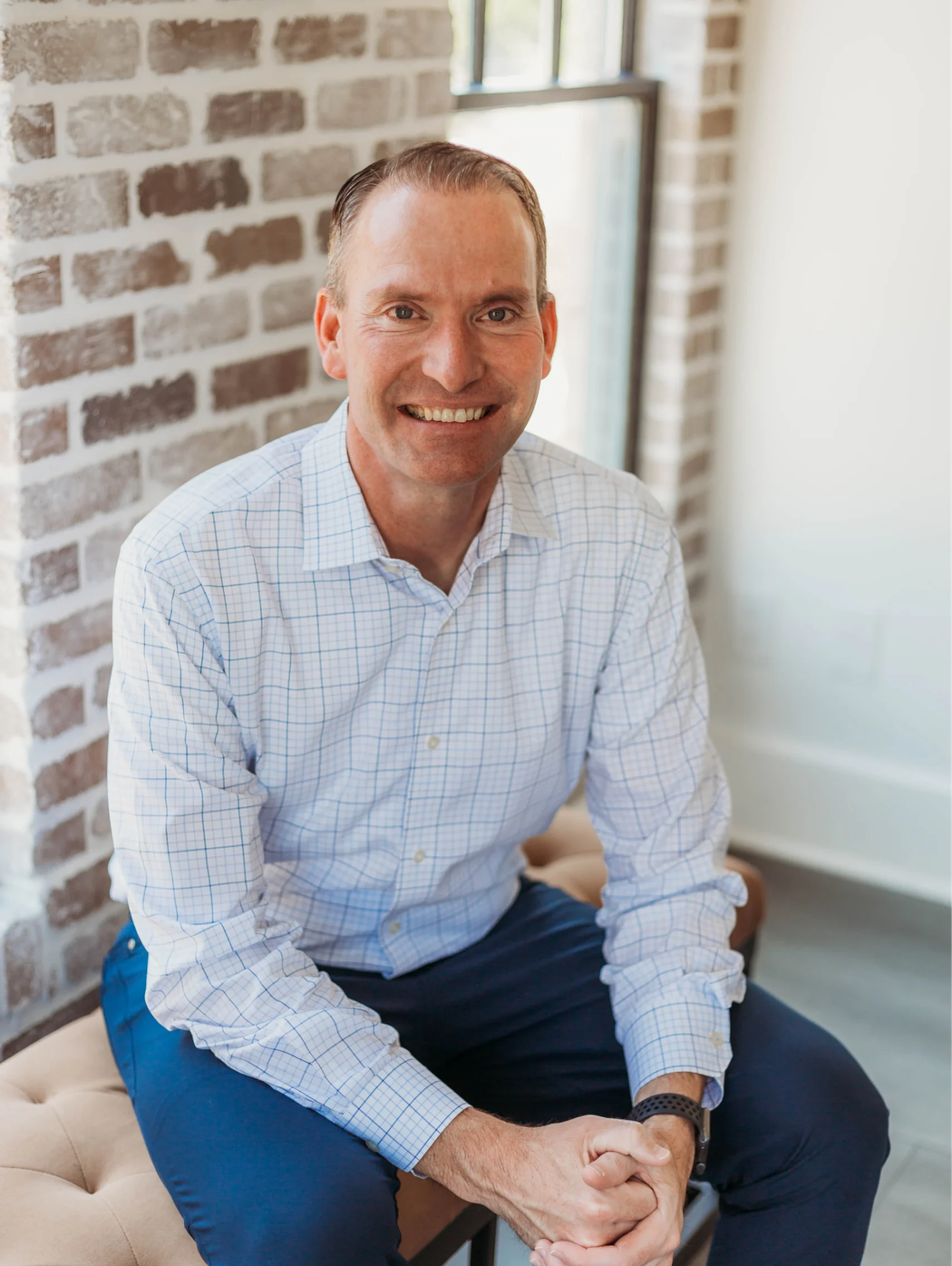
Clate Mask and the business of getting your life back
He joined his brothers-in-law to sell software and get out of debt. Two decades, a company sale and a book about chaos later, Clate Mask is helping Arizona founders build businesses they can actually live with.

Jon Ferrara and the things we forget
A pile of concert tickets, a $5,000 software company, and a career spent keeping conversations from disappearing. For Nimble founder Jon Ferrara, remembering people has always been the point.
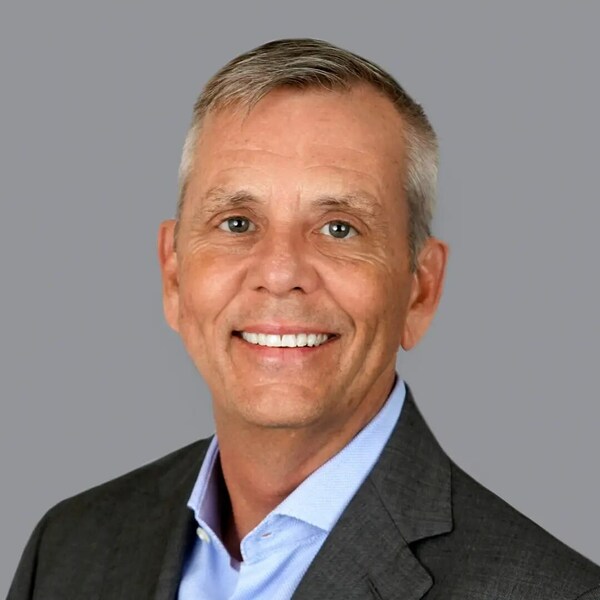
Lee Blakemore and the Business of Remembering Who Knows Whom
After three decades selling, scaling and reshaping enterprise software, Introhive's CEO has arrived at a stubbornly human conclusion: the most useful data is the relationship people forgot they had.

Katie Soderberg Makes the Plumbing of Business Software Feel Personal
Across Microsoft, ClickDimensions and a decade at eOne Solutions, Katie Soderberg has built a career around a stubbornly human idea: software works better when its people, partners and data can actually connect.
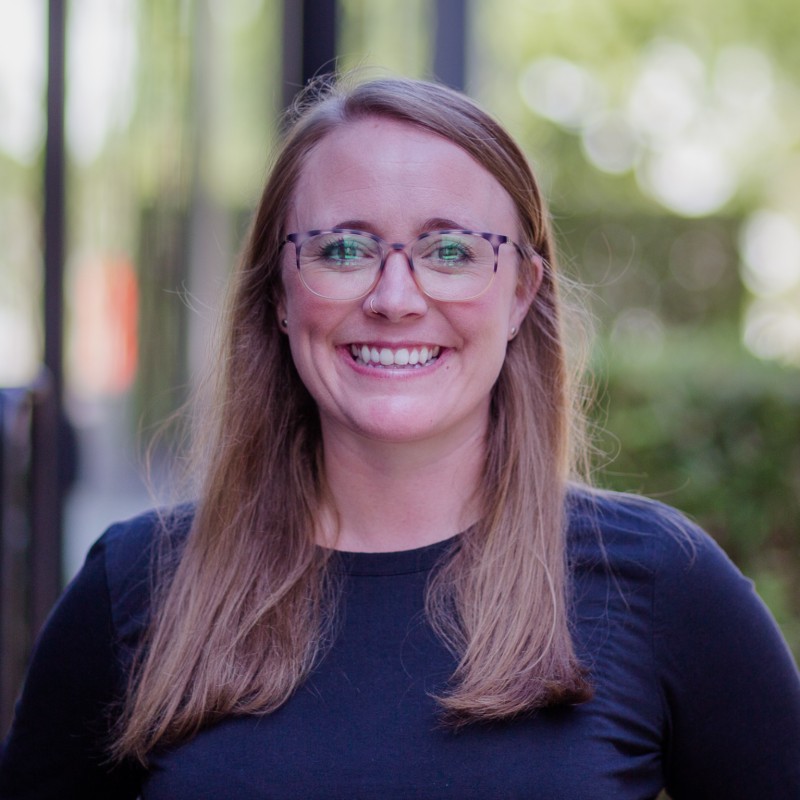
Kayla Fargo Put the Customer in the Marketing Meeting
After more than a decade marketing software, Kayla Fargo has settled on a disarmingly practical idea: give customers the room, skip the pitch, and listen closely enough to make the product story useful.
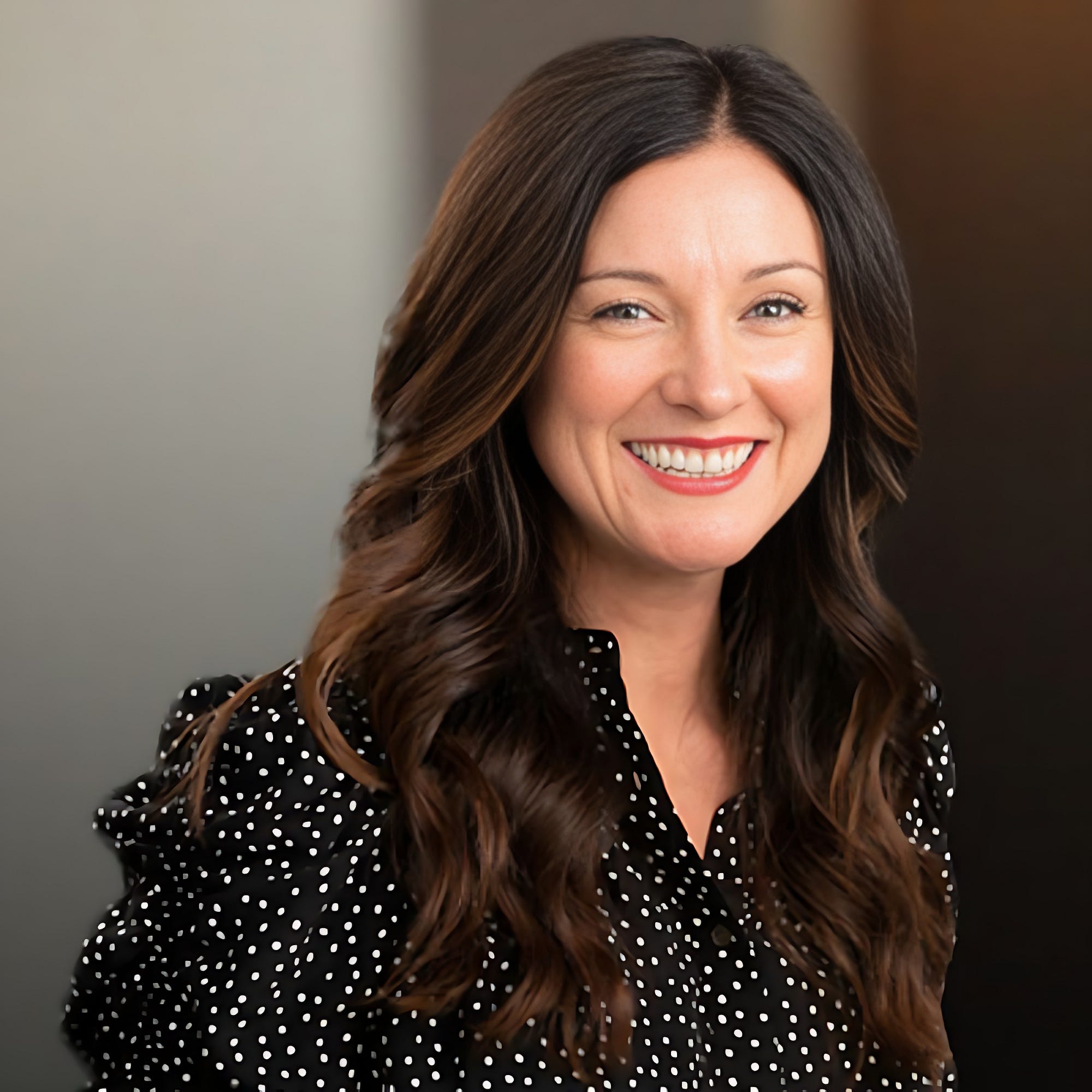
Clare Dorrian Trusts the Data - and Saves a Seat for Instinct
The SugarCRM CMO began as a translator between business and technology. Decades later, she still works in the productive space between two camps: evidence and imagination.
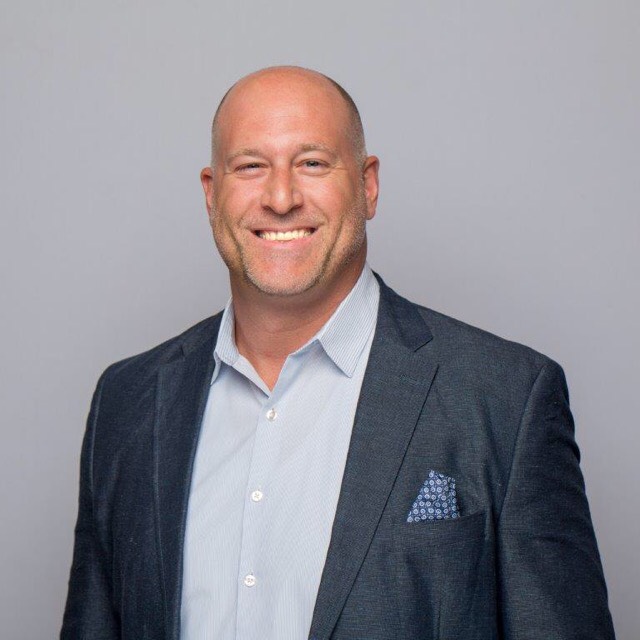
Jack Markham Wants Real Estate Marketing to Earn the Next Conversation
After two decades in sales, coaching and platform operations, Inside Real Estate's CMO has a practical thesis: leads are plentiful, but consistent engagement is scarce.

Alexandra Najaryan Built a Growth Engine Out of the Messy Middle
Before she became Kommo's CMO, Alexandra Najaryan turned a two-person partner program into a lesson in humane automation: map the friction, choose the channel people actually use, and let a person step in when the conversation matters.
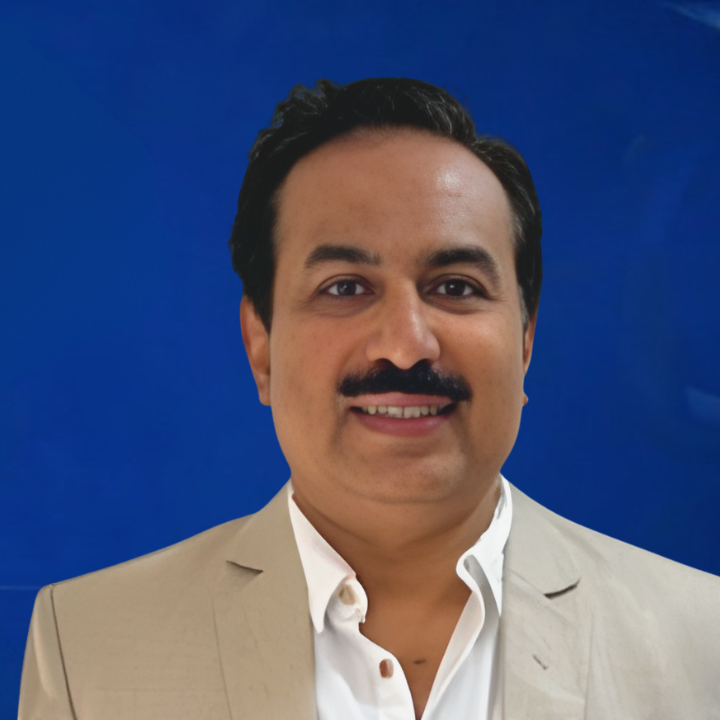
Prakash Kolhe Is Teaching Enterprise AI to Earn Its Keep
After decades inside banking and enterprise software, the Cymetrix founder has a plain test for AI: connect the data, govern it carefully, and make a better decision.
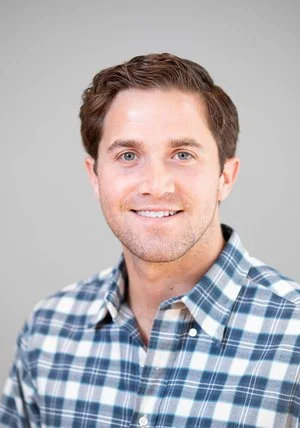
Austin Esecson Bet on the Car Wash Subscription - Then Built the Missing Software
The former finance executive chose a gloriously specific market: helping car washes turn one-time drivers into long-term members. Rinsed's growth shows what happens when software follows the customer all the way from the driveway to the renewal notice.

He Sold His Software Company. Six Years Later, He Bought It Back.
Sam Saab built Results from a one-person consulting tool, watched an acquisition shelve it, then returned with a new platform and the old team. His four-decade career is a study in patient software, customer memory, and the uncommon art of a second beginning.
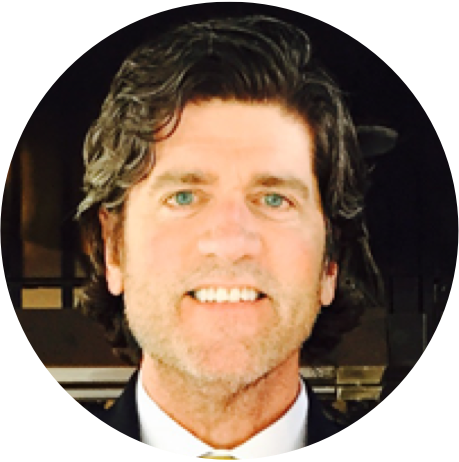
John Rourke Spent Three Decades Making CRM Feel Less Like Work
Before Wealthbox secured a $200 million majority investment, its CEO spent years testing one stubborn idea: business software can be powerful without making its users miserable.