crm
(21)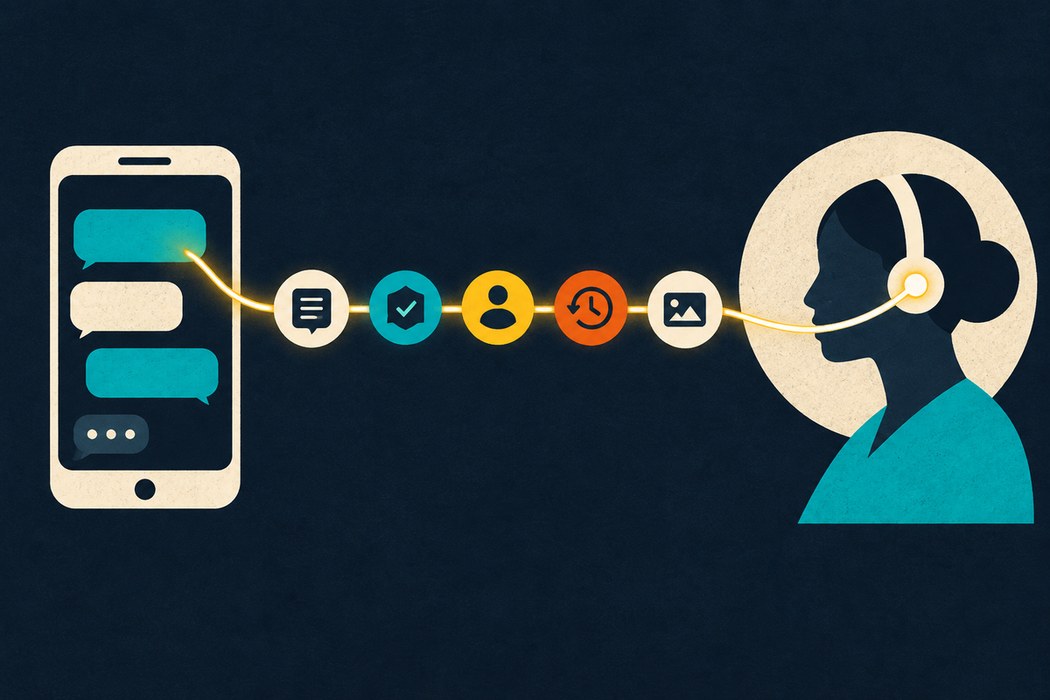
The Chat-to-Voice Handoff Stress Test
A support platform can promise omnichannel everything. The real test is what reaches the agent when a chat becomes a call—and whether the customer has to tell the story again.

Brands Don't Quit Braze and Iterable Over Features
Teams leave Iterable when its subscriber-count billing charges for the dead weight of inactive contacts. They leave Braze when its floor - north of fifty thousand dollars a year - clears the mid-market budget. Same door, opposite directions.

HubSpot Wants the Budget Klaviyo Built Its Empire On
HubSpot's newer commerce triggers now chase the same DTC-brand spend Klaviyo turned into a $1.2 billion business. For a brand already running HubSpot as its CRM, the choice comes down to building inside the system of record or bolting on the best tool for the job.
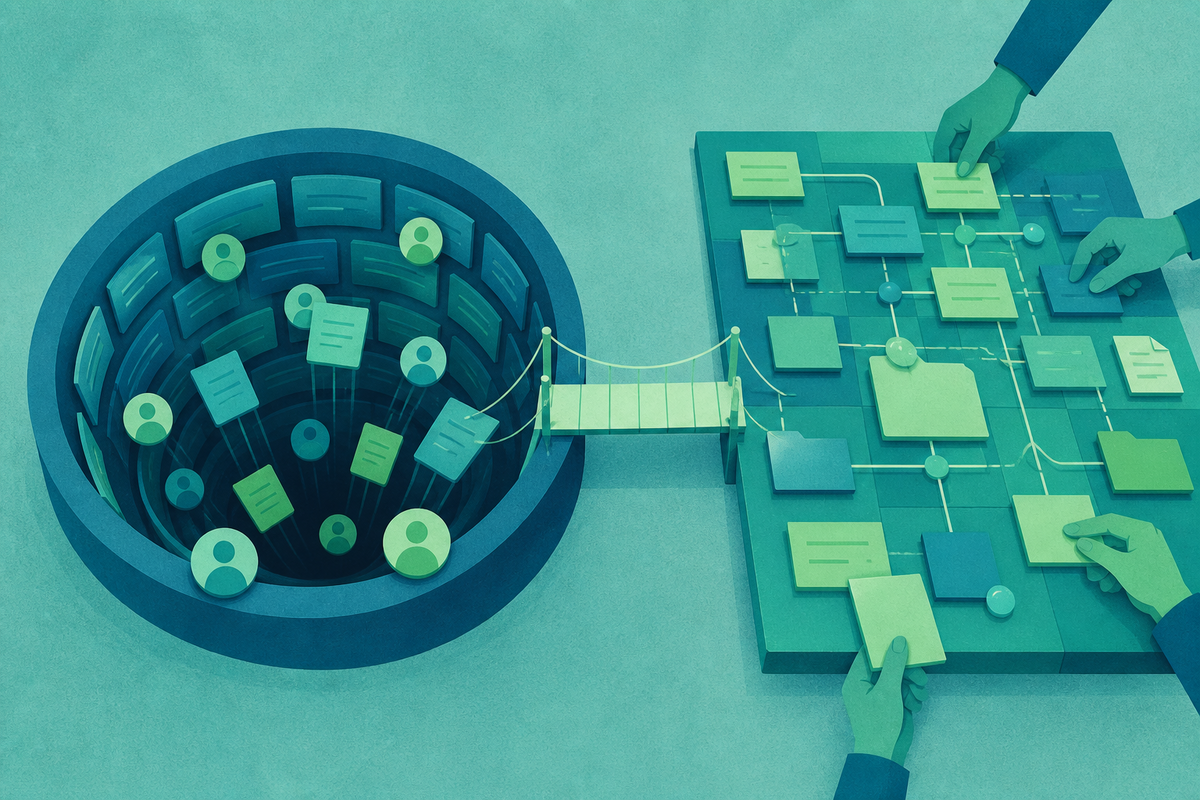
HubSpot Wants Your Marketing Board
HubSpot can now keep campaign plans beside the customer record. Whether it should replace monday.com depends on where your team’s real work crosses the CRM boundary.

Your CRM Choice Is Really a Headcount Choice
HubSpot and Salesforce can both organize a pipeline. The consequential difference is who must keep the system useful after launch - and whether your company is ready to make CRM administration a job.
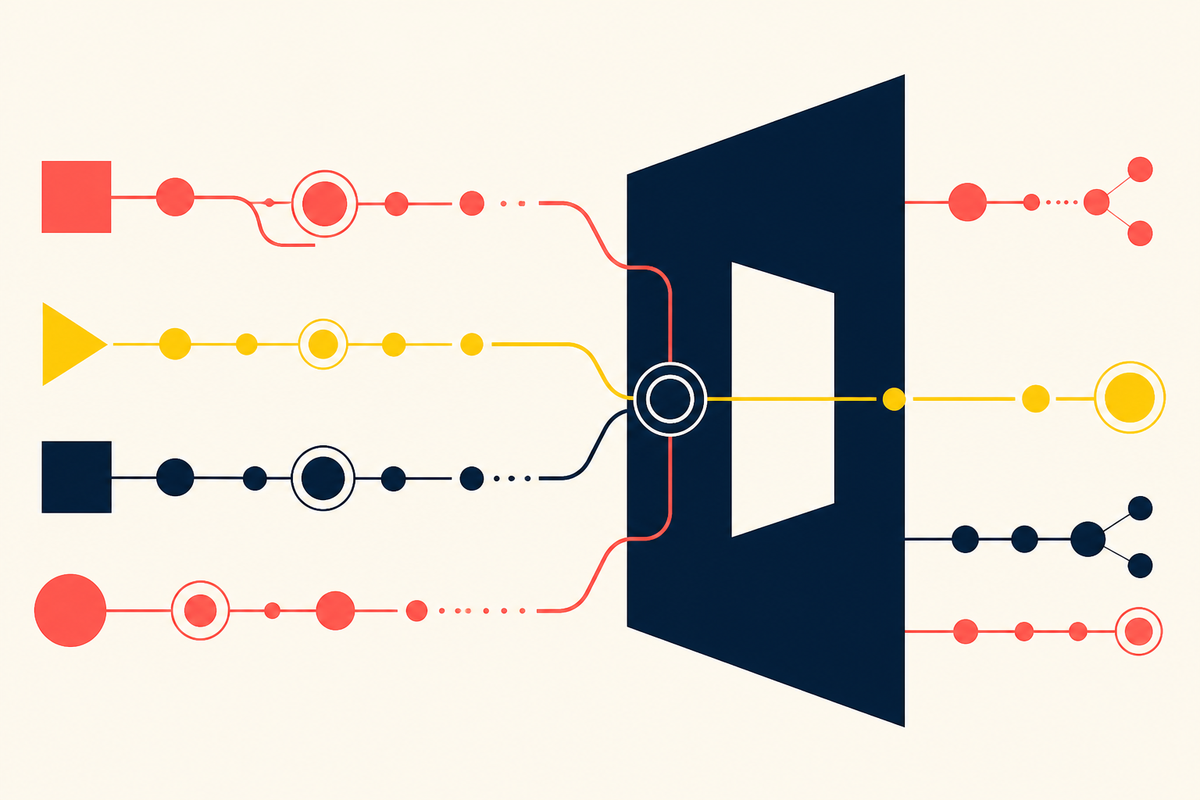
Your CRM Already Picked Your Sales Engagement Shortlist
Groove is a Salesforce-native choice, so non-Salesforce teams can cross it off immediately. The real contest then comes down to Outreach’s control, Salesloft’s workflow, or Apollo’s data-plus-engagement bundle.
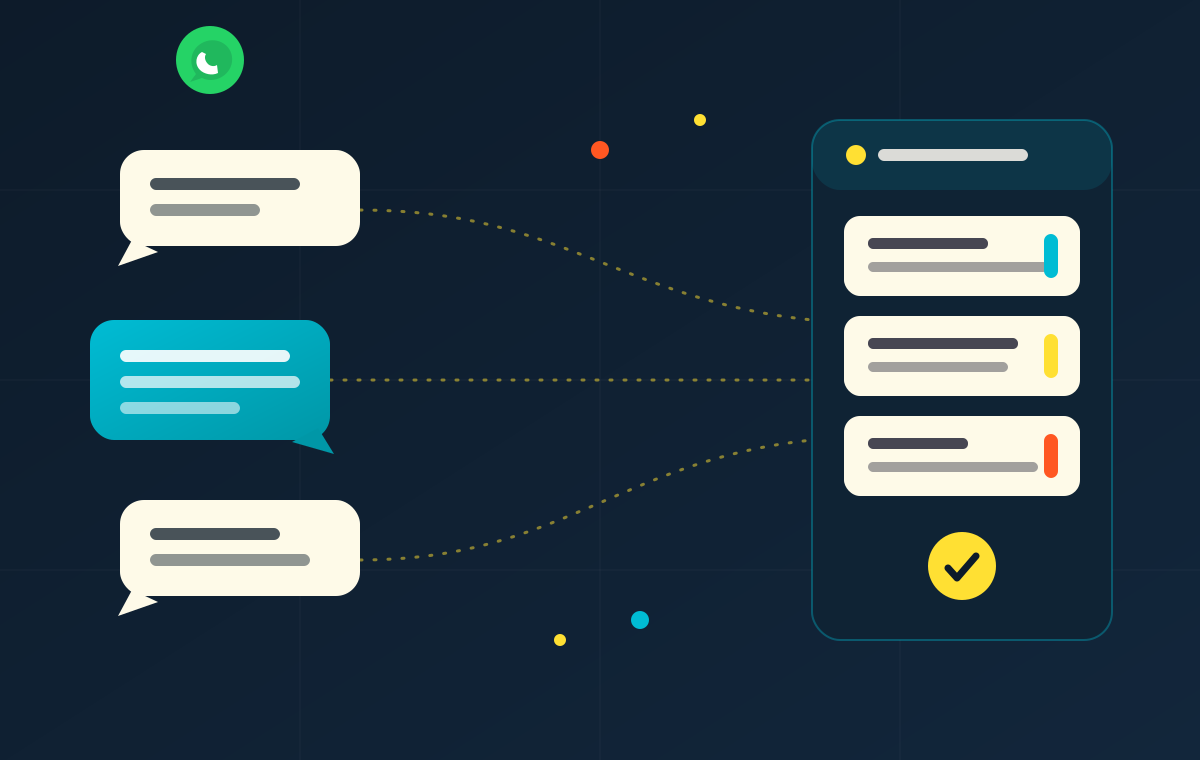
Rasayel Bet the Company on WhatsApp Closing B2B Deals
Founded by a bootstrapper in a south Ireland fishing town, Rasayel turns WhatsApp into a sales channel that syncs with HubSpot - and it did it without raising a dollar.
tawk.to Gave Live Chat Away While Kustomer Chased a Billion
One company handed the world's most-used live chat to everyone for free and never raised a dollar. The other sold to Meta for a billion, got written down 75%, and had to start over as a standalone.
SleekFlow Turned the Chat Box Into a Checkout Counter
A Singapore-based startup bet that customers would rather buy over WhatsApp than fill out a web form. Five years and 5,000 businesses later, that bet is paying off across Asia and the Gulf.

Four Contact Center Platforms, One Confusing Choice in 2026
NICE, UJET, Kustomer and XCALLY all promise to fix your customer service. They come at it from four very different places - and the gap between them says a lot about where support software is heading.

Vikas Bhambri Sells the Software Behind the Support Desk
For close to three decades he has sold the customer-experience software you never see - the CRM inside Kustomer, the contact-center stack that plugs into UJET, and now the AI agents at Rasa. Meet the go-to-market operator who turned other people's complaints into a career.

Zoho won't buy Trengo - it wired into it instead
The bootstrapped giant that famously refuses to acquire found a quieter way to work with a Dutch omnichannel upstart: an open API, a shared inbox, and a customer record that finally lives in one place.

Groove Made Salesforce Do the Selling Reps Hated Most
Groove built the first sales engagement platform that lived inside Salesforce instead of syncing to it. A decade later, after a $45 million round and a deal with Clari, the bet on being native still defines the category.

Your Support Inbox Is a Billion-Dollar Battleground
Two enterprise giants and two upstarts are fighting over the same thing - the message a customer sends when something breaks. Here is how SAP, Oracle, Gorgias and Front split a market nobody used to care about.

Eight Support Platforms, Eight Very Different Jobs
Help Scout, Hiver, Kustomer, Ivanti, SolarWinds, Salesforce, Atlassian and Front all promise better service. The useful question is not which has the longest feature list, but which kind of work your team is actually trying to improve.

The Experience Center
A UJET brand film reframes the contact center as an 'experience center' - not a cost to minimize but the richest customer signal a company owns. The video walks through five moves (channel blending, mobile SDK and biometric auth, AI automation and routing, agent assist, and real-time CRM sync) that turn support from a ticket-closing utility into a loyalty and revenue engine.
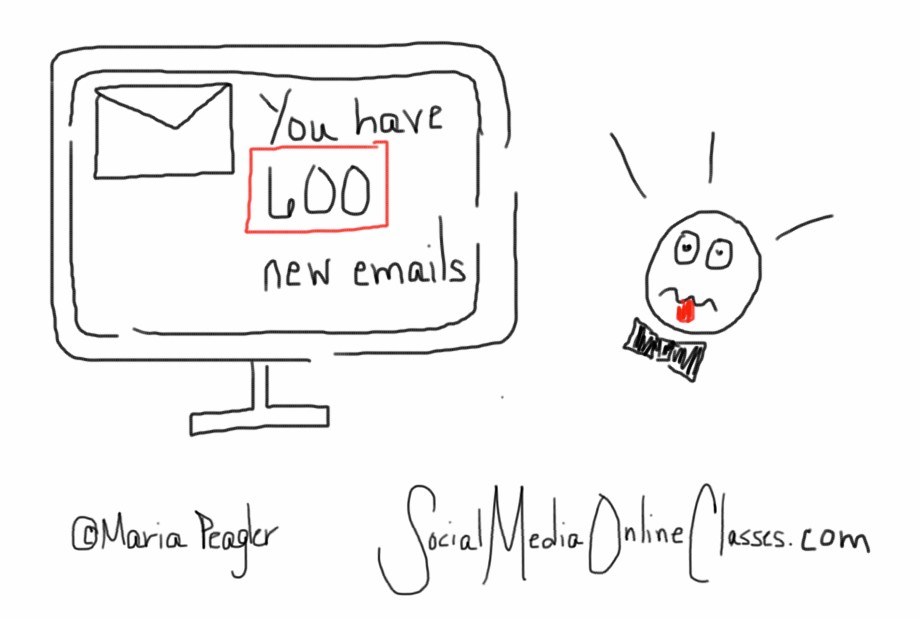
The 12 Best Email Marketing Platforms for Businesses in 2026
A field guide to the twelve email marketing platforms worth a business's money in 2026 - from Mailchimp's all-rounder ecosystem and Klaviyo's ecommerce muscle to Brevo's generous free tier, ActiveCampaign's deep automation, and beehiiv's creator-first newsletter engine. Email still returns roughly $36 to $42 for every dollar spent, and the tool you pick decides how much of that you actually keep.
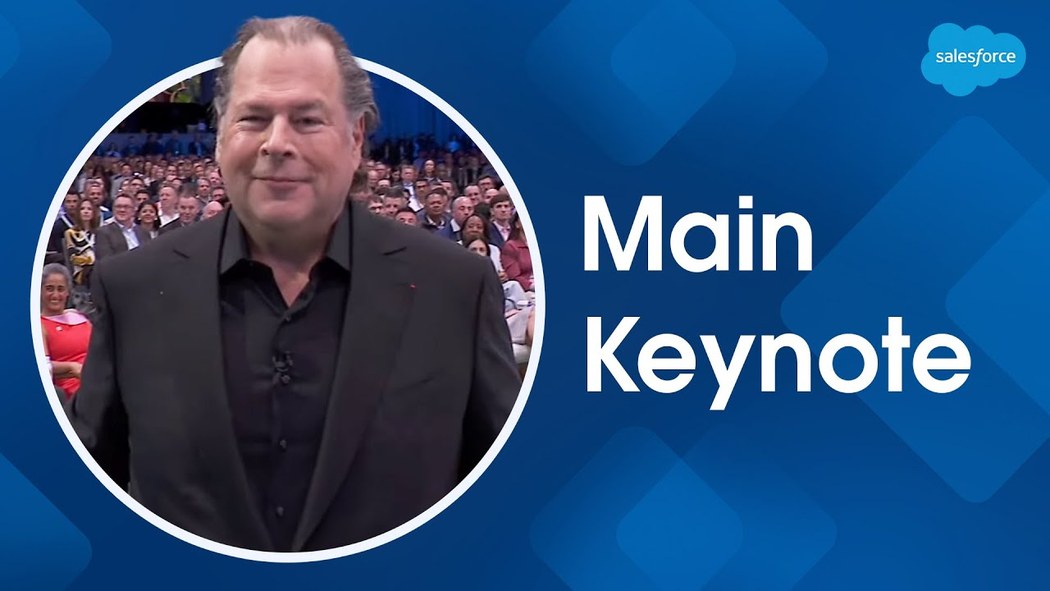
Dreamforce 2025 Keynote: The Agentic Enterprise
At Dreamforce 2025 in San Francisco, Salesforce CEO and Chair Mark Benioff unveiled the Agentforce 360 platform and declared the arrival of 'the agentic enterprise' — a new era where humans and AI agents drive customer success together. The keynote positioned Agentforce as the fastest-growing product in Salesforce history, having handled more than 1.5 million customer service conversations in nine months. Benioff framed the moment around a central choice: whether AI replaces people or elevates them, arguing that AI built on trust and deep data context amplifies human potential. The keynote featured new products including Agentforce Vibes (vibe-coding), Data 360, Agentforce Voice, and Agent Script, alongside five customer stories from Williams-Sonoma, Pandora, PepsiCo, FedEx, and Dell.
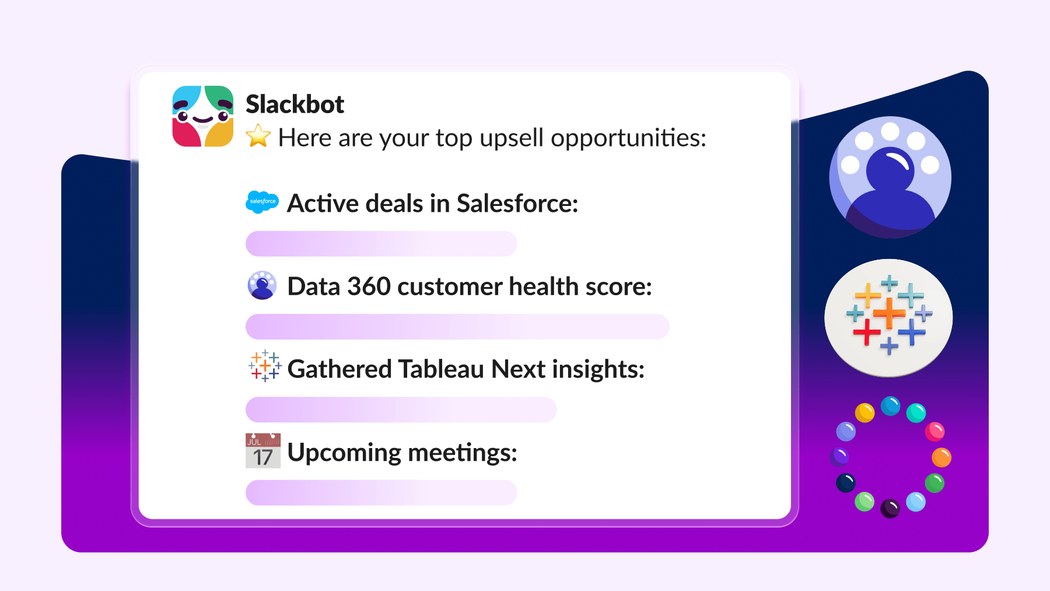
The CRM That Left the Building: Slackbot Just Swallowed Salesforce Whole
Salesforce announced new Model Context Protocol (MCP) servers that connect Salesforce CRM data, Tableau Next analytics, Data 360, and AI agents directly into Slackbot, Slack's built-in personal agent. Users can now query customer records, surface live Tableau visualizations, view unified Data 360 profiles, update pipelines, and trigger workflows across partner apps like Jira, Box, DocuSign, and Zapier — all from a Slack conversation, with no tab-switching, custom code, or separate logins. The Slackbot MCP Client is generally available on any Slack plan that includes Slackbot, and Salesforce-hosted MCP Servers are GA for Enterprise Edition organizations and above, with over 25 compatible partner apps listed in the Slack Marketplace's dedicated MCP registry.

The Agent Scored a Hat Trick. The Business Still Lost 3-Nil.
A Salesforce editorial arguing that the AI agent conversation has moved past task completion and into 'loop engineering' — handing an agent an objective plus a way to measure progress so it plans, checks its own work, learns, and adjusts. Using a World Cup analogy, the piece contends that a brilliant individual agent (a coding agent shipping pull requests, a service agent resolving cases) means little unless it moves the business forward. Salesforce positions its 27 years of encoded CRM business rules — pipeline stages, service levels, qualified-lead definitions — as the ideal scoreboard for agents to optimize against, supported by four systems (controls, context, traceability, analytics) that form the Agent Development Lifecycle (ADLC). Customers Zing Health, Telepass, and Indeed illustrate agents running the loop at scale.

The Underdog That Refused to Retrofit
UJET is a cloud-native, mobile-first, CRM-native contact-center-as-a-service (CCaaS) platform positioning itself as the modern 'Experience Center' alternative to legacy giants like Five9, NICE, Talkdesk, and Genesys. Built around enterprise-grade AI, a zero-PII-storage architecture, and two-month deployments, UJET has raised roughly $231M across five rounds at an estimated ~$500M valuation. This story sizes up where the underdog actually stands in a consolidating CCaaS market where every vendor is shouting the same AI promises.