creative-services
(88)
The Unlimited Design Company Built on Two Hours a Day
Delesign promises unlimited creative requests, then explains the limit that makes the promise work: a dedicated professional, a prioritized queue and two focused hours each business day.
The Agency That Put Nine Specialists on One Leash
Pavone Group's bet is that a holding company can behave like a neighborhood agency: nine specialist shops, one shared bench, and a bulldog that doubles as an operating philosophy.
Brigade and the Question That Sold the Movie
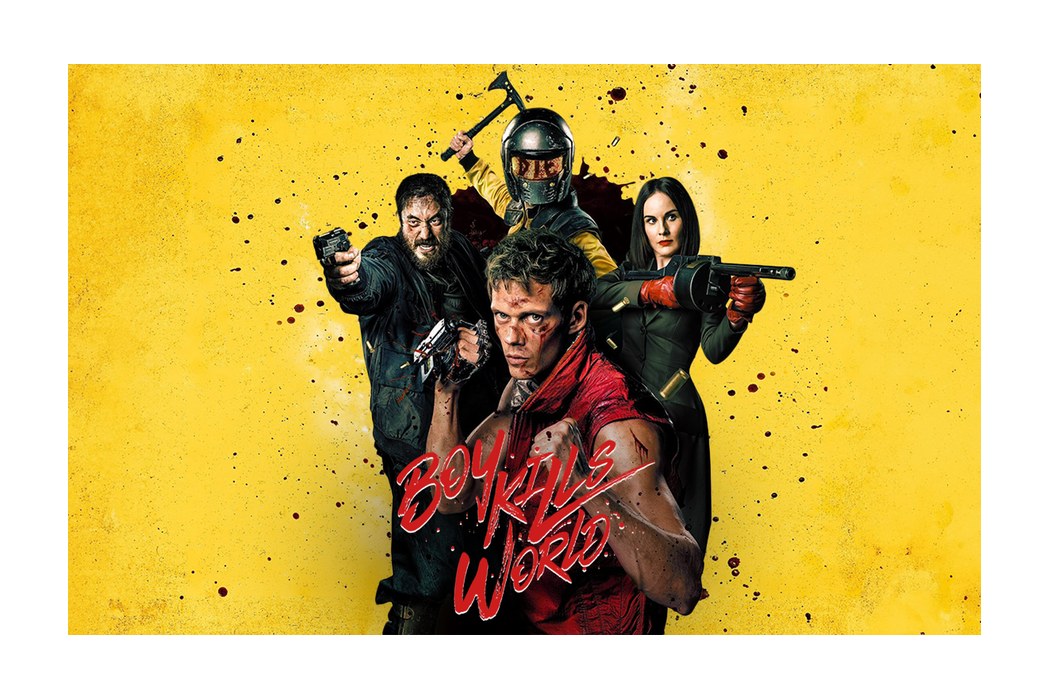
A New York agency found its edge by treating publicity, social, creative, and media as one continuous conversation - then letting audiences finish the sentence.
The Agency That Refused to Forget
For fifty years, Laughlin Constable has survived the advertising business by changing its machinery without surrendering its memory. Its newest bet is that an independent agency can turn human judgment into reusable intelligence - and still keep the humans in charge.
NU Media Found Its Edge by Shrinking the Menu
The New York agency began by saying yes to nearly every industry. Its growth accelerated after its founders made a less obvious choice: specialize in the businesses where culture is part of the product.
Flynn Wright Found the Answer at $1.88 a Gallon
Flynn Wright’s most useful product may be the pause before the pitch: find the human motive, then choose the message, medium and stunt that can move it.
The Thirty-Year Overnight Success of PRISM Marketing
Michelle Adams built a Columbus agency one cold call at a time. Thirty years later, its best work still begins with the unfashionable question most marketers skip: what problem are we actually solving?
The Agency That Put Reputation Back Into the Funnel
Most agencies choose between attention and attribution. Trevelino/Keller spent two decades arguing that reputation belongs inside the revenue machine - then bought the missing machinery.

The Agency That Sent Media Away - Then Asked It to Come Home
Doner spent years pulling advertising apart into specialist shops. Its most revealing move was putting the pieces back together - and betting that the middle of America is a point of view, not a flyover zone.

The Agency That Bought Its Way Back Home
Res Publica Group began as a Chicago spinout. Two decades later, it bought the public-relations shop it came from - a neat lesson in how a boutique grows without pretending to be a conglomerate.
The Agency Group That Kept Losing Its Name - and Learned to Sell the Work
EMCG spent three decades importing famous agency names into Russia, losing them, and rebuilding around specialist shops of its own. The interesting product was never the logo on the door. It was the machinery behind it.
Avalaunch Media Found the Missing Middle Between a CMO and a Campaign
Most agencies sell hands. Consultants sell advice. Avalaunch built its pitch around the awkward space between them - then joined Amplēo to make that space its main business.
The Woman Who Closed Two Businesses to Build One Brand
Virginia Martino made an unfashionable bet: strategy, design, media, PR and digital work better when they sit at the same table. Twenty-six years later, BRAND's most revealing work begins where the usual advertising playbook runs out of road.
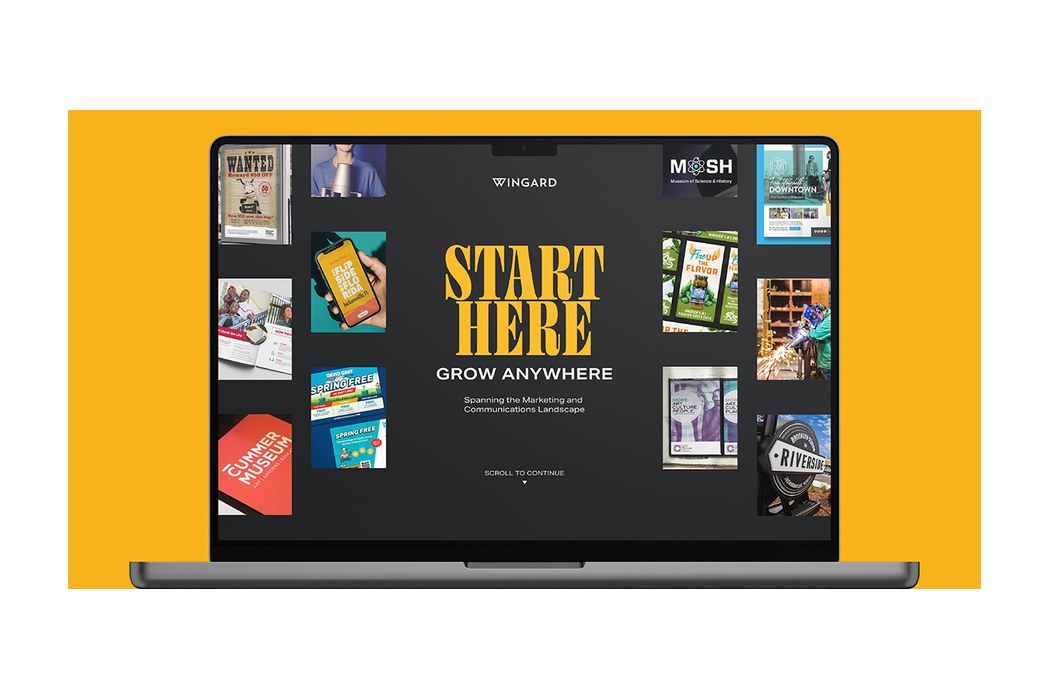
The Agency That Made Jacksonville Its Operating System
Wingard began as one designer answering calls in a recession. Its durable advantage turned out to be less glamorous and more useful: knowing one city well enough to make the city see itself differently.
The Ampersand That Outlived the Ad Men
An Orlando agency opened in 1957, kept the family name on the door, and learned to sell everything from rocket launches to bank accounts. Its real product is not advertising. It is the ability to change shape without losing the plot.
The Agency That Put Family First - and Became Southwest Florida’s Marketing Department
Priority Marketing began at a dining-room table with a constraint disguised as a name. Thirty-four years later, that constraint has produced a 65-plus-person agency, millions in donated work, and a simple lesson: creative work gets sharper when somebody keeps score.
The Bank Ad With an Otter in Its Pocket
Crawford helped a regional bank sell checking accounts with sea otters, rebuilt trust around a zinc plant, and made a county name into a verb. The method begins where founder Marion Crawford began: in a newsroom, looking for the fact people will repeat.
The Ad Agency That Put Feelings Ahead of Facts
Signal Theory spent half a century learning that people rarely buy for the reasons they recite. Its answer is an agency built to find the emotional signal hiding underneath the sensible explanation.

Mueller Communications and the Long Road to Yes
The Milwaukee firm does its most revealing work before the announcement - translating complicated projects, wary publics and long approval processes into something people can act on.

The Ad Agency That Found 92% of America Hiding in Plain Sight
Bailey Lauerman spent decades being told that Omaha was far from the action. Then it made distance from America’s biggest cities the product - and built an agency around the people marketers fly over.
Havas Built Its Product in the Hallway
The old advertising conglomerate had a coordination problem. Havas turned the office, then the operating system, into the answer - and committed €400 million to make the bet real.
PACO Collective and the Borrowed Projector That Changed the Brief
Two ad men, a cocktail napkin and a borrowed projector became a Chicago agency built to replace cultural shorthand with cultural intelligence. The clever part was knowing when their own original idea had to change.
RPA and the Forty-Year Handshake
RPA was born to keep one car account. Four decades, one painful breakup and several improbable comebacks later, the Santa Monica independent has turned client continuity into its sharpest competitive weapon.
The $22.11 Agency That Learned to Sell Clarity
Dixon Schwabl + Company began in a duck-wallpapered bedroom, survived a collapsed roof and spent four decades resisting the ad industry's favorite habit: splitting the problem into smaller invoices.
The Agency That Got Bigger by Refusing to Grow Up
For sixty years, Hart has protected one old-fashioned idea: an agency can add offices, disciplines and serious clients without surrendering its independence. The result is a curious middleweight built to think like a boutique and deliver like a network.
Mod Op Bought the Missing Pieces. Then It Built the Machine.
The independent agency grew by buying specialists. Its harder trick was turning them into one connected company - and betting $10 million that AI could make the whole thing move faster.
Belfort Group Learned to Count What Happens After the Click
The Boston agency does PR, media, design and websites. Its more interesting product is the connective tissue between them - a habit of following attention until it becomes an application, a qualified lead or a unanimous vote.
The Advertising Agency That Put Its Future on the Payroll
Zehnder Communications survived Katrina, built an analytics habit before it was fashionable, and made its employees the owners. Thirty years in, its most interesting product may be the way the agency itself is designed.
The Empty Office That Taught Sanders\Wingo How to Think Bigger
A risky Austin expansion lost its launch clients almost immediately. The El Paso agency answered by learning to pitch harder, research deeper, and turn cultural fluency into national work.
The 50-Year Argument for Staying Small
Fasone & Partners has spent half a century resisting the usual agency instinct to get bigger. Its wager is simple: fewer layers, longer relationships, and an idea sharp enough to make a modest media budget behave like a large one.