cloud-native
(62)
Michael Mueller and the price of an instant
After decades inside banks, Michael Mueller co-founded Form3 to rebuild the machinery behind a payment. That meant persuading institutions to trust a young company with something that cannot wait.

Mike Walters and the art of making money move
He builds chessboards from fallen trees and payment systems for banks. At Form3, Mike Walters has spent a decade working on the parts that have to fit before anyone can make a move.
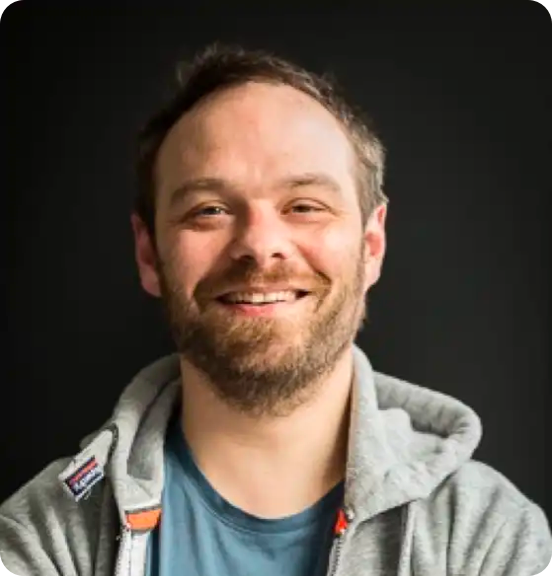
Emile Vauge’s case for a boring internet
He built Traefik to spare himself the work of routing thousands of microservices. A company, a global community and billions of Docker pulls followed - along with a rather good collection of cheese names.
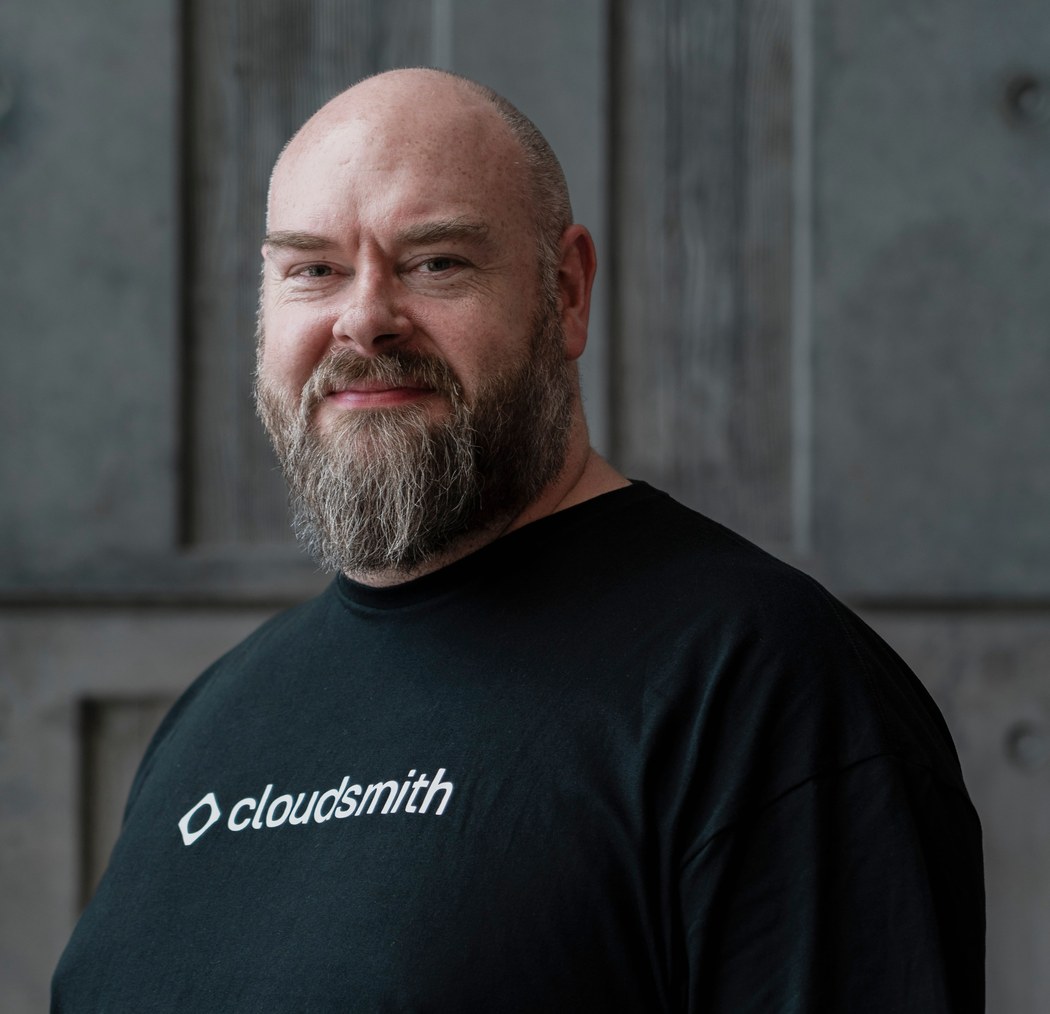
Alan Carson and the art of changing course
A missing software tool sent Alan Carson and Lee Skillen down a different road. The Cloudsmith co-founder has been revising the plan ever since, with Belfast firmly on the map.

Matt Moore and the Art of Fixing the Defaults
A brisket photo became a startup text. Years of building container tools had prepared Matt Moore for a larger argument: the safest software should be the easiest software to use.
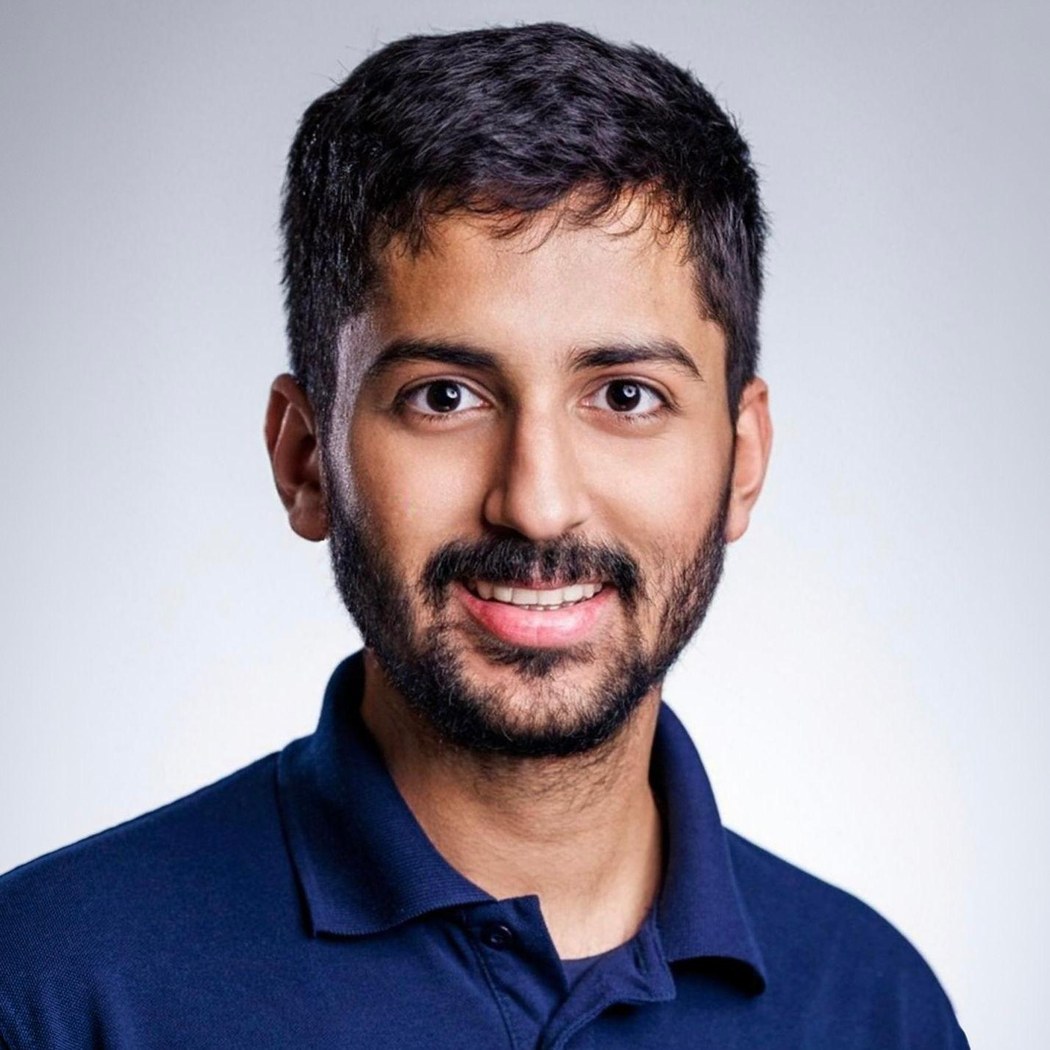
Kunal Kushwaha Built the Classroom He Couldn’t Find
Two failed entrance exams sent him toward a different education: open-source code, public questions and free tutorials. Now his WeMakeDevs community is trying to give other students a place to begin.
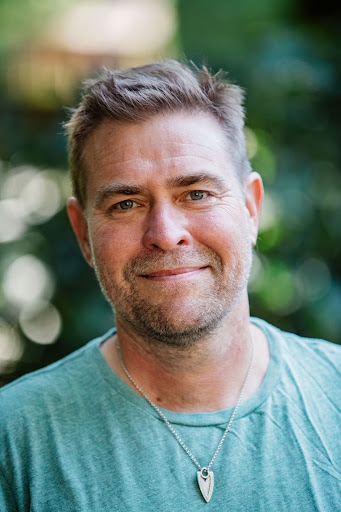
Ville Aikas and the Cost of Making Software Easy
He helped give developers a faster way to run software. Years later, an assumption about what they would run became the problem he chose to tackle.

Nishant Patel Built the Headless Future From a Room Full of Leftover Hours
Before headless CMS had a category, Nishant Patel had a client problem, a small team in Virar and a stubborn habit of turning new tools toward old frustrations.
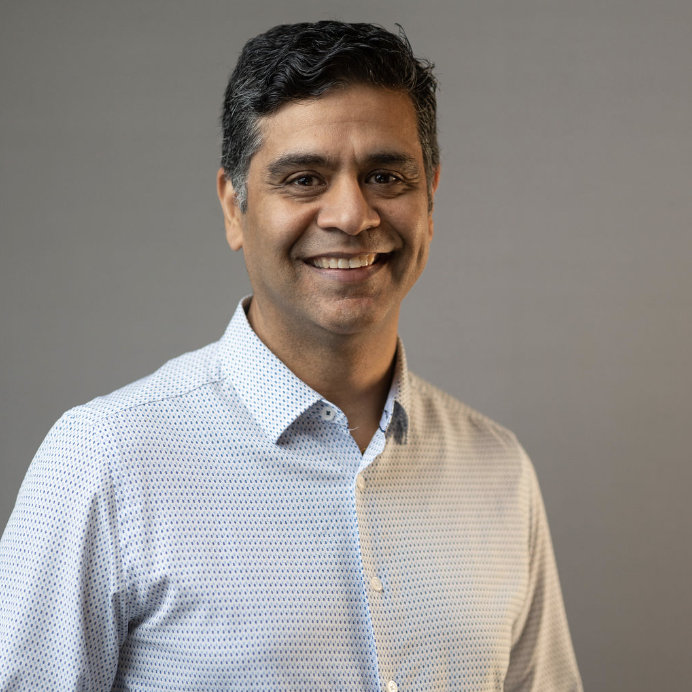
Ajay Khanna Keeps Choosing the Hard Part
After more than two decades in enterprise software, Yugabyte CMO Ajay Khanna still prefers the unfinished job: build the team, sharpen the category, and make complicated technology useful before the market has settled on its vocabulary.

Ramiro Berrelleza Wants Every Coder - Human or AI - to Have Somewhere Real to Work
A childhood encounter with office computers led from Guadalajara to Azure, Atlassian and a summer of hacking in Madrid. Now Okteto's co-founder is applying the same stubborn idea to AI agents: code improves when it can meet reality early.
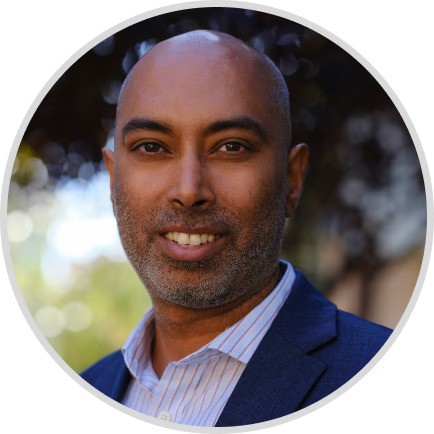
Pankaj Thakkar Wants the Cloud to Keep Its Receipts
Before he asked companies to own their observability data, Pankaj Thakkar helped make networks programmable. Now the Kloudfuse co-founder and CEO is applying the same instinct to telemetry: open the system, expose the machinery and make the bill predictable.
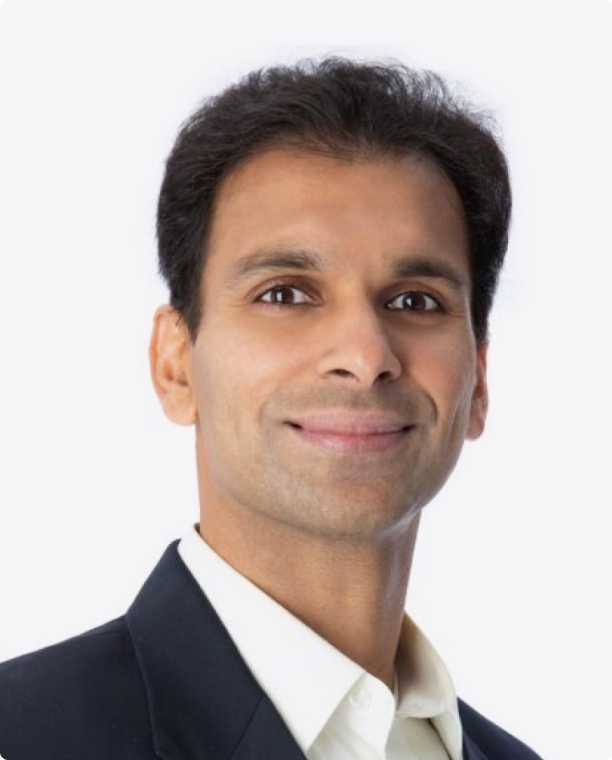
Karthik Ranganathan Bet the Cloud Would Need a Database That Refused to Blink
He helped name Cassandra, watched Facebook outrun his early growth estimate, and then spent a decade turning those lessons into YugabyteDB. Now Karthik Ranganathan is asking the same old question in a new arena: what happens when the infrastructure must remember, scale and stay awake?
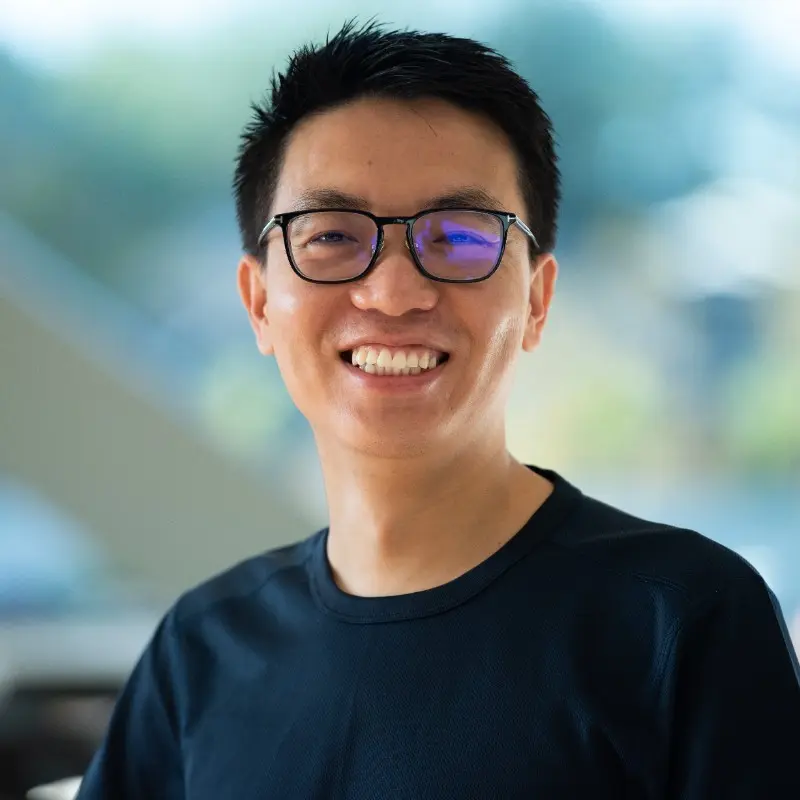
Hong Wang Learned From Open Source. Then He Built the Ship That Paid It Back
A childhood PC in rural China opened a door. Years later, the engineer behind Argo CD turned that early gift into an open-source project, a company, and a practical lesson in how communities compound.
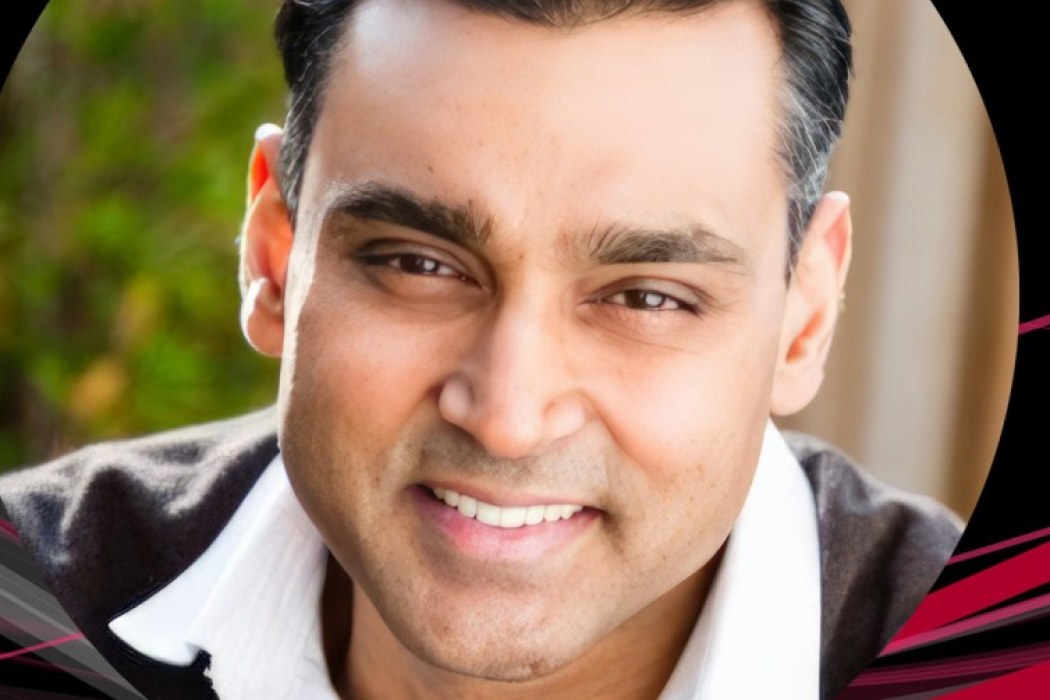
Sudeep Goswami
Sudeep Goswami is the CEO of Traefik Labs, the open-source company behind the widely used Traefik Proxy and the cloud-native API gateway platform Traefik Hub. He stepped into the top job on February 1, 2024, after serving as Chief Revenue Officer, with founder Emile Vauge moving to CTO. Goswami's career spans roughly 25 years across software engineering, network design, product management, marketing, and sales, with earlier stops at Cisco, Cumulus Networks (acquired by Nvidia), Tempo Automation, and Very Good Security. He is known for translating deep infrastructure engineering into commercial growth for developer-focused companies.

Dan Woods
Dan Woods is the Founder and CEO of Socotra, the AI-native cloud-native insurance core platform he built from scratch starting in 2014. A Stanford AI researcher and former Palantir engineer (employee #20), he left the data-intelligence world to fix insurance technology - an industry he describes as 'a decade behind banking.' Under his leadership, Socotra has raised $87M+ in total funding including a $50M Series C led by Insight Partners, and powers carriers and insurtech MGAs who can now launch insurance products in weeks instead of years.
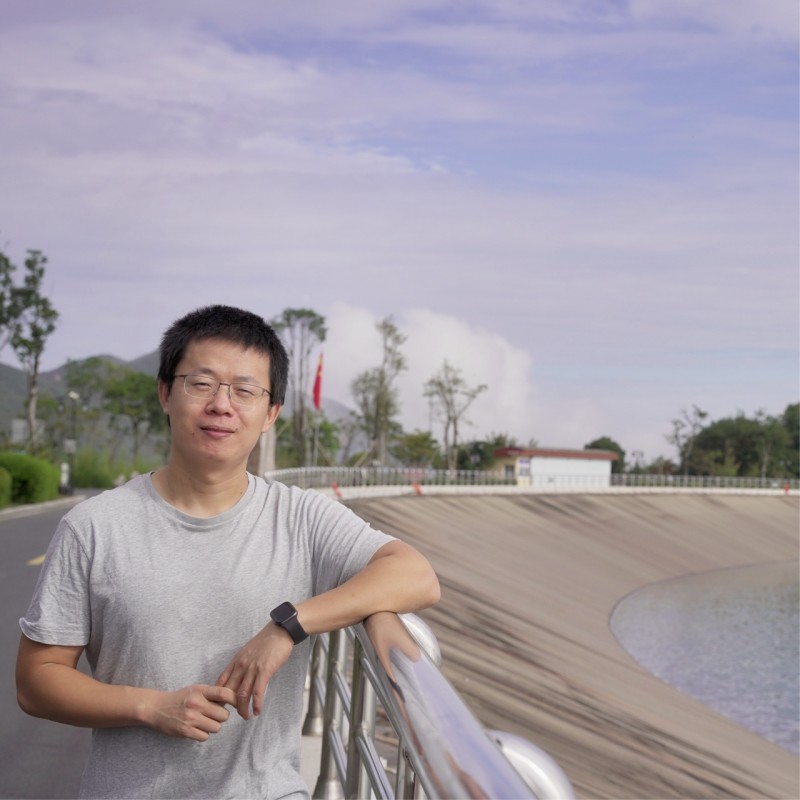
Xiaodan Zhuang
Xiaodan Zhuang, who also goes by Dennis, is the co-founder and CEO of Greptime, a company building GreptimeDB, an open-source observability database written in Rust that unifies metrics, logs, and traces. Before starting Greptime in 2022, he spent roughly 18 years in software infrastructure, including leading the intelligent monitoring team at Ant Group where he built ultra-large-scale time-series platforms for AIOps, plus earlier stints at Taobao/Alibaba and LeanCloud. He is a long-time open-source contributor (GitHub handle killme2008) behind projects like Aviator and xmemcached, and a self-described car enthusiast who races on tracks.
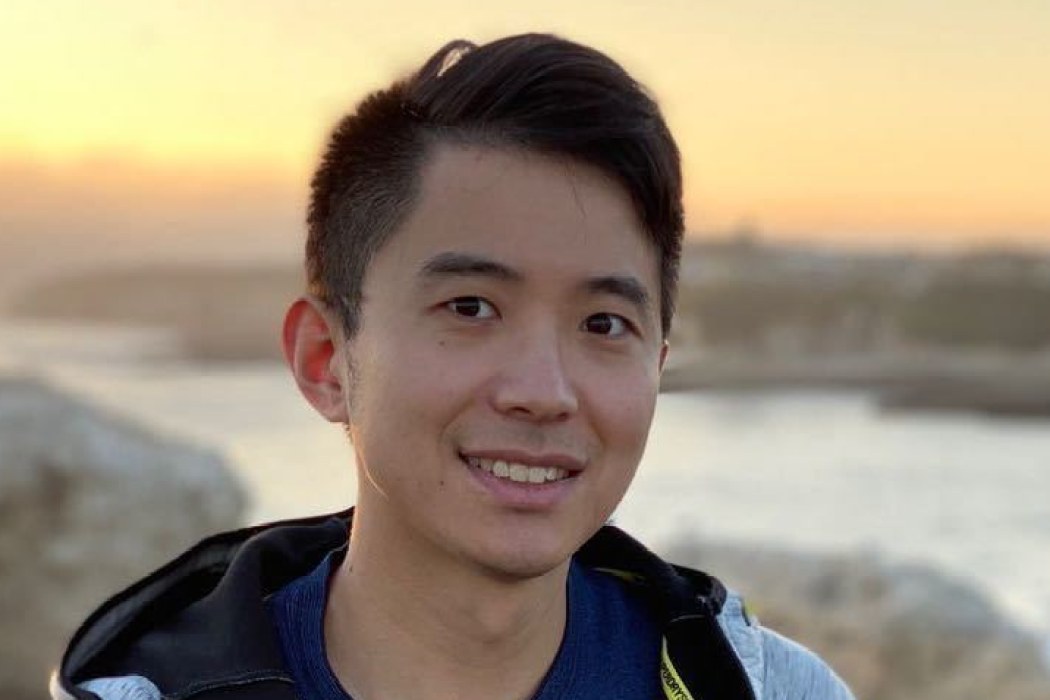
Yingjun Wu
Yingjun Wu is the founder and CEO of RisingWave Labs, the San Francisco company behind RisingWave, a PostgreSQL-compatible distributed SQL database for stream processing. A database researcher turned entrepreneur, he earned his PhD at the National University of Singapore, was a visiting PhD at Carnegie Mellon under Andy Pavlo, and worked on the AWS Redshift team and at IBM's Almaden Research Center before founding RisingWave in 2021. His goal is to democratize real-time stream processing by making it as simple, affordable, and accessible as writing SQL. The company has raised more than $40 million, including a $36 million Series A.
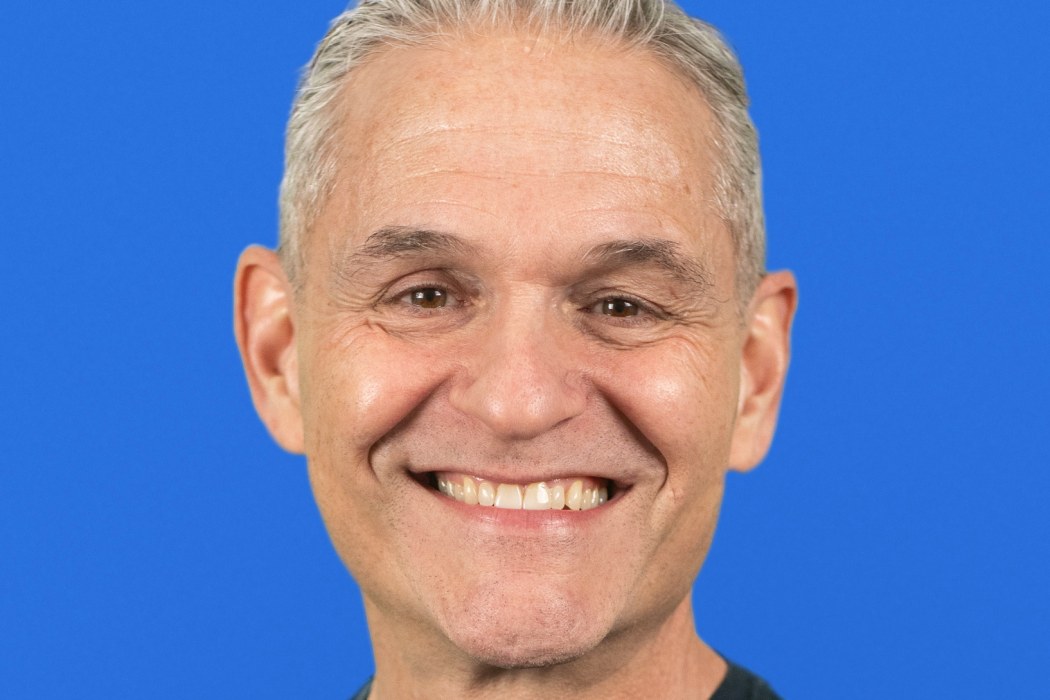
Glenn Weinstein
Glenn Weinstein is the CEO of Cloudsmith, the cloud-native software supply chain platform headquartered in Belfast, Northern Ireland. A U.S. Naval Academy graduate and former naval flight officer who learned to code on a Commodore 64, he co-founded the cloud consultancy Appirio (sold to Wipro for $500M) and spent four years as Chief Customer Officer at Twilio before relocating from New York to Belfast in 2023 to lead Cloudsmith. Under his leadership Cloudsmith raised a $72M Series C in April 2026, positioning the company to secure software supply chains in the age of AI coding agents.

Justin Talerico
Justin Talerico is the CEO of Automox, a Boulder, Colorado company building cloud-native autonomous endpoint management software. He stepped into the top job in May 2025 after four years as the company's chief marketing officer, a stretch in which he helped quadruple growth. A lifelong builder who started coding at age nine, Talerico co-founded the interactive content platform ion interactive in 2007 and sold it to ScribbleLive in 2017, and later held leadership roles at Linux Academy and A Cloud Guru. He and his wife Anna run Beacon9, a SaaS best-practices advisory.
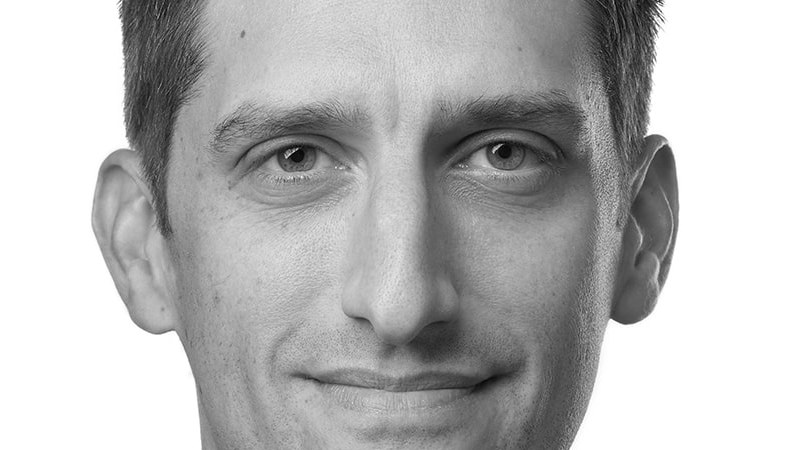
Michael Sanocki
Michael Sanocki is the founder and CEO of RQD* Clearing, a New York-based cloud-native correspondent clearing firm that processes billions of dollars of US equity and options trades daily. An attorney by training who spent years inside the SEC, the ISE options exchange, and Volant Trading before running RQD, he argues that legacy clearing is 'broken' and is rebuilding it in real time on Microsoft Azure.
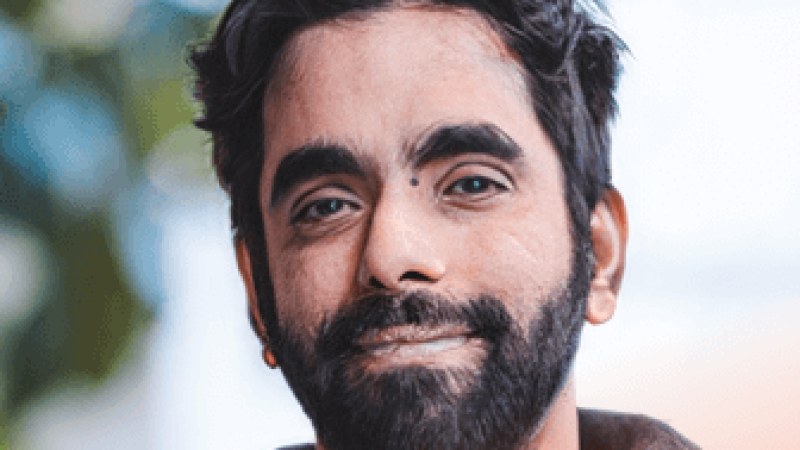
Raj Dutt
Raj Dutt is the co-founder and CEO of Grafana Labs, the company behind the open source dashboarding tool used by more than 25 million people. He previously founded and sold the hosting company Voxel to Internap, then co-founded Raintank in 2014 with Torkel Ödegaard and Anthony Woods and later rebranded it as Grafana Labs. In 2025 the company crossed $400M ARR with 7,000+ customers.

David Aronchick
David Aronchick is the co-founder and CEO of Expanso, the Seattle company commercializing Bacalhau, an open-source platform that moves computation to where data already lives instead of hauling data to the cloud. A 4x founder, he helped launch Google Kubernetes Engine, co-founded the Kubeflow machine learning project, led open source ML strategy at Microsoft Azure, and ran Compute over Data at Protocol Labs. His through-line is a stubborn belief that technology is not neutral and that distributed systems should make computing cheaper, more private, and more useful at the edge.
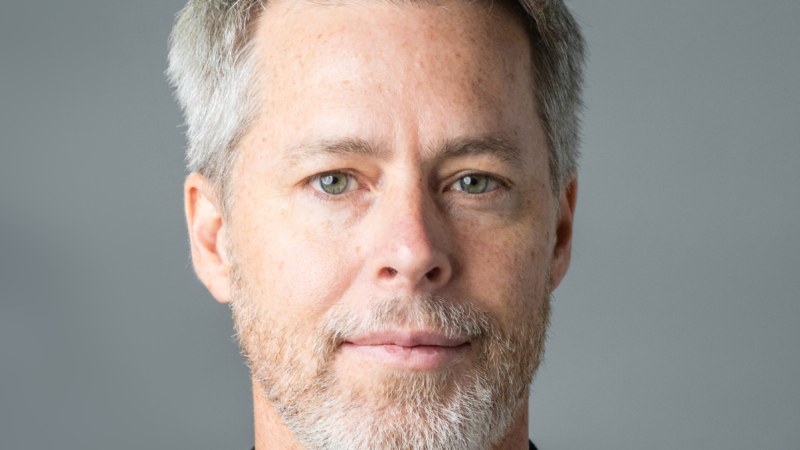
Spencer Kimball
Spencer Kimball is the co-founder and CEO of Cockroach Labs, the company behind CockroachDB, a distributed SQL database built to survive almost anything you throw at it. Long before databases, he co-wrote GIMP as a Berkeley class project in 1995, spent roughly a decade as an engineer at Google working on its file-system guts, and built a photo startup that Square acquired. He named his database after the one creature famous for being nearly impossible to kill - which turned out to be the perfect pitch.

Dmitry Fonarev
Dmitry Fonarev is the co-founder and CEO of Testkube, the Kubernetes-native test orchestration platform that has powered over 100 million automated tests for customers including Cloudflare, Siemens, Adobe, and Volvo. A Boston University computer science graduate with more than two decades building engineering teams at Dell, SmartBear, and vKernel, he co-founded Kubeshop in 2021 with SoapUI creator Ole Lensmar, then spun Testkube out as a standalone company that raised an $8M Series A in 2025.
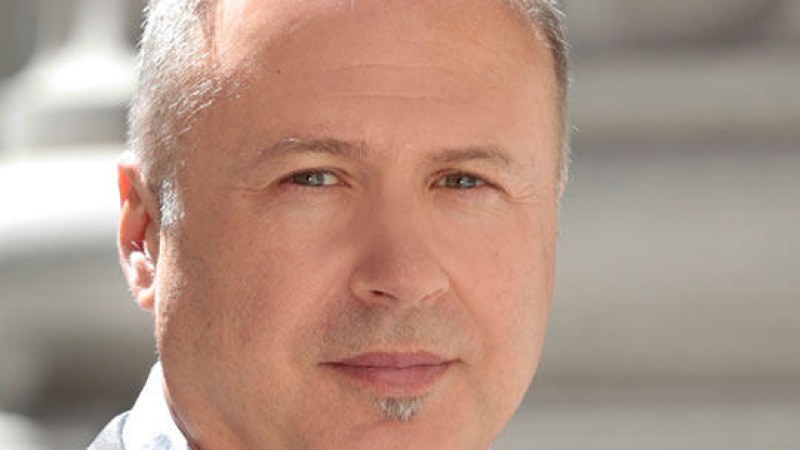
Alec Miloslavsky
Alec Miloslavsky is the Founder and CEO of EIS Ltd (EIS Group), a San Francisco-based cloud-native digital insurance platform serving major insurers including Aflac, Allstate, Liberty Mutual, and Nationwide. Born in Ukraine and relocating to the US at age 17, he co-founded Genesys Telecommunications in 1990 - a contact center technology company he helped grow to a $1.9 billion acquisition by Alcatel-Lucent. He then co-founded Exigen Services, growing it past $70M in revenue, before pivoting to insurance tech by founding EIS Group in 2008. Under his leadership, EIS has raised over $224M in funding and built a modular, API-first core platform used across five insurance segments globally.
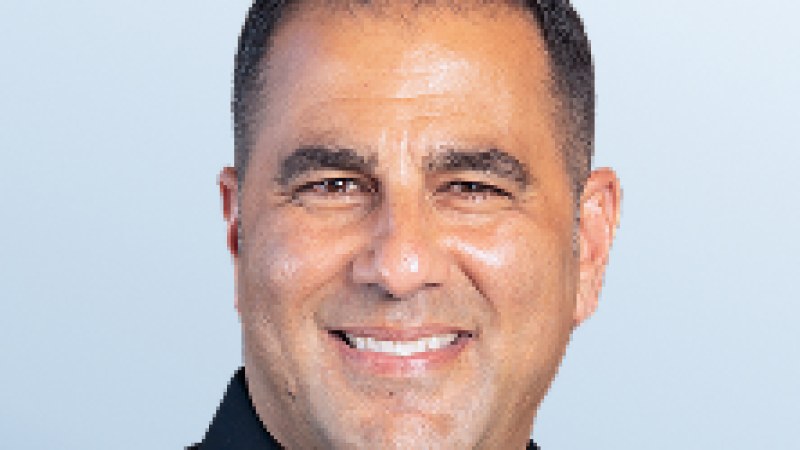
Shlomi Ben Haim
Shlomi Ben Haim is the co-founder, CEO and Chairman of JFrog, the Sunnyvale and Israel based company that built Artifactory and turned the unglamorous business of storing binaries into a Nasdaq listed platform for the software supply chain. A former Israeli Air Force major who spent twelve years in uniform before running AlphaCSP, he has led JFrog since 2008 with a slogan engineers actually quote back at him: liquid software, continuous updates, zero downtime.
Dylan Cui
Dylan Cui is a co-founder of PingCAP, the company behind TiDB - one of the world's most widely adopted open-source distributed SQL databases. A software engineer by trade, Dylan co-built TiDB from scratch starting in 2015 after experiencing firsthand the pain of database scaling at scale while working at Wandoujia. PingCAP has raised over $341 million and TiDB has more than 33,000 GitHub stars, serving thousands of enterprises globally across fintech, gaming, and e-commerce.
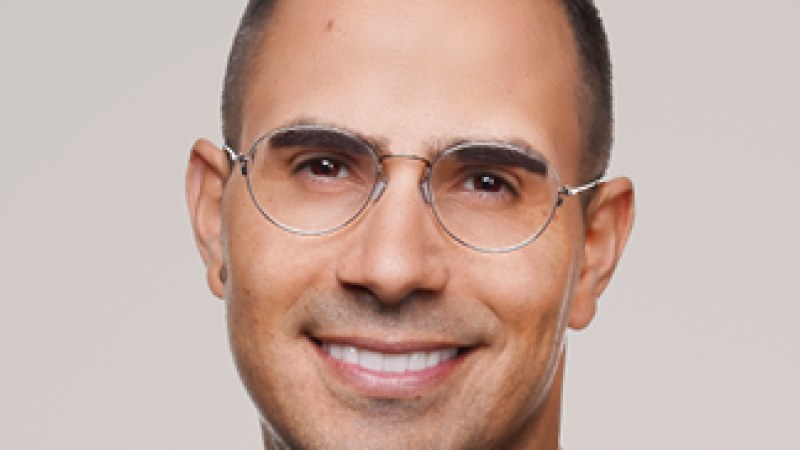
Amiram Shachar
Amiram Shachar is the Co-Founder and CEO of Upwind Security, a cloud-native security unicorn valued at $1.5 billion after its $250M Series B in January 2026. A serial entrepreneur with deep IDF Mamram roots, he previously founded Spot.io - sold to NetApp for $450M - before returning to build a runtime-first CNAPP platform that cuts security alert noise by 98%. He leads a team of ~350 people from San Francisco and Tel Aviv.
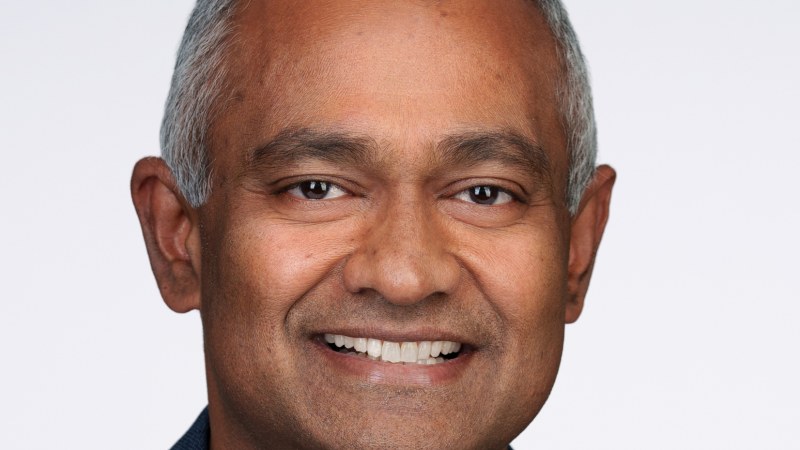
Anand Periasamy
Anand Babu 'AB' Periasamy is the Co-Founder and CEO of MinIO, the world's most widely deployed open-source object storage platform with over 2 million Docker pulls per day. A serial entrepreneur from Tamil Nadu, India, he previously co-founded Gluster Inc. — the distributed file system company acquired by Red Hat for $136 million in 2011. With MinIO, he built a Kubernetes-native, Amazon S3-compatible storage engine that became foundational infrastructure for AI, machine learning, and data-lake workloads. In January 2022, MinIO closed a $103M Series B at a $1 billion valuation, cementing its unicorn status with backing from Intel Capital, SoftBank Vision Fund 2, Dell Technologies Capital, General Catalyst, and Nexus Venture Partners.

Dan Temkin
Dan Temkin is a Senior Technical Product Marketing Manager at Kong (formerly Mashape), one of the world's leading API management platforms. With over a decade of experience in API strategy spanning roles at IBM and Kong, Temkin sits at the intersection of complex distributed systems and the business language needed to explain them. Based in Madison, Wisconsin, he shapes how enterprises think about API security, AI governance, and the economics of running LLMs at scale - authoring widely-read Kong blog posts, speaking at Apidays and AWS re:Invent, and helping translate the architecture of Kong's $424M-funded platform into decisions that matter to engineering and executive teams alike.