chicago-founder
(25)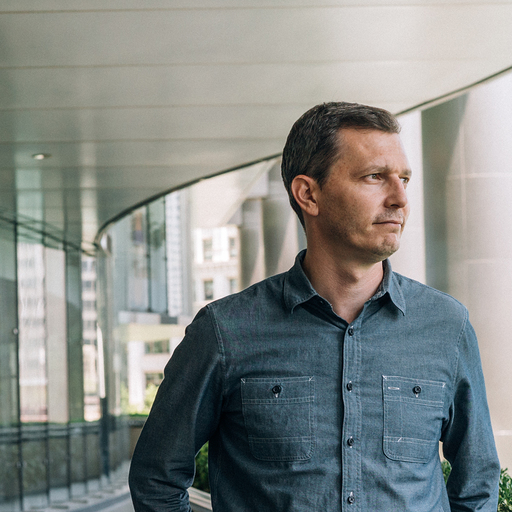
Michael Winnick Put Research in Everyone's Pocket. Now He Wants It to Keep Up.
The Dscout founder spent years turning private moments into useful evidence. His new problem is faster and stranger: how to preserve human judgment when machines make answers cheap.
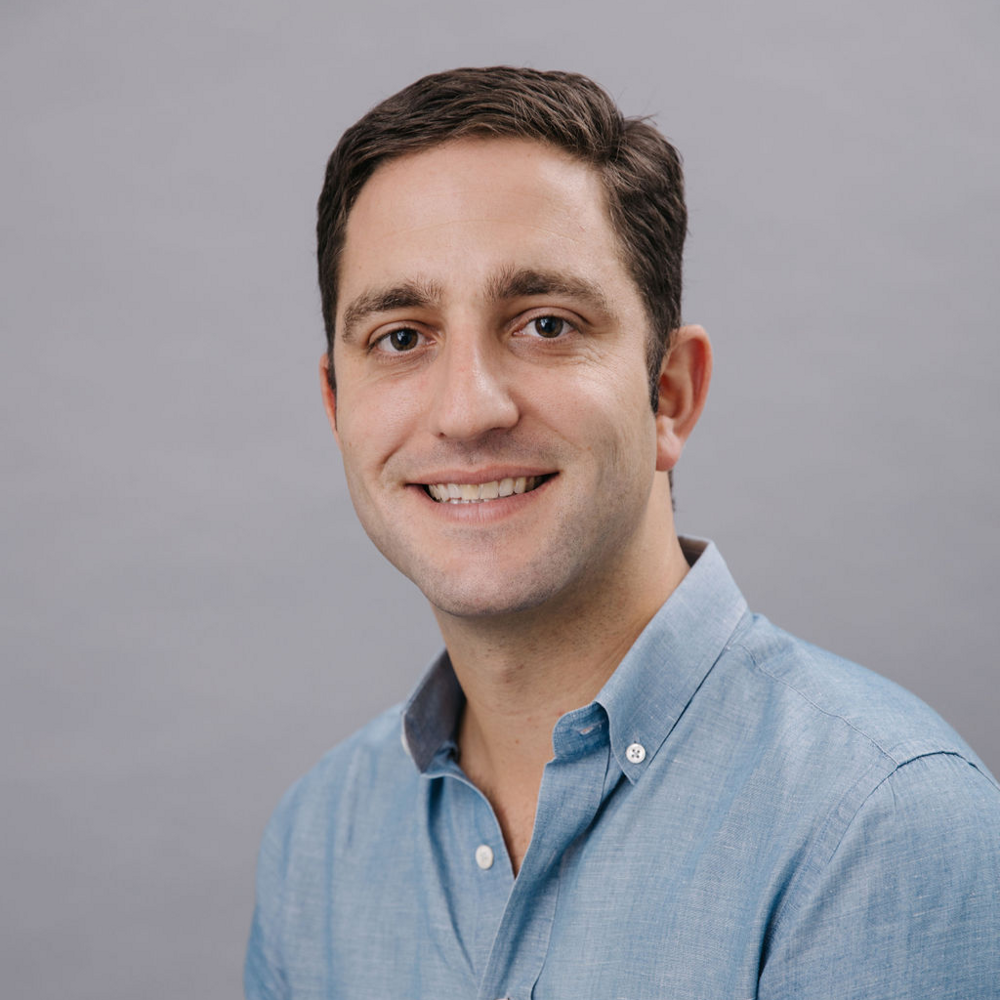
Nick Cromydas Bet the Future of Hiring on a Warm Introduction
A former college tennis captain discovered that the shortest route to a hard-to-reach candidate was not another cold message. It was trust - organized, measured and made useful at scale.
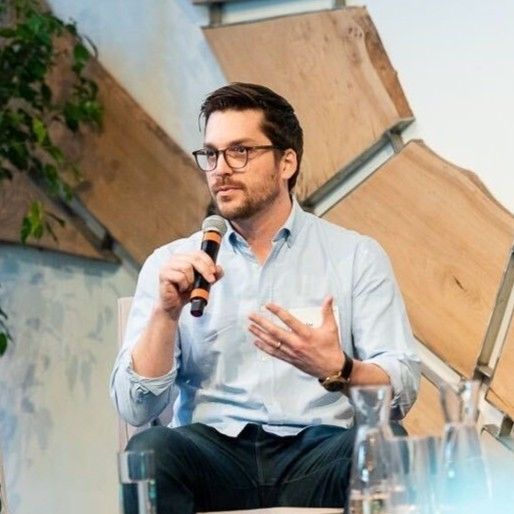
Taylor Katzman Put the Bar's Messiest Errand in One Cart
A family distillery showed Katzman how many calls, texts and paper invoices stood between a bar and its next delivery. He built Provi to give that disorder a single screen.
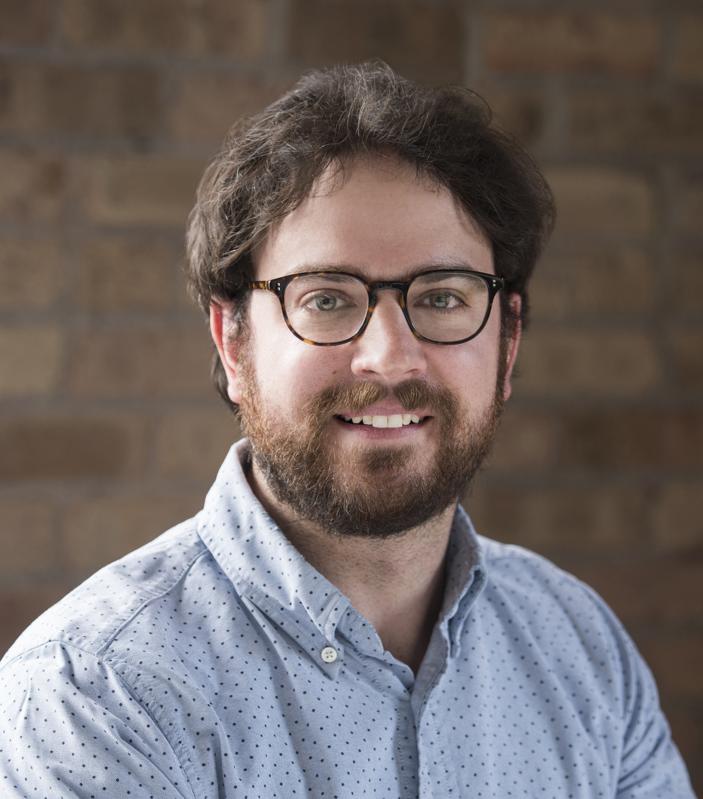
Michael Burdick Built a Marketplace for People Who Wanted the Ledger and Their Lives
After a childhood spent moving, a conventional start at Deloitte and a spell of freelancing at business school, Michael Burdick decided that finance professionals deserved more say in where their talent went. Paro became his ten-year experiment in making autonomy add up.
Michael Ramlet Asked One Question. It Became a Data Company.
A student newsletter, a $30,000 bet and one well-timed survey became Morning Consult. Now its co-founder is wagering that the next research revolution will make answers faster - while making judgment more valuable.
Luke Saunders Put the Salad Where the Candy Bar Used to Be
A salesman tired of road food built a refrigerator in his apartment, planted it in a forlorn Chicago food court, and stayed to explain every salad. The machine was simple. The system behind it became the work of a decade.
Adam Robinson Put the Job Interview on Trial
For more than two decades, the Hireology co-founder has argued that hiring should be a discipline rather than a hunch. The wager has carried him from a classroom business plan to a national recruiting platform - and into a new argument about what AI should leave to humans.
David Rabie Put Dinner on Autopilot. Then the Money Ran Out.
A failed funding round left Tovala with three weeks of cash. David Rabie answered by making a complicated company simpler, sharper and hard to dismiss.
Eshan Dosani Is Turning Paperwork Into a Field Problem
Before he built software for clinics, Eshan Dosani studied policy, organized on the ground and helped families clear the small financial barriers that keep large problems in place. His operating principle has stayed remarkably consistent: get close enough to the work that the paperwork can no longer hide the problem.
Michael DiBenedetto Put the Delivery Apps on One Menu
A late-night takeout argument gave Michael DiBenedetto a durable idea: make delivery services compete before dinner gets cold. FoodBoss became his experiment in price transparency, patient aggregation, and the underrated craft of removing one small annoyance.
Glenn Lombardi Has Spent Two Decades Turning Search Results Into Front Doors
Before local search became an industry, Glenn Lombardi was teaching medical practices to treat a website like a working front door. Now, at Goldn, he is applying the same practical obsession to senior housing: be findable, earn trust and measure what happens next.

Danny Gardner Put Wi-Fi Where the Wires Run Out
A student project, a solar panel and a stubborn question became Mesh++. Danny Gardner’s routers travel lightly because the places that need a signal rarely come with convenient walls, wires or outlets.

Kathryn Madden Put the Office Supply Closet on Autopilot
She noticed the invisible work holding offices together, then built OfficeLuv to make it visible, measurable and easier to run.

Roohi Jeelani Is Building the Clinic She Wishes the System Had Designed
The physician-scientist spent years studying the gaps between research, clinics and patients. At Onto Health, she is turning those observations into an operating model - one deliberate fix at a time.
Boris Krastev Cleaned 3,500 Toilets Before He Built a Global Hiring Company
Before RemoteMore connected companies with engineers across borders, its CEO was funding his Danish education with factory shifts, warehouse cleaning and a schedule that left little room for sleep. The useful lesson in Boris Krastev's story is not heroic suffering - it is his stubborn habit of turning each failed model into a more practical one.
Reid Rooney Is Building a Sports Media Portfolio for the Fans Who Keep Showing Up
The Betsperts co-founder has made a quiet wager on loyalty: buy useful sports brands, respect the people already inside them, and let community compound.
Nathan Rosenstock Put the Office Snack Shelf on a Spreadsheet
A borrowed Cadillac, a free kegerator and a near-death pandemic pivot became a national workplace food operation. Nathan Rosenstock's useful trick was learning that the snack is only the visible part of the system.
Benjamin Forgan Is Building the Quiet Layer That Keeps the Physical World Online
A broken connection in Singapore became a decade-long lesson in infrastructure: make cellular access programmable, design failure out of the system, and let builders concentrate on what their devices actually do.
Charlie Saffro Built a Recruiting Firm by Charging for What She Had Been Giving Away
A $1,200 placement, a contract she was not yet staffed to deliver, and a belief that business is personal turned Charlie Saffro's instinct for introductions into a 16-year company - and then into a difficult lesson about what comes after an exit.
Shah Rahmanov Remembers Everything - Especially the Money Trucking Leaves Behind
Before he built an AI operating system for long-haul fleets, the Uzbek founder trained his mind to hold decks of cards and hundreds of digits. Now he is teaching trucking companies to remember every invoice, expense and dollar.
Sam Walder Put a Violin Teacher in Your Pocket - Then Gave the Company Away to Its Next Movement
A stressful childhood instrument, a creaky campus house, and 500 student phone calls became Trala - a music school built for people the old system overlooked.
Bobby Reddy Bet a Decade on the Data Hospitals Were Missing
An all-access hospital badge helped an electrical engineer discover that his clever device was solving the wrong problem. What followed was a ten-year lesson in listening, clinical rigor and the unglamorous patience required to make AI useful.
Thomas Jonas Left Plastics for a Fungus That Could Feed Space
A beach encounter led a former packaging executive to a Yellowstone microbe, an old Chicago stockyard and a larger question: how much food can we make with much less?
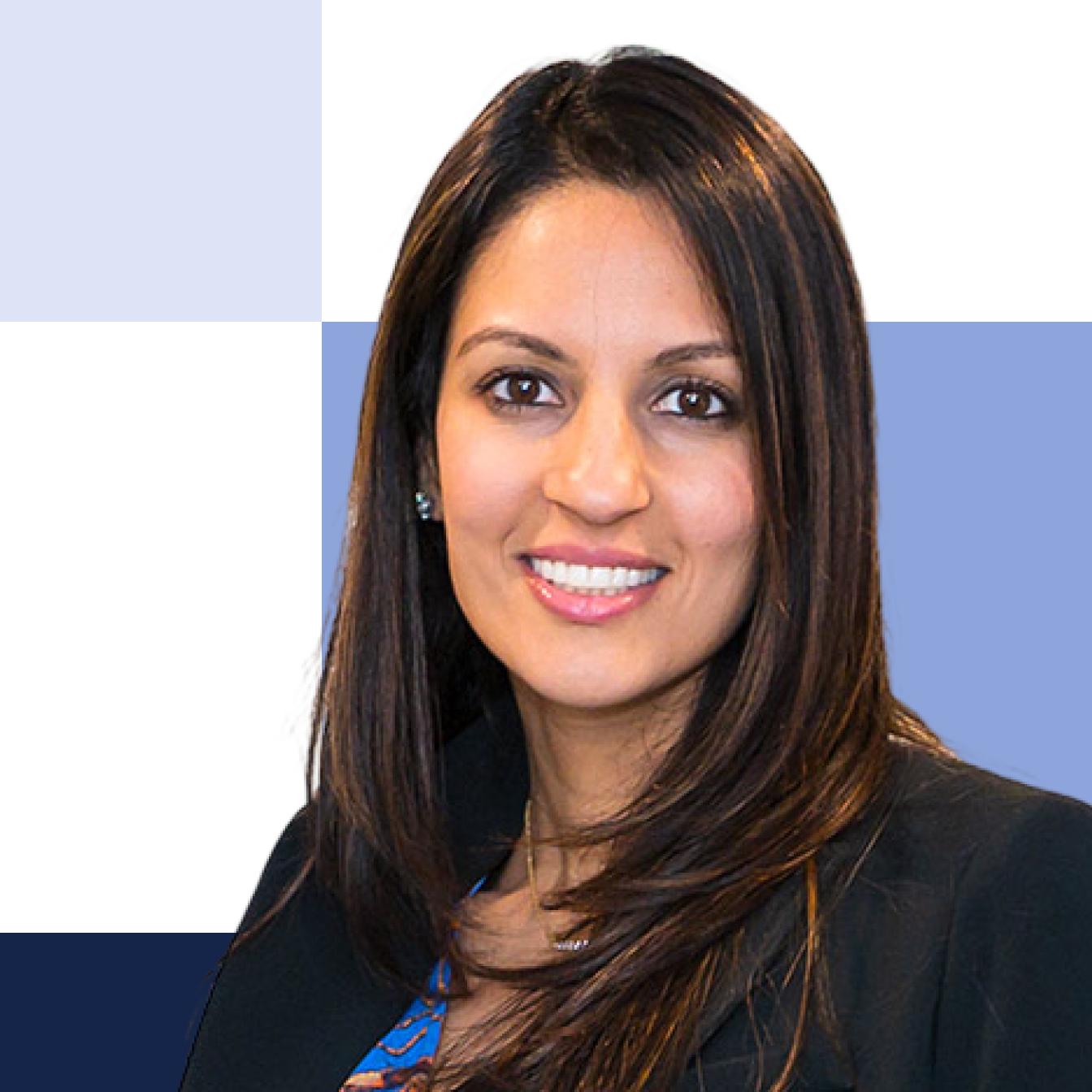
Sonia Veluchamy Is Teaching AI to Respect the Fine Print
The Celegence co-founder spent a decade learning how regulated work actually moves. Now she is building a company where expert judgment and automation share the same desk.
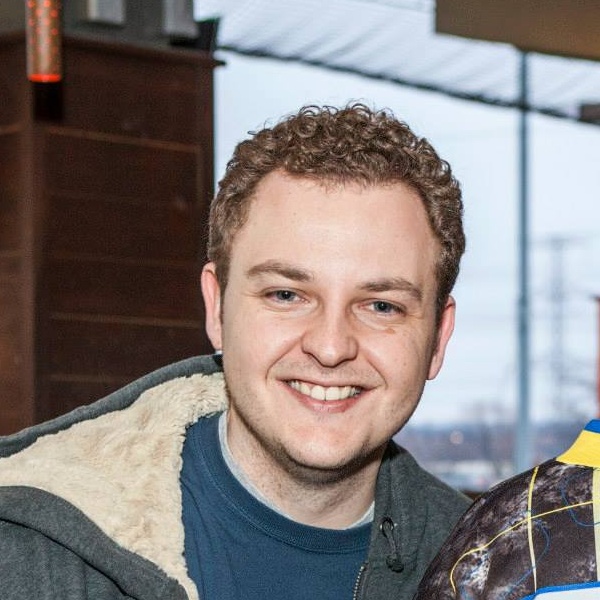
He Put the Apartment Tour Inside the Browser
Wojciech Kalembasa turned a mortgage broker's frustration with flat property listings into a visual-media company, a proptech platform, and a 2025 acquisition by Yardi. The useful part of his story is the sequence: listen closely, build the service, then turn the repeated work into software.