aws
(73)
JP La Torre and the business of getting things to work
He built Caylent from a cloud deployment startup into a company of more than 360 people. Now, at Climb, JP La Torre is asking what happens when AI changes the business of consulting itself.
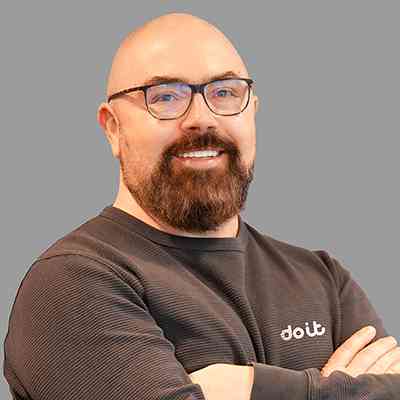
Vadim Solovey and the promise the cloud still owes us
A computer bought in place of a motorbike set Vadim Solovey on a different road. The DoiT co-founder and CEO has spent his career asking why powerful technology so often arrives with an unnecessarily complicated bill.

Gautam Ghai and the last mile of an idea
From a Chinese-food delivery venture to enterprise cloud engineering, Gautam Ghai keeps returning to the distance between a promising idea and something a customer can use. Twenty years into SourceFuse, AI is the next test.

Yoav Toussia-Cohen and the business of making the cloud behave
Before DoiT took its first outside investment, Yoav Toussia-Cohen was already helping turn an Israeli cloud consultancy into an international business. His career connects enterprise sales, engineering expertise, and the patient work of getting people to trust both.
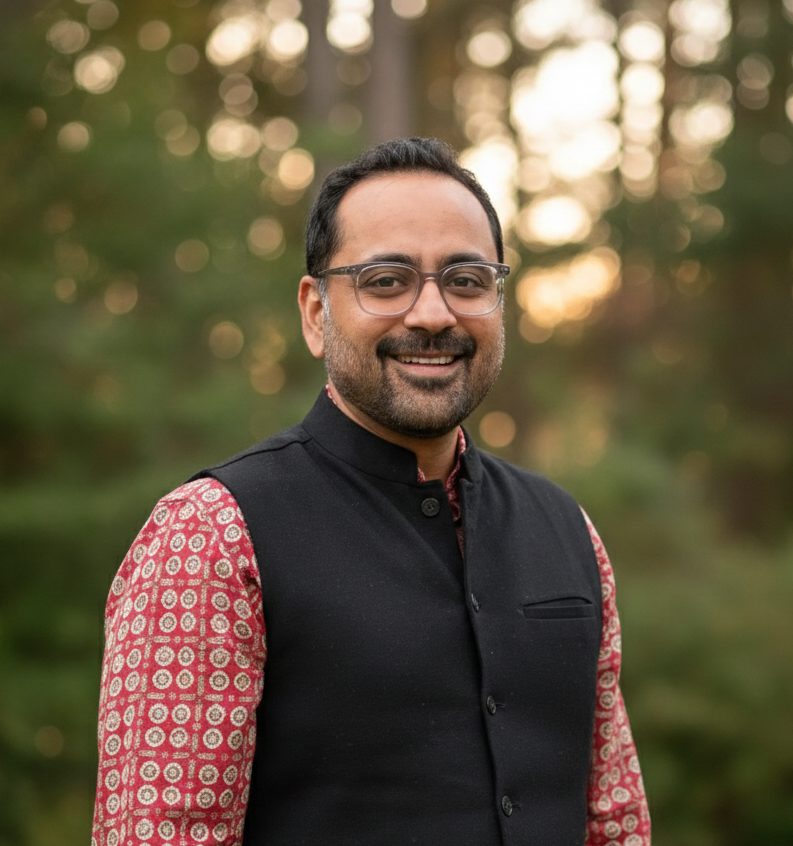
Amandeep Khurana and the sale that happened before he arrived
A technical book once did the selling before Amandeep Khurana joined the call. From co-founding Okera to bringing Claude into enterprises, he has kept returning to the same question: what makes a customer willing to bet on you?

Tom Hamer and the Trouble with Knowing What You Want
At 14, he built an app that taught people to make apps. With Marqo, Tom Hamer turned to the gap between what people mean and what computers understand. His next project takes aim at the wait.

Danny Sheridan and the company on the apartment wall
Before Fern joined Postman, Danny Sheridan tracked its customers on sticky notes. His path from a bedroom e-commerce business to API tooling follows a persistent interest: making useful work easier to repeat.

Andrew Jassy’s very long short stay
He came to Seattle with a plan to leave. Nearly three decades later, the Amazon CEO is still finding reasons to stay - and asking everyone around him to move faster.

Maxim Schram and the useful art of being annoyed
A troublesome remote control was once useful teaching material. Maxim Schram turned that kind of everyday friction into RedesignMe, then CMNTY - and a career spent shortening the distance between a problem and the people who can fix it.
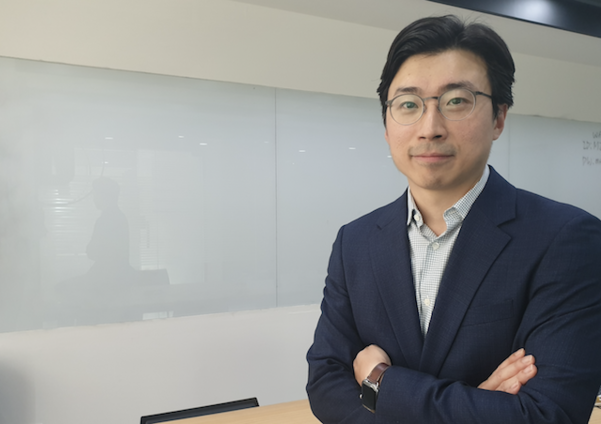
Joo-Wan Lee and the business of getting along
Joo-Wan Lee began with websites, then built a company around helping other businesses use the cloud. His account of its growth has an unexpected recurring character: the partner.

Kaushik Mahorker and the work behind an answer
Before Wildcard turned toward AI shopping, Kaushik Mahorker worked on the systems that make software useful at scale. His next problem is decidedly retail: helping a product earn its place in the answer.
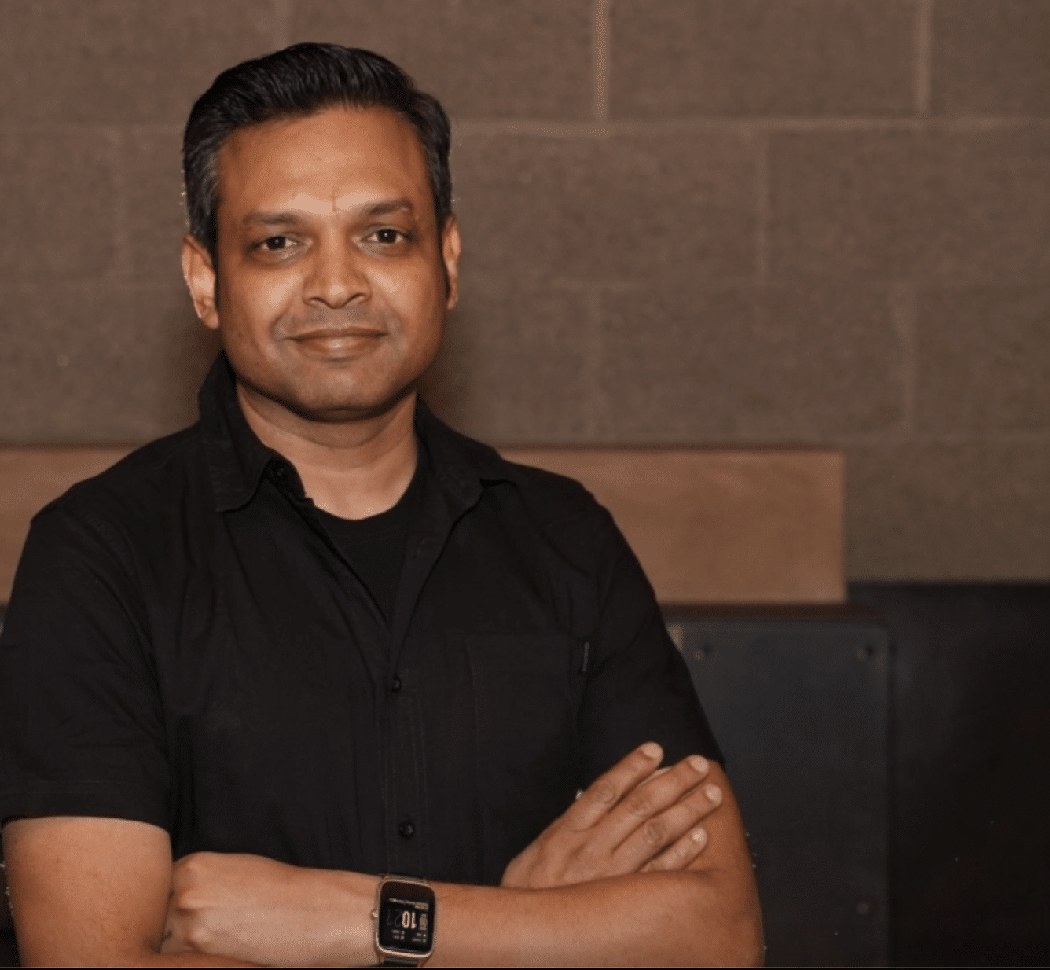
Venkat Krishnamachari and the work of making room
At MontyCloud, Venkat Krishnamachari builds software to give cloud teams time back. His years producing theatre and music in Seattle offer another view of the same interest: what people can do when someone makes room for them.

Maxim Fateev and the art of picking up where you left off
From Amazon’s messaging systems to Uber’s Cadence and Temporal, Maxim Fateev has spent two decades working on unfinished business. His wager: a computer crash should not erase a program’s progress.
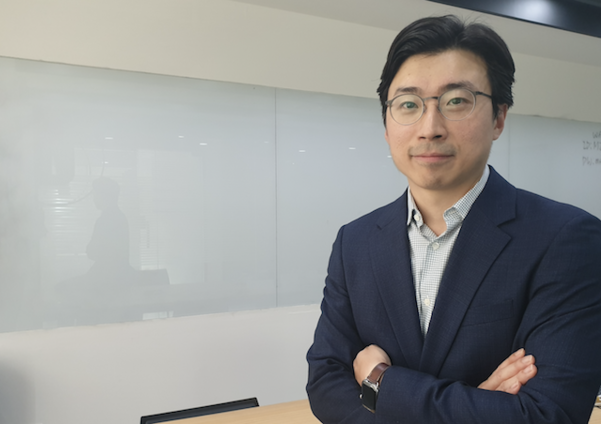
Joowan Lee and the business between the clouds
Joowan Lee started Megazone with websites and hosting in 1998. His next act was to help other companies use the cloud - and to teach the people who would keep it running.

Allie K. Miller and the Art of Starting Over
She moved from cognitive science to IBM Watson, built a machine learning business at AWS, then left to help companies remake themselves for AI. Her recurring move is to learn the system, spot the opening, and begin again.

Ashfak Ahmed Is Trying to Make the Computer Disappear
By day, he keeps cloud infrastructure moving at Striim. By night, he is building SensePC around a deceptively difficult question: what if the device in front of you mattered less than the computer waiting behind it?

Qasim Mithani Is Teaching Security Software to Finish the Job
After building infrastructure at AWS and Databricks, the Depthfirst CEO is betting that security software should understand the system, prove the risk and arrive with a fix.

Sunil Frida Has Spent 20 Years Making Complicated Technology Make Sense
An electrical engineer became a category storyteller by keeping one habit intact: build the thing, learn the machinery, then explain why anyone should care.
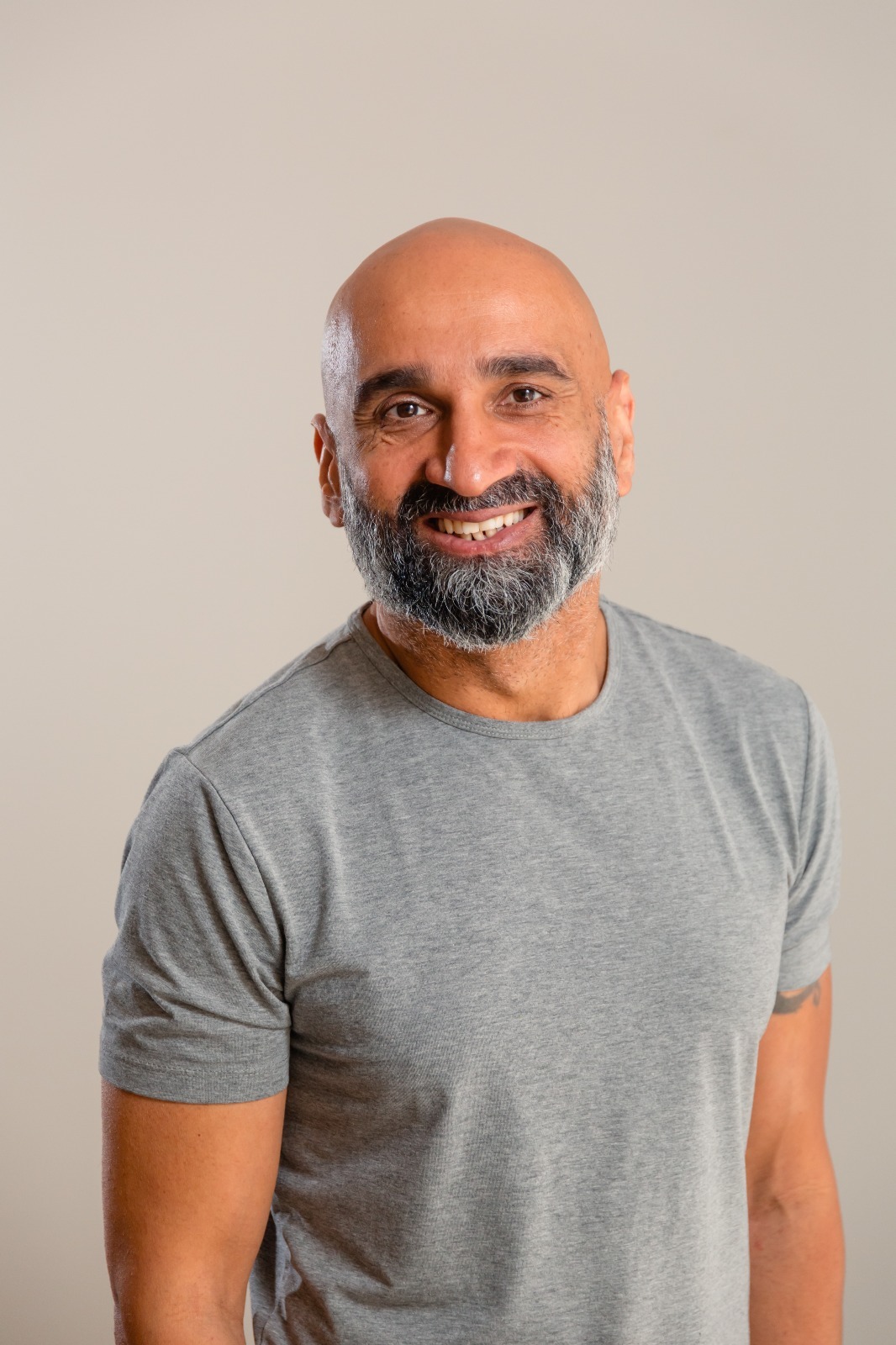
Jack Singh Put His Career in a Spreadsheet. The Answer Was Avahi
The Avahi founder learned business from the packaging bench to the partner channel. Now his operating system is a curious mix of spreadsheets, candid feedback and a bias for shipping AI that earns its keep.

Braiden Dishman Is Building a Search Engine for the Video Internet
A college economics graduate, a scrappy four-person team and billions of unruly clips: inside Shofo’s attempt to make video as searchable as text.

Rene Brandel Wants Software to Hire Its Own Hacker
A decade after winning a hackathon with a bot that built websites by conversation, the former AWS product leader is giving software an equally tireless adversary.

Ben Schaechter Made the Cloud Bill Worth Reading
He learned the cloud from both sides of the console. Now the Vantage co-founder is turning its messiest artifact - the bill - into a product engineers and finance teams can use together.

Alejandro Planas Bet on the Cloud Before Latin America Had a Forecast
A slow server order gave an electronic engineer a fast idea. Seventeen years later, Alejandro Planas has turned that operational irritation into a cloud company built across Latin America - and into the kind of specialist a global buyer wanted to keep running.

Cliff Crosland Put the Missing Index on the Data Lake
A million-dollar log bill became the design brief for Scanner. Now the engineer who once taught Stanford students and rendered black holes in WebGL is building a faster memory for security teams - and for the agents arriving beside them.

The Producer Behind AWS re:Invent
She turned a cloud computing conference into one of tech's biggest annual gatherings, and she runs it from a small mountain town in Oregon.

Shruthi Rao
Shruthi Rao is the co-founder of Vendia, a San Francisco multi-cloud distributed data platform that helps enterprises share and reconcile data in real time across companies, clouds, and tech stacks. Before Vendia she founded the blockchain practice at AWS, launching Amazon Managed Blockchain and Amazon Quantum Ledger Database, and led business development for the AWS serverless portfolio including Lambda and API Gateway. She set up what she describes as India's first crypto mining operation in 2011 and has advised the Ethereum Project, Ripple, MOBI, the Linux Foundation, and the World Economic Forum.
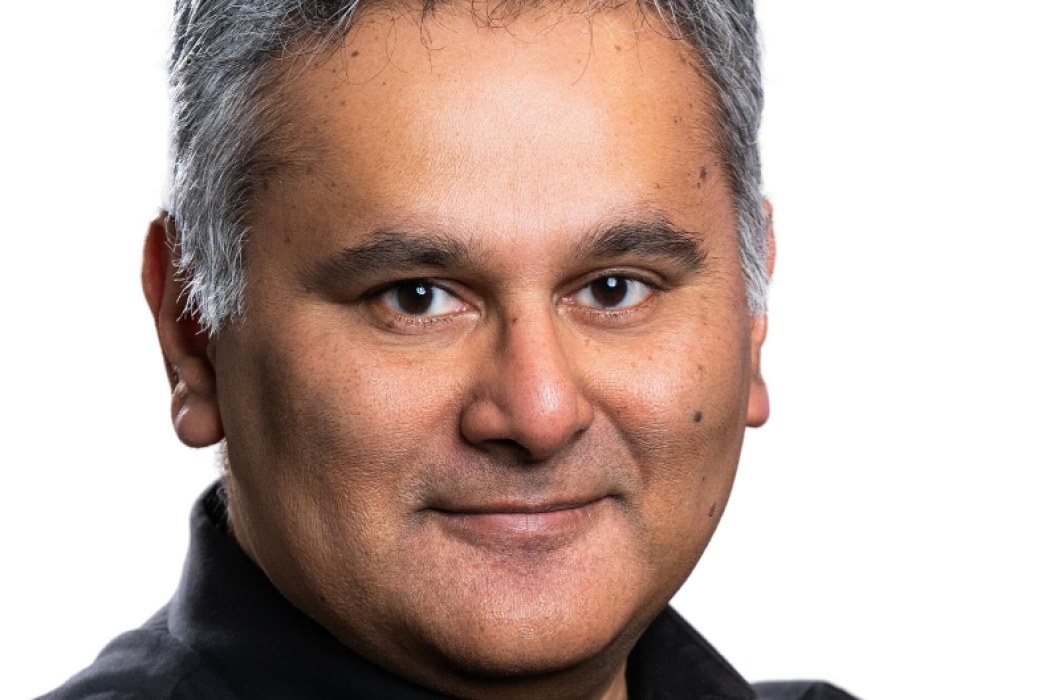
Vin Sharma
Vin Sharma is the co-founder and CEO of Vijil, a Menlo Park startup building trust infrastructure that helps enterprises deploy AI agents that are reliable, secure, and safe. He spent roughly three decades in AI, data, cloud, operating systems, and security, most recently as GM and Director of Engineering at AWS AI, where he worked on the deep-learning engines behind Amazon SageMaker and Amazon Bedrock. Earlier he ran a division at Intel that built a bespoke datacenter for BMW's autonomous-driving research and held product and engineering roles at Hewlett-Packard across open source, big data, cloud, and Linux. Founded in 2023, Vijil has raised $23 million, counts SmartRecruiters, DigitalOcean, and DuploCloud among its users, and was named a Gartner Cool Vendor in 2025.
Jim Keller
Jim Keller is the AWS Global CEO at Quantiphi, an AI-first digital engineering firm and AWS Premier Tier consulting partner. He runs the company's AWS business unit, where he has helped land marquee designations including Quantiphi being named the First Preferred Amazon Quick SI Partner by the AWS Generative AI Innovation Center. A Boston-area technology leader with more than 25 years building and scaling public and private companies, Keller has moved through sales, marketing, and general-management roles across cloud, analytics, and software before focusing on enterprise generative and agentic AI.

Romaric Philogène
Romaric Philogène is the CEO and co-founder of Qovery, a platform-engineering company that turns cloud infrastructure into a self-service experience for developers. A former site reliability engineer with a decade in ad-tech and financial systems, he started Qovery in 2019 with Pierre Mavro and Morgan Perry and, in September 2025, raised a $13M Series A led by IRIS and Crane Venture Partners, with angel checks from Datadog's Olivier Pomel and Alexis Lê-Quôc.

Walter Rogers
Walter Rogers is the CEO of MontyCloud, a Redmond-based cloud operations platform that uses agentic AI to let IT teams manage AWS without writing scripts. Born in Rome, raised in Houston, and now based in Austin, he studied Italian and Economics at UT Austin before building and selling three software companies, two of them to VMware. He remains Chairman of Baker Communications, the sales-training firm he has run since 2003, and joined MontyCloud as CEO in April 2022.