ai-automation
(36)
William Armstrong Is Building the Connective Tissue
A run club, a campaign war room, a student SaaS product and a $55 server all point to the same instinct: William Armstrong likes finding the awkward gap between people and systems, then building the missing connection.

Geoff Blaine Has Made a Career of Explaining the Invisible
From cyberthreat reports to AI automation, Jitterbit's chief marketing officer has spent two decades turning technical complexity into a story people can act on.

Max Brodeur-Urbas Built the AI Company That Knows When Not to Use AI
Gumloop began as a three-day experiment for people who could not install AutoGPT. Its co-founder turned that failed-agent lesson into a more useful idea: let AI make the judgments, and let people keep hold of the map.
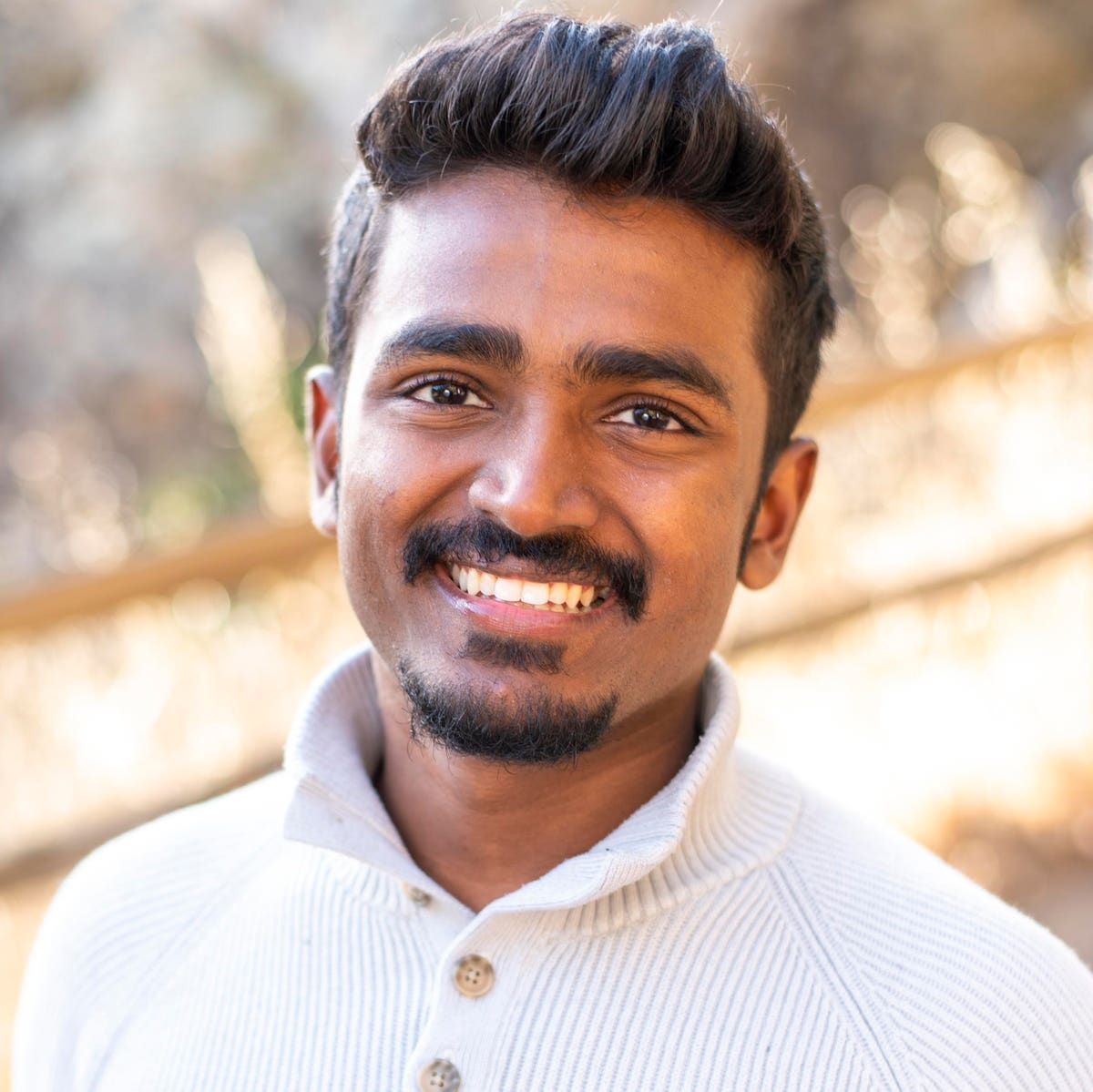
Kesava Dinakaran Solved 290 Cubes. Then He Took On a Bigger Puzzle
A cube record, 4,000 kilometers by bicycle and more than 100 unanswered investor emails taught Luminai's founder the same lesson: complicated systems yield to patient, repeatable moves.
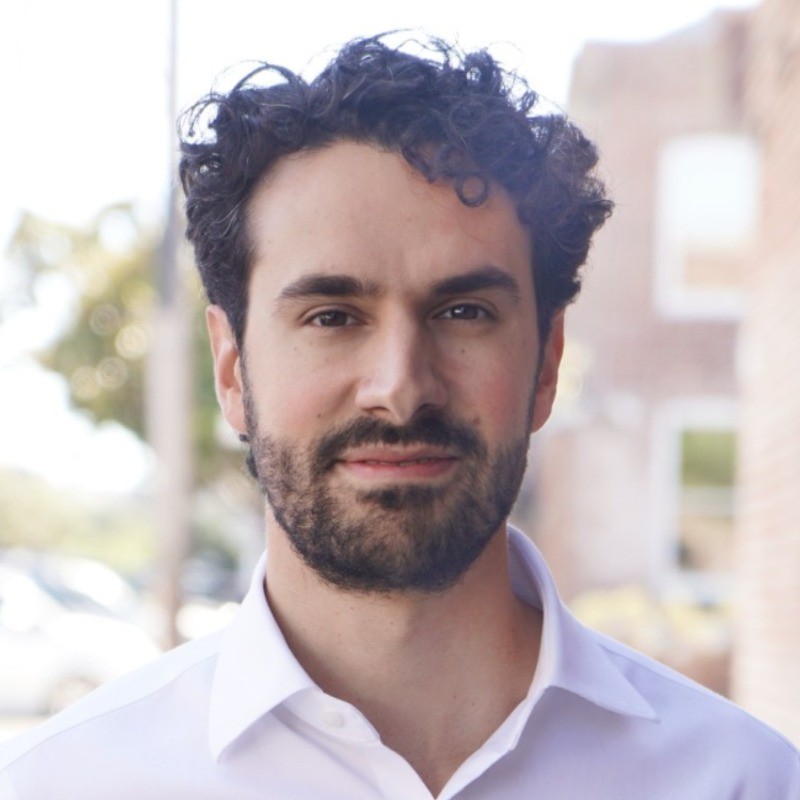
Lucas Ochoa Is Teaching Software to Watch, Learn and Get to Work
Before Lucas Ochoa built agents that click through office software, he designed wallets, robotic hands and expressive machines. Now the Automat CEO is betting that the future of enterprise AI will be won in the least glamorous corner of work: the stubborn space between one screen and the next.
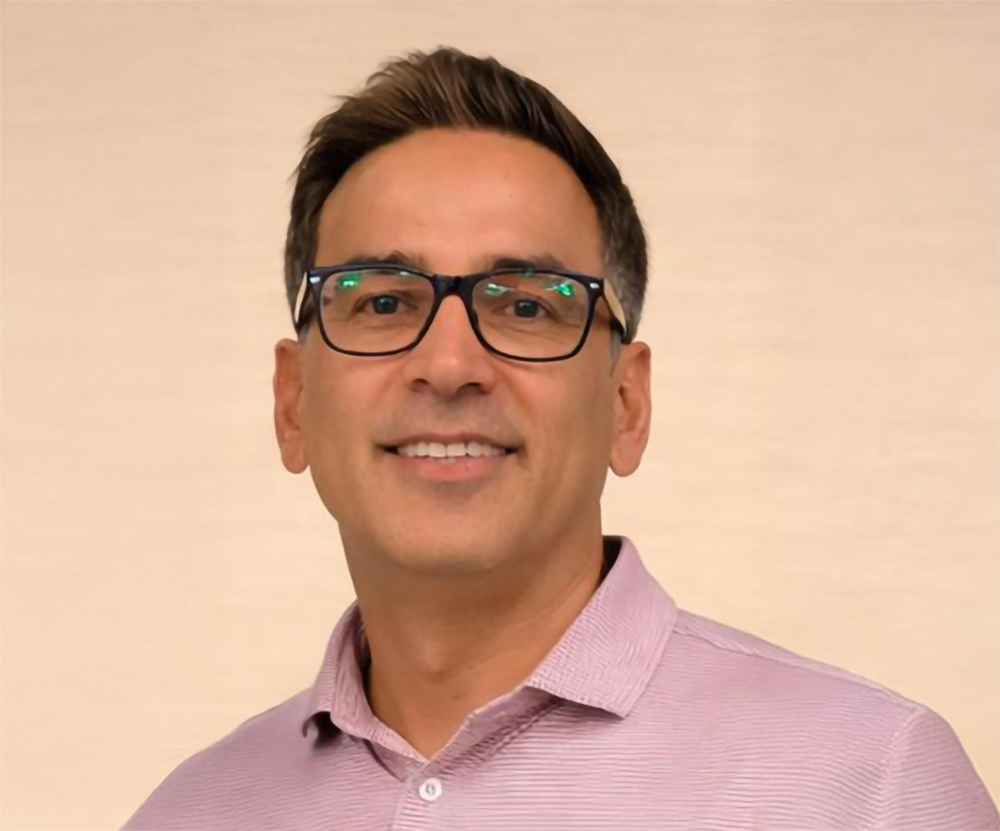
Amit Bhardwaj’s Bet: Make Healthcare AI Feel Like Infrastructure
With 27 years across IT and operations, the Elevance Systems CEO is pursuing a practical idea: technology earns its place when it fits the workflow, secures the foundation, and helps people get on with the job.

Amar Bandaru Built a Career in the Machinery Behind the Moment
Before AI became a boardroom reflex, Amar Bandaru spent two decades doing the quieter work beneath it: building applications, leading distributed teams and translating technical possibility into something a client could use.

Alex Marantelos Is Turning Customer Support’s Blind Spot Into a Feedback Loop
Before he taught AI to inspect customer conversations, Alex Marantelos learned operations by putting hundreds of artists onstage. Now the Intryc CEO is turning support quality from a tiny sample into a living system.
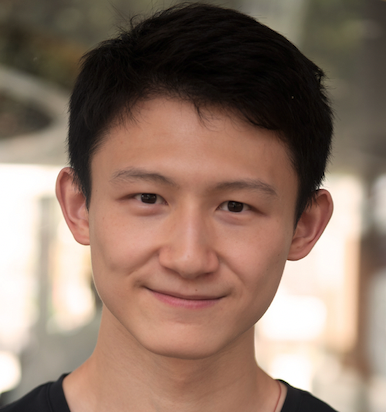
Richard Zhang Is Teaching Software to Take the Side Door
The Integuru co-founder began with a tax problem, found a browser problem underneath it, and built a company around the requests most people never see.

Loki Cheema Learned Freight From the Hold Music
Before he built an AI operating system for trucking, Loki Cheema learned the business one favor, one form and one interminable phone call at a time. Hemut is his attempt to give freight back its hours.

Moody Abdul Is Building AI for the Work Around the Work
The Klarify co-founder has moved from selling enterprise software to automating meetings and, now, the back office of therapy. His bet is simple: AI earns its place by returning attention to people.

Parker Ence Wants AI to Take the Notes - So Advisors Can Stay in the Room
A guitar teacher turned four-time tech CEO found his next company hiding in the least glamorous hour of a financial advisor's day: the paperwork after a good conversation.

Dan Carr Built the Shortcut, Then Followed It Somewhere New
Before AI workflows, Dan Carr made smart contracts less intimidating. His career keeps returning to the same practical question: how much friction can a careful system remove?
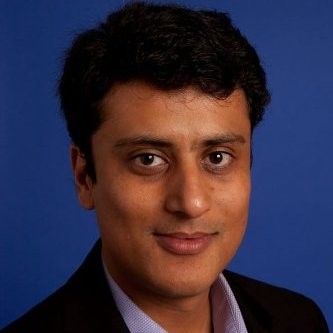
Chitrang Shah Is Building for the Work Between the Cells
After two decades inside enterprise data products, the Savant Labs founder is betting that AI earns its place at work through repeatability, governance, and fewer wasted hours - not a clever demo.
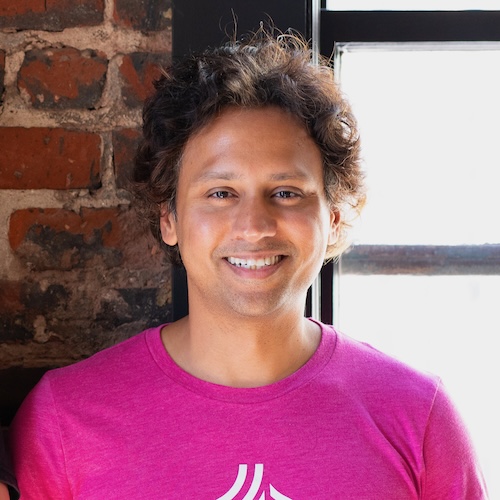
Arjun Vora Is Redesigning the Shift
After designing software for millions of Uber drivers, Arjun Vora noticed who enterprise technology kept leaving behind. Teambridge is his attempt to put flexibility, self-service, and better tools into every hourly worker’s pocket.
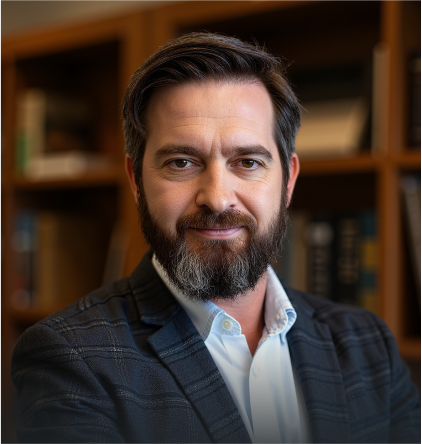
Alex Babin Is Making AI Do the Work Nobody Puts on a Slide
After two decades of chasing hard technical problems, the Hercules co-founder has settled on a stubbornly practical thesis: AI becomes valuable when it checks every invoice, contract and exception before the mistake gets expensive.

Yogi Goel
Yogi Goel is the co-founder and CEO of Maxima, an agentic AI platform that automates the month-end accounting close for enterprises. He spent two decades in the office of the CFO - auditing at EY, running M&A and IPOs at Citi and Barclays, and seven years at Rubrik as a strategic finance leader, where he helped scale the company from $5M to $900M in ARR through its 2024 NYSE IPO. In 2024 he founded Maxima with Akshaya Srivatsa and Jack Liao, raising $41M from Redpoint Ventures, Kleiner Perkins, and Audacious Ventures to rebuild accounting operations around AI agents that reconcile, post journal entries, and co-prepare financial reports alongside human teams.

Justin Fineberg
Justin Fineberg is the co-founder and CEO of Cassidy, a New York-based platform that lets non-technical teams build AI agents and automations powered by their own company data. He got early beta access to OpenAI's GPT-3 in 2020, left a product role at Blade in 2022, and teamed up with engineer Ian Woodfill to launch Cassidy. Alongside building the company, he grew an audience of more than 400,000 followers across TikTok, Instagram, X and YouTube by explaining how AI reshapes business. Cassidy raised a $10M Series A led by HOF Capital in 2025, bringing total funding to roughly $13.7M.

Minna Song
Minna Song is the cofounder and CEO of EliseAI, a New York company that builds conversational AI for property managers and, more recently, healthcare providers. She started the company in 2017 after taking a front-desk job at a real estate firm to see the workflow up close, and in 2025 raised a $250 million Series E led by Andreessen Horowitz at a $2.2 billion valuation. EliseAI now serves roughly 70-75% of the fifty largest U.S. rental operators and crossed $200 million in annual recurring revenue.

Vinay Patankar
Vinay Patankar is the co-founder and CEO of Process Street, an AI-powered workflow and compliance operations platform used by thousands of companies to run recurring checklists, onboarding, and standard operating procedures. A three-time founder and Y Combinator alum (W15), he was the youngest Cisco engineer in Australia at 16, left Sydney at 24 with a copy of The 4-Hour Workweek, and spent roughly a decade as a digital nomad building remote-first businesses before Process Street. The company has raised about $15M from Accel, Salesforce Ventures, and Atlassian and has been remote since day one.
Alejandro Castellano
Alejandro Castellano is the co-founder and CEO of Caddi, a Seattle AI startup that turns a screen recording of someone doing their job into working, API-driven automation - a method the company calls 'record-to-code' or 'automation by demonstration.' Born in Lima, Peru, where he wanted to be an inventor, he started his first company at 19, learned to scale businesses inside a family office he calls his 'on-the-streets MBA,' then earned a master's at Cornell Tech focused on computer vision and machine learning. Caddi emerged from the AI2 Incubator and raised a $5M seed round in 2025 to free lawyers, accountants and financial advisors from repetitive back-office work.

Alex Kelleher
Alex Kelleher is the founder and CEO of Quantum Rise, a Chicago AI consulting startup that raised a $15M seed in 2024 to pursue what he calls 'Consulting 2.0' - replacing billable-hours advice with heavy engineering and automation for mid-market companies. An Oxford-trained experimental psychologist, he has founded four data and decisioning software companies, with exits including Touch Clarity (to Omniture/Adobe), Cognitive Match (to Magnetic), and Vivid Edge. He went on to serve as Global CMO at Deloitte Digital and Chief Data Officer / President of Intelligence at Advantage Solutions. He is also a TED Global speaker and an exhibited artist.
Alex Leonardi
Alex Leonardi is the co-founder and CEO of VectorShift, a New York no-code AI automation platform that lets teams build enterprise-grade LLM applications, search engines, chatbots and workflows by dragging and dropping instead of coding. A Harvard statistics-and-computer-science graduate who built generative AI capabilities at Blackstone, he launched VectorShift in 2023 through Y Combinator's Summer 2023 batch and raised a $3M seed in February 2024. The company has since sharpened its focus into an AI operating system for private market investors.

Bimohit Bawa
Bimohit Bawa is the co-founder and CEO of TrueCare24, a San Francisco-based health and wellness marketplace that connects families and employers with vetted nurses, caregivers, and clinicians for in-home care, telehealth, and on-site COVID-19 testing and vaccination. A software engineer by training - IIT Roorkee, a master's from the University of Pennsylvania, and an MBA from Berkeley Haas - Bawa spent nearly a decade building systems at Cisco and ServiceSource before joining TrueCare24 as its founding technical lead in 2015. He has since steered the company through 500 Startups' accelerator, a pivot into pandemic-era testing logistics, and a current chapter rebuilding senior care around AI and automation.

Geoffrey Mobisson
Geoffrey Mobisson is the Managing Director and CEO of Periti Digital, a HubSpot Elite Partner he leads from Dublin that ranked among the top-three HubSpot consultancies globally in 2024. An MIT-trained electrical engineer with a Harvard MBA, he spent three decades building technology services firms - co-founding the Salesforce consultancy Levementum in 2006 - before turning his attention to the HubSpot ecosystem. Outside the boardroom he is president of Save Our Schools Arizona, a public-education advocacy group. Periti has served 400+ customers across offices in Dublin, Lisbon, Munich and Rotterdam, opening its first North American office near HubSpot's Cambridge headquarters in 2026.
Nikhil Sethi
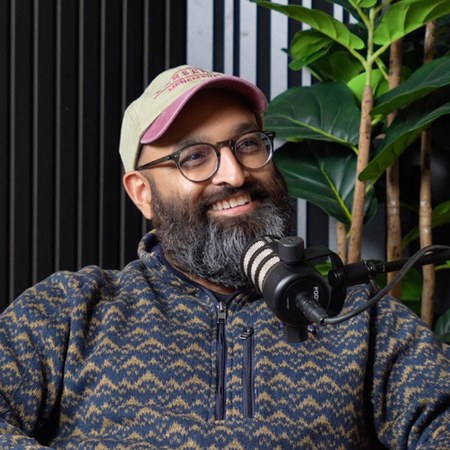
Nikhil Sethi is the co-founder and CEO of Workgrounds, a New York startup using AI to automate the slow, phone-and-email world of corporate hotel room block booking. He is a repeat founder: alongside Garrett Ullom he built the adtech company Adaptly from a Northwestern dorm room into a 200-person business serving brands like PepsiCo, Fox, and Domino's before Accenture acquired it in 2018. After running global programmatic services at Accenture, he reunited with Ullom in 2022 to attack a problem they had both lived through - the painful logistics of booking group travel - raising $2.6M to launch Workgrounds.
Sami Senapathy
Sami (Sahitya) Senapathy is the solo founder and CEO of Endeavor AI, a San Francisco startup applying generative AI agents to the back-office and front-office grind of American factories and distributors. He started coding as a kid, built a FEMA disaster-response app in sixth grade, worked at the Air Force Research Lab at 16, interned at AWS, and shipped Palantir's first commercialized generative AI product in 2023 before launching Endeavor from his University of Pennsylvania dorm room and raising a $7M seed led by Craft Ventures.
Tony Rosinol
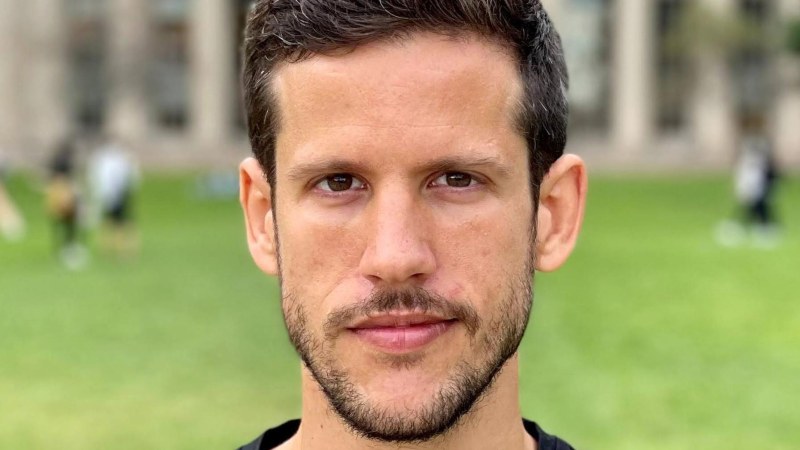
Tony (Antoni) Rosinol is the co-founder and CEO of StackAI, the no-code platform that lets enterprises build, deploy, and govern custom AI agents. An MIT PhD in computer vision and SLAM, he created the open-source Kimera robotics system before pivoting from teaching robots to see the world to teaching agents to run the back office. He started StackAI with fellow MIT PhD Bernard Aceituno out of Y Combinator's Winter 2023 batch, raised nearly $20M, and in May 2026 sold the company to Asana for $75M, where the founders now build toward an operating system for human-agent teams.

Johannes Jaeckle
Johannes Jaeckle is the co-founder and CEO of Heron Data, a New York fintech that uses large language models to automate document-heavy workflows in financial services. Heron reads emails, classifies submissions, extracts data, and syncs it into CRMs and loan platforms for more than 150 customers - from small lenders to FDIC-insured banks - processing over 350,000 documents a week. Jaeckle started building with LLMs in 2020, two years before ChatGPT went public, after a fintech operating career that included running the remittance company Taptap Send and serving as UK Managing Director of Segovia Technology. In July 2025 Heron raised a $16.6M Series A led by Insight Partners.
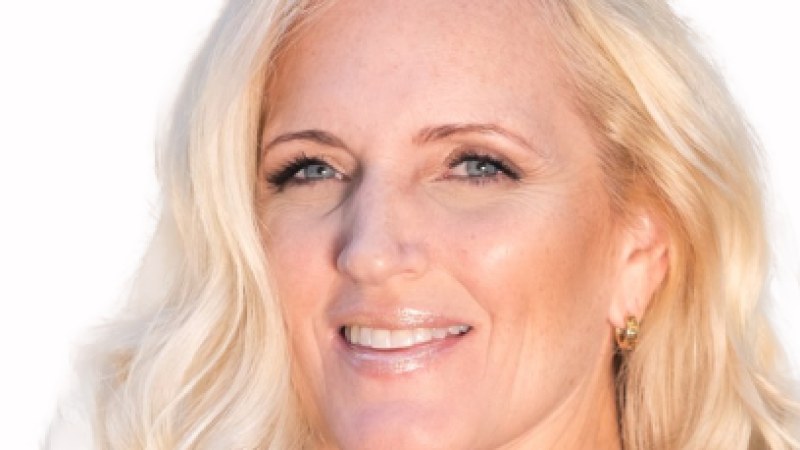
Diana Frappier
Diana Frappier is the co-founder of Promise, an Oakland-based AI-powered government payment platform that helps municipalities and utilities distribute relief, recover revenue, and automate eligibility checks at scale. A UC Hastings-trained lawyer turned social entrepreneur, she co-founded the Ella Baker Center for Human Rights with Van Jones in 1996, helped launch the first Green Jobs Corps in Oakland, and then pivoted to fintech after years running operations at Green For All and Honor. At Promise, she and CEO Phaedra Ellis-Lamkins have raised over $48M and built a platform that has distributed $150M+ in government relief to hundreds of thousands of residents.