ai-agents
(420)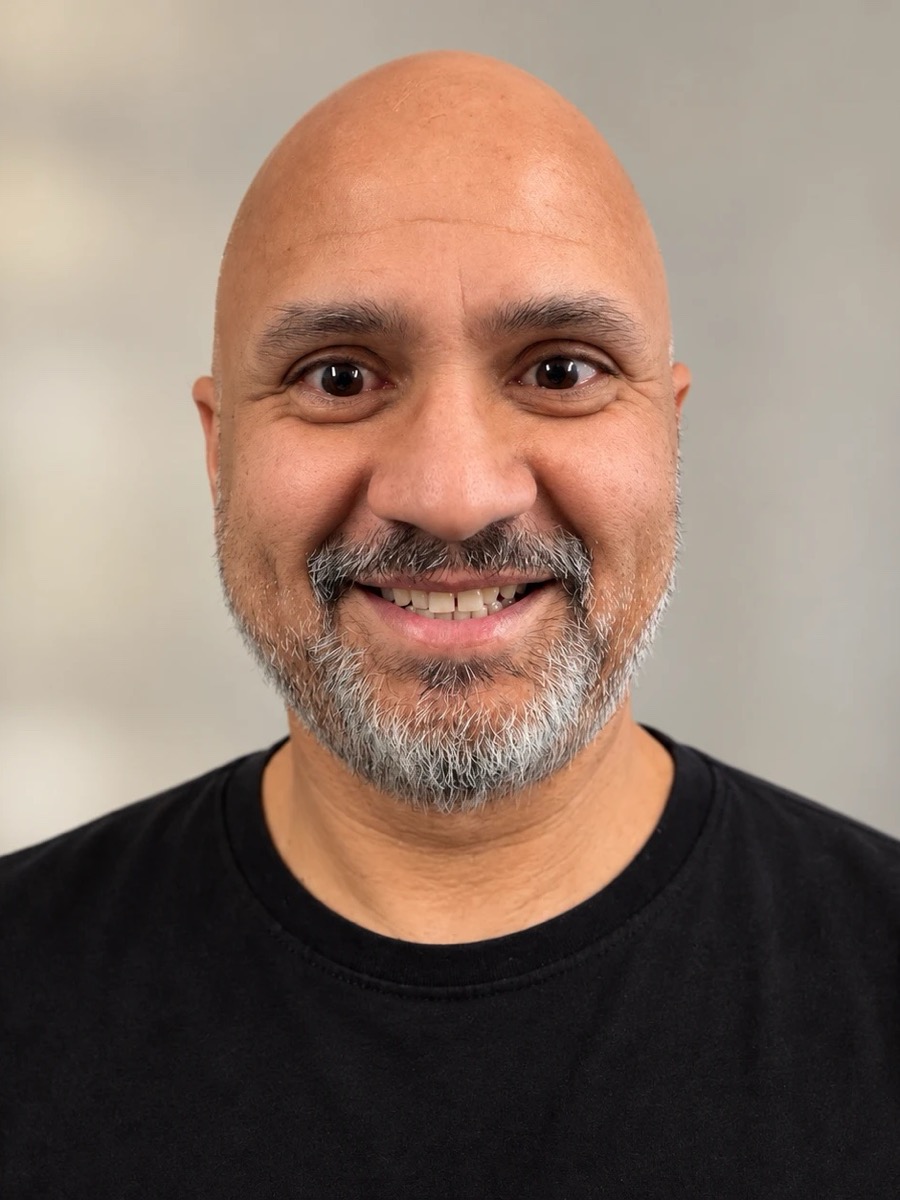
Tarun Upaday wants proof that the job is done
From card payments in Delhi to airline operations at Routespring, Tarun Upaday keeps returning to the awkward space between a system saying yes and a job actually getting done.

Zhao Jiehui wants the software to earn its keep
From Huawei routers to Deepexi’s enterprise AI, Zhao Jiehui has kept returning to an awkward question: what does the customer actually get? His answer now involves AI employees, company knowledge and a healthy impatience with fashionable labels.
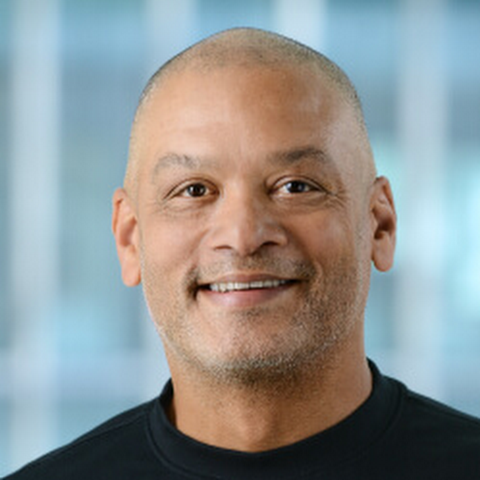
Charley Moore wants the law to fit the rest of us
A childhood in the family service stations, a Navy commission, and a seat at Silicon Valley’s legal table gave Rocket Lawyer’s founder a lasting question: who gets help? At Invictus AI, he is asking it again.

Serge Garden and the buyer who won’t applaud
The AVB Invest founder moved from systems architecture into venture building. His stories keep returning to a stubborn question: who will pay for what the technology can do?
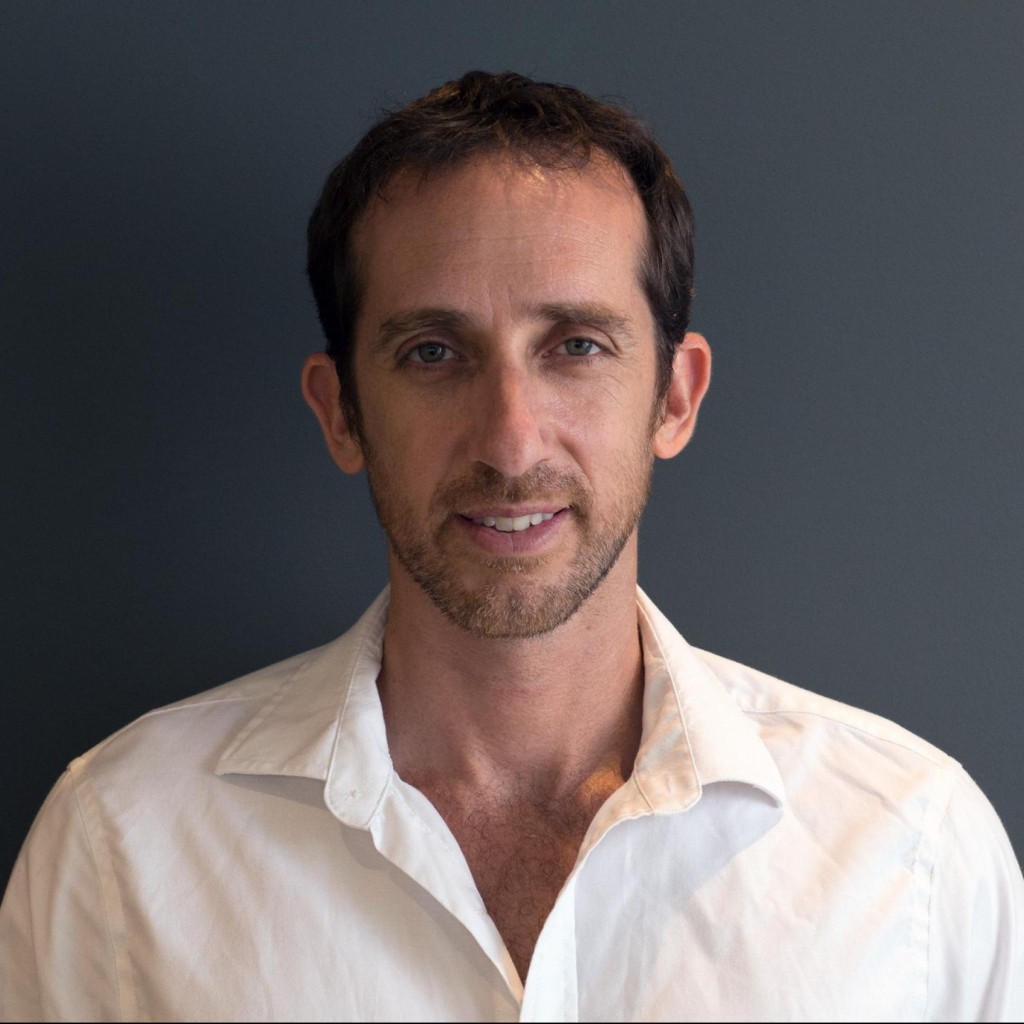
Tomer Levy wants to give engineers their time back
A flying lesson, a fight over open source, and a second startup built around a familiar frustration: Tomer Levy has spent years trying to make software less work to look after.
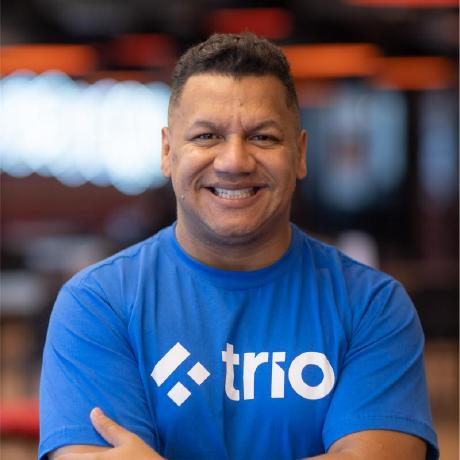
Daniel Alcanja learned to code. Then he learned to open doors.
A computer course paid for with coconut water. A career carried across languages. At Trio and Microapp, Daniel Alcanja keeps returning to the same question: who gets a chance to build?

Chandra Kotaru wants the network to do more
From emergency alerts to NextGen TV and AI agents, the Mobius by Gaian founder has kept returning to a practical question: what else can the infrastructure deliver?
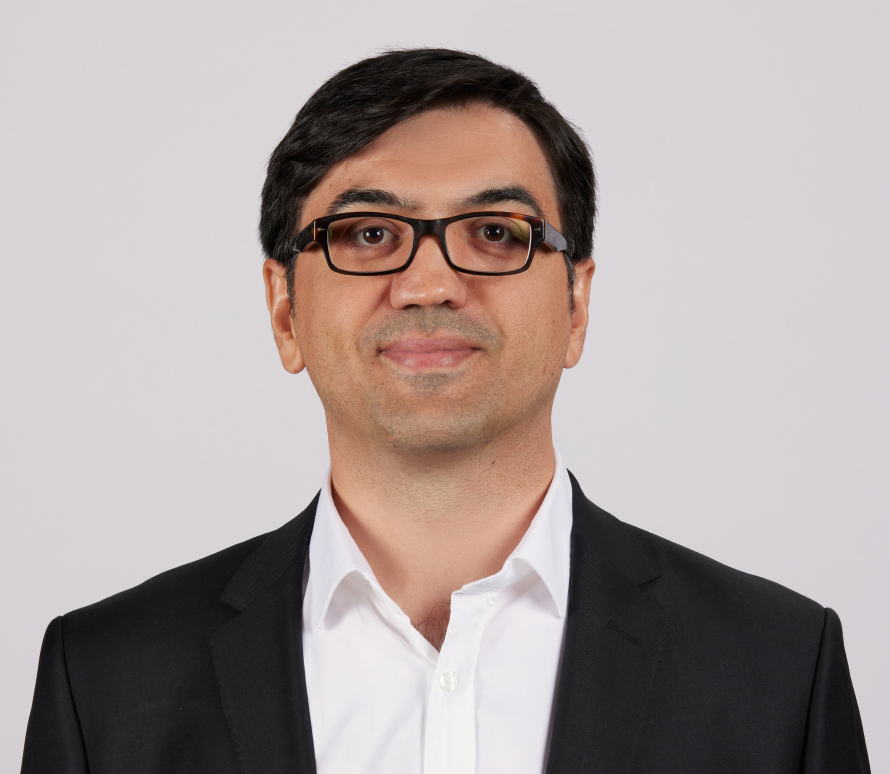
Huzeyfe Onal wants to give defenders a head start
Before SOCRadar, Huzeyfe Onal helped security practitioners share what they knew. Now he is applying that teaching instinct to threat intelligence, with an increasingly experimental interest in AI.
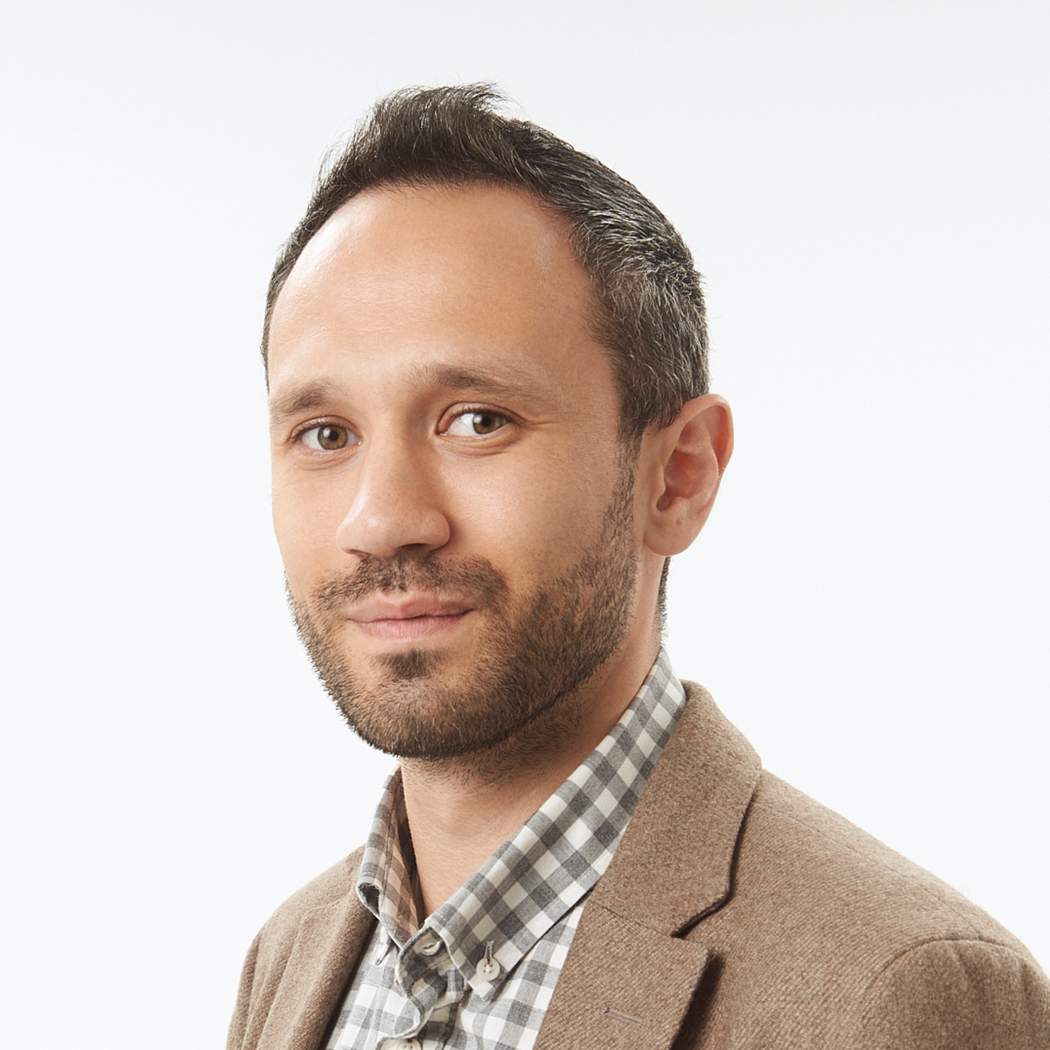
Vladimir Makeev learned to code. Then came the six-month sale.
Surf began with three students, Java skills and two failed startup attempts. Vladimir Makeev’s next education involved finding customers, teaching engineers and deciding which new technologies deserve a place in the business.
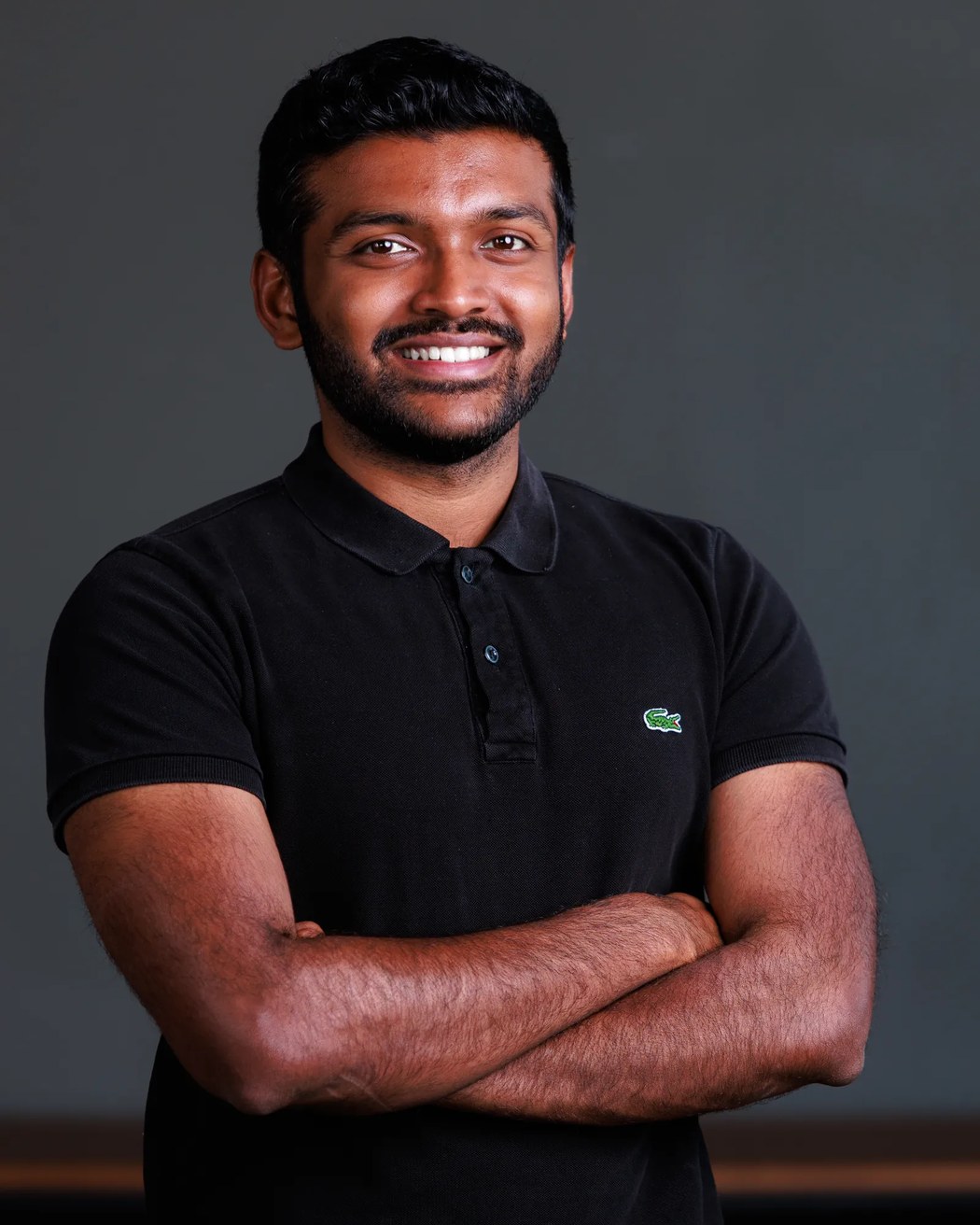
Anand Kannappan and the trouble with a passing grade
A bank’s ban on ChatGPT helped send Anand Kannappan into the business of testing AI. Now the Patronus AI co-founder is building worlds where agents can practise - and where the exam keeps getting harder.

Robin Van Aeken and the fortune hiding in the paperwork
An Oxford pinkie promise eventually became Magentic. After years advising manufacturers, Robin Van Aeken is building AI workers to chase the savings buried in contracts, orders and invoices.
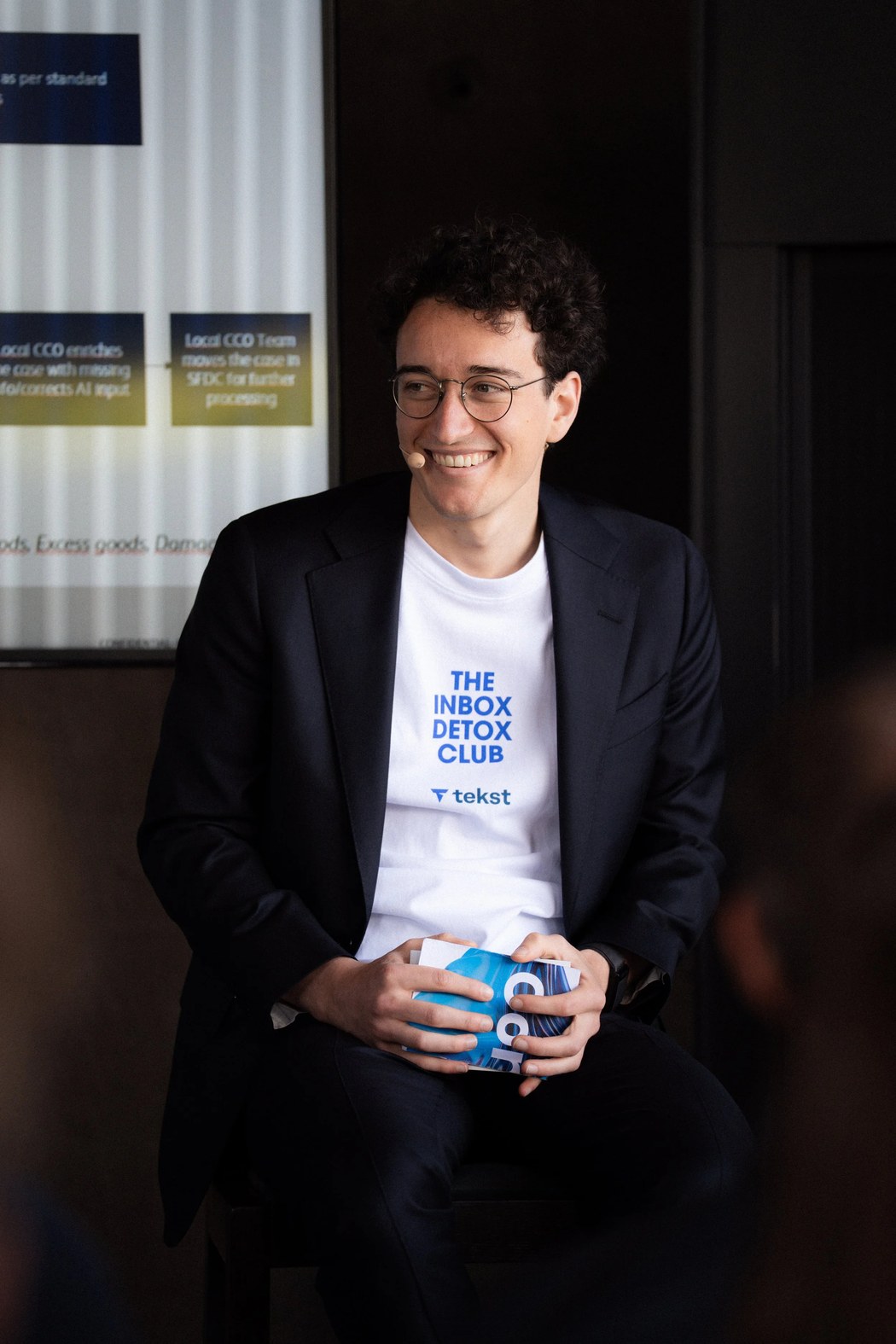
Wouter Janssen took the call
A customer rang during his thesis defence. Wouter Janssen answered. The Tekst co-founder has been following the work inside other people’s inboxes ever since.
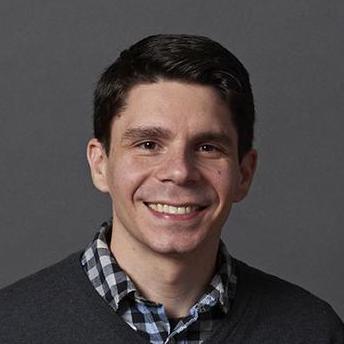
Jake Moshenko and the trouble with a simple permission
A reasonable request at Quay exposed a problem that kept returning. Now the AuthZed co-founder is building permissions infrastructure for people, teams and the agents joining them.
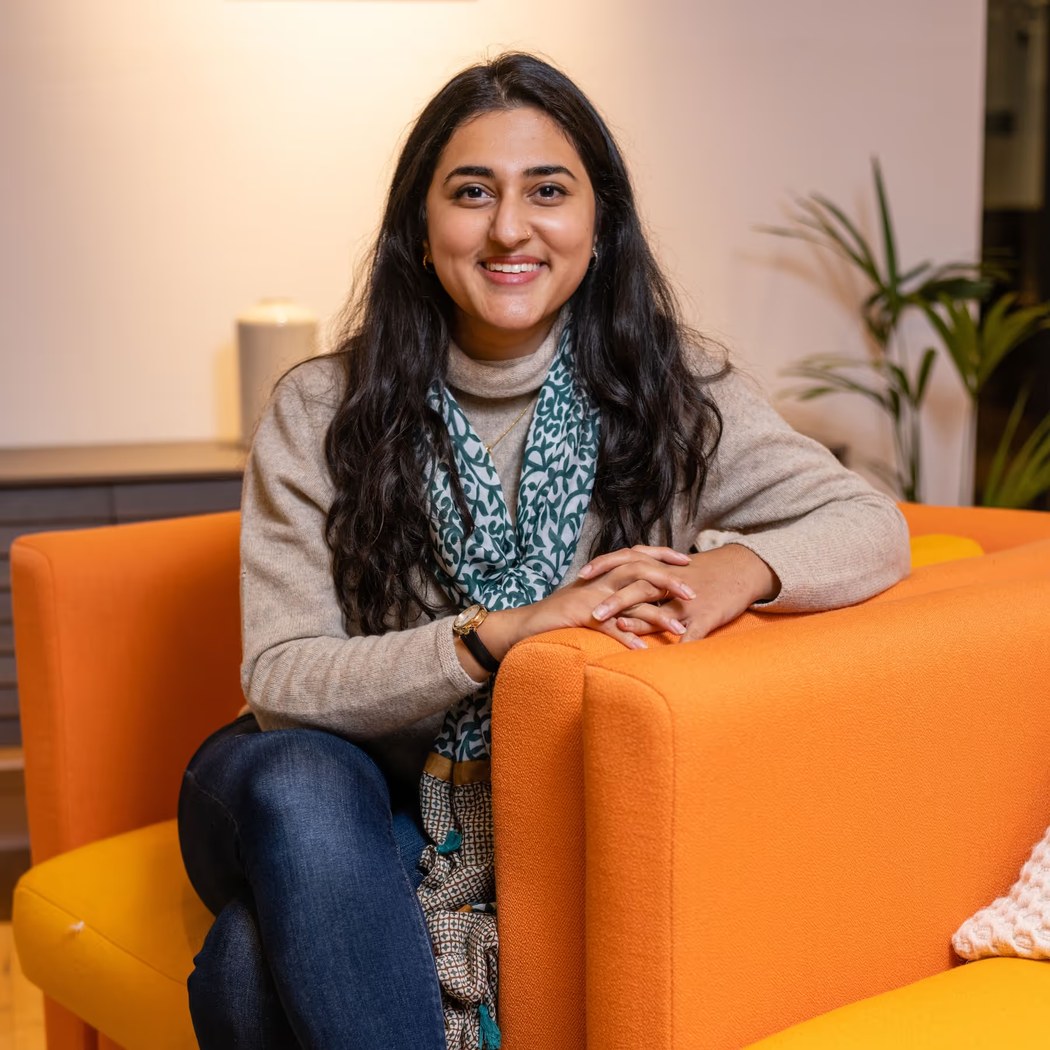
Richa Kaul would like to know why you need her data
She used to work on the rules that shape technology. Now the London-based founder of Complyance is building software for the people who have to live by them - starting with a very personal objection to giving too much away.
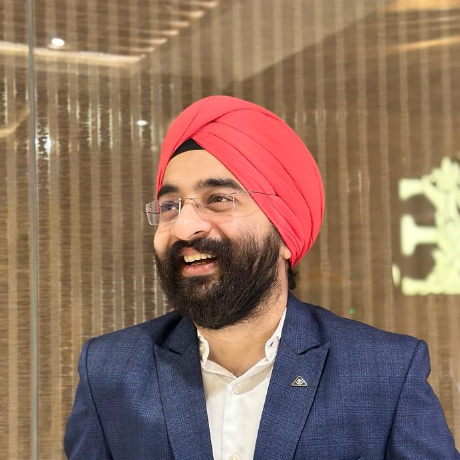
Taranjeet Singh and the things worth remembering
After six unsuccessful applications to Y Combinator, Taranjeet Singh got in with a company built around a familiar irritation: having to explain yourself again. At Mem0, he is turning that irritation into infrastructure.
Nikolaus Volk and the distance between a click and a car
He co-founded Kyte to bring rental cars to the doorstep. After its shutdown, Nikolaus Volk carried a team into Wheels, then returned to Munich to help build Sierra’s business in Germany, Austria and Switzerland.
Jared Shulman and the money that was already there
He built a business lending money to companies. Then their unpaid invoices led Jared Shulman to a different question: what would it take to get the money they had already earned?
Steve Hind won the argument. Then he had to solve the problem.
A world debating champion took the long route through consulting, hedge funds and Stripe to co-found Lorikeet. Now Steve Hind is betting that AI should be judged by the job it finishes.

Maxime Beauchemin and the trouble with doing things twice
He built Airflow to untangle data pipelines and Superset to see what was inside them. Now Preset founder Maxime Beauchemin is tackling another workplace complication: keeping humans and AI agents on the same page.
Michael Karnjanaprakorn and the trouble with winning
After Skillshare and the sale of Otis, Michael Karnjanaprakorn began questioning the rewards of building another company. His latest experiment brings him back to the pleasure of making something himself.

Soham Ganatra and the Trouble with Polite Customers
Before Composio connected AI agents to the working world, Soham Ganatra had to change who he listened to. A failed first attempt taught him to seek out the people who owed him nothing.
Yves-Gabriel Leboeuf and the trouble with getting in
Before Flinks and Deck, Yves-Gabriel Leboeuf sold bicycles. His next businesses took on a different kind of friction: the distance between having information and being able to use it.
Sandro Munda and the software nobody came to see
A freelance developer kept rebuilding the same backstage tools. Sandro Munda turned that frustration into Forest Admin, then returned to a familiar question: why must every new app start from scratch?
Han Wang and the value of a wrong turn
Before Mintlify served millions of readers, Han Wang and Hahnbee Lee built a documentation site its first customer could not edit. The missing features taught them where to go next.
Akshat Tyagi’s education in being wrong
Before Metaforms, Akshat Tyagi questioned how people learn. Building an AI company for research agencies gave the author and founder a demanding new classroom: the customer’s working day.
Melisa Tokmak and the cost of an unanswered call
From her parents’ perfume shop in Salihli to the software teams of Silicon Valley, Melisa Tokmak kept returning to the same question: who gets served? At Netic, she is building AI for the businesses that answer when something breaks.
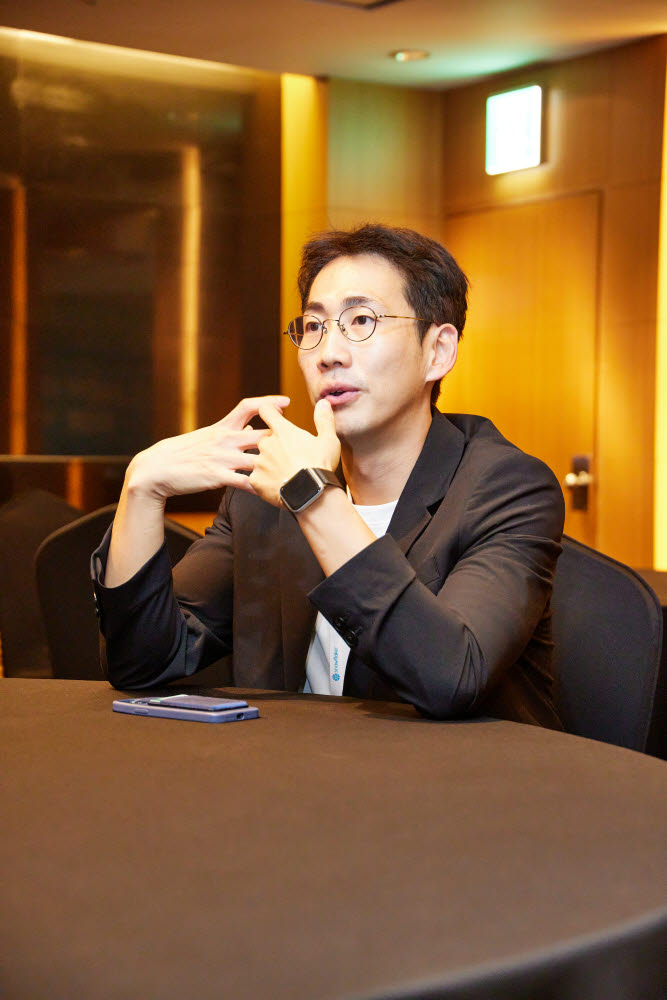
Hunjae Jung and the work behind the click
Before he became Airbridge’s co-CEO, Hunjae Jung spent a decade building the machinery behind its marketing numbers. His next project asks what happens when that machinery can make decisions, too.
George Kurdin learned when to fold. Then he built Monk.
After professional poker, creator software, and a profitable startup he chose to close, George Kurdin turned to the business of getting businesses paid. At Monk, his next bet depends on knowing exactly when an AI system should stop and ask a person.
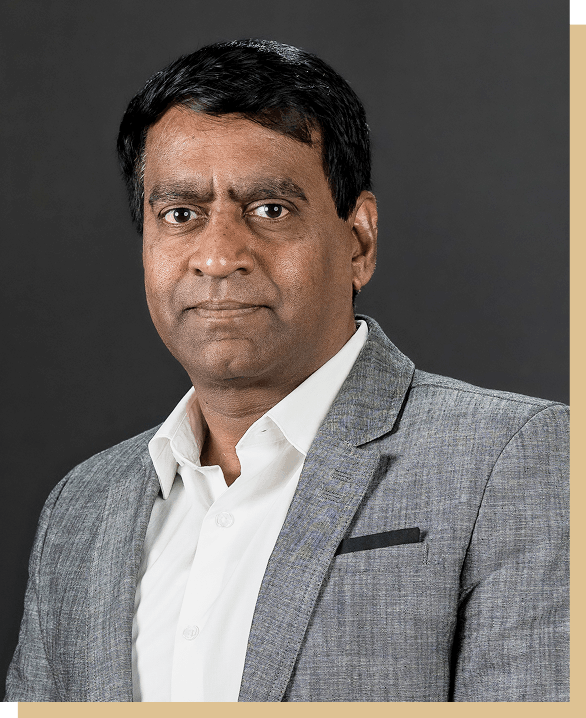
Praveen Kola and the unfinished business of AI
Before founding RandomTrees, Praveen Kola worked on the data systems that keep large companies running. His next chapter puts AI to work on the awkward jobs those systems leave behind.
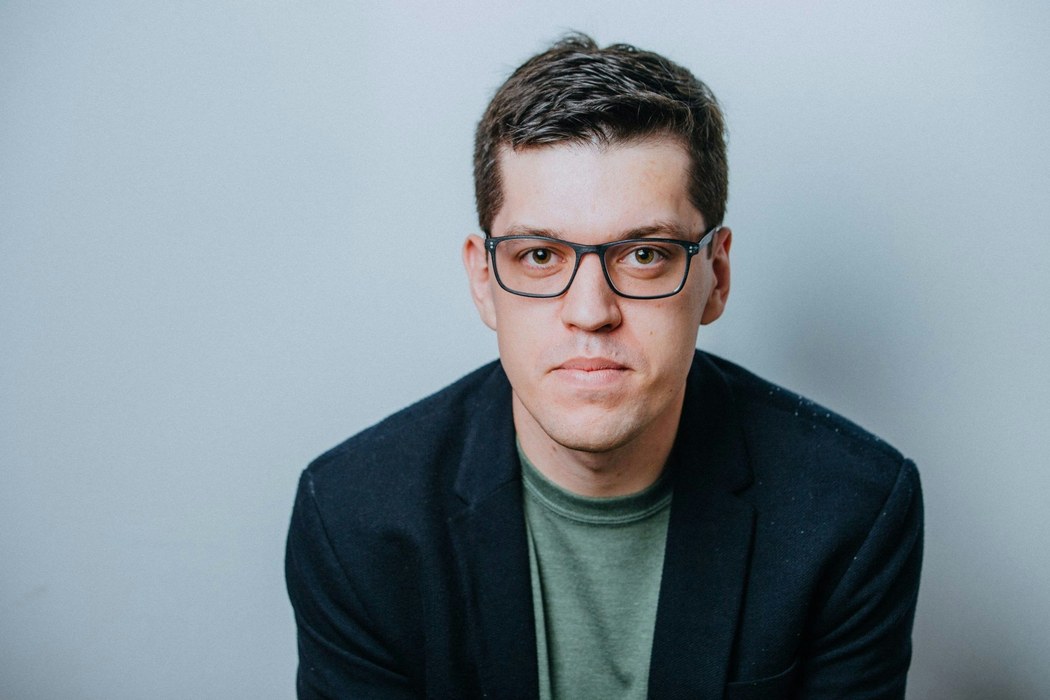
Stakh Vozniak and the problem of the second phone call
Before building AI workers for freight, Stakh Vozniak spent his days making dispatch calls himself. His route from a Ukrainian juice factory to Cargofy runs through Iowa, unwanted digital gold stars and a plan to bring hard-won experience home.