Steve Hind’s team had the last word. In January 2010, he and Chris Croke won the World Universities Debating Championship in Antalya, Turkey, representing the University of Sydney. Their opponents in the final included Oxford, Harvard and the London School of Economics. Hind later explained one advantage of their position in the speaking order: the other side could not reply. Anyone who has endured a committee meeting will appreciate the attraction.
He had been debating since early high school. Victory followed years of practice, reading and feedback from adjudicators. His explanation emphasized preparation repeated until it worked. The trophy arrived long before the company. Between that final and Lorikeet, the AI customer experience business he co-founded with Jamie Hall in 2023, Hind would try consulting, an MBA, investing and product leadership.
His current work presents a less accommodating test than a debating final. A customer with a missing card or an unresolved account question is unlikely to award points for eloquence. They need something to happen. Hind has spent much of his working life moving closer to that moment: the place where an explanation must become an action.
The trouble with a good argument
Competitive success can leave a complicated inheritance. Looking back on debating, Hind has questioned how much he enjoyed the activity itself and how much he was driven by determination to win. It is an unusually candid distinction for someone with a world title. A trophy is an efficient object. It keeps the result and discards the uncertainty that preceded it.
The habit of asking what a result actually means turns up throughout his later work. Winning a debate is clear enough: a judging panel decides. Running a business introduces several constituencies with different scorecards. A vendor wants revenue. A support manager wants a manageable queue. A customer wants their account fixed before dinner. Everyone can leave the same conversation with a different definition of success.
Hind’s route into those competing definitions began at Boston Consulting Group, where he worked from 2012 to 2014. He valued the training. He also found it frustrating to care about the outcome of advice without being able to stay and implement it. The presentation could end while the consequences were still waiting to begin. He wanted a longer relationship with the work.
- 2010World debating title
- 2012–14BCG · consulting
- 2016–19Bridgewater · investing
- 2019–23Stripe, then Watershed · product
- 2023Lorikeet · co-founder
A CV with connecting flights
Hind earned economics and law degrees at the University of Sydney, then completed an MBA at Harvard Business School between 2014 and 2016. He graduated as a Baker Scholar, the distinction awarded to the top five percent of the class. His activities included leading the Harbus student newspaper and co-founding One for the World’s HBS group. Even the extracurricular column had several departments.
A spell at the Sydney startup Qwilr helped draw him toward technology. Bridgewater Associates then offered a financially attractive opportunity while he was paying for his MBA. He took it, spending 2016 to 2019 as a senior investment associate. Returning to technology afterwards required finding an employer willing to see the connection across those experiences. Stripe provided that opening.
At Stripe, he moved through special projects, product management and product leadership. Watershed followed in 2022. The sequence put him inside businesses at different stages of growth, working with the operational teams that keep a software company functioning after the software has been sold. Those teams deal with exceptions, incomplete information and customers whose circumstances refuse to fit a convenient box.
He describes his career as meandering rather than inevitable. That admission makes the sequence easier to understand. Someone who knows precisely what they want can take a direct route. Someone still discovering it has a different problem: make each stop teach something useful. Hind’s eventual company drew on those stops without requiring them to have been planned in advance.
The parrot and the procedure
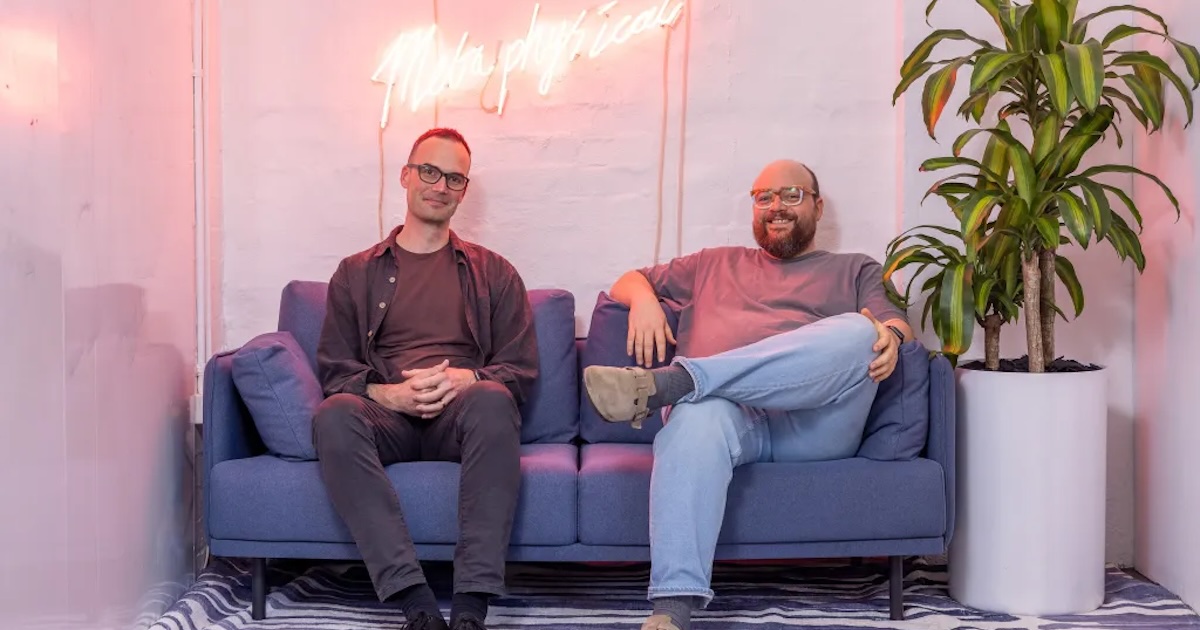
While experimenting with early language models outside work, Hind became interested in their potential for operations. He and Hall had mutual friends from university and some existing acquaintance. Hall brought experience from Google Brain; Hind brought experience of the teams and workflows they hoped to serve. Their company would address customer requests that require more than finding a paragraph in a help centre.
The name came with a small discovery: both founders counted the rainbow lorikeet as their favorite bird. Hind liked its color, its conspicuous voice and its Australian identity. In his description, the name was “unapologetically from Australia.” A memorable choice for a support company, although anyone familiar with parrots might reasonably hope the software would be quieter.
The operational premise was more restrained. A useful support agent needs to understand the request, inspect the relevant information and follow the company’s procedure. Replacing a card can involve account status, identity checks and an action in another system. Fluency alone cannot complete those steps. It needs permission, context and a dependable sequence.
Lorikeet’s early technical design organized work around workflows, using language models for specific tasks within them. That makes the boundary between conversation and action deliberate. The question is how to let software understand a customer’s ordinary language while keeping business decisions within the rules the company has established. For Hind, the attraction lies in what that combination can finish.
“If you’re using AI to create great outcomes for your customers, you’re an AI company.”
Steve Hind
The customer has a different scorecard
Hind’s criticism of support metrics is particularly pointed. Deflection can look attractive on a dashboard: fewer requests reach a human. But a customer who gives up also disappears from a queue. A number can improve while the experience deteriorates. It is the sort of accounting trick that would be less popular if the person waiting could choose the denominator.
He argues for judging whether an interaction represents the way a business wants to treat its customers. That requires looking at individual conversations as well as aggregate results. An AI that attempts everything can create many unsuccessful exchanges even while reporting an appealing automation percentage. Knowing when to seek help becomes part of doing the job well.
Funding gave the argument a larger stage. In August 2025, Lorikeet announced a $35 million Series A led by QED Investors, taking reported total funding beyond $50 million. Backers included Blackbird, Square Peg and Airtree. Customers named in the announcement included Airwallex, Linktree and Flex. These were company milestones; the customer’s test remained stubbornly individual.
In January 2026, Hind introduced Coach, an agent designed to examine support conversations, diagnose quality problems and propose improvements. Resolution Loop followed in March, allowing human experts to contribute to an AI-led conversation, including by acting in the background. A difficult request could receive human judgment without requiring the customer to start the entire story again.
Give people something they can use
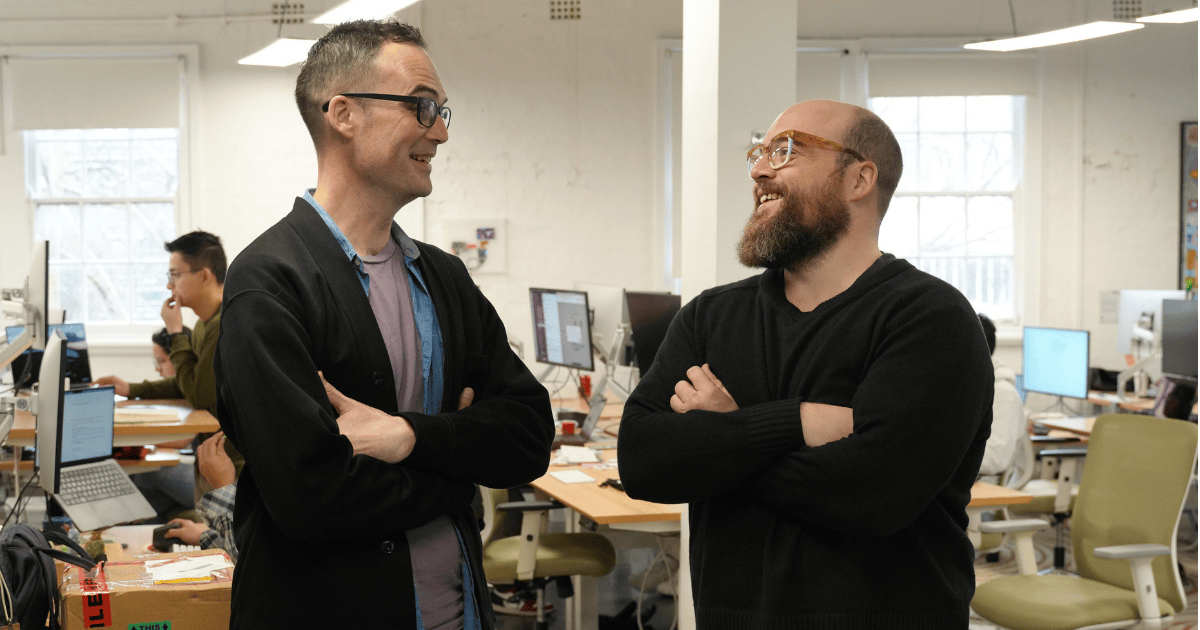
Hind’s hiring philosophy asks candidates to explain their contribution in context. He looks for “wins over replacement”: what did they achieve beyond what another similarly qualified person might have done? It is a useful question when the employer’s reputation threatens to do all the talking. A successful company can lend everyone inside it an impressive silhouette.
His description of Lorikeet’s internal AI adoption gives that interest in initiative an organizational form. In March 2026, he wrote that all 70 people at the company used Claude Code day to day. Useful leadership workflows were generalized and shared so colleagues could adapt them to their roles. Access and practical help mattered alongside the software itself.
He described people making internal tools, microsites and even an internal podcast. One non-engineer in sales was building a planner connected to her work systems. Such examples reveal a specific ambition for the workplace: let people who notice a problem get closer to fixing it. The distance between identifying work and being allowed to do it should shrink.
When the customer sends a representative
By September 2026, Hind was addressing a new complication. Customers were beginning to send personal AI agents to research products, make requests and transact for them. Lorikeet launched B2A, short for business to agent, with tools for serving that traffic. Agent detection followed later in the month. The support desk was acquiring a new kind of visitor.
The customer’s goal remains at the centre, even when software carries the conversation.
In October, he published Lorikeet’s AX Index, testing how 50 US consumer brands handled customers’ AI agents. The company reported sending more than 1,000 agents and assessing service, authority, access and readability. Its average score was 42 out of 100. These were Lorikeet’s own findings, a snapshot of the environment it was building products to serve.
The change adds an interesting wrinkle to Hind’s original problem. An assistant can be persistent, precise and endlessly available. It still needs a business willing and able to help. Identity, authorization and clear procedures become part of the conversation before a transaction can happen. The request may arrive faster; responsibility for answering it remains.
In Turkey, Hind and Croke occupied a speaking position that let them finish without a reply. Customer experience offers no comparable privilege. The customer can return, complain, leave or ask their own software to try again. Hind’s company is being built in that less forgiving arena, where the final word belongs to whoever can say the problem is solved.