ai-agents
(79)
Premera Built 900 AI Agents and Beat the Contract Clock
Premera Blue Cross says a contract workflow dropped from 30–45 minutes to about three with Microsoft Copilot. Behind its 900 agents sits a less glamorous achievement: teaching people to build within the rules.

Pythian Says AI Cut Database Resolution Time by 80%
Across 15,000 monthly database tickets, Pythian says AI agents prepare the first runbook before an engineer steps in. Its reported gains reveal a workflow built around people, training and continuous upkeep.

India’s AI Spending Soars. Governance Misses the Meeting
ServiceNow reports a 119% jump in India’s enterprise AI investment, yet only 22% report testing, auditing and risk-assessment processes. The next spending decision turns on who gives agents permission to act—and who can stop them.
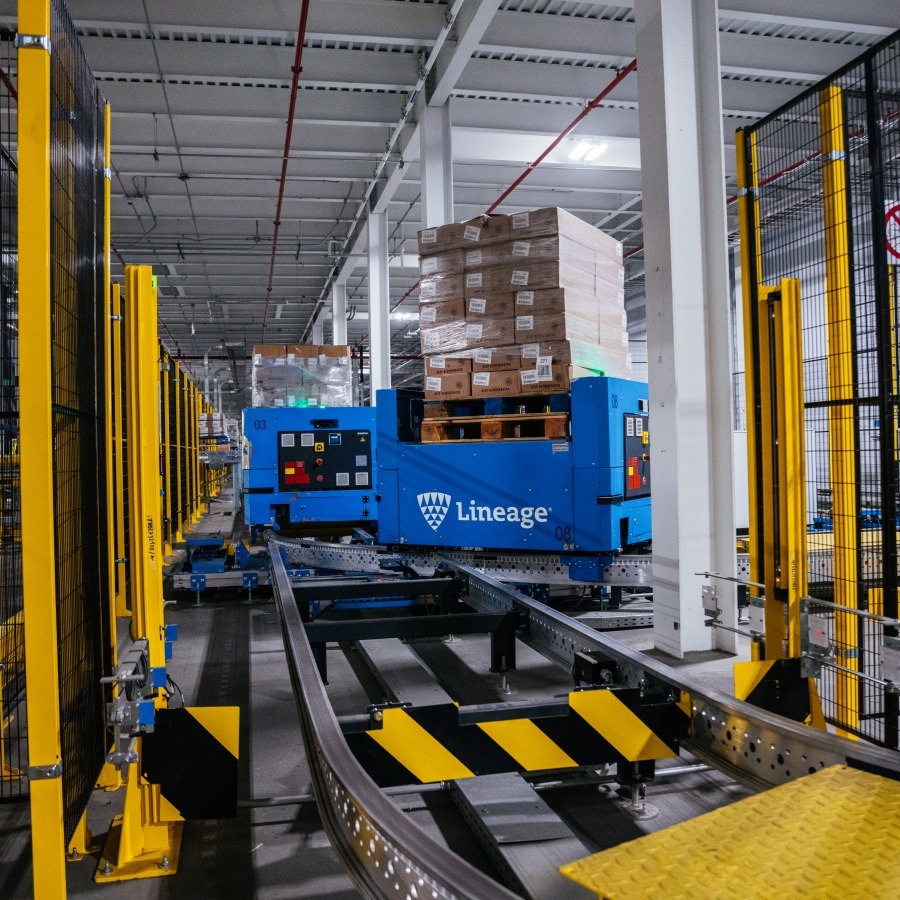
Pallet Makes AI Rehearse Before the Shipment Moves
Before an AI agent gets a live shipment, Pallet puts it through thousands of simulations. The revealing question is what happens when the paperwork stops making sense.

Prism Logistix Added 20 AI Agents—and Kept Hiring
With 20,000 customer rules threatening its growth, Prism Logistix put Pallet’s AI agents to work across the freight back office. It reports a 10% net-margin improvement, faster employee ramp-up, and more hiring in sales and account management.
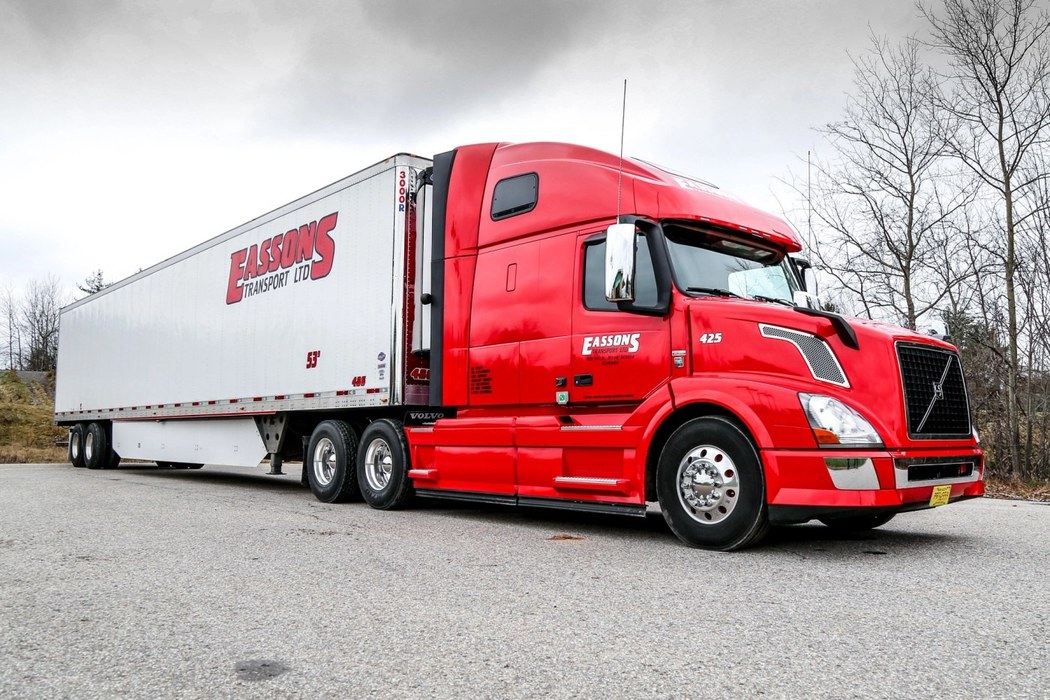
Eassons’ 98% Touchless Load Entry Started With Recipe Cards
A recipe-card holder held the customer rules that kept Eassons’ freight moving. Teaching those rules to a Pallet agent turned a fragile store of human knowledge into 98% touchless load building.
Pallet Fabric Gives AI the Keys to AS/400
The hardest part of enterprise AI is getting through the door. Pallet Fabric connects agents to green screens, TMS software, inboxes, and portals so they can finish the work where it already lives.

Your Freight AI Agent Is Only as Good as Its TMS Connection
A freight agent can answer the phone in seconds and still leave a broker retyping the load. Here is what the public documentation actually shows for McLeod, Turvo, Alvys, Tai and Rose Rocket - and what to demand before signing.
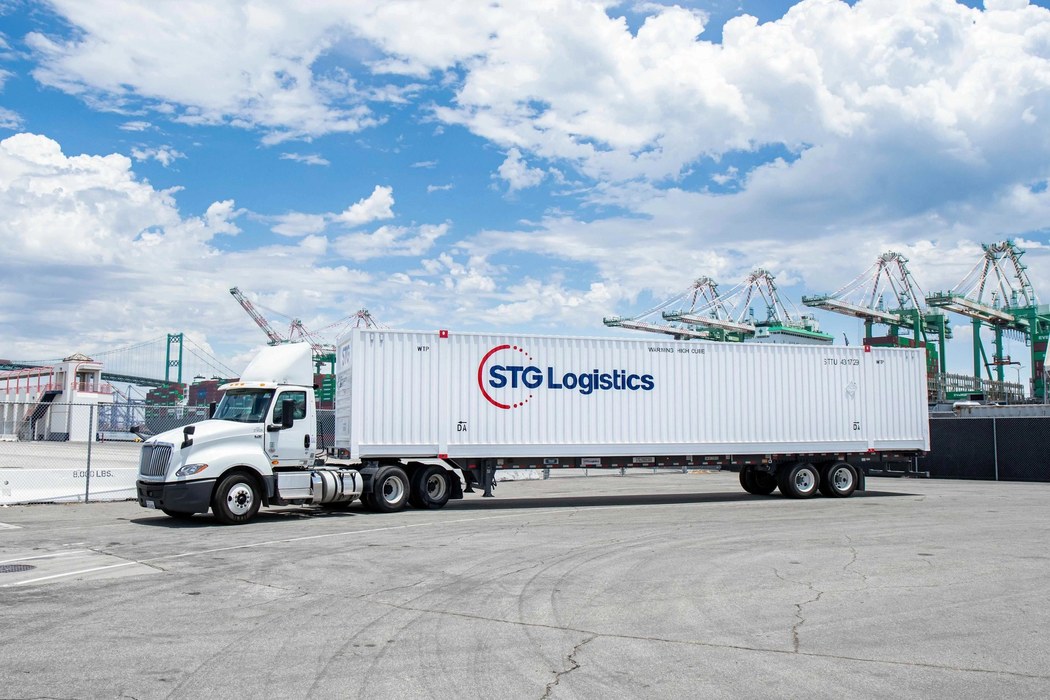
How STG Logistics Made 95% of Intermodal Orders Touchless
Fifteen people were losing most of their day to five-minute data-entry jobs. Pallet learned the mess around the forms—and gave the operation its time back.

How Lineage Put 2 Million Logistics Workflows on Autopilot
Inside the cold-chain giant’s 49-day sprint from manual data entry to AI agents that read messy freight documents, build orders and make judgment calls at operator-level accuracy.

We’re Giving Logistics Teams Their Working Day Back
Behind every arriving shipment is someone making the details work. Our customer stories show what happens when experienced logistics teams spend less of their day entering orders.

Which AI Agent Platform Survives the Compliance Room?
Pypestream, Teneo.ai, Microsoft Copilot Studio and Parloa can all automate customer conversations. The harder question is which one gives security, legal and operations enough evidence to approve the agent and keep it under control.
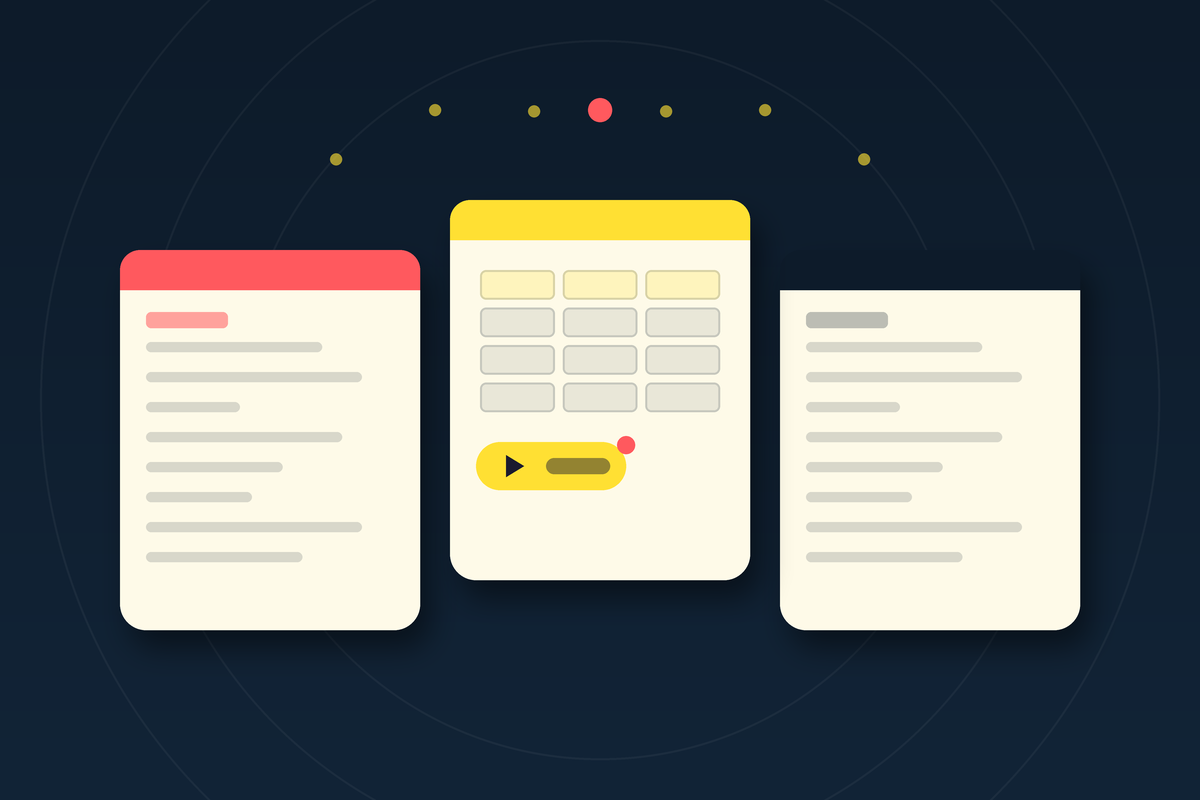
The Quiet War To Turn Your Documents Into Software
Coda, Notion, and Airtable all sell the same dream - one place to write, plan, and run your team. Look closer and they are three very different bets on what a document is even supposed to be.
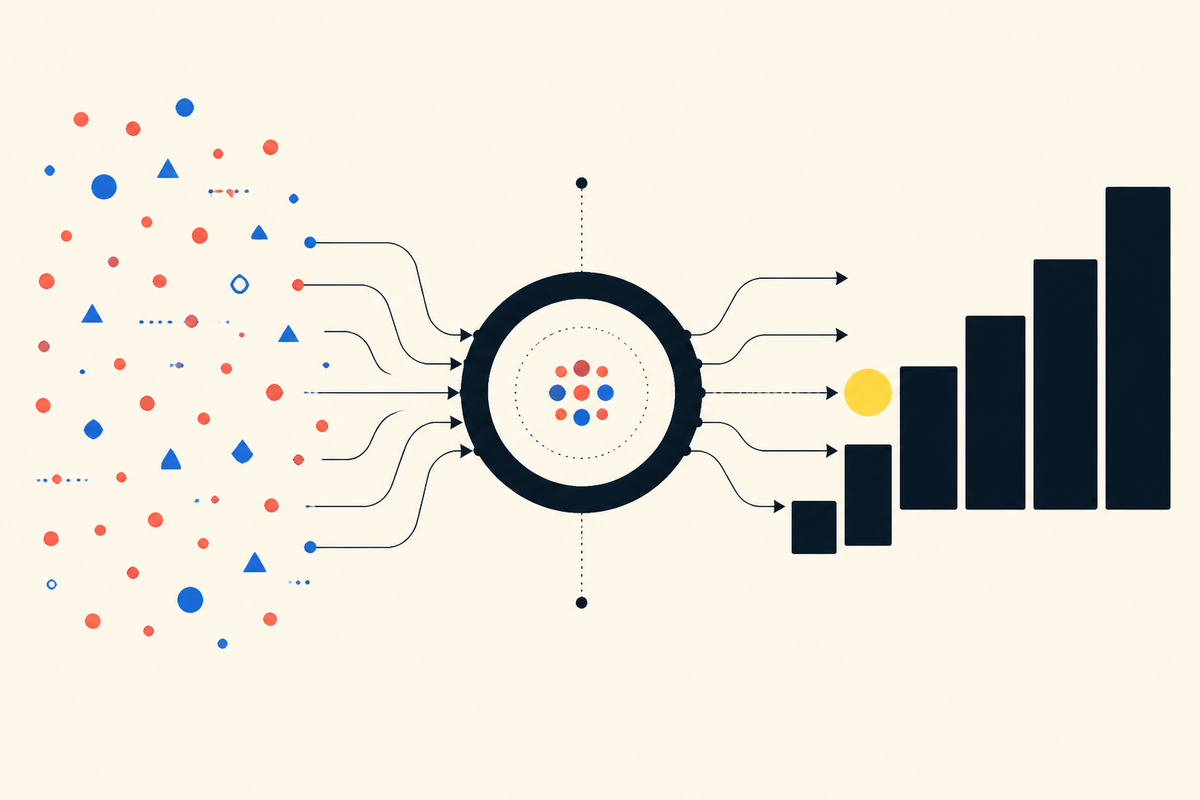
Sprig vs airfocus Is a Choice Between Evidence and Execution
Sprig helps teams gather and synthesize customer evidence. airfocus helps them turn that signal into priorities, roadmaps and accountable product decisions.

Zendesk and Upland Split the AI Support Stack
Zendesk wants to own the road from question to resolution. Upland RightAnswers is betting that the most valuable piece can travel across every road a company already uses.

Kaizan Wants to Turn Client Whisper Networks Into Software
The London startup is betting that the most valuable customer data is hiding in calls, inboxes and awkward silences. Its new CARE model turns those fragments into a live account health system - and a to-do list for AI agents.

Six Customer Success Tools Rewriting the Post-Sale Playbook
Stonly, Cast, ZapScale, Usetiful, Kaizan and Userpilot reveal how customer success is splitting into a stack of guidance, intelligence and action.

How Jotform Out-Focused Microsoft in the Form Builder Wars
One is a 20-year-old bootstrapped company that makes nothing but forms. The other is a free feature tucked inside a $200 billion suite. That difference decides which one you should actually use.

Nobody Reads the Company Wiki. Now AI Reads It For You
Atlassian, Notion, Zendesk, Glean and a pack of rivals spent a decade helping teams write things down. The AI scramble of 2025 rewrote the job description - now the software has to read it all back.

Notion vs ServiceNow and the War for Where Work Lives
One grew from the bottom up, adopted by individuals who never asked IT for permission. The other grew from the top down, running the workflows that keep the Fortune 500 upright. They are converging on the same question: where should work actually live?
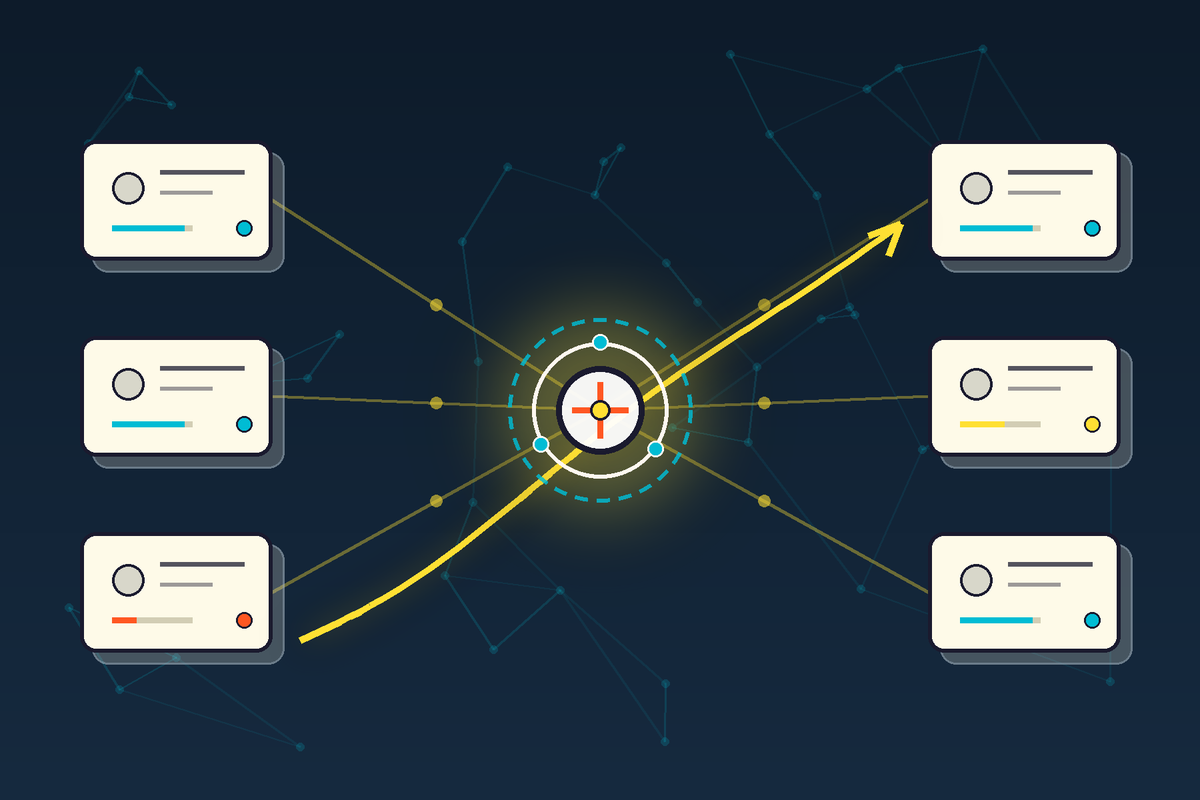
The gold rush to keep your customers from leaving
Candu, Churn360, Churned, Avoma, Velaris, Apty, Cast - and SAP - are all chasing the same moment: when a customer quietly decides whether to stay. This is the software built to fight churn, and the AI agents now doing the fighting.
Customer Success Software Stopped Advising and Started Doing
For a decade, tools like Pendo and Userlane told humans which accounts to save. Now Hook, Velaris and Cast are shipping the agents that do the saving, and the whole category is quietly picking a side.

Totango vs Hook and the Rewiring of Customer Success
Two companies are betting on opposite futures for customer success software - one consolidating the old dashboard playbook, the other handing the work to AI agents. Here is what the split says about where retention revenue is headed.

Capacity vs Microsoft in the Fight to Kill the Support Ticket
Enterprise support is being rebuilt around AI agents. On one side, a St. Louis specialist that crossed $100M in recurring revenue; on the other, the largest software company alive shipping the same feature straight into Copilot.
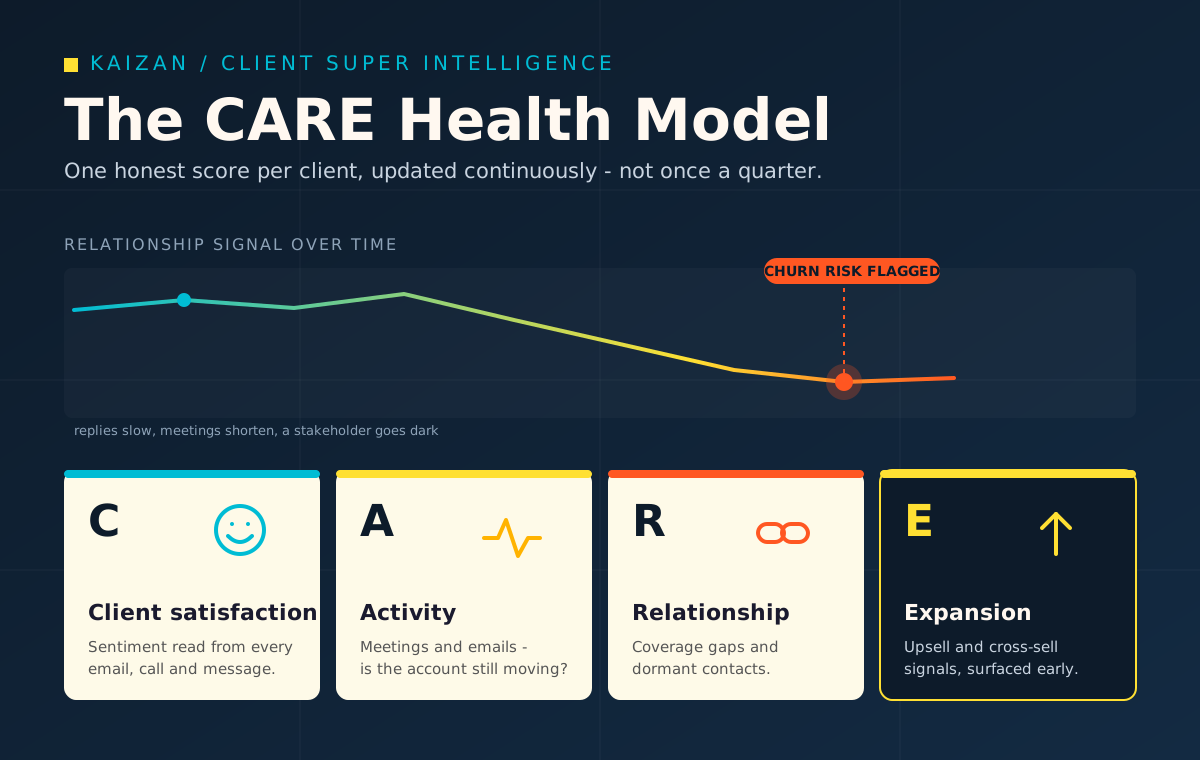
Kaizan Wants an AI Watching Every Client You'd Hate to Lose
The London startup assigns a tireless AI helper to every account, reading the emails, calls and silences that hint a client is about to walk. It raised £2.5m in May 2026 to carry the idea into the US.

Dickey Singh Wants Customer Success to Run on Autopilot
The Cast.app founder spent three decades building products at Silicon Valley companies. Now he is arguing the customer success playbook shouldn't need a bigger team to run - it should run itself.

Capacity Wants to Make the Support Ticket Disappear
The St. Louis company raised more than $155 million, turned profitable at $60 million in annual recurring revenue, and is pitching itself as the AI layer that answers questions before a ticket is ever opened - a direct shot at incumbents like Freshworks.

Circle Wants Creators to Stop Renting Their Own Audience
The all-in-one community platform crossed into profitability at roughly $27M in ARR by betting that creators would rather own their home than build it on rented land. Now it is rebuilding that home to be AI-native.

Rocketlane Thinks the First 90 Days Decide Everything
The Wilmington-based startup has raised $105 million building software for the unglamorous stretch between a signed contract and a working product. Its bet: onboarding, not the demo, is where deals are actually won or lost.

Conversational AI Stopped Talking and Started Doing the Work
Forrester's 2026 scorecard for customer-service AI crowns NiCE Cognigy, Kore.ai and Omilia as leaders, hands Bret Taylor's Sierra a breakout, and quietly leaves Google off the list entirely. The bots that used to answer questions now close tickets - and the whole industry is racing to prove it.