
01Before the doors open
By the time a shop opens its doors, a chain of commitments has already been kept. Someone confirmed the order. Someone checked the paperwork. Someone made sure the pickup instructions reached the person who needed them. The customer sees a stocked shelf. The people behind it know how much had to go right.
There is a peculiar compliment built into logistics: when the work goes well, it almost disappears. A shipment arrives when expected, a factory has what it needs for the morning shift, and everyone gets on with the day. Dependability looks ordinary from the receiving end. At an operations desk, it is something people have to produce, again and again.
Those people carry a detailed understanding of their customers. They remember the requirement that changes for one facility, the document that needs another check, the exception that warrants a phone call. Their experience makes the next decision better. Yet the same person who knows how to untangle a difficult shipment can spend much of the day copying information between systems.
At Pallet, we build AI systems for supply chain and logistics operations. Our customer stories bring a very human question into focus: what becomes possible when people who understand the work have more time to do it?
02Five minutes, forty-five fields
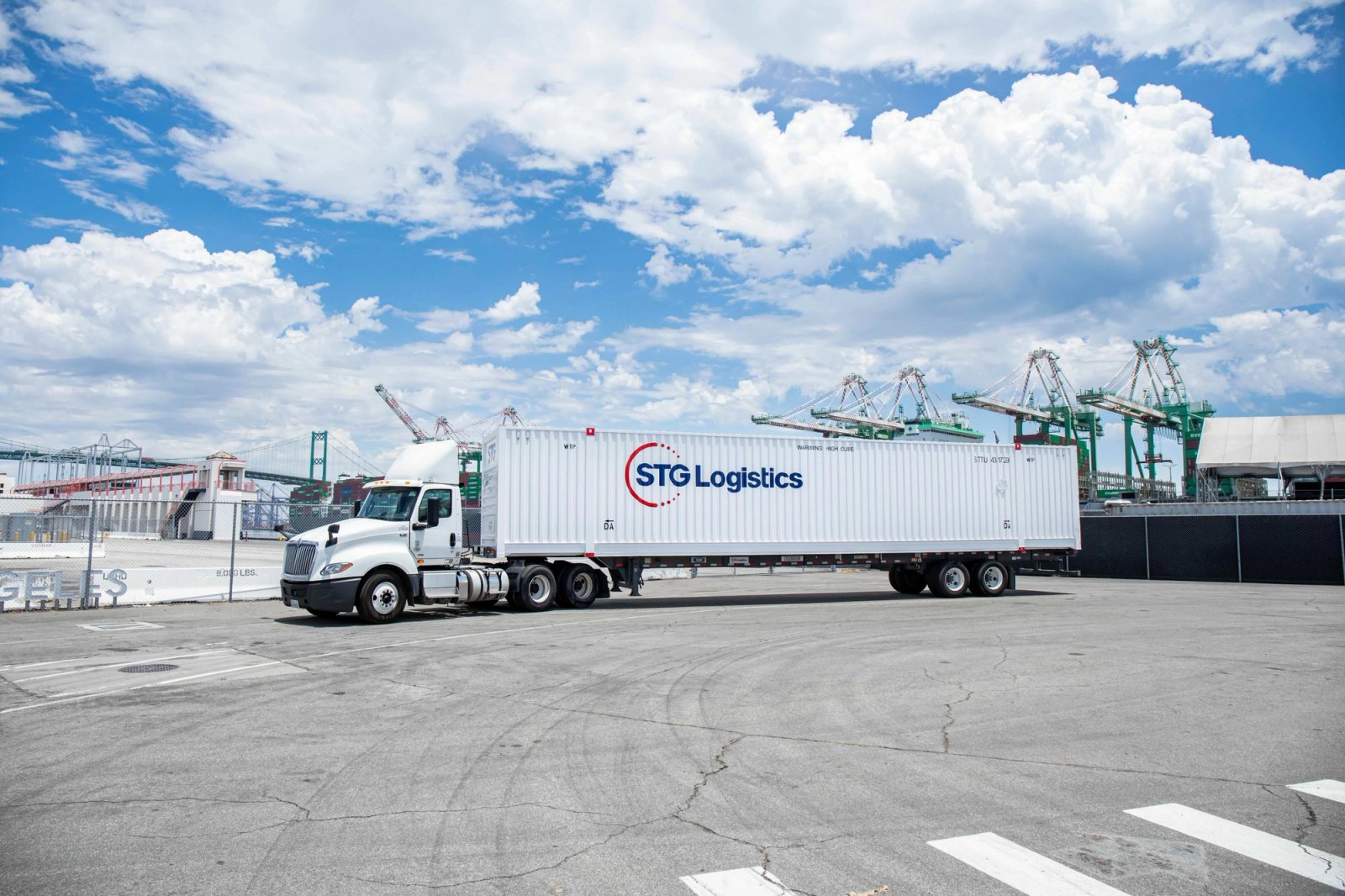
At STG Logistics, the problem was tangible enough to count. As we share in our published customer story, 15 team members were spending 60% of their day on manual order entry. An order took approximately five minutes to process and required at least 45 fields. The information arrived in PDFs, spreadsheets, plain-text emails and attachments nested inside other attachments.
Five minutes sounds manageable until the next order arrives. Then the next. A task can be short and still occupy most of a working day. For an experienced operator, those minutes also have another possible use: answering a customer, investigating an unusual requirement or checking something before it becomes tomorrow’s problem.
The awkward part is the variation. Two emails can look similar while carrying different obligations. A field may be easy to copy but harder to interpret. The work asks a person to alternate between clerical attention and operational judgment, with both happening in the same chair, on the same screen.
That makes order entry a useful place to understand the opportunity. The cost appears in minutes spent processing a transaction. Its wider effect is felt in the attention left for everything else. A team can be busy all day while still wishing it had more time for its customers.
A task can be short and still occupy most of a working day.
From this story
03The knowledge has to travel, too
Moving information successfully requires knowing what that information means in a particular operation. A customer’s requirements and a team’s procedures have to accompany the data. Otherwise, a faster handoff simply delivers an incomplete understanding sooner.
Our approach is built around capturing that operational knowledge, applying it to a workflow and executing across existing systems. In our explanation of memory and reasoning, we explain how we can use written procedures and draw on past transactions to help document how work gets done. We also describe how we check proposed actions against the relevant instructions and escalate unfamiliar or undocumented situations to a human operator.
The practical attraction is continuity. A business has spent years learning how to serve its customers. That knowledge deserves a place in the tools used to serve them next. An operator’s explanation of why a particular case is different is valuable material for designing the workflow.
For teams considering automation, we suggest a useful starting point: ask the people doing the work to explain one order from arrival to completion. Follow the places where they pause. Ask what they know that the email does not say. Those pauses can reveal requirements that a tidy process diagram leaves out.
04Leave room for the difficult order
At STG, 95% of the orders we processed required no human intervention. The remaining orders went to a human operator. In our customer story, we describe how the team gained more room to focus on customer service as manual processing declined.
That division of work deserves attention. An unfamiliar situation needs a destination: someone who can understand it, make a decision and move it forward. A workflow is only as useful as its ability to handle the point where the expected sequence breaks.
A person reviewing an exception should have enough context to act. What arrived? Which requirement could not be resolved? What has already been checked? These are practical design questions for any operation, and they help turn an escalation into a manageable piece of work. Sending someone back to reconstruct the entire order would consume the attention the system was meant to return.
The 95% figure describes the orders we processed in this customer story. It is a measure of intervention, with a clear role for people in the remaining cases. The service outcome is what gives that number meaning: an experienced team with more attention available when a customer needs an answer.
of processed orders needed no human intervention
05A 140-year business makes more room
Capacity has more than one use. A team may spend it on service, or a business may use it to take on more work. Mallory Alexander offers a second view of the same opportunity.
The logistics company has more than 140 years of operating history. In our published case study, automating import workflows allowed operators to handle three times as many files per person. The deployment initially covered importer security filings, letters of credit and arrival notices. We see the increased capacity as support for Mallory Alexander’s wider growth ambitions.
There is something compelling about that pairing: a long-established business and a different pace of work. Experience remains useful as volume increases. Knowing how to investigate an unusual file, communicate with a customer and recognize a problem still matters. More processing capacity gives that experience a larger operation to support.
The distinction between capacity and its eventual use is worth keeping clear. Handling more files per person creates an opening. Decisions about customers, service and growth determine what the business makes of it. A productivity result becomes commercially meaningful when a team can point to the work it is now able to accept or the service it is now able to provide.
06Start with the work people wish they could get to
We suggest a simple exercise for operations leaders drawing on these stories. Choose one recurring workflow and ask the team what they would do with the time if the manual steps became smaller. The answer makes the project concrete before any software enters the conversation.
Perhaps customer updates get pushed to the end of the afternoon. Perhaps one experienced colleague is always the person everyone asks for help, but rarely has time to explain the answer properly. Perhaps a growing queue makes it difficult to take on another customer. These are possibilities to investigate inside a business, rather than outcomes to assume in advance.
Then count what happens today. How many items arrive? How long does a typical one take? Which cases require judgment? Where does information have to be entered again? Keep the routine and the unusual examples together. Both belong to the job, and a credible workflow needs to account for both.
Decide who will receive unresolved cases and what information they need. Give that person a say in the handoff. Finally, name the use for the returned capacity: quicker customer responses, more time to investigate exceptions, or room to process additional work. Measure that outcome alongside the processing figures.
This is a way to keep a technology project connected to the working day. It also gives operators something specific to shape. Their contribution begins with explaining the job and continues with judging whether the new arrangement actually makes it easier to serve customers well.
Follow one order.
- 01Map the workTrace the inputs, checks and handoffs.
- 02Name the exceptionsChoose who receives them, with what context.
- 03Give time a purposeMeasure service or capacity alongside speed.
07Tomorrow morning is the point
Our mission is growing the physical economy. The phrase becomes easier to picture at an operations desk. An order is processed. An exception reaches someone who can resolve it. A team has enough room in the day to look ahead.
The shelf, the shipment and the factory shift are connected to those small events. A promise made by one business becomes an instruction for another, and people make sure the details survive the journey. Giving those people better tools can expand what the whole sequence is able to deliver.
There is dignity in work that other people can take for granted. The goods arrive; the day begins. Somewhere behind that ordinary result, someone has understood the requirements and kept a commitment.
Tomorrow morning, shops will open again. Factories will begin their shifts. Deliveries will arrive. We build for the people making those moments possible. They deserve technology equal to the importance of their work. They deserve enough room to use what they know.
Five questions, answered
What does Pallet do?
We build AI systems that execute supply chain and logistics workflows across existing business systems.
What changed at STG Logistics?
As we report in our STG customer story, 95% of the orders we processed required no human intervention, giving the team more capacity for customer service.
What happens to orders that need human judgment?
In our STG customer story, the remaining orders were handled by a human operator. We also describe how we escalate unfamiliar or undocumented scenarios to people in our explanation of memory and reasoning.
What result did Mallory Alexander report?
In our case study, we report that operators handled three times as many import files per person after automating import workflows.
How should a team choose a workflow to automate?
Map a recurring workflow with its operators, measure manual work, identify exceptions and decide how the team will use the returned capacity.