There is a particular kind of task that looks harmless when you watch it once. An email arrives. A customer service agent opens it, finds an attachment, reads the origin and destination, checks the equipment and begins typing. Five minutes later, an order exists inside a transportation management system. Nothing dramatic has happened. Freight can move.
Now watch it happen again. And again. At STG Logistics, 15 people were spending 60% of each day turning incoming tenders into orders. Every one required at least 45 fields. At five minutes per order, the small task had become an industrial tax: one paid in human attention, minute by minute.
This is the story of what happened when STG stopped paying it. Pallet's software now processes 95% of the orders it handles without human intervention. Order-entry costs fell 80%. STG reported a fivefold return on investment. But the more revealing number belongs to the people who used to do all that typing. According to Chief Information Officer Sal DiDonato, the operations team got 60% of its time back.
01 · The bottleneckThe five-minute tax
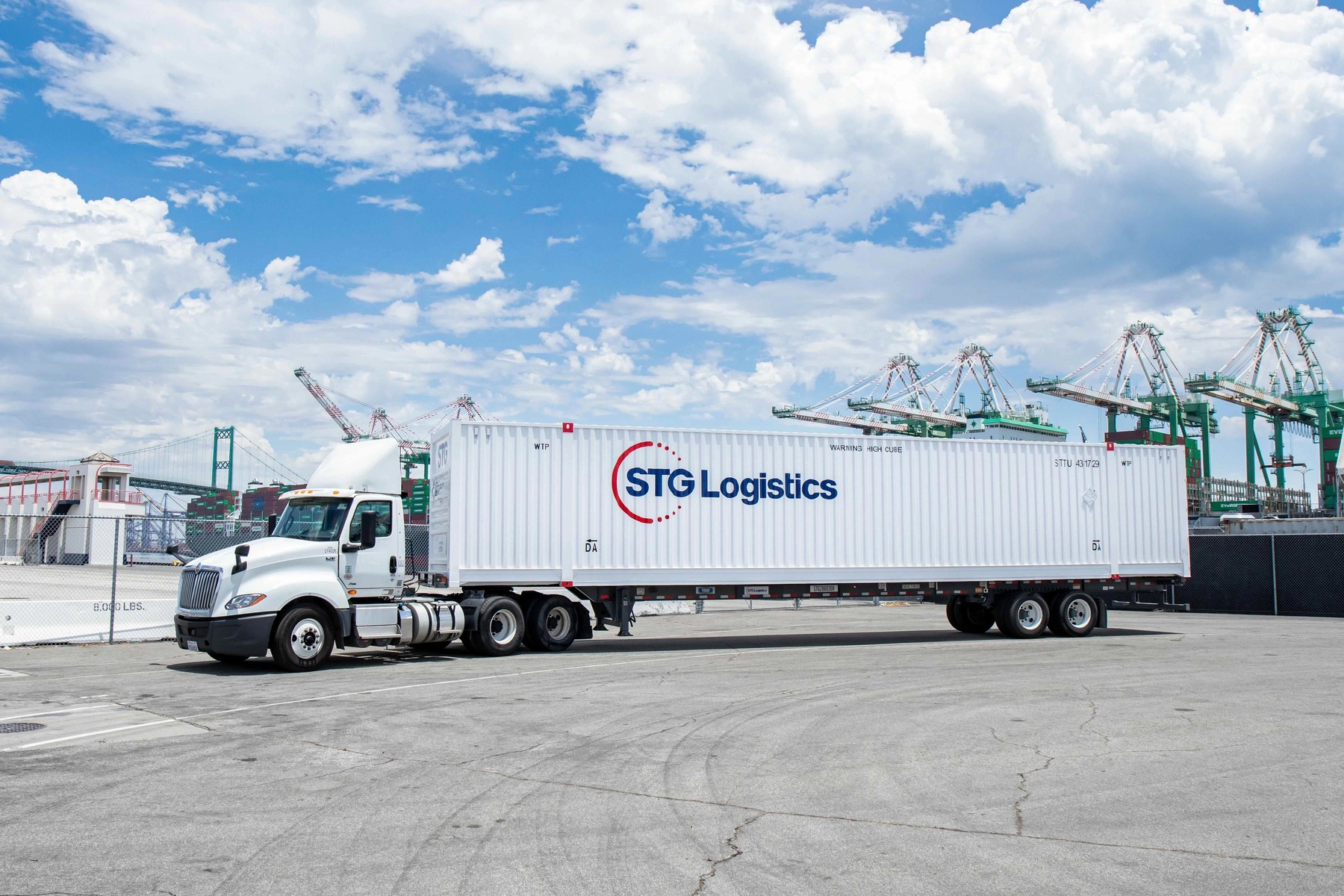
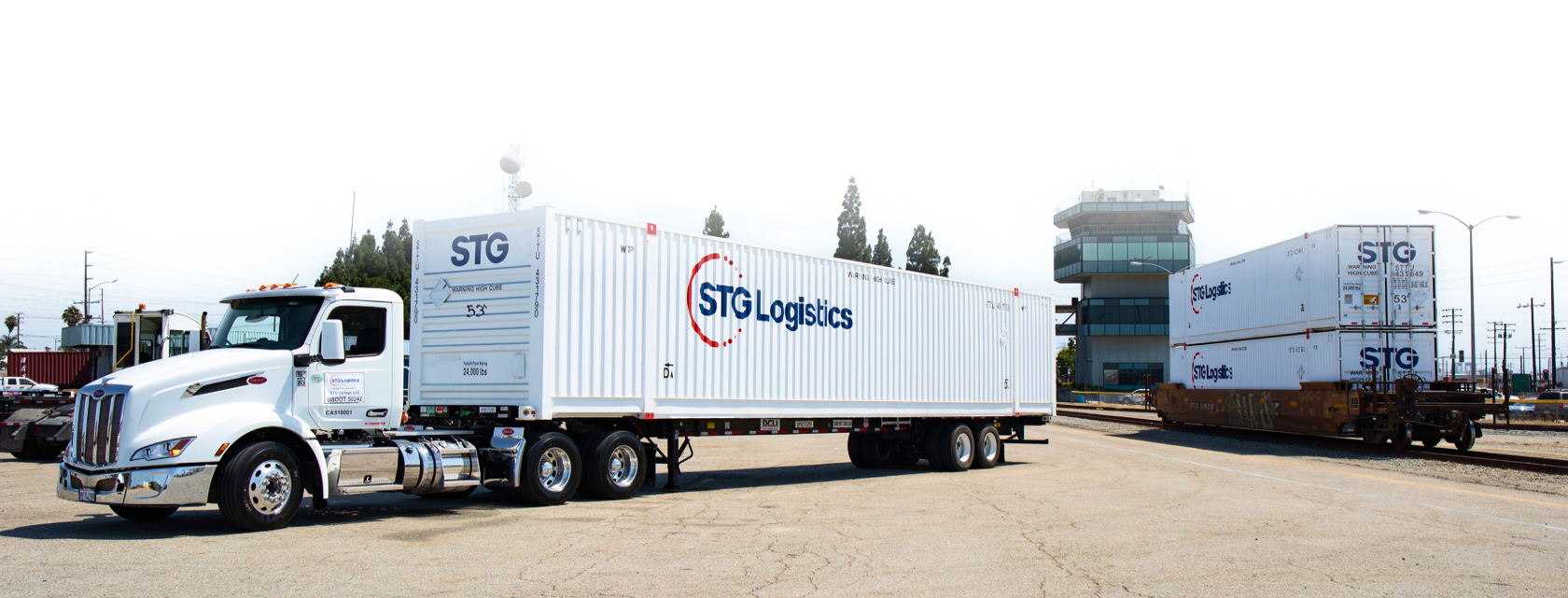
STG is not a small brokerage with a tidy book of lanes. It is the largest fully integrated port-to-door provider in the United States, according to the Pallet case study. It has more than 100 locations across North America, reaches major port markets and owns 15,000 53-foot intermodal containers. Containers arrive by ship, move by rail and truck, pass through warehouses and continue toward a final mile. Each handoff creates information, and information rarely arrives politely.
A shipper's tender might be a PDF. Or a spreadsheet. Or a plain-text email. The useful attachment might be nested inside another attachment, or the documents might live behind a web portal. A PDF might be encrypted. A customer might forward an email as an .eml file. One message might contain more than 50 orders that need to be processed in parallel.
Then there were the rules. An intermodal move could require a rail bill, chassis number and cargo itemization. A hazmat shipment needed its safety sheets attached and followed a different routing path. A load crossing into Mexico demanded line-by-line cargo details. Defaults changed by customer and facility; requirements shifted again by move type and railroad.
Even the same customer might send us multiple orders with different requirements and formats.Sal DiDonato · EVP & Chief Information Officer, STG Logistics
This distinction matters. Optical character recognition is good at answering, “What characters are on this page?” STG's problem was larger: “What do these characters mean for this customer, at this facility, on this railroad, for this kind of freight?” A misread line was not merely a typo. It could surface later as a billing issue, an incorrect leg, a missed chassis charge or a compliance failure.
02 · The integrationThe system stayed. The work changed.
The usual enterprise-software bargain asks a company to standardize before it can automate: replace the old system, retrain the staff, force customers onto new forms. STG wanted the opposite. Accuracy mattered, but so did fit. The automation had to enter through the inbox where orders already arrived and exit into the proprietary TMS where the operation already ran.
Pallet's agents read and interpreted tenders across formats, applied the surrounding business rules and sent completed orders into the TMS through EDI. The company built a decryption tool for encrypted PDFs, added support for .eml files and followed document chains into web portals. The operators did not need a new front door. Customers did not need to learn a new template. The system adapted to the operation.
DiDonato chose an unusual test. STG did not begin with the cleanest orders and save the difficult ones for later. It started with complexity. “We started by giving you our most complex orders,” he said. “Once we knew you could process those, we were confident you could handle everything else.” It is the logistics version of testing a bridge with a freight train rather than a bicycle.
03 · The operating modelThe five percent rule
Touchless does not mean pretending exceptions no longer exist. It means drawing the line in the right place. Pallet completed 95% of the orders it processed without intervention. The exceptional 5% went to a human operator.
That small handoff is the difference between a production system and a demo. A demo hides the awkward case. A production system recognizes it, preserves the context and gives it to someone qualified to decide. Humans are no longer the conveyor belt for every order; they become the exception desk for the handful that deserve attention.
With Pallet automating order processing, our team gets 60% of their time back.Sal DiDonato · EVP & Chief Information Officer, STG Logistics
The recovered hours moved toward customer service and other higher-value work. Meanwhile, fewer manual entries meant fewer downstream errors. STG says service became faster and more timely. The economics followed: an 80% reduction in order-entry cost and a 5x return on investment.
04 · The larger claimNot a copilot. A workforce.
AI in logistics is often presented at the edge of the work: a box that suggests a quote, summarizes a message or drafts a reply. Useful, perhaps, but still waiting for a person to move the operation forward. The STG deployment makes a more ambitious category claim. The software is not advising an operator on how to enter an order. It is completing the order.
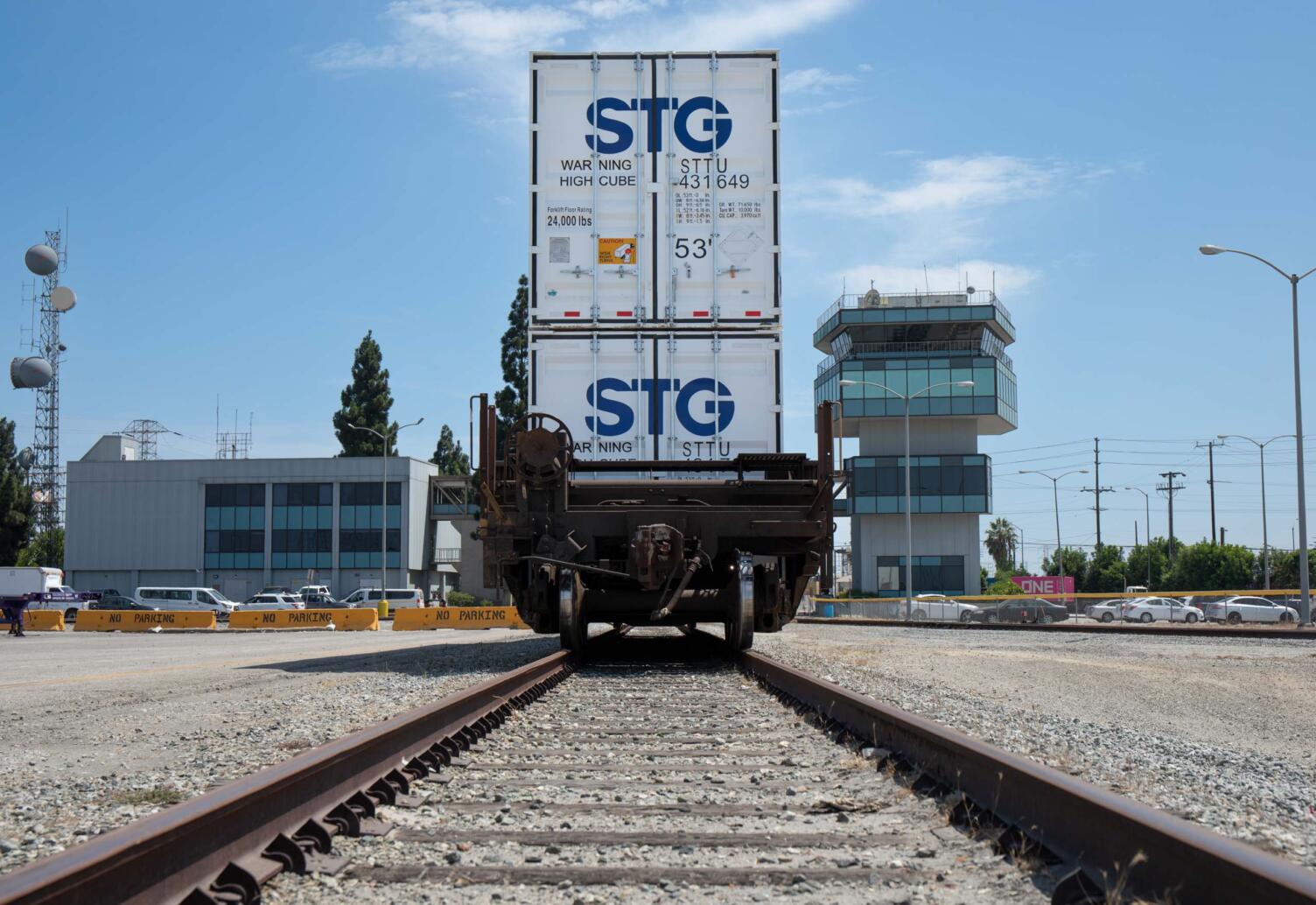
Scale gives that claim weight. STG's network covers port, rail, road, warehouse and final mile. Orders are not samples in a sandbox; they are instructions for freight in motion. A system that survives encrypted PDFs, hazmat documentation, cross-border cargo details, bulk tenders and facility-specific defaults—and then writes into a proprietary TMS—is doing operations, not theater.
The most interesting consequence may be how ordinary it becomes. An email arrives. Documents are found. Rules are applied. Forty-five or more fields appear in the right system. Ninety-five times out of a hundred, no one has to touch the order. The five-minute job vanishes, and freight keeps moving.
STG is now expanding Pallet into order execution and customer service. That is the tell. Pilots are admired and discussed; infrastructure is extended. The company began with its hardest tenders and discovered that automation did not have to flatten the complexity of the business. It could learn the complexity well enough to carry it.
For the 15 people who once spent most of the day at the keyboard, the result is not an abstract debate about artificial intelligence. It is time: time to solve a customer's problem, time to catch the truly unusual shipment, time to do the work that five minutes of copying and pasting had quietly displaced.