agency-leadership
(35)
Troy Lerner and the Long Way to an Overnight Success
He sold lawn care with better flyers than mowing, helped turn a fading pay-per-click business into an agency, then spent thirteen years earning the right to buy it. Troy Lerner's favorite strategy is less glamorous and more useful: put one foot in front of the other.

Philip Pennellatore Put His Childhood Street on the Door
After nearly two decades inside a Boston agency, Philip Pennellatore bought it, rebuilt it and gave it the name of the Dorchester street where he grew up. The result is a succession story with unusually deep roots.
Judy Capano Turned a Buyback Into a Second Act
She began in pharmaceutical sales, learned to make complicated businesses legible, and helped reclaim an agency after a merger went wrong. Today, Judy Capano runs Calcium+Company with the same preference for clarity over theater.
Ron Perine Put the Numbers Man in Charge of the Ideas Business
He entered Mintz + Hoke through IT, brought an accountant’s discipline to a creative shop, and stayed for three decades. What followed is a Connecticut agency story about curiosity, continuity, and making room for more people at the table.
Paul Pomeroy Built a Career on the Long Conversation
The AB&C chief spent years learning how an agency grows, a council governs and a room reaches agreement. His career makes a case for ambition measured in decades, not announcements.

Laurie Fleck Knew the Best Time to Leave
She spent nearly eight years turning an agricultural agency into a national specialist. Her final management decision was the rarest one: handing it over before anyone had to ask.

Brent Schott Learned the Whole Agency Before He Led It
He arrived in 1990 to make graphics on a computer. Thirty-six years and nearly every agency discipline later, Brent Schott is still betting that fluency beats flash.
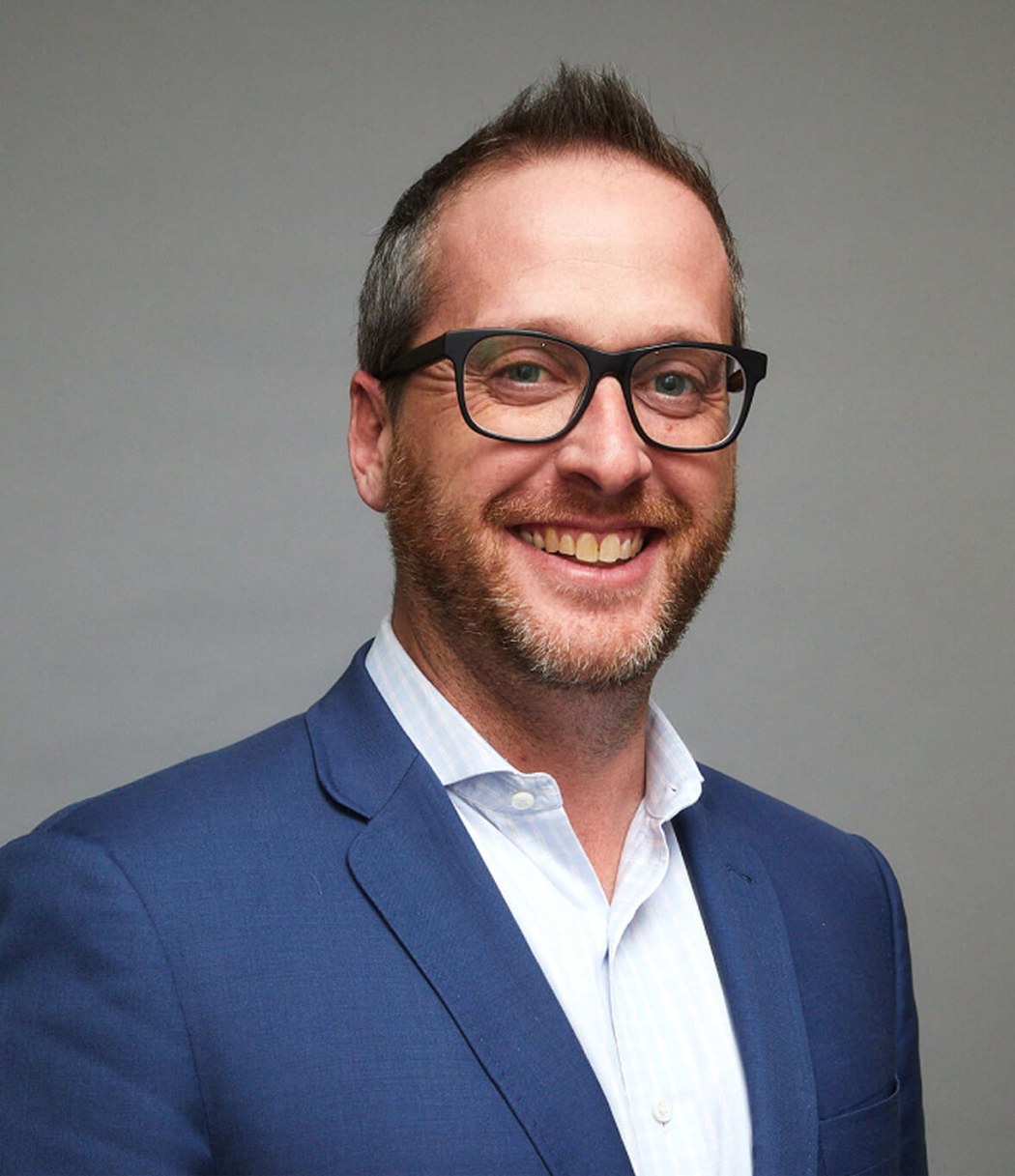
Keith Zakheim Wants Climate to Stop Changing Its Name and Start Making Its Case
After turning a one-person PR shop into a 140-person international agency, the Antenna Group CEO is pressing the climate economy to trade coded language for cost, resilience and enterprise value.

Greg Shea Built a 30-Year Career by Betting on the Team
After three decades at Campbell Marketing & Communications, the Detroit executive still prefers curiosity to certainty, teams to corporate-family talk, and the long race to the victory lap.
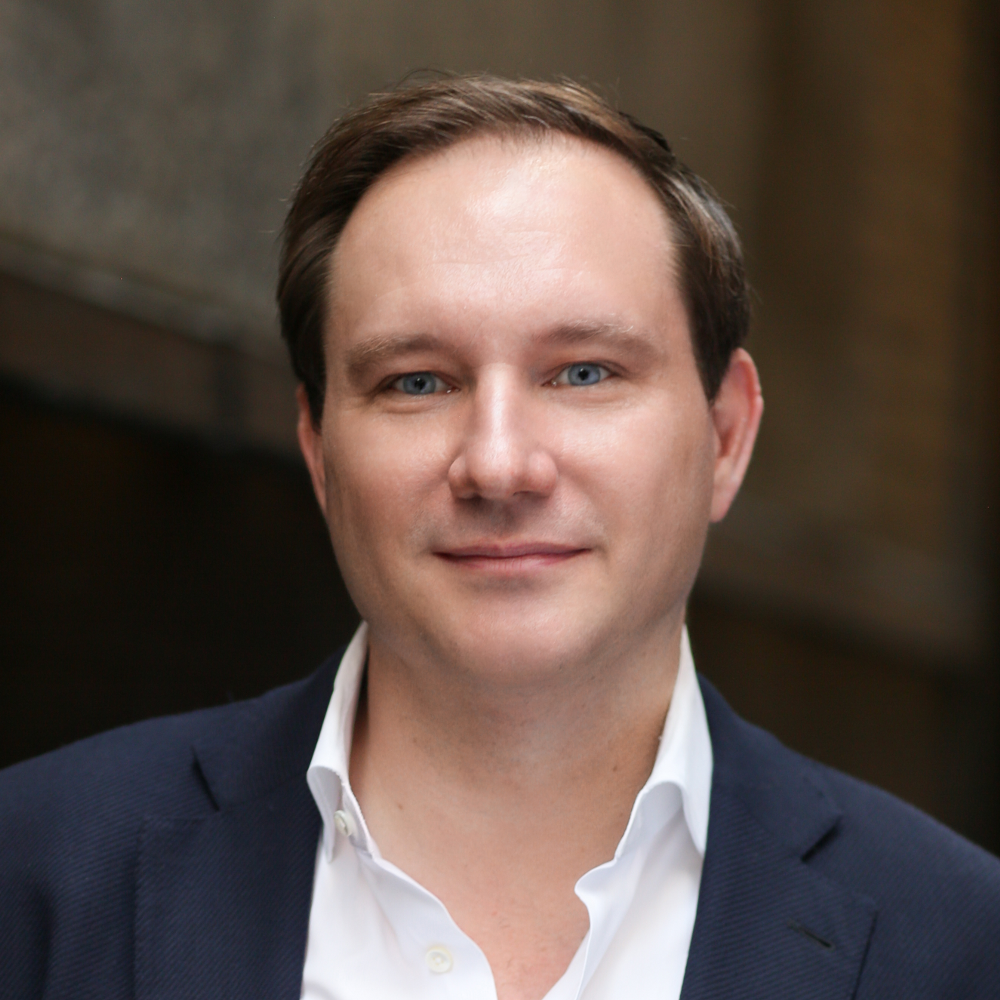
Ross Shelleman Put the Middle of Marketing Back on the Map
The Chicago operator spent years turning data into an agency business. Now, as CEO of Manifest, he is making a blunt case for the neglected stretch between brand fame and the final click.
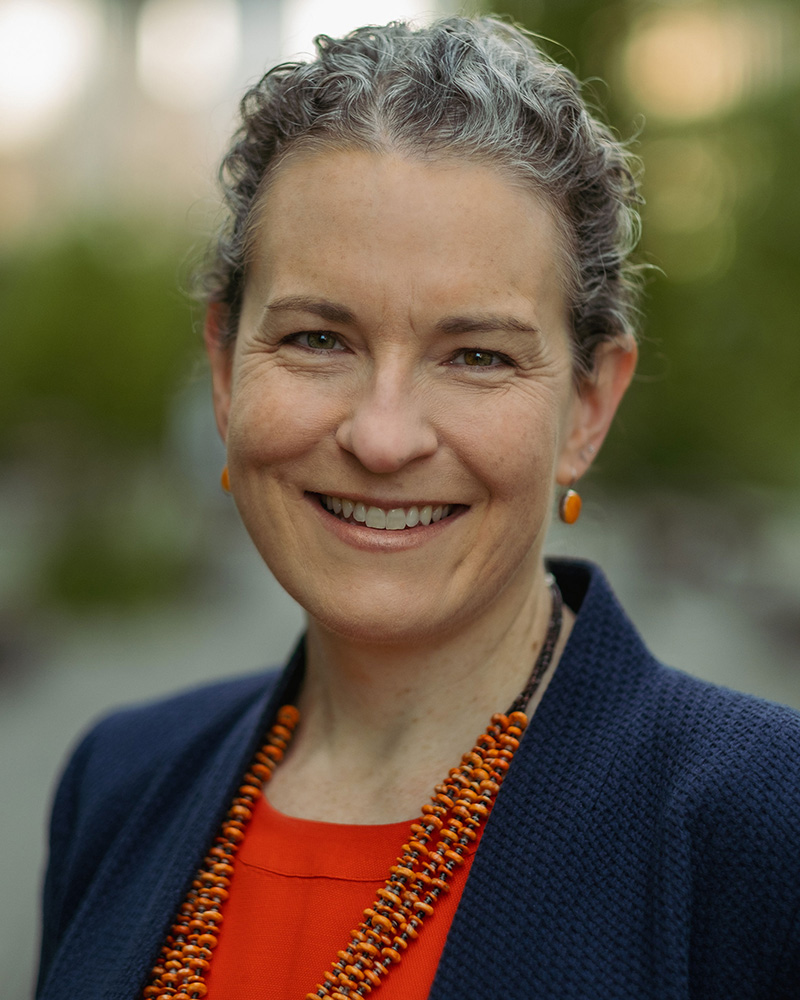
Anne Green Left the Ph.D. Behind, but Kept the Classroom
The CEO of G&S built a career by treating curiosity as a discipline. Three decades after choosing agency life over an academic one, Anne Green still leads like a teacher, listens like a counselor, and asks the next useful question.
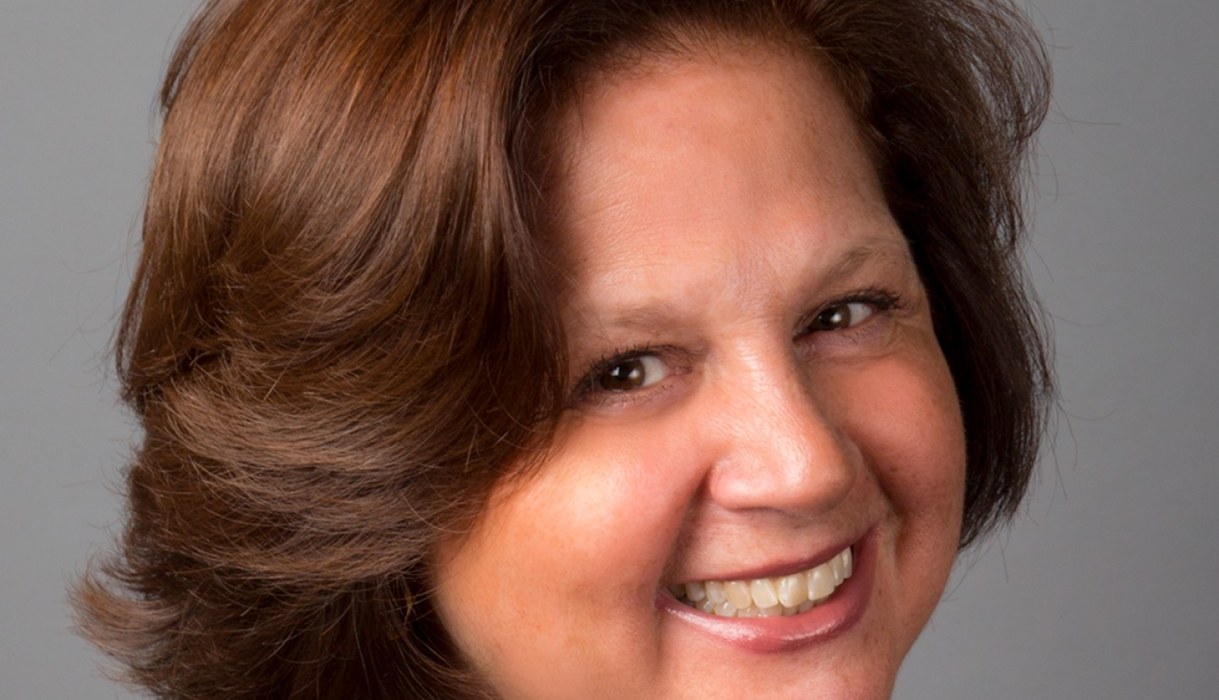
Dale Bornstein Built an Agency by Treating Culture as the Work
After 27 years at one agency, Dale Bornstein took a risk on a smaller one. Her bet was that people-first leadership could be a growth strategy - and M Booth's next decade made the case.

Alexa West Learned to Frame the News. Now She Frames Growth.
The former print and broadcast journalist leads Aspectus Group’s North American business with an editor’s eye, a commercial brief and a stubborn preference for work that can prove its value.
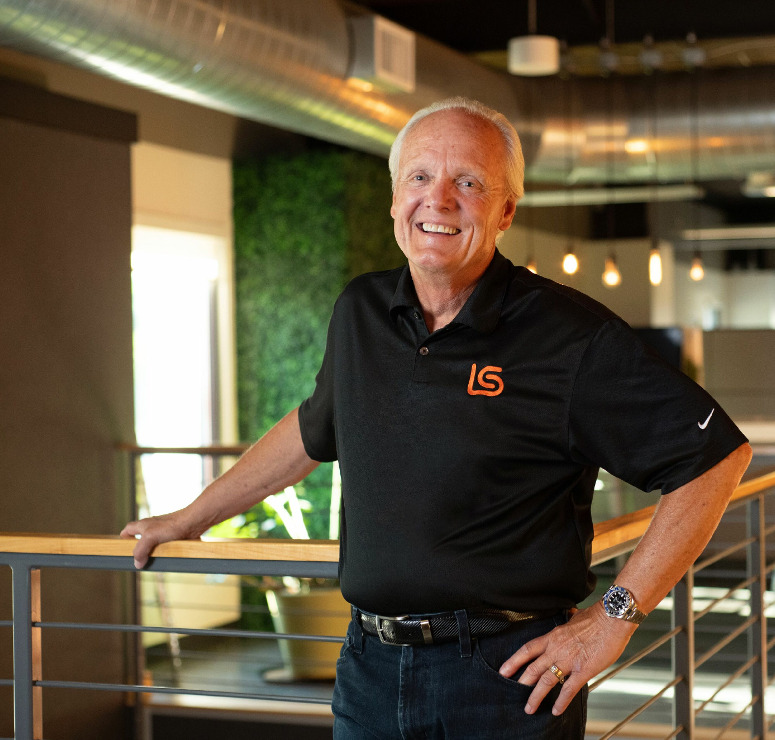
Scott Lawrence Conducted an Ad Agency Like a Band - Then Made Room for the Next Player
A former band director spent four decades turning rehearsal-room lessons into an agency philosophy. His final act as CEO was the least theatrical one: preparing other people to lead.

Veronique James Built an Agency on Open Books and Long Memory
A quarter-million-dollar setback pushed a young designer into freelancing. Two decades later, the firm that followed still runs on her first hard lesson: show people the real numbers, remember who helped, and keep moving forward.

Chris Heaton Put Purpose Before Promotion - and Gave a Detroit Agency a New Name
After 25 years inside one communications firm, Chris Heaton helped buy it, rename it and hand more authority to the people around him. His operating idea is simple enough to fit on a label: find the purpose first; promotion comes later.
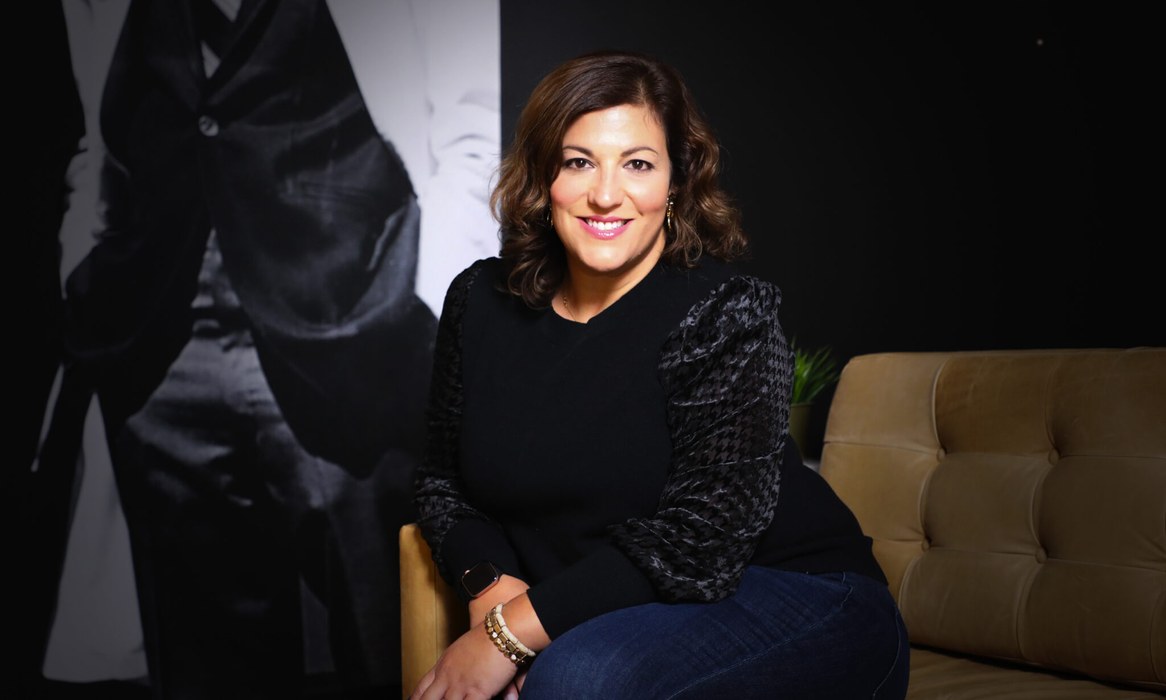
Tina Kozak Came Home to Detroit - Then Bought the Agency That Called Her Back
She nearly became a Spanish teacher, learned communications on the auto-show circuit, and returned to the city she missed. At Franco, a job became a stewardship - and eventually an ownership stake in a 62-year-old Detroit institution.
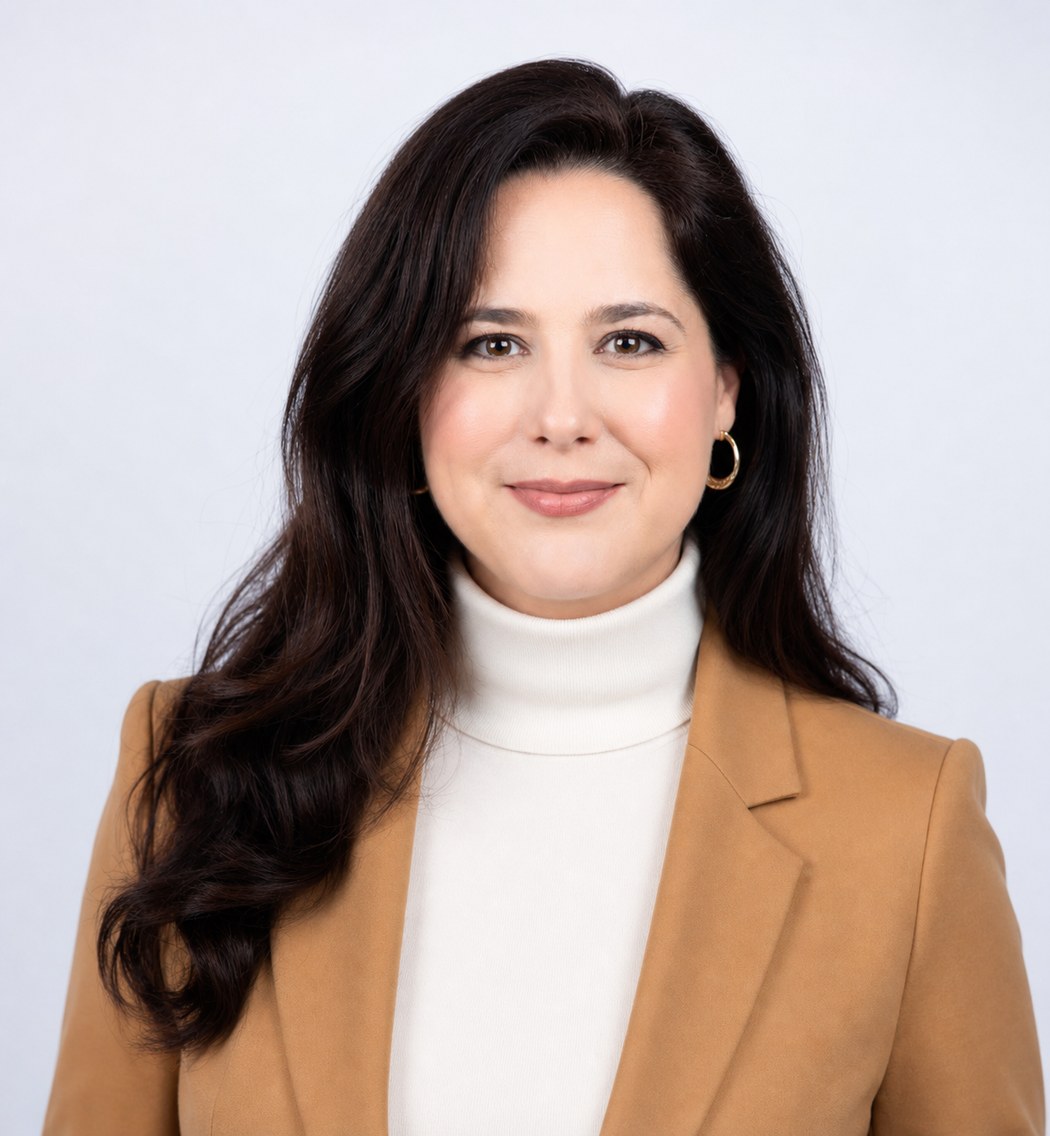
Erin Stinner Built a Career Where Words Carry Consequences
Before she became the owner of a Pittsburgh agency, Erin Stinner learned the weight of a sentence in newsrooms, government offices and a college president's cabinet. Now she has a deceptively plain brief: find the proof, lose the fog and make the next decision easier.
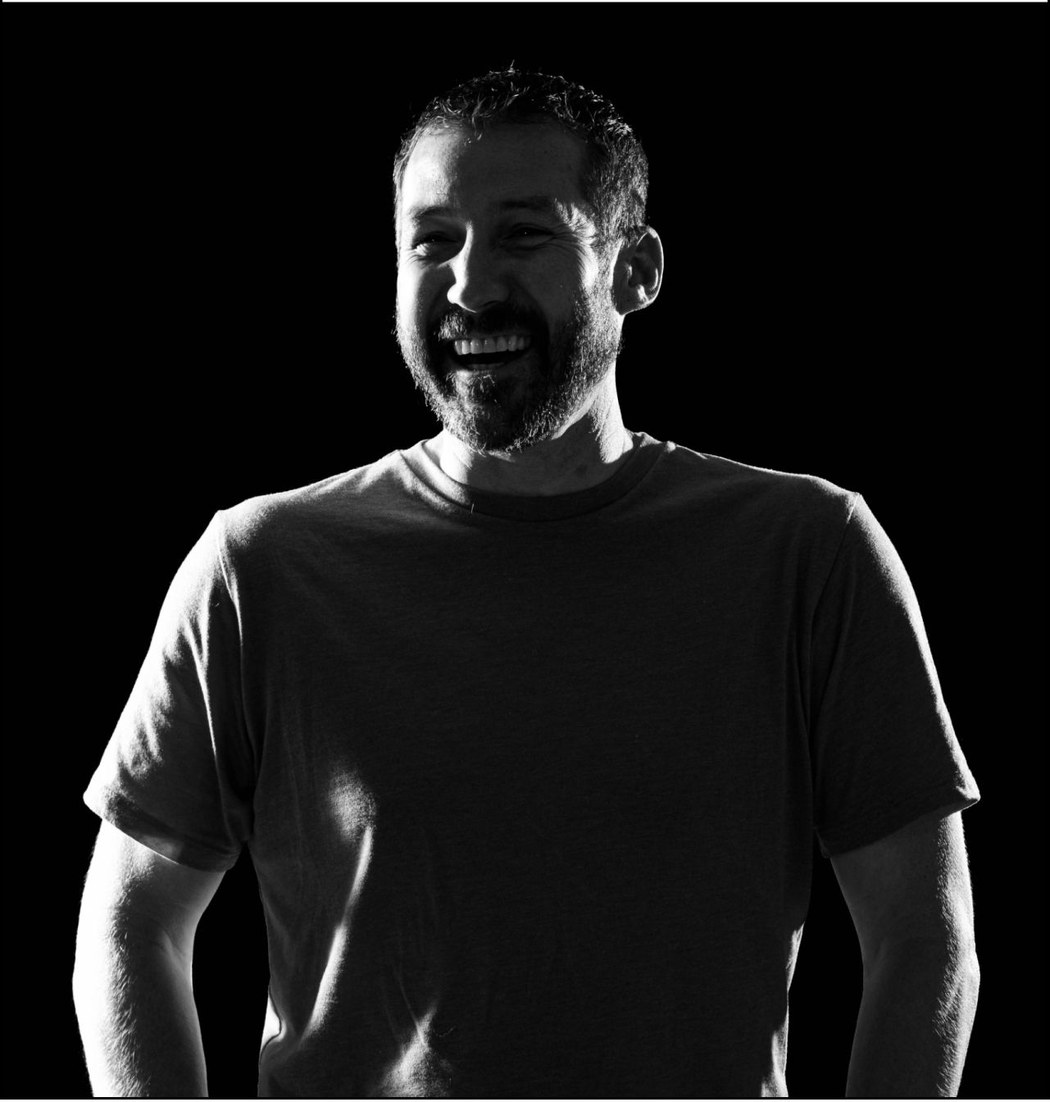
Rob Gaedtke Learned Every Side of the Table - Then Took the Head Seat
The KPS3 chief came up through design, technology, accounts and strategy. His real operating system is simpler: show people the numbers, trust them with the work, and keep moving.

Jason Morris Turned a Three-Person Sublet Into Inkhouse’s West Coast Engine
A career that began with early web companies now runs through AI, IPOs and a 140-person agency. Morris built his case for leadership the unfashionable way: one office, one client and one durable relationship at a time.
Rick Milenthal Is Still Betting That Feelings Beat the Machine
After four decades in advertising, The Shipyard's founder is building his second large agency around a stubbornly human idea: data can locate an audience, but only emotion can make it care.
Tricia Barrett Took the Long Way Home - Then Changed the Agency That Hired Her
A Buffalo return brought her to Crowley Webb in 2003. One improbable acquisition, a hand-lettered office reminder to “Serve,” and two decades later, she is leading the independent agency into its next forty years.
Andrew Cross Put His Head Down for Three Years. Fifteen Years Later, He Runs the Place.
He arrived at Walker Sands as employee No. 13 with a private three-year plan. A steady climb through PR, a bet on integrated marketing, and a taste for measurable outcomes turned that short experiment into a career running the agency.
Stephen Farquhar Has Spent 30 Years Making Media Make Sense
From a Toyota planning brief to agency leadership across London, China and New York, Farquhar built a career by translating complexity into decisions - and keeping the audience human.
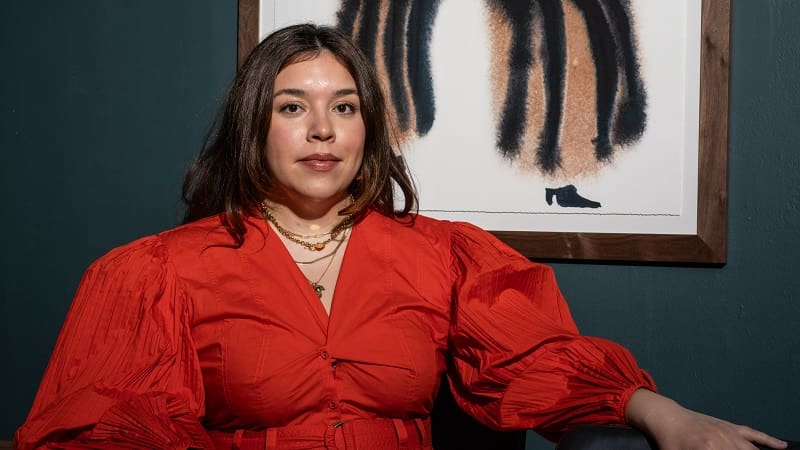
Katherine Espinosa Built a New York PR Office by Making Culture the Assignment
She helped take The Romans from a two-person Brooklyn outpost to a serious American operation. Her method is disarmingly simple: stay curious, earn attention and never confuse a calendar moment with a relationship.

Steph Lund Builds Agencies Around What Fans Already Love
The New York agency executive has spent two decades turning music, sport and entertainment fandom into an operating system for growth. Her second act with a trusted leadership trio suggests the real product is not attention - it is specialist judgment.
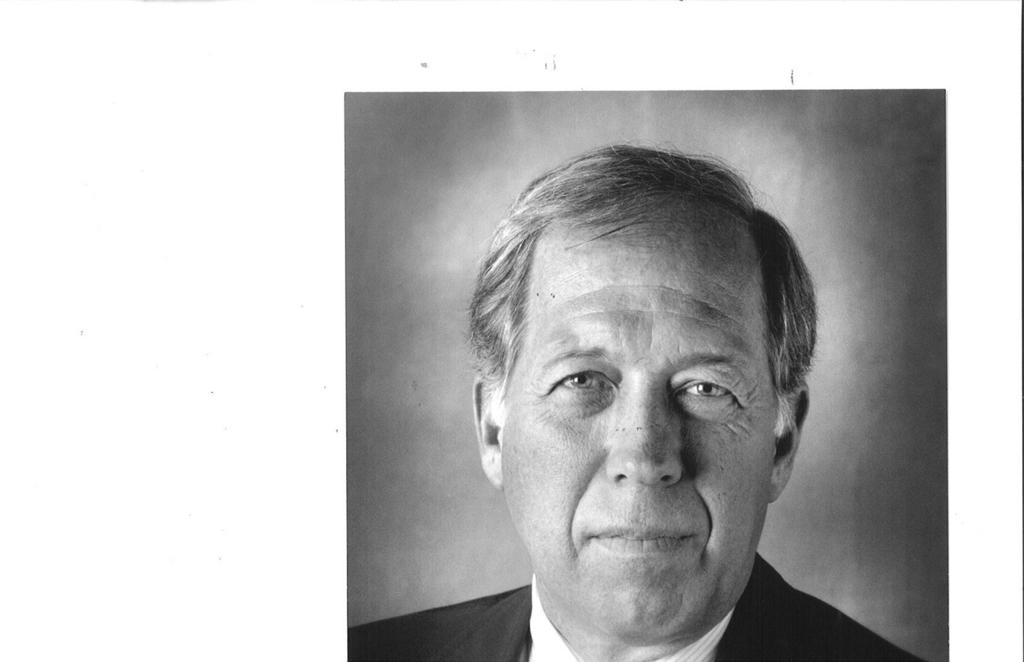
Bob Luckie Built an Advertising Career on the Power of Half a Sandwich
Across 43 years at Luckie & Co., Bobby Luckie rose from the mailroom to the corner office. What colleagues chose to preserve was simpler: his instinct to share.
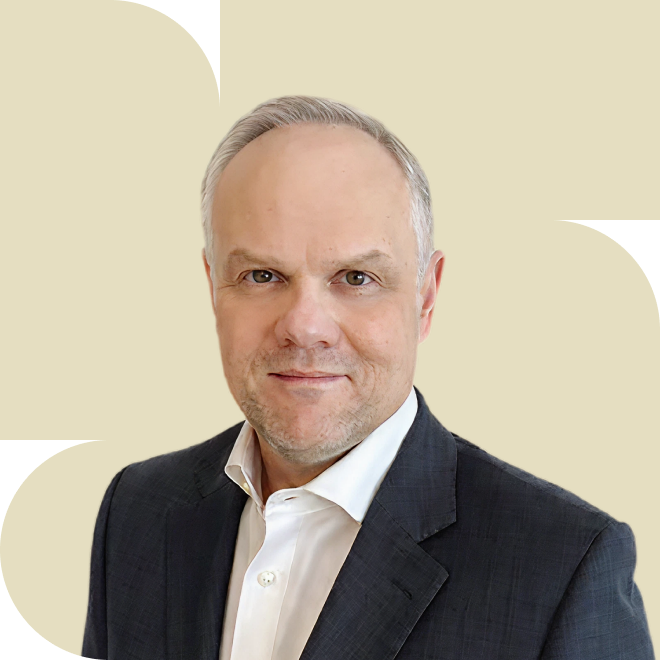
Leo Tarkovsky Is Turning a Flood of Science Into Something Clinicians Can Use
After three decades spent building healthcare agencies, Leo Tarkovsky has taken on a more exacting problem: helping useful evidence survive the noise between scientific discovery and everyday clinical practice.

Eric Muller Has a New Blueprint for Healthcare Marketing
After more than 25 years inside large healthcare agencies, Eric Muller has chosen an independent company for his next build. His brief at Lucid Group is to make science, strategy, creativity and technology move as one.
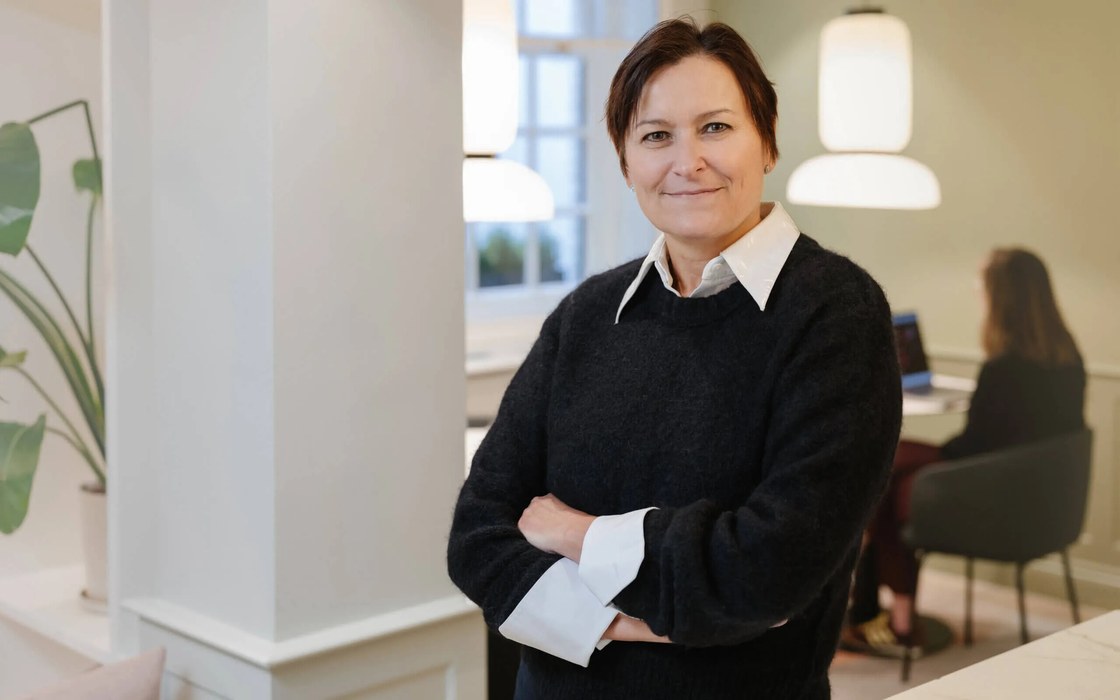
Catherine Turner Built an Agency by Following the Paths Nobody Had Paved
A freelance job in Madrid gave her the pulse of live events. A collapsed employer gave her an opening. Sixteen years later, the company she began at home had become a nearly 100-person experiment in courage, reinvention and letting people draw their own route.