workforce-analytics
(38)
Hubstaff sells the clock. The prize is time back.
A time tracker built by two founders with $52,000 became a business about the hours nobody can explain. Its most interesting promise is what happens after the counting stops.

Beeline and the workforce hiding in plain sight
The people doing the work do not always appear on the payroll. Beeline built a business around making that invisible workforce visible - and giving companies a better grip on its cost, access and risk.
Hallmark and the expensive art of filling a shift
A hospital can have a staffing shortage and unused talent at the same time. Hallmark connects the schedules, contracts and incentives that help explain why - and gives health systems tools to act.

The Six-Minute Assessment That Followed You Into the Meeting
The Predictive Index began with a wartime question about teamwork. Seventy years later, its business rests on a more awkward one: what happens after you hire the right person?

Vanessa Danziger Has Been Asking What People Would Do Since the Sixth Grade
Long before she marketed workforce technology, Danziger won a science fair by studying how children make ethical choices. The same curiosity now runs through a career built around people, data, and purpose.
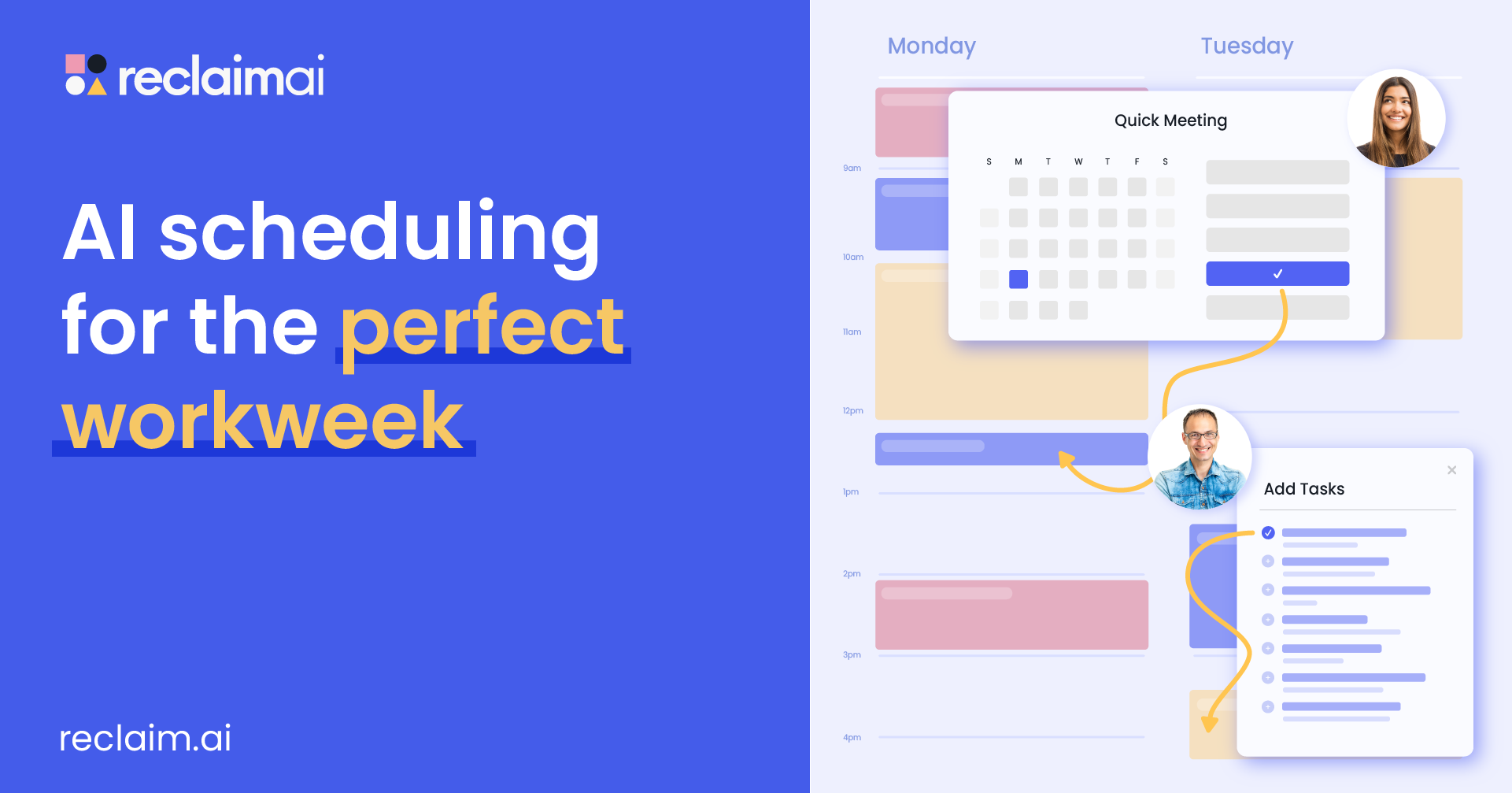
Reclaim Runs the Calendar. You Keep the Week.
The AI scheduler moves focus blocks, habits, tasks and meetings as the week changes. It is useful precisely because it meddles - and that is also the part you need to trust.
The 99-Year-Old Award Maker Turning Thank-Yous Into Enterprise Software
O.C. Tanner began with class rings and service pins. Now it sells a sprawling recognition system to global employers - and argues that the object still matters as much as the dashboard.

Nobody Agrees What a Skill Is. Lightcast Built the Dictionary for 6,000 Organizations.
The Idaho-born data company translates the unruly language of work into 34,000 skills, 1,800-plus occupations and decisions about what to teach, whom to hire and where to invest. Its real product is not a dashboard. It is agreement.
BambooHR Put the Employee Record in Charge - Now It Wants AI to Run the Errands
The Utah software company turned a tidy employee database into a broad people platform used by more than 33,000 organizations. Its next trick is asking AI to do the administrative chasing - without losing the simplicity that made the product useful.
Magnit Built a Control Tower for the Workforce Nobody Owns - One Client Says It Saved $25.7 Million
Most companies can count their employees. Contractors, consultants and temporary workers are another story. Magnit sells the software, operators and market data to turn that blind spot into a managed system - and the savings claims get very specific.
HireVue Made the Interview Software. Then It Had to Explain the Machine.
The Utah company turned a missed campus interview into a global hiring platform. Its next act is harder: sell the speed of AI while proving that every score deserves to shape a person’s future.
Betterworks Learned the Hard Way: Goals Don’t Manage People - Managers Do
The enterprise software company started by making goals visible. Then its customers taught it the harder lesson: a dashboard cannot coach a person, so Betterworks rebuilt performance management around the conversations between the numbers.

Russ Richmond Is Building Software for the People Stuck Between Strategy and the Shift
The Laudio co-founder has spent a quarter-century turning healthcare data into action. His product insight is disarmingly simple: software should give a manager time back, then get out of the way.
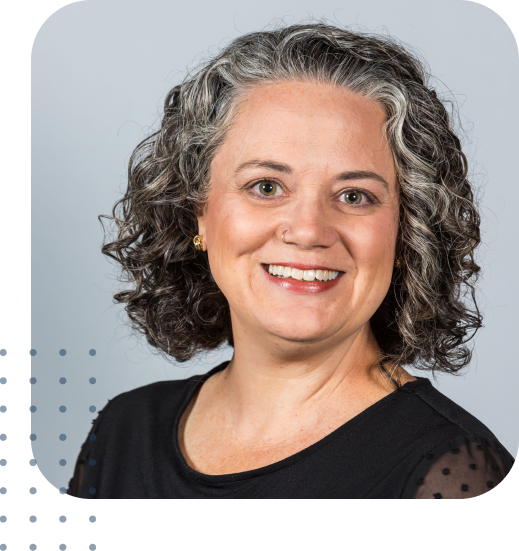
Heidi Morin Put a Number on What the Hospital Floor Already Knew
A nurse director was asked to trim her workforce. Her own calculator found the unit was 9.6 full-time nurses short - and gave Heidi Morin the blueprint for a company built between the bedside and the budget office.
Achievers Quit Selling Coffee Mugs - and Built the Recognition Machine HR Teams Can Copy
The Toronto company began with branded swag until one customer punctured the premise: nobody works harder for a coffee mug. Its second act turned appreciation into a daily data stream - and offers HR leaders a useful playbook, with sharp limits.
Journeyfront Found a $2.5 Million Leak Hiding Inside the Job Interview
Most hiring software records decisions and stops there. Journeyfront follows employees onto the job, then uses retention and performance data to make the next hiring class less of a guess.

Laudio Built a Control Panel for Healthcare's Most Overloaded Manager
Hospitals have software for records, schedules and payroll. Laudio gives the person caught between them a working day - then uses that reclaimed time to make recognition, coaching and patient contact more consistent.
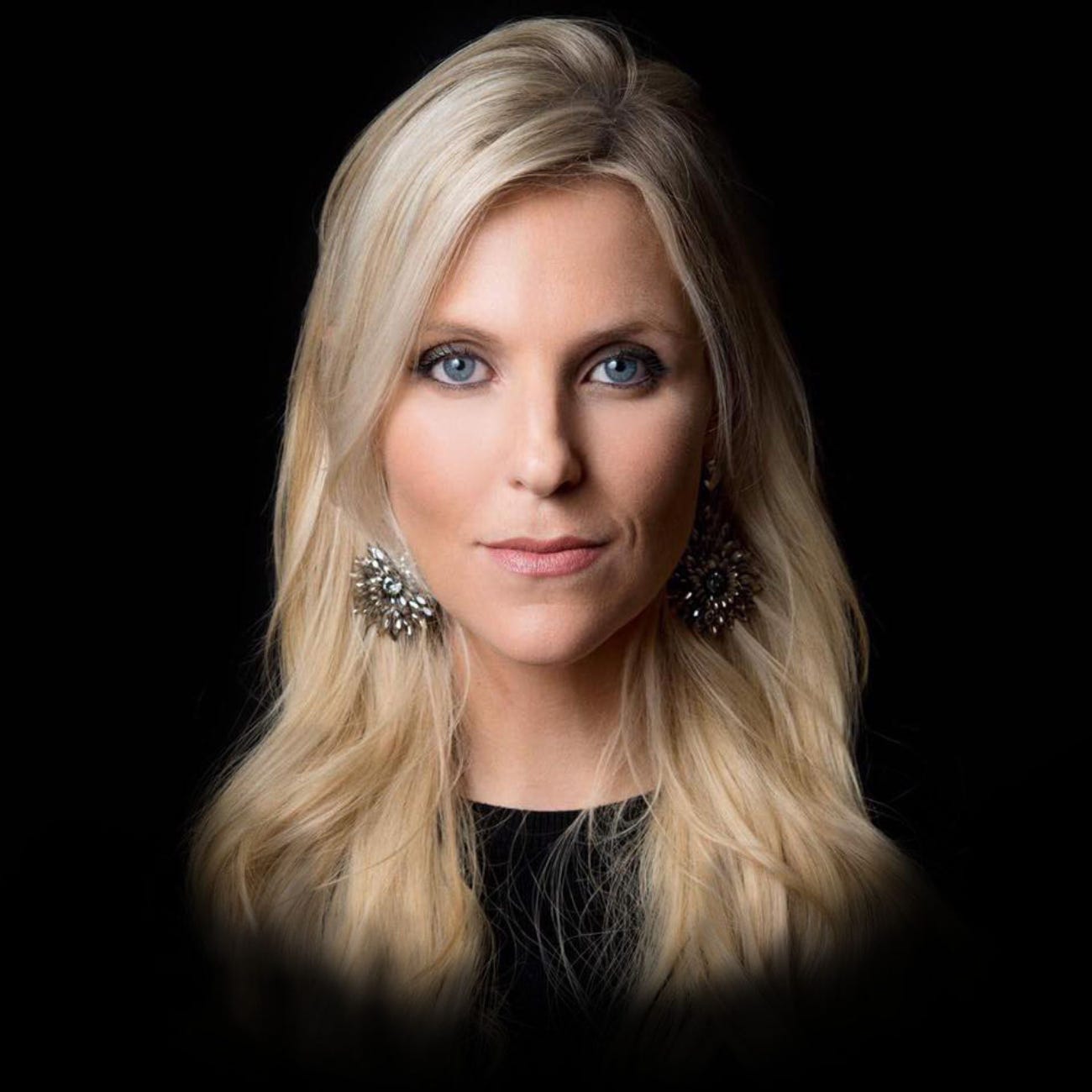
Joanna Riley Is Teaching AI to See the People a Résumé Misses
A rowing scholarship, an FBI post and a public-company flameout gave the Censia co-founder an unusual education in patterns, pressure and reinvention. Her next bet is that better data can help employers see potential before pedigree.
ManpowerGroup
The company that helped invent temporary staffing is rebuilding itself for an age of AI agents, scarce skills and permanent uncertainty. Its wager is that better technology makes human judgment more valuable, not less.

AMN Healthcare
AMN began by placing traveling nurses. Forty years later, it sells health systems something broader: the people, software and operating discipline to keep care moving when labor gets scarce, expensive or suddenly unavailable.

EngageRocket
EngageRocket is a Singapore-based HR technology company that turns continuous employee feedback into actionable people-analytics. Founded in 2016 by two former Gallup leaders, its cloud platform runs engagement, lifecycle and pulse surveys (BELONG), 360-degree and multi-rater feedback (GROW), and performance workflows (PERFORM), pairing survey software with people-science advisory. It serves enterprises across 30+ countries - including Toyota, Sephora, Nikon, Epson and CGS-CIMB - to improve engagement, reduce turnover and support data-informed HR decisions.
eQ8
eQ8 is a Sydney-based SaaS company building a dedicated end-to-end platform for Strategic Workforce Planning (SWP). Founded by Alicia Roach and Chris Hare, the platform lets organizations model dynamic scenarios, forecast the size, shape and skills of the workforce they will need, identify skills gaps, and align talent decisions with business strategy. Its stated mission is to democratize strategic workforce planning so it is accessible to any organization, not just those able to afford lengthy consulting engagements.
HONO
HONO is an AI-native HR technology company that runs the full employee lifecycle - hire to retire - on a single platform spanning core HR, global payroll, talent management and workforce analytics. Founded in 2016 and headquartered in Gurugram, India, HONO layers conversational AI over enterprise HR operations and in 2026 launched what it calls the world's first 'headless' HRMS, replacing navigation-heavy screens with a natural-language execution engine. It serves 300+ enterprise clients across 30+ countries, covering over a million employees.

Staffinc Group
Staffinc Group is an Indonesian tech-enabled workforce solutions company (formerly Sampingan) that helps businesses recruit, deploy and manage large, distributed frontline and blue-collar teams. It combines an outsourcing/manpower service with a cloud HR software suite - covering recruitment, attendance, shift management, payroll, performance tracking and earned wage access - drawing on a pool of more than 1.5 million pre-vetted workers across 350+ cities in Indonesia.

Workforce Optimizer - AI Enabled WFM
Workforce Optimizer is a Singapore-based B2B software company that builds an AI-enabled workforce management (WFM) platform. It uses machine learning and mathematical optimization to predict labour demand, automatically generate optimized staff schedules from millions of complex rules, track time and attendance, and dynamically redeploy people in real time when unplanned events occur. Originally founded as FriarTuck, the company serves healthcare, retail, and public-sector customers - including Singapore General Hospital and National University Hospital - and optimizes more than 20 million assignments each year for tens of thousands of daily users.
X0PA AI
X0PA AI is a Singapore-based HR technology company that builds an AI-powered talent acquisition platform to make hiring more objective, faster and less biased. Founded in 2017 by serial entrepreneur Nina Alag Suri, the SaaS platform uses machine learning, predictive analytics and natural language processing to source, screen, score and rank candidates for enterprises, governments and universities. It has since expanded into an agentic AI suite of named hiring agents and positions itself around responsible, explainable AI, having become one of the first HR-tech firms to earn Singapore's AI Verify certification.

Spire.AI
Spire.AI is an enterprise AI company whose full-stack SaaS platform is powered by a single, domain-intelligent Generative Skills AI engine. Built on a live knowledge graph with more than 14 million skill-adjacency edges, it helps large organizations acquire, deploy, reskill, mobilize and retain talent in a skills-first way. Founded in 2007 by Saurabh Jain and Shweta Jain and headquartered in Bengaluru, India, the company has evolved its research into OpenKnowra, a context-intelligence layer that pairs enterprise understanding with autonomous execution.

Flexon Technologies Talent360.ai
Flexon Technologies is a Pleasanton, California-based IT services and staffing firm founded in 2015 that pairs technology consulting, custom software development and cloud/DevOps engineering with a global talent-sourcing practice. Under CEO Amar Bandaru, the roughly 120-person, bootstrapped company has moved into AI - building Talent360.ai, an AI-powered talent-management and recruiting platform, alongside a suite of vertical products (Flex EHR, Flex LMS, Flex TMS, Flex LPS, Flex FIT) aimed largely at healthcare and enterprise operations.

Go2
Go2 is an AI-powered remote staffing and workforce management company that hires, trains, and manages frontline support teams for businesses on a subscription basis. Founded in 2016 by Scott Moran, it pairs a global talent pool - drawn from more than 50 countries - with a software platform that uses data and AI to match workers to employers on skills, work style and cultural fit, then tracks productivity and coaching after placement. The dual model lets Go2 operate as both a staffing provider and a workforce-data platform, with AI capabilities first developed in its Cowork initiative now being rolled back into Go2 for a fall product launch.

Censia
Censia is a San Francisco-based talent intelligence company that uses AI to turn billions of workforce data points into skills-based profiles of employees and candidates. Its platform enriches HR systems - most notably Workday - so enterprises can see hidden internal talent, plan their workforce around skills rather than job titles, and make faster, fairer hiring and mobility decisions. Founded in 2017 and led by CEO Joanna Riley, Censia sells to large enterprises and pitches itself on ethical, bias-aware AI applied to talent data.