voice-of-customer
(32)
Sentiment Is a Thermometer. Root Cause Is the Diagnosis
A mood score can tell you the customer is upset. It cannot tell your product team what to fix—or stop the next avoidable contact from happening.

The AI Fight to Hear What Customers Actually Mean
Zeda.io and Unwrap are chasing the same stubborn problem: companies collect more customer feedback than their teams can understand. Their competing approaches show where AI product software is heading, and what buyers should demand before trusting the machine.

Pendo or Thematic? Choose the Feedback Job First
Pendo connects feedback to what users do inside a product. Thematic goes deeper on what customers say across surveys, tickets, calls and reviews - and the right choice depends on which blind spot costs your team more.

Your Feedback Stack Has Three Jobs, Not One
Feedier, Survicate, Medallia, Mopinion, Aurelius, and Aha! solve different parts of the same problem. The smart choice starts with finding where customer evidence breaks down in your workflow.

Canny vs Kapiche Is a Choice About What Feedback Becomes
Canny helps product teams decide what to build; Kapiche helps CX leaders understand what customers are saying at scale. The overlap is real, but the operating jobs are different.
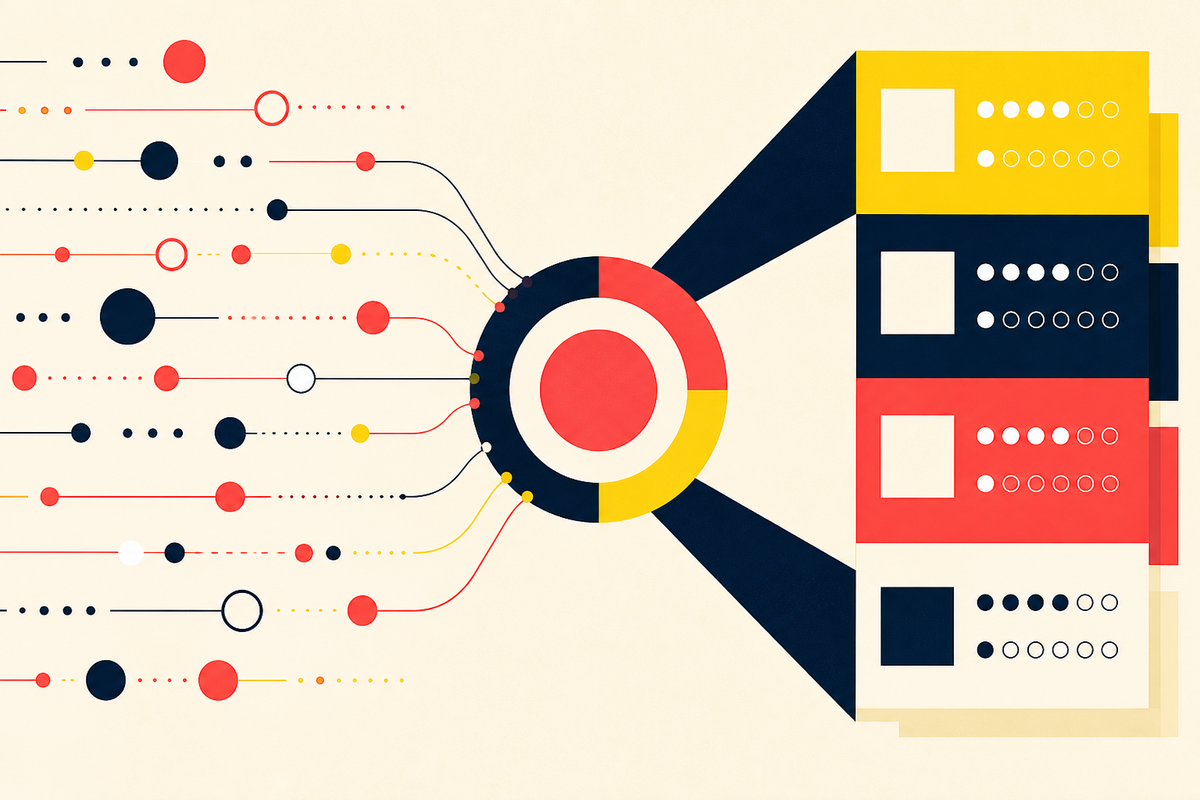
PostHog and Voxco Hear Two Different Customer Truths
PostHog watches what users do inside a product. Voxco asks what people think across channels - and the useful lesson is knowing when each kind of evidence deserves the microphone.
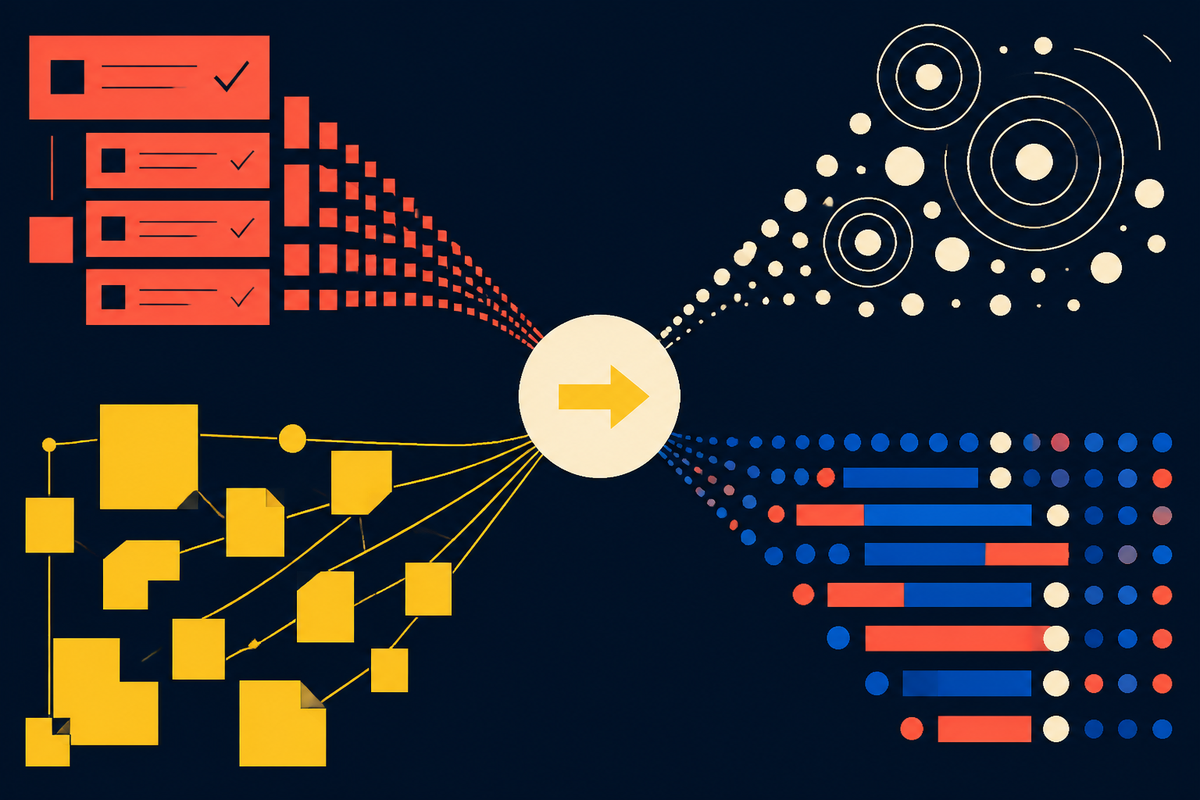
Four Research Tools, Four Very Different Jobs
Feathery, InMoment, Dovetail, and QuestionPro all promise a clearer view of the customer. The useful question is not which one wins, but which job your team actually needs done.

Four Feedback Platforms, Four Very Different Jobs
Survox, Simplesat, Zonka Feedback and Medallia all promise a clearer customer signal. The useful question is not which has the most features, but which kind of feedback operation you are actually trying to run.
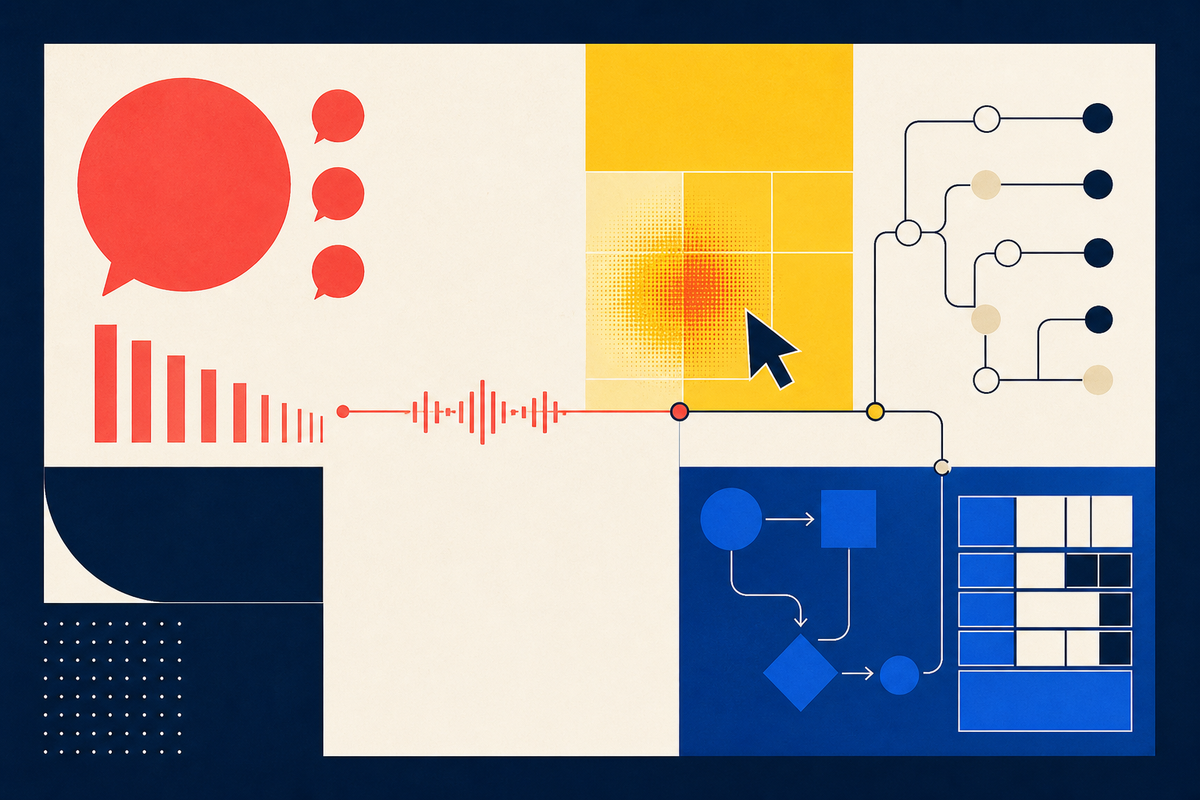
Mopinion vs SurveyMonkey vs Contentsquare vs Feathery
They all touch customer data, but they solve four different jobs. The useful comparison begins with what you need to learn, where you need to ask, and what must happen after the answer arrives.

Customer Feedback Tools Have a Placement Problem
The smartest survey stack starts with where the question belongs. Eight very different tools show why timing, channel and follow-through matter more than a longer feature list.

Eight Survey Tools and the Jobs They Actually Do
The smartest survey-software decision starts before the feature checklist. These eight platforms reveal a market split by channel, workflow and what happens after someone answers.

Six User Feedback Tools for Six Different Jobs
Survox, Sprig, Typeform, Zonka Feedback, Lyssna and Qualtrics all collect answers, but they solve different research problems. The useful question is not which tool wins - it is where the evidence needs to appear.
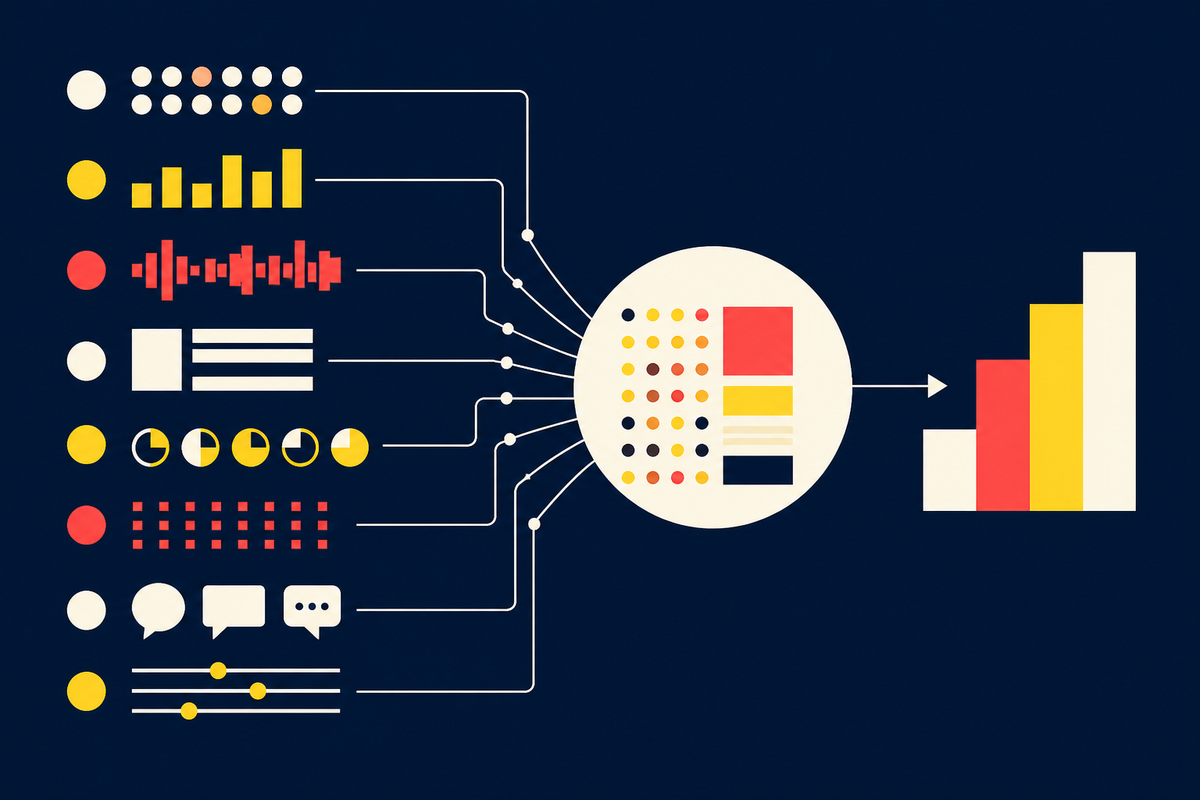
Eight Feedback Tools and the Questions They Actually Answer
Customer feedback software is not one category but a chain of evidence. Here is where UserTesting, Simplesat, Contentsquare, Voxco, Jotform, Formstack, Qualtrics and Zoho Survey fit - and where they do not.
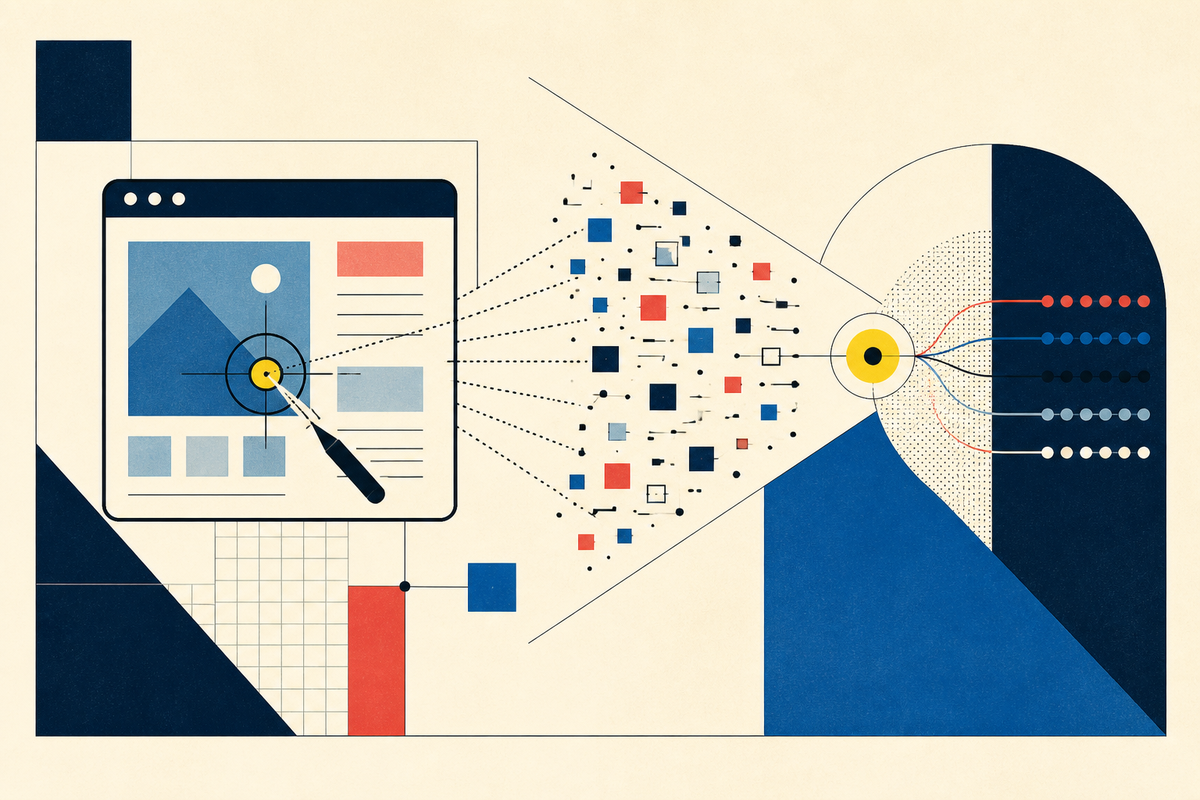
Marker.io and Unwrap Fix the Feedback Gap
Marker.io captures the bug in front of you. Unwrap finds the pattern hiding across thousands of customer comments. Together, they show why better products need both a sharp report and a wide-angle view.

The Feedback Economy Just Lost $5 Billion
Formstack quietly rebranded to Intellistack. Medallia handed its owners a $5 billion loss. The business of capturing what customers and employees tell you is being repriced - and AI is doing the repricing.

How Four AI Tools Turn Customer Griping Into Roadmaps
Pendo, Idiomatic, Keatext and Zonka Feedback all promise the same thing - that the pile of reviews, tickets and survey replies your customers leave behind can become a to-do list. Here is how the category actually works, and where each tool fits.

Customer Feedback Software Has a Split Personality
Two Australian startups, Userback and Kapiche, sit at opposite ends of the same problem: one makes feedback easy to capture, the other makes it possible to understand. The gap between them is where most companies get stuck.
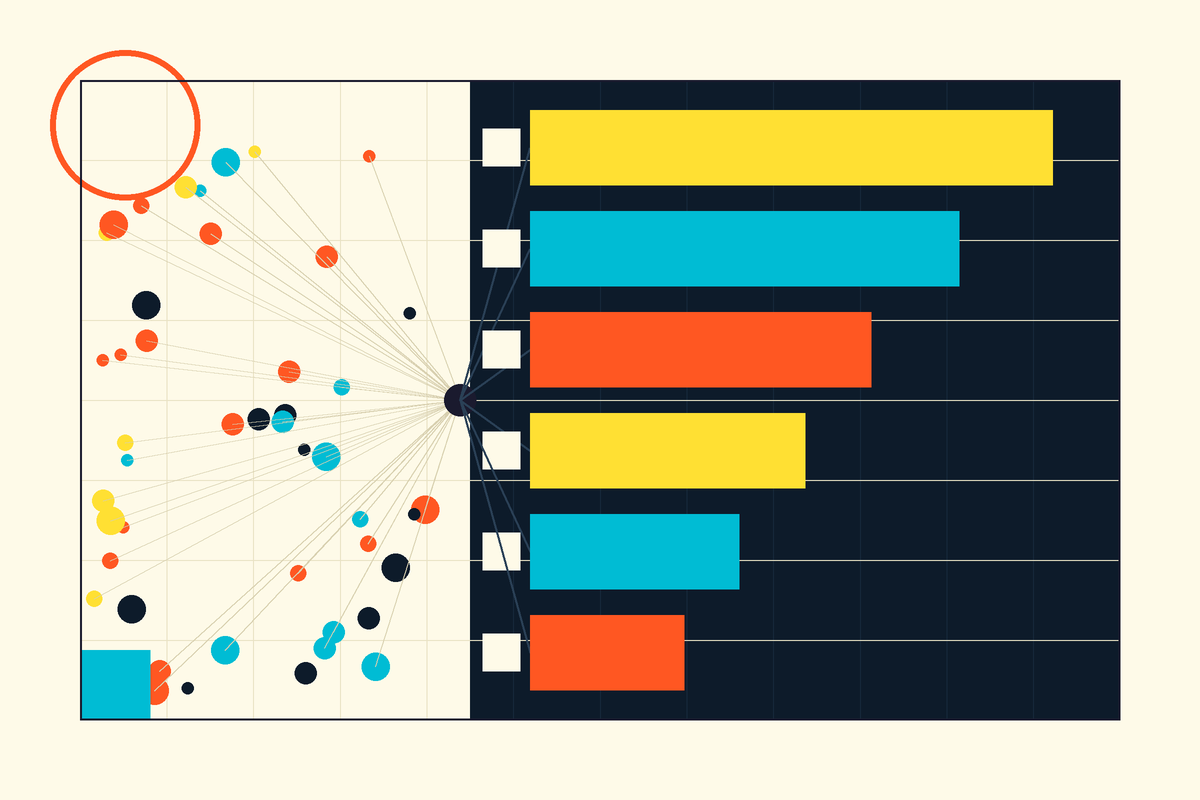
Product Feedback Tools Are Racing to Read Your Users' Minds
Six companies - ProductLift, Survicate, Productboard, Unwrap, Sprig and unitQ - are all chasing the same prize: turning the messy river of user complaints into a product roadmap. Here is how they differ, and who wins which fight.
The Quiet Turf War Inside Customer Feedback Software
Sogolytics and Simplesat ask customers the same question - how did we do? - and answer it in opposite ways. One builds an enterprise suite for the whole org; the other hides a single survey inside your helpdesk.

Six Tools Fighting Over Your Customer Feedback
SentiSum, Sleekplan, Birdeye, Kapiche, Frill and Savio all promise to turn customer noise into a roadmap. They disagree, loudly, on what that even means.
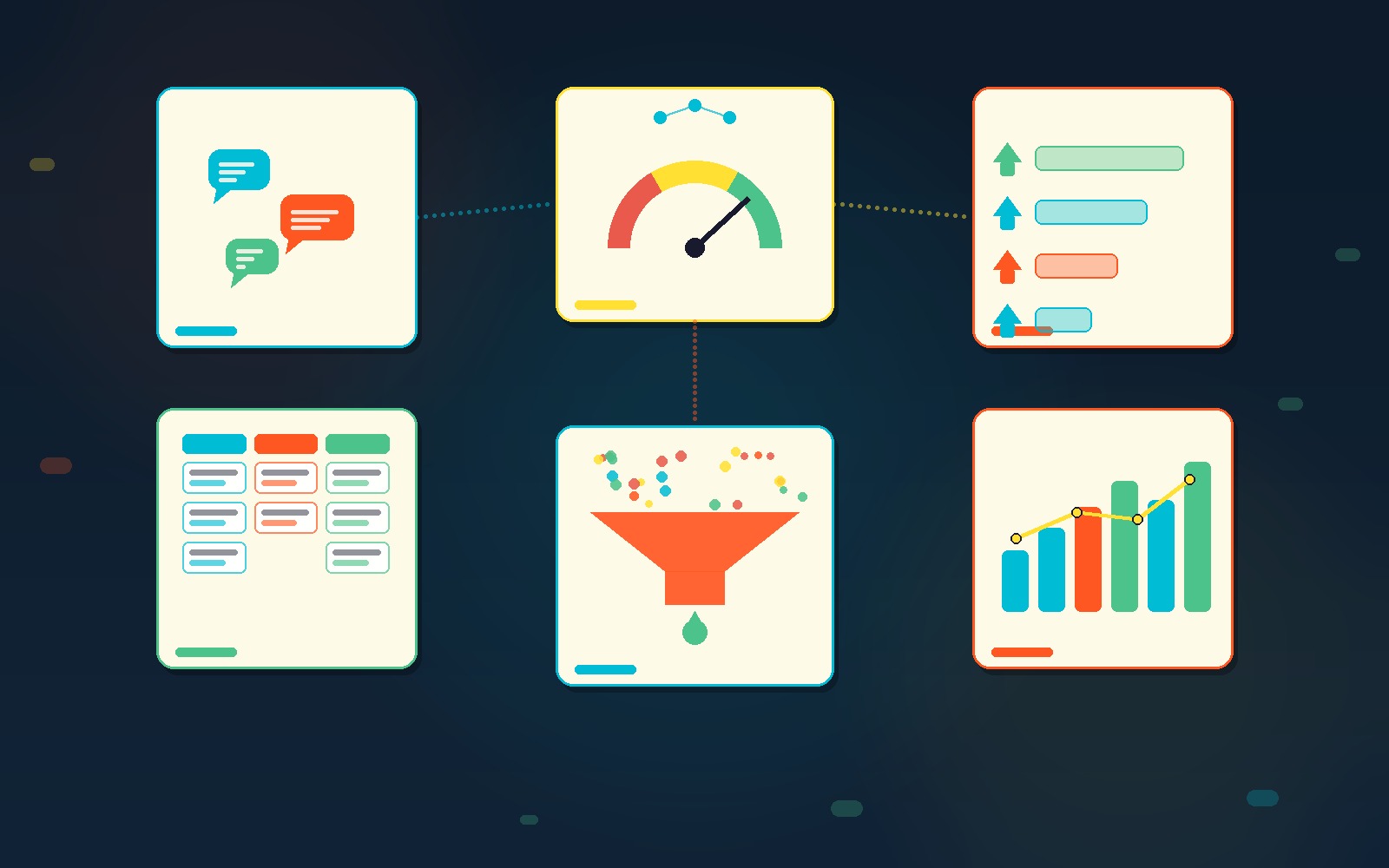
The Voice-of-Customer Tools Fighting to Own Your Roadmap
Frill, unitQ, Keatext, Contentsquare, Productboard and Aha! all promise to turn what customers say into what you build next. They just disagree, loudly, on where listening ends and deciding begins.
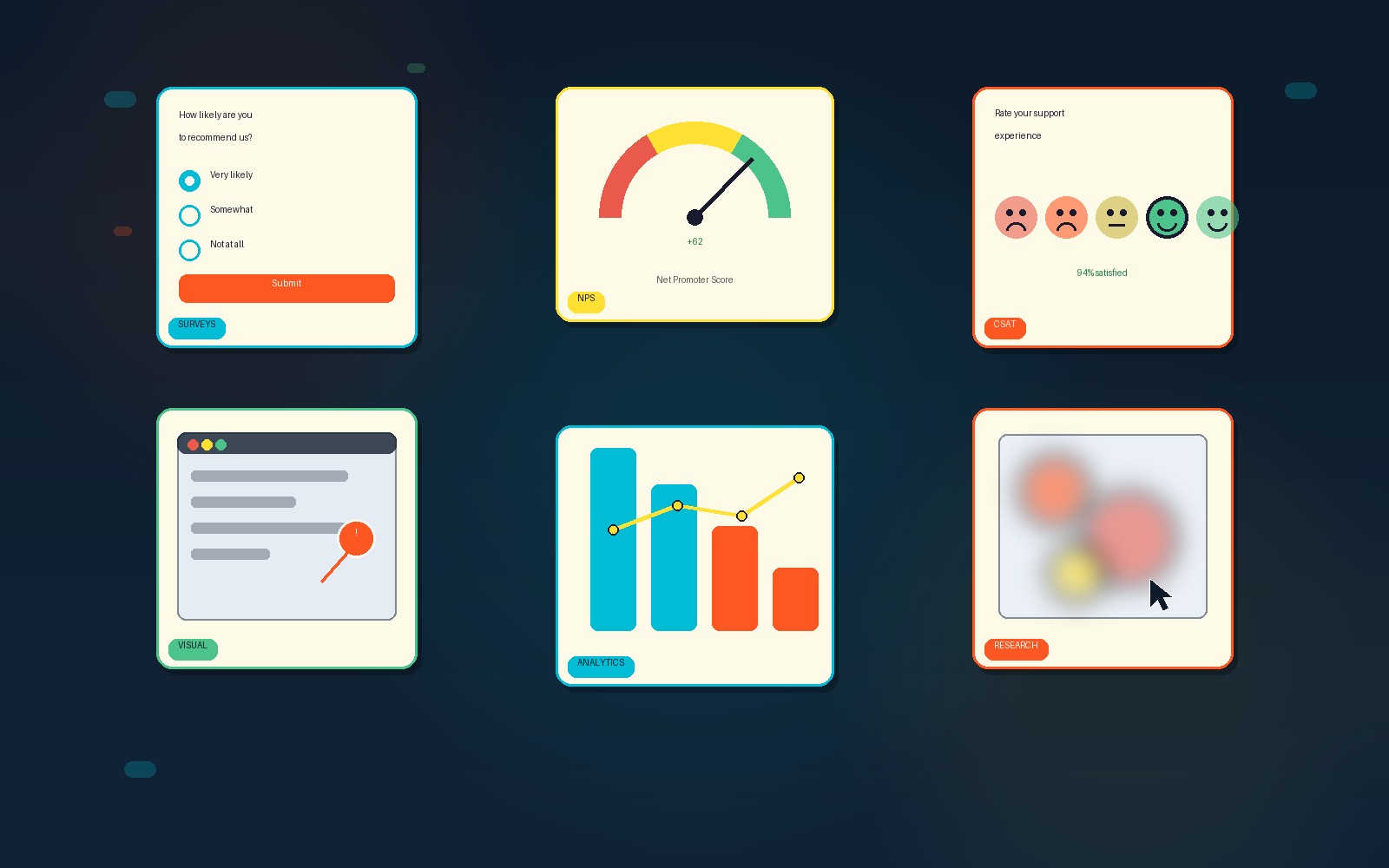
The Most Valuable Real Estate in Business Is Your Email Footer
Exclaimer manages 20 billion email signatures a year; Zonka Feedback turns "how did we do?" into data. Two companies, one bet - that the touchpoints most businesses ignore are the ones customers actually read.
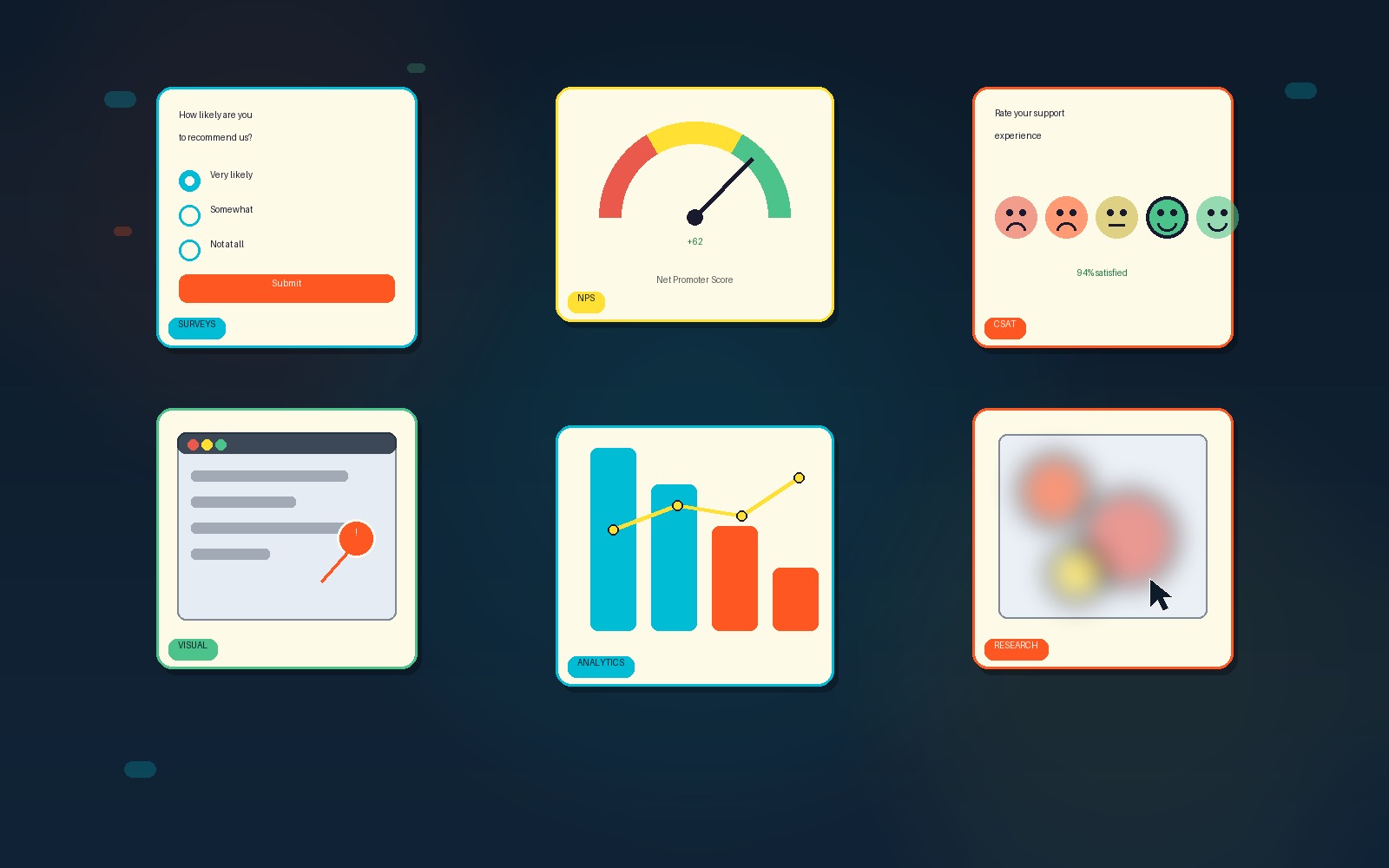
How Six Feedback Tools Turn Your Gripes Into Roadmaps
SurveyMonkey, PostHog, Lyssna and a cluster of smaller rivals have built a quiet industry around one question: what do you actually think? Here is how six of them make money from your opinions, and what each does differently.
Unwrap Reads Every Angry Review So PMs Don't Have To
The AI feedback platform, built by two ex-Alexa product managers, folds support tickets, app reviews and social posts into patterns teams can act on. Microsoft, Lyft and Perplexity are paying to skip the guesswork.
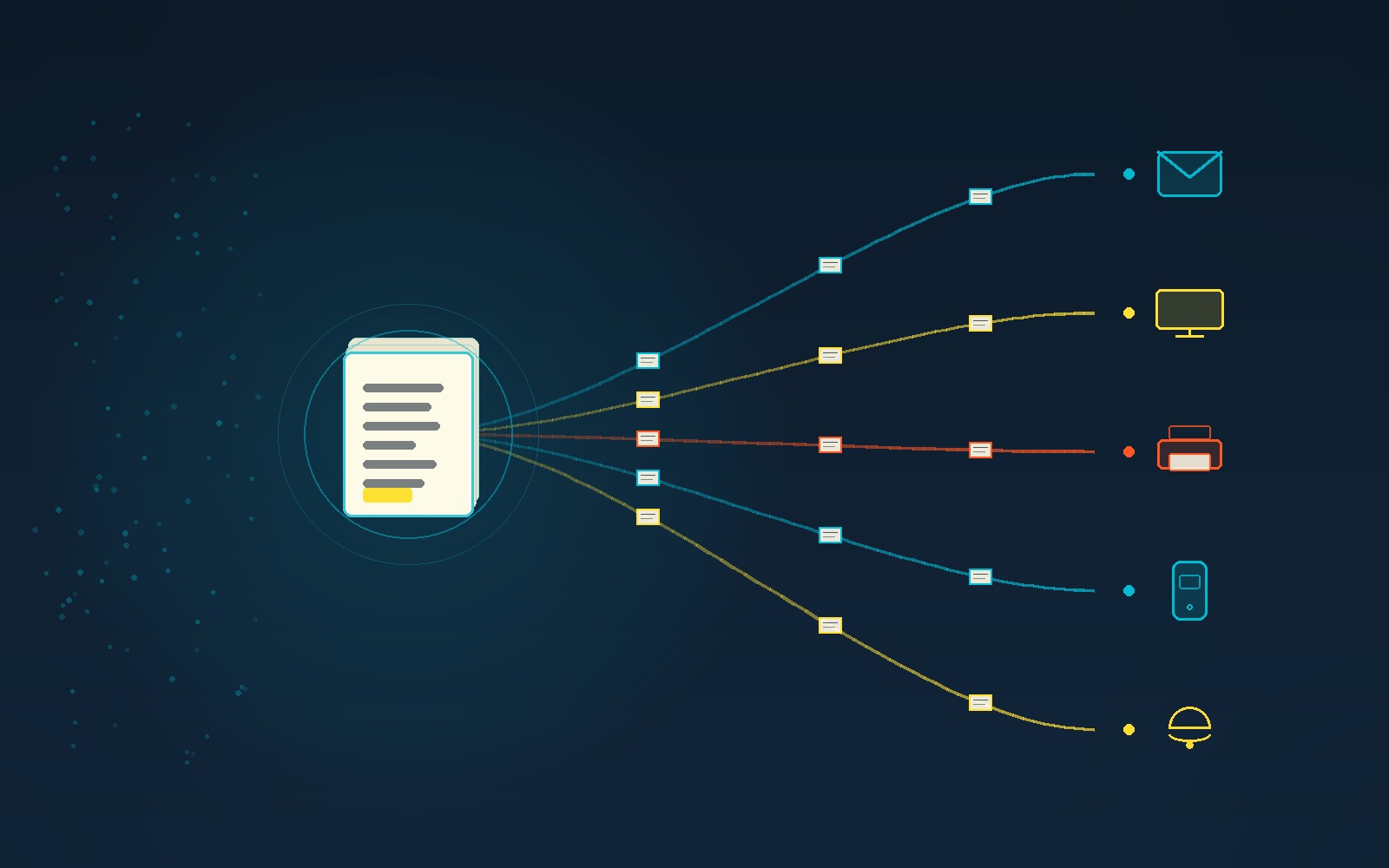
Your Customers Are Talking. These Four Tools Listen.
Birdeye, unitQ, Upvoty and Userback all chase the same runaway problem - the flood of things customers say - and each one solved it from a completely different door.

When Feedback Meets the Cursor: InMoment and Contentsquare Team Up
InMoment brings the voice of the customer. Contentsquare shows the clicks that voice is reacting to. Their partnership stitches the two halves of a digital experience back together.
Survicate and UserVoice Split How Companies Hear Customers
Two feedback platforms, born five years and one continent apart, bet on opposite answers to the same question: what do users actually want? One counts votes, the other reads the room.

Chattermill Turns a Billion Customer Gripes Into a Roadmap
The London startup founded by Mikhail Dubov and Dmitry Isupov reads Uber, H&M and HelloFresh's messy feedback for a living - and it is now racing Seattle's Unwrap for the voice-of-customer crown.
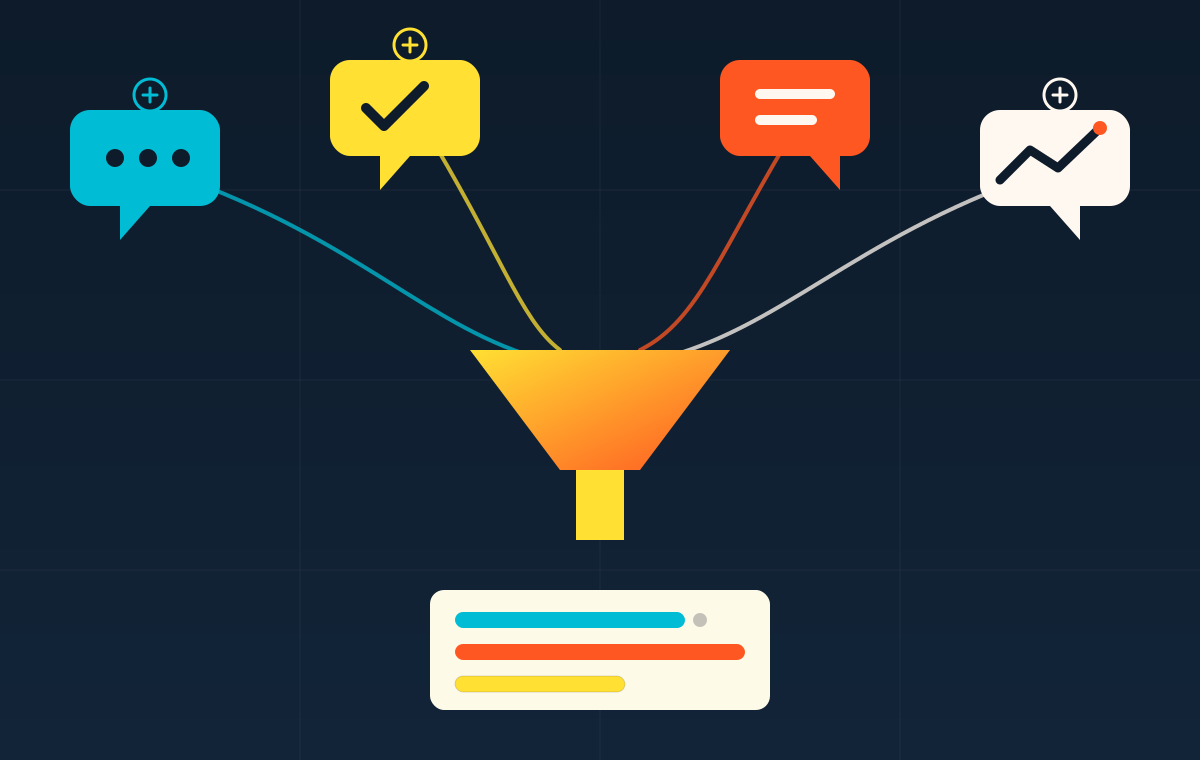
Four Customer Feedback Tools, Three Just Got Bought
airfocus, UserVoice, Mopinion and Contentsquare all promise to turn user gripes into product decisions. In the space of a year most of them stopped being independent companies - and that tells you where the whole category is heading.
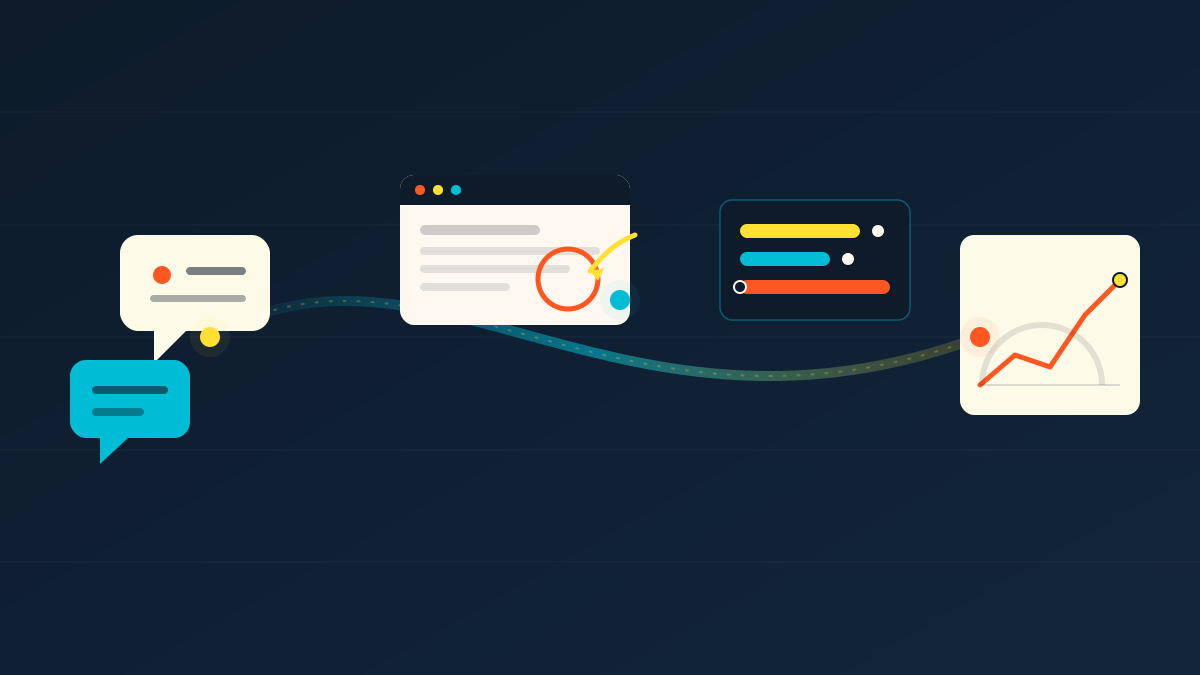
Four Feedback Tools and the Very Different Bets They Make
Medallia, Marker.io, Userback and airfocus all promise to capture what users think - but they disagree completely on what feedback is even for. Here is how the modern feedback stack really splits.