toronto
(37)
Typist makes the office a practice room.
Inside a simulated office, the humble business letter becomes a test of judgment. Typist turns keyboarding and document production into skills students can practice, measure, and use.

Top Hat found the classroom’s missing reply.
A lecture can reach hundreds of students and still miss what they understand. Top Hat built a business around getting an answer back.

Prodigy Education makes practice worth playing
Prodigy turned math practice into a world of wizards, pets, and battles. Its real experiment is whether the desire to keep playing can become the desire to keep learning.

MaRS Discovery District: Great science needs a buyer
Toronto built a place where research could meet money. MaRS’s harder assignment is getting promising technology through the door of its first paying customer.

Disco AI wants your classroom back from the software
An academy with 8,000 learners should not need to become a software company. Disco’s wager is that courses, conversation and AI belong in the same room.

Focus Academy gives good science a local address
A lab bench can prove a technology works. Focus Academy helps international founders work out who will buy it, what evidence they need, and where to build their business.

Deep Genomics wants to find the flaw before the trial
An RNA drug can hit its target and still cause trouble elsewhere. Deep Genomics is building AI that reads both sides of that bargain, with laboratory experiments keeping score.

WSI sells the expertise behind the click
A furniture showroom, a community bank, and a franchise fee reveal how WSI turns a global network into a local consulting business. The useful lesson starts before anyone buys an ad.

The Conference Company That Sells the Collision
For three decades, Strategy Institute has sold something executives insist cannot be scheduled: a useful encounter. Its trick is to engineer the room before anyone enters it.

SUGO Communications gives brands something to do
A knife lesson, a holiday recipe, a dessert timed to a television premiere. Inside the Los Angeles and Toronto agency that turns everyday products into occasions worth talking about.

Globalive sold WIND for C$1.6 billion. Then it kept building.
Anthony Lacavera’s investment company turned a bruising telecom adventure into a business-building practice. Its next tests run from a Canadian bank to a mobile network in Bermuda.

Rogers Is Building Canada’s Everything Network - and Betting the Bundle Beats the Backlash
A radio bet became a national telecom, then swallowed cable, sports and satellites. Rogers now wants one household to buy the connection, the content and the perks - while never forgetting the day its own network went dark.

Sotos LLP Built a 46-Year Business on the Fine Print Behind Every Franchise
The Toronto boutique found a narrow door into a very large room: help branded businesses launch, grow, fight and eventually exit. Its advantage is not mystery - it is decades spent learning where a business system tends to crack.

Community Agency Bet That One Brief Beats Nine Vendors - Here’s When the Math Works
The Toronto shop grew from brand design into a 100-person integrated agency. Its case studies reveal a useful operating system - and the moments when buying everything under one roof is a bad idea.

The $600 Million Bet That Mental Health Research Should Not Wait
CAMH Foundation turned an unfashionable cause into a $600 million campaign by making the gap impossible to ignore: public money can run a hospital, but philanthropy can give its scientists and patients room to move faster.
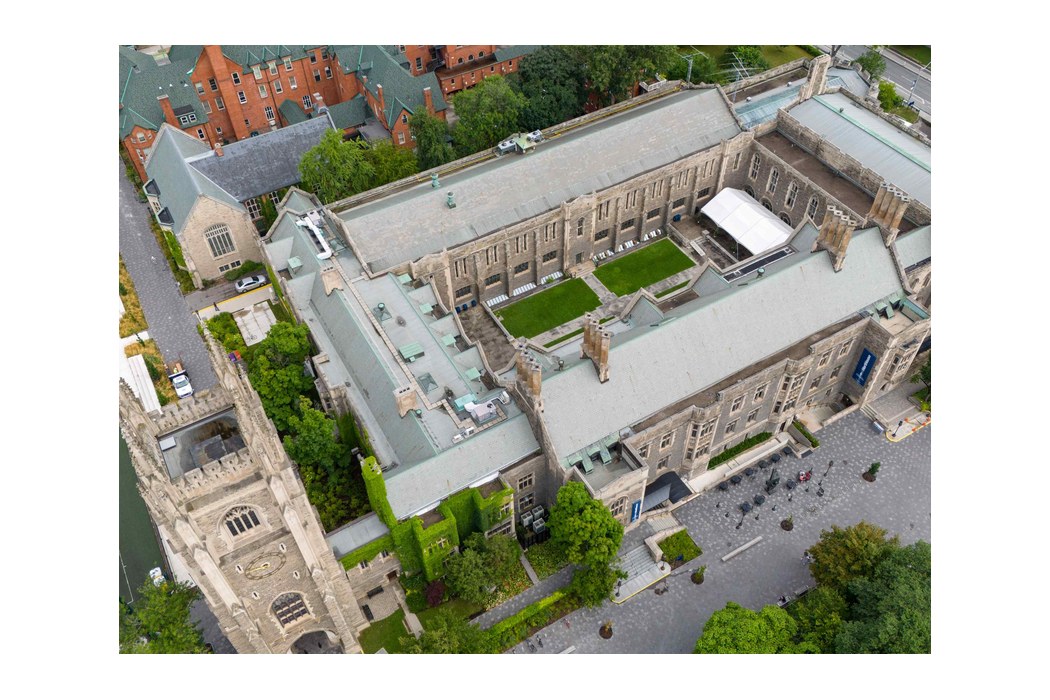
The 107-Year-Old Campus House Selling Something Students Can’t Download
Hart House is part gym, theatre, gallery, restaurant, grantmaker and Gothic living room. Its next act is harder: modernize a century-old landmark without renovating away the social friction that makes it useful.

Metrolinx Bet $13 Billion on One Toronto Rail Line - Here’s What Transit Builders Should Copy, and What They Should Never Repeat
The agency made regional integration feel ordinary with one fare card and free transfers. Then a 19-kilometre light-rail project took 15 years and roughly $13.1 billion to open - a case study in both the power and peril of building the connective tissue of a city.

DynaNet Wants Customer Support to Pay for Itself - Here’s the Playbook Behind the Pitch
The Toronto-area outsourcer mixes human agents, automation and system integration to turn the help desk from an expense line into a retention tool. Its Arcade1Up case offers a useful blueprint - and a reminder to demand the baseline, the price and the measurement rules.

When Events Vanished, Princess Margaret's $180.8 Million Fundraising Machine Kept Moving
The Toronto foundation learned the hard way that a beloved event can disappear overnight. Its answer was a portfolio of rides, lotteries, major gifts and donor tools that produced CA$180.8 million net in fiscal 2026 - a practical blueprint for charities that need both emotion and financial durability.

Before You Launch, Ask Phase 5: The Toronto Firm That Finds the Blind Spot in the Brief
Phase 5 has spent three decades making expensive decisions less guessy. Its most useful trick is not a dashboard or a slogan - it is knowing when a client is asking the wrong question.

Toronto Built a 100-Branch Social Network - Then the Computers Went Dark
Toronto Public Library lends far more than books: bandwidth, tools, museum passes, job help and, increasingly, a place to find a crisis worker. Its 2023 cyberattack exposed the risk in that civic super-app - and the stubborn value of the rooms that stayed open.
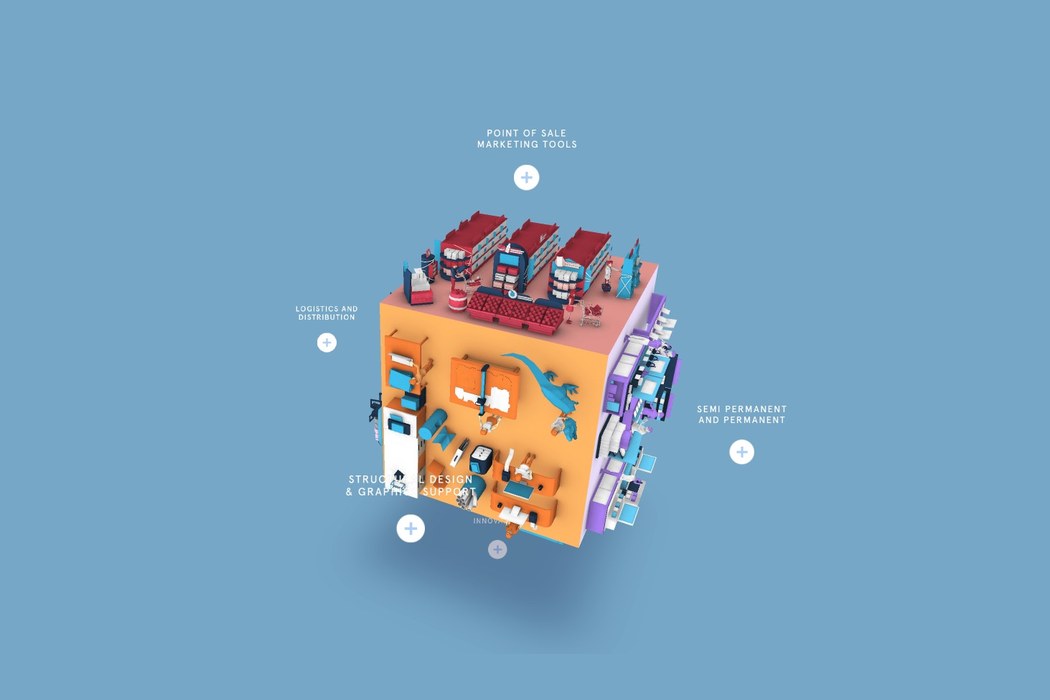
Godin Productions Bet the Shop on Making the Stuff It Used to Broker
For three decades, Godin Productions coordinated the messy work behind retail displays. Then a pandemic-era decision to manufacture in-house changed its margins, its machinery and the size of the problems it could take on.

The 109-Year-Old Law Firm That Wins by Staying in One City
Goodmans has no globe-spanning office map to sell. Its bet is more interesting: put 200-plus lawyers in one Toronto tower, give partners the hard files, and make concentration feel like reach.

Purpose Unlimited Built a $30 Billion Finance Machine by Fixing the Awkward Parts
Som Seif's Toronto firm turned unglamorous financial friction into ETFs, advisor software, business loans and retirement income - then crossed $30 billion in platform assets. The interesting product is the method behind the products.

Jewlr Turned a Jewelry Problem Into a Software Business - Then Sold 1.3 Million Pieces
Software engineers entered a stubbornly traditional trade, learned manufacturing the hard way, and built an online customization machine. The useful lesson is not about jewelry - it is about owning the messy middle between a customer's click and the box at their door.

Cassels Stayed in One City for 124 Years. Then Its Clients Wrote the Expansion Plan.
For more than a century, Cassels barely moved from Toronto’s financial core. Its route to becoming a three-office national business firm offers a practical lesson: let client demand choose the map, then redesign the institution around the work.

Holt Renfrew Bet $300 Million That the Future of Luxury Would Be Bigger, Fewer and More Personal
Canada’s old furrier survived by shrinking its map and enlarging the experience. Its useful lesson is not ‘be luxurious’ - it is to spend where digital cannot: trust, taste and human attention.

Pizza Pizza Turned One Bad Digital Stat Into a 750-Store Feedback Machine
Canada’s orange pizza chain discovered that one in three digital-delivery customers had a problem. Its response - simplify the order, test in public and turn every menu launch into measurable theatre - is a playbook operators can actually copy.

Ada
The Toronto company teaching enterprise AI agents to resolve customer problems - not just answer questions - across voice, chat, and email.

NodeBB
The Toronto team behind NodeBB spent a decade rebuilding the humble internet forum for the real-time web. Now they are wiring it into the fediverse.