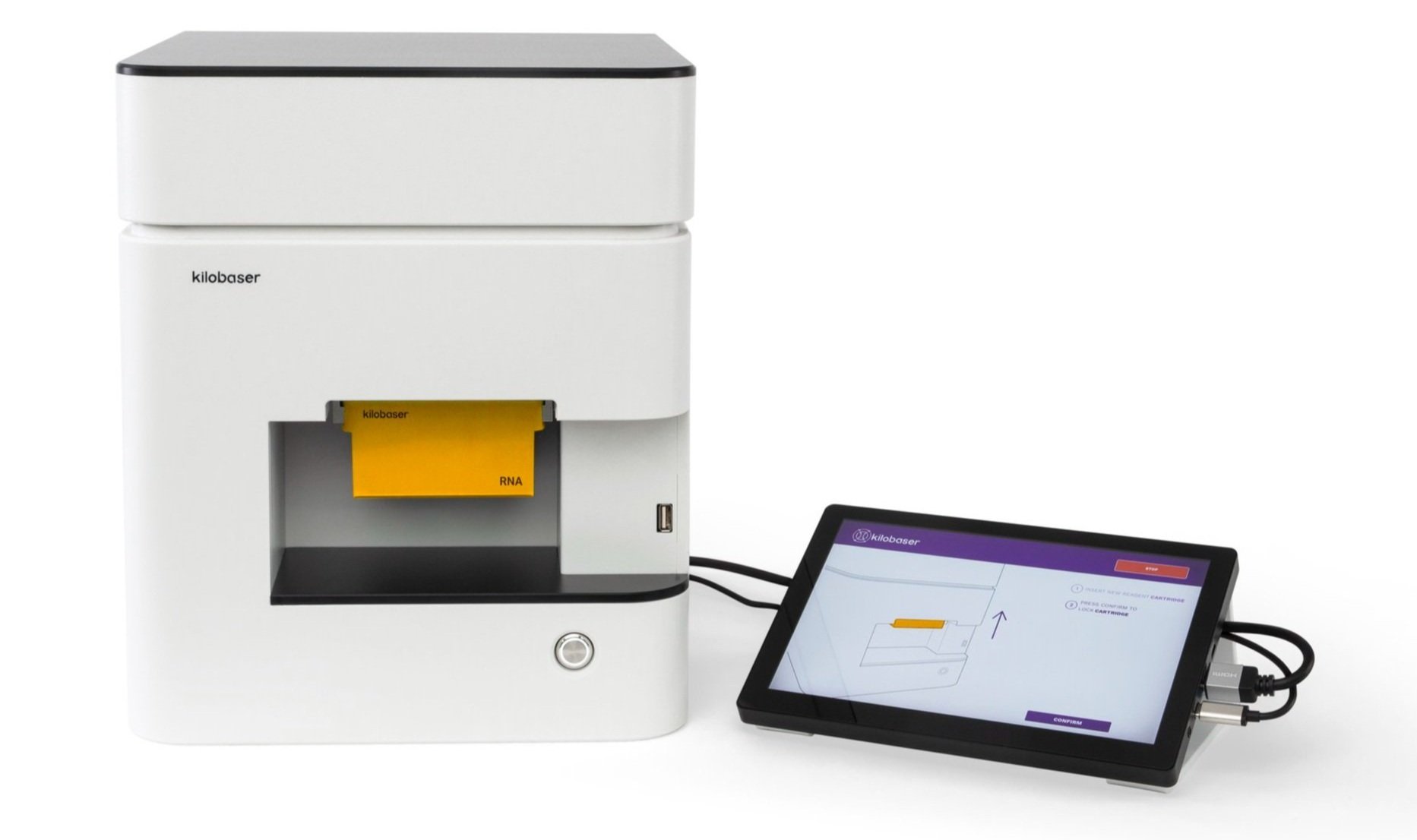
The machine looks reassuringly domestic: a white box, a yellow cartridge, a tablet beside it. It could almost belong on a kitchen counter. Kilobaser’s business, however, is making DNA and RNA synthesizers for researchers. In December 2021, the Austrian company announced a San Francisco office and demonstration site through a partnership with Focus Academy. A device developed in one country had acquired a place where customers in another could see it work.
That little geographical move explains a great deal about Focus Academy. Inventing something and establishing a business around it are separate accomplishments. Between them sit customers, evidence, distribution, regulation, and the delicate matter of persuading strangers to take you seriously. Focus works in that crowded middle.
- For founders: commercialization advice, market testing, and international immersion.
- For science teams: shared labs and offices alongside business support.
- For corporate teams: help evaluating external technologies and potential partners.
- The latest move: a Toronto office announced in June 2026.
Two founders, two halves of the problem
Focus Academy opened in August 2018, designed by Kate Gunning and Jayaranjan “J” Anthonypillai for international biotech and healthtech companies entering the United States. Its launch paired business, market, and product development programs with office and laboratory space in downtown San Francisco. Investor pitches mattered, but so did learning the cultural nuances of doing business locally.
The founders bring complementary experience. Gunning’s work centers on market development and commercialization, with a career spanning nuclear medicine, clinical chemistry, genomics, and automation. Anthonypillai’s background includes biology, lipid chemistry, technology validation, and product and process development across scientific sectors. One can see the logic of the pairing: commercial questions and technical questions can share a meeting.
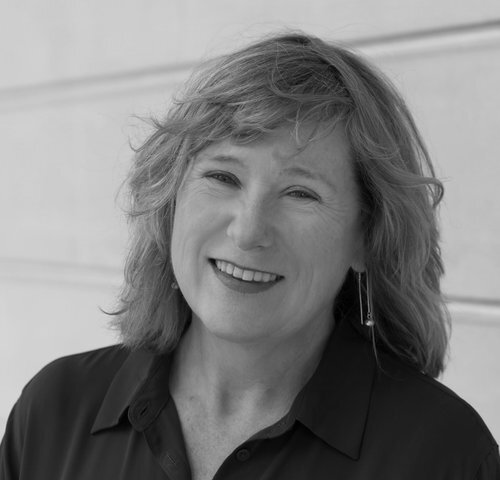
“The most viable opportunities come through connections.”
Jayaranjan Anthonypillai, at the 2018 launch
The company’s culture follows that premise. Its community offering emphasizes founders sharing knowledge about operations, growth, and launching life-science technologies. The useful unit is the exchange: somebody who has encountered a problem helping somebody who is about to.
A lab bench belongs in the business plan
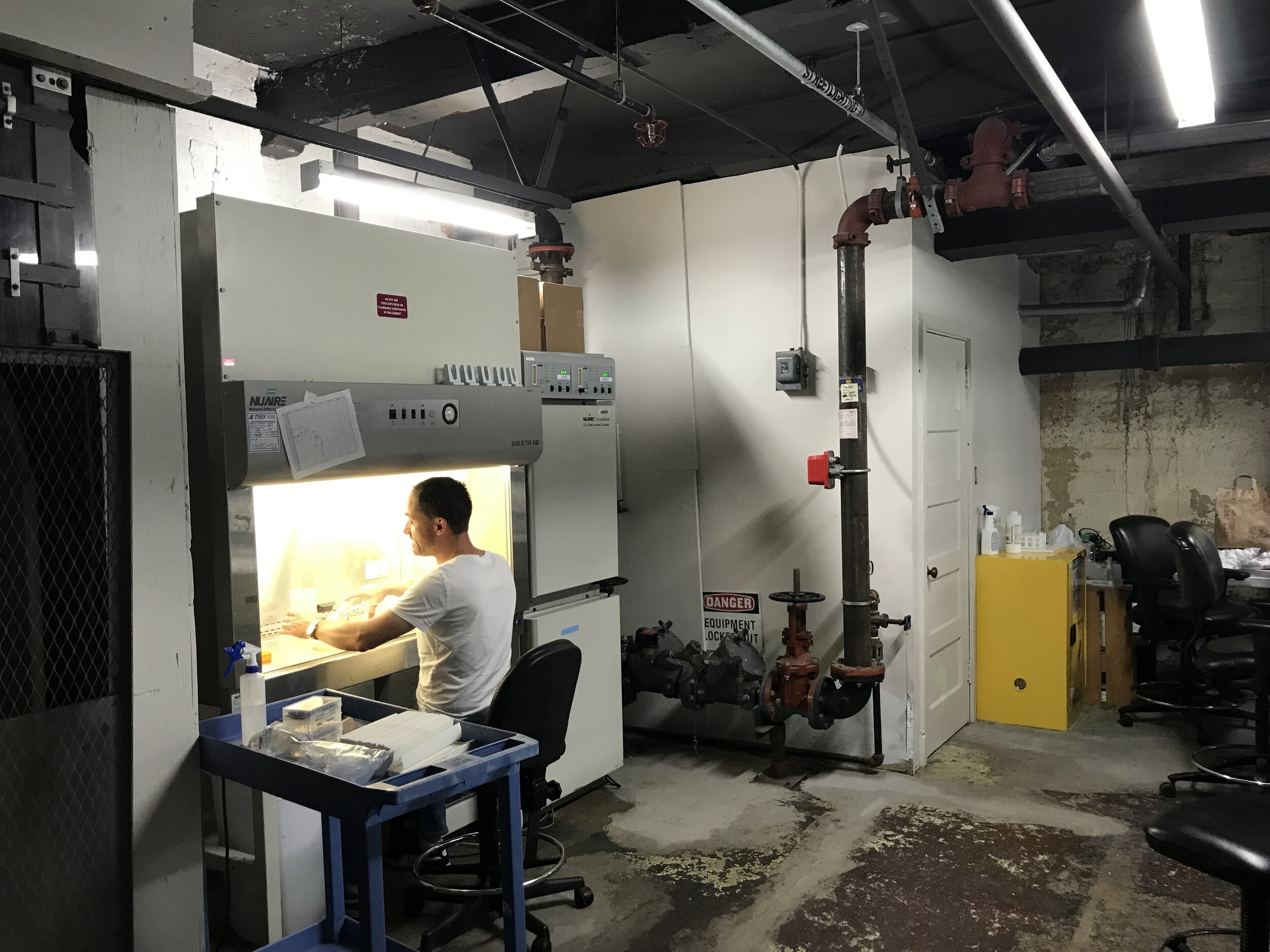
For a science company, an office is only part of an address. Focus’s facilities page describes shared laboratories supporting molecular and synthetic biology, biochemistry, microfluidics, and hardware, with shared equipment and a BSL-2 room. Its Digital Health Studio combines workspace and community with prototyping, market testing, and access to stakeholders.
The distinction is practical. A general coworking desk supplies somewhere to sit. Focus’s offering combines somewhere to develop a technology with assistance in finding its commercial use. The shared setting puts business development within reach of the experimental work. A promising prototype still has to survive a conversation with a prospective buyer.
Five startups make the journey concrete
In January 2020, Focus hosted five South African startups for a two-week Bay Area immersion: Eevly, Flamelink, iMpilo, Khoyn, and ParkUpp. They had been selected through a Kingson Capital and AKRO Accelerate pitch event. The agenda included meetings with experts, one-to-one mentorship, networking, and work on business strategy, marketing, and team dynamics.
That is a more useful description than the word “accelerator” alone. It identifies who came, how long they stayed, and what they were supposed to work on. Focus now describes both live and virtual immersion programs and says hundreds of international companies have benefited. The audience includes founders themselves and organizations commissioning support: government agencies, company builders, and other accelerators.
Corporate clients come with a different brief. Focus offers innovation discovery, product-market fit assessment, and support for strategic relationships and portfolio decisions. Its services therefore span the small company seeking a market and the established organization looking for external technology. The business is built around consulting, programs, and access to facilities.
An editorial map of the offering. Each stage brings a different question.
The evidence has to travel, too
In May 2022, Focus announced a partnership with Afortiori Development, a clinical research organization. Clients gained access to clinical development and trial-planning expertise. The announcement addressed a particular difficulty: companies seeking to use studies from their home market when pursuing approval elsewhere. Market knowledge helps determine what evidence a company should plan to gather.
Earlier, the 2020 Digital Health Studio launch brought in law firm Mason Hayes & Curran for legal and regulatory programming. Planned topics included the distinction between a medical software product and a wellness app, intellectual property, data protection, and cybersecurity. These are consequential distinctions for a founder deciding what to build and how to sell it.
Payment belongs in the same discussion. A recorded 2021 JETRO webinar featured Gunning and research director Andrew Broderick alongside reimbursement specialists. JETRO’s accompanying page described free briefing, mentoring, and coworking support for Japanese startups through its Global Acceleration Hub. That historical example shows another route into assistance: a government-backed program.
Funding preparation gets three tracks
Fem-Focus, announced in November 2022 with Silicon Valley in Your Pocket, addresses women founders’ funding barriers. Its current program page also names DealEngine as a collaborator. Virtual coaching and live immersion cover investor readiness, communication, positioning, and anti-bias tactics, with an assessment across nine business dimensions.
The revealing detail is its three tracks. Market Validation serves idea-to-MVP companies. Global Expansion serves post-revenue businesses considering another market. US Market Entry addresses companies pursuing a Series A or later US raise. Those are different tasks, and treating them differently is something any accelerator designer can copy. An introduction to investors cannot settle whether customers want the product.
Choose the market before the moving van
On June 1, 2026, Focus Academy Partners announced its Toronto office. The expansion adds Canadian market support to its US work, across life sciences, healthcare, climate, food and agriculture, advanced materials, and industrial deep tech. The stated rationale puts localized validation and pilot opportunities ahead of major investment in local teams or infrastructure.
That order is the transferable lesson. Identify the customer, examine the evidence requirements, and design a useful pilot before treating an overseas address as progress. Focus can supply advice, connections, and working space. Those tools become valuable when a team has a specific commercial question to answer and the willingness to let the answer alter its plans.