third-party-risk
(38)
Optro sees the risk between the spreadsheets.
It began with two friends and a neglected customer: the auditor. Now the company formerly called AuditBoard is teaching AI to do the paperwork - and helping businesses keep an eye on AI.
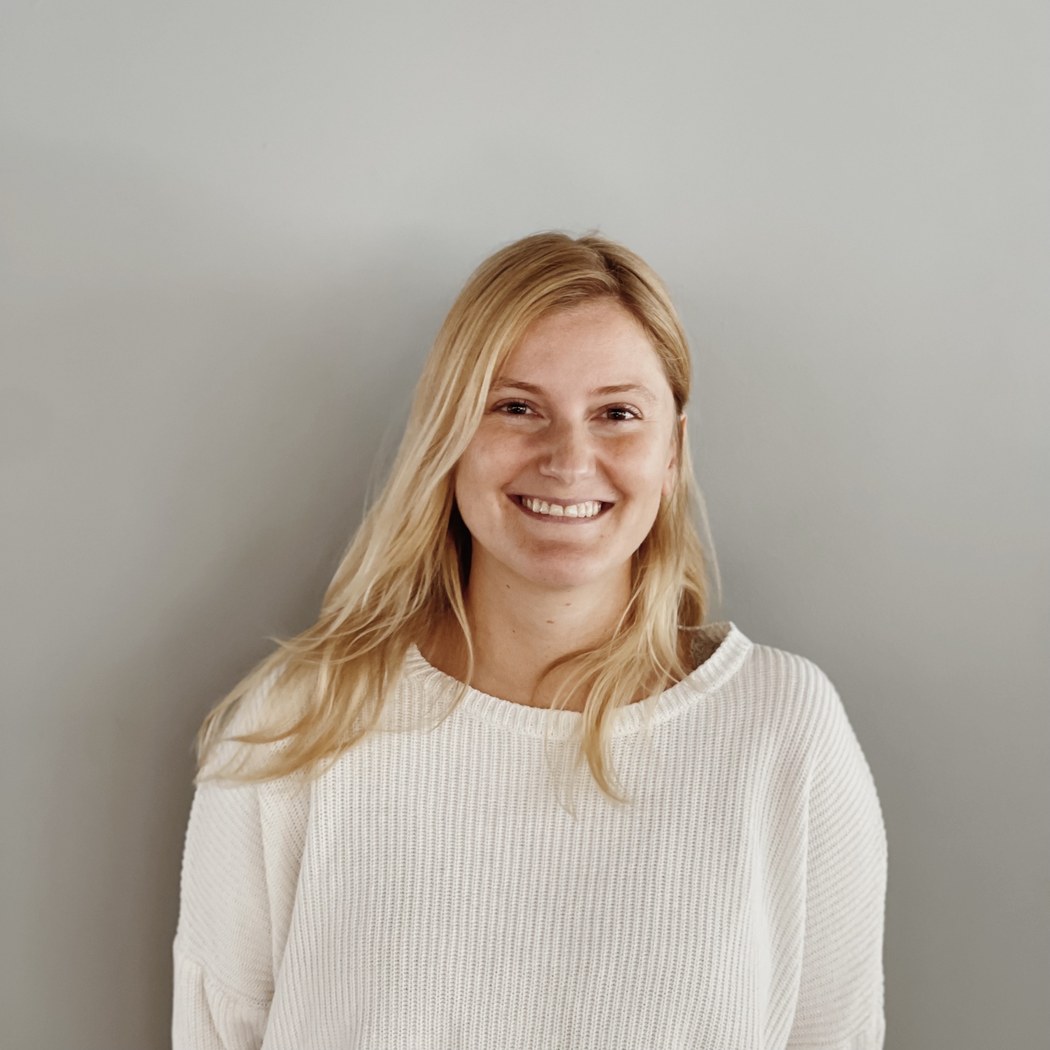
Antonia San Martín Sola and the Useful Art of Changing Course
She left corporate marketing to build a travel startup. After that venture closed, Antonia San Martín Sola helped turn a team in search of an idea into Plutto, a platform for checking the companies other companies do business with.

iCOUNTER and the danger of a respectable vendor
A supplier can pass its security review while an attacker prepares the next move. iCOUNTER is building a business around the uncomfortable interval between those two facts.
Fusion Risk Management makes the next failure easier to see
A business can have a plan for every department and still miss the connection that brings them all down. Fusion turns those connections into something teams can map, test and act on.

MCO and the expensive art of joining the dots
A trade, a gift, a private conversation: each can look innocent on its own. MyComplianceOffice is building a business around what happens when a financial firm sees them together.
TDI and the Art of the Deal You Don’t Make
A promising investment can survive a bad headline and fail a quiet inquiry. TDI sells the research, judgment and software that help businesses tell the difference.

Sayari and the Art of Following the Paper
A company can have a spotless name and a rather inconvenient family tree. Sayari connects corporate records and trade routes to show banks, businesses, and investigators who is really on the other side of a deal.
Ncontracts and the Bank That Forgot Its Own Spreadsheet
A bank can remember every transaction and still forget how its own rules work. Ncontracts has built a business around that peculiar lapse, turning contracts, compliance and institutional knowledge into something people can actually use.

The Security Scanner That Wants to Finish the Job
Lineaje began with a small heresy: finding vulnerable code is the easy part. Its larger bet is to trace every ingredient, judge the real risk, and send back a repair that does not wreck the build.

Norman Menz and the Art of Seeing Trouble Early
For two decades, the cybersecurity executive has followed risk beyond the company wall. At Flare, that long pursuit has become a global business built around a simple advantage: seeing what an attacker can see, soon enough to act.
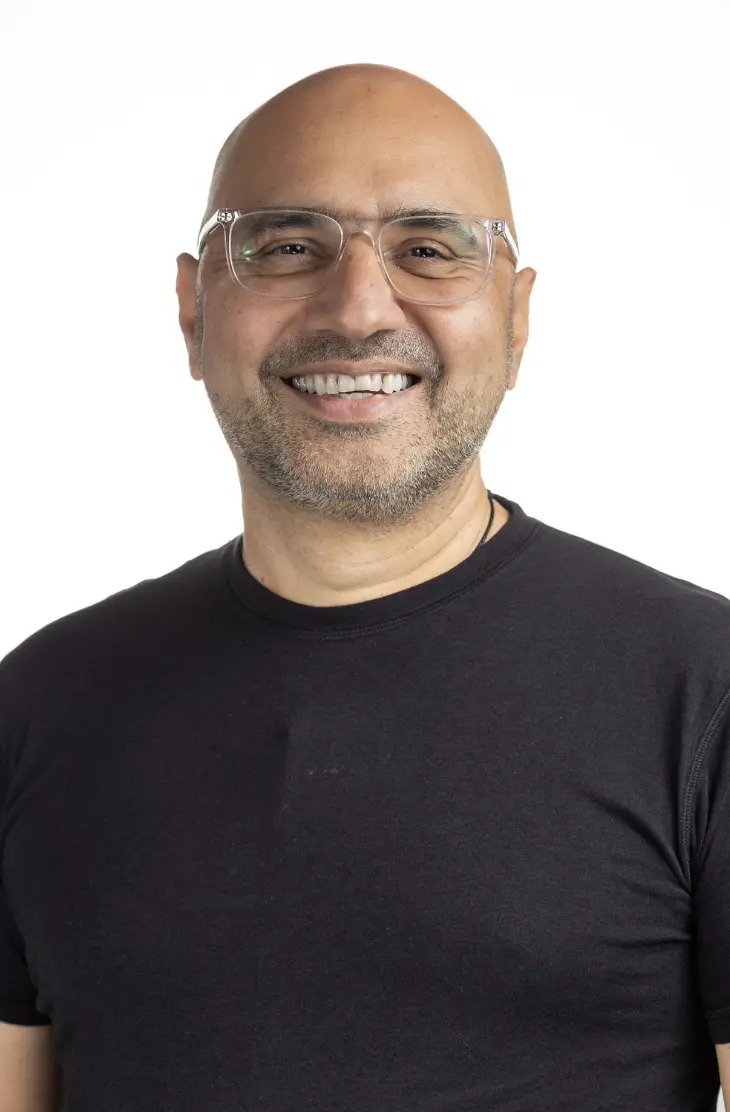
Jag Lamba Turned the Waiting Room of Business Into the Main Event
He arrived in New York with $2,000, learned how large companies make decisions, and built Certa to fix the corporate ritual everyone tolerated: waiting for permission to work together.

Candan Bolukbas Found the Back Door Was Someone Else’s Front Door
An ethical hacker kept finding the same weakness outside the fortress. He turned that recurring clue into Black Kite - and a career spent making invisible supplier risk legible.

Gatekeeper Wants Your Contracts to Stop Renewing Themselves
The vendor-management company connects contracts, supplier risk and spending in one place. Its most persuasive pitch is the money and hours customers say they recovered from work nobody wanted to own.
NAVEX Turned the Ethics Hotline Into a $2.5 Billion Risk Machine
The company began as a private-equity roll-up of four compliance specialists. Fourteen years later, its real advantage is not the hotline - it is the data trail that begins when someone decides to speak up.
Onspring Turned Compliance's Spreadsheet Problem Into a No-Code Control Room
Risk teams do not need another place to store a checklist. Onspring's wager is that they need a system they can reshape themselves - and one customer's three-year software search shows why that matters.

Exiger Put the Supply Chain Under an X-Ray - Now It Wants to Tell You What Breaks Next
The company began by helping banks survive regulatory scrutiny. A decade, several acquisitions and one decisive divestiture later, it is selling a more ambitious promise: see every hidden dependency before it becomes an expensive surprise.
Avetta Turned Contractor Paperwork Into a Passport to Work
Avetta built a $3 billion business around an unglamorous question: is this contractor actually ready to step onto the site? Its answer combines software, audits and a network - while asking suppliers to do some of the paying and plenty of the paperwork.
The $5.3 Billion Cookie-Banner Company Had to Grow Up - Now OneTrust Wants to Govern Your AI
OneTrust turned a deadline called GDPR into one of software's fastest growth stories. After a bruising reset, the company behind countless cookie pop-ups is betting that the next compliance emergency will be every company's unruly fleet of AI models and agents.

Archer Built the Risk Register. Now It Wants to Make It Think.
The Kansas software veteran spent 25 years turning scattered audits, vendor questionnaires and risk registers into one enterprise system. Its next wager is that purpose-built AI can spot the trouble before the quarterly heat map does.
Mitratech Built a Compliance Empire. Now It Has to Make the Pieces Feel Like One Product.
The 39-year-old legal-tech veteran stitched together matter management, risk, HR compliance and workflow automation. The bet is that regulated teams want one governed system more than another clever point solution.
The Riskiest Supplier Is the One Whose Numbers You’ve Never Seen
RapidRatings built a business by asking private suppliers for the one thing risk databases rarely possess: their actual financial statements. Now it is trying to pair that deep view with coverage broad enough for the whole supply chain.

Cranium Wants to Be the Control Room for Every AI Your Company Forgot It Had
Companies rushed to install copilots, models and agents. Cranium built a business around the awkward question that followed: who knows where all of them are - and can anyone prove they are safe?
Riskonnect's $683,000 Bet: Put Every Corporate Risk Under One Roof
Most companies still manage danger in spreadsheets and departmental silos. Riskonnect built a sprawling enterprise platform to connect the clues - and one commissioned study shows both the appeal and the price of the bet.

Kaushik Sen Learned to Market Risk by First Building the Systems Behind It
Before he sold a cybersecurity story, Kaushik Sen wrote software, designed systems for banks and helped build a superannuation startup. That unusual route explains why his marketing starts with the machinery, not the megaphone.

LogicGate Turned the Spreadsheet Swamp Into a Risk Map - Now AI Has to Prove It Belongs There
Three consultants got tired of forcing risk teams into rigid software, so they built a no-code system around the way those teams actually work. A decade later, LogicGate is testing whether the same flexible foundation can make enterprise AI governable without turning judgment over to a machine.
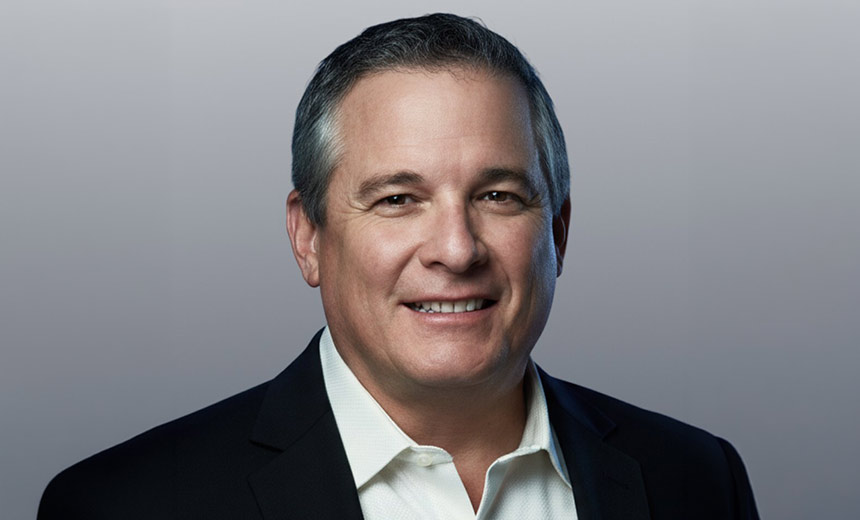
John Hernandez Has Spent 30 Years Teaching Big Software to Change Its Mind
From call centers to identity systems to the security operations center, Hernandez keeps arriving when a sprawling enterprise platform needs a new shape. At BlueVoyant, the assignment is to make cyber defense faster, more unified, and useful with or without a managed service wrapped around it.
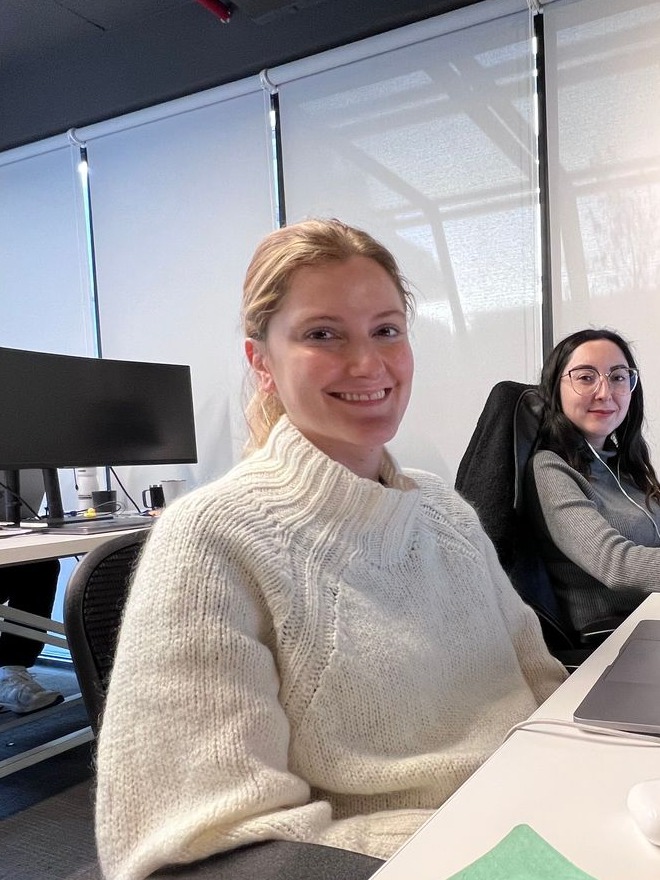
Antonia San Martín Sola Turned a Rejected Account Into Plutto’s Risk Engine
A fintech refused to open an account for her company. Antonia San Martín Sola and her co-founders started building Plutto the next day - turning a bureaucratic dead end into a new operating layer for Latin American business.
Plutto
Plutto is a Santiago-based KYB (Know Your Business) and due diligence platform for Latin America. It lets financial services, procurement, legal and compliance teams verify and continuously monitor the businesses they work with - vendors, clients and partners - by pulling legal, financial, tax and labor data from 15+ official sources, screening against sanctions and PEP lists, and producing auditable, AI-summarized risk reports. What once took lawyers weeks and cost about $100 per client now runs in minutes for a few dollars per check.

Compyl
Compyl is a New York-based SaaS company that unifies governance, risk, and compliance (GRC) on a single platform. Founded in 2020 by former CISOs, it pulls evidence directly from more than 125 integrated systems, maps controls across 70+ frameworks like SOC 2, ISO 27001 and HIPAA, and uses agentic AI to draft evidence, score vendors and answer security questionnaires while keeping humans in control of decisions. Compyl raised a $12M Series A in June 2025 to scale its AI-led platform for mid-market and enterprise security teams.
Cyble
Cyble is an AI-native threat intelligence company that continuously monitors the surface, deep, and dark web to help enterprises and governments detect, predict, and disrupt cyber threats before they cause damage. Founded in 2019 by Beenu Arora and Manish Chachada, the company packages dark web monitoring, digital risk protection, attack surface management, and agentic AI analysis into a unified platform used by organizations ranging from agile startups to Fortune 50 companies and national agencies.