third-party-risk
(8)
Antonia San Martín Sola and the Useful Art of Changing Course
She left corporate marketing to build a travel startup. After that venture closed, Antonia San Martín Sola helped turn a team in search of an idea into Plutto, a platform for checking the companies other companies do business with.

Norman Menz and the Art of Seeing Trouble Early
For two decades, the cybersecurity executive has followed risk beyond the company wall. At Flare, that long pursuit has become a global business built around a simple advantage: seeing what an attacker can see, soon enough to act.

Jag Lamba Turned the Waiting Room of Business Into the Main Event
He arrived in New York with $2,000, learned how large companies make decisions, and built Certa to fix the corporate ritual everyone tolerated: waiting for permission to work together.

Candan Bolukbas Found the Back Door Was Someone Else’s Front Door
An ethical hacker kept finding the same weakness outside the fortress. He turned that recurring clue into Black Kite - and a career spent making invisible supplier risk legible.

Kaushik Sen Learned to Market Risk by First Building the Systems Behind It
Before he sold a cybersecurity story, Kaushik Sen wrote software, designed systems for banks and helped build a superannuation startup. That unusual route explains why his marketing starts with the machinery, not the megaphone.
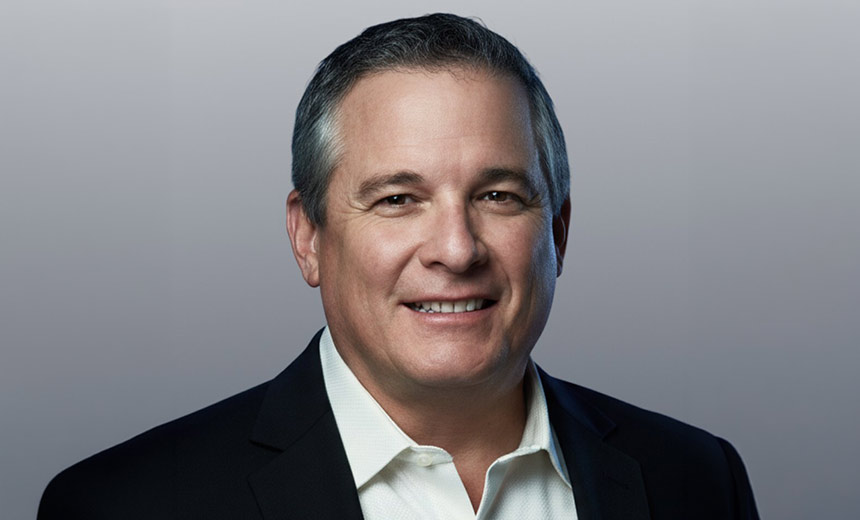
John Hernandez Has Spent 30 Years Teaching Big Software to Change Its Mind
From call centers to identity systems to the security operations center, Hernandez keeps arriving when a sprawling enterprise platform needs a new shape. At BlueVoyant, the assignment is to make cyber defense faster, more unified, and useful with or without a managed service wrapped around it.

Antonia San Martín Sola Turned a Rejected Account Into Plutto’s Risk Engine
A fintech refused to open an account for her company. Antonia San Martín Sola and her co-founders started building Plutto the next day - turning a bureaucratic dead end into a new operating layer for Latin American business.

Paul Paget
Paul Paget is the CEO of Black Kite, a Boston-based third-party cyber risk platform he joined in 2019 after a career running cybersecurity companies including PwnieExpress, Savant Protection, and Core Security Technologies. A Bowdoin history major turned career security operator, he has built and sold a string of security businesses and now leads Black Kite in the security ratings market.