techstars
(53)
Momchil Kyurkchiev and the education of a Google engineer
He left Google knowing how to test software. Building Leanplum taught Momchil Kyurkchiev to question almost everything else - from who his customers were to what a company owes its people.
Gercek Karakus and the Cost of Free
A cloud credit package worth $500,000 looked like a gift. For Raklet founder Gercek Karakus, the bill that followed became one chapter in a longer education: how to build a software company that can pay its own way.

Mark Collins and the Problem That Wouldn’t Leave Him Alone
A former North Sea commercial diver, Mark Collins has spent decades inventing things. With his son Chase, he is now working to make hydrogen power ordinary enough to keep at home.
Razvan Creanga and the Trouble with Looking Good on Paper
He learned to code as a child in Romania, then helped build a hiring company around what a CV leaves out. Razvan Creanga’s route to hackajob runs through a candy printer, a London coffee shop and a stubborn belief in demonstrated ability.

Ken Carnesi and the $800 Problem That Kept Getting Bigger
A rooftop antenna put Ken Carnesi in the internet business. An unhappy spell as a customer gave the DNSFilter co-founder a second business, and a lasting interest in who gets to control the connection.

Nigel Sharp and the useful art of changing your mind
A teenage welding business, an Armenian detour, and a water startup built on a discarded idea. Nigel Sharp’s career keeps returning to the same question: what do people actually need?
Steve Semelsberger’s Five-Year Route to the CEO’s Chair
He met Testlio’s founders as a mentor, became an advisor, then invested. Five years after that first introduction, Steve Semelsberger took the CEO job. His next company asks how software teams can keep up with change.

Ben Uretsky and the business of making less work
Before DigitalOcean, Ben Uretsky learned that better servers could still lose the sale. His next company made a different promise: give developers an easier way to get on with their work.
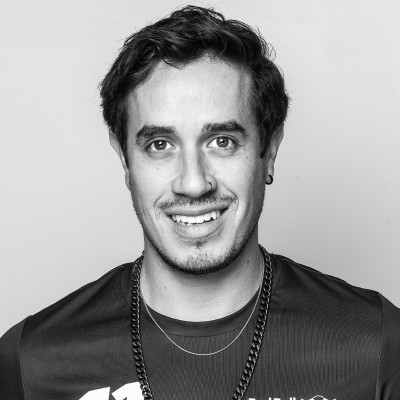
The goalkeeper who kept coming back to football
Ernesto Reza-Garduño helped build Mayan around the daily problems of Amazon sellers. With Tekkers AI, the MIT engineer is returning to a question he knows personally: how does football bring people together?

Nazar Gulyk and the art of handing over the wheel
He brought startup teams together to build Empat, kept the business moving through war, and then handed over the CEO role. For Nazar Gulyk, the next chapter begins with the people he puts in the room.
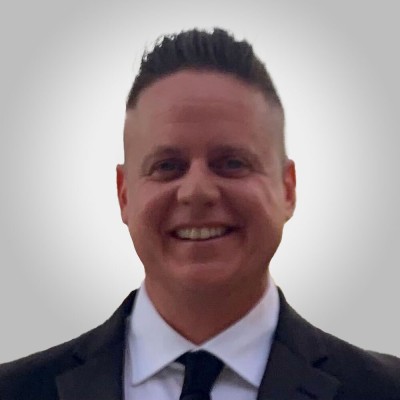
Kevin Adams and the business of knowing one more thing
Fantasy players know him as MagicSportsGuy. From FTN to StatRankings, Kevin Adams has kept returning to the same problem: how to put useful football information within reach of the people making the next decision.

Jolie Yu and the classroom after the career
Her grandmother’s senior university in China helped give Jolie Yu an idea: retirement could be a beginning for education. With EverLearn, she took that idea from a Harvard-MIT student project to Techstars’ 2024 San Diego cohort.

Juan Jurado-Blanco and the week between work and payday
A restaurant shift gave Juan Jurado-Blanco a question worth pursuing: why wait for money you have already earned? His answer, Clockout, took him from workplace payroll to the banking apps people already use.
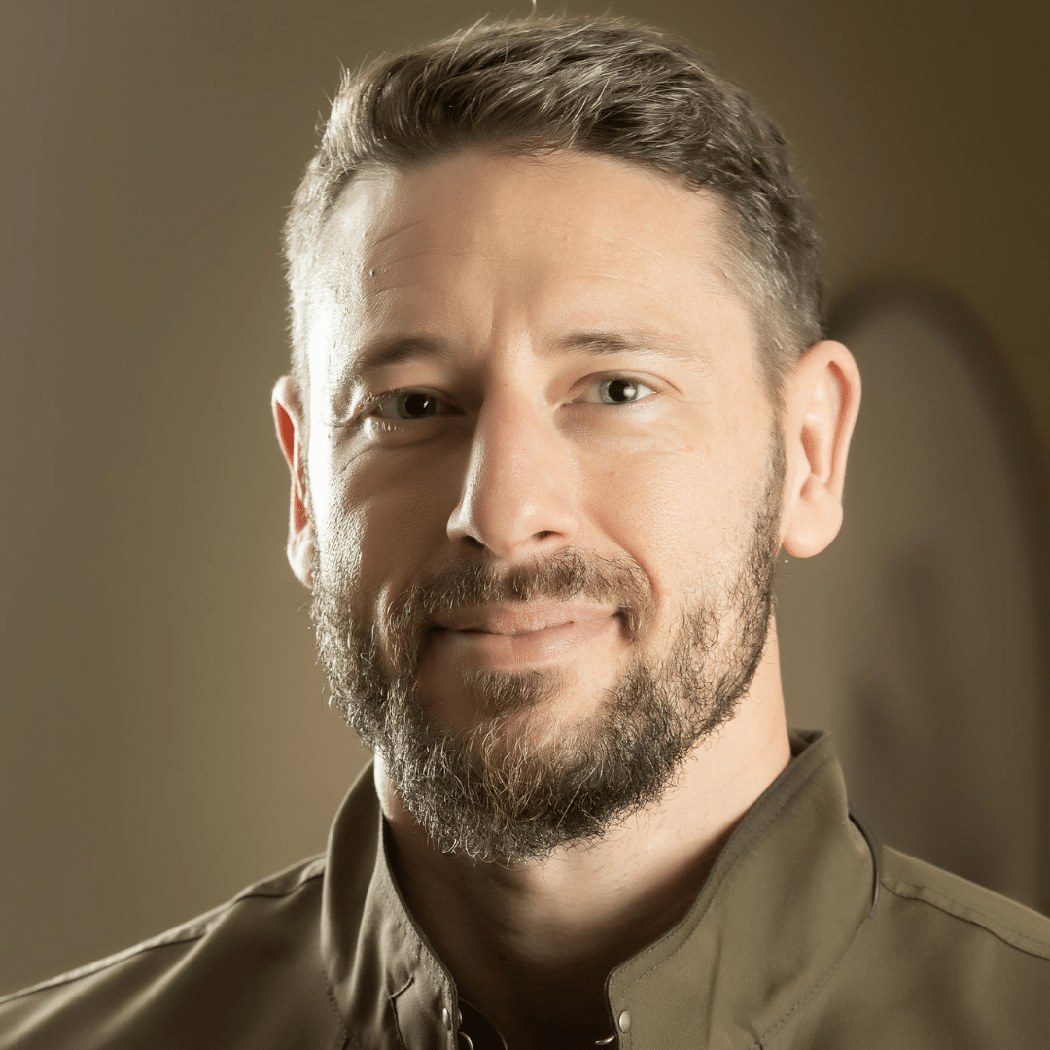
Jordan Fliegel and the advantage of having a coach
A private basketball coach changed Jordan Fliegel’s path. From CoachUp to Acquisition Lab, he has been building ways for other people to get that same kind of help.
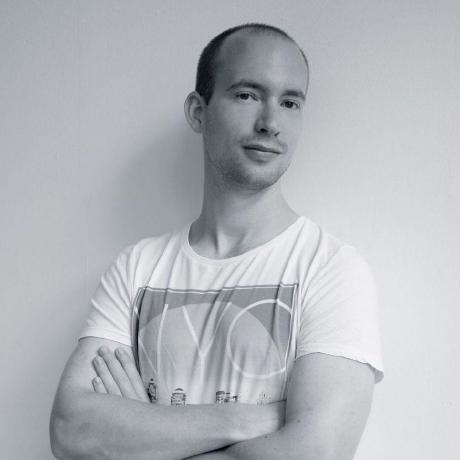
Thierry Schellenbach Turned a Stubborn Feed Into a Global Stream
A fashion network gave him a scaling problem. A transatlantic move gave him the room to solve it. Now the self-taught programmer behind Stream is building the plumbing for conversations most users never think about.

Sofia Vyshnevska and the Follow-Up Nobody Had Time to Make
After six accelerator rejections, three pivots and one pandemic-timed launch, the Ukrainian-born Jome co-founder has a precise idea about AI: let it chase the cold leads, so people can handle the warm moments.
Puneet Kohli Put a Sales Pipeline Inside the Job Search
A former Apple computer-vision engineer treated the lonely job hunt like a system that could be debugged. The first experiment drew 30,000 users - and gave Careerflow.ai its reason to exist.
Geng Wang Put the Clipboard Out of Work - Then Retired the T-Shirt
His third startup began as Pokémon Go for volunteering, became the back office for hundreds of nonprofits, and reached break-even before he handed over the keys. Now the Civic Champs cofounder is building again.

Mike Hardenbrook Keeps Turning the Audience Into the Next Business
His companies look different from a distance. Up close, they share one habit: listen carefully, notice the request hiding inside the request, and build the missing next step.

Ali Carvalho Built a Social Network for the Stories We Almost Lose
She left corporate strategy to build a place where many small memories could add up to one vivid life. After seven years of experiments, pivots, and community rituals, LifeWeb 360 found a new home inside HistoryIT.
Shirley Romig
Shirley Romig is a consumer, technology and operations executive with more than two decades of experience across the full company lifecycle. She is Chief Operating Officer at Techstars, the global pre-seed accelerator, after joining as Chief Accelerator Investment Officer in late 2023. Before that she co-founded and ran Mixo, a video platform for global food creators, and held senior operating roles at Lyft, Equinox, SapientRazorfish and Saks/Hudson's Bay, where she led omnichannel transformation. She sits on the boards of Lovesac and Mama's Creations.
David Cohen
David Cohen is the founder and CEO of Techstars, the startup accelerator he launched in Boulder, Colorado in 2006 alongside Brad Feld, Jared Polis, and David Brown. A self-described life-long entrepreneur and ex-hacker, he built and sold two companies before turning to investing, then reshaped early-stage funding around a philosophy he calls Give First. Under his leadership Techstars has backed thousands of startups across dozens of countries, seeding more than a dozen unicorns and helping founders raise billions in follow-on capital.
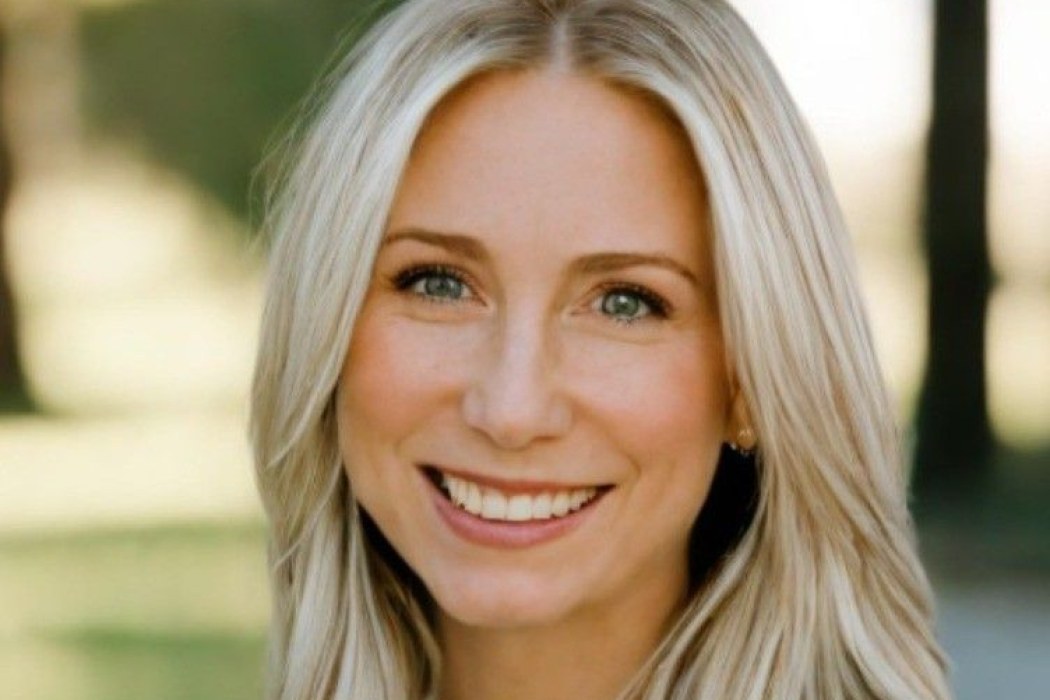
Sabrina Kelly
Sabrina Kelly is a people and talent leader who rose from technology recruiting to become President of Techstars, one of the world's largest startup accelerator and investment platforms. Over roughly a decade at Techstars she led People Operations globally, served as Chief People Officer, and built scalable HR functions across markets in the US and Europe. Earlier she recruited technical talent for names like Spotify, IAC, and Etsy in New York, and founded the HR function at CustomMade in Boston. She is known for an empathetic, direct, and pragmatic approach to building culture and managing distributed teams.

Vicki Knott
Vicki Knott is the CEO and co-founder of CruxOCM, a Calgary-based industrial autonomy software company building AI-powered automation for oil and gas control rooms. A chemical engineer (P.Eng.) who started on the plant floor and trained as a pipeline control room operator at TransCanada, she left in 2017 to co-found CruxOCM with Roger Shirt. Her company's RIPA (Robotic Industrial Process Automation) technology automates the manual, high-stakes work of pipeline operators, and raised a $17M Series A led by Microsoft's M12 venture fund in 2024.

Christopher Calmeyn
Christopher Calmeyn is a New York based product designer and startup founder, best known as a co-founder of Fetcher, an AI recruiting platform that automates candidate sourcing and outreach across a database of hundreds of millions of professional profiles. He began his career in quantitative currency investing before moving into product design, and built a string of consumer and professional mobile products, including the business messaging app Caliber, before helping pivot that team into recruiting. That pivot became Scout, named after his dog, which later rebranded to Fetcher. Fetcher has raised more than $40 million and serves hundreds of corporate talent teams.

Mark Balovnev
Mark Balovnev is the CEO of CYRISMA, a Rochester, New York cybersecurity risk-management platform built for MSPs and MSSPs. A serial founder who wrote his first line of code at nine and dropped out of business school at eighteen, he scaled the digital-credentialing company EduChain to more than 1.5 million users and a private-equity exit, co-founded the non-human identity security firm Vantyr, and took the top job at CYRISMA in January 2025 just after the company closed a $7 million growth round. He describes his work as operating in the gap between technical complexity and business urgency.
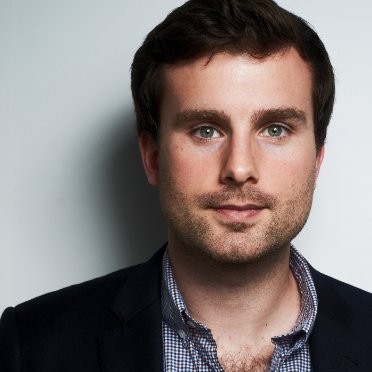
Matt Barba
Matt Barba is the co-founder and CEO of Placester, a Boston-based SaaS platform that gives real estate agents and brokers websites, IDX/MLS integration, CRM, and marketing automation. He started coding as a kid, worked as a Boston real estate agent while at BU, built a widely used WordPress real estate plugin called Builder, and launched Placester in 2011 with CTO Frederick Townes. The company raised roughly $115M across rounds from NEA, Romulus Capital, and Techstars. Barba appeared on the Swanepoel POWER 200 list of top real estate industry leaders in 2015, 2016, and 2017.

Guillermo Cornejo
Guillermo Cornejo is the co-founder and CEO of Riders Share, the largest peer-to-peer motorcycle rental platform in the U.S. A Peruvian immigrant who never drove a car before he learned to ride, he crashed a Kawasaki Ninja 250 at 80 mph at age 23 and walked away with a hand full of pins and an obsession. After years analyzing high-risk auto loans at Nissan, GM and Hyundai, he built a marketplace that lets motorcycle owners rent out idle bikes to vetted riders, using credit and driving data to price crash risk. He started it during a full-scholarship MBA at UCLA Anderson, moved the company to Austin, and grew it to thousands of listings and hundreds of thousands of registered riders.
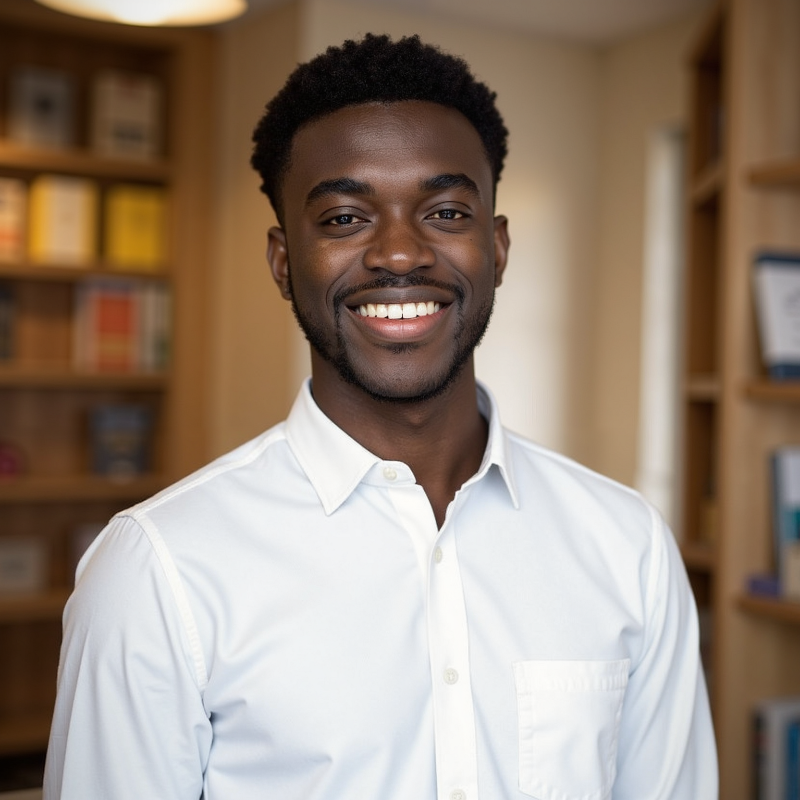
Kobby Amoah
Kobby Amoah is the co-founder and CEO of River Health, a Minneapolis-based subscription health plan built for hourly workers in the United States. Born in Ghana and educated at Wartburg College and MIT's idea-stage accelerator, he previously founded Obaa, a mobile electronic medical records venture for developing countries. River Health pairs virtual primary care, behavioral health, and prescription delivery for a flat monthly fee, and has partnered with national restaurant operators to bring coverage to employees who fall through the gaps of traditional insurance.

Adrien Fraise
Adrien Fraise is the CEO and founder of ModernGuild, a New York-based edtech company that pairs high school and college students with one-on-one career coaches and a structured online readiness program. A former Deloitte strategy consultant with degrees from Stanford and Columbia Business School, he launched ModernGuild in January 2011 after concluding that traditional early-career recruiting was broken: too many resumes, too little real review, and too much bias. He built the company into a mentoring marketplace that has served tens of thousands of students, partnered with employers like Citibank and Wells Fargo, and went through the Techstars accelerator in 2017.