seattle-founder
(32)
Arda Onal and the Fine Print of a Faster Ride
The Ariel Rider co-founder has spent more than a decade making electric bikes louder in character and quieter in friction - from the machine itself to the paperwork that follows it home.
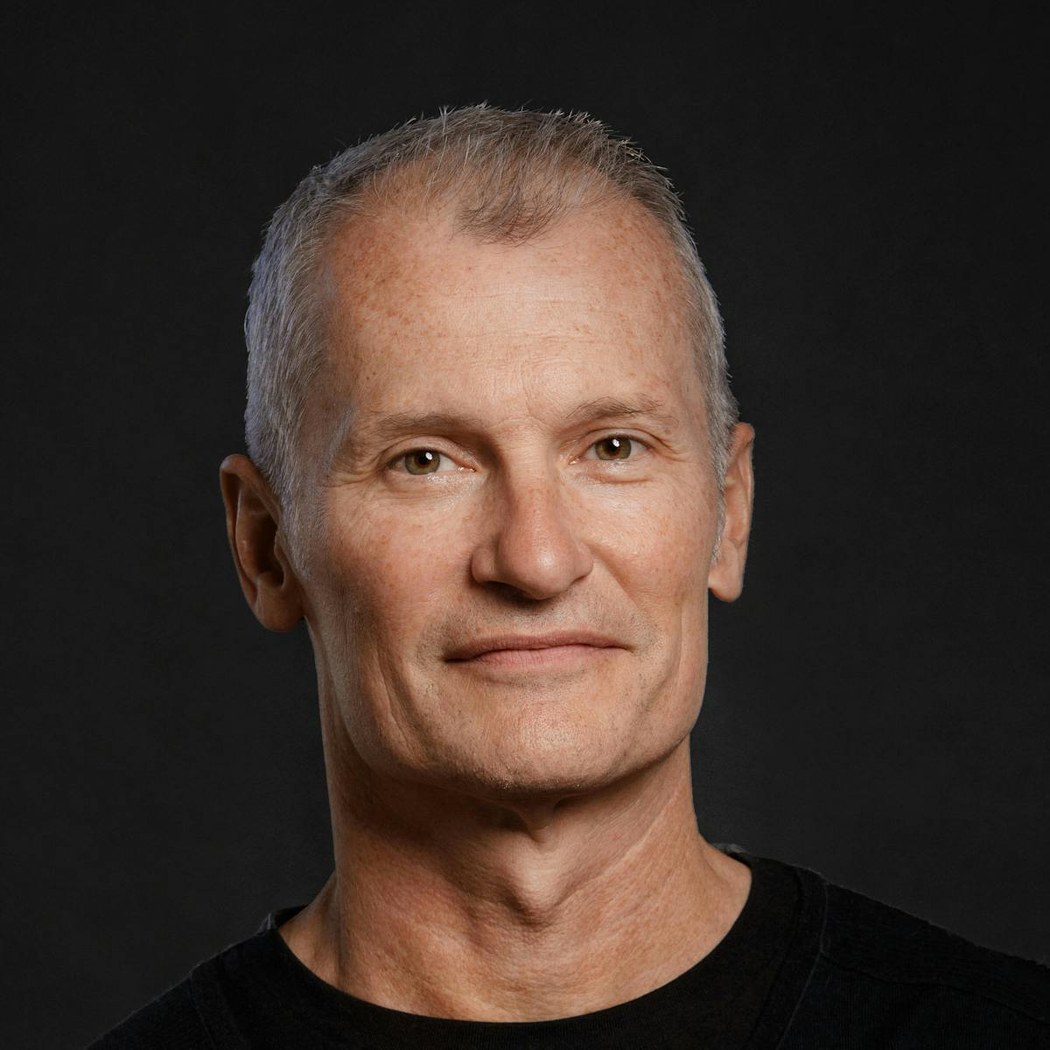
Karl Siebrecht and the Fine Art of Planning to Be Wrong
The Flexe co-founder built his career in systems where certainty is expensive and pressure is ordinary. His answer is not a better forecast, but a business designed to survive the forecast being wrong.

Dan Shapiro and the Fine Art of Starting Over
He has sold a startup to Google, taught preschoolers to program with cardboard turtles, and put a laser factory on the desk. Then the venture machine stalled, and Dan Shapiro chose the oldest founder trick in the book: begin again.

Sudheer Koneru Found the Future of Software at a Spa Reception Desk
He left enterprise software, learned the awkward economics of an empty appointment, and returned with a company built for one overlooked industry. Zenoti's rise is a lesson in what happens when a technologist stops guessing and sits at the front desk.

Dalia Alfi and the Quiet Work of Catching Trouble Early
Before the network of more than 100 locations, there was a Seattle lab, a report on a desk, and a research technician learning how evidence can stop a crisis before it spreads.

Paul Mikesell Took AI Out of the Cloud and Put It in the Dirt
After years spent scaling storage, databases and machine learning, the Seattle engineer found his most demanding computer at ground level - where dust, weather and skeptical farmers make every elegant idea prove itself.

Michael Lagoni Put $300 on the Future of Shopping
He began with cold calls, a studio apartment and just enough money for a very short experiment. Six profitable years later, Michael Lagoni finally raised outside capital - and turned an improvised service business into a global retail-data platform.

Angam Parashar Kept the Team and Changed the Question
ParallelDots began by organizing news, stopped, regrouped and found its future on the supermarket shelf. Through every pivot, its CEO kept one conviction intact: the team matters more than the first idea.

Cy Scott Turned Cannabis Into a Market You Can Read
First he helped shoppers make sense of strains. Then he gave an unruly retail industry a dashboard. Cy Scott’s second act is a patient lesson in turning messy information into useful decisions.
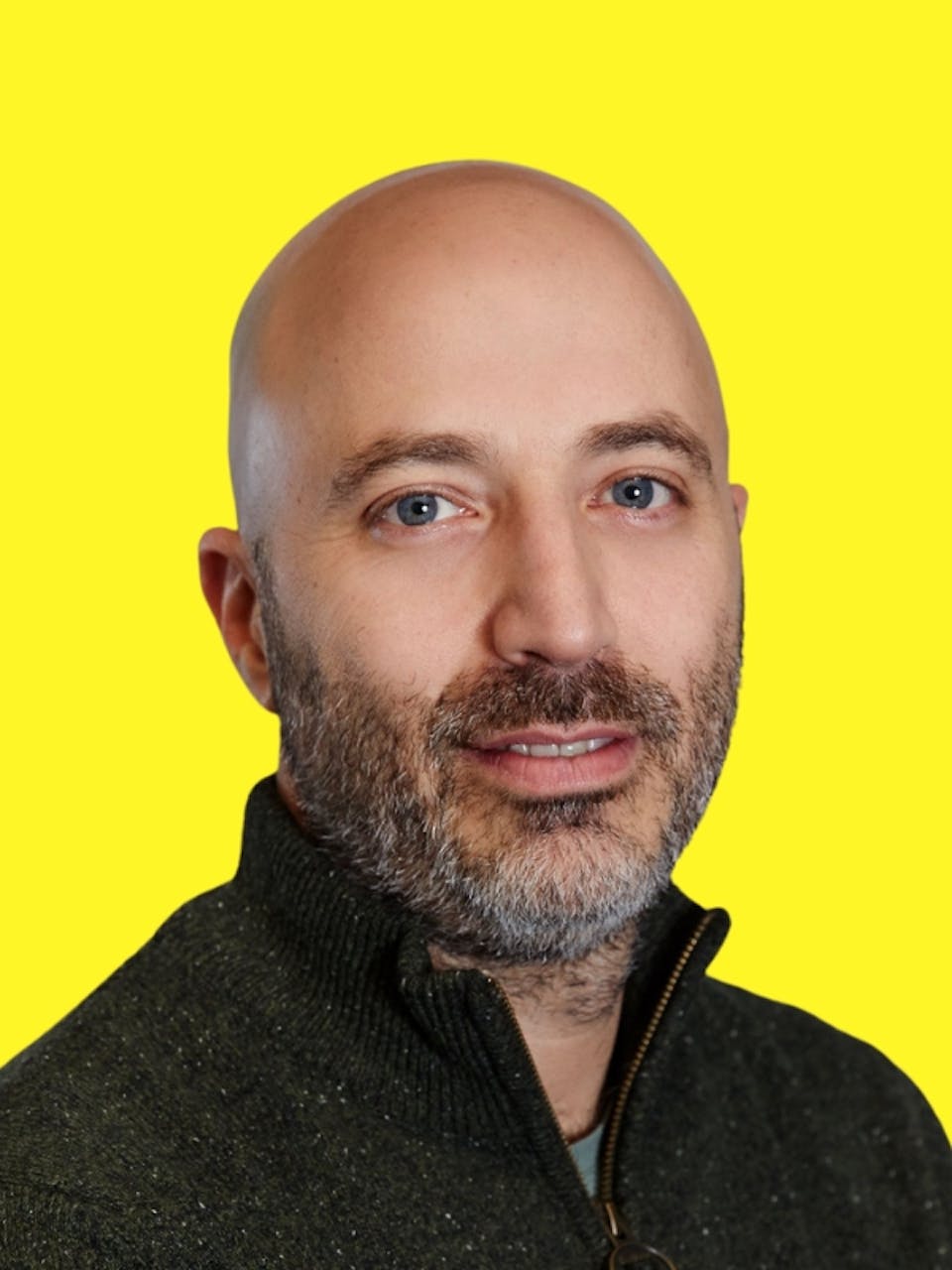
Shahar Plinner Wants to Give the Solo Economy a Finance Department
He built a 3,500-client accounting practice, sold it, then started over with a harder idea: turn the lonely back office of self-employment into a system that plans all year.

Hannah Freeman Put HR Software in the Strawberry Field
After 14 years listening to growers and farmworkers, Hannah Freeman saw a workplace-software market hiding in plain sight. Ganaz is her attempt to make the business of feeding people work better for the people doing it.

Lucas Nivon Is Building the Bridge Between Protein Code and the Wet Lab
He started with a stubborn software problem: brilliant protein-design tools were too hard to use. A decade later, Lucas Nivon is still widening the doorway - now between algorithms, experiments, and open scientific infrastructure.

Michael Lucarelli’s Startup Idea Arrived by Fax
A renter’s absurd errand became a lesson in distribution, patience and the overlooked economics of the American rental market.
Tushar Garg Learned Real Estate by Selling One House. Then He Rebuilt the Move.
A computer scientist became a realtor to study one stubborn transaction. A decade later, his most useful lesson is still the same: stand close enough to the customer to see where the system blinks.

Marina Segal Is Making Cloud Security Finish the Job
Cloud security learned to find every loose screw. The Seattle founder behind Tamnoon is building the careful, context-rich machinery that actually turns the wrench.

Debosmit Ray Learned to Read the Cloud Bill Like a Product Brief
The former Uber engineer built DevZero for developer productivity, then watched customers point it at a different problem. His response was an unusually candid pivot toward the expensive, anxious business of making Kubernetes waste less.
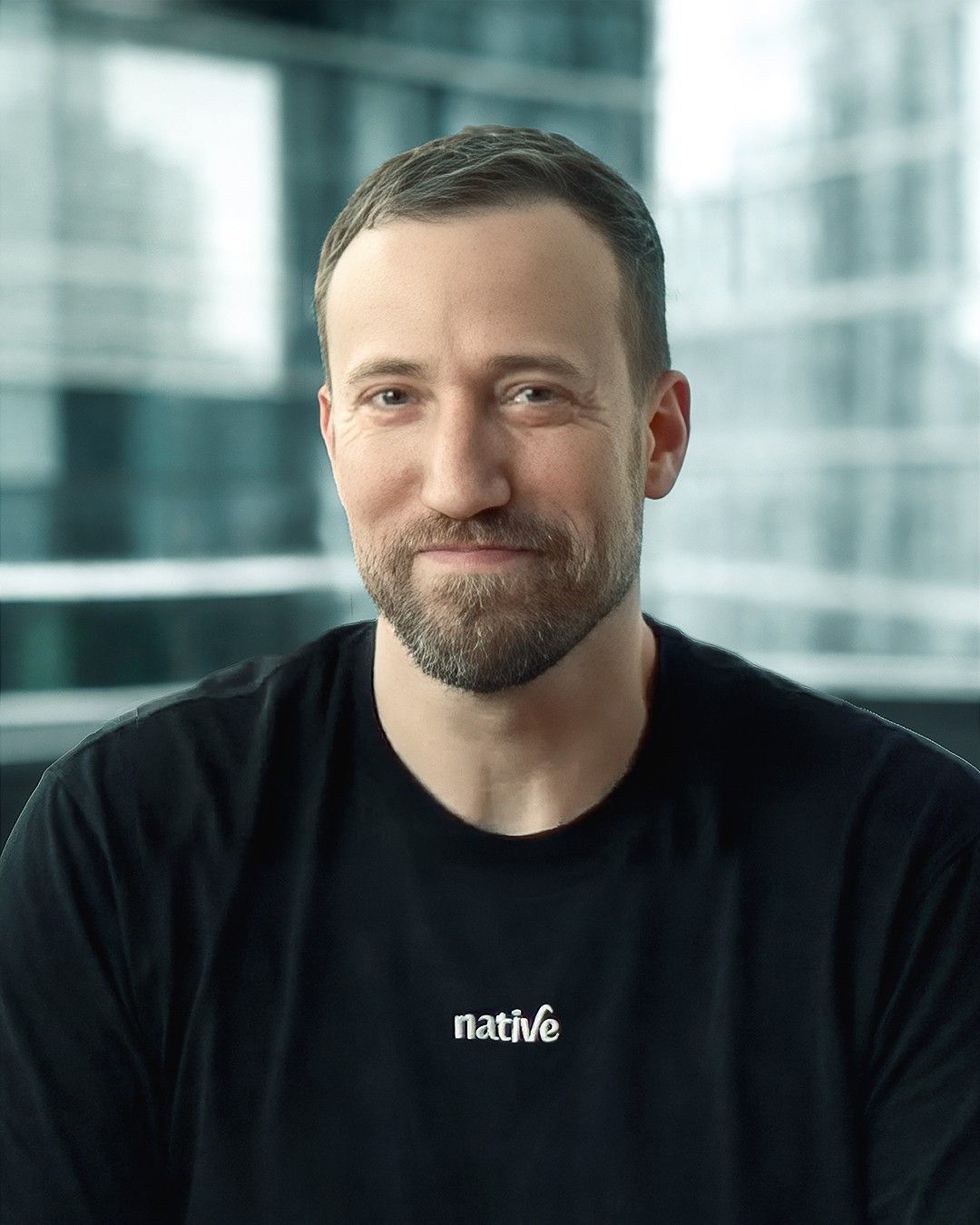
Amit Megiddo Wants Cloud Security to Stop Watching and Start Building
After years building Amazon GuardDuty and listening to security teams describe the same operational gap, Amit Megiddo is betting that the next era of cloud defense will be enforced in the architecture - before another alert becomes another ticket.

Marcus Womack Kept the Team Together - Then They Rewired How Truckers Get Paid
Three friends built a photo app, sold it, scattered across tech, then reunited around freight's least glamorous problem: the long wait between delivering a load and getting paid.

Brad Younggren’s Career Is a Map of Where Care Is Going Next
From a Stryker unit in Iraq to smartphone diagnostics, text-first primary care and a newly acquired Seattle startup, Younggren has spent two decades asking the same practical question: how much closer can the system move to the person who needs it?
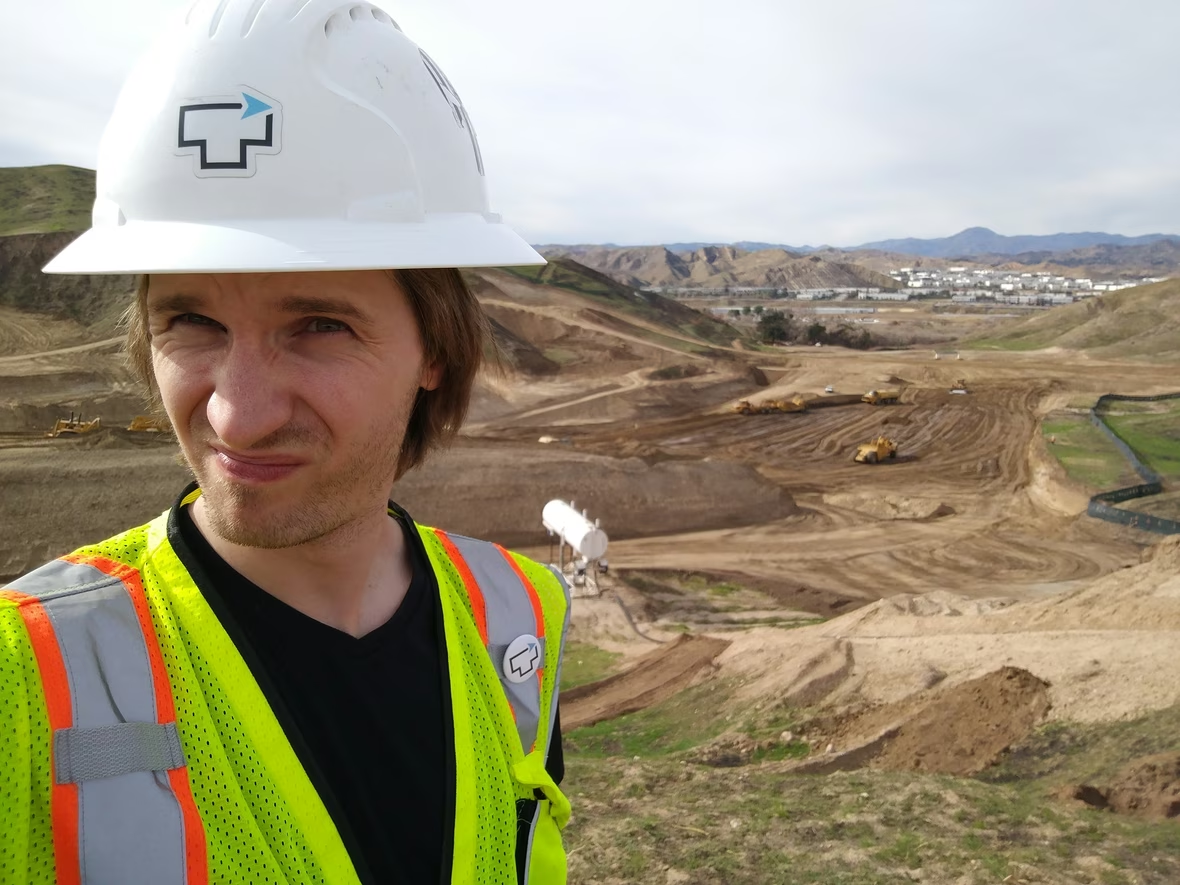
Dmitry Korolev Learned to Read the Ground by Flying Above It
A competitive paraglider turned drones from a costly coffee stunt into the eyes of a construction platform, where the real work begins after landing: helping every builder see the same site at the same time.

Patrick Larsen Chose Crypto's Least Glamorous Problem - and Made It His Mission
A Navy helicopter pilot, investment banker and Amazon operator walked into the crypto boom. He ignored the coins and built the paperwork.

Linda Lian Learned to Read the Room - Then She Built One for the Internet
The Common Room founder turned a lonely childhood, a critic’s career and an AWS blind spot into a new way of seeing buyers - then carried that idea into Zoom.

Ian Brodie Built the Software Only After the Service Taught Him What to Build
Before Levanta became a funded creator-commerce platform, Ian Brodie learned the expensive difference between software people admire and software they will actually use. His second company grew from that scar tissue.
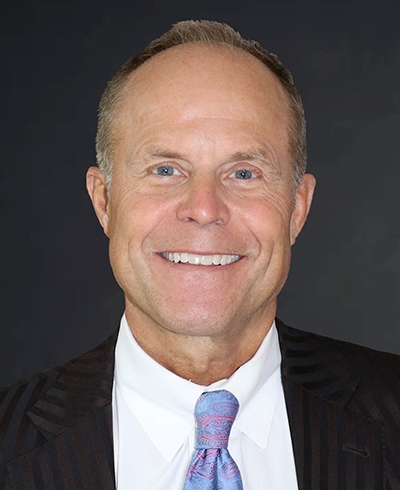
Jeff Crosby Took the Long Way Around - and Built a Business for Better Exits
A wrong turn added ten miles to his Ironman. A harder problem - how advisors value, move, and eventually leave a practice - became the company he spent years building.

Grant Canary Is Building the Supply Chain a Burned Forest Needs
The former insect farmer behind DroneSeed learned that reforestation is not a planting problem alone. His next act joins native seed, nurseries, carbon finance and buried fire-killed wood into one long view of recovery.

Justin Beals Turned the Worst Part of Enterprise Sales Into a Company
A theater graduate, programmer and repeat founder, Justin Beals built Strike Graph around a lesson learned the expensive way: when trust arrives late, deals die early.
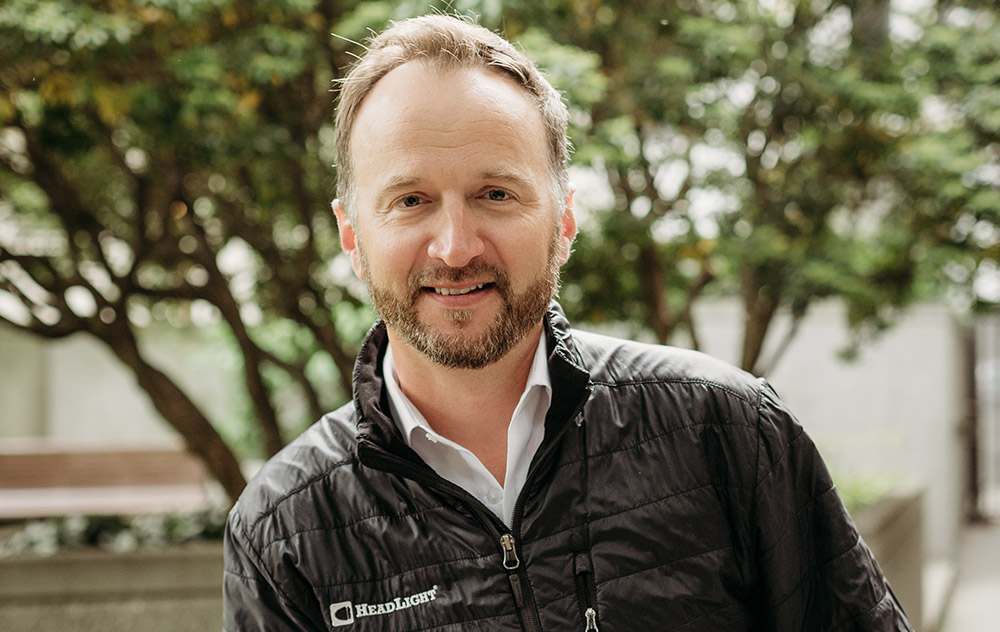
George White Put the Construction Notebook on Notice
A mechanical engineer went into the field, listened to inspectors and built a company around a stubborn idea: the record of a public works project should be as modern as the project itself.

Adam Livesay Is Giving Heavy Machines a Service Desk
The Elevāt co-founder spent years listening to machines and the people who repair them. Now, with a $12 million Series A and Europe in view, he is turning industrial data into something a technician can actually use.
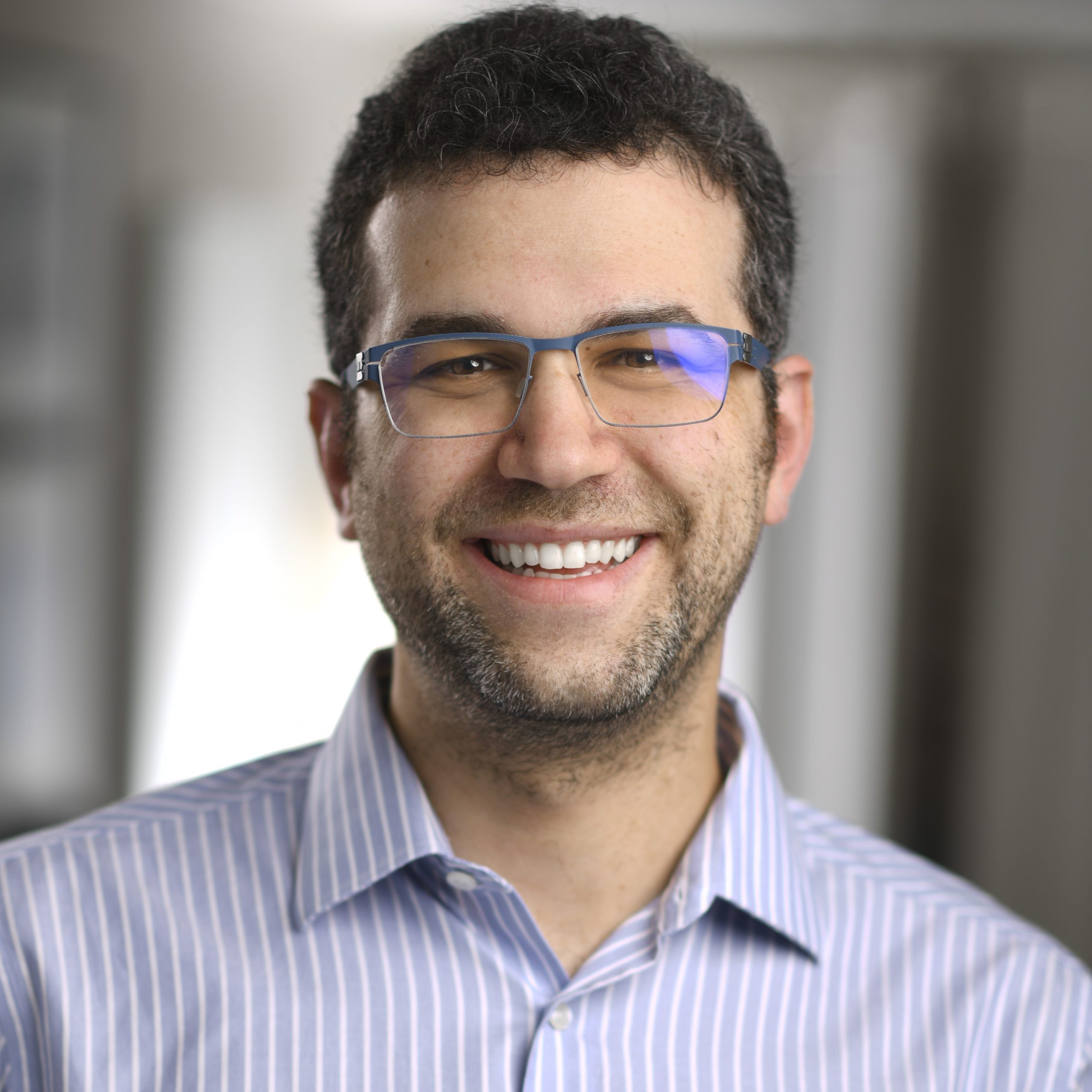
Elliot Margul Built the Quiet Software Behind 5,000 Aircraft
He began in airline finance, where one maintenance decision could echo years into the future. Ten years later, the planning software he co-founded had become part of AAR's aviation technology portfolio.

Mark Michael Spent 18 Years Making the Website Impossible to Ignore
He and Daniel Rust started building together in high school, burned through an early venture round, survived the pivots, and turned a quiet white-label CMS into infrastructure for franchise brands. The useful lesson is less about websites than staying with a problem long enough to see it clearly.