revenue-marketing
(44)
Meg Powell Is Making the Invisible Infrastructure of Conversation Matter
After moving through agency work, lottery technology, customer intelligence and digital health, Meg Powell arrived at Bandwidth and rebuilt marketing around a deceptively simple idea: the pipes beneath a conversation shape the experience above them.

Bryan Urioste Keeps Marketing’s Wild Ideas on a Short Financial Leash
The Redwood Software CMO has spent three decades joining creative nerve to commercial proof - from an irreverent SXSW campaign to a Thursday ritual built around the pipeline.

Claire Darling Is Rewriting Marketing’s Job Description
After three decades of turning enterprise software into stories buyers can act on, Uniphore’s five-time CMO is making a sharper wager: the next marketing department will behave less like a campaign calendar and more like a living operating system.
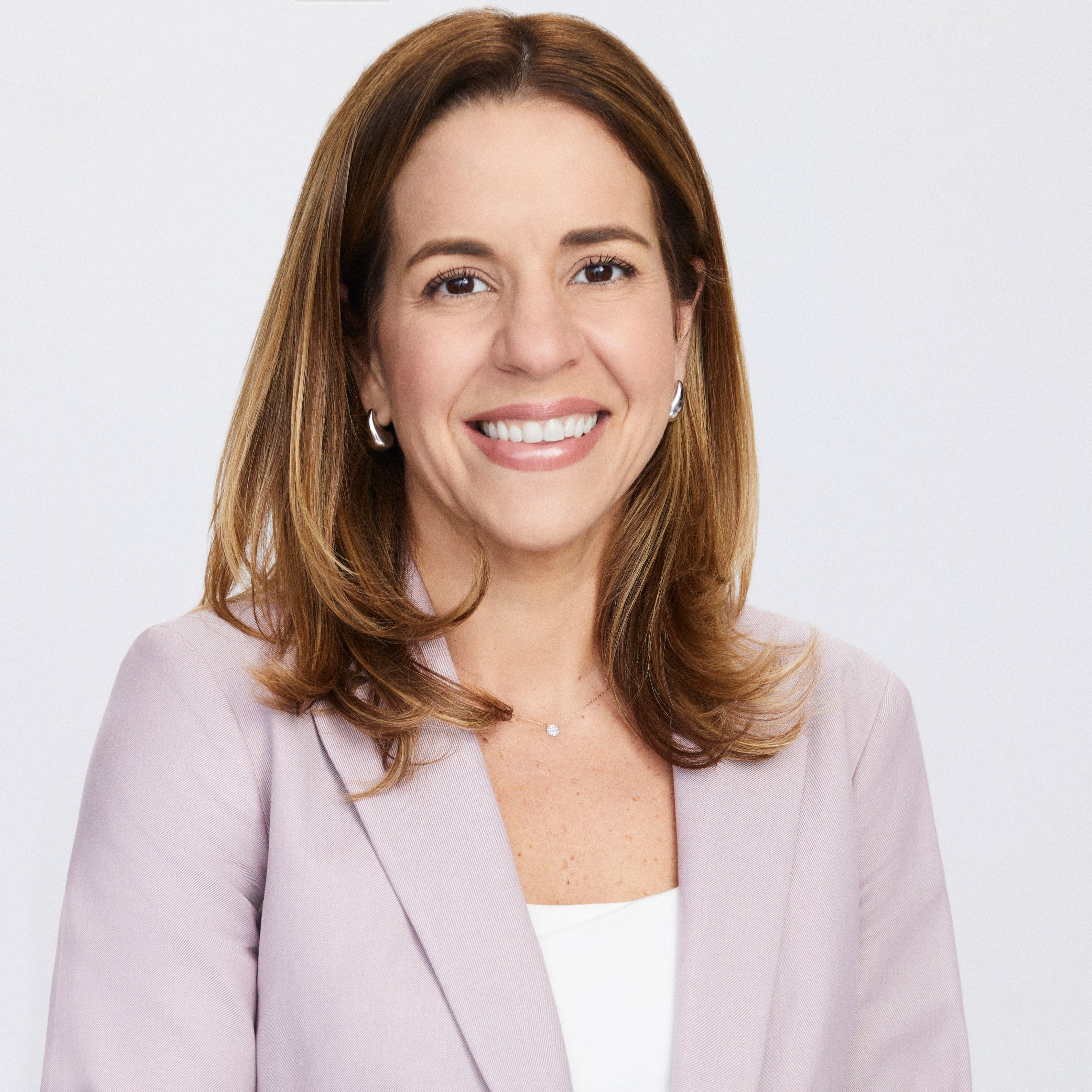
Ana Perez Makes the Complicated Business of Benefits Feel Human
PlanSource's chief marketing officer has spent her career translating dense systems into clear choices. Her method joins revenue discipline to a warmer idea: technology earns attention only when people can trust what it helps them do.

Josh McCullough Learned Marketing from the Revenue Side of the Table
After two decades spanning sales, HR technology, collaboration software, and AI contracts, Greenshades' CMO has a plain conviction: marketing works when it shares a scoreboard with revenue.

Daniel Raskin’s Long Campaign to Make Complex Systems Explain Themselves
He began with books, built a career across identity and data, then founded a company to make marketing answerable to revenue. At Virtana, Daniel Raskin is applying the same editorial instinct to the unruly machinery of enterprise AI.

Clare Dorrian Trusts the Data - and Saves a Seat for Instinct
The SugarCRM CMO began as a translator between business and technology. Decades later, she still works in the productive space between two camps: evidence and imagination.

Ashley Emery Wants Marketing to Count What Matters - and Feel It, Too
The VelocityEHS CMO built her career on funnels, forecasts and revenue accountability. Now she is making the case that rigorous marketing still needs a pulse.

Tiffany Sieve Learned Marketing With Her Paycheck on the Line
Before Tiffany Sieve led global marketing at Xactly, she spent three years selling on 100% commission. The experience left her with a durable idea: marketing earns its place when it helps somebody sell.

Sheri Chin Put Marketing on the Revenue Line - Then Built the Machine Behind It
A subway ride away from investment banking became a career spent making marketing answer to revenue. At Galileo, Chin has built the team, the feedback loops and the nerve to keep both brand and growth honest.
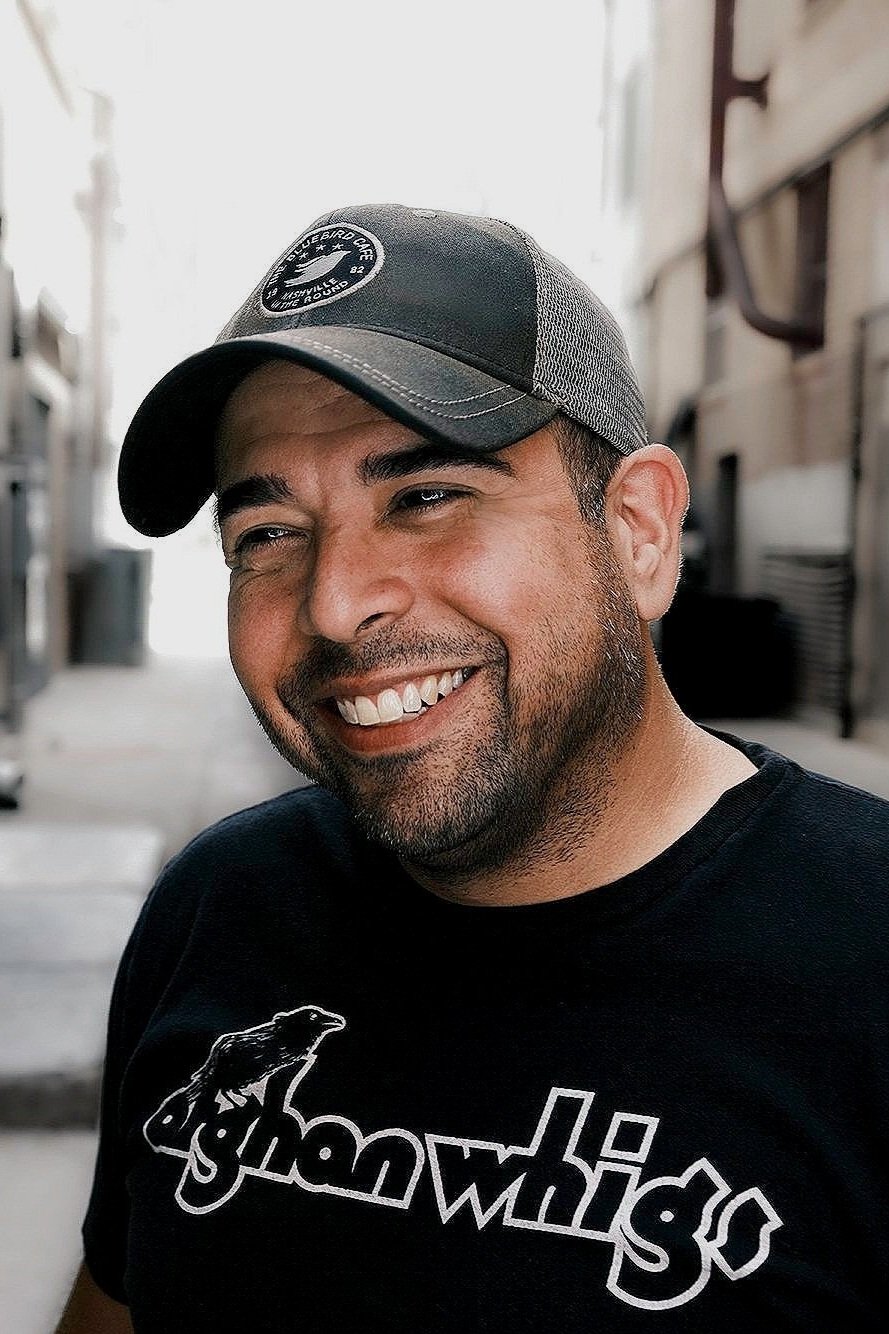
David Cardiel Builds Marketing That Can Take a Punch
Across two decades of B2B software, the Austin executive has kept returning to the same unfashionable idea: marketing should be useful, measurable and sturdy enough to survive the boardroom.

Emily Ferdinando Counts What Marketing Likes to Hide
Bugcrowd's CMO came to marketing through the sales floor. That detour taught her to distrust tidy funnels, follow the whole buyer journey, and make every campaign answer a blunt question: did it move the business?

Joel Capperella Took a CMO Job With a Category Problem Attached
After eight years helping Workiva turn complex reporting software into a global growth story, Joel Capperella chose an even less glamorous puzzle: making revenue recognition impossible to ignore.
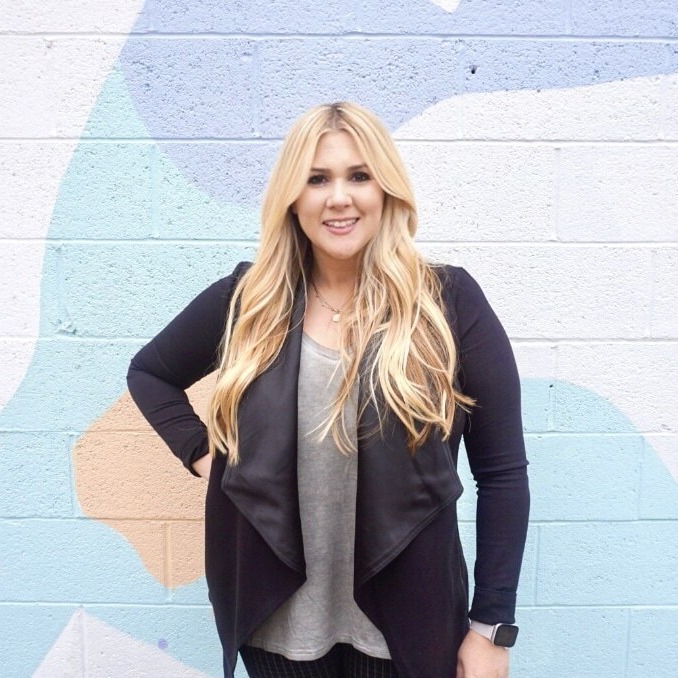
Jennifer Hopkins Puts a Number on Marketing’s Back
Buildout’s chief marketing officer has spent her career turning brand into a revenue discipline. Her method is plainspoken: own the number, share the goal, and bring sales into the room.

Jennifer Cortez Built Her Career Where Marketing Meets the Revenue Line
After helping logistics and fintech companies through private-equity change, an IPO, and years of expansion, Jennifer Cortez has taken her revenue-minded marketing playbook to Lytx - where the product story begins with safer roads.

Rachel Bryant Is Betting Legal Tech’s Marketing Budget on the Product
After 25 years in B2B software, a four-and-a-half-year consulting chapter and 30 podcast episodes, Actionstep’s new marketing leader has a plain-spoken thesis: trust is earned in the product, not rented from a celebrity.

Jon Borgese Is Turning the Marketing Department Into a Product Lab
After climbing the conventional marketing ladder, CB Insights CMO Jon Borgese is asking a less conventional question: what if the marketing team built the system that sales actually needed?

Shawn Herring Would Rather Be Less Wrong Than Loudly Right
A biology student became a B2B SaaS operator by treating every campaign as a hypothesis. At EZO, Shawn Herring is still testing - now with brand trust, asset intelligence, and the cost of being confidently wrong.
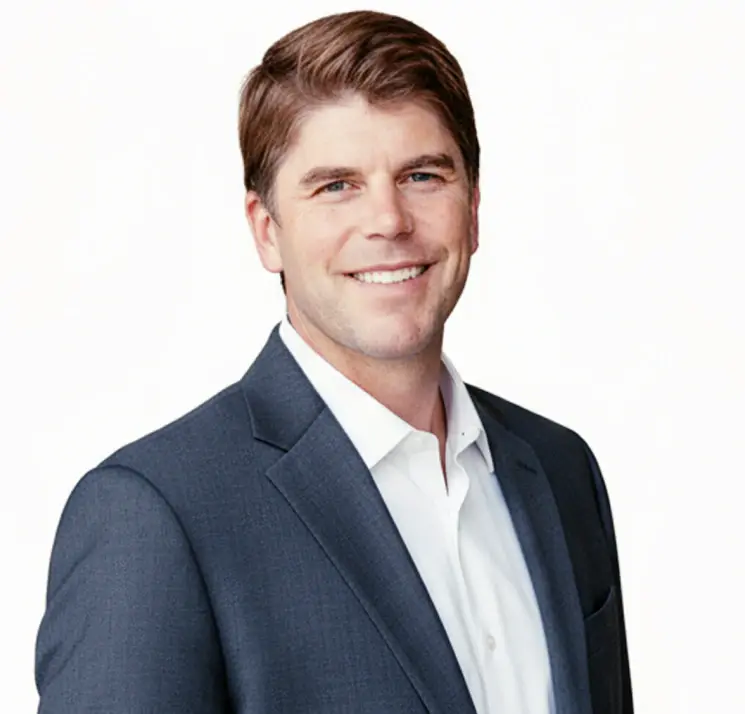
Pat Oldenburg Wants Marketing to Stop Counting Strangers
After two decades in enterprise software, AppZen's CMO has a blunt diagnosis for vanity metrics: an enterprise deal is one account, however many people click. His career is a study in turning marketing from a tally counter into a team sport.

Nipul Chokshi Keeps Turning Data Into Decisions People Can Use
An electrical engineer became a marketer by learning where signal ends and noise begins. Across Marketo, Yammer, Lattice, Atrium and now Fourth, Nipul Chokshi has built a career around making complicated products useful, legible and hard to ignore.

Stephanie Atkin Makes the Invisible Work Visible
The apexanalytix CMO has spent more than two decades turning complicated systems into stories people can act on. Her second job - chairing the board of an $8 billion credit union - reveals the same instinct from another angle.

Omri Erel Has Spent 19 Years Turning Startup Chaos Into a Growth System
Before cybersecurity, Omri Erel built demand engines across some of SaaS's busiest growth stories. His recurring subject is not the polished company seen from outside, but the people, data, and useful disorder that make it work.
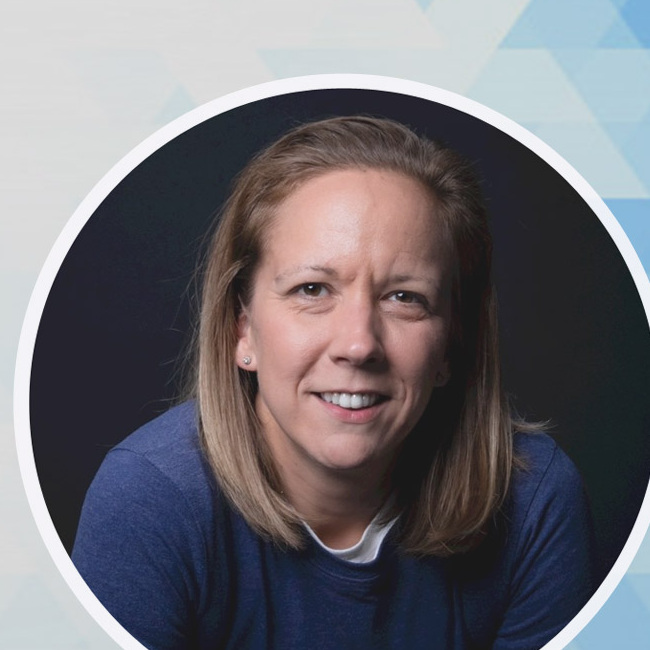
Kate Adams Knows the Most Expensive Button in Marketing Is ‘Send’
GitKraken’s CMO began by queuing email blasts and checking HTML. Two decades later, she still judges marketing by the same unforgiving question: did it help a real person move?

Ed Breault Runs on Data - and Keeps Finding the Human in the Machine
He began by modeling nuclear-plant data, learned marketing through transformation work, and spent 16 years helping Aprimo change shape. At Malbek, the Pittsburgh-based CMO is applying the same patient systems thinking to contracts, AI agents, and the people behind both.

Liz Kokoska Built a Career Turning Marketing Into a Growth Engine
Before she led marketing at Huntress, Liz Kokoska learned growth from the floor up - from IPO dinners and field events to the demand engines behind Okta and Wiz. Her career is a study in making marketing accountable, collaborative, and unexpectedly human.

Laura Hamilton Built a Career on the Click - Then Asked Search to Earn the Customer’s Trust
After decades spent turning data into demand, Algolia’s marketing chief has arrived at a more interesting question: can software make discovery feel useful without making the customer feel watched?

Tracy Roccasalva Is Making Enterprise Content Mean Something Again
After two decades turning complicated technology into measurable demand, Hyland's new CMO has a fresh assignment: give enterprise content a working role in the age of AI.

Anna Fisher Is Teaching AI to Remember What Marketing Is For
After helping ZoomInfo reach the public markets and taking Spiff into Salesforce, Kustomer's CMO is building a leaner kind of growth machine - one that remembers the customer before it reaches for the robot.

Allie Collins Is Making the Performance Review Face Real Life
After more than 15 years marketing SaaS, Betterworks CMO Allie Collins has arrived at a deceptively human thesis: work improves when managers get better signals, employees get timely conversations, and everyone stops pretending an annual form can remember the year for them.

Rachel Nislick Has Spent 25 Years Making Complicated Technology Mean Something
At PTC, Veracode, Mimecast, Darktrace, and now Orca Security, Rachel Nislick has practiced the unglamorous art behind durable growth: align the teams, clarify the story, and make sophisticated security useful to the people buying it.