revenue-cycle-management
(98)
Doug Wheeler Learned Marketing Where the Cash Runs Out
After decades moving between public companies and fragile startups, XiFin's chief marketing officer has reduced growth to a few unsentimental rules: protect cash, listen more than you talk, and go before perfect becomes an alibi.
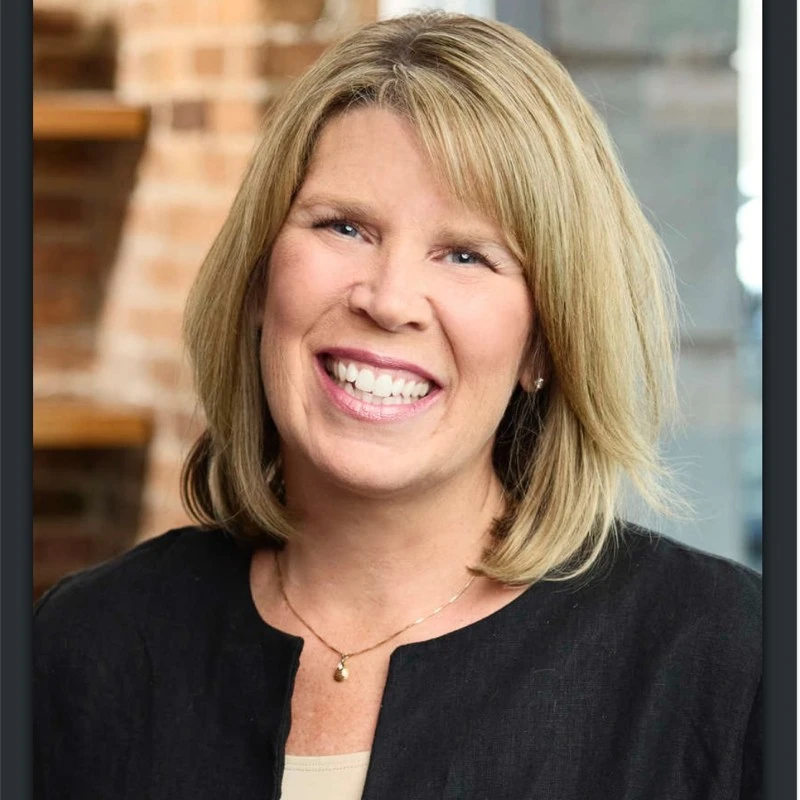
Tracey Schroeder Made One Name Carry the Weight of Seven
The TruBridge CMO inherited a thicket of familiar brands. Her answer was not a louder logo, but a patient campaign to make one name mean more.

AdvancedMD Bet on the Boring Machinery of Medicine - Then Sold for $1.13 Billion
The company began with a medical office manager who was fed up with clumsy billing software. Twenty-five years later, its single-database bet runs the daily machinery of 13,000 practices - and reveals both the appeal and the cost of buying the whole stack.

Experity Won Urgent Care by Making the Software Move as Fast as the Clinic
The company merged the market's two toughest rivals, built one operating system around the peculiar speed of urgent care, and now serves nearly half of America's clinics. Its real advantage is not a shinier chart - it is knowing exactly where a 20-minute visit gets stuck.

XiFin Spent 29 Years Teaching Software How to Get a Medical Bill Paid
The San Diego company began with the least glamorous problem in diagnostics - low-dollar claims at punishing volume. Now it is turning decades of billing rules, denials and payor behavior into an AI operating layer for labs, pharmacies and radiology groups.
Qualifacts Built a Behavioral-Health EHR Empire. The Bet Is That Three Platforms Beat One.
Qualifacts assembled three EHRs for three different kinds of behavioral-health provider. Now it is using AI, interoperability, and targeted acquisitions to turn that portfolio into something closer to an operating system for care.

The Psychiatrist Who Refused to Make Mental Health Fit a Medical Checkbox
Valant spent two decades turning one psychiatrist’s frustration with generic software into an operating system for behavioral-health practices. Its advantage is specialization - and its history shows the cost of wandering away from it.

The EHR Bet ModMed Made 16 Years Ago - and Why AI Makes It Riskier
ModMed taught doctors to shape software for their own specialties. Now nearly 50,000 providers, a $5.3 billion private-equity deal and one million AI-assisted visits are testing how far that idea can travel.

RXNT Bet on Boring Healthcare Software - Then Built a $54 Million Business
A Palm Pilot, an SBA-backed loan and one ugly lesson from the IRS became a 26-year lesson in building durable SaaS: solve the dull workflow first, listen when customers ask for the next one, and keep the price visible.
The $14 Billion Workout: How ABC Fitness Became the Gym Industry’s Invisible Operating System
It started with one Arkansas gym owner chasing unpaid dues. Four decades, several acquisitions and $14 billion in annual payment volume later, ABC Fitness is trying to make the gym’s front desk disappear into software - without taking the human part of fitness with it.
The $800 Leak Hiding in the Operating Room - and the Software That Finally Found It
Surgical Information Systems followed surgery out of the hospital and into the outpatient center. Its software can expose the cost of every case - but one candid customer story shows why buying the dashboard is only the beginning.
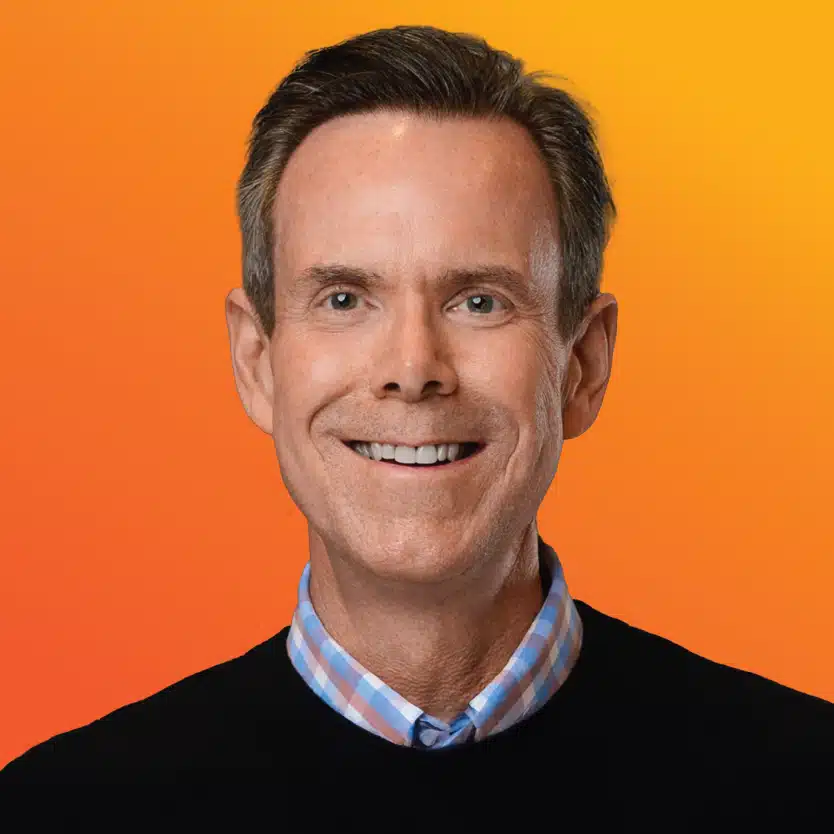
Chris Farrell Knows the Unsexy Work Is Where Markets Move
A career built across banking, billing and software taught Chris Farrell to look past the shiny pitch. At Raintree Systems, he is turning the stubborn machinery of therapy practice into a story people can actually use.

Marisa Johnson Makes Clinical AI Sound Human
At SmarterDx, a Minneapolis marketer turns dense clinical technology into plain language - with sharp copy, self-aware humor, and the discipline to put the people doing the work first.
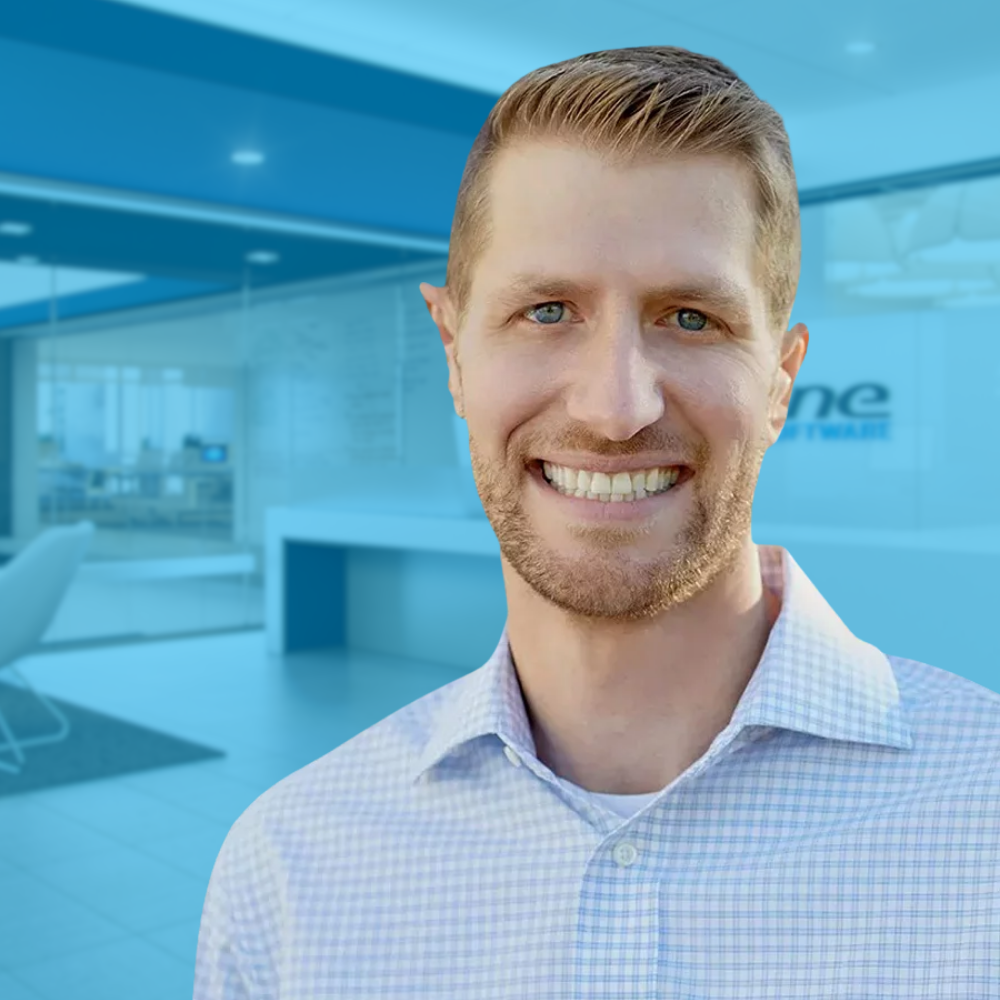
Ben Buchanan Learned to Close Games. Now He Opens Markets.
Before Ben Buchanan was translating medical-billing complexity for a market, he was a 6-foot-3 right-hander trusted with the ninth inning. His path from UNC Asheville’s bullpen to ImagineSoftware’s executive team is a study in pressure, preparation and the quiet value of finishing the job.

ImagineSoftware Wants Medical Billing to Run Itself - Here’s the Catch
For 25 years, the Charlotte company has been teaching software the fussy rules of medical billing. Its latest bet is that the next winning revenue-cycle system will not merely organize the work - it will finish most of it.

HaloMD Turned Medical-Bill Arbitration Into a Machine - Then the Machine Drew Fire
The No Surprises Act removed patients from many billing fights. HaloMD built the machinery that helps providers fight the remaining battle - over what insurers must pay - at industrial scale.

The $156 Million Bet That Your Dentist Needs a Second Pair of Eyes
Overjet started in the dullest corner of dentistry - insurance review - then turned that foothold into a clinical AI platform spanning X-rays, voice notes and claims. The clever part is not the colorful overlay. It is getting dentists and payers to look at the same evidence.

Raintree Wants the EMR to Disappear - So Therapists Can Get Back to Patients
The 43-year-old therapy software company is betting that the best medical record is the one clinicians barely notice. Its proof is not a chatbot demo - it is fewer denials, faster notes and a front desk with less telephone hold music.

Hospitals Had the Data. VisiQuate Bet the Money Was Hiding in What Happened Next.
VisiQuate spent 15 years turning hospital billing exhaust into a to-do list. Now, backed by Accel-KKR and expanded through two acquisitions, it is trying to move revenue-cycle teams from explaining yesterday's loss to preventing tomorrow's.

Kipu Health Wants Behavioral Health to Run on One System - Here’s the Bet Behind the Last Login Standing
Behavioral-health clinics do not need another dashboard. Kipu’s wager is that one vertical operating system can connect the first inquiry, the clinical note, the compliance check and the final paid claim - without making care feel like data entry.

The $29-a-Month Therapy Stack Trying to Give Clinicians Back Their Evenings
Ensora Health turned a collection of specialist software brands into one therapy operations company. The wager is simple: paperwork should not consume the career of someone trained to care for people.
The $50 Million-a-Day Data Habit That Made Kodiak the CFO Layer for 2,400 Hospitals
Kodiak spent two decades turning hospital finance's least glamorous chores into a data network. Its lesson for enterprise builders is simple: standardize the ugly workflow first, then let automation and benchmarks compound.
Hospitals Were Missing Millions in Plain Sight. SmarterDx Built an AI Second Opinion.
Two doctors noticed that the most expensive hospital mistakes were often hiding inside records nobody could fully read. Their fix scans every chart, shows its work, and only gets paid when the hospital agrees it found something real.

The Healthcare Dashboard Is Dead. MedeAnalytics Is Betting the Payoff Starts After the Chart
Health systems and insurers have no shortage of data. Their real problem is turning a warning light into an owned, measurable action - and this 33-year-old software company has rebuilt itself around that stubborn last mile.

CentralReach Turned Autism Care’s Paper Problem Into a $1.65 Billion Operating System
A clinician built a way out of paperwork. Thirteen years later, Roper paid about $1.65 billion for the workflow - and for a lesson in how narrow software becomes essential infrastructure.
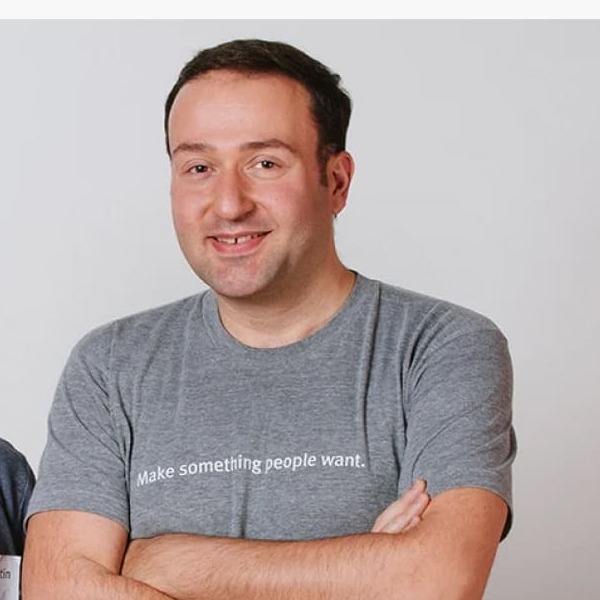
Levon Brutyan Is Teaching the Medical Bill to Behave
A lawyer, operator and would-be rock singer walked into the least glamorous corner of American finance. A decade later, his company is trying to replace billing friction with clarity, timing and a little software empathy.

Johnny Chen Failed His Way Into Code - Then Built AI for Dentistry’s Least Loved Work
Two dropped computer-science classes, three bootcamp interviews and more than 140 job interviews taught Johnny Chen a useful operating system: keep moving, build the thing, and aim automation at work people already dread.

Ashish Mandavia Is Fixing the Six-Second Moment Before Care Begins
A physician left the ward, learned the machinery of growth, and found his company in healthcare's overlooked doorway. Now Sohar Health is turning insurance verification from a waiting game into infrastructure.

Videa Put AI in the Dentist’s Chair. The Real Product Is Trust.
Dentists do not need another dashboard blinking in the corner. Videa’s bet is that AI wins only when it slips into the X-ray, the patient conversation and the paperwork already on the schedule.
The Startup Teaching AI to Read a Doctor's Bad Handwriting
Most healthcare data is a mess of faxes and scanned charts nobody can read at scale. Keebler Health built AI to read all of it - and to prove exactly where it found each diagnosis.