regtech
(77)
Victor Fredung and the price of being believed
Payment fraud sent Victor Fredung into identity verification. The Shufti co-founder’s career connects faster customer checks with the harder question of earning trust.

Marc-Henri Chamay and the two-year job that lasted two decades
He joined Allen & Overy expecting to stay for two years. Building aosphere into a subscription business for legal and compliance information gave Marc-Henri Chamay a reason to keep going - and, eventually, a business to take independent.

KK Gupta and the Trouble with Fifty Good Ideas
After 30 years inside global banks, KK Gupta left with a complaint: too many clever systems made everyday work needlessly complicated. At Facctum, he is trying to make the pieces fit - starting with the people.
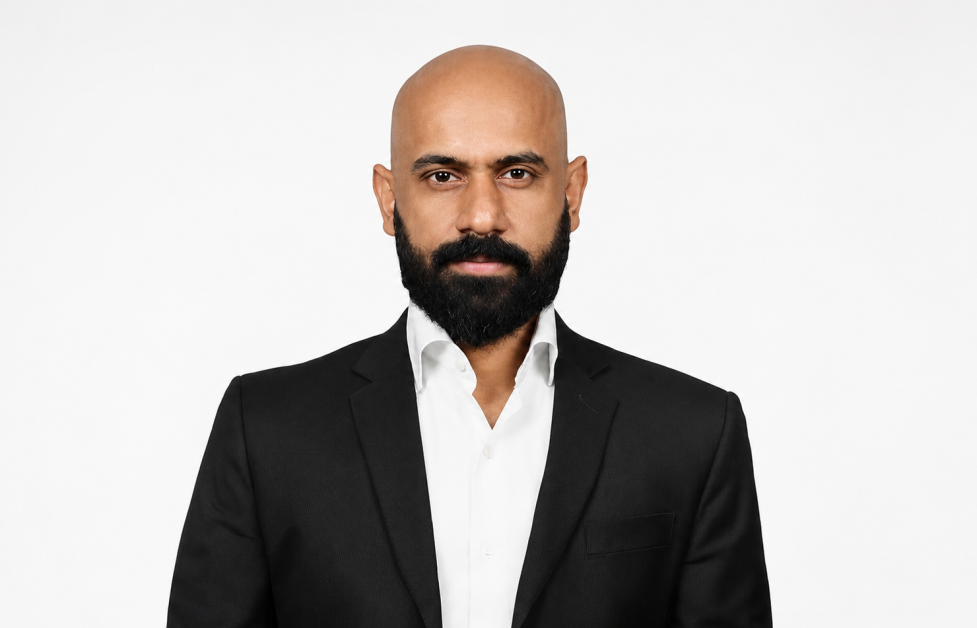
Shahid Hanif and the week it took to prove he existed
A slow bank identity check gave Shahid Hanif a problem to solve. Years after co-founding Shufti, the engineer turned CEO is still balancing the demands of security with the patience of the person waiting.
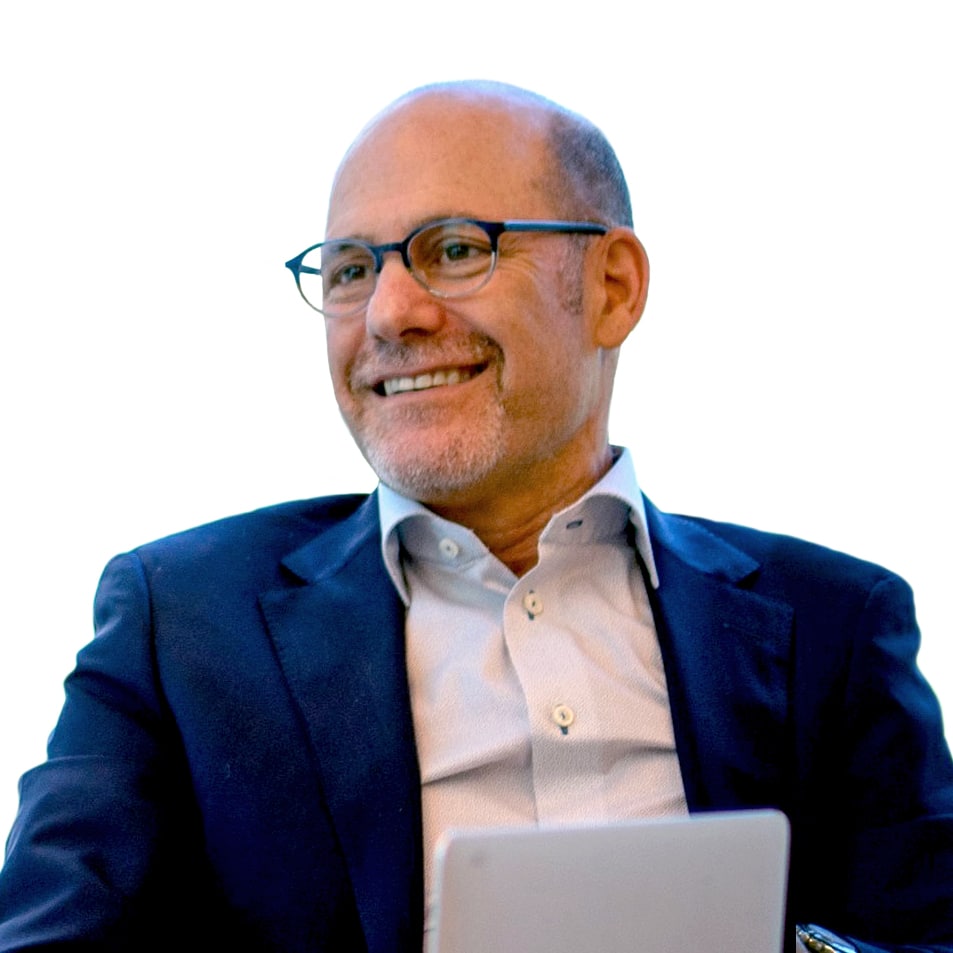
Michael Beber and the Fine Print of a Promise
Before Exiger became a supply-chain software business, Michael Beber helped build it around a promise of ownership. His route there ran through forensic accounting, corporate dealmaking and a rather literal leap into the trees.

Matthew Ranson and finance’s unfinished homework
From fixed income trading to regulatory change, Matthew Ranson kept encountering the same question: can the reporting be trusted? At Novatus, he has helped turn that question into software.
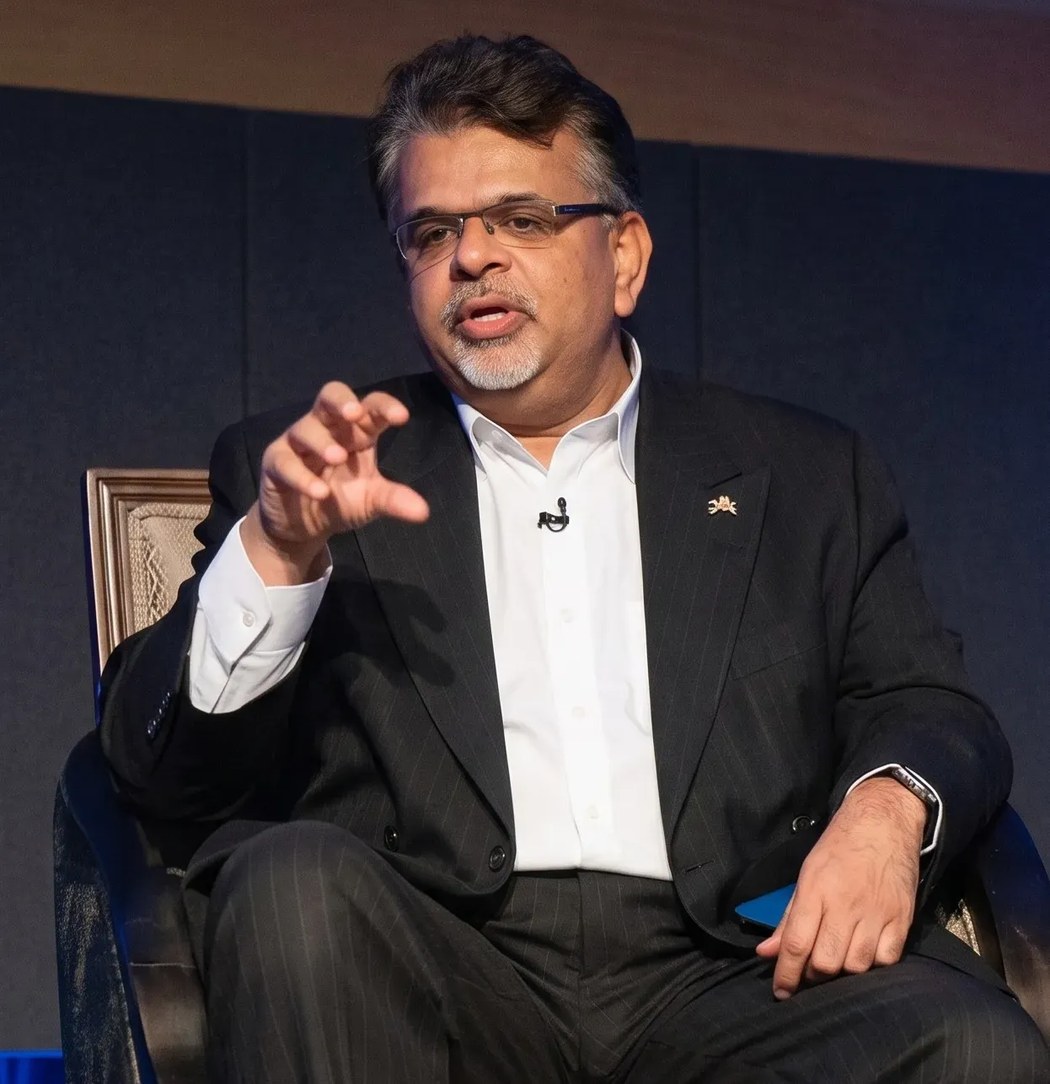
Parth Desai and the trouble with the wrong address
From payment telexes to AI that untangles addresses, Parth Desai has spent three decades teaching banking software to understand what people mean. His next company returns to a familiar problem: the words that hold money up.

Gordon McHarg and the Christmas Eve phone call
A stock exchange contract vanished just as Gordon McHarg thought he had won it. The longer story of AutoRek is about what he and his university friends built before, and kept building after.

Andrew Hedley and the trouble with a tidy report
He began by underwriting terrorism risk. Now the Novatus co-founder is building a business around a quieter danger: financial reports that look orderly while the data underneath goes wrong.

Olly Thornton-Berry and the price of feeling safe
A friend passed the checks and still lost £25,000. Olly Thornton-Berry left software investing to build Thirdfort, then discovered how much a founder has to unlearn along the way.

John M. Schobel and the art of getting things approved
Before he built compliance software, John M. Schobel worked in the art world. His route through RegEd and into the presidency of MyComplianceOffice reveals a career spent making complicated work easier to do.

Paul Ford and the banks that learned to compare notes
After years inside banks, Paul Ford built Acin around a deceptively simple idea: rival institutions could learn from one another’s risk controls. The company’s sale to CUBE in 2025 opened a new chapter as an investor and adviser.

Andrew Patrick White and the business of doing things once
He started FundApps above a London pub, asking why every investment firm had to solve the same regulatory puzzle. Sixteen years later, Andrew Patrick White is turning more of his attention to another question: what should success pay for?

Stephen Pope and the Art of Growing Without Losing the Plot
Stephen Pope helped build Red Oak by paying attention to the people doing the work. His career turned on a tricky question: how do you grow a software company without making its customers feel smaller?

Richard Metcalfe and the Art of Being Small
Before ARKK had a reputation, Richard Metcalfe had to persuade someone to take a chance. The founder and former CEO now helps other founders make that first difficult sale.
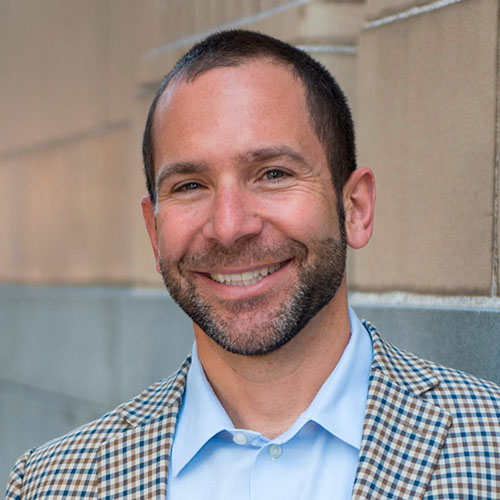
Rob Nunziata and the Business of Coming Back
He helped build FBC Mortgage, sell it, and buy it back. Then a partnership with his neighbor took Rob Nunziata from home loans into the software that watches what lenders say online.

Matt Van Buskirk and the trouble with ticking boxes
A former bank examiner helped build Hummingbird to give financial-crime investigators better tools. His career keeps returning to a deceptively awkward question: what is all this compliance work actually achieving?

Joe Robinson and the art of getting people together
Before he co-founded Hummingbird, Joe Robinson brought designers and technologists into the same room. His work in financial-crime investigations keeps returning to a familiar problem: helping people, information, and tools work together.

Antonia San Martín Sola and the Useful Art of Changing Course
She left corporate marketing to build a travel startup. After that venture closed, Antonia San Martín Sola helped turn a team in search of an idea into Plutto, a platform for checking the companies other companies do business with.

Malik Alyousef and the hidden life of a bank transaction
From industrial controls to financial crime prevention, Mozn’s co-founder has followed the details other systems leave apart. His work connects names, devices and transactions so people can make better decisions about trust.

Charles Delingpole and the trouble with a familiar name
A student forum, an invoice-finance business, then a company built to spot financial crime. Charles Delingpole has spent his career discovering how much can hide behind an apparently simple question.

Stuart Jones, Jr. and the price of trusting a stranger
Treasury assignments in Afghanistan and the Gulf taught Stuart Jones, Jr. how financial systems could be exploited. At Sigma360, he is turning that experience into tools for deciding whom to trust.

Kıvanç Harputlu and the value of asking again
Before Onlayer, Kıvanç Harputlu worked in radio and music media. His journey into payments rests on a less glamorous skill: listening closely enough to discover what a customer actually needs.

Stephen Ufford and the border that erased his credit
A Canadian credit history did little for Stephen Ufford when he moved south. Four startups later, the Trulioo co-founder had turned that frustration into a career spent helping strangers trust one another online.
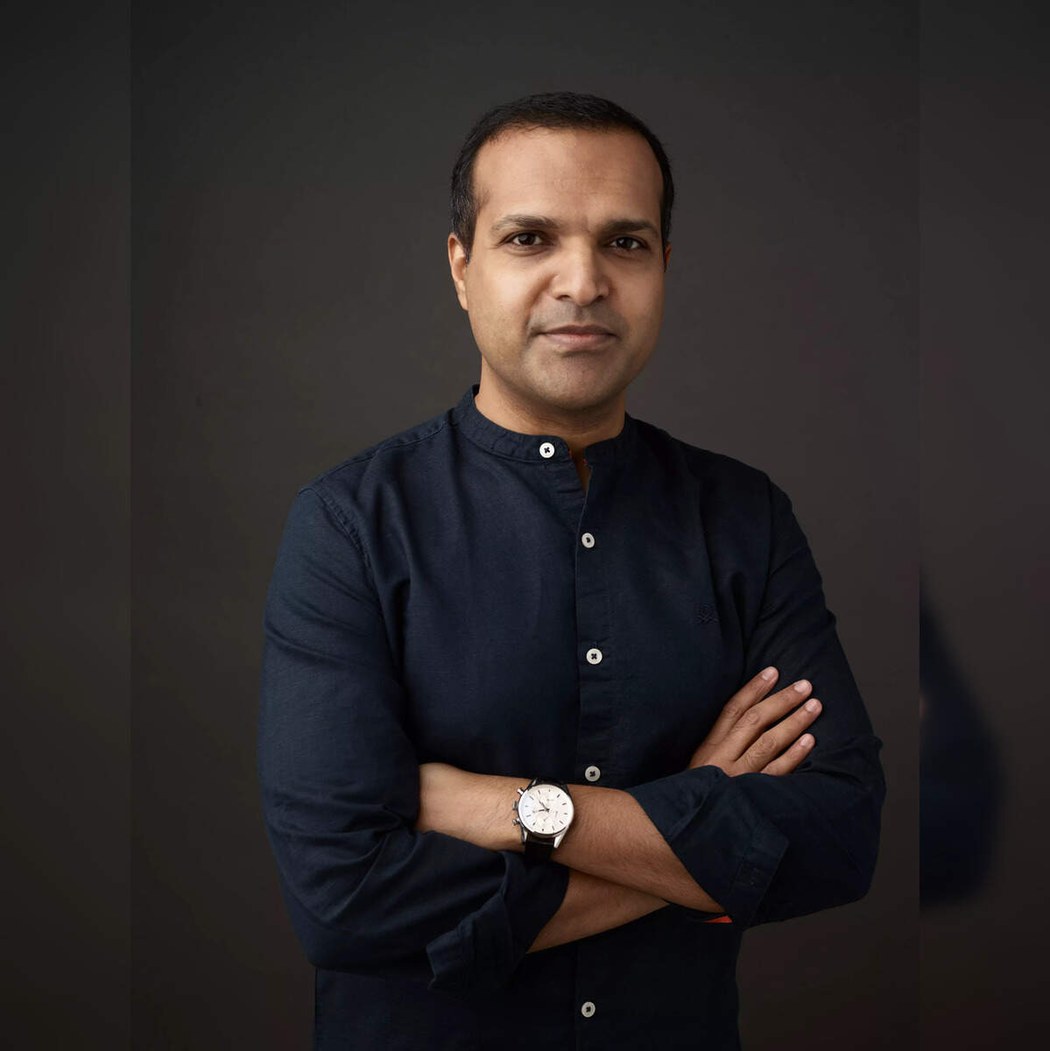
Ranjan Reddy and the Price of a Stranger’s Face
He sold his first startup after barely a year. Then he spent the next decade chasing a harder question: how can the internet know whom to trust without making honest people prove themselves at every door?

Allison Dancy Makes Complex Markets Easier to Enter
She began in sales, once imagined a life in anthropology, and built a career teaching complicated software companies to speak like their buyers. At Red Oak, that translation job now sits at the meeting point of marketing, finance and compliance.

Eric Clements Made a Career Out of Marketing the Rules
He started in sales, learned the grammar of compliance software, and spent more than a decade turning dense rules into an enterprise story people could act on.

Antonia San Martín Sola Turned a Rejected Account Into Plutto’s Risk Engine
A fintech refused to open an account for her company. Antonia San Martín Sola and her co-founders started building Plutto the next day - turning a bureaucratic dead end into a new operating layer for Latin American business.

Gideon Ebose Is Teaching AI to Mind the Fine Print
The Rulebase co-founder took a designer’s route into fintech’s least glamorous work. His wager is simple: software can review every customer interaction without removing the humans who carry the responsibility.

Asaf Meir Built Crypto’s Smoke Alarm. Now the Whole Market Is Getting Wired.
A Goldman engineer found crypto’s missing plumbing and spent nine years building it. His next test is stranger, faster and more public: keeping prediction markets honest.