real-estate
(221)
Ryan Young has a reservation for your next move
Before Fello, Ryan Young cooked professionally and returned to Cleveland to help build his family’s real estate business. Now he is turning a familiar frustration - the conversation nobody followed up - into software, coaching and a very public challenge.
Steven Schnall saw a customer where the paperwork saw a problem
He sold peepholes door to door, built a mortgage company and returned after the financial crash to co-found Quontic. Steven Schnall’s wager was that a bank could take unfamiliar customers seriously - and still have a little fun.

Joshua Dorkin built BiggerPockets. Then he made room for a life.
A teacher with rental properties wanted answers without a sales pitch. Joshua Dorkin built a community to find them, spent fourteen years growing it, and learned that running the company was a job he could leave.

Jamil Ahmed Sukhera wants to turn earners into owners
From tutoring in Lahore to property technology in America, the Vairt co-founder keeps returning to a question of access: who gets to own the assets their work helps sustain?
Avner Papouchado would rather leave the heroics on the ground
The Serverfarm founder came to New York to play music. A career in property, a taste for surfing and thousands of hours in the cockpit helped shape his approach to the physical business behind the cloud.
Dustin DiMisa wants the mortgage business to pick up the phone
After building Intercontinental Capital Group, Dustin DiMisa went looking for the conversations a growing company can miss. His work at Hoot now follows the money inside a home purchase, with the monthly payment as its starting point.
J. Michael Robison built a parking business. His bigger bet was on movement.
From an 18-space Atlanta lot to Olympic parking operations, Lanier’s founder kept looking beyond the windshield. His interest in transit explains a career spent connecting parking, property and the life of a city.
Michael D. Gianni knows what holds a network together.
He started on Los Angeles rooftops with his father. Four decades later, the MD7 founder is still occupied with the earthly business of making connections last.
Rao B. Telidevara: software, land and the work between
The Qatalys founder and former CEO built a career across American clients and Indian delivery teams. His work in property and infrastructure gives that cross-border story a literal footprint.
Cyril Berdugo and the space between a house and a home
Raised around his father’s housing projects in Paris, Cyril Berdugo built a career in finance before co-founding Landis. His wager: a would-be homeowner’s future can be more useful than a snapshot of their past.
Brian Hardecker and the price of staying put
His grandfather had to sell the family home. Brian Hardecker built Truehold around a question that followed: could someone sell a house without having to leave it?
Adam Sabloff and the art of starting again
Before VirtualHealth, Adam Sabloff ran a New Orleans music venue and helped develop luxury residences. His career turns on a quieter skill: getting people to work together, then staying long enough to make it count.
James Brune and the business hiding in a paper jam
Before Domecile, James Brune traded natural gas, managed weather risk and sold New York apartments. Then two broken copiers gave him a very practical reason to build a software company.
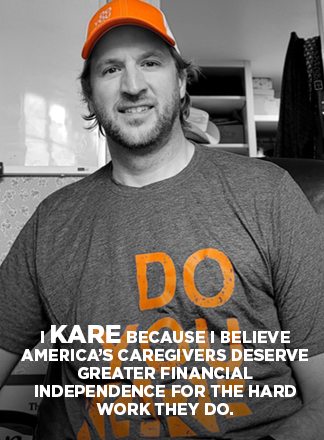
Charles Turner and the trouble with a perfect building
His buildings survived the storms; getting people through the doors was another matter. The KARE founder has been questioning the way employers find, hire and listen to workers ever since.
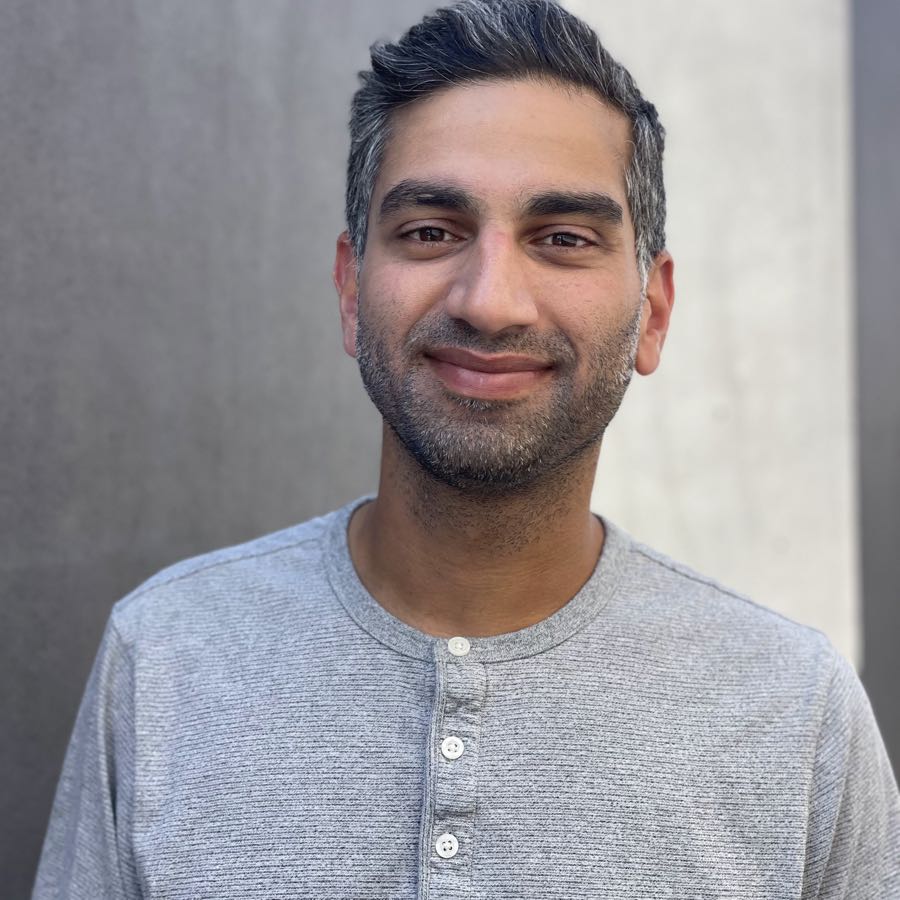
Paraag Sarva and the money that never moved
A New York landlord looked at the security deposit and saw a business hiding in an old habit. Rhino’s founding CEO has since turned to another stubborn problem: how founders make decisions.
Mike Chang and the business of getting people to talk
From Calltend’s distributed callers to OJO’s agent network and HouseVenture’s move into Los Angeles tech media, Mike Chang keeps returning to a practical problem: getting the right people into a conversation.
Richard Rauch and the problem of getting there
From a remotely controlled fiber-optic switch to an aircraft cockpit, Richard Rauch has spent decades thinking about access. The APCON founder’s career follows the connections that make a business work.
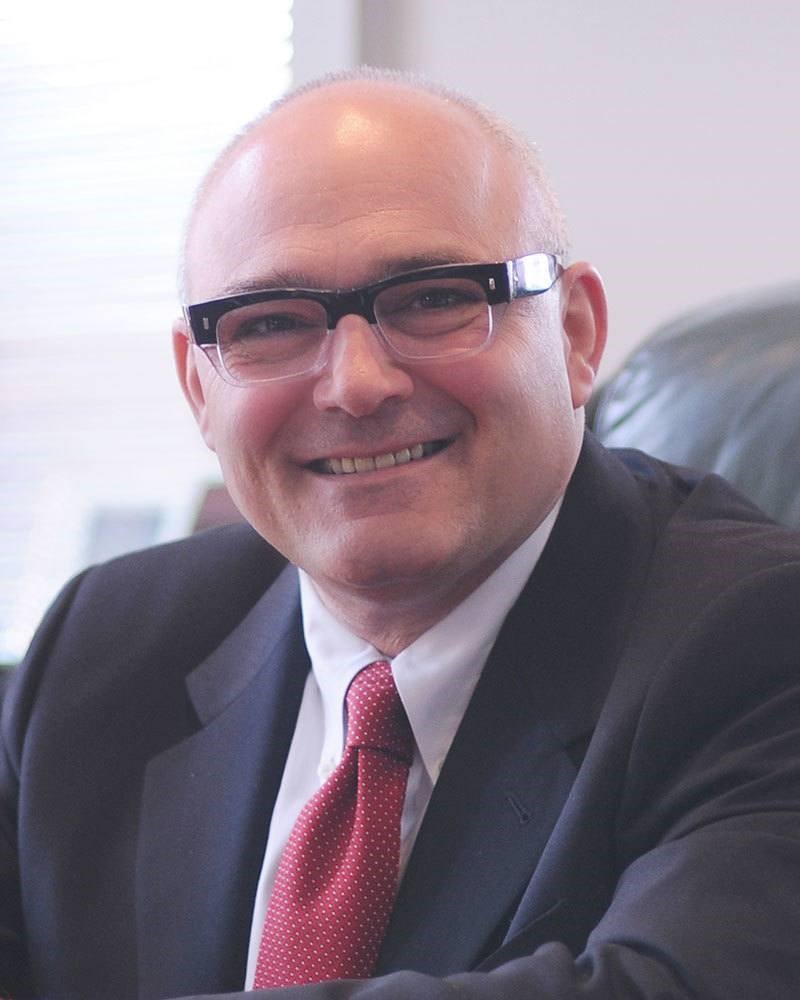
Michael Zamagias and the 25-year quarter
From a Johnstown sales desk to Pittsburgh real estate and TeleTracking, Michael Zamagias has built a career on commitments measured in decades. His most revealing business joke is about the calendar.
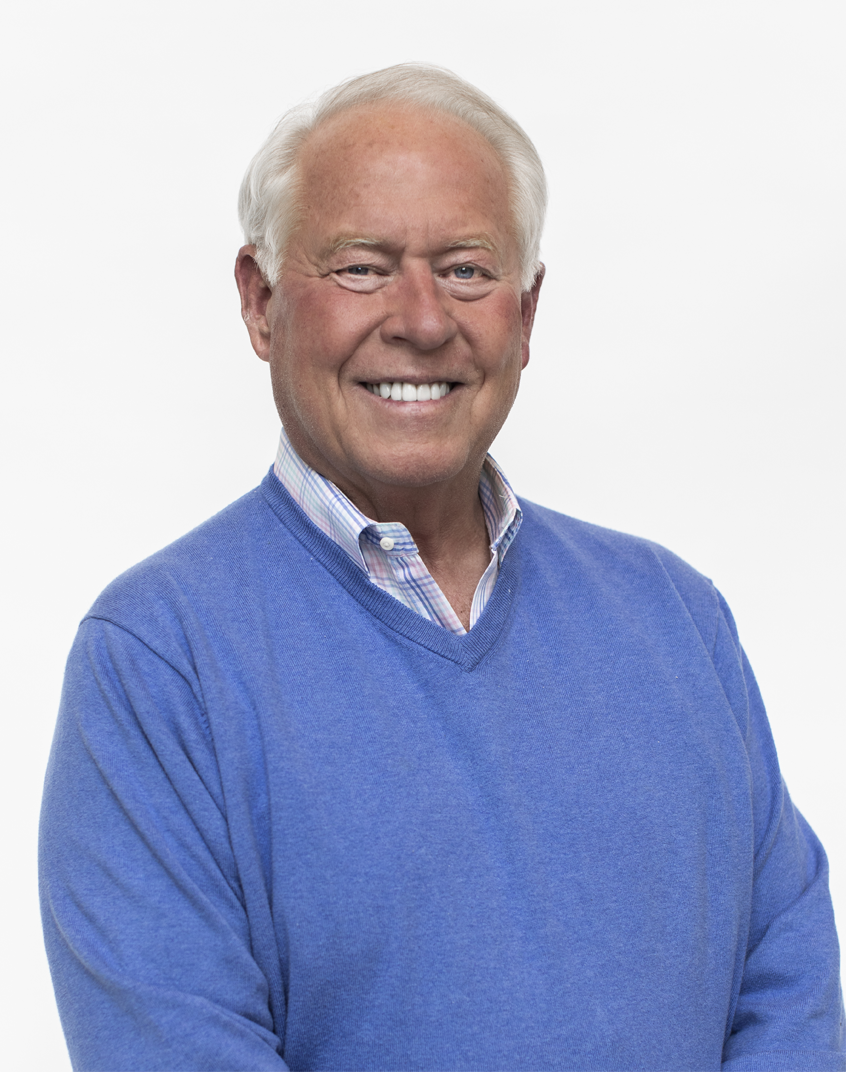
Dell Loy Hansen and the price of an empty space
A boy filling the gaps in a coin album became a Utah apartment developer. Decades later, Dell Loy Hansen is applying the same appetite for building to homes for displaced Ukrainians.
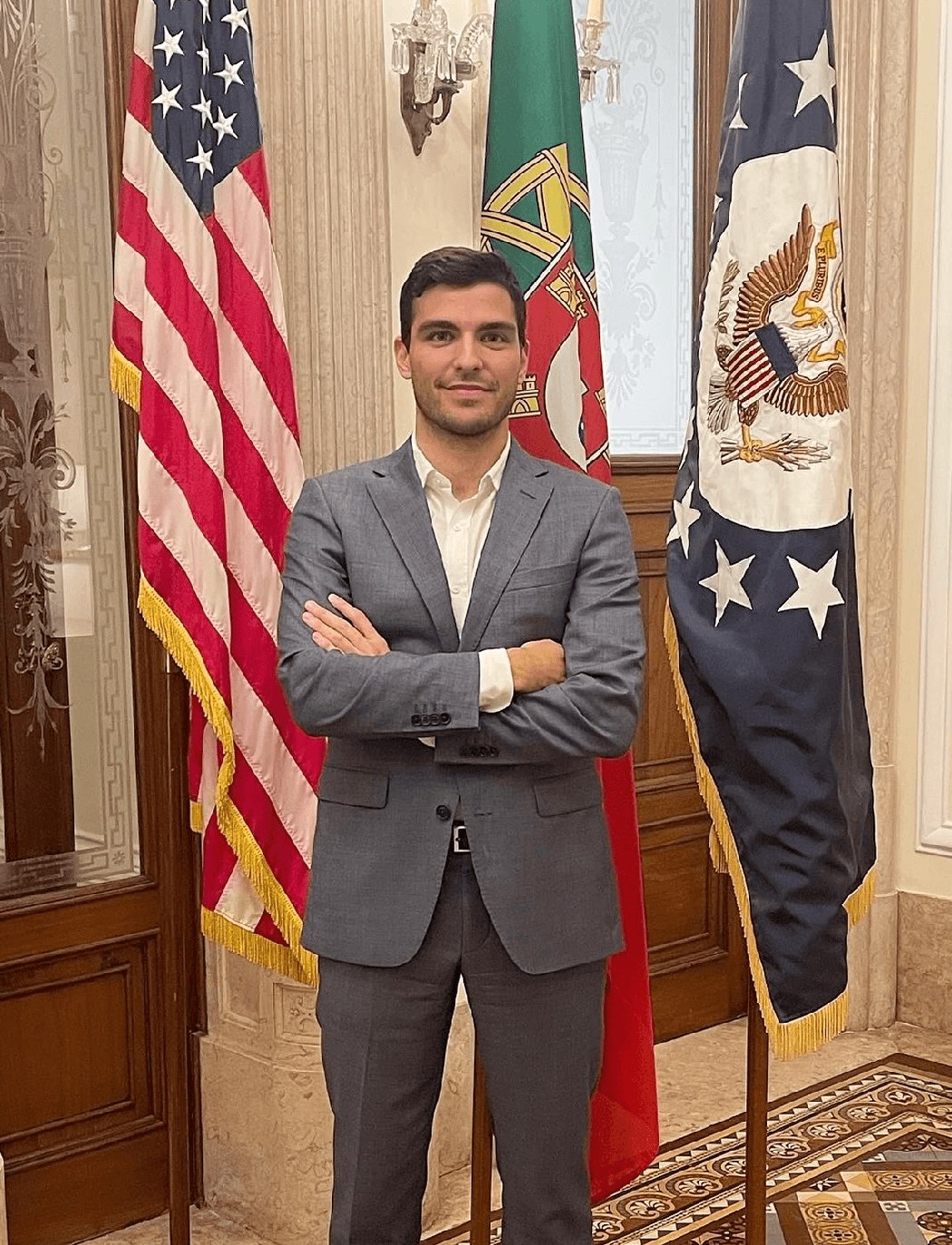
José Costa Rodrigues and the price of trust
He built a business selling phones he could not afford new. With Relive, the Portuguese founder took the same question to Texas: what makes someone trust a stranger with a consequential purchase?
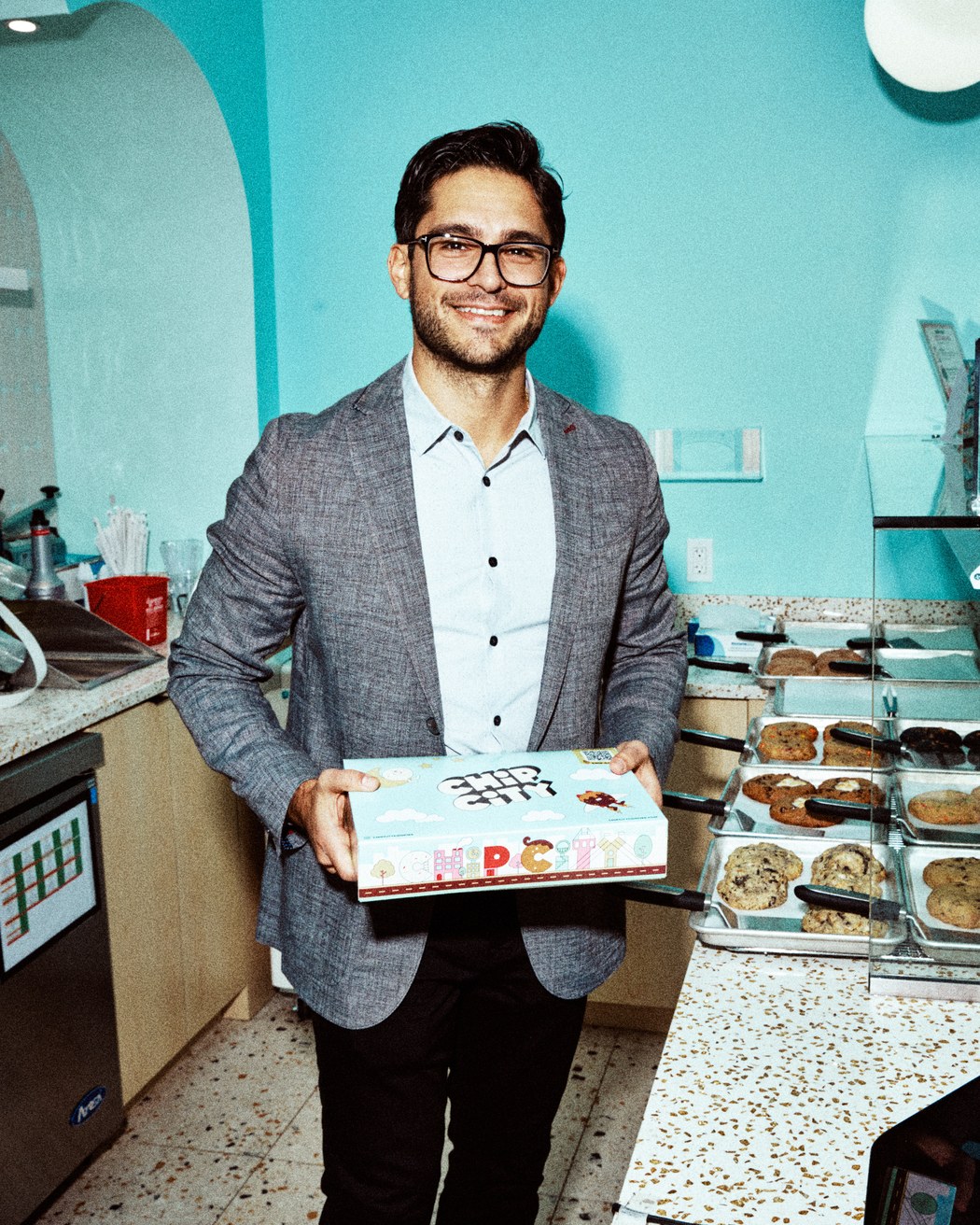
Peter Phillips and the business that fit in 250 square feet
A Queens builder turned a tiny storefront into Chip City, then watched the cookie chain close after his departure as CEO. His next bakery puts a familiar question back on the counter: how do you make people return?
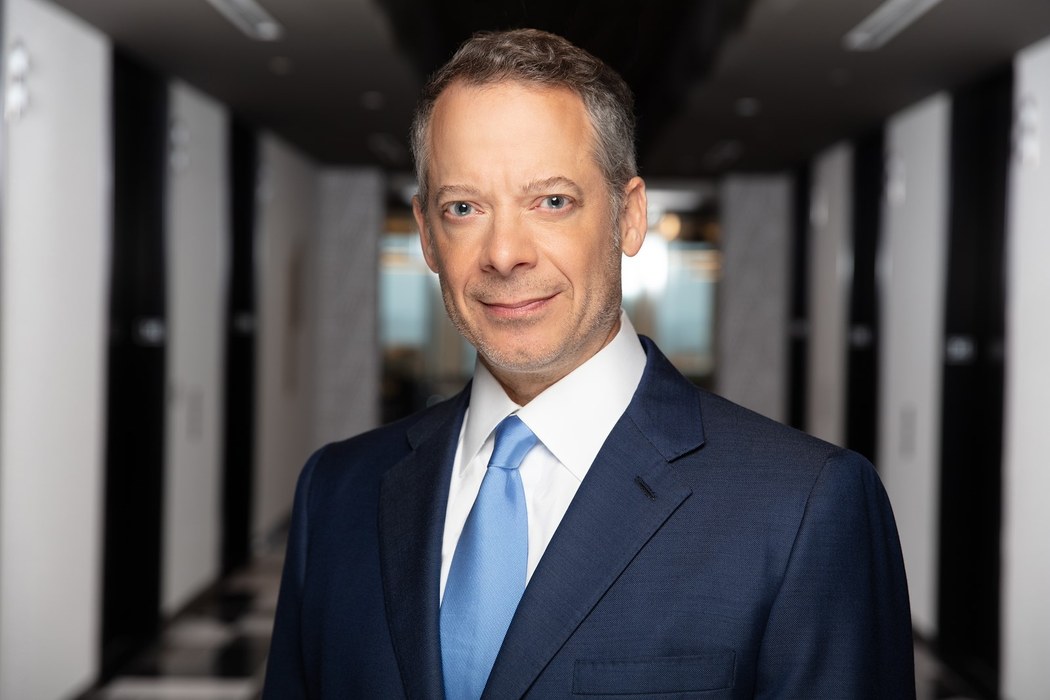
Monty Bennett and the price of staying in charge
From a Cornell MBA and a 100-room Hampton Inn to a family business on Wall Street, Monty J. Bennett built his career around understanding the hotel from every angle. Ownership brought a harder question: who gets the last word?

Joe Bromovsky and the value of an early no
Before a home can be built, someone has to decide whether the land makes sense. The civil engineer behind Algoma is working on the costly stretch between a promising address and a decision.
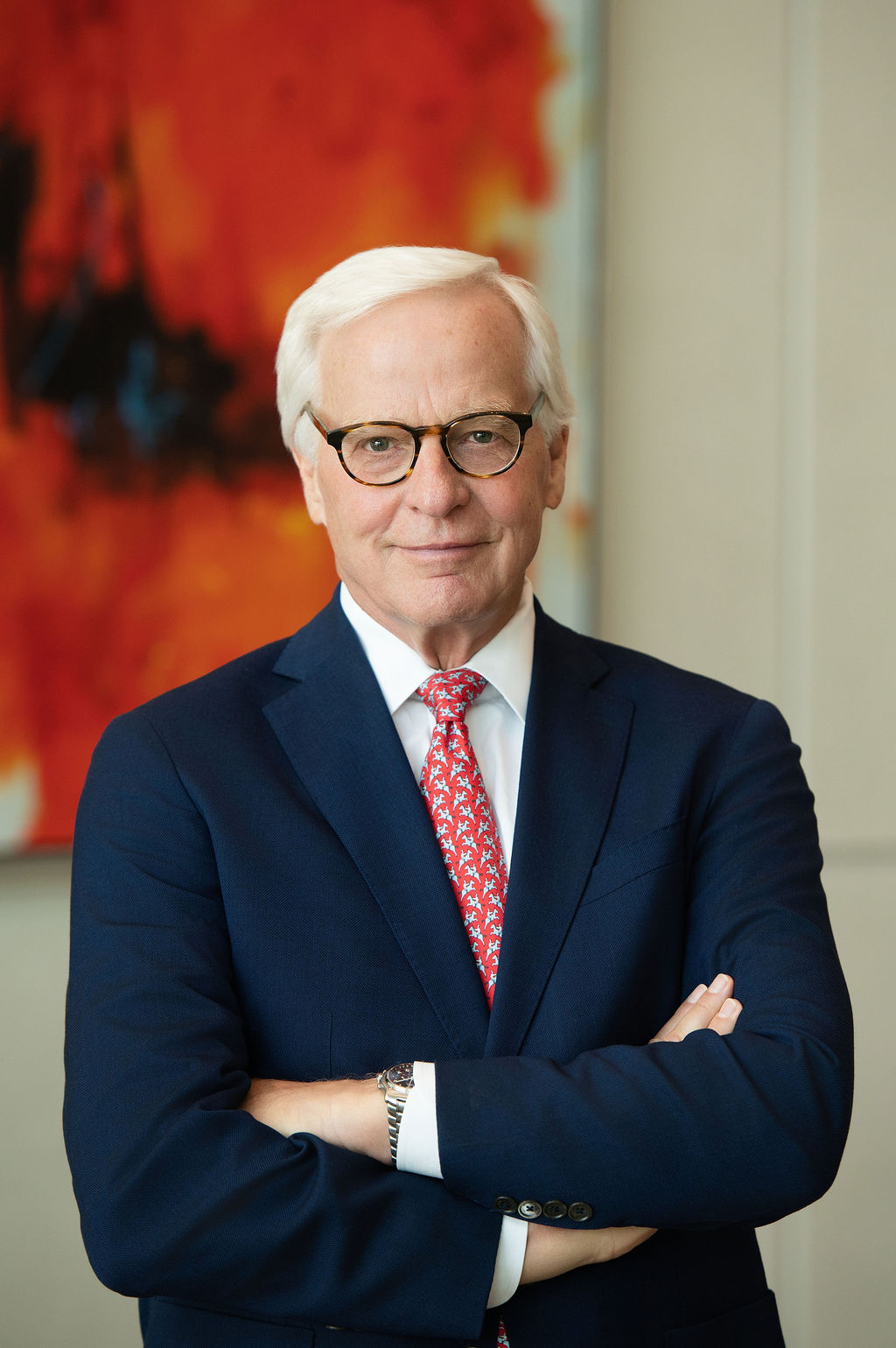
James Brickman and the value of staying put
He retired at 48, then came back to buy land when lenders were retreating. At Green Brick Partners, James Brickman has spent his second act thinking years beyond the next closing.

Julia Spillman and the business between the stars
Fredrik Eklund and John Gomes had the names and the salesmanship. Julia Spillman brought a taste for databases, follow-through and the work that helped their partnership travel across America.
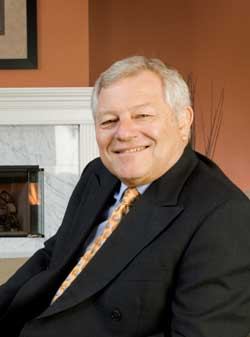
Keith Guericke and the Art of Leaving the Keys
He helped take Essex Property Trust public and spent 22 years as its chief executive. Then Keith Guericke made a decision with a different kind of payoff: giving his successor enough time to lead.
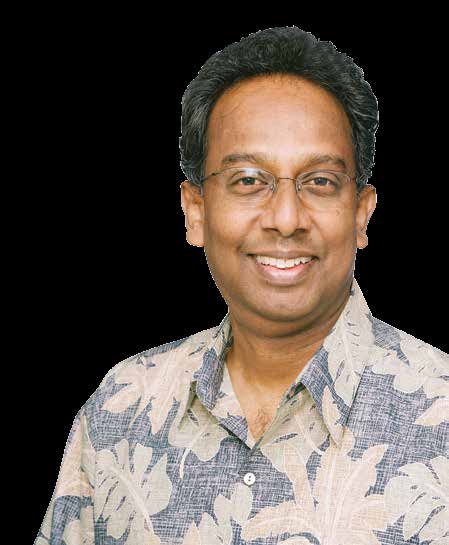
Dass Ramadass and the summer that became a career
He came to Hawaii with London law studies in mind. An internship led Dass Ramadass into property management, where he spent nearly four decades building a business around the daily work of keeping clients’ trust.
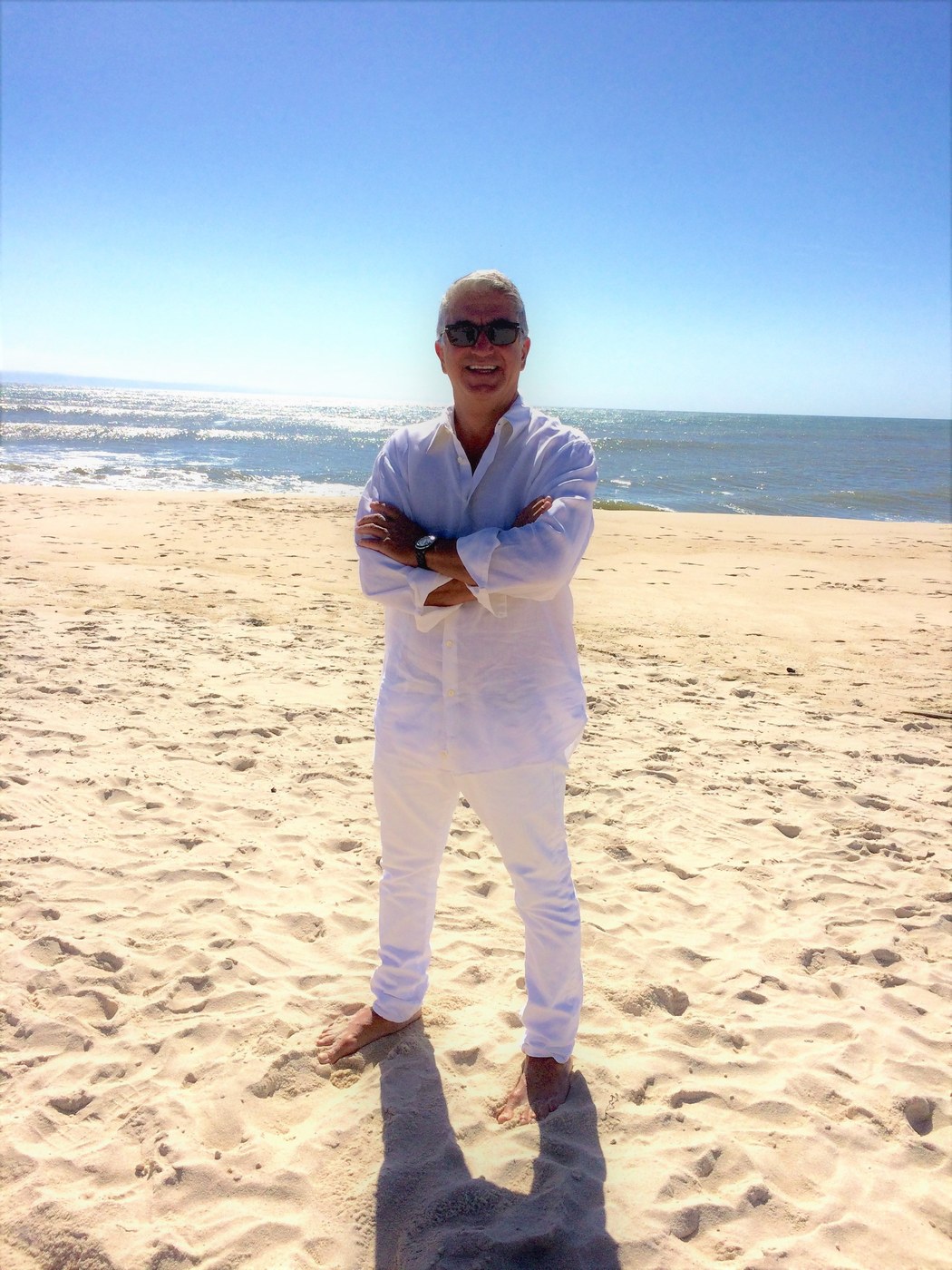
Jean-Marc Zarka changed careers. The address came first.
After a career at fashion brand Vertigo, Jean-Marc Zarka turned a longtime attachment to the Hamptons into a real estate business. His listings tell a story of taste, changing spaces and two American coastlines.
Bryan Smith’s 60,000-house problem
Before he became AMH’s CEO, Bryan Smith helped answer an awkward question: how do you make a national rental business work one house at a time? His career has been an education in the details.
Trevor Schneeberger and the value of a second question
A Los Angeles real estate advisor with a luxury title and a working map that stretches from Westside co-ops to Castaic. Trevor Schneeberger’s career comes into focus in the details between the listing and the keys.