predictive-analytics
(62)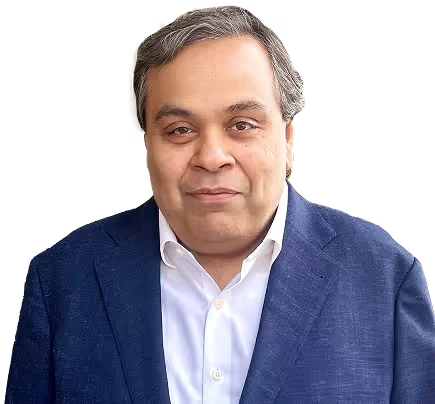
Prashant Agrawal and the Ten Billion Decisions Hiding in a Spreadsheet
A consultant, columnist and Columbia professor built Impact Analytics around a quiet retail rebellion: let machines calculate the permutations, so people can make the consequential calls.
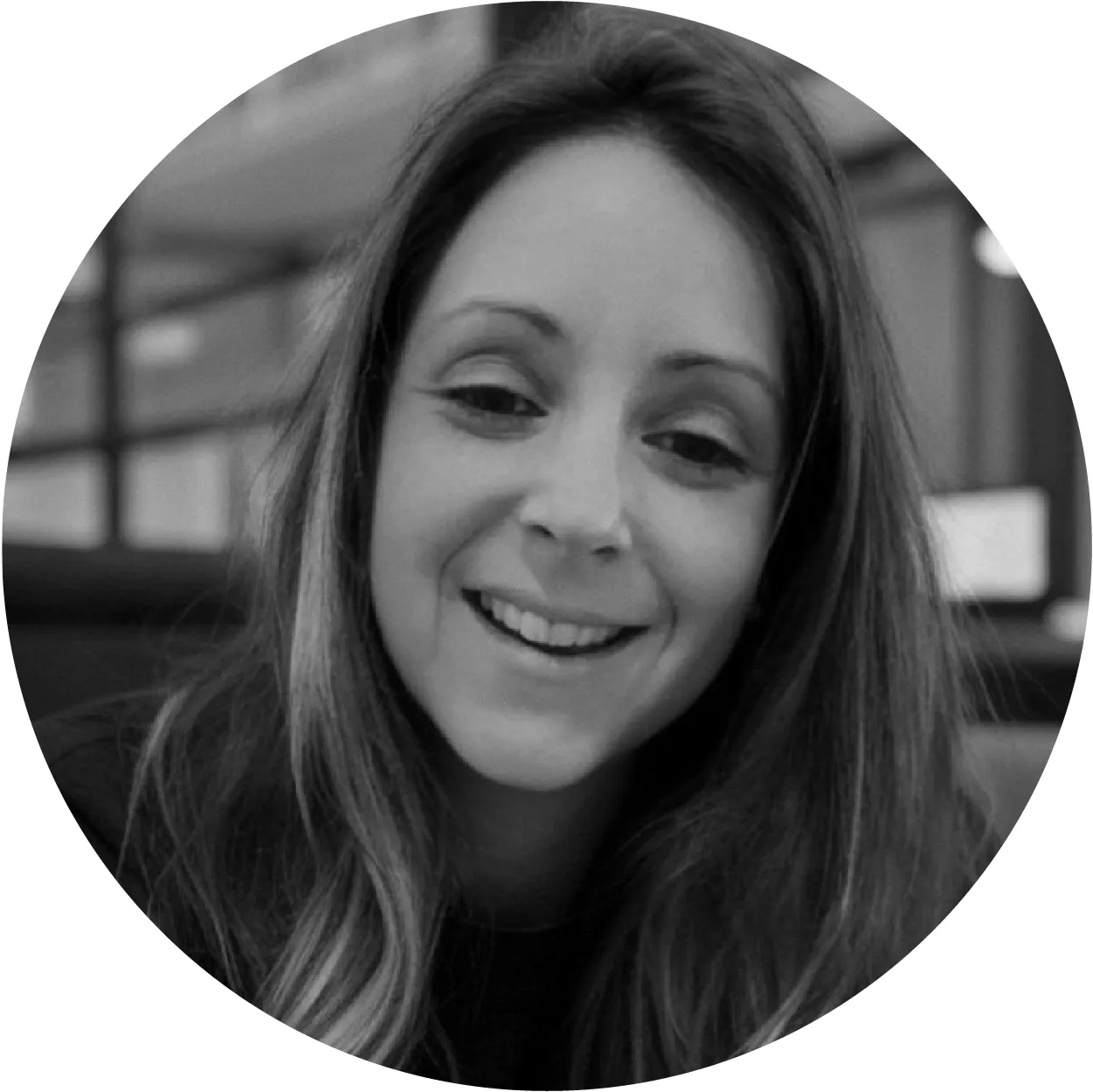
Jessica Baum Took the Long Way to the C-Suite - and Learned Where Marketing Really Works
Before she became BERA’s chief marketing officer, Baum spent two decades learning the seams of a company from the inside. Her argument now is practical: put product marketing at the center, make the functions speak, and make brand answer to the business.
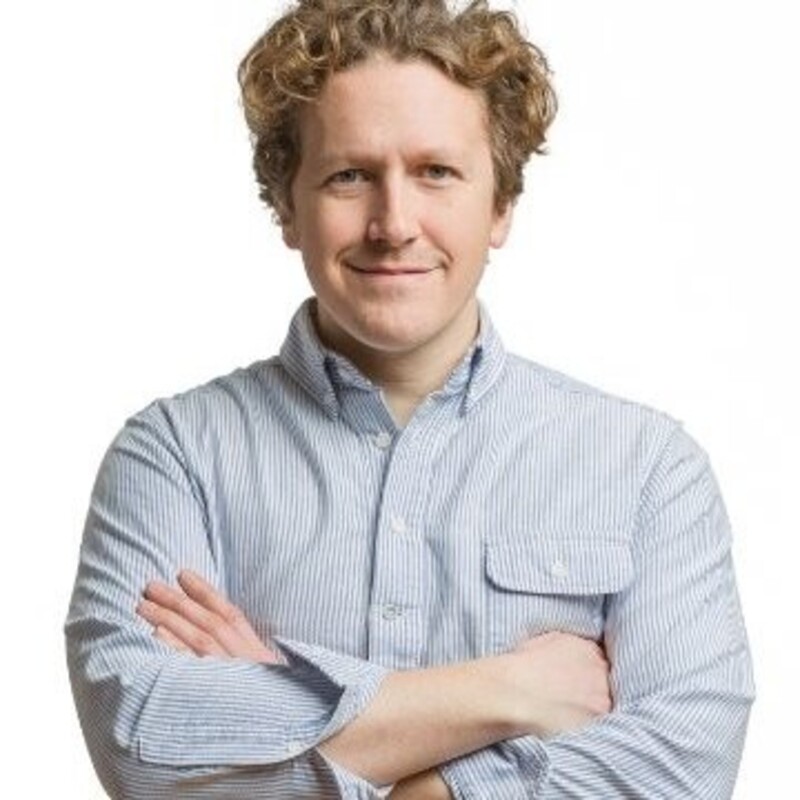
Andy Rossmeissl Built an AI Company Where the Signal Is Human
From a solar-marketing experiment in Middlebury to a consumer context platform covering 240 million U.S. adults, Rossmeissl has spent nearly two decades asking one durable question: what can data help people decide next?
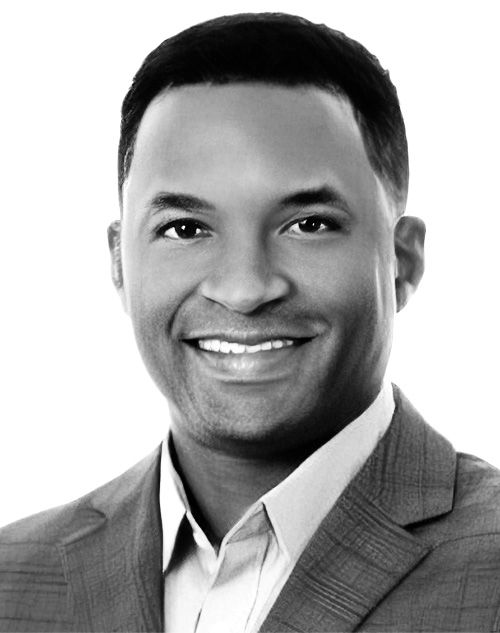
Del Smith Is Building the Missing Layer in Clinical Research: Trust
The former business-school dean turned a neglected business input - community trust - into Acclinate's operating system for more representative clinical research.
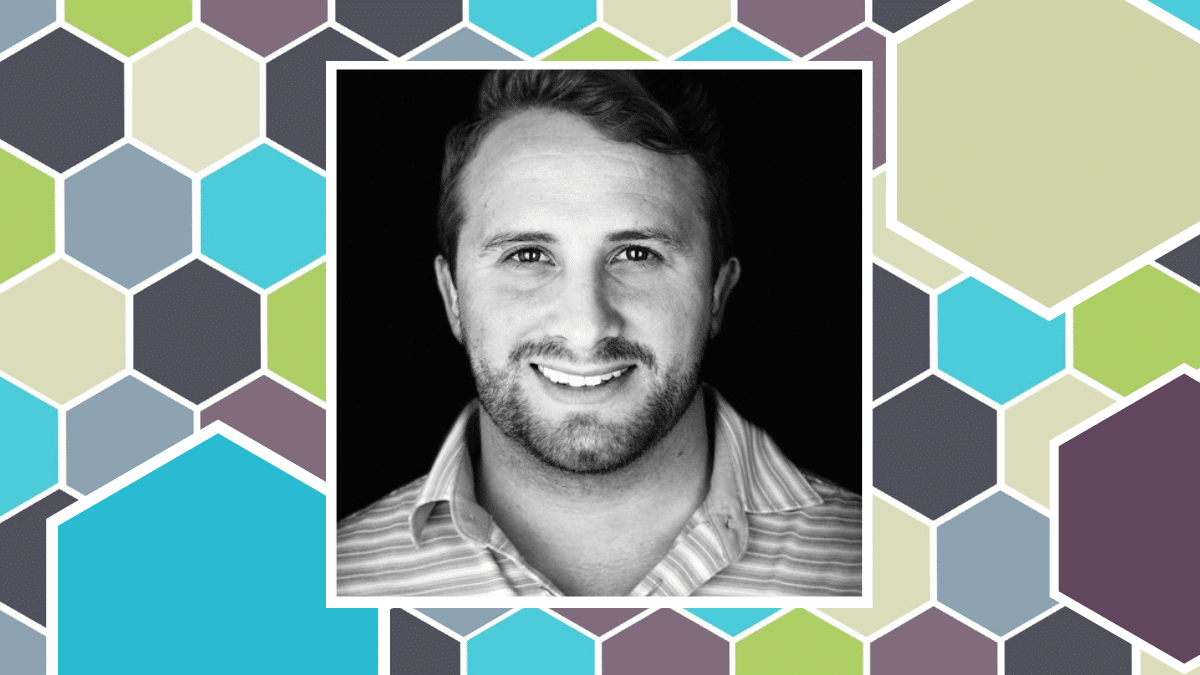
Christopher South Built a Three-Hour Answer to Advertising’s Expensive Question
An engineer, an abandoned startup and a rush of sales calls became Spot Trender. Christopher South’s career is a study in how to turn a failed first draft into a faster way of listening.
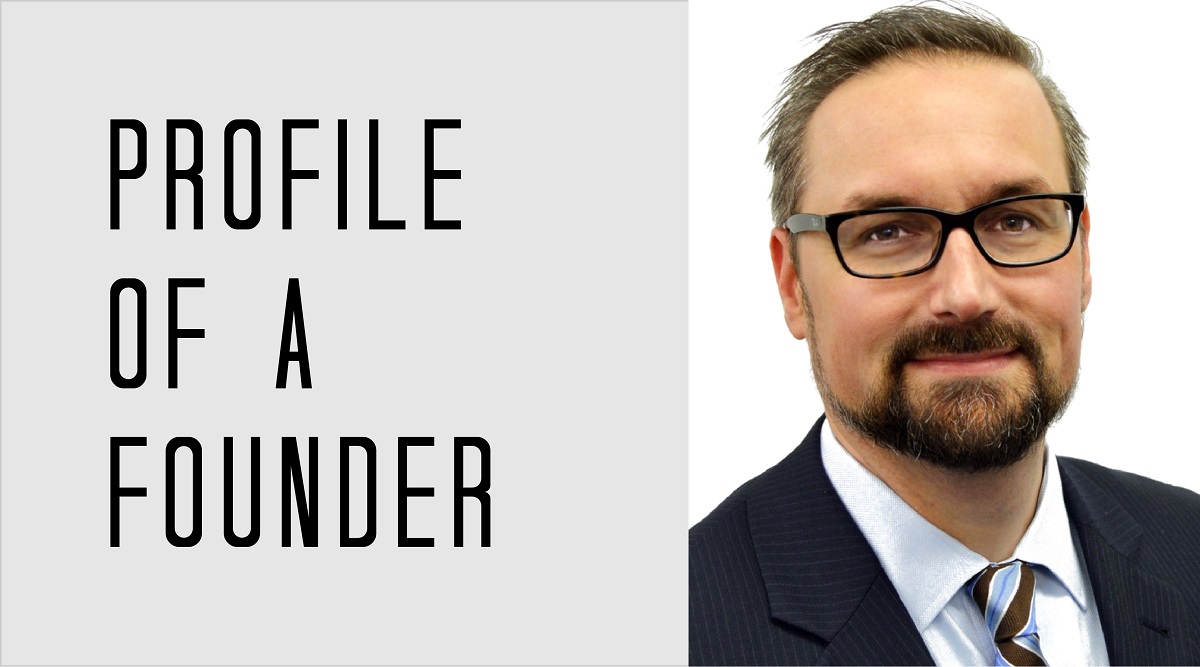
Tony Nash Is Teaching Corporate Forecasts to Stop Taking It Personally
A logistics career that ran through Europe and Asia left Nash suspicious of tidy predictions and last-minute hunches. In Houston, he is building finance software around a blunt idea: if the number changes, the reason should be visible.
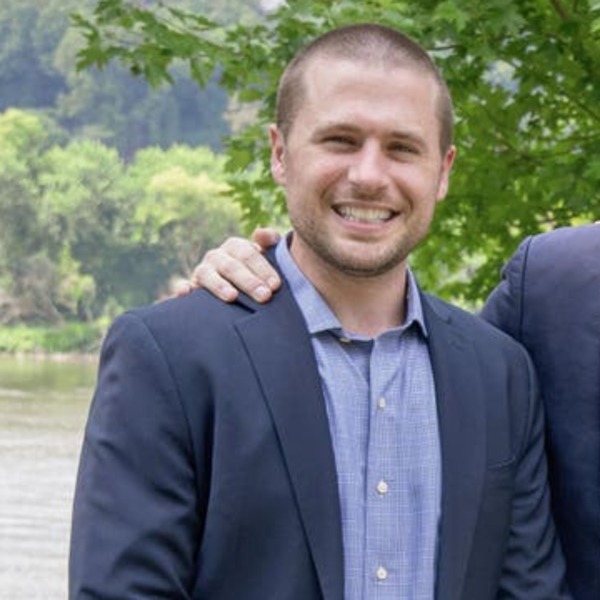
Nick Bartel Took a Screenwriter’s Eye to the Open Road
He started in television, learned to read a balance sheet, and ended up helping fleets read risk before a crash. After Idelic’s 2026 acquisition, Nick Bartel’s next question is disarmingly simple: how can I be helpful?
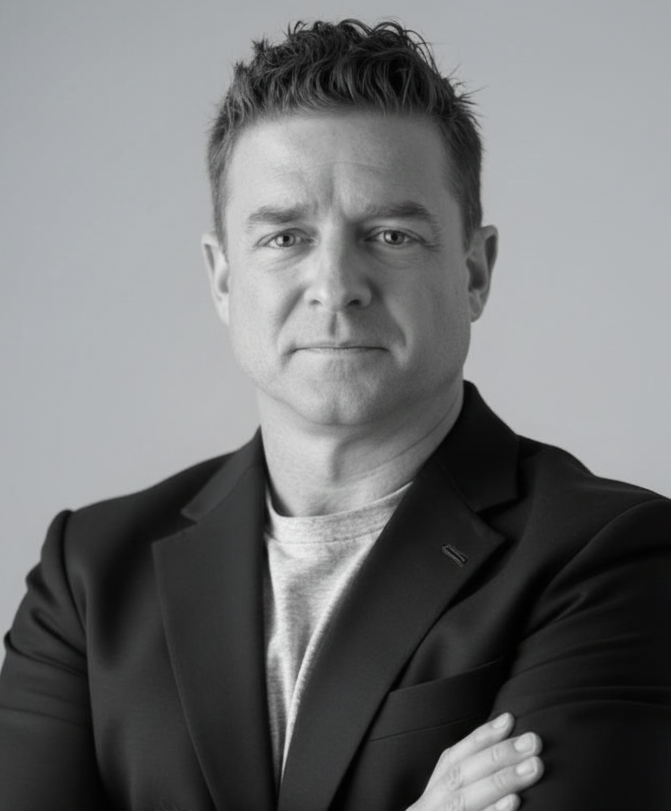
Matt Hixson Has Spent 15 Years Teaching AI to Read the Room
The former CPA behind Tellagence made a career out of a deceptively human question: what does online conversation actually mean? Fifteen years in, context is finally having its moment.
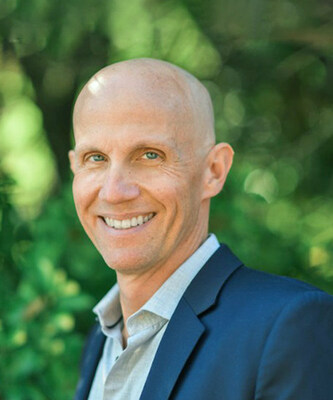
Darren Schulte Is Building the Operating System Between the Appointment and the Crisis
The physician-executive spent two decades teaching software to read the chart. At Vynca, he is tackling the harder problem: turning those signals into coordinated action before a routine gap becomes a costly crisis.
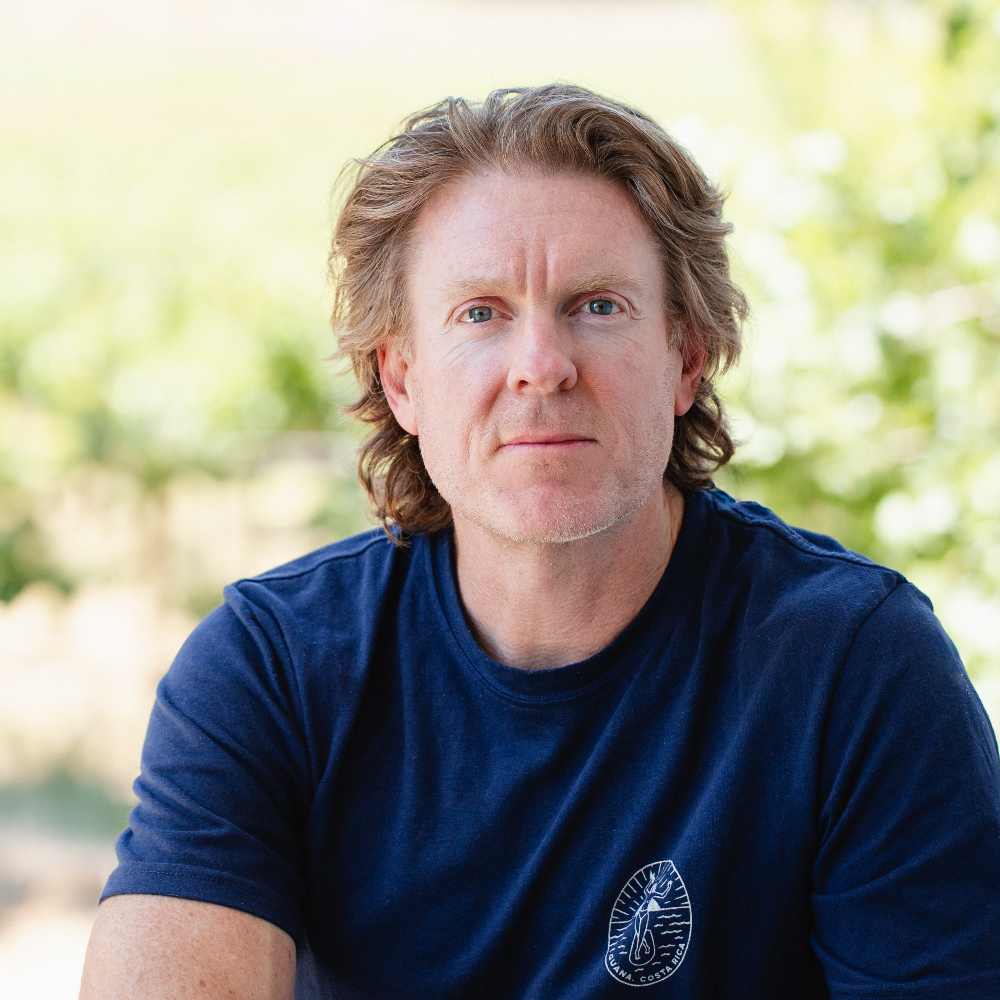
Campbell Brown Is Teaching Machines to Read the Room
The PredictHQ co-founder built a business around a stubborn operational question: what happened in the real world that made demand move? A decade later, that question sits at the center of how enterprises want their AI to reason.
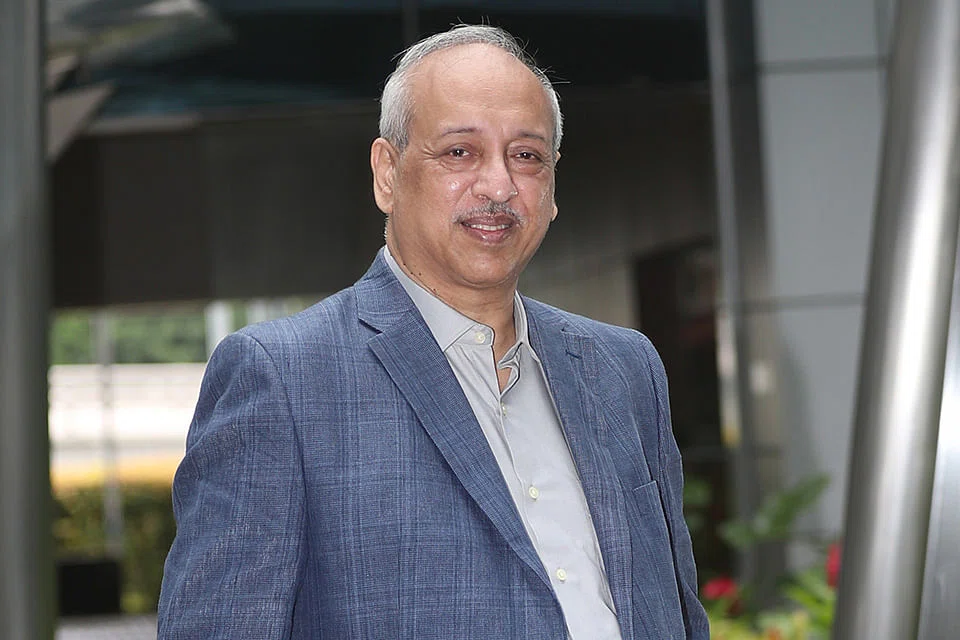
Bhargab Mitra Put a Clock on the Network’s Next Failure
The former Ericsson and Nokia executive spent a decade turning telecom maintenance from a reaction into a forecast, culminating in Accenture’s 2026 acquisition of Avanseus’s AI solution.
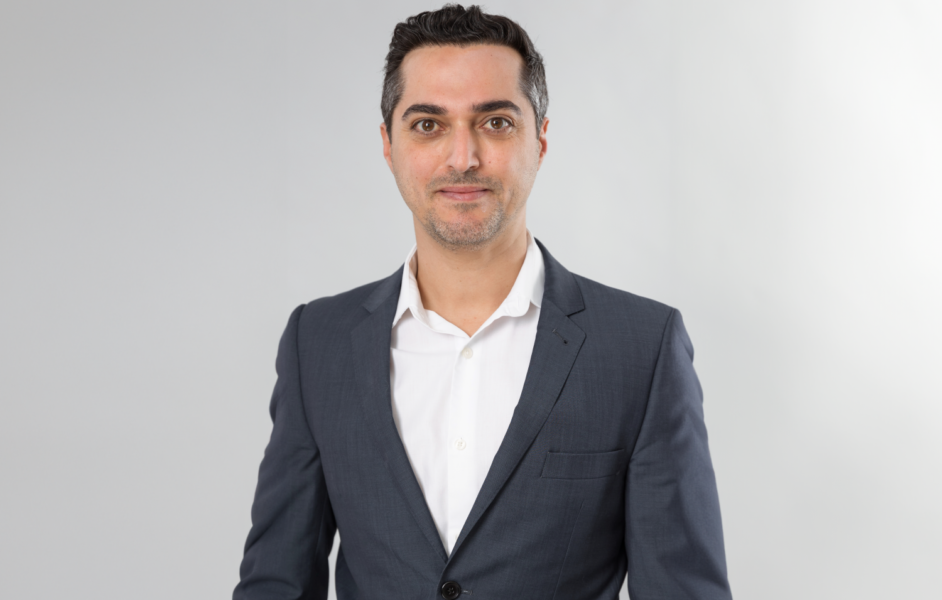
Alon Chen
A family WhatsApp thread about Friday dinner became Tastewise, an AI system built to tell food companies what people want before the focus group comes back.
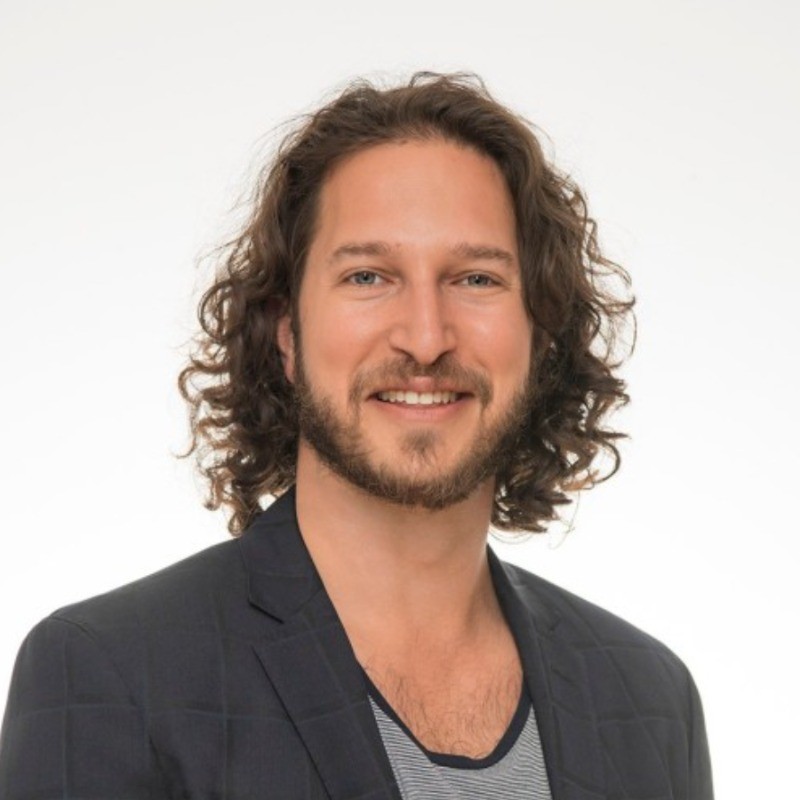
Alex Reynolds
He lined up ten customers for February 2020, then the events industry went dark overnight. Alex Reynolds kept building anyway - and turned the messy art of picking conferences into a data problem worth solving.
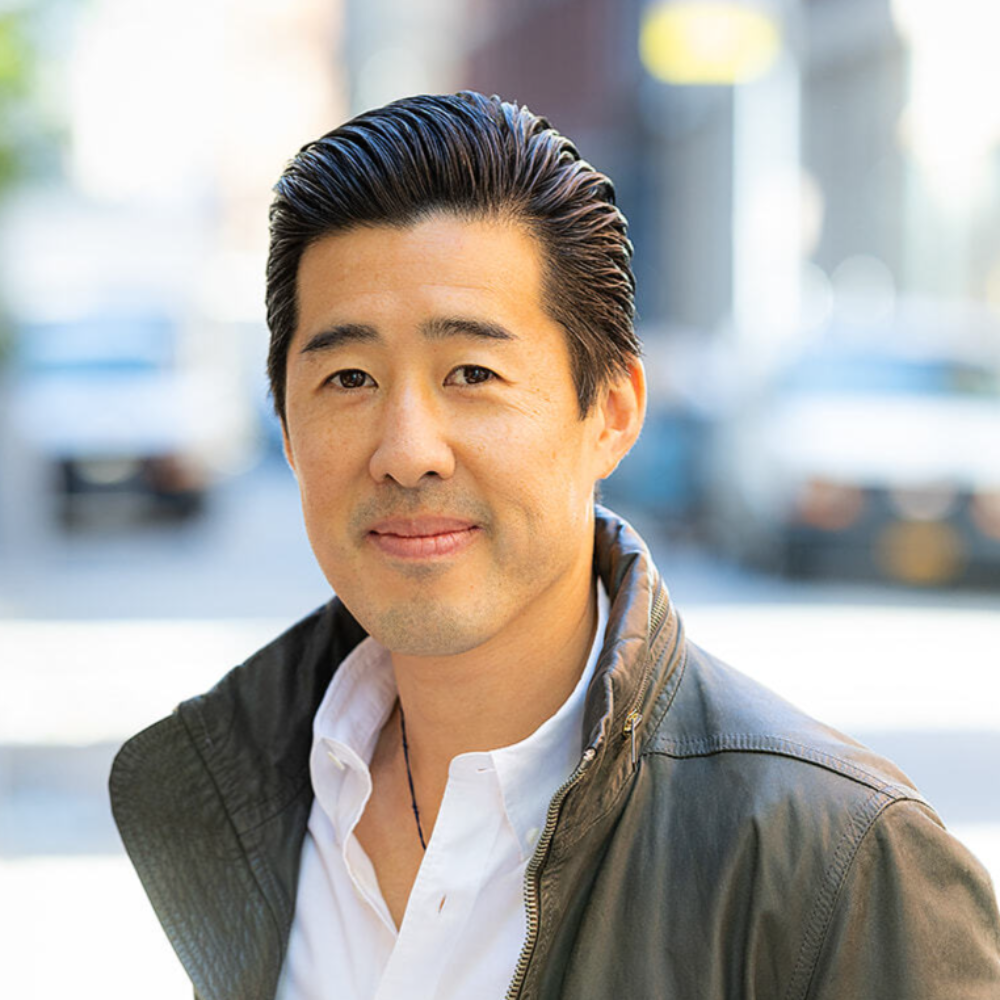
Alex Song
He spent nine years reading markets for Goldman and Bill Ackman. Now he is handing small brands the data science that used to belong only to the giants.
Ryohei Fujimaki
Ryohei Fujimaki is the founder and CEO of dotData, a Silicon Valley enterprise AI company that automates feature engineering and data science. A machine learning PhD from the University of Tokyo, he became the youngest research fellow in NEC's 119-year history at age 33 before spinning dotData out of NEC to commercialize automated feature discovery. He has raised roughly $75 million to make predictive analytics accessible to a broader range of business users.
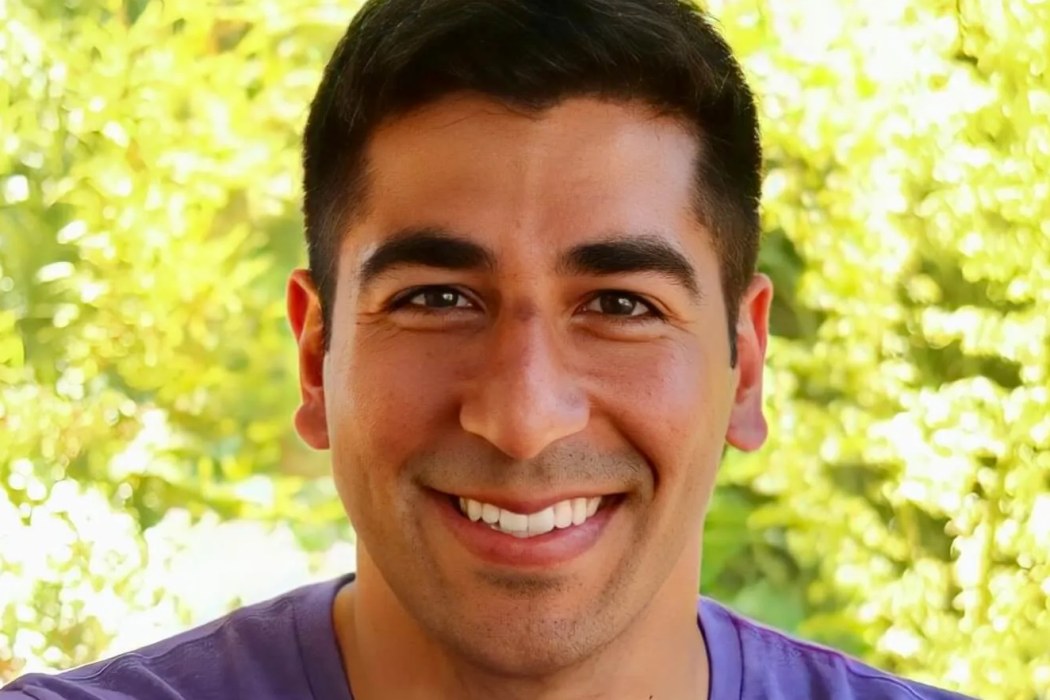
Senan Ebrahim
Senan Ebrahim is the founder and CEO of Delfina, a San Francisco digital health company using AI and data science to improve pregnancy care and close gaps in maternal health. A physician-scientist with an MD and a PhD in computational neuroscience from Harvard, he founded Delfina after witnessing a preventable stillbirth during medical training. He earlier founded Hikma Health, a nonprofit building free health-data tools for refugee and low-income patients. Delfina raised a $17M Series A in early 2025 led by U.S. Venture Partners.
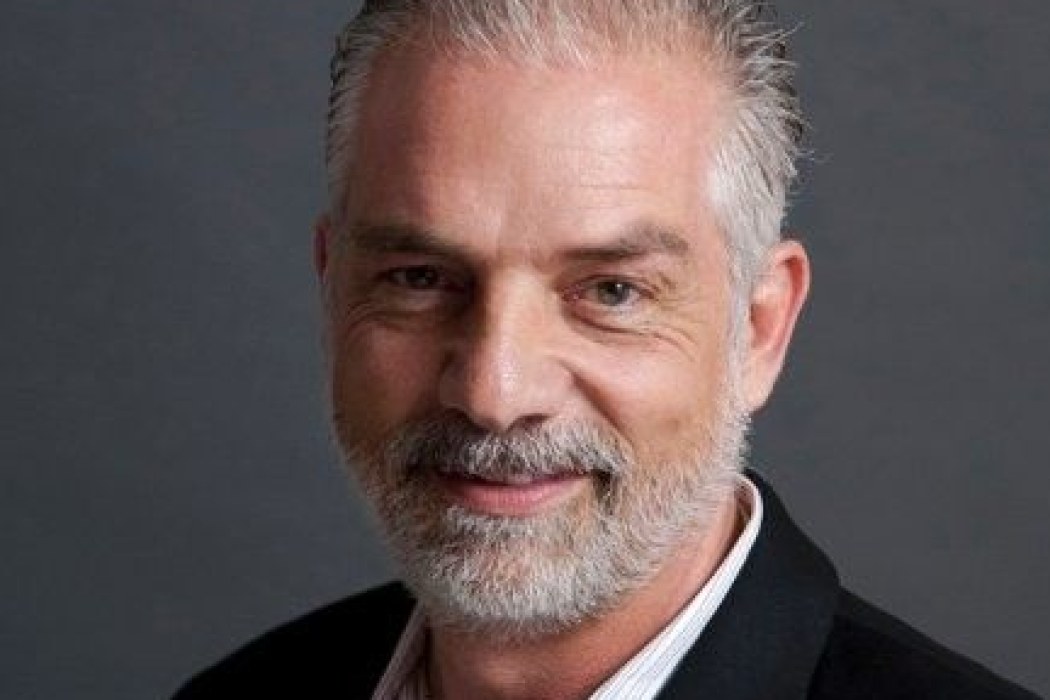
Kurt Dobbins
Kurt Dobbins is the founder and CEO of Nrby, a New Hampshire company building AI-driven predictive network intelligence for broadband and telecom operators. A serial entrepreneur and networking engineer with more than three decades in the industry, he previously founded Ellacoya Networks (acquired by Arbor Networks) and Deep Information Sciences, and earlier served as technical director at Cabletron Systems. He is the named inventor on more than a dozen networking and communications patents and describes himself as a lifelong builder of ideas that challenge convention and reshape industries.
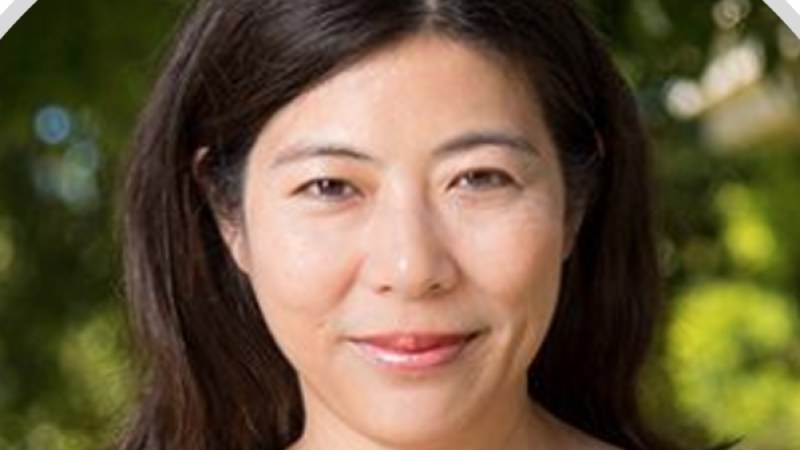
Mylene Yao
Mylene Yao is co-founder, director, and CEO of Univfy, a Los Altos-based healthcare AI company that builds personalized IVF success prediction models. A board-certified OB/GYN trained at the University of Toronto, McGill, and Harvard, she was a Stanford faculty member running an NIH-funded embryo development lab before spinning her prediction research out with statistician Wing H. Wong. Univfy's models tell patients their individual odds of having a baby with IVF, and pair the prediction with financing so more people can actually pursue treatment.
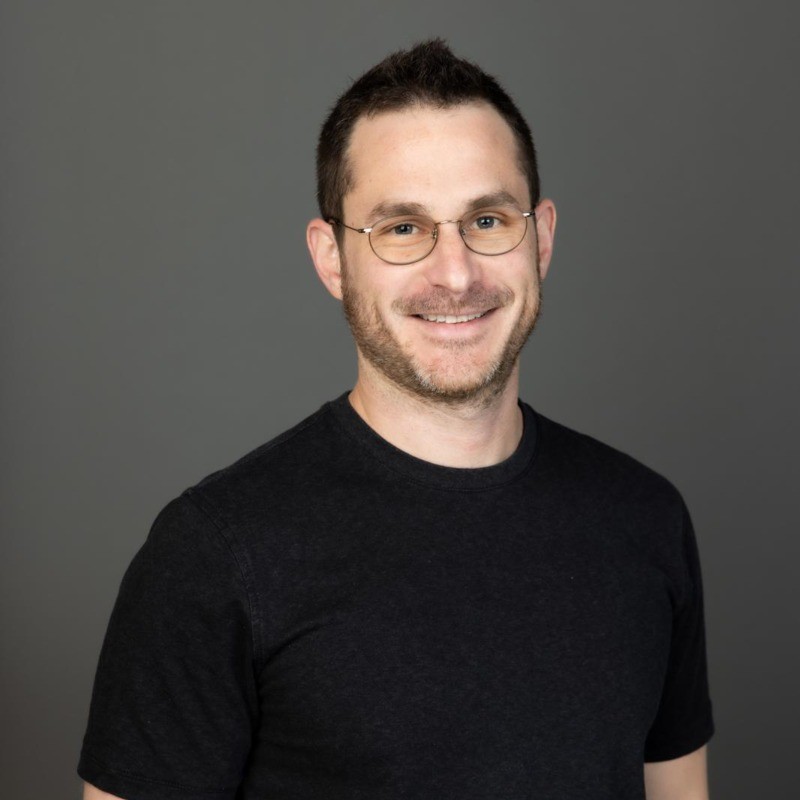
Zohar Bronfman
Zohar Bronfman is the co-founder and CEO of Pecan AI, a predictive analytics company he launched two months after finishing not one but two PhDs at Tel Aviv University - one in computational cognitive neuroscience, another in the history and philosophy of science. He and his co-founder built Pecan's first prototype for a data-science competition they missed the deadline for, then turned it into a low-code platform that lets business teams build predictive models without hiring data scientists. Pecan has raised roughly $127 million from Insight Partners, GV, and Dell, and its work now touches revenue at Fortune 500 companies. Bronfman is a vocal skeptic of AI hype, arguing that predictive AI and generative AI are more useful married than either is alone.
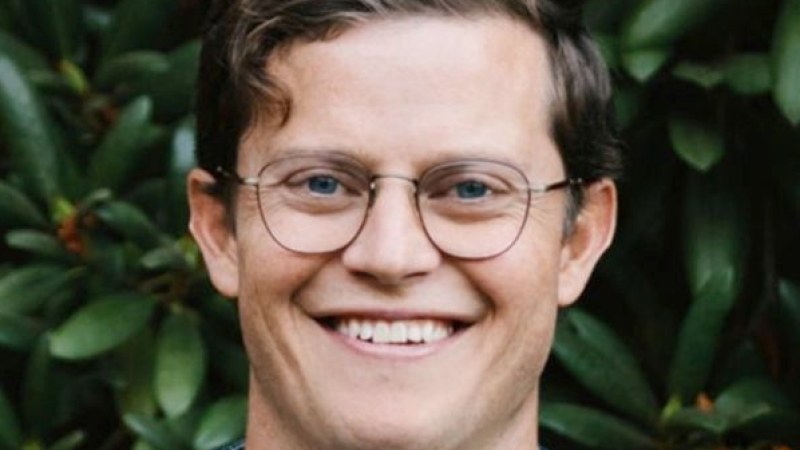
Dan Leahy
Dan Leahy is the co-founder and CEO of MakerSights, a San Francisco consumer-insights platform that helps apparel, footwear, and accessories brands decide what to make before they make it. His pitch is blunt: the fashion industry still builds product the way it did in the 1980s, guessing at what shoppers want and burning through unsold inventory in the process. MakerSights collects consumer feedback at scale and ties it to real sales data so brands like Ralph Lauren, New Balance, Everlane, and Madewell can produce less waste and more of what people actually buy. Before MakerSights, Leahy founded Savored, a restaurant yield-management startup acquired by Groupon, and cut his teeth in finance at Silver Lake and Brown Brothers Harriman. A Maine kid who once mailed handwritten letters to NBA stars begging for autographs, he built a career on the same stubborn premise: ask enough people for what you want, and enough of them say yes.
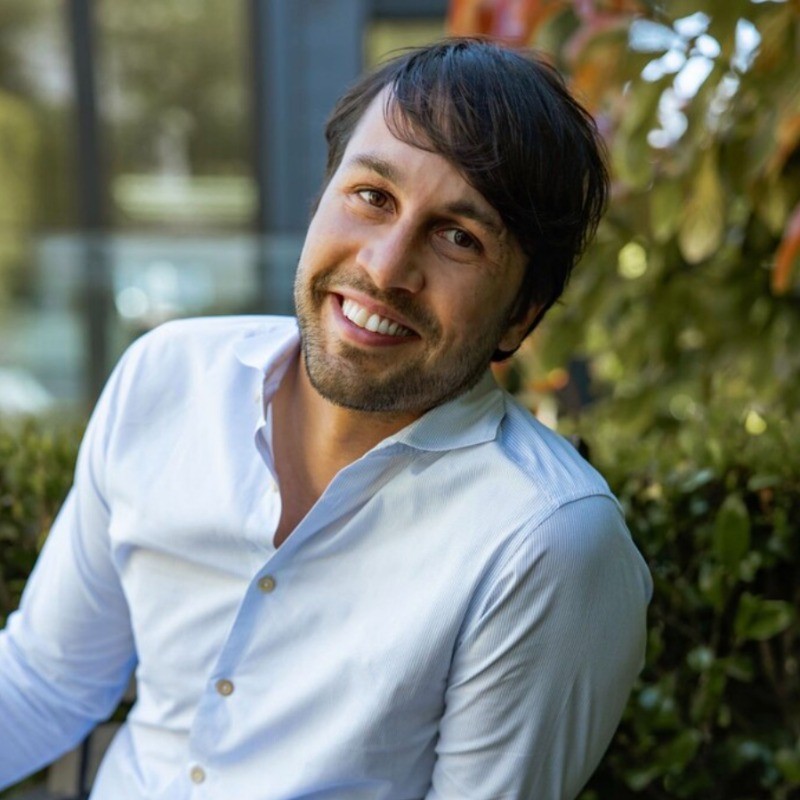
Jon Carr-Harris
Jon Carr-Harris is the Founder & CEO of CRED, a San Francisco-based AI-powered predictive intelligence platform that raised $15M in seed funding in June 2025. CRED unifies data from 200+ integrations and 10,000+ external sources to deliver business predictions 60-90 days in advance with 92% claimed accuracy - giving enterprises the kind of forward-looking intelligence once reserved for hedge funds. A serial entrepreneur who advised Airbnb, Kik, and Khan Academy early in their growth, Carr-Harris built and exited Swish Labs (a global tech consulting ecosystem spanning 30+ countries) before founding CRED in 2023, which emerged from stealth with 25 enterprise clients and $100M+ in documented customer revenue impact.
Lauren Dachille
Lauren Dachille is the founder and CEO of Nimble, a Y Combinator-backed edtech company building data-driven applicant tracking software that helps K-12 school districts identify, hire, and retain effective teachers. A former DC Public Schools recruiter and StudentsFirst policy hand, she built the system she wished she'd had when sorting through thousands of teacher applications by hand.
Lily Vittayarukskul
Lily Vittayarukskul is the co-founder and CEO of Waterlily, a San Francisco AI company that predicts when a person will need long-term care, for how long, and what it will cost - then helps families figure out how to pay for it. A child prodigy who started college at 14 and interned at NASA by 16, she pivoted from aerospace engineering to healthcare after her aunt's terminal cancer diagnosis exposed how unprepared most families are for the cost of caregiving. Waterlily runs more than 500 million data points through proprietary AI models, has raised roughly $10 million from investors including Genworth, Nationwide and Edward Jones Ventures, and landed Lily on the Forbes 30 Under 30 list.
Anuj Bhalla
Anuj Bhalla is the founder and CEO of serviceMob, an Irvine, California enterprise software company that brings order to the chaos of customer service data. A UC Berkeley applied mathematician and MIT Sloan Fellow, he spent over a decade leading Accenture's Service Analytics Strategy practice and filing three patents before building serviceMob around a concept he calls 'Ontolytics' - analytics layered on top of a unifying data ontology to illuminate the 'dark, unexplored data' that hides inside support operations. He was named a 2024 CEO Visionary by the Los Angeles Times and his company earned a spot on MIT's STEX25 startup roster.
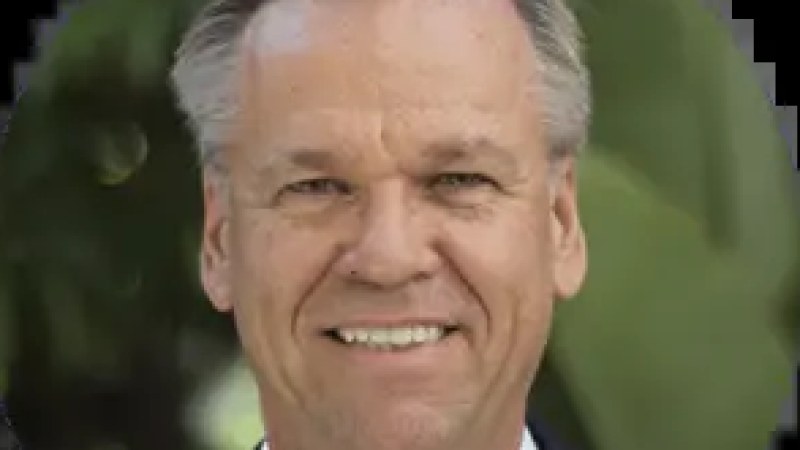
Dirk Soenksen
Dirk Soenksen is the co-founder and CEO of Ceresti Health, a Carlsbad, California digital-health company that treats the family caregiver as the unit of care for people living with dementia. An engineer by training, he first reshaped a corner of medicine by founding Aperio, the company that turned the glass microscope slide into a digital image and became the global leader in digital pathology before Danaher's Leica Biosystems acquired it in 2012. A coffee on his last day at Leica sent him into a second act: instead of imaging the brain, he set out to support the overwhelmed spouses and adult children caring for it.
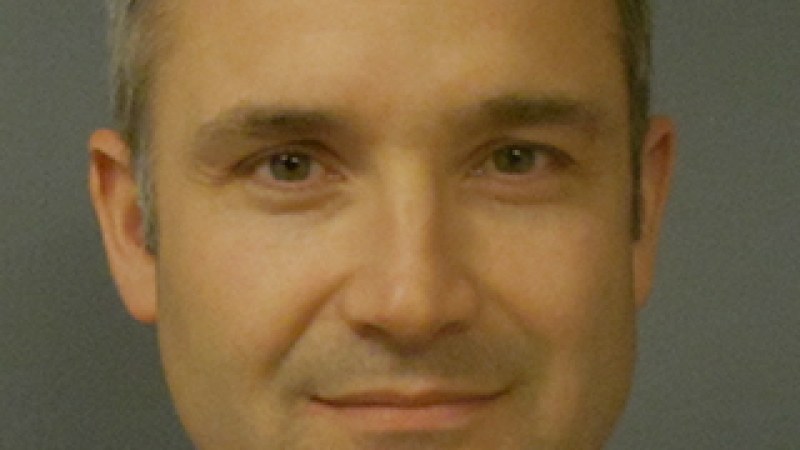
Drew Ladner
Drew Ladner is the founding Chairman and CEO of Pascal Metrics, a Washington, D.C. and Austin-based patient safety company that uses real-time EHR data, clinically validated adverse-event outcomes, and machine learning to catch preventable harm in hospitals before it compounds. Since 2007 he has built Pascal into a U.S.-certified Patient Safety Organization serving hundreds of healthcare systems worldwide, with clients identifying roughly 10x more serious harm than legacy methods. Before healthcare, he was CIO of the U.S. Treasury's $2.6 billion IT organization, a general manager at open-source pioneer JBoss, and an operator across Netscape, AOL Time Warner, and microfinance in East Africa. He holds an MBA from Harvard, an MA in theology from Oxford, and a BSFS from Georgetown.
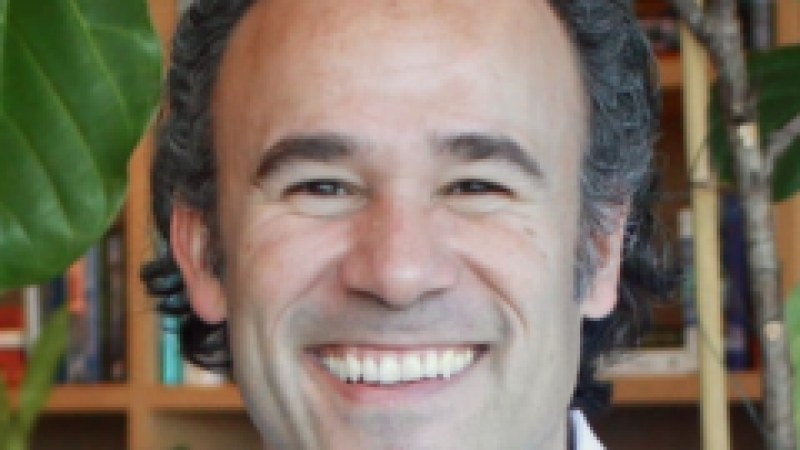
Francisco Martin-Rayo
Francisco Martin-Rayo is the co-founder and CEO of Helios AI, a climate-risk and commodity-price platform that helps agri-food companies see supply shocks before they hit. A former Mexican-avocado trader who became a BCG principal and AI-fintech executive, he teamed up with ex-Google engineer Eden Canlilar in late 2022 to build an AI that scrapes 250,000 news sources every 15 minutes, runs custom models for dozens of crops, and tells procurement teams when, how much, and where to buy across roughly 90 countries.
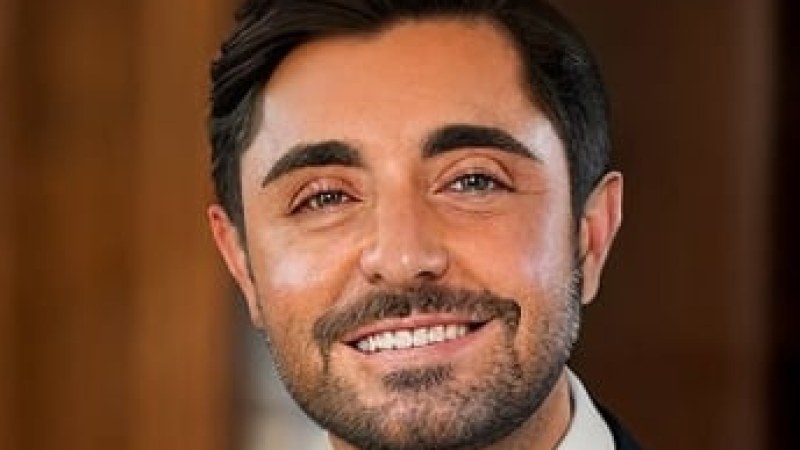
Frank Pica
Frank Pica is the CEO and co-founder of Native AI, a New York market-intelligence platform that builds AI-powered digital twins - synthetic consumer personas drawn from billions of real data points - so brands can interrogate their customers in real time instead of waiting weeks for surveys and panels. A repeat operator who helped scale Decide from three people to over a hundred and launched Adyoulike in North America, Pica is betting that consumer research is going through a renaissance, and that generative AI is leading it.
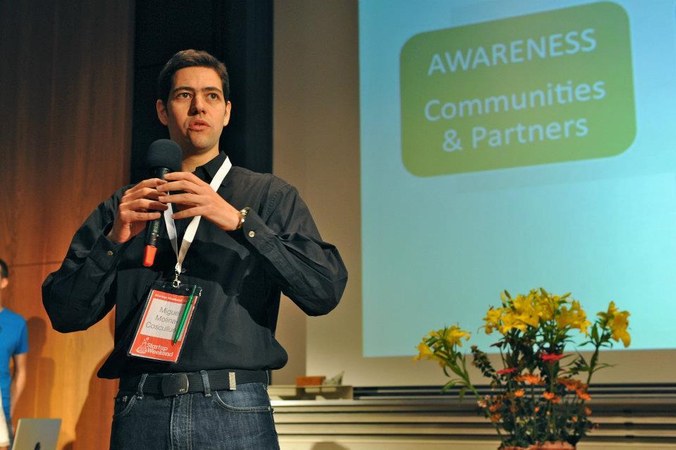
Miguel Cosculluela
Miguel Molina Cosculluela is the founder and CEO of Analytikus, a Miami-based EdTech company that uses learning analytics and AI to help colleges and universities boost student success, retention and personalized teaching. A self-described analytics evangelist with 12+ years in the field, he co-founded a Startup Weekend winner in Geneva, has appeared on CNN to talk advanced analytics, and hosts the bilingual podcast Simplifying Analytics. He is also an Ironman 70.3 finisher and genealogy aficionado.
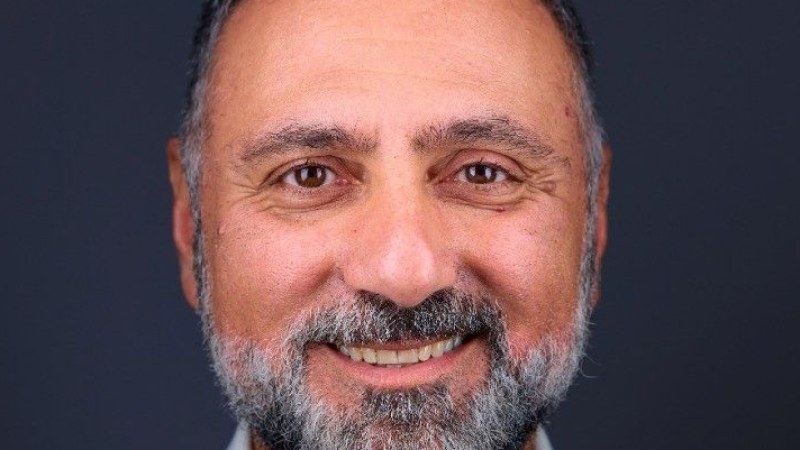
Shawn Dastmalchi
Shawn Dastmalchi is a serial healthcare-technology entrepreneur and the CEO of Gratia Health, an Austin-based startup that uses behavioral science and incentive design to keep nurses on the job. A UC Berkeley PhD in vision science, he co-founded and led Apixio, a clinical big-data company later acquired by Centene, then built Ark.one Health out of an entrepreneur-in-residence stint at Sutter Health. Across 25-plus years in life sciences, medical devices and health IT, his throughline is turning messy clinical data into decisions - and, at Gratia, turning the daily grind of a hospital floor into reasons for nurses to stay.