personal-care
(40)
FEKKAI bought back its name. Then it brought back the cream.
A salon built a haircare business on the promise of good taste. Its second act reveals the awkward art of changing a brand without changing what customers love.
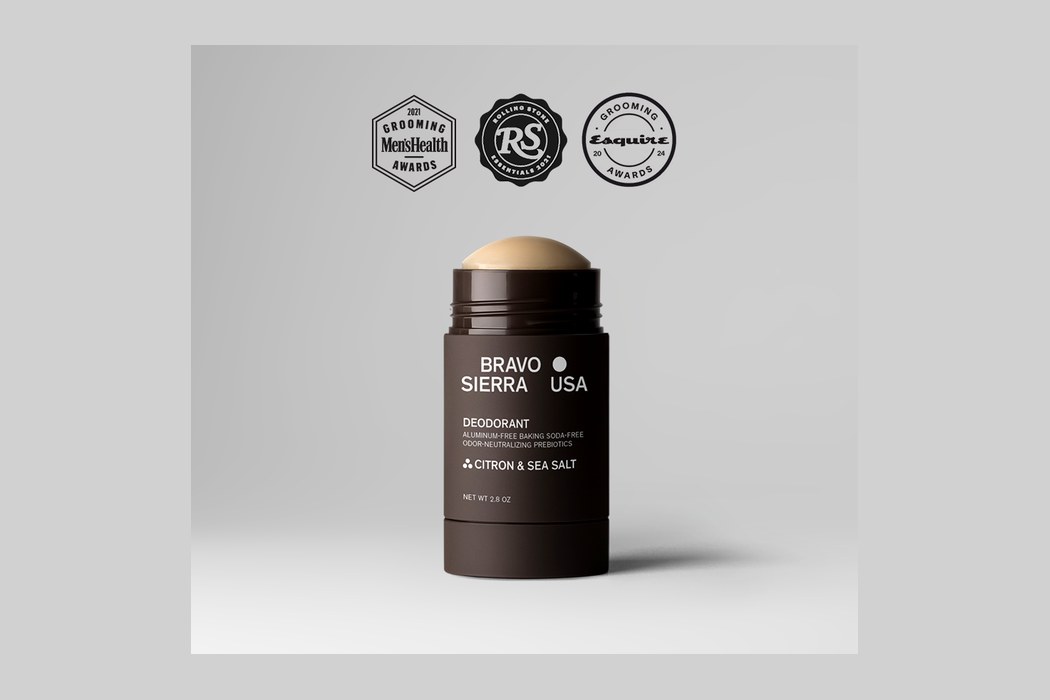
BRAVO SIERRA put the bathroom through boot camp
A flimsy baby wipe helped expose a gap in personal care. BRAVO SIERRA built a business by asking service members what actually worked, then selling the answers to civilians.
The Soap Bottle That Escaped the Cupboard
Method made cleaning products people wanted to leave in plain sight. Twenty-five years later, its real experiment is whether clever design can make better habits stick.
The Notebook Nobody Could Read
A family wanted to know what happened during a home-care visit. ClearCare turned that missing answer into software for thousands of agencies - after discovering that a care note means little without the machinery to act on it.
Sun Bum made sunscreen feel like a day at the beach
A wood-grain bottle, a surfer-led crew and an ape called Sonny helped turn a struggling sunscreen business into a brand SC Johnson wanted to buy. The interesting part is what sits behind the beach-party image.
Soapbox Lost 75% of Its Sales. Then It Learned the Mission Wasn't the Product.
A $6.99 bar, confusing packaging, and a 75 percent sales drop nearly washed Soapbox out of Whole Foods. Its recovery offers consumer founders a cleaner rule for purpose-driven business: make the product earn the purchase before the mission earns the applause.
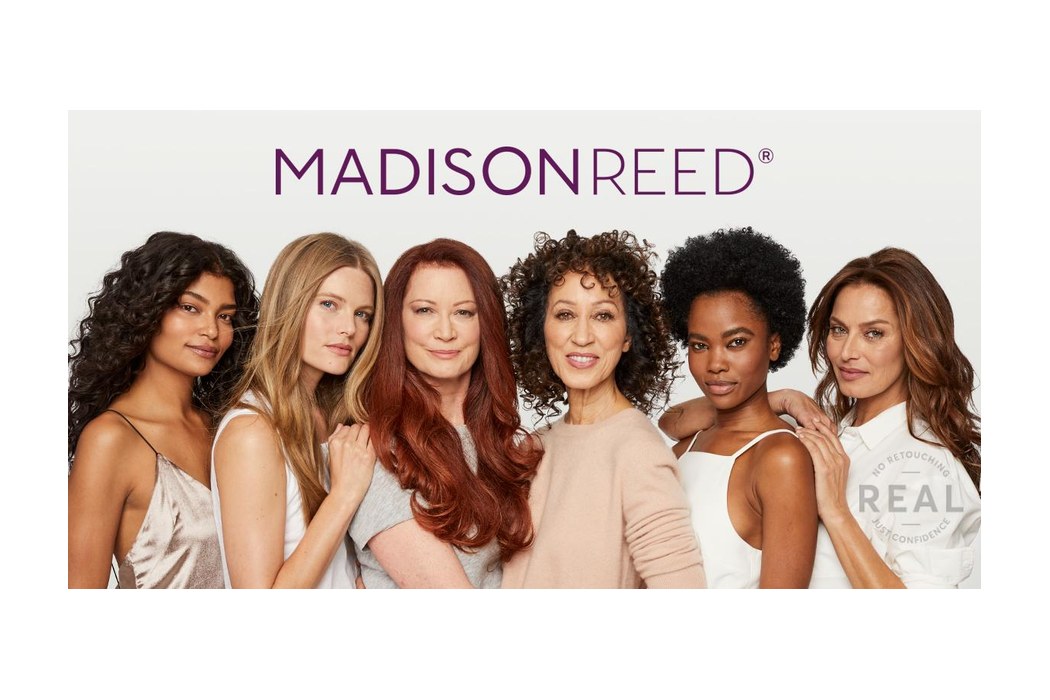
Madison Reed Gave Away 7,000 Boxes - Then Built a Hair-Color Habit People Would Pay For
Amy Errett spent heavily to make salon-grade color feel safe at home, discovered that free customers rarely return, and turned the lesson into an omnichannel beauty business built around guidance, repetition and trust.
The Family That Sold You a $30 Sonic Toothbrush on QVC Built an 800-SKU Empire on 28th Street
A New York distributor that has been putting brand-name electronics on American shelves since 1971 quietly built its own affordable wellness label - and it is still run by the same family.

Because Built a DTC Brand for Bladder Leaks. Then Its Customers Sent It Back to the Drugstore.
The founders used family experience, phone calls and repeat orders to redesign an awkward category. The clever part was not staying online - it was knowing exactly when to put the product back on a shelf.
Rael Turned One Better Pad Into a $59 Million Bet on the Whole Cycle
Three Korean American founders entered a stale aisle through Amazon, let reviews do the selling, then stretched one organic-cotton pad into a shelf-spanning cycle-care brand. The clever part is not the cotton. It is the order of operations.
Spectrum Brands Sold the Locks for $4.36 Billion. Now Comes the Hard Part.
The company behind FURminator, Tetra, Cutter and Remington made billions by selling a business it had improved. Its next trick is harder: proving that a smaller portfolio can grow without losing the scale that made the collection useful.
Cataya Bio Is Betting the Hard Part of Biotech Isn't Discovery - It's the Factory
The Shanghai startup is building a bench-to-tank ingredient business - pairing engineered biology with its own production capacity. Its lesson for biotech founders is simple: design for the factory before the experiment becomes precious.
The House of Brands That Started With a Kilt
Society Brands buys founder-run e-commerce companies, keeps the founders on the payroll, and is betting that Canton, Ohio can out-scale the aggregators that flamed out.
The Company Betting Your Cleaning Spray Can Fight the Plastic Crisis
Grove Collaborative turned a frustration with plastic-wrapped soap into a plastic-neutral retailer. The turnaround since is a lesson in what it costs to actually mean it.
The Beauty Lab That Builds Brands, Then Lets Them Go
Ben Bennett's West Hollywood accelerator spots gaps on the shelf, hands them to founders with real equity, and points each new brand toward an exit - Naturium sold to e.l.f. Beauty for $355 million.
PROSTOR Built a Beauty Aisle the Size of Ukraine. Now Comes the Hard Part
A pink-sign retailer grew from one Dnipro shop into 468 stores by selling the useful and the aspirational on the same receipt. Its next act is a test of whether reach, private labels and a phone-sized storefront can turn scale into staying power.
The $7.3 Billion Company You Can't Buy Stock In
Two friends from Michigan turned a biodegradable cleaner and a handshake into the world's biggest direct-selling company. Seven decades later, Amway still refuses to sell a single share.
The Idaho Company That Sells $2 Billion of Soap Without a Single Store
Frank VanderSloot built one of Idaho's largest private companies on a simple bet: skip the store shelf, mail the detergent, and pay customers to tell their friends.
The $7.3 Billion Business of Selling a Feeling
Bath & Body Works turned scent into a retail operating system - part product lab, part seasonal theater, part loyalty machine. Now it is trying to carry that formula beyond the mall without losing the ritual that made it work.
The Soap Bottle That Thinks It’s a Constitution
Dr. Bronner’s built a $209.8 million business around concentrated soap, crowded labels and a stubborn idea: the values should be inside the operating model, not parked in an ad campaign.

The Spanish Beauty Giant Hiding in Plain Sight
Druni turned discount perfume, neighborhood stores and a surprisingly muscular e-commerce operation into an Iberian retail force. Its next act stretches from Carlet to Portugal - with family control, a powerful partner and more than 500 shopfronts in the combined group.
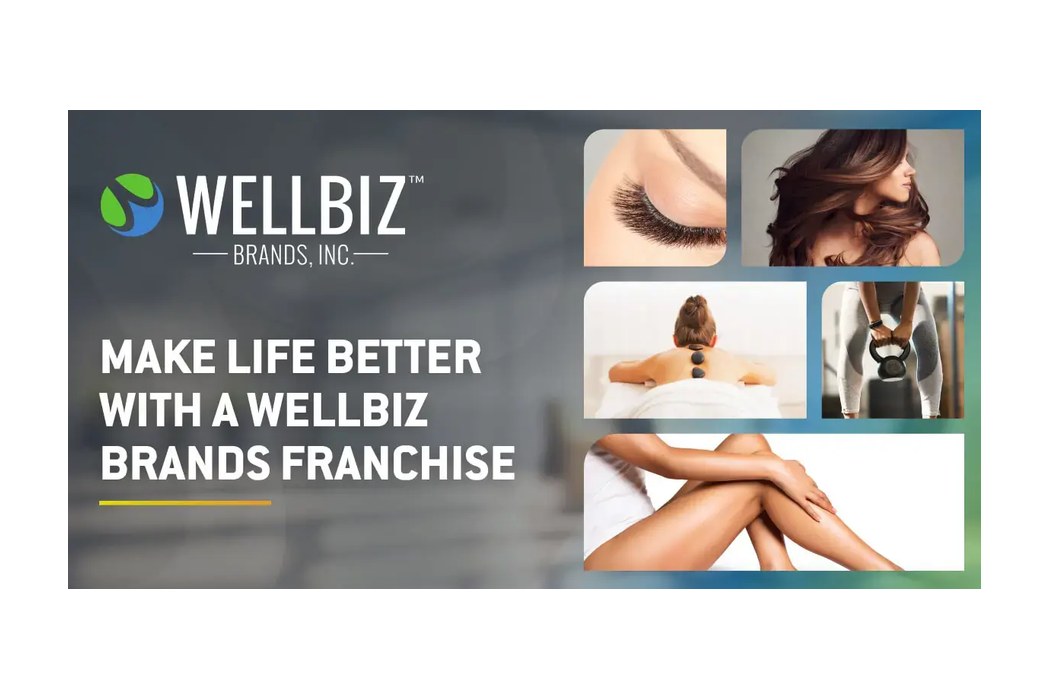
The Quiet Operating System Behind Your Blowout, Massage and Lash Refill
Five familiar storefronts share one less-visible machine. WellBiz Brands is betting that memberships, common technology and local ownership can make personal care more repeatable - for guests and franchisees alike.
Regis Corporation
The company that quietly cuts millions of heads of hair a year runs almost no salons of its own. Here is how a 100-year-old chain rebuilt itself around franchisees, royalties and the corner-strip haircut.
MANSCAPED
MANSCAPED built a global grooming business by naming the awkward problem everyone else politely ignored. Now the question is whether a brand born below the belt can own the whole bathroom shelf.
Sport Clips Haircuts
How a Wharton MBA and former Air Force pilot turned the men's haircut into a sports-bar ritual - and built one of North America's biggest haircare franchises around the games already on TV.
Mammoth Brands
The company born to fix razor shopping now wants to build the next enduring house of consumer brands. Its wager is that direct customer insight, retail reach and patient operating infrastructure can scale five distinct labels without sanding off what made them matter.
Kenvue
Spun out of Johnson & Johnson with Tylenol, Neutrogena and Band-Aid in tow, Kenvue became the biggest name in consumer health almost overnight - then spent 2025 fending off activists, a CEO exit, an autism-claim firestorm and a $48.7 billion buyout.
Church & Dwight Co., Inc.
It started with baking soda in 1846. Nearly two centuries later, the quiet New Jersey company behind Arm & Hammer has turned buying other people's brands into a business worth more than $25 billion.
Magnera Corporation
The materials inside diapers, surgical gowns, coffee capsules and weatherproof walls rarely get a headline. Magnera, born from a 2024 industrial merger and backed by 160 years of inherited know-how, makes a $3.2 billion business out of that invisibility.
Procter & Gamble
The company behind Tide, Pampers and Gillette has spent nearly 190 years turning tiny household frustrations into repeat purchases. Its real product is a system for making ordinary things feel worth choosing again.