In September 2024, FEKKAI celebrated its thirty-fifth anniversary by bringing back a styling cream. Beauty companies usually mark birthdays by announcing something new. Here was a business admitting that an old tube still had unfinished business. Brilliant Glossing Styling Crème, first launched in 1995, returned with the help of the original chemist. Customers had been asking for it. Memory, apparently, can be a formidable member of the product-development team.
- Salon expertise becomes shampoos, treatments and styling products.
- The founder buys back the business in 2018 and changes its direction.
- A beloved cream returns in 2024, complicating the idea that newer always means better.
The revival is a useful entrance into FEKKAI because it contains the company’s central tension. A salon brand must keep up with changing tastes while preserving something customers believe they already own: the result. They may forgive a different bottle. A different feeling after the blow-dry is another negotiation entirely.
01 / Upstairs at Bergdorf Goodman
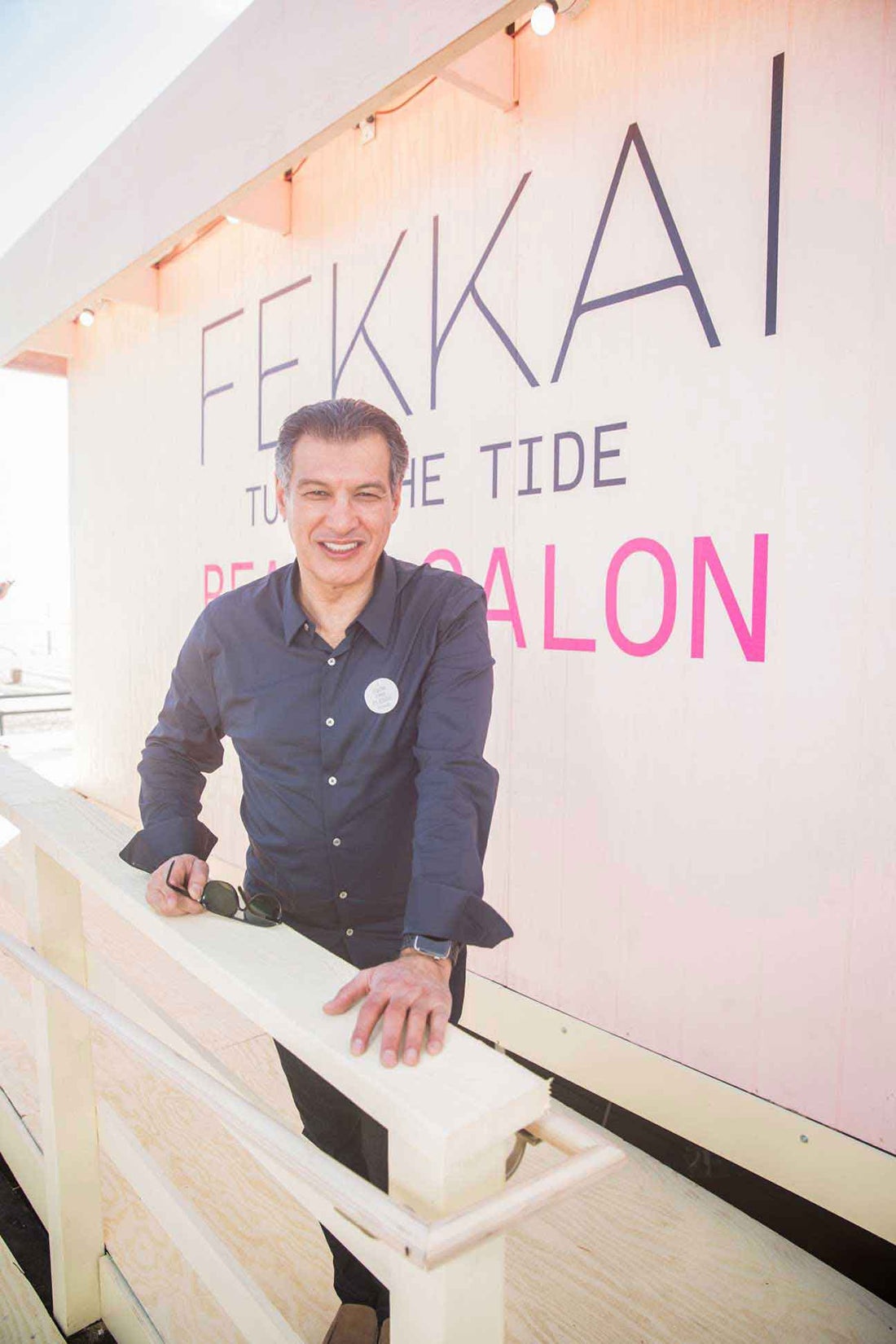
Frédéric Fekkai was born in Provence and trained in Paris. His New York salon story begins in 1989 at Bergdorf Goodman. The address mattered. A haircut offered inside a department store devoted to luxury arrives surrounded by a particular set of expectations. The customer is buying judgment as well as scissors. Hair becomes part of the same conversation as clothes, cosmetics and the person one intends to be that evening.
That setting helps explain the later product business. FEKKAI could offer the shopper a portable version of professional judgment: shampoo for color-treated hair, a conditioner for dryness, a finishing product for shine. The salon supplies an experience; the bottle carries a piece of it home. The early salon portrait captures the attention to customers’ aspirations that made this translation plausible.
There are two clocks here. The brand celebrates the salon heritage from 1989. Its 2018 acquisition announcement dates Fekkai Brands, the product business, to 1996. Compress those dates into one founding story and you miss the sequence: expertise came first, then an increasingly scalable way to sell it.
02 / A founder returns to the bottle
Fekkai sold the business in 2008. Another ownership group acquired it in 2015. In November 2018, he returned with private investment firm Cornell Capital. Their vehicle, Blue Mistral, brought FEKKAI into a beauty portfolio that also included Bastide. This was an acquisition, rather than evidence of the venture-style funding round sometimes attached to company databases.
His explanation for the new direction was personal. In a public letter, he connected his enjoyment of nature and concern for his children’s future to the beauty industry’s plastic waste. The response involved assembling a team to reformulate products and redesign packaging. The familiar salon-performance promise would remain, but ingredients and materials would receive greater scrutiny.
“New decade, clean start!”Frédéric Fekkai, founder letter
The practical changes deserve more attention than the slogan. The company’s current packaging description gives post-consumer recycled plastic content as 30–95%, depending on the product. Used milk jugs are among the inputs. It also describes recyclable shipping materials and a salon waste-recovery program. Recycled content and recyclability are different properties; whether an empty package actually gets recycled still depends on the local collection system.
A range across products. Check the package in your hand.
03 / What survives a reformulation
The returning cream exposes a complication. Older FEKKAI pages describe silicone-free formulas. Yet the current cream’s ingredient list includes dimethicone and phenyl trimethicone. A shopper choosing by a blanket brand description could therefore misunderstand the very product that brought longtime customers back.
There is no need to invent a boardroom conversion to explain it. The public record offers a narrower, more interesting account: the brand acknowledged requests for the original and worked with the original chemist on the revival. Retailer reviews also contain complaints about changed formulas. Those complaints do not establish a business failure. They show that some customers experienced change as a loss.
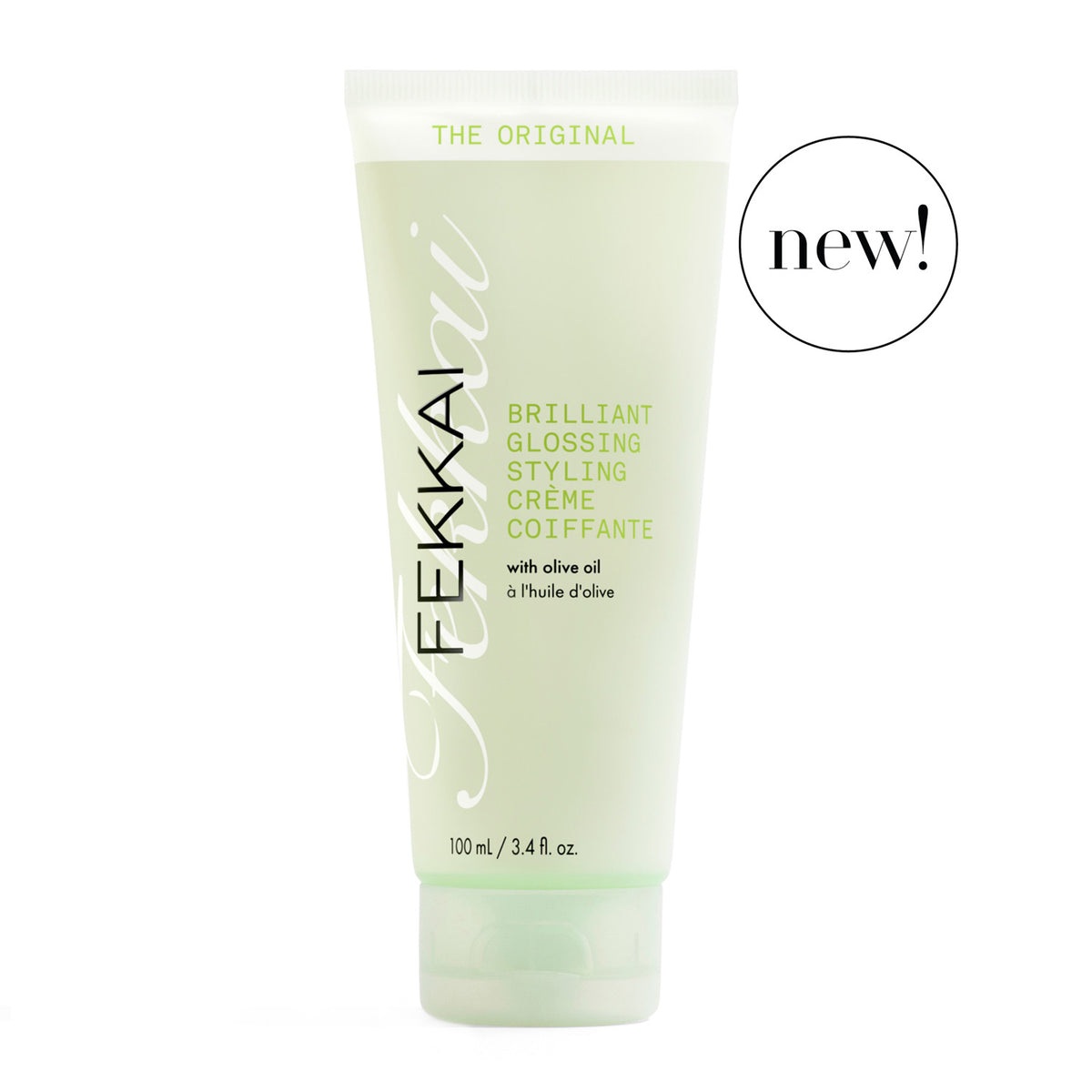
That distinction matters to anyone copying the approach. Returning to an old product makes sense when there is recognizable demand and something worth restoring. Nostalgia alone cannot tell a chemist which texture, finish or application experience customers miss. The useful work is finding out what, precisely, they want back.
04 / Choose the problem before the product
Today’s assortment groups familiar hair concerns into named collections. Brilliant Gloss addresses shine and frizz. Apple Cider Detox targets buildup. Technician Color focuses on color care, Full Blown Volume on fullness, and Super Strength+ on damage and breakage. The audience includes premium-haircare shoppers, salon clients and stylists. Customers need not book the founder to buy into his expertise.
The business combines direct ecommerce, retail distribution and paid salon services. Ulta, Amazon and international retailer Bleu Libellule appear in the cream’s launch coverage. The official salon finder currently lists The Mark Hotel in New York. For a consumer, the useful starting point is the problem that appears between appointments, rather than an obligation to purchase an entire collection.
Consider the $30 Super Strength+ PM Repair Serum. FEKKAI reports an 85% reduction in breakage after eight hours in instrumental testing; its split-end test used 50 hair fibers. These are product test claims, not a forecast for every head of hair. Texture, existing damage and routine influence what a buyer experiences. Both this serum and the cream were marked sold out on the official site when checked in October 2026.
05 / The useful part of the comeback
FEKKAI occupies the premium haircare shelf, where Living Proof, Kérastase and Olaplex offer competing routes to better-looking hair. Its distinguishing asset is the connection between a working stylist’s name, salon testing and products sold for use at home. The company describes collaboration between its founder and in-house chemist, followed by stylist and third-party testing.
The lesson is modest enough to be useful: preserve the result people value, make changes specific, and read complaints for information. FEKKAI’s anniversary cream gives that lesson a pleasingly ordinary shape. Sometimes the future of a company begins with a customer asking where her old tube went.