oakland
(53)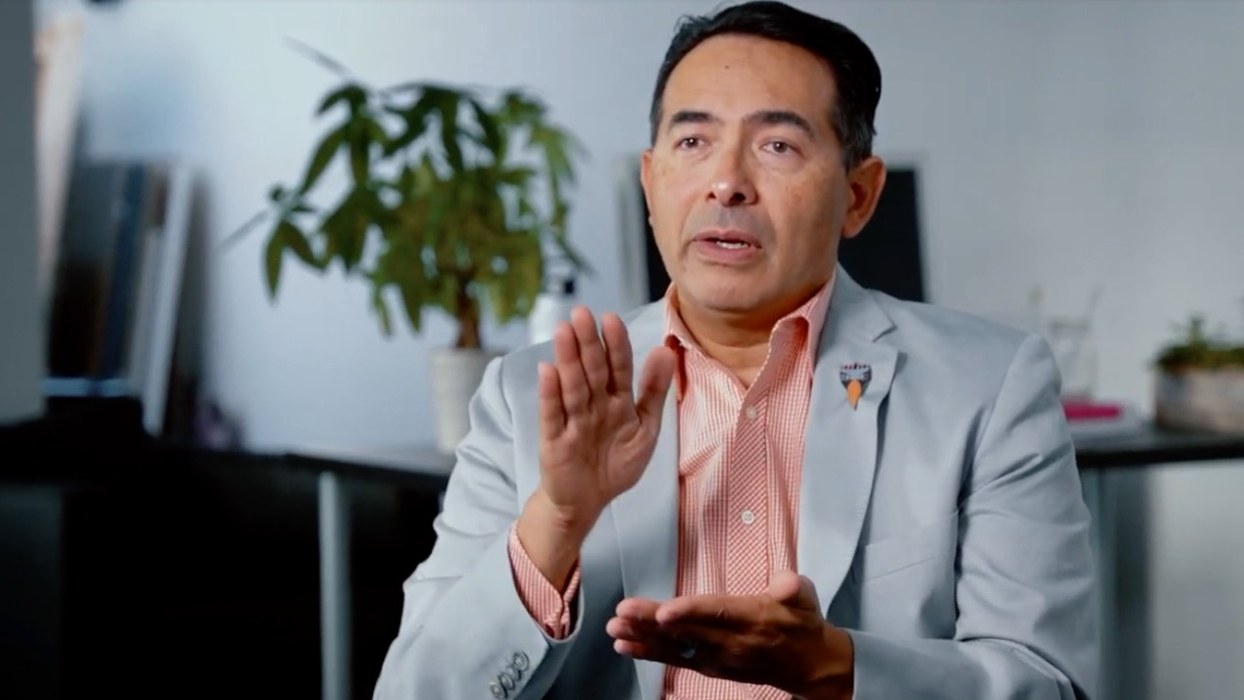
Jesús M. Vargas and the education of a small fish
A factory worker’s son took a structural engineering degree west, then built an Oakland consulting firm. Along the way, Jesús M. Vargas learned that a career depends on who helps you find your footing - and who you help next.
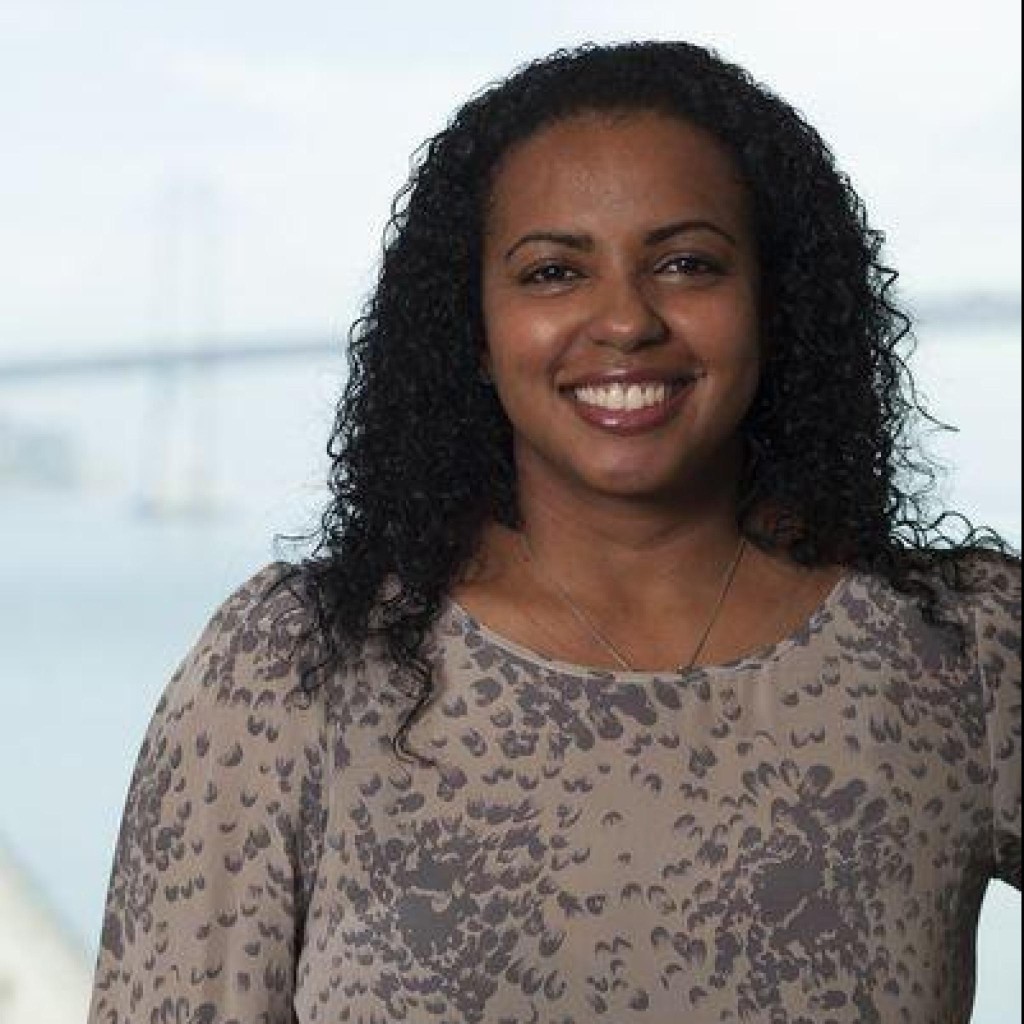
Bilen Mesfin Packwood and the business of being heard
She built Change Consulting to help racial justice leaders tell their stories. Now Bilen Mesfin Packwood is asking what happens when the machinery of attention gets in the way of listening.
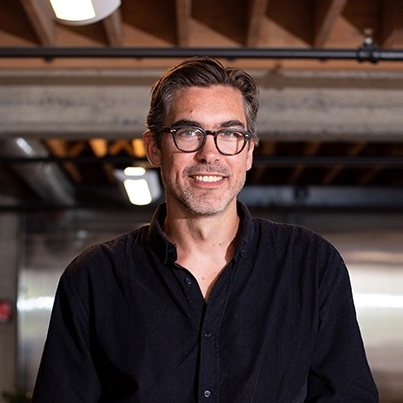
Magnus Hillestad went upstairs. Then he went global.
At 35, Magnus Kongsli Hillestad began learning to code. An Oslo attic, an architecture project and a move to California help explain how the former private equity director became Sanity’s co-founder and CEO.
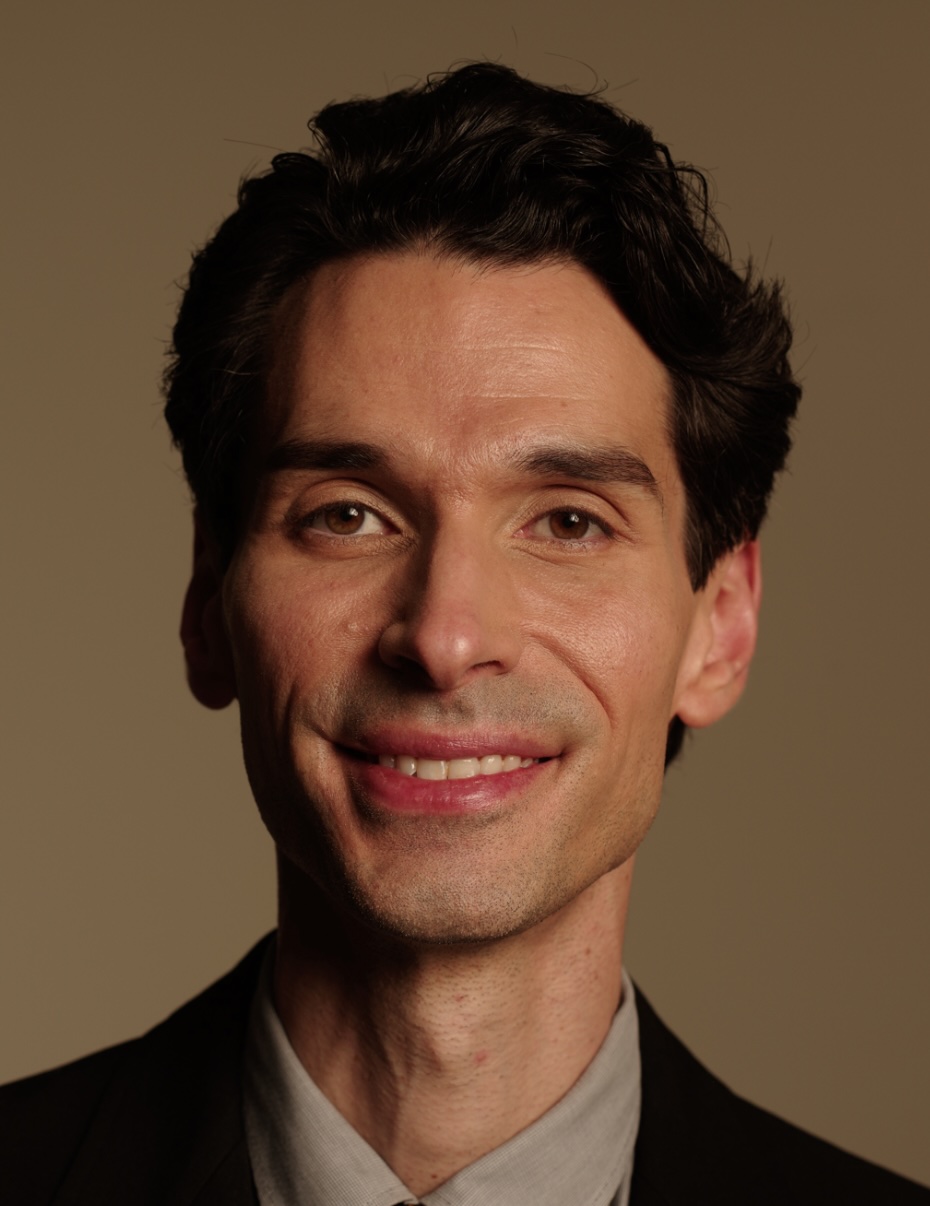
Matthew C. Levy and the art of choosing the next experiment
Before founding NobleAI, Matthew C. Levy studied what powerful lasers could make matter do. His next questions took him into scientific software, fusion investing and public life - with an unexpected place for artists along the way.

Rebecca Alvarez Story and the business of asking better questions
Before Bloomi reached Target, Rebecca Alvarez Story designed her own college major and shipped orders from home. Her company grew from a habit she had long before she became a founder: asking the questions other people hurried past.
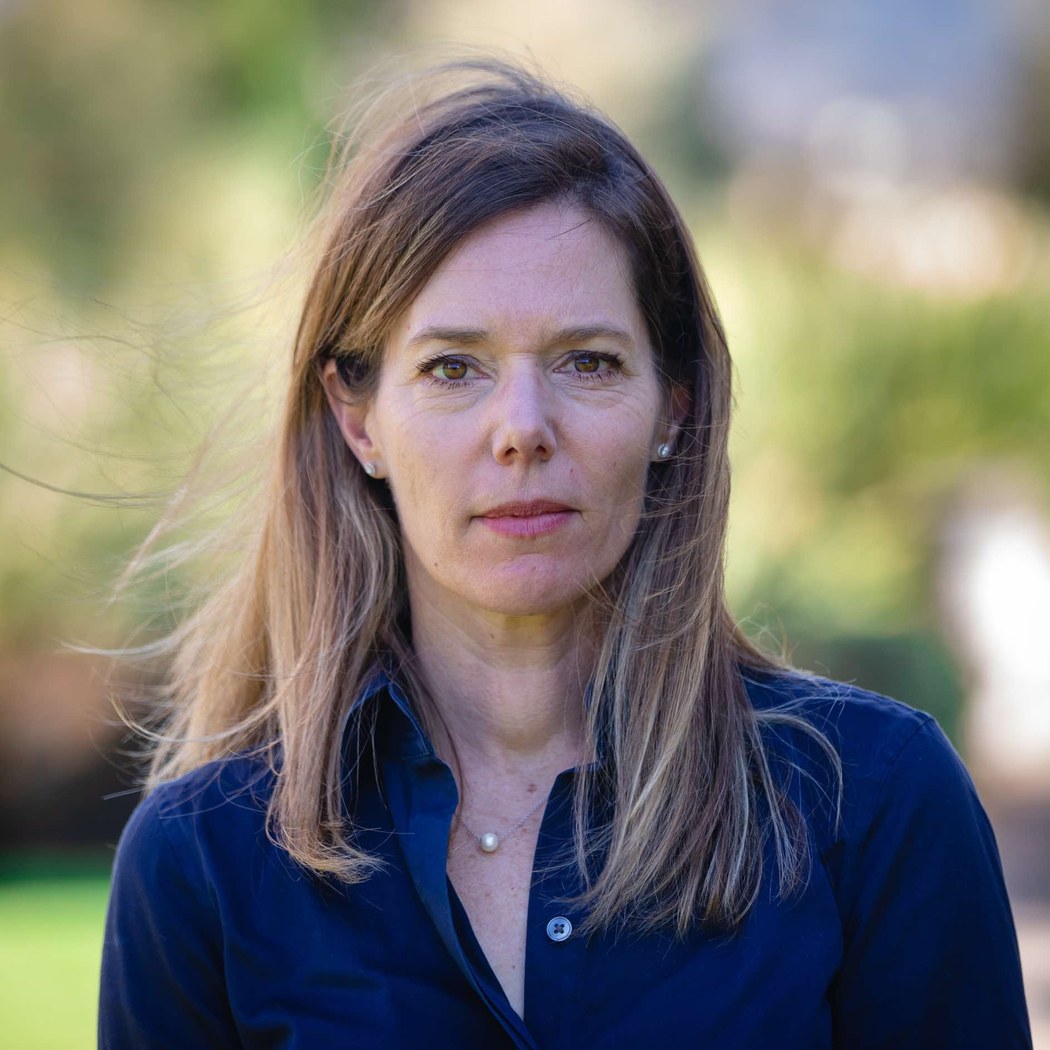
Allison Kelly and the question hidden in a small business
At Oakland’s ICA Fund, Allison Kelly links investment to a practical question: who shares in the wealth a business creates? Her answer takes shape in coaching, patient capital and contracts that reward opportunity for workers.
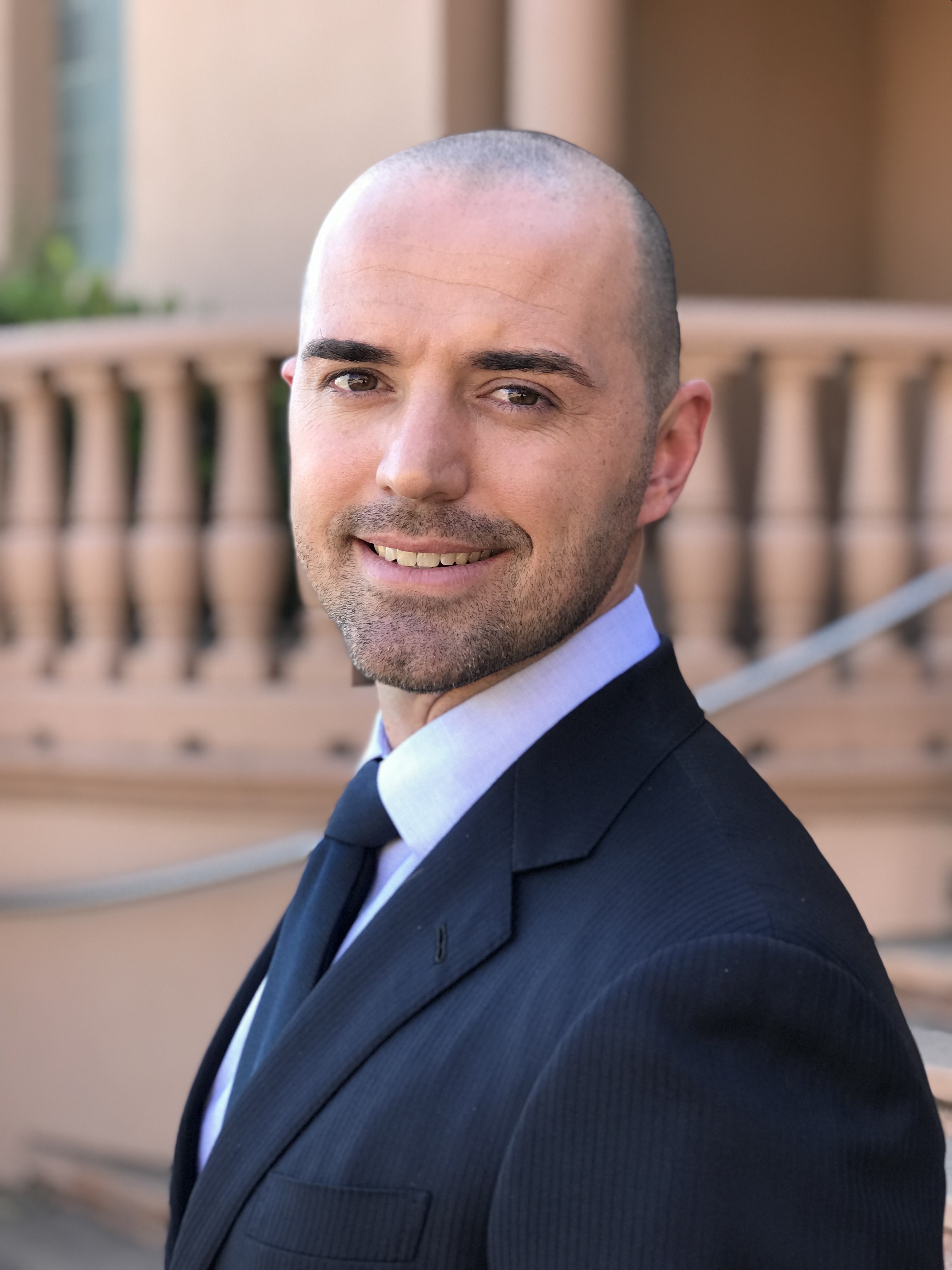
Colin Behring’s two-block theory of a city
A Shanghai internship helped shape Colin Behring’s approach to Oakland: put homes, work and transport close together. His growing Uptown campus now faces a public test over the place of AI computing in the neighborhood.

Emily Kirsch and the power of an introduction
A solar-powered farm gave Emily Kirsch a glimpse of a different energy future. In Oakland, she built Powerhouse to help the people making that future find one another.
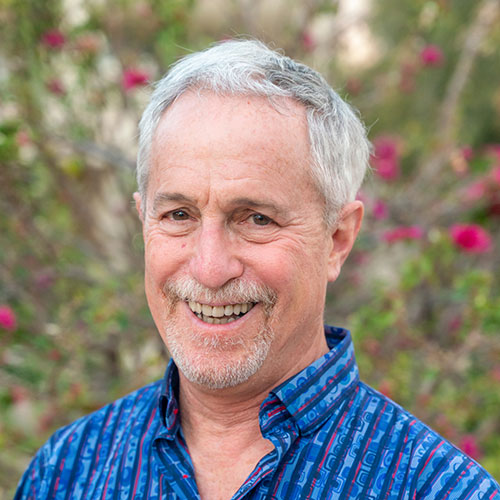
Joel Makower Found His Beat Before Business Found the Climate
He began with a paper newsletter, built a digital clearinghouse before the web had a business model, and spent three decades asking companies whether their green promises could survive contact with the balance sheet.

Wade Lagrone Wants Accessibility Bugs to Die Before They Ship
Across finance, social networks, old photographs and live music, Wade Lagrone kept finding expensive uncertainty. At Evinced, his campaign is to catch the costliest kind earlier - the accessibility bug that reaches a customer.
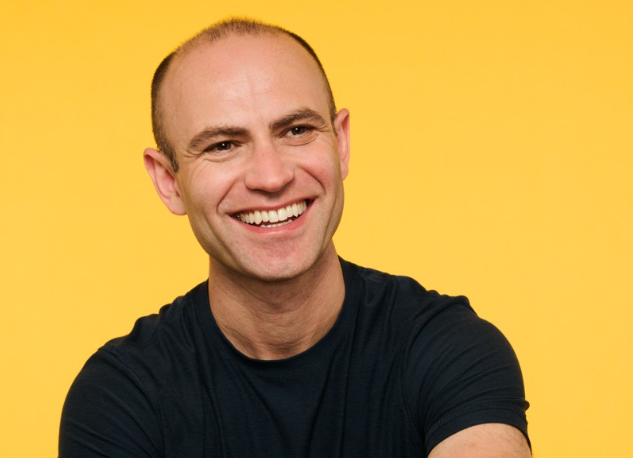
Joe Spector Keeps Running Toward the Mess
After helping take Hims & Hers public, Joe Spector could have enjoyed the calm. Instead, a corgi, an alarming vet bill and a fondness for early-stage chaos pulled him back to zero.
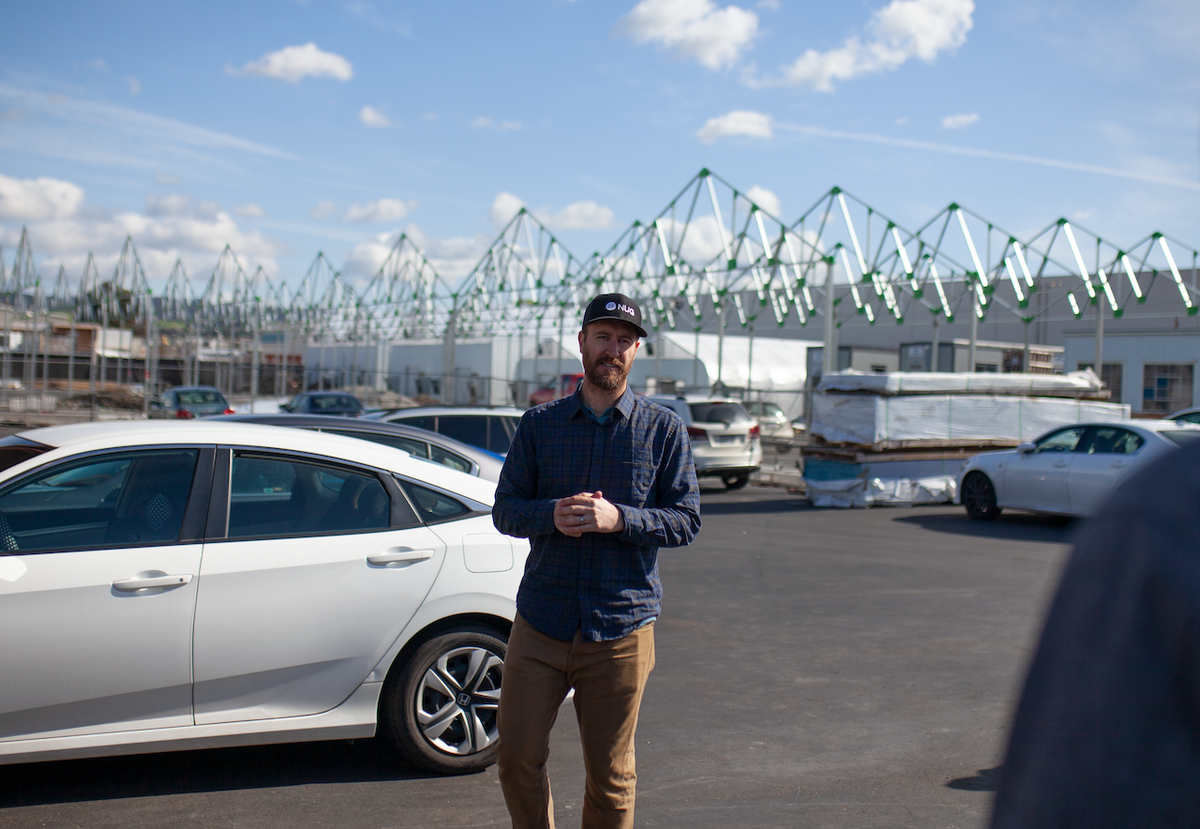
John Oram Put a Lab Coat on California Cannabis - Then Built the Store Around It
Before California cannabis had a dependable rulebook, John Oram was buying used lab equipment and asking unfashionably precise questions. His next experiment was larger: turn quality control, manufacturing and retail into one coherent company.

Matt Kreutz Bakes Bread for the Long Shift
He started with a bagel-shop work permit, survived the bakery's leanest years, and eventually put 51 percent of Firebrand into a purpose trust. For Matt Kreutz, bread is a durable way to make a good job.
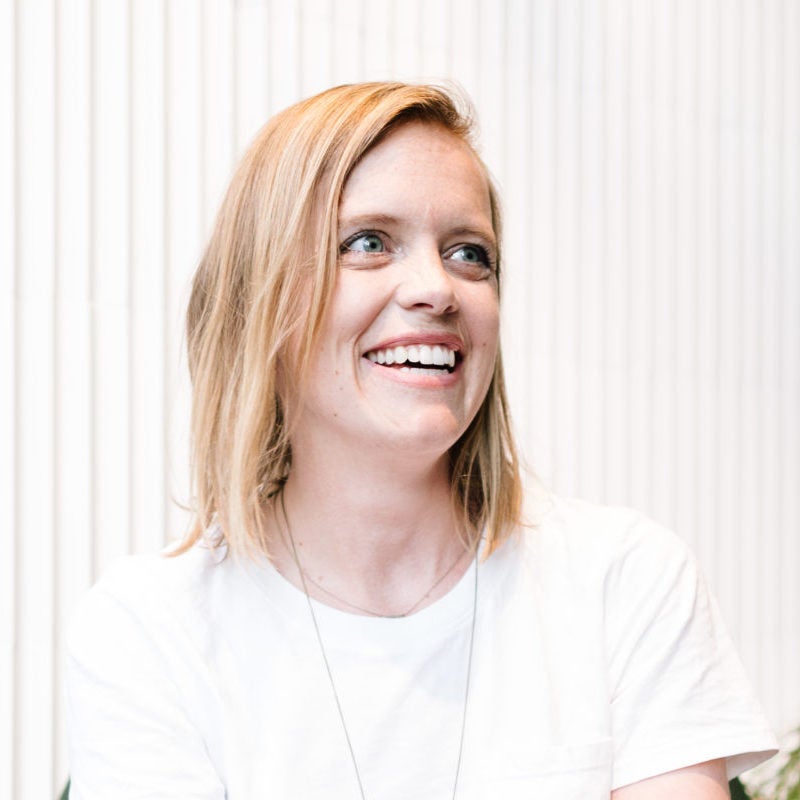
Claire Schlemme Found a Business Hiding in the Pulp
A juice-shop waste problem led Claire Schlemme to soybean pulp, industrial drying and a deceptively practical idea: keep good food in the food system by giving overlooked ingredients a second job.

Tolga Tezel
Tolga Tezel is the founder and CEO of Canopy Connect, an insurance data infrastructure company that lets consumers securely share their insurance information with agents and businesses in seconds. A University of Waterloo electrical engineering graduate and former early engineer at Dropbox and Nova Credit, he prototyped Canopy Connect over a weekend after a dinner conversation with a friend's mother who ran an insurance agency. Since founding the company in February 2020, he has grown it to serve thousands of agencies and raised a $6.5M Series A, building what he describes as trusted, consumer-permissioned infrastructure for property and casualty insurance data.
Tomás Campos
Tomás Campos is the co-founder and CEO of Spinwheel, an Oakland-based fintech building agentic AI-powered credit data and payments infrastructure for the consumer debt market. A UC Berkeley and Haas School of Business graduate, he spent two decades in payments and commerce - growing Blackhawk Network's digital payments division into a $1.5 billion business and co-founding the conversational commerce startup FluidM, which was acquired by Westfield. He launched Spinwheel in 2019 after the consumer debt crisis touched his own family, aiming to make the fragmented world of loans and liabilities as accessible as open banking made bank accounts. In June 2025 the company raised a $30 million Series A led by F-Prime Capital.
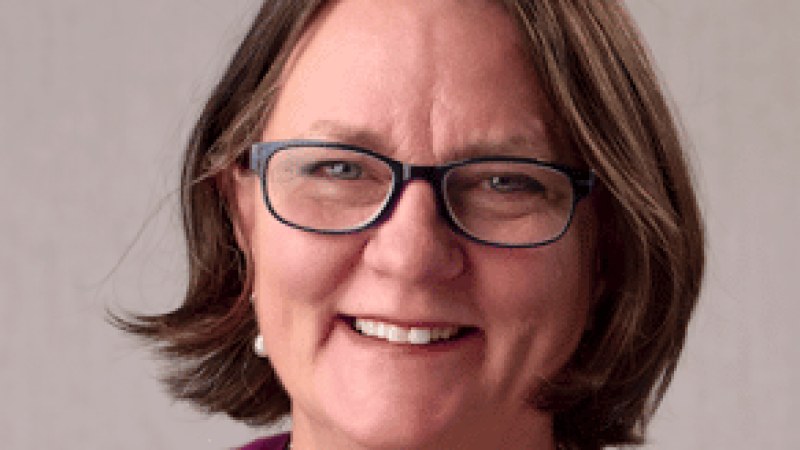
Dedra Chamberlin
Dedra Chamberlin is the founder and CEO of Cirrus Identity, an Oakland-based cloud identity company that helps more than 200 universities run single sign-on and federated login without the friction. She arrived at identity management sideways - a UC Berkeley psychology major with master's degrees in city planning and Latin American studies who volunteered for a one-year networking internship and never left. After two decades inside UC Berkeley and UCSF IT, where she rose to Deputy Director of Identity and Access Management and chaired the University of California's system-wide identity strategy workgroup, she founded Cirrus in 2013 to build the education-specific identity tools she wished vendors had made. She is a board member of SimpleSAMLphp and a founder of IAM-HER, a community advancing women in the identity field.

Jenni Ellis
Jenni Ellis is the Executive Assistant to the CEO at CompScience, a San Francisco insurtech building AI control systems that aim to prevent one million workplace injuries by 2035. The right hand to founder Josh Butler, she runs the day-to-day machinery behind a fast-scaling, Series B startup. Before CompScience she logged operations and office-management time across some of the Bay Area's best-known tech names - Replicate, DoorDash, Instacart, and Dropbox - building a reputation as the steady operator who keeps founders and offices moving. Colleagues describe her as vivacious and enthusiastic, a natural leader who keeps tabs on the day-to-day flow of a business.
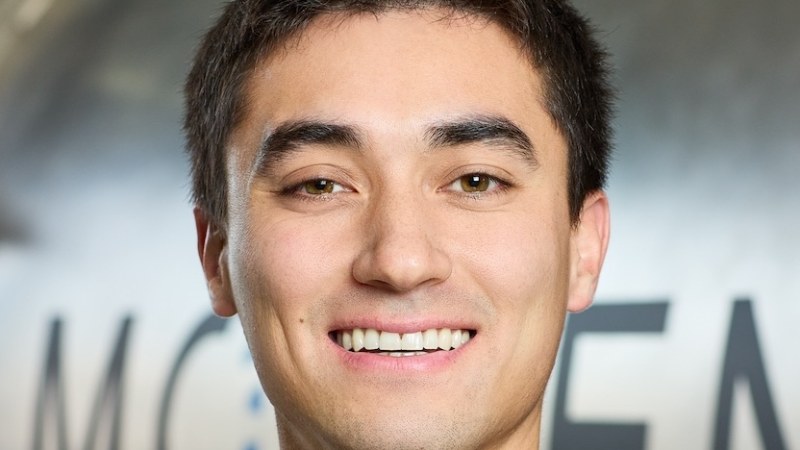
Kevin Bush
Kevin Bush is the co-founder and CEO of Molten Industries, an Oakland-based deep tech company using methane pyrolysis to crack natural gas into clean hydrogen and battery-grade synthetic graphite. A Stanford-trained materials scientist who set perovskite solar efficiency records before co-founding Swift Solar, Bush is a Breakthrough Energy Fellow and Forbes 30 Under 30 honoree. He started Molten in a Stanford garage in 2021 and raised a $25M Series A in 2024 to build its first modular commercial reactor.
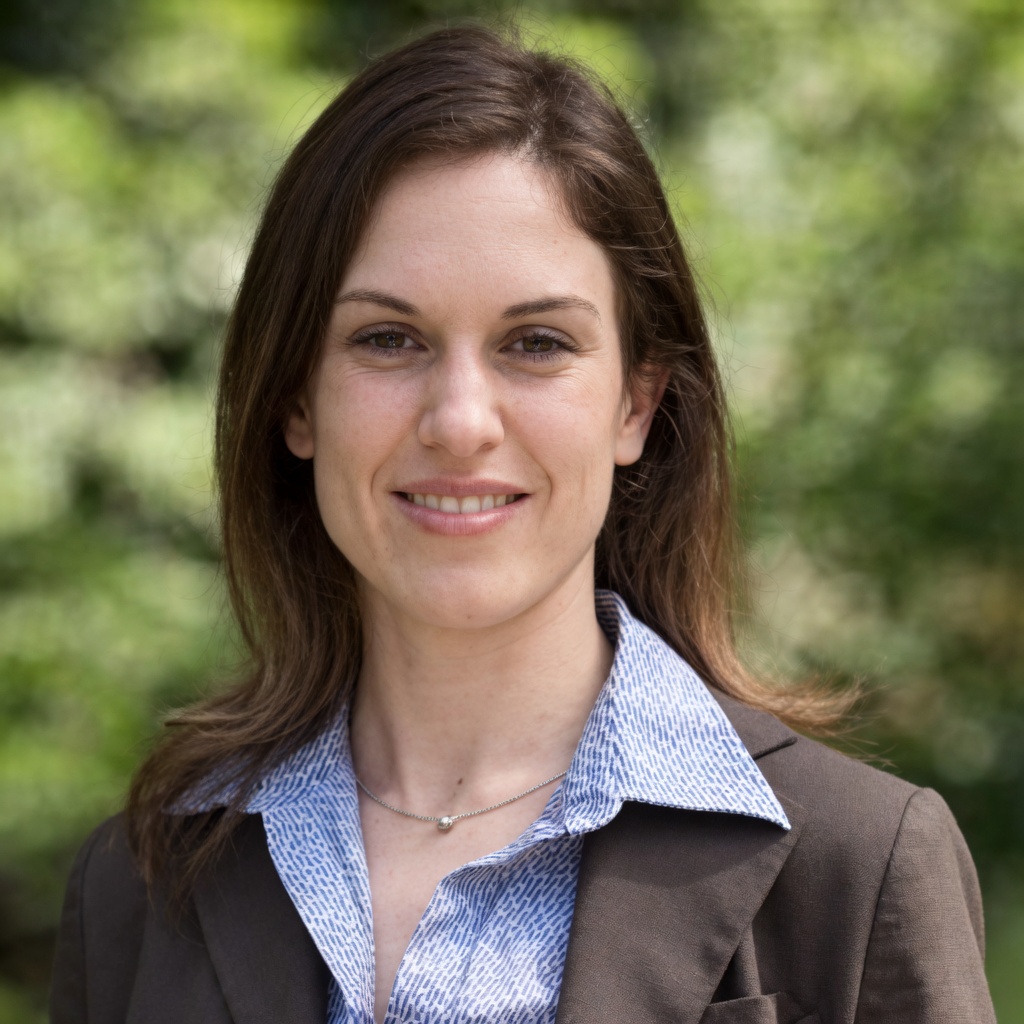
Jamie Almanza
Jamie Almanza is the CEO of Bay Area Community Services (BACS), a 70-year-old Oakland nonprofit she has led since 2010 - scaling it from a small mental-health agency into a 500+ person, $100M+ social impact operation that houses, supports, and prevents homelessness for more than 20,000 Northern Californians a year.
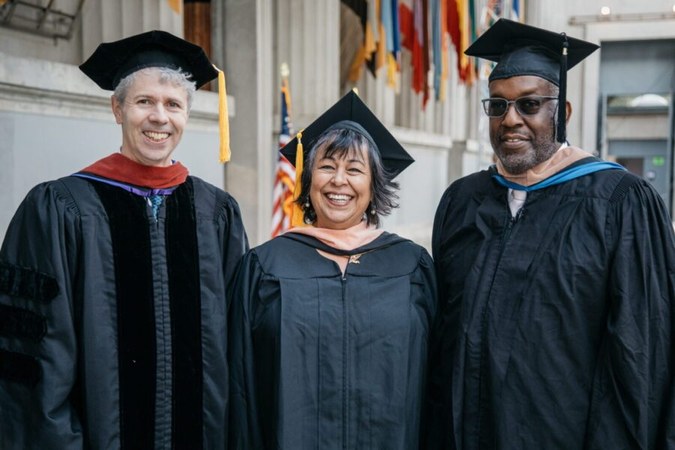
Jane Garcia
Jane Garcia has run La Clínica de La Raza since 1982, growing a scrappy storefront clinic in Oakland's Fruitvale into a $150M federally qualified health center serving more than 86,000 patients across Alameda, Contra Costa and Solano counties. She walked in as a Berkeley public health intern in 1978 and never left, building a Bay Area institution while suing two federal administrations over immigrant care.
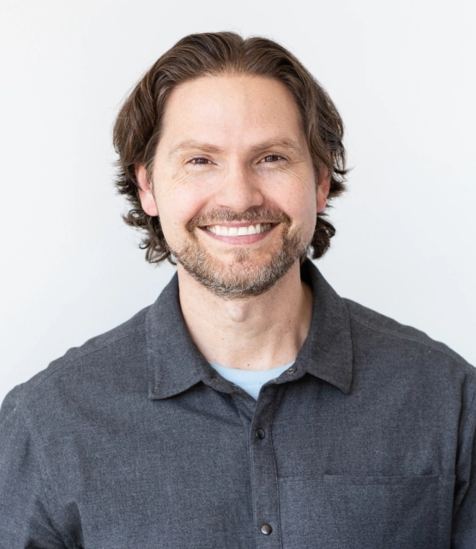
Karl Strovink
Karl Strovink is the CEO of Blue Bottle Coffee, the Oakland-born specialty roaster now owned by Nestlé. A Berkeley native with an MBA from MIT Sloan, he arrived in 2019 from a twelve-year run at Converse and has spent his tenure pushing Blue Bottle toward oat milk by default, instant espresso, zero-waste cafés, and aggressive expansion across Asia, all while protecting the brand's small-batch identity inside a thirty-billion-dollar coffee parent.

Ken Berrick
Ken Berrick founded Seneca Family of Agencies in 1985 in Oakland and spent four decades turning a single home for boys into a 1,900-person nonprofit serving children across California and Washington through a model he calls Unconditional Care. Now CEO Emeritus of Seneca and President and CEO of Just Advocates, he keeps arguing the same line: kids aren't failing the system, the system is failing kids.
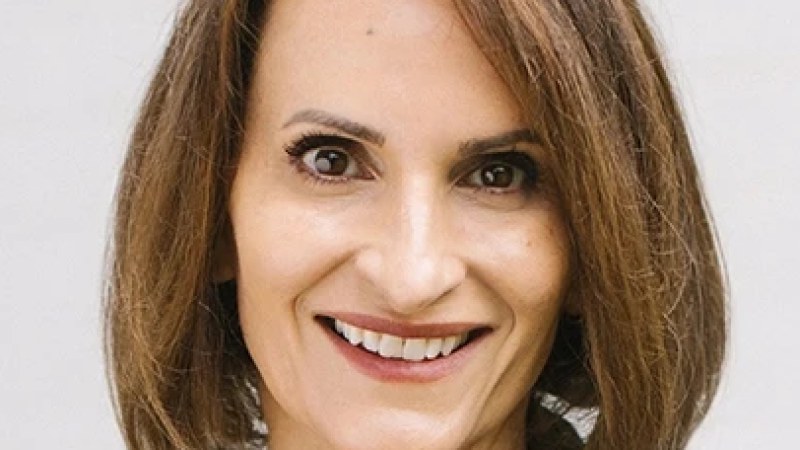
Leticia Galyean Sturtevant
Leticia Galyean Sturtevant, LCSW, is the CEO of Seneca Family of Agencies, an Oakland-based nonprofit serving more than 18,000 youth and families a year across California and Washington. She started as a counselor in 2001 and has spent more than two decades inside the same organization, climbing from direct service to running it.

Andy Ruff
Andy Ruff is the co-founder and Chief Product & Tech officer at Numa, an AI communication platform purpose-built for automotive dealerships. A lifelong product builder who started writing software at 13, Ruff led the 100-person team that created the first Microsoft Outlook for Mac client, then scaled Location Labs to over 3 million monthly subscribers before its $220M acquisition. At Numa, he is building the AI stack that converts missed dealership calls into revenue - helping the $1.2 trillion retail automotive sector catch up to the digital age.

Clint Sharp
Clint Sharp is the Co-Founder and CEO of Cribl, a data infrastructure company valued at $3.5 billion that helps Fortune 500 enterprises route, filter, and control their telemetry data at scale. Before building Cribl, he spent five years as Senior Director of Product Management at Splunk, where he and his co-founders identified the problem that would become Cribl's founding mission: data volumes were exploding, budgets were not, and enterprises needed a vendor-agnostic way to manage what goes where. Under Sharp's leadership, Cribl grew from a 2017 idea to more than $200M in ARR, serving 43 Fortune 100 companies - all while he also briefly served as interim Chief Revenue Officer during a pivotal growth moment.
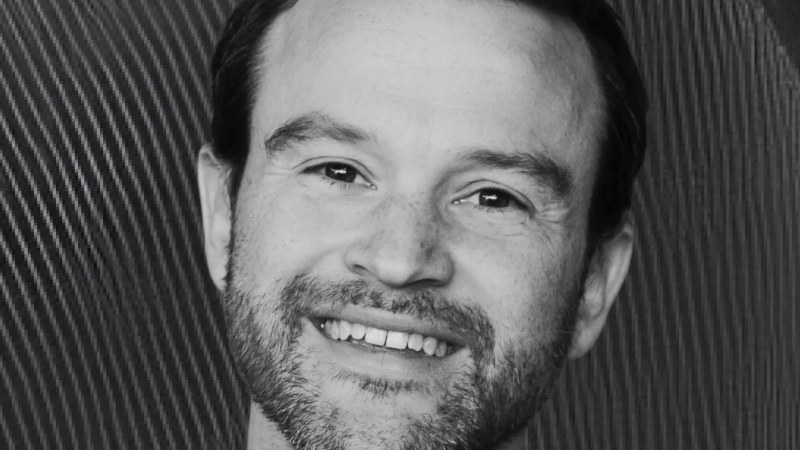
Dan Adler
Dan Adler is the CEO of Sourcegraph, the code intelligence platform powering search and AI across 54 billion lines of code for companies like Uber, Stripe, and Atlassian. A Rice computer science graduate and Stanford MBA, Adler joined Sourcegraph in 2016 as an early employee - writing infrastructure code, selling the first contracts, and building every major business function from scratch - before being elevated to CEO in December 2025 when co-founder Quinn Slack spun out Amp Inc. He has shepherded the company from zero revenue to $50M ARR and a $2.6B valuation, and believes agentic AI will only amplify the need for enterprise-grade code context.
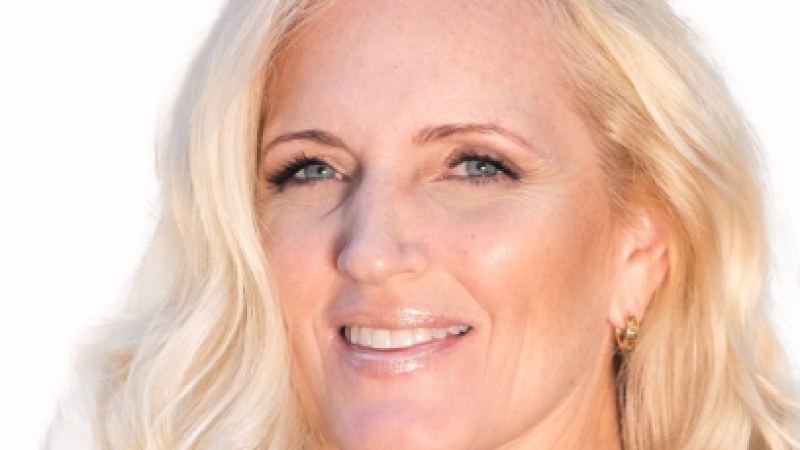
Diana Frappier
Diana Frappier is the co-founder of Promise, an Oakland-based AI-powered government payment platform that helps municipalities and utilities distribute relief, recover revenue, and automate eligibility checks at scale. A UC Hastings-trained lawyer turned social entrepreneur, she co-founded the Ella Baker Center for Human Rights with Van Jones in 1996, helped launch the first Green Jobs Corps in Oakland, and then pivoted to fintech after years running operations at Green For All and Honor. At Promise, she and CEO Phaedra Ellis-Lamkins have raised over $48M and built a platform that has distributed $150M+ in government relief to hundreds of thousands of residents.

Edith Harbaugh
Edith Harbaugh is the CEO and co-founder of LaunchDarkly, the leading feature management platform trusted by over 5,500 organizations including 25% of Fortune 500 companies. She helped pioneer the feature flag category in 2014, scaling the company to $100M ARR, raising over $330M in venture capital, and building infrastructure that evaluates 45 trillion feature flags daily. A Harvey Mudd engineering alumna, patent holder, ultramarathoner, and co-host of the 'To Be Continuous' podcast, Harbaugh returned as CEO in 2025 to lead LaunchDarkly into the generative AI era.
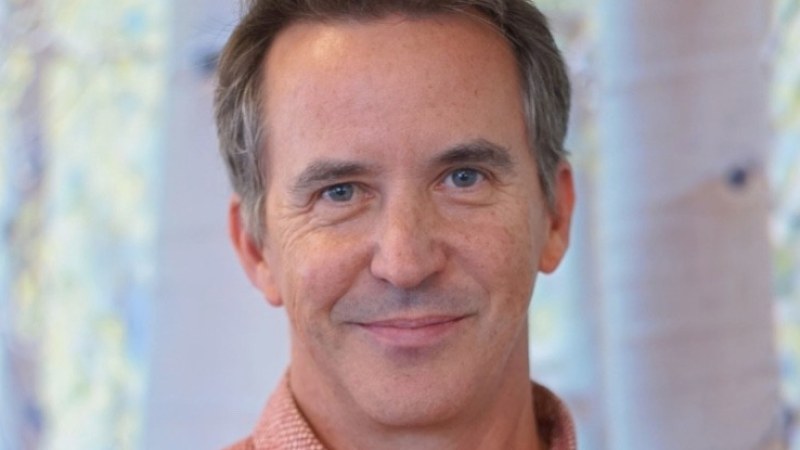
Eric Faurot
Eric Faurot is the long-serving CEO of Trellis Group (formerly GreenBiz Group), a B2B media company headquartered in Oakland, California that runs flagship sustainability conferences including VERGE, BLOOM, GreenFin, and Circularity. Over 14 years at the helm, he built GreenBiz into a leading platform for sustainability professionals - combining editorial media, peer networks, and live events - before transitioning to a Growth Leader role in July 2024 when Hana Kajimura succeeded him as CEO. His career traces an arc from tech media event production (COMDEX, INTEROP, Black Hat) to climate and sustainability, making him a rare figure who bridged Silicon Valley-era conference culture with the emerging sustainability economy.