new-york-agency
(48)
The Wellness Agency That Learned to Sell the Argument, Not the Ice Bath
Jack Taylor built a PR business around a peculiar modern problem: a useful wellness product is often easier to invent than to explain. Its answer is part newsroom, part switchboard and part cultural timing exercise.
The Agency That Learned to Listen Before It Spoke
Marino spent three decades selling judgment, relationships and a feel for New York. Now it is trying to make that instinct measurable - without sanding off the human part that made clients stay.
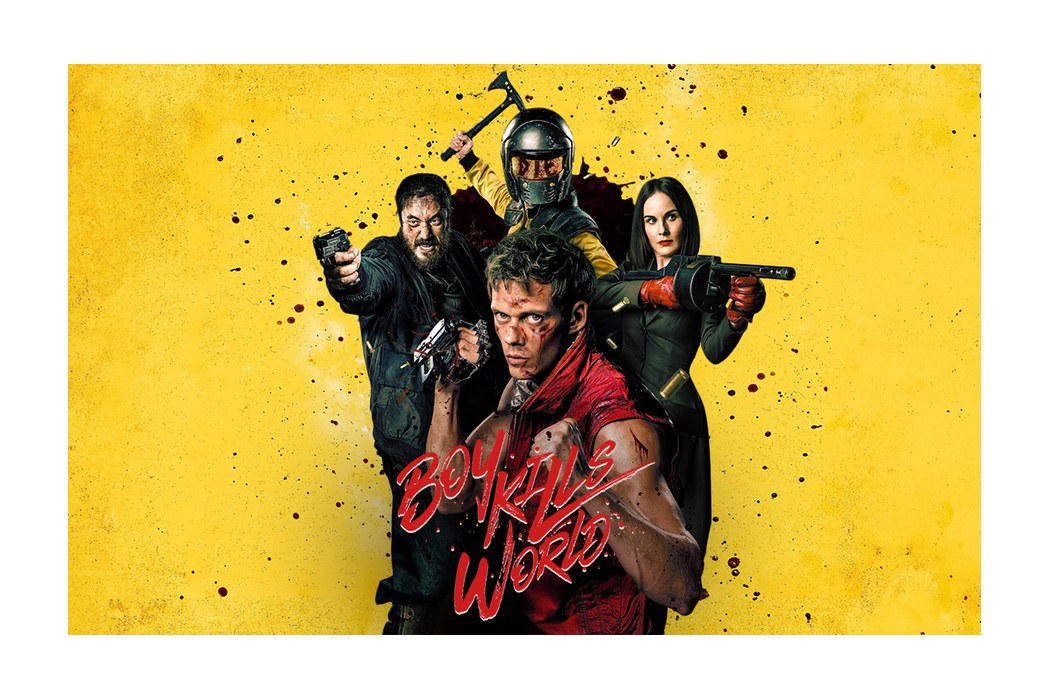
Brigade and the Question That Sold the Movie
A New York agency found its edge by treating publicity, social, creative, and media as one continuous conversation - then letting audiences finish the sentence.

NU Media Found Its Edge by Shrinking the Menu
The New York agency began by saying yes to nearly every industry. Its growth accelerated after its founders made a less obvious choice: specialize in the businesses where culture is part of the product.
The Agency That Learned to Sell the Unrepeatable
For nearly fifty years, Serino Coyne has marketed an awkward product: a live experience that disappears as it happens. Its answer is part poster studio, part media lab, and part box-office nerve center.

The Agency That Turned One Nutrient Into a Whole Medicine Cabinet
Calcium+Company built a health-marketing group around a surprisingly sticky idea: brands, like bodies, need more than one nutrient. The interesting part is not the pun. It is the operating model hiding underneath it.

Newhouse Knows the Internet Still Wants Something It Can Touch
The New York agency’s best work begins with an object, a room, or a small piece of theater - then gives creators a reason to carry it far beyond the guest list.
The Beauty Agency That Makes a Product Launch Feel Like News
CMM does not sell lipstick or shampoo. It engineers the moment when everyone suddenly has a reason to talk about one.
The Publicists Who Built a Factory for Attention
LaForce began with the oldest trick in public relations - knowing whom to call. Then the audience moved, the channels multiplied, and the firm quietly built the rest of the machine.
The 17-Hour Advertising Agency
Day One Agency built a 185-person business around a small, inconvenient truth: on the internet, a good idea can expire before the meeting about the meeting. Its answer is part newsroom, part studio, and part paid group chat.

The Rolodex That Learned to Scroll
Magrino began with a borrowed computer, a family loan and one unusually durable relationship. Thirty-four years later, the lesson is less about publicity than about knowing which parts of your reputation must change - and which must not.

The Publicist Who Asked What Happened After the Press Release
Full Picture began with a useful heresy: publicity should not stop at publicity. Twenty-five years later, the New York firm still makes its living by crossing the lines between a client, a story, a partnership and a show.
The Publicist Who Made Quiet a Power Move
Becca Parrish turned a 1,500-person birthday party for The Odeon into a two-decade lesson in influence: be selective, build real relationships, and make the room matter more than the press release.

The Drug Launch That Took 45 Percent of an Agency With It
When Biogen's Aduhelm launch faltered, JUICE Pharma Worldwide lost $15 million in annual revenue and nearly halved its staff. Its response offers a bracing lesson in client concentration, specialist agencies and the art of choosing the next bet.
The Milkshake That Moved Faster Than the Meeting
DeVries Global built a worldwide agency around a boutique promise: notice culture early, move before the moment expires, and measure whether the attention changed anything.

The Agency That Made a Moat Out of Knowing the Footnotes
Caliber spent sixteen years refusing to become a generalist. In finance, where a misplaced word can be expensive and an unexplained product can be invisible, that stubbornness became the product.

The Influencer Who Became Her Own Sales Deck
Nioly Media Group does not merely sell social-media posts. It sells a staircase from obscurity to attention - and its founder is both the architect and the showroom.

The Toy That Outsold Barbie Had a Publicist
Southard Communications spent three decades turning product launches into retail events - then learned that publicity alone was no longer enough.

The Translation Trap d expósito & Partners Refused to Enter
The New York agency spent two decades arguing that culture is not a decorative layer. Its best work shows what happens when language, media and human behavior are treated as one problem.

Novità Built a Global Design Network From a Press-Release Manual
Christine Abbate started with two babies, one trusted client and a book about writing press releases. Thirty years later, Novità’s real product is still the same: knowing how the design world talks - and who needs to meet whom.

Russo Partners Takes Medicine to Radio Row
A 24-person healthcare communications boutique found an unlikely door into public health: the football postseason. Its real product is not publicity, but translation under pressure.

The Press Hit That Became a Diagnosis
ASTRSK was built to make startup publicity cheaper and more useful. Its best case study suggests the real product is not coverage at all - it is what happens after somebody reads it.
The Firm That Teaches Crypto to Wear a Tie
M Group built its niche in the narrow, consequential gap between a crypto founder's vocabulary and an institution's tolerance for risk. Its product is not publicity alone. It is translation under pressure.

Coinbound and the Business of Borrowed Attention
Crypto projects do not lack places to advertise. They lack trust, attribution and people willing to listen. Coinbound built an agency around borrowing all three - then started building the plumbing to measure what happened next.
The 125-Year-Old Funnel Meets a $25,000 Wave
EvolveMKD built a communications agency around an unfashionable idea: count what matters, admit when the funnel lies, and let senior people stay close to the work.
The War Reporter Who Built a Listening Company
iVoice Communications began with a reporter's habit: listen until the real story appears. A decade later, that habit has become a bilingual PR business connecting New York institutions, global causes and Latino audiences.
Catamaran Cut the Agency in Half - and Kept the Part Clients Could Name
A 20-person PR practice left a full-service agency without leaving its people, clients or history behind. The wager is simple: in a fragmented media world, a narrower promise can make an experienced team more useful.
The Dot That Makes the Chaos Useful
CHAO.S PR is a small New York agency built around a very modern wager: the best campaign is an event, a camera set and a cultural translation desk at the same time.

The Razor That Built a 21-Year Relationship
Suzanne Lane began with little PR experience and one useful conviction: ordinary products become interesting when people understand why they matter. A women’s razor proved the point - and became a client relationship that lasted 21 years.
The Agency That Lost 70 Percent - and Came Back Bigger
Hunt & Gather survived a two-week collapse by betting that public relations should produce something people can see, enter, taste, or repeat. Its best work turns a business problem into a scene worth retelling.