microsoft
(124)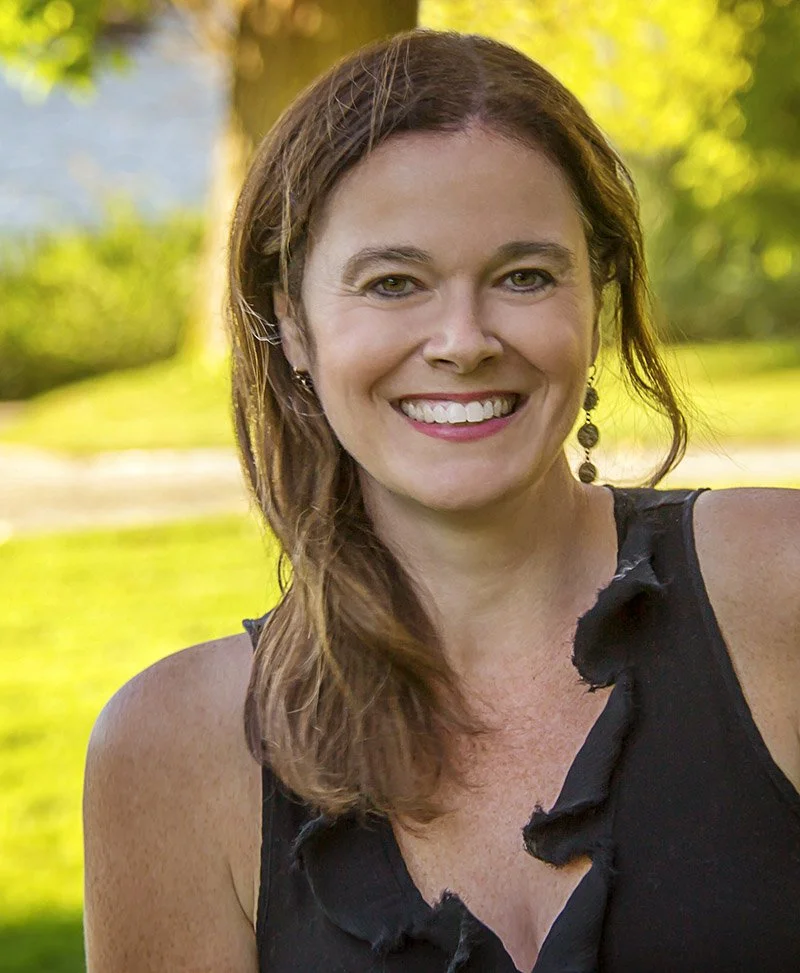
Kieran Snyder and the trouble with a single word
A linguist noticed what managers wrote about women. The question took Kieran Snyder from performance reviews to Textio, and eventually back to Microsoft with a different way of thinking about AI.
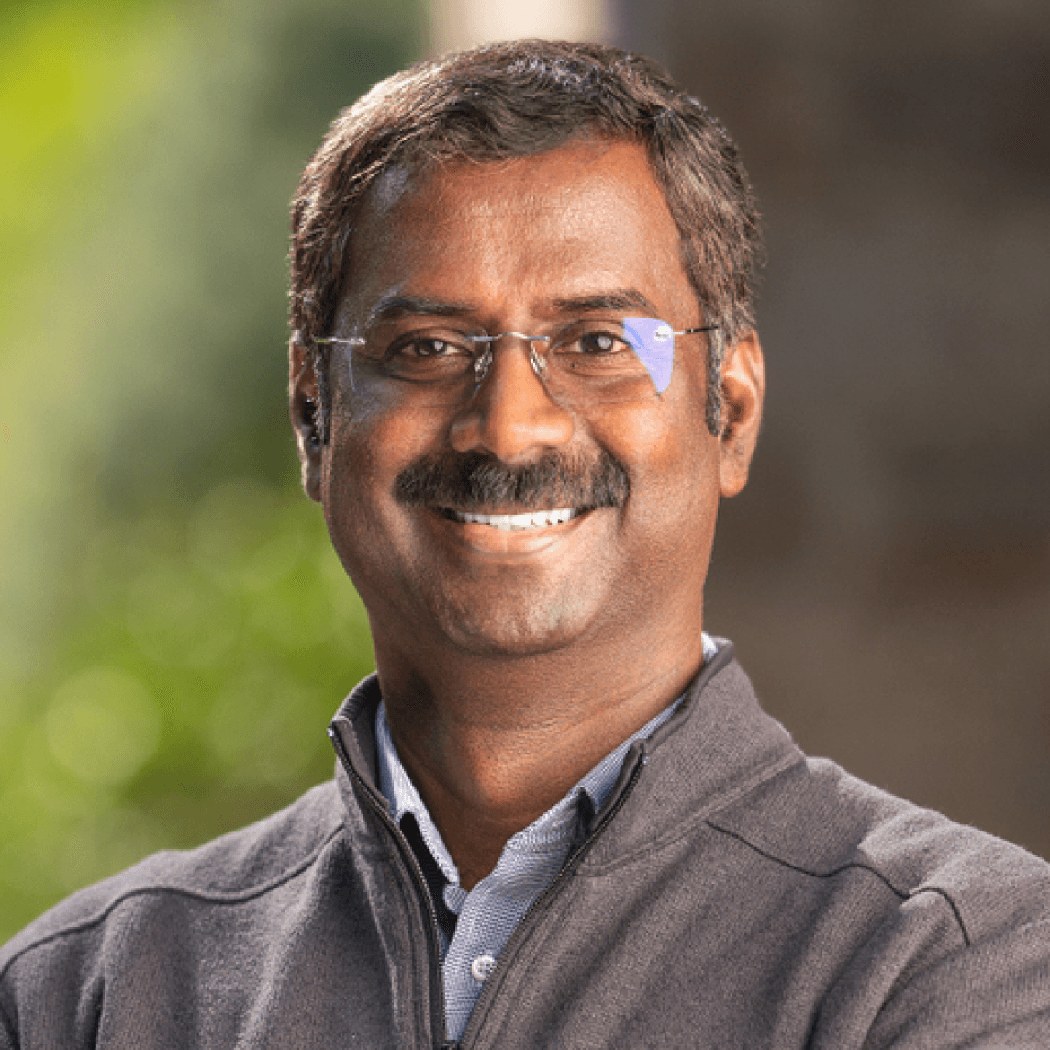
Vetri Vellore and the trouble with Monday morning
He built software for mentors, then for goals. After selling Ally.io to Microsoft, Vetri Vellore is pursuing the part of company life that a clear objective still cannot fix: getting through the week together.
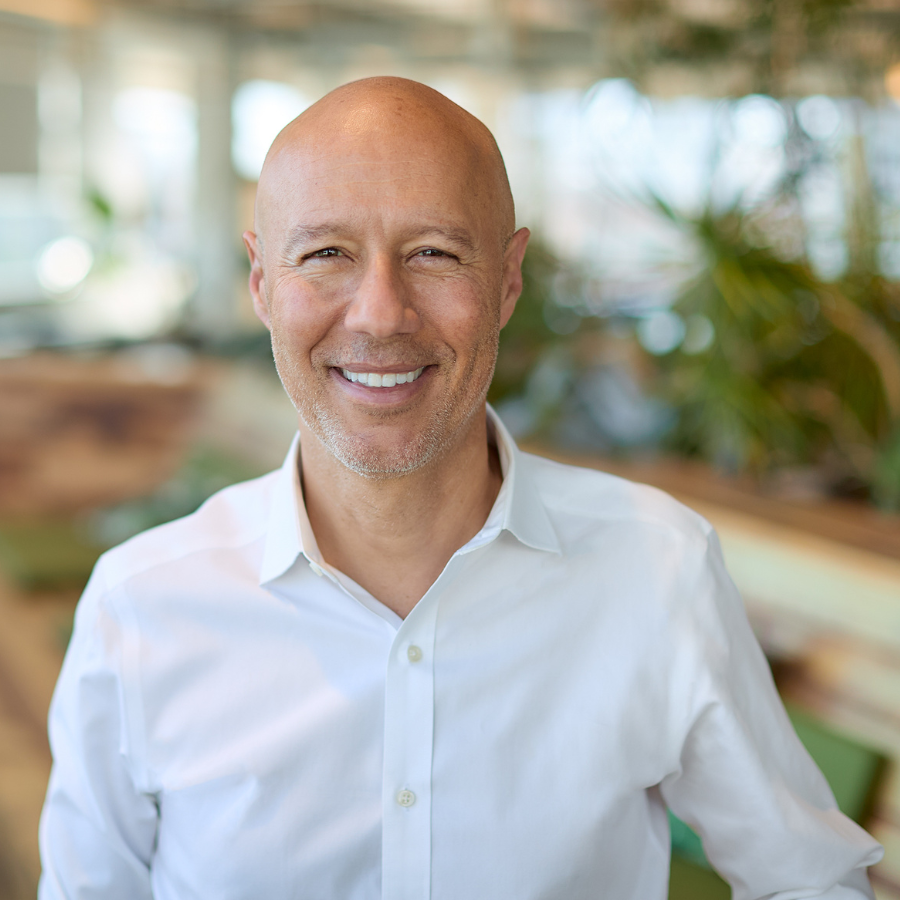
David Risher and the trouble with good enough
A paper route, a locked library and a cancelled ride help explain Lyft’s CEO. David Risher has spent his career asking why things that almost work still let people down.

Ryan Nadel and the art of getting somewhere
From a newsroom comment queue to playground games and Microsoft AI, Ryan Nadel keeps returning to the same question: what does the technology help someone actually do?

Joe Duffy and the trouble with making things simple
He helped open .NET to the world, then left Microsoft to make cloud infrastructure programmable. At Pulumi, Joe Duffy keeps returning to a stubborn question: why should powerful computers require such painful tools?
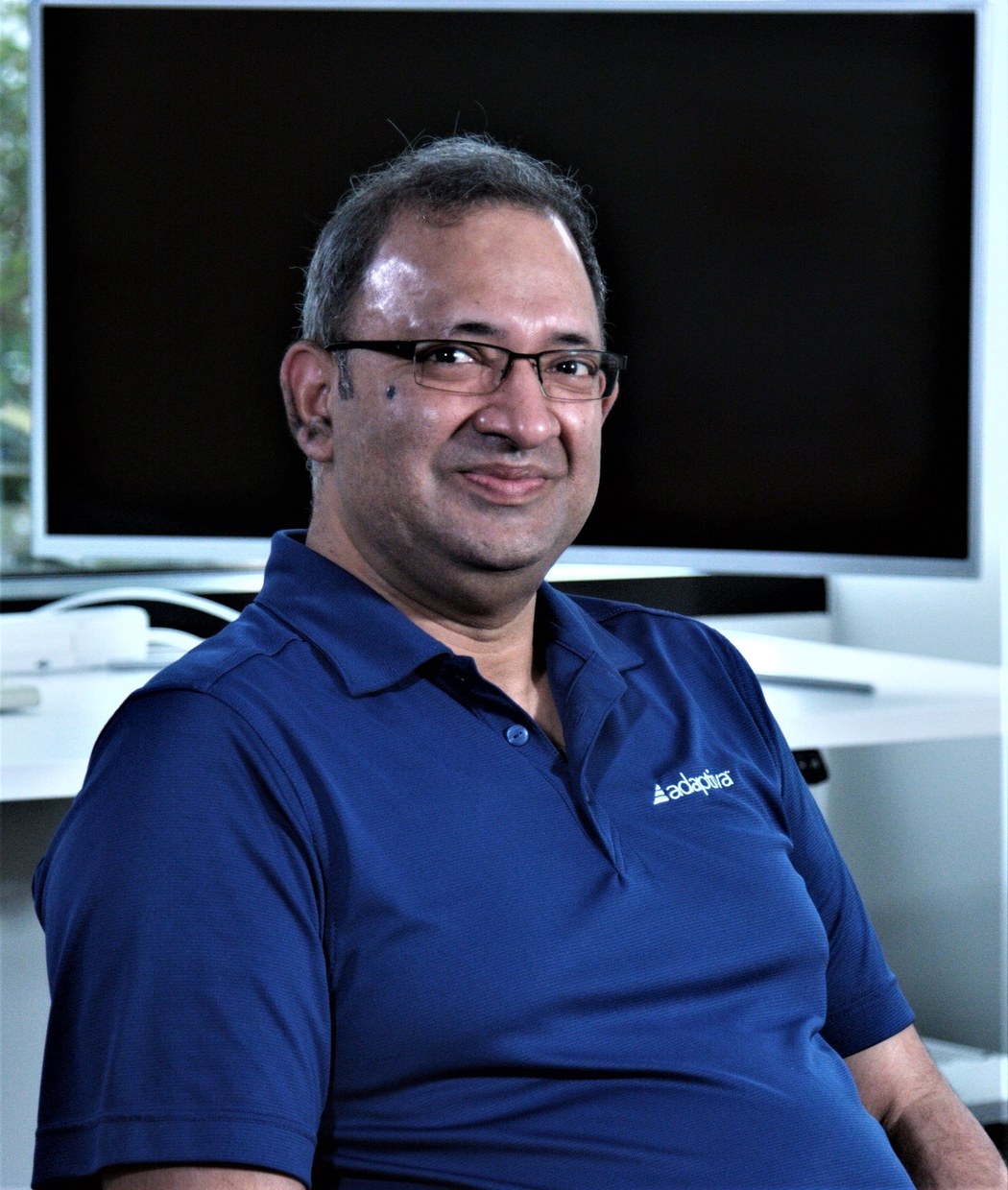
Deepak Kumar and the art of getting out of the way
He helped design the machinery that manages corporate computers. At Adaptiva, Deepak Kumar has spent two decades trying to make that machinery demand less of the people who use it.
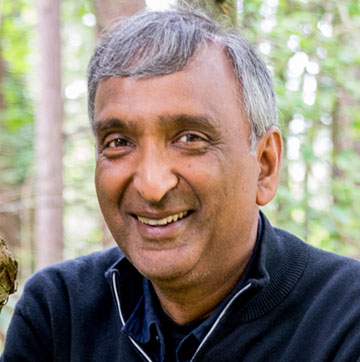
Anoop Gupta and the art of starting over
He helped put video on the web, advised Bill Gates, and built SeekOut around the people a résumé can miss. Now Anoop Gupta is making room for a different kind of growth.
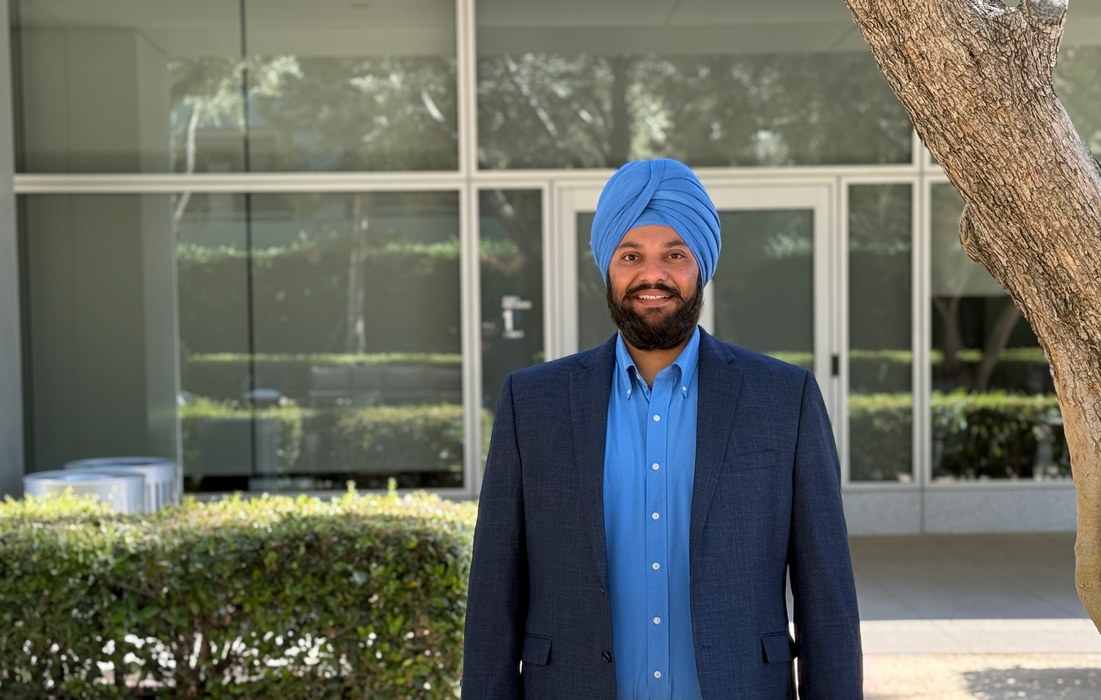
Tript Singh Lamba’s theory of the dropped ball
After Microsoft, Google and Expedia, Tript Singh Lamba built ProductNow with an intern and a question: why does so much work disappear between a decision and its delivery?
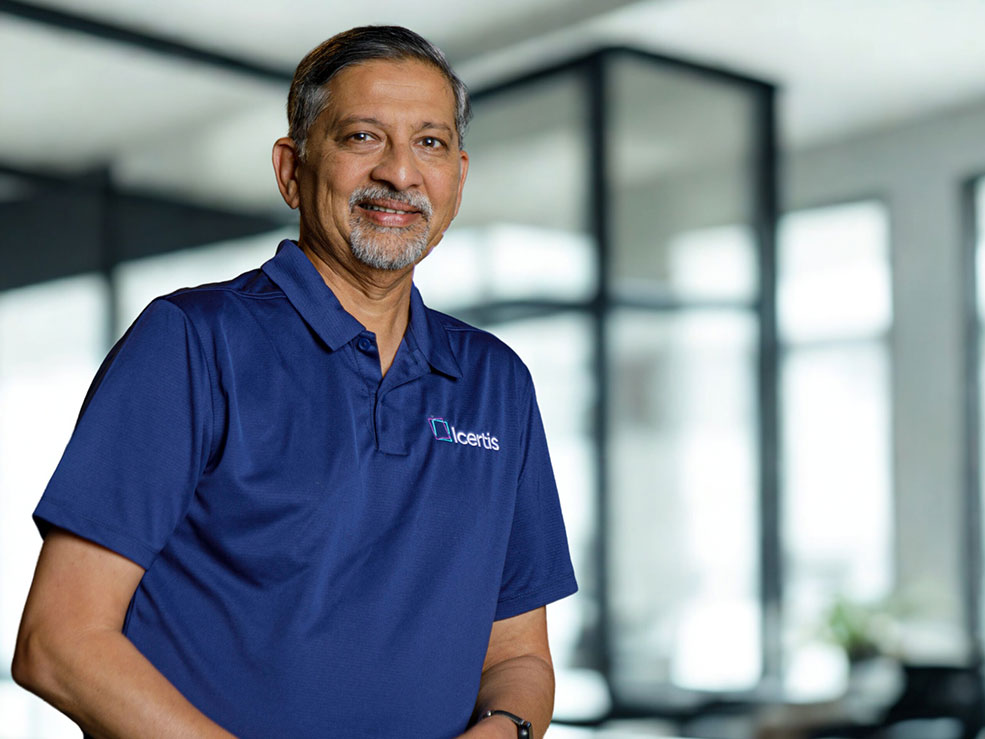
Samir Bodas and the promises after the signature
Samir Bodas built Icertis around the business hidden inside contracts. His own test was just as practical: could a growing company keep the promises it made to its people?
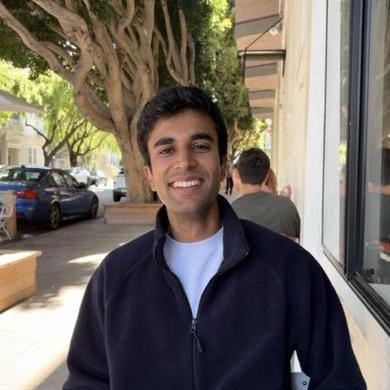
Varun Tandon and the work before the road
Before a city can change a street, someone has to make a plan. Varun Tandon, co-founder and CEO of Waypoint Transit, is bringing his Microsoft AI experience to that long, consequential prelude.
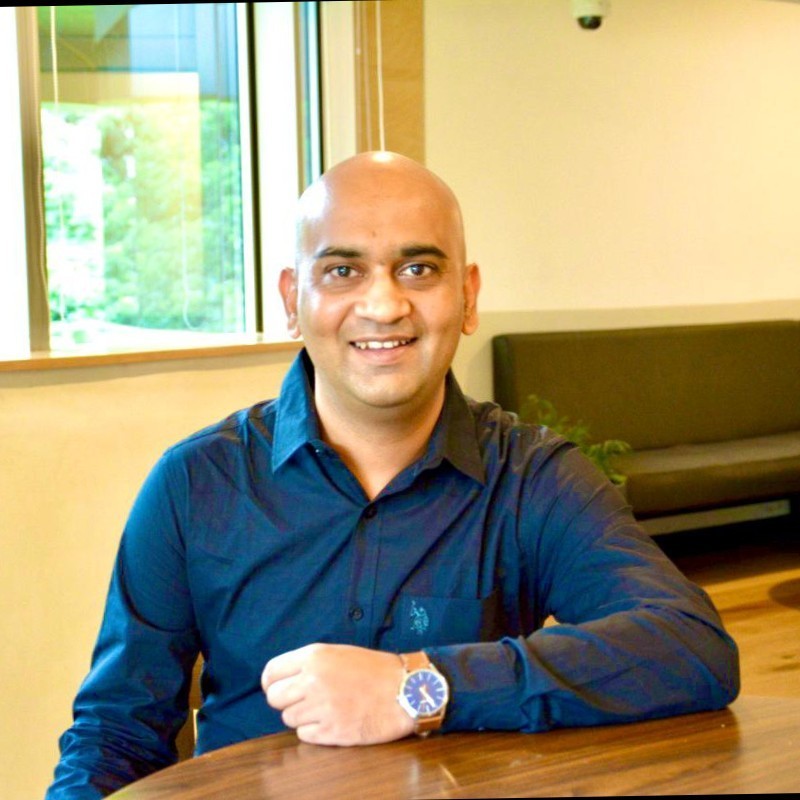
Vineet Rao and the small basket that became a billion-dollar bet
After a decade building software at Microsoft, Vineet Rao co-founded DealShare around a different customer: the household watching every rupee. A WhatsApp experiment in Jaipur became a venture-backed grocery business, then faced the harder arithmetic of scale.

Darshdeep Hora and the Last 22 Percent
The engineer's revealing work is not the first 80 percent an AI can do. It is the stubborn remainder where judgment, trust, and one wrong customer name can undo everything.
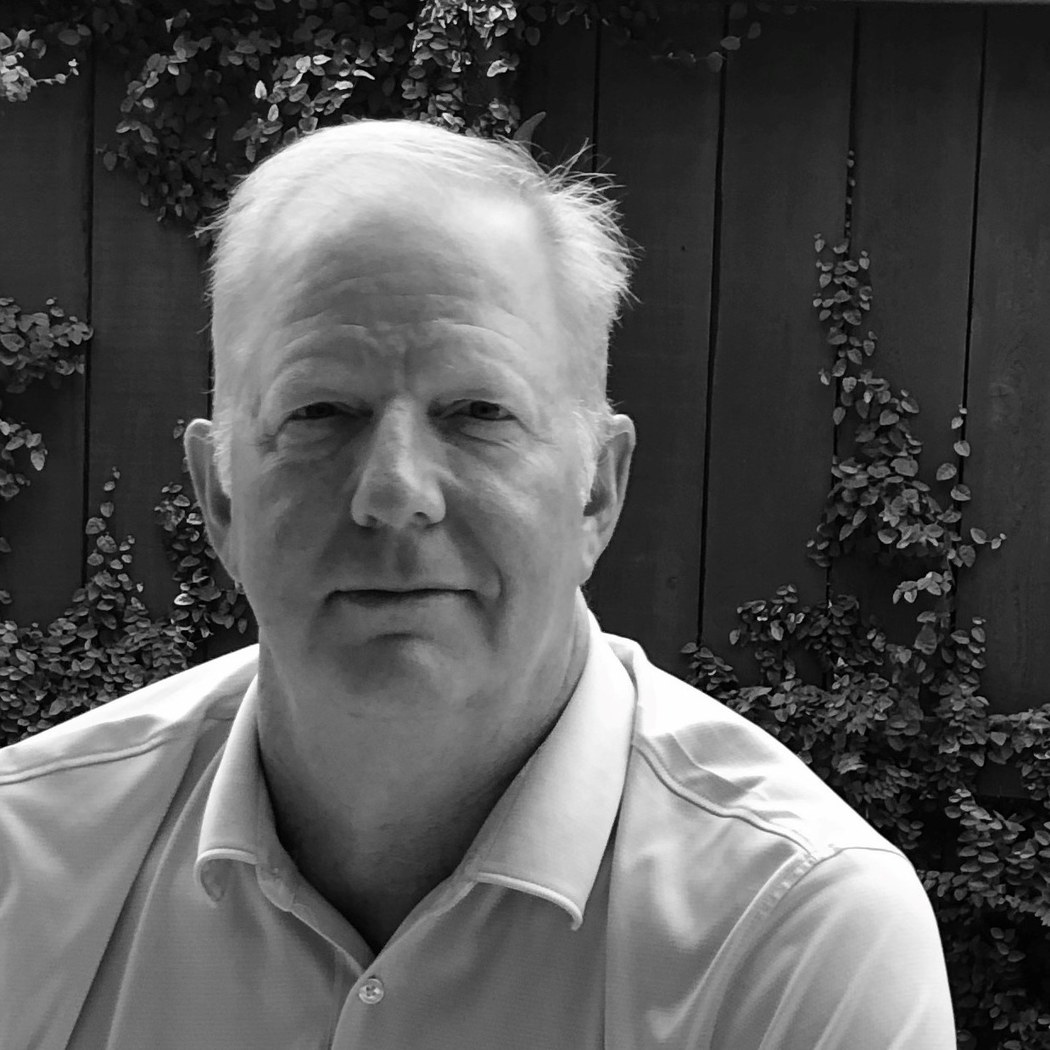
Alex Hinrichs and the Fine Art of Making Chaos Keep a Deadline
He helped ship operating systems, a phone, and the first HoloLens. His durable invention may be simpler: write the problem down, name an owner, and decide before the room goes stale.

Joel Grossman and the Long Art of Answering the Call
He began with an empty desk and helped build one company to a $220 million exit. At Numa, Joel Grossman is applying the same patient operating logic to the ringing phones, missed messages and frayed handoffs of the modern car dealership.

Laura Norman Makes the Complicated Move
At Datadog, she helps a large marketing organization find its rhythm. In San Francisco, she spent years helping a small park find its future. Laura Norman's career is a study in turning many voices into forward motion.

Chirag Dhull Has Spent a Career Making the Complicated Clear
From Azure Machine Learning to blockchain oracles and governed AI, Collibra's CMO has built a career around a deceptively hard skill: explaining new infrastructure before the market has settled on the words.

David Hamilton Learned AI Before It Was Fashionable. Then He Spent 30 Years Making Technology Useful.
Long before artificial intelligence became a boardroom refrain, David Hamilton studied how machines and minds make sense of the world. Today, the SAP Concur CMO applies that old curiosity to a very practical brief: turning complicated enterprise technology into decisions people can use.
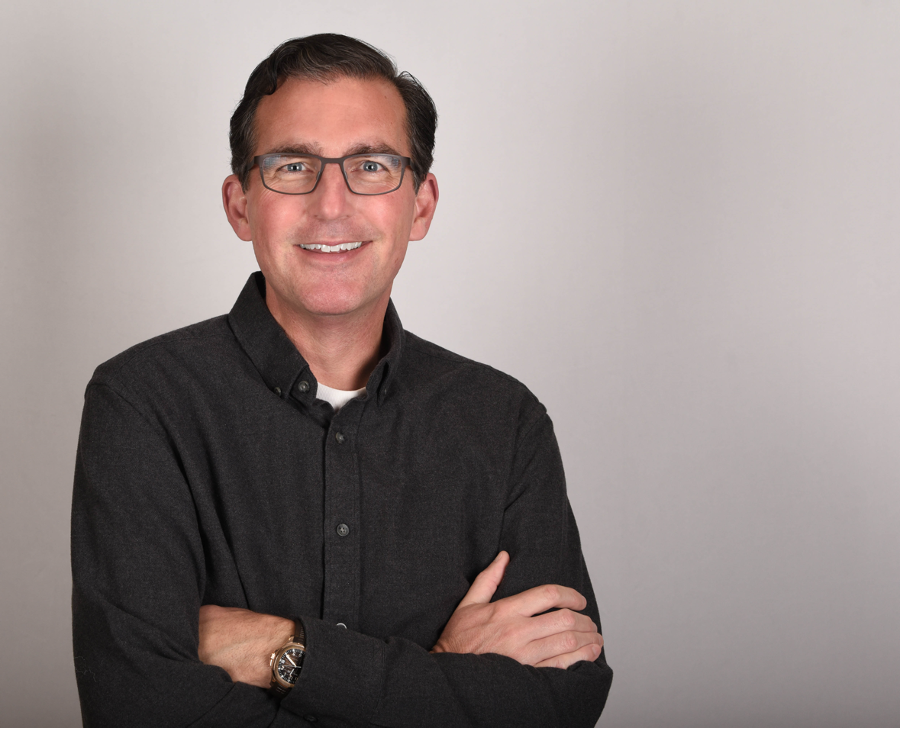
Tim McDonough Has Spent a Career Making Complicated Technology Mean Something
From a desktop carried in an L.L.Bean tote to AI agents at enterprise scale, Tim McDonough’s career is a study in translating difficult technology into stories customers can use - and CFOs can believe.
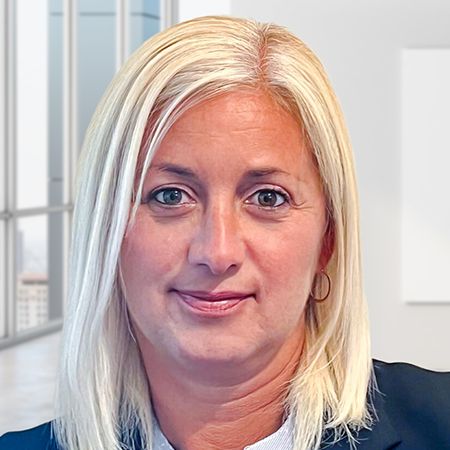
Suzanne Behrens Spent 30 Years Making Government Technology Feel Human
She helped scale Microsoft's public-sector business from $100 million to more than $3 billion, then spent her final CMO chapter replacing mass marketing with precision. Her enduring idea is simpler than the software: sales and marketing should share the work, the numbers, and the consequences.

Paul Warn Is Building Marketing for the AI-First Era
After Microsoft, Qualtrics and Zendesk, Paul Warn arrived at Garner Health with a practical brief: turn data, urgency and AI into a marketing organization built to learn quickly.

Eli Schleifer Wants to Make Waiting for Code Feel Obsolete
After Microsoft, a startup sale to Google, and the machinery of Uber ATG, the Trunk founder has settled on a stubborn idea: growing software teams should not have to grow slower.

Jason Bunge Is Teaching Old Toys New Tricks
After selling software, houses, video games and virtual worlds, Jason Bunge landed at Hasbro with a precise brief: find the center of gravity in brands people have loved for generations - then give every fan a reason to keep playing.

Moustafa Noureddine Has Spent Three Decades Making Software Survive the Real World
Before AI became a boardroom reflex, he was studying cloud bottlenecks, shipping collaboration software and teaching engineers how to think. Acksession is the latest expression of a career built around one stubborn question: will the system still work when reality arrives?
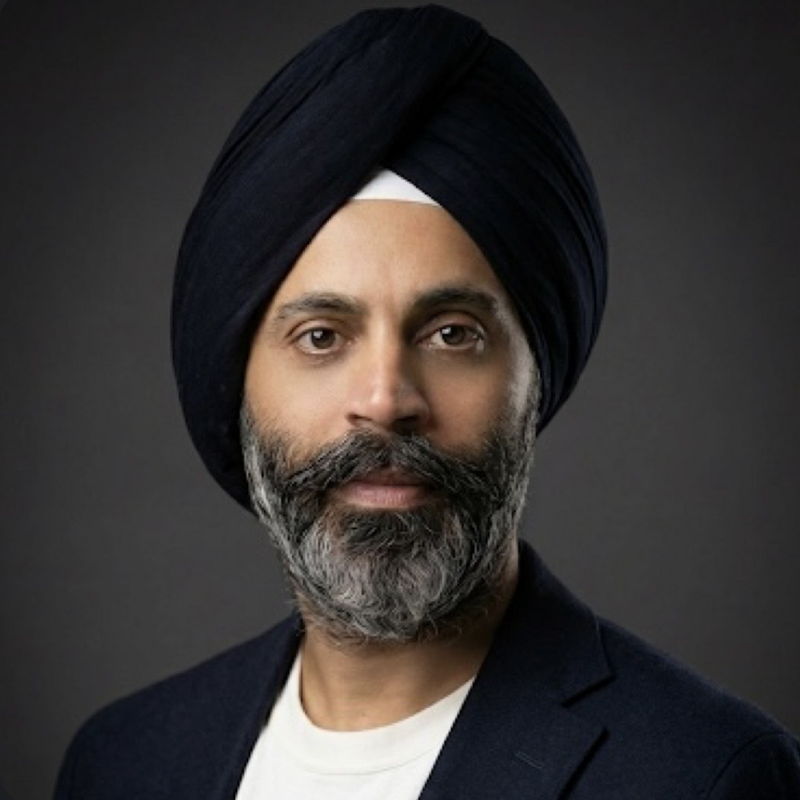
Karandeep Anand Is Turning the Chatbot Into a Story World
After two decades building platforms at Microsoft, Meta, and Brex, Karandeep Anand has a new product brief: make AI entertainment feel less like a prompt box and more like a world people can enter.

The Microsoft Executive Who Thinks Your Next Colleague Is Software
Jared Spataro spent two decades helping Office become a service and Teams become a workplace. Now he is selling a stranger idea - software will go beyond assisting the organization and join the org chart.

Priya Vijayarajendran Is Going Back to the Work
After leading ASAPP from the technology seat to the CEO’s office, Priya Vijayarajendran is returning to the identity that has followed her through SAP, IBM and Microsoft: a builder who wants enterprise AI to survive contact with reality.
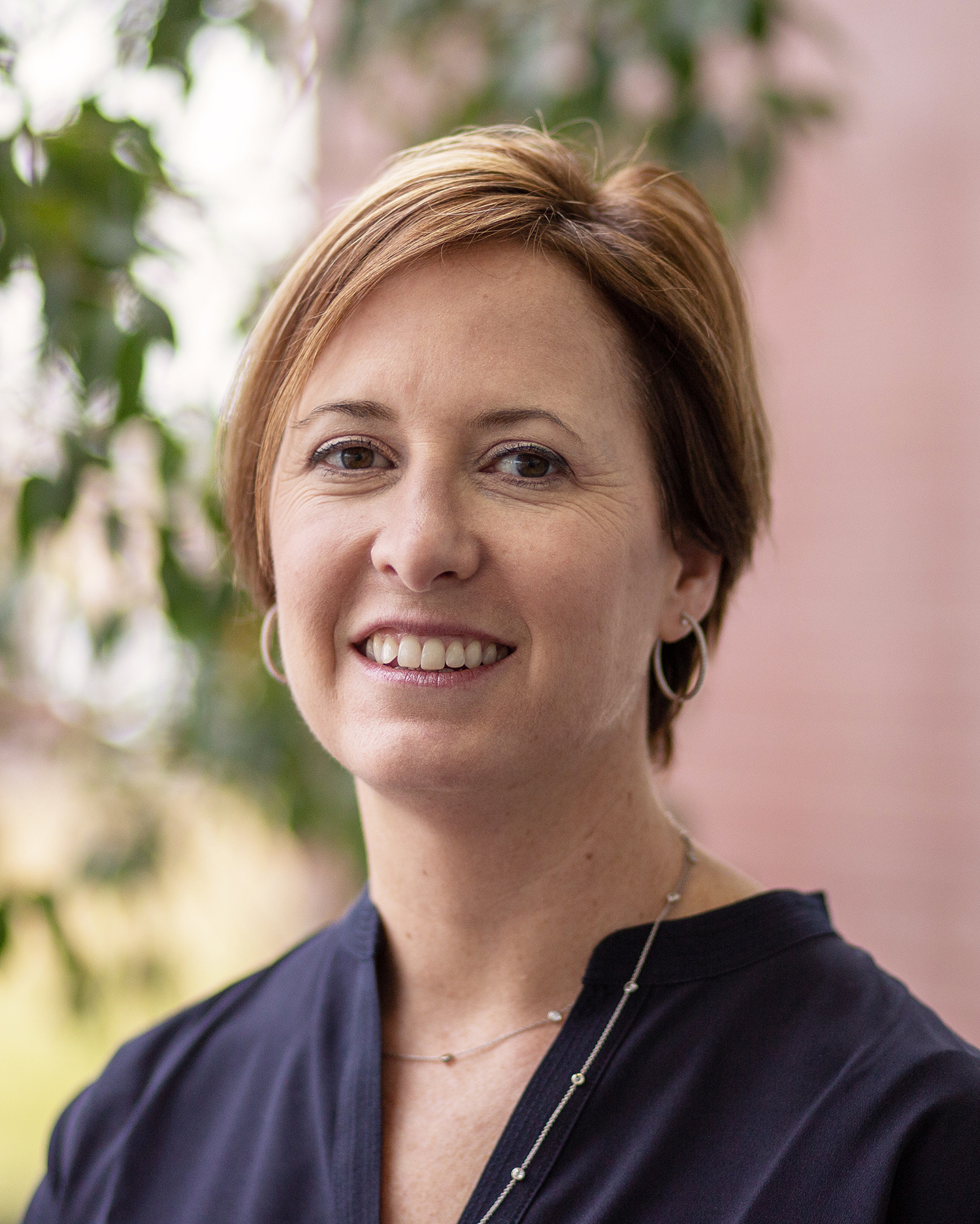
Amy Messano Makes Complicated Technology Sound Human
From a 3,400-mile autonomous drive to a two-word rallying cry, the Thomson Reuters executive has built a career translating complex technology into stories people can carry.

Devasena Rajamohan
Devasena Rajamohan is Corporate Vice President of Dynamics 365 Customer Experience Applications at Microsoft, leading global teams of product managers, engineers, and data scientists driving innovation across Customer Insights, Sales, Customer Service, and Copilot. With a career spanning over two decades in enterprise CRM and cloud software—including senior leadership at SAP and early engineering roles at TATA Infotech—she has shaped how large organizations deliver AI-powered customer engagement. Under her leadership, Microsoft earned recognition as a Leader in both the 2025 Gartner Magic Quadrant for CRM Customer Engagement Center and The Forrester Wave Customer Service Solutions Q1 2026.
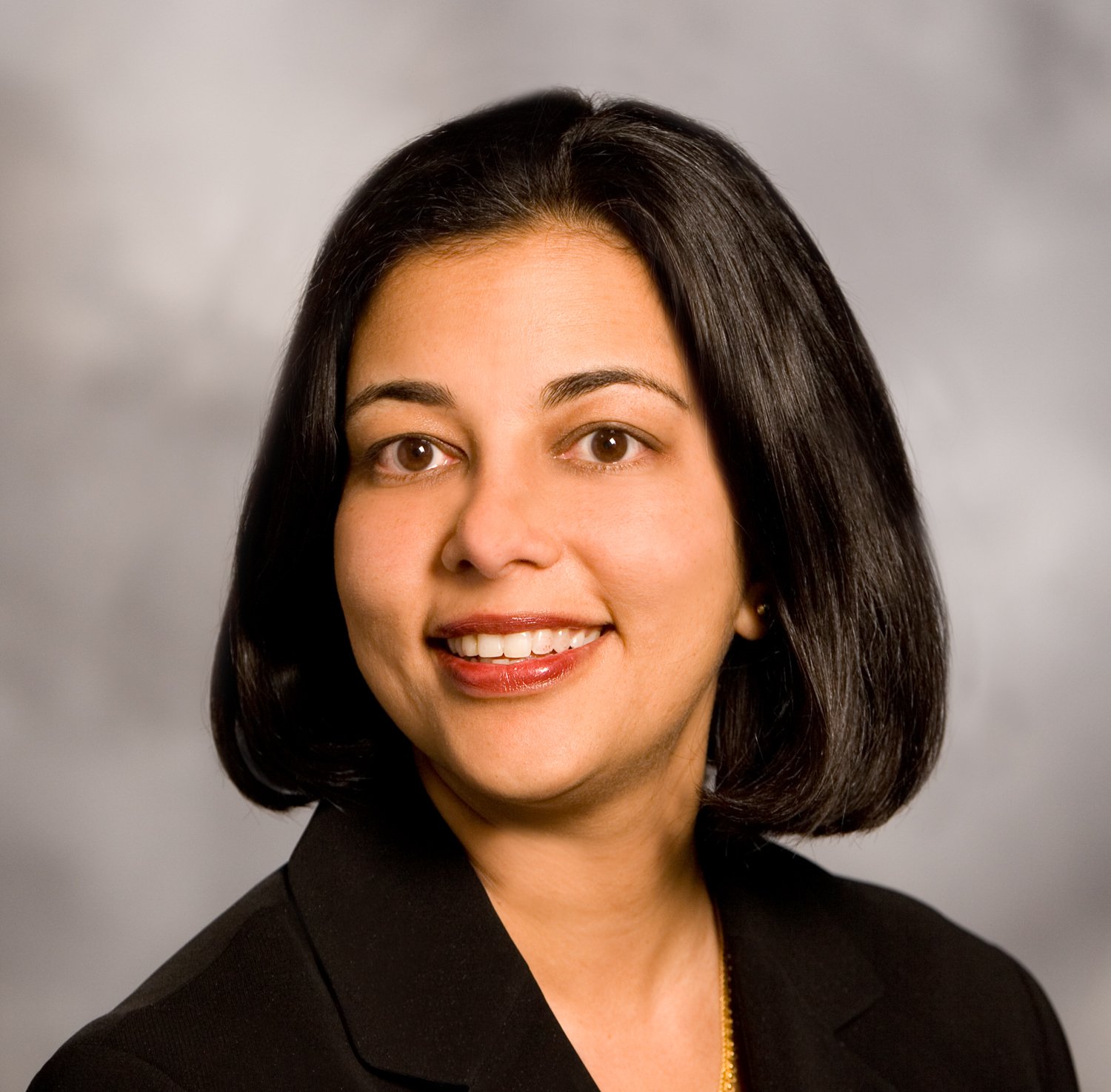
Mala Anand
Mala Anand is Executive Vice President and Chief Customer Experience Officer at Microsoft, leading the Customer Experience & Success division. A 25-year technology veteran who immigrated from Mumbai at 17 on a Rotary Youth Exchange Scholarship, she has shaped enterprise software at Cisco, SAP, and Microsoft, driving AI-powered transformations that measurably improve how customers get support. She is also executive sponsor of Women at Microsoft and an independent board director at Agilent Technologies.
Ana Maria Henao Is Teaching a Food Giant to Share the Brand
After a career spanning detergent, fragrance, beer, snacks and artificial intelligence, Sigma Foods' global CMO is applying one durable idea: understand people, act on what you learn, and give up a little control.