microsoft
(8)
Black & Veatch Says Microsoft Copilot Gives Back Nine Hours
The century-old engineering firm reports roughly nine hours saved per Copilot user each week. Behind that claim is a bigger bet on keeping expertise alive—and buying much more than a chatbot.
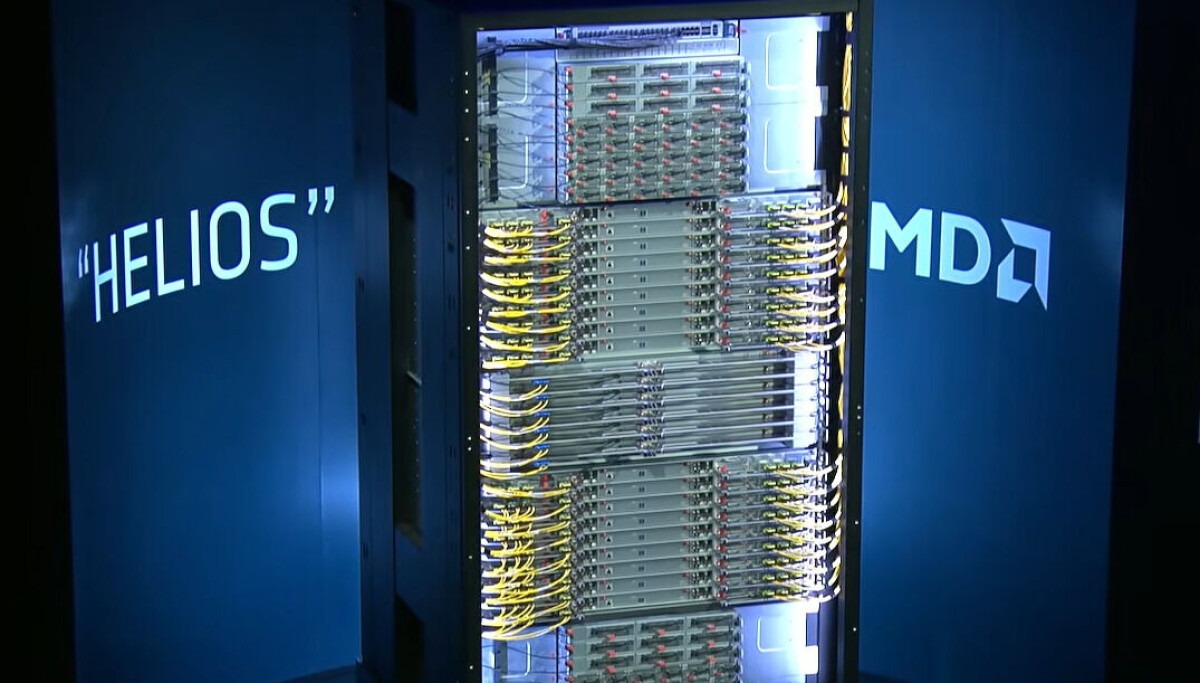
Microsoft Brings AMD Helios to Azure With Three Jobs to Do
Helios gets the spotlight, but Microsoft’s Azure plan has three distinct jobs: prepare the data, design the chips and serve the answers. AMD is both a supplier and a customer in the loop.
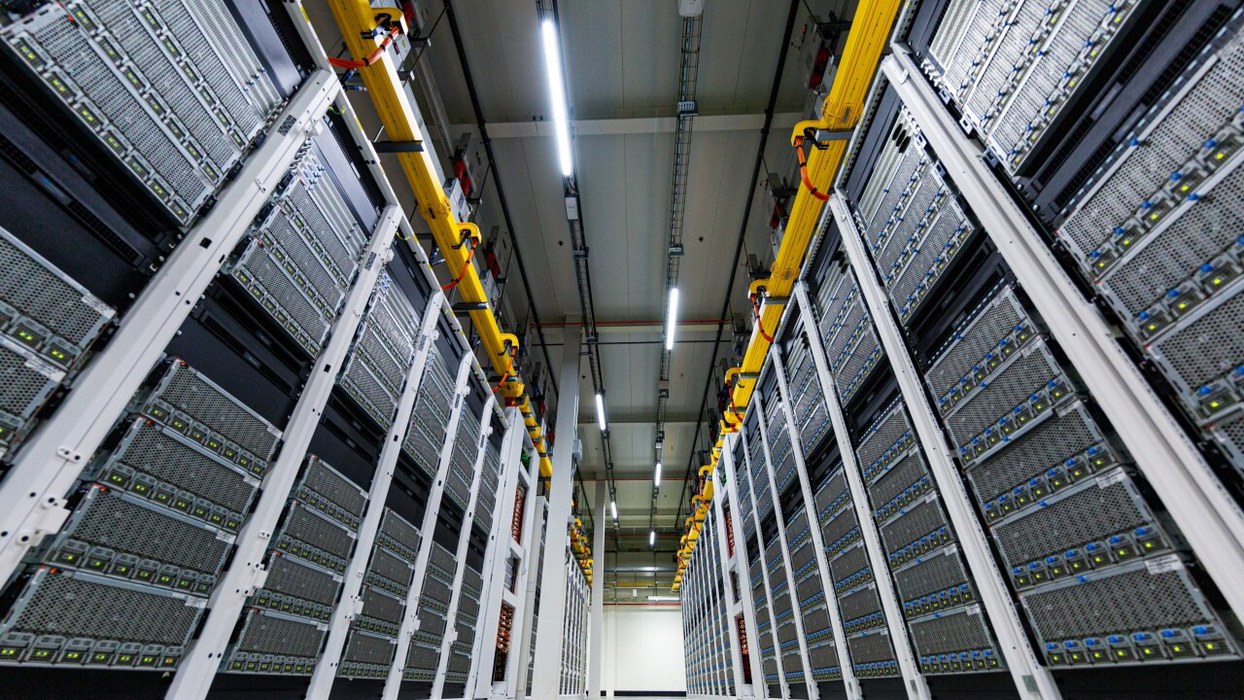
Microsoft Azure Joins the $100 Billion Club as Xbox Shrinks
Azure cleared $100 billion in annual revenue and Microsoft 365 Copilot passed 30 million paid seats. Across the same empire, Xbox content and services revenue fell 10% in the fourth quarter.
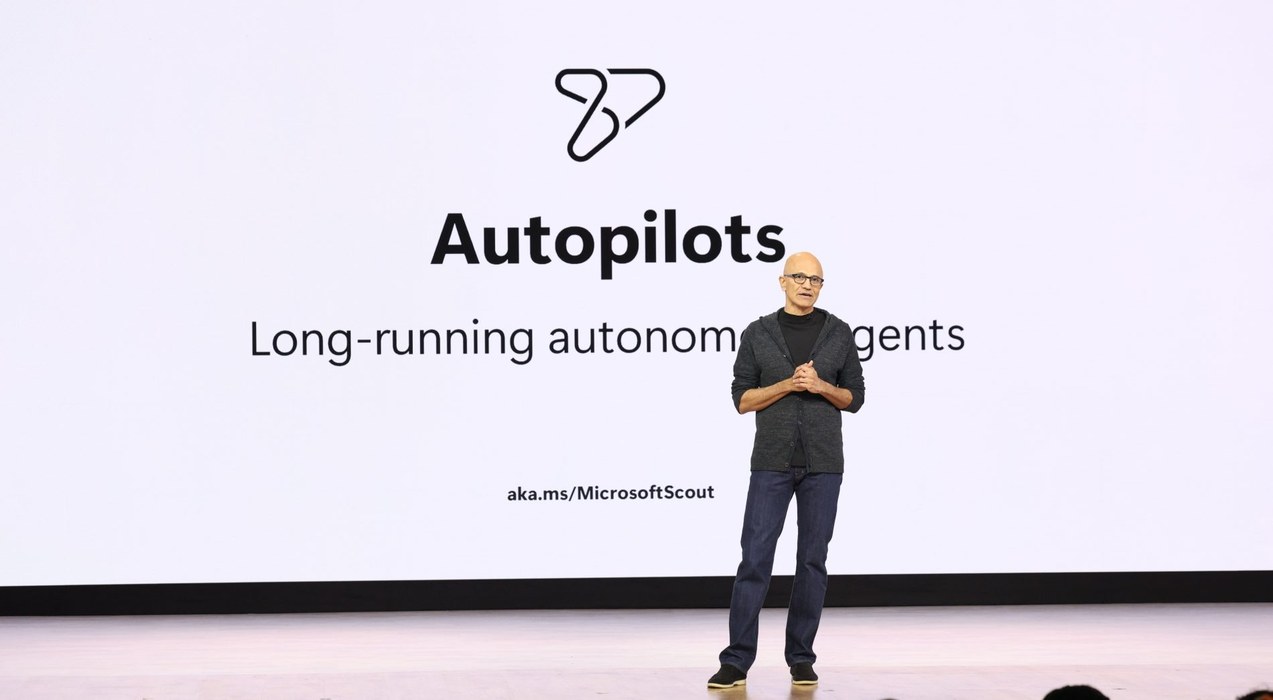
Microsoft Copilot Wants a Job, Not Another Prompt
Home makes the files, Code makes the apps, and Autopilot keeps working after you leave. Microsoft’s new Copilot turns delegation into a product—and ongoing work into a running bill.

Capacity vs Microsoft in the Fight to Kill the Support Ticket
Enterprise support is being rebuilt around AI agents. On one side, a St. Louis specialist that crossed $100M in recurring revenue; on the other, the largest software company alive shipping the same feature straight into Copilot.
Pypestream Wants AI That Performs, Not AI That Pilots
The New York company behind agentic customer-service agents says it now handles more than 50 million interactions a month. Its pitch to enterprises: stop testing AI and start running the business on it.
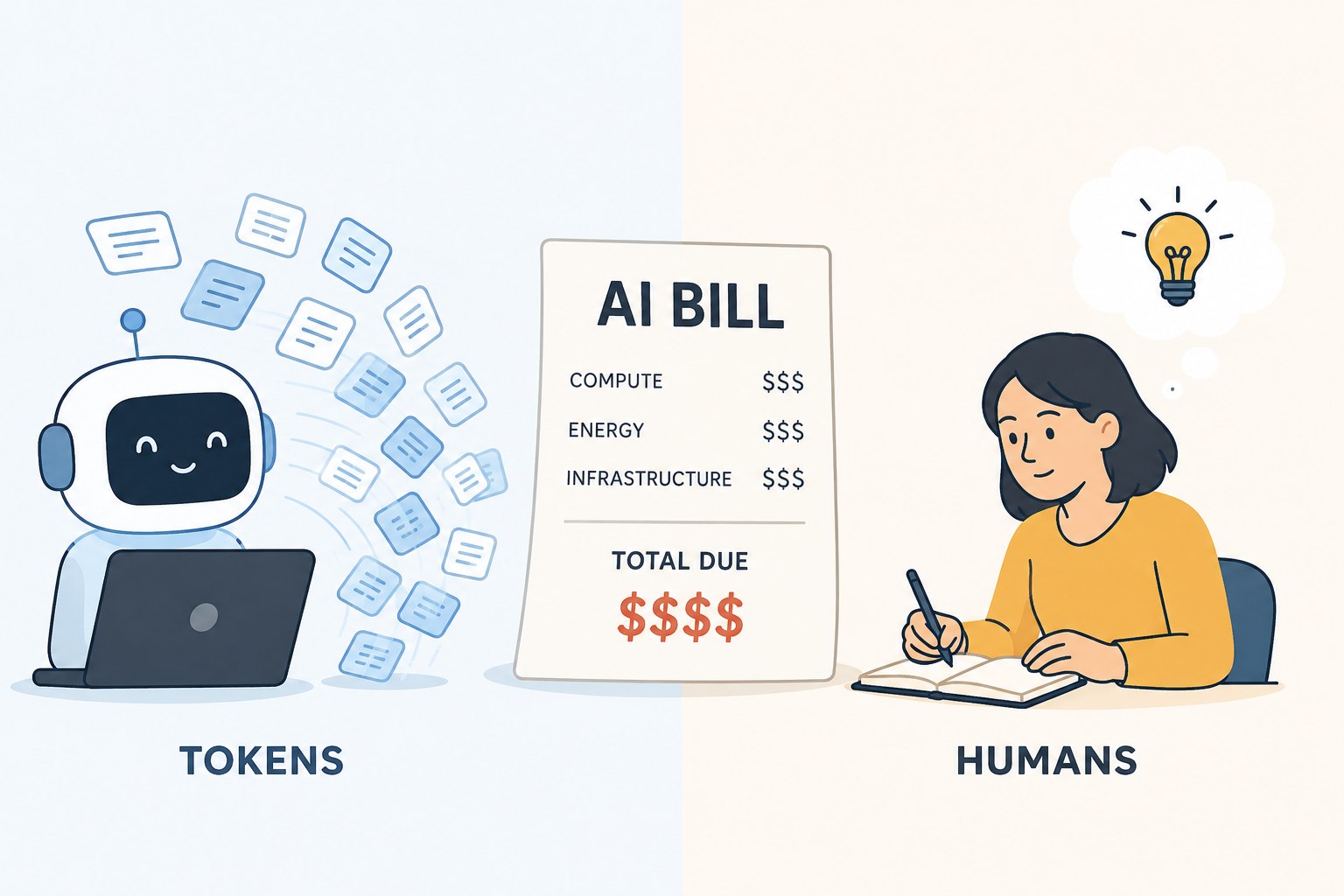
The AI Bill Has Come Due: Tokens vs. Humans
This documentary-style video traces how artificial intelligence went from a cheap labor-replacing miracle to a runaway cost center. After ChatGPT's 2022 launch, companies raced to adopt AI and cut tens of thousands of jobs across tech and fast food. But forced internal adoption, token-based performance metrics, and a status-driven culture of 'token maxing' inflated demand far beyond real need. Combined with data-center component shortages and canceled construction projects, token prices more than doubled between late 2025 and mid-2026. Giants like Microsoft, Meta, Uber and Nvidia are now confronting AI bills that rival or exceed the human labor they replaced, and with Anthropic and OpenAI expected to go public and raise prices, enterprises are being forced into an unprecedented choice: tokens or humans.
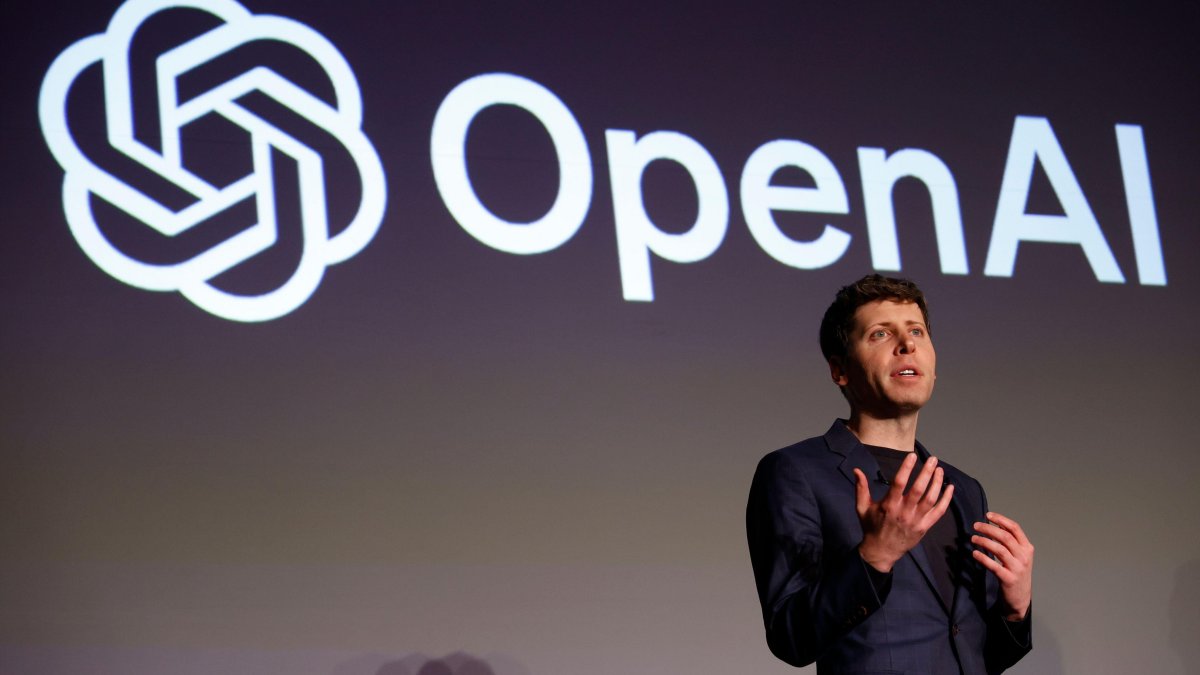
OpenAI's $122B Megaround Shows AI Funding Has Gone Nuclear
On March 31, 2026, OpenAI closed the largest private funding round in history — $122 billion in committed capital at a post-money valuation of $852 billion. Anchored by Amazon ($50B), Nvidia ($30B), and SoftBank ($30B), with continued participation from Microsoft and a sweeping syndicate of global institutions, the round dwarfs every prior private tech raise and cements OpenAI as the world's most valuable startup by a wide margin. The company is generating $2 billion in monthly revenue, counting 900 million weekly ChatGPT users, and is widely expected to pursue an IPO.