mergers-and-acquisitions
(80)
Matt Newing and the deal that keeps paying
A container of second-hand bicycles taught Matt Newing to spot a margin. Memorable phone numbers taught the Elite Group founder to think about what happens after the sale.
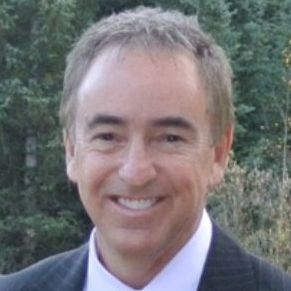
Mike Cornell and the Business of Making Things Fit
From a Colorado Springs software startup to HighJump and TrueCommerce, Mike Cornell built a career around the awkward spaces between businesses. His recurring bet: the connections could be as valuable as the software itself.
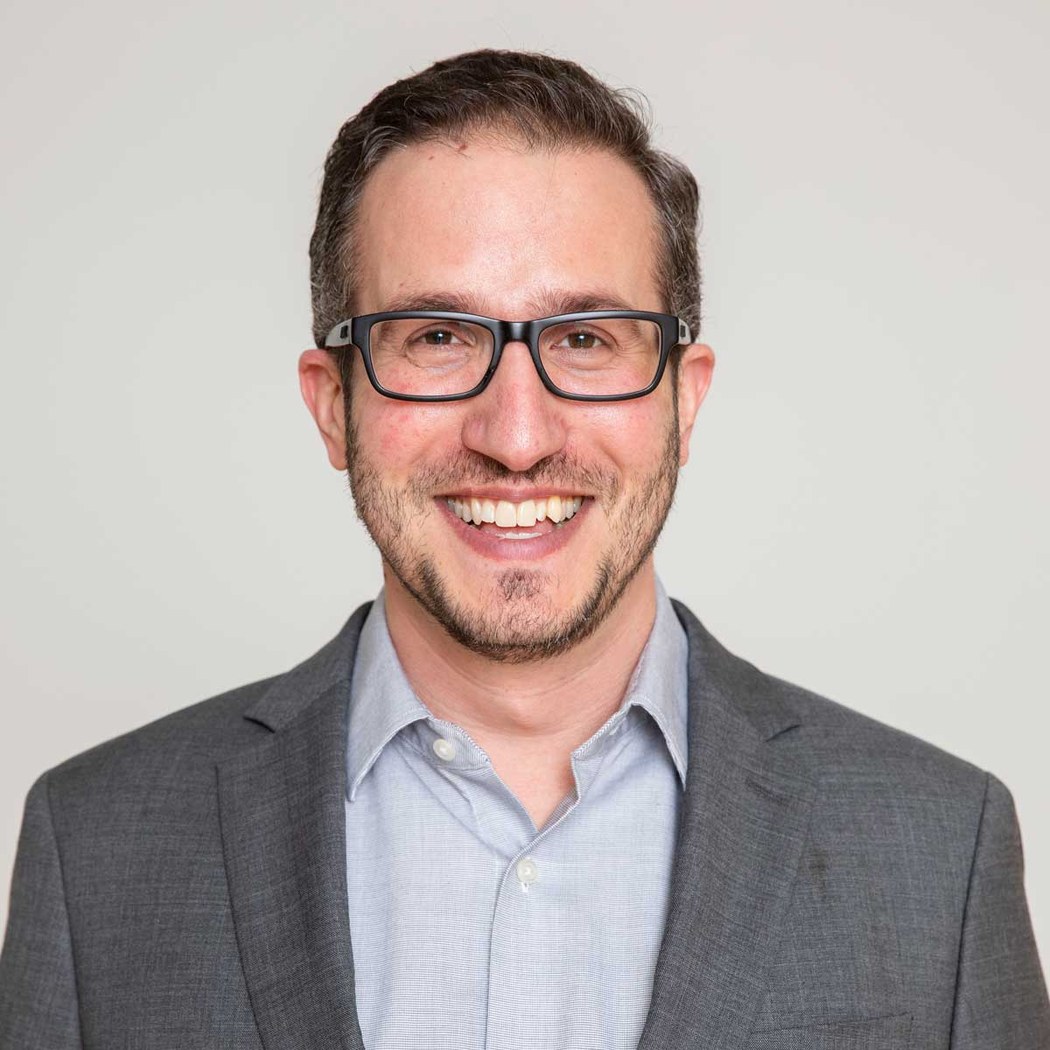
Dan Schleifer and the business of making things work together
ChartIQ began in a Charlottesville barn. Finsemble took on the cluttered trading desktop. After a sale and a merger, Dan Schleifer is bringing an operator’s experience to the other side of the deal.
Paul Bergantino and the Art of Staying Small
He helped bring two national businesses together at Numotion. At Lifeway Mobility, Paul Bergantino returned to a familiar question: how much can a company grow before the local knowledge starts to disappear?
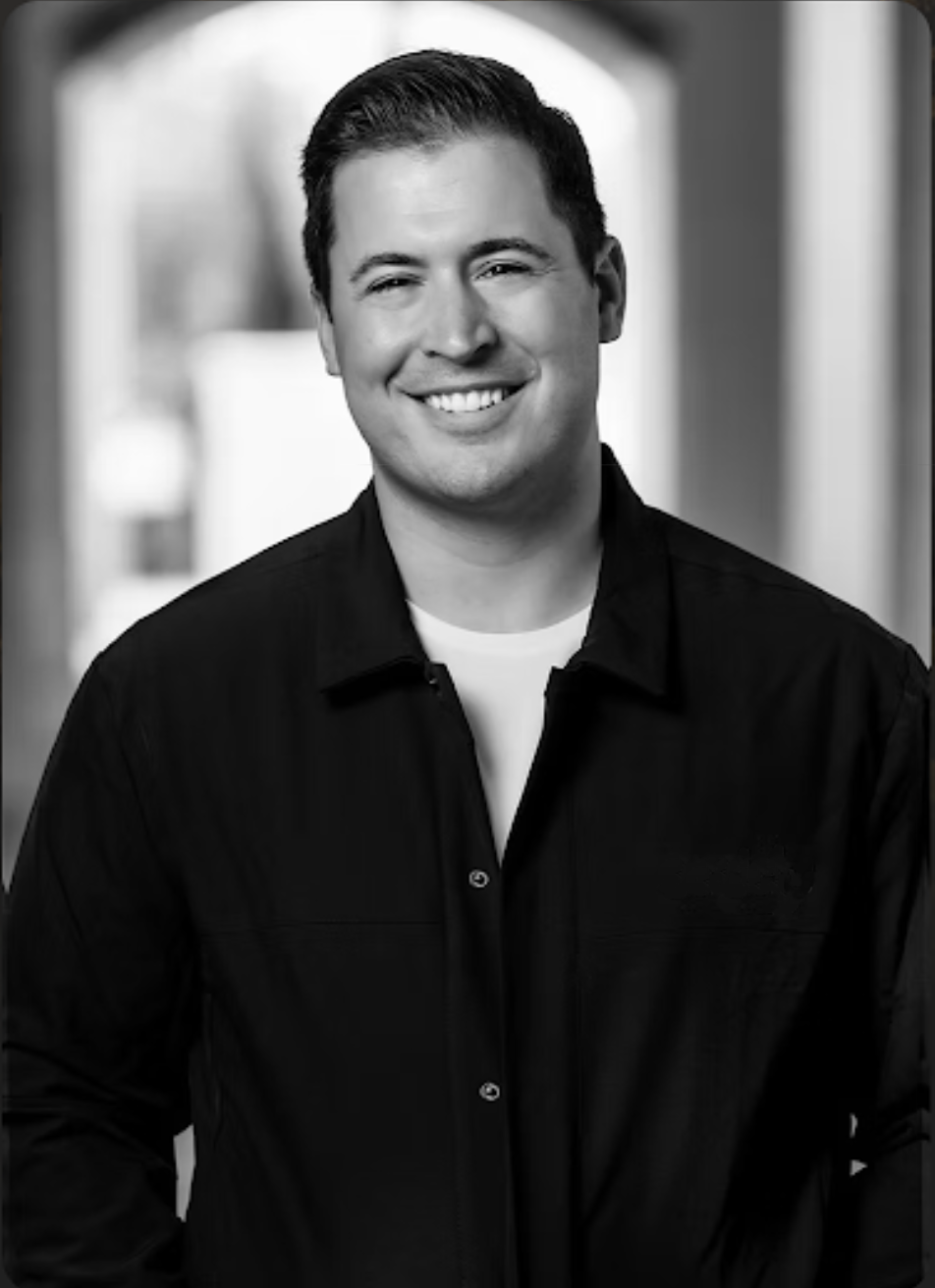
Michael Sirpilla and the art of staying after the sale
The Society Brands co-founder built his acquisition pitch around entrepreneurs who wanted to sell without saying goodbye. From Canton family businesses to a $204 million capital raise, his career keeps returning to the people on the other side of the deal.
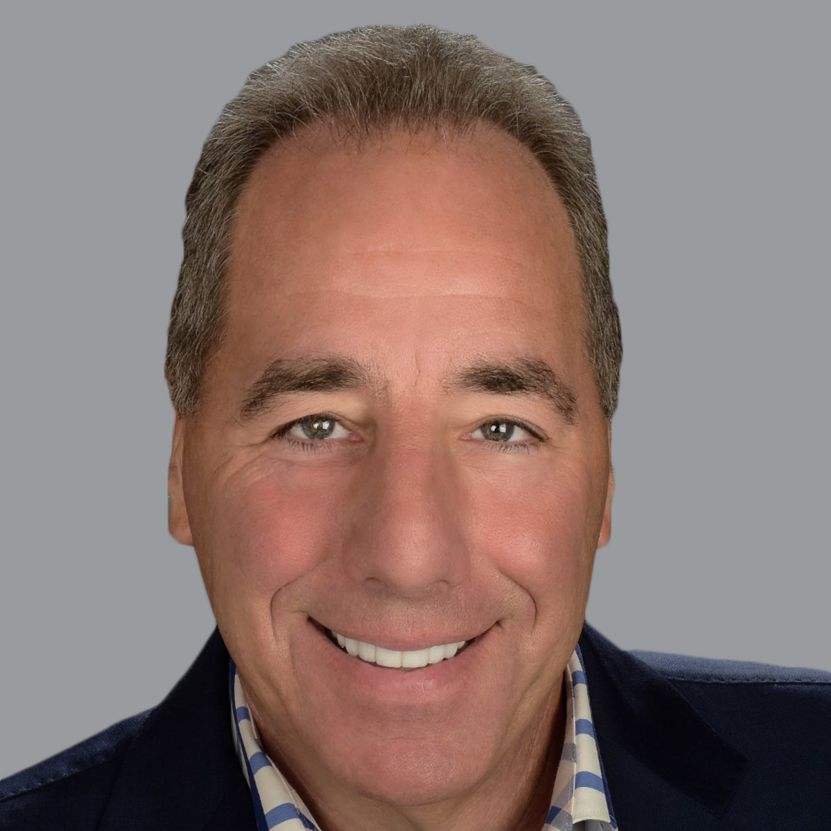
Alan Levitz and the Art of Getting 24 Owners to Agree
Alera Group began with 24 independent firms and a shared wager on working together. Its founding CEO, Alan Levitz, spent eight years turning that wager into a national business before handing over the chief executive’s chair.
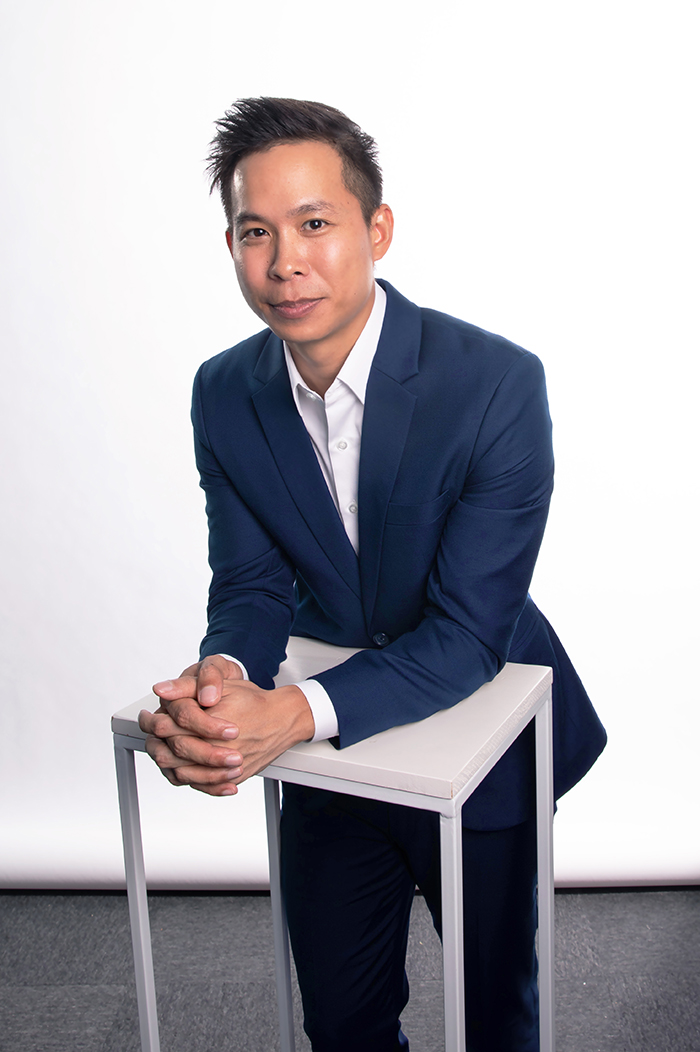
Bryan Koh and the business of changing sides
Before he ran WhiteCoat Global, Bryan Koh worked on other people’s deals. His own story runs through a family partnership, a lawyer’s training and the decision to become the person signing the purchase agreement.

Johnson Zhang and the art of starting again
He founded a company, joined the multinational that bought it, then returned to building his own. At Virtue Diagnostics, Johnson Zhang is putting that experience to work across borders - with local factories and local teams.

Justin Dye and the Business of Showing Up
He helped Albertsons grow from roughly $10 billion to more than $60 billion in sales. Then Justin Dye took his grocery education into private equity, cannabis retail and the less predictable business of starting again.
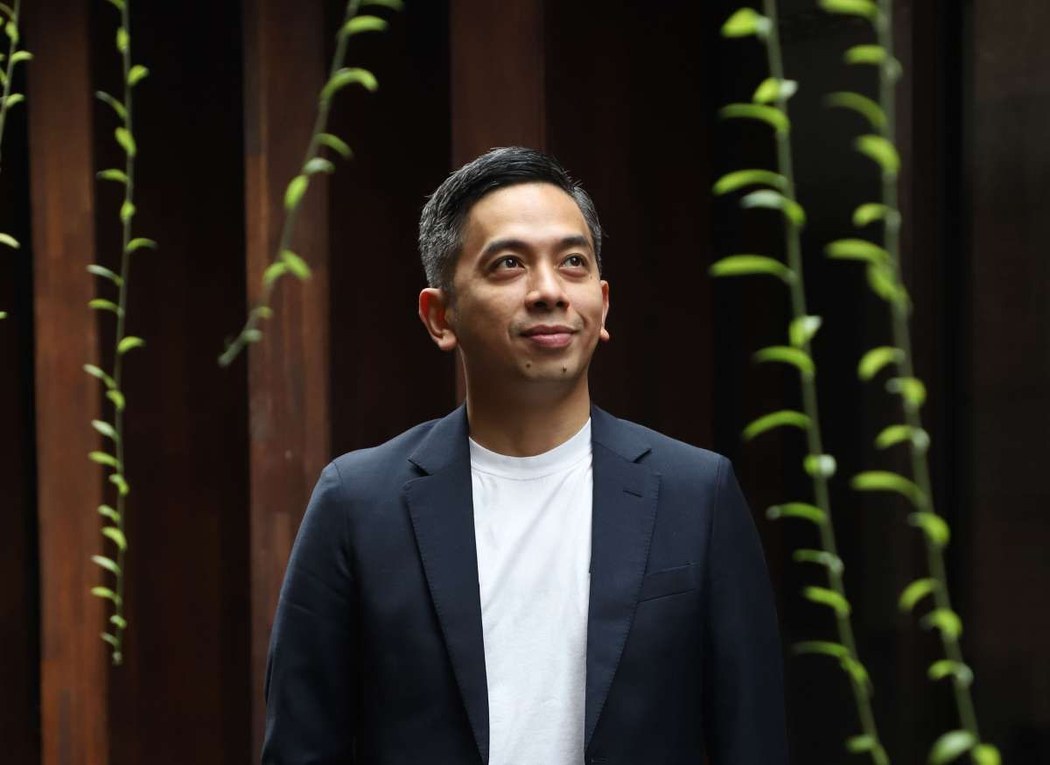
Yudhono Rawis and the art of moving carefully in a market that never sleeps
After years in deal advisory, fintech lending and Tokocrypto, Yudhono Rawis founded FLOQ. His wager is that Indonesia’s digital-asset market will reward the patient work of building trust.
Richard A. Gulliver and the arithmetic of trust
He opened a one-person brokerage in Leamington in 1977. The business Richard A. Gulliver helped build would grow by bringing other owners into the fold, sometimes after decades of knowing them.
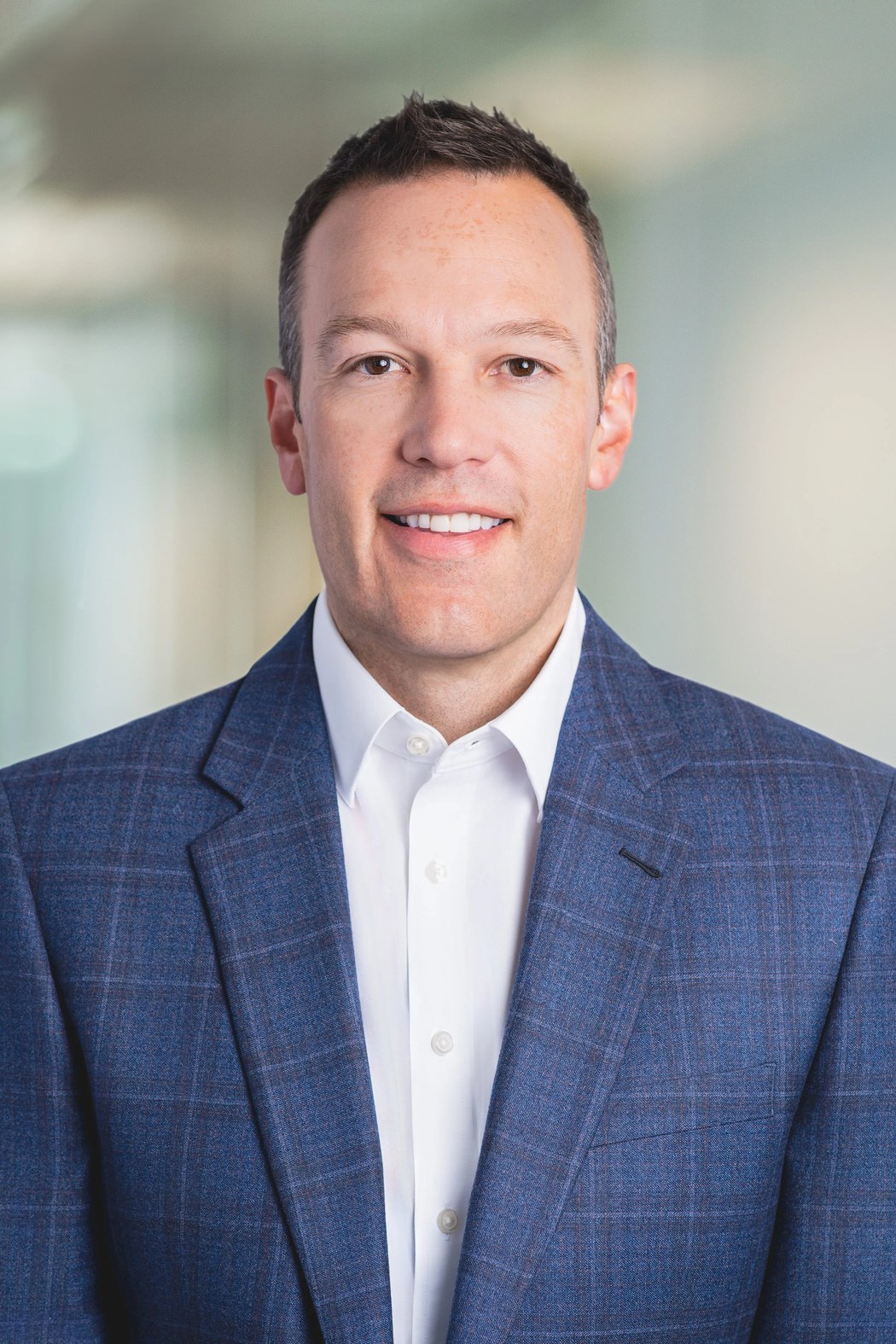
Sequoya Borgman and the deal that got away
He left an accounting partnership with an acquisition lined up. Then the seller changed his mind. Nine years into Borgman Capital, Sequoya Borgman still spends much of his time on the part of a business that never fits neatly into a spreadsheet: its people.

Denis Ferreira and the art of making eighteen companies act as one
At Alares Internet, Denis Ferreira has made integration the centre of a growth strategy. The work runs from company names and computer systems to a more awkward question: when is another broadband customer worth having?
Edward Solomon and the business of getting people to stay
An early acquisition taught Net at Work’s co-founder an expensive lesson: a business can change hands while its people head for the door. Three decades into building with his brother, Eddie Solomon is still working on the human part.
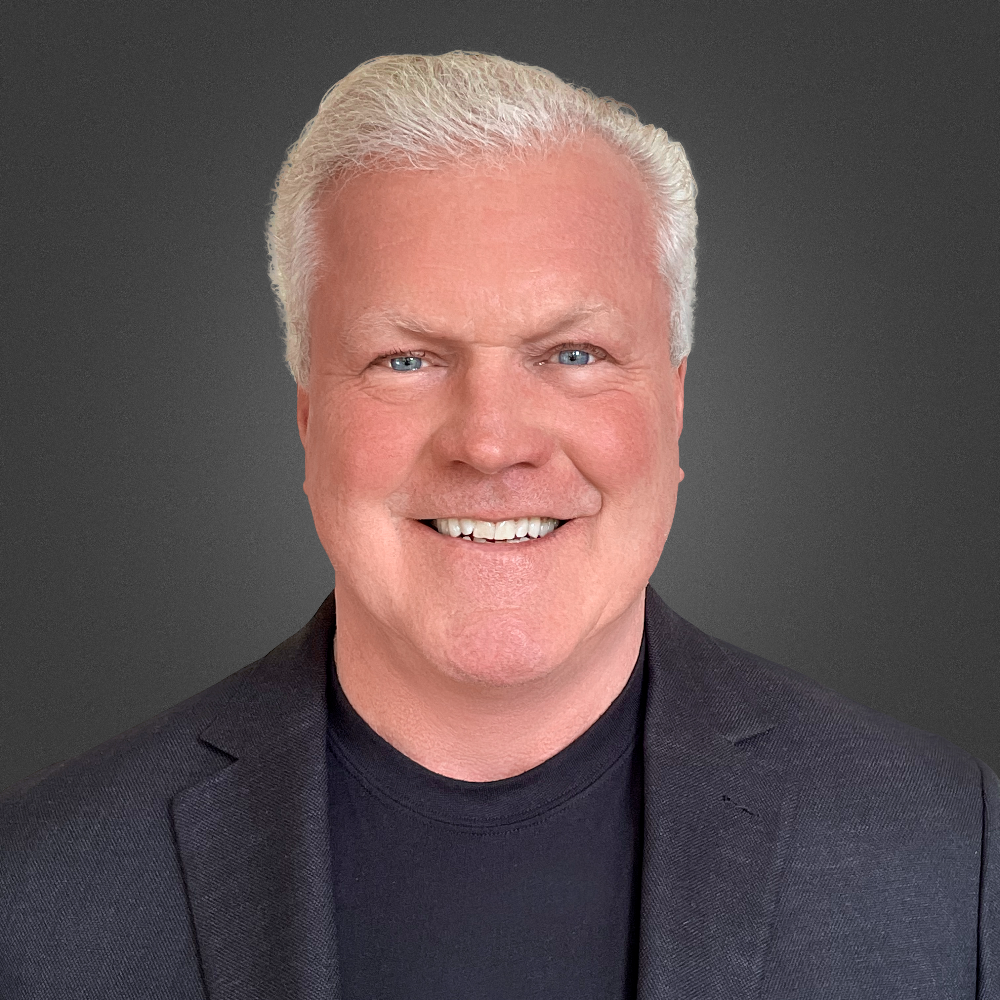
Eric Leaver’s unlikely education in making companies grow
Before PracticeTek, Eric Leaver helped build a consumer brand and trained for Christian ministry. His career keeps returning to a practical question: what makes a business work after the founder leaves the room?
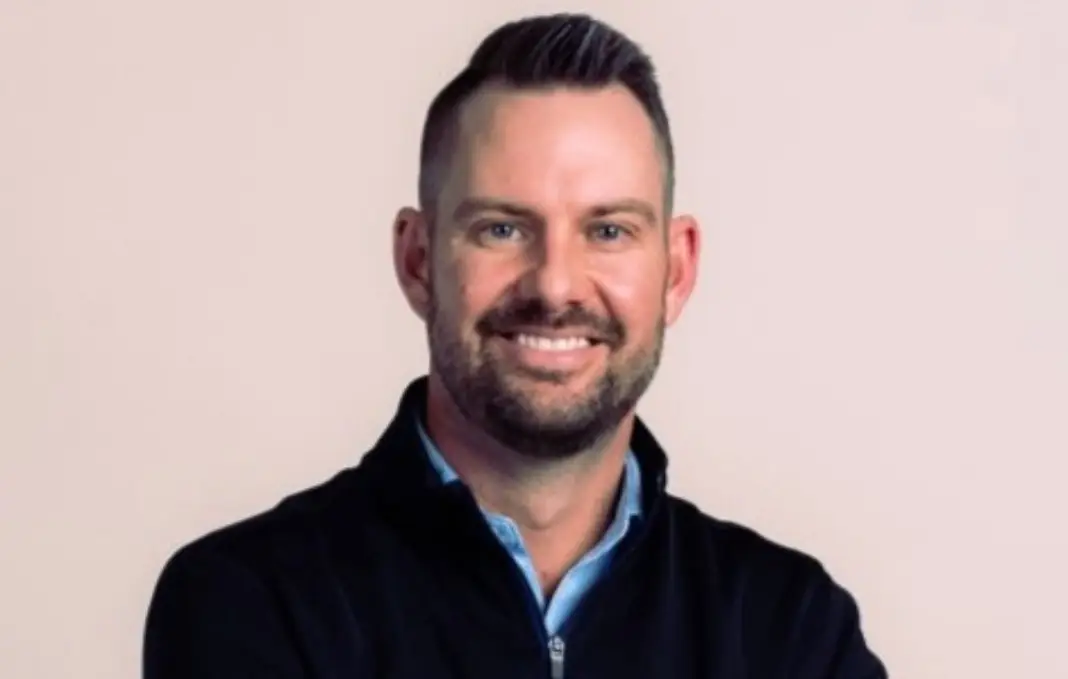
Jeff Mason and the work after the handshake
Before he became CEO of Power Digital, Jeff Mason knew its founder from Xerox. Their reunion became a test of how to grow a business without making its people feel like strangers.
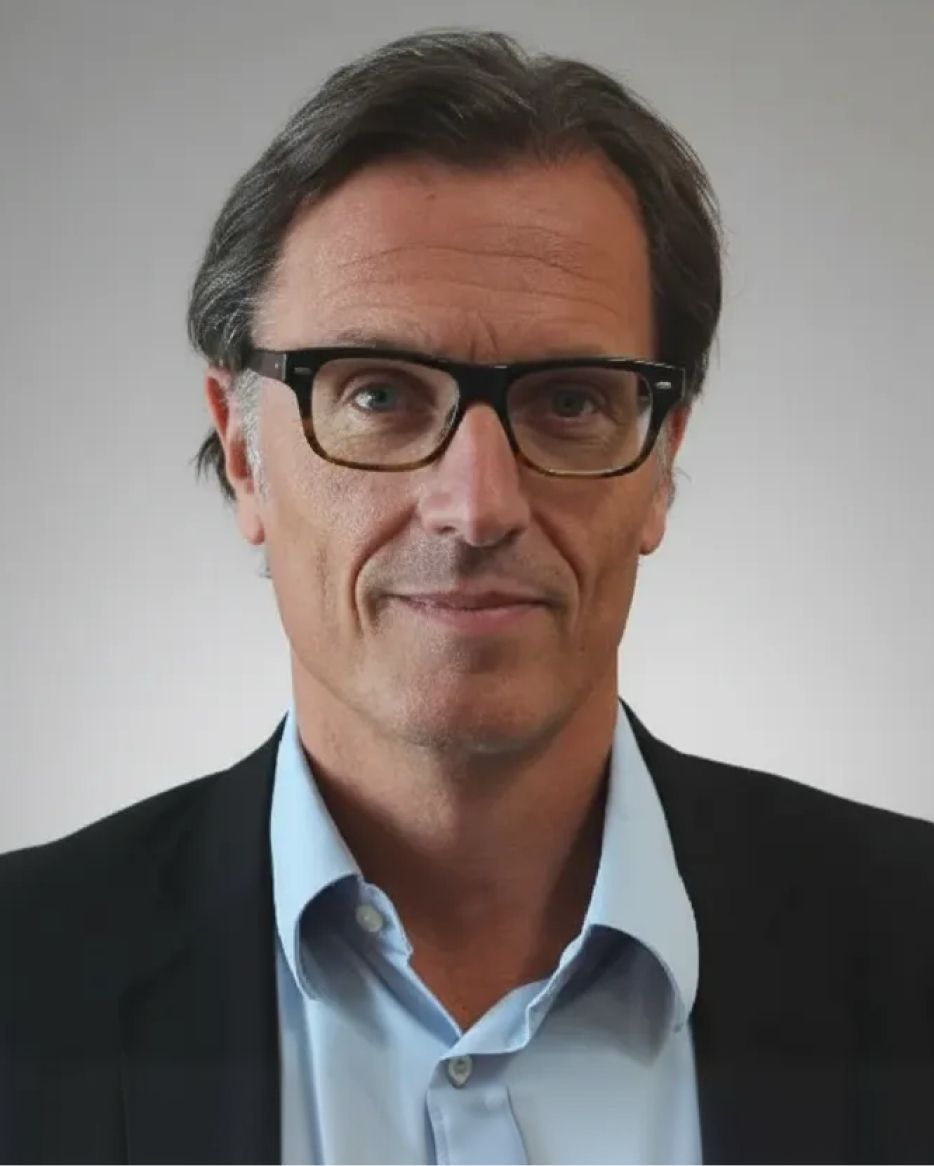
Eric Thord and the art of putting the pieces together
Before he brought an American security business into a French group, Eric Thord learned to buy, rebuild and connect smaller companies. At Hirsch Group, the next challenge is making a growing collection work as one.
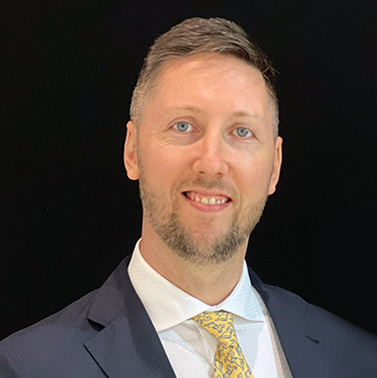
Matthew Liberto and the business of going somewhere
A dart sent him toward the North Pole. Cocoa took him to West Africa. At Napkin, Matthew Liberto is trying to make the next journey easier for other entrepreneurs.
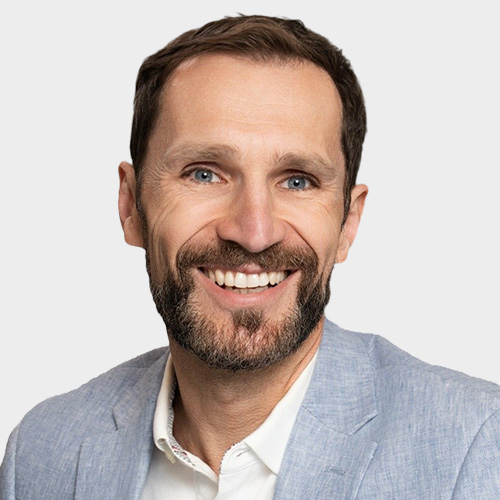
Jed Litwiniuk and the business of knowing whom to call
Before he co-founded Auxilius Pharma, Jed Litwiniuk worked in investment, acquisitions and company management. His next chapter brought together a Columbia classmate, Polish capital and an American business ambition.
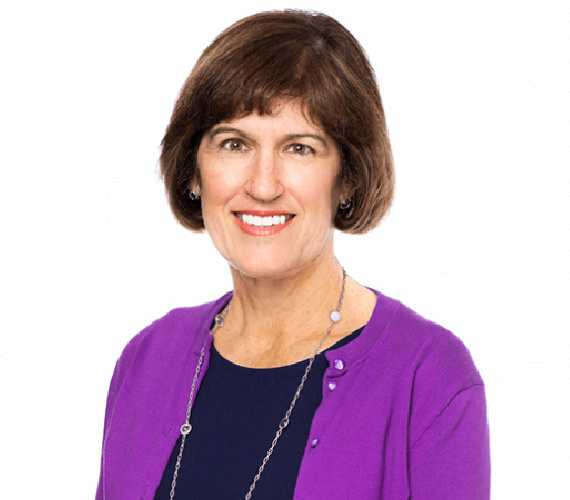
Susan Weaver and the work behind a bigger company
Before Kepro became part of Acentra Health, Susan Weaver helped expand its capabilities through acquisitions. Her career connects the work of running a company with the quieter responsibilities of its boardroom.
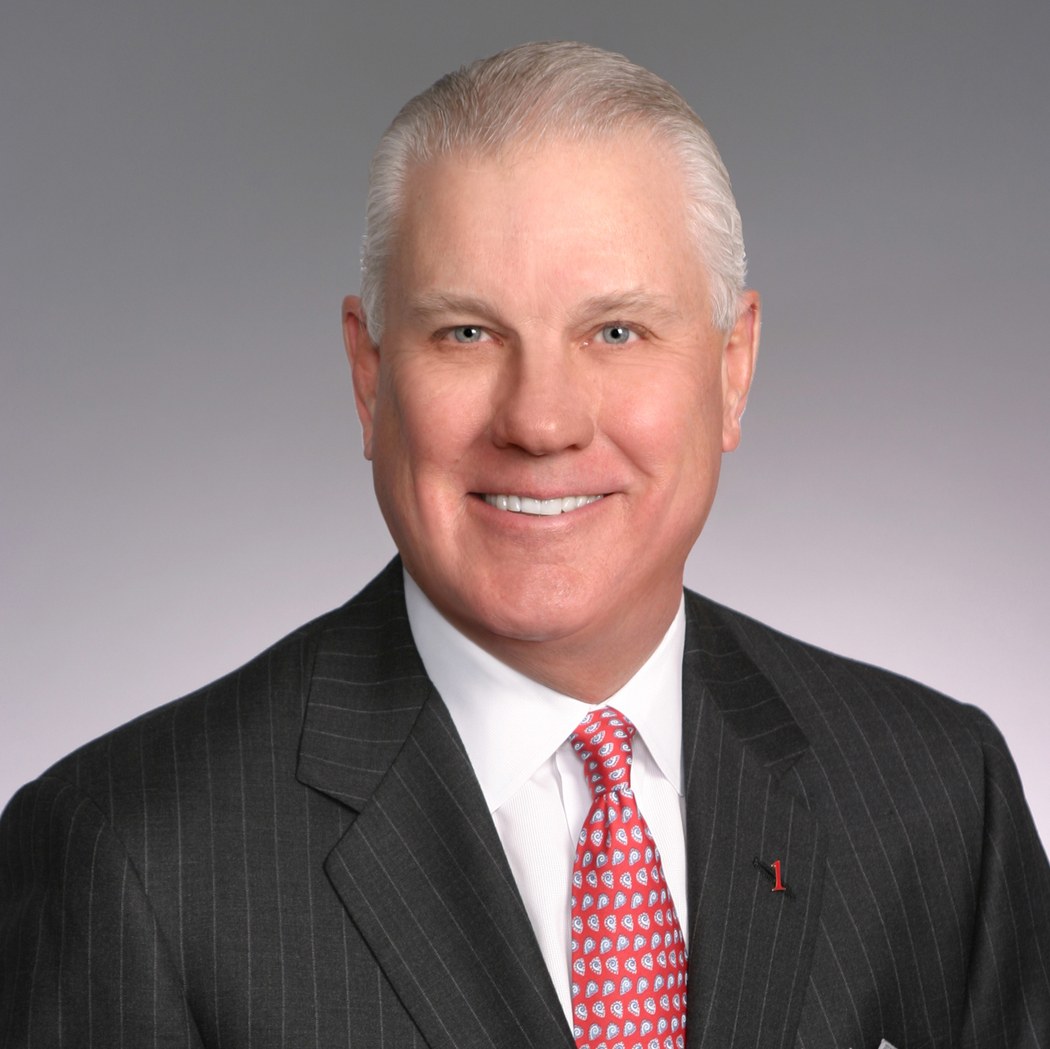
B. B. Hollingsworth Jr. and the art of keeping things local
An accountant helped bring independent dealerships onto Wall Street without handing every decision to headquarters. For Group 1 Automotive co-founder B. B. Hollingsworth Jr., the question was how much to bring together - and how much to leave alone.
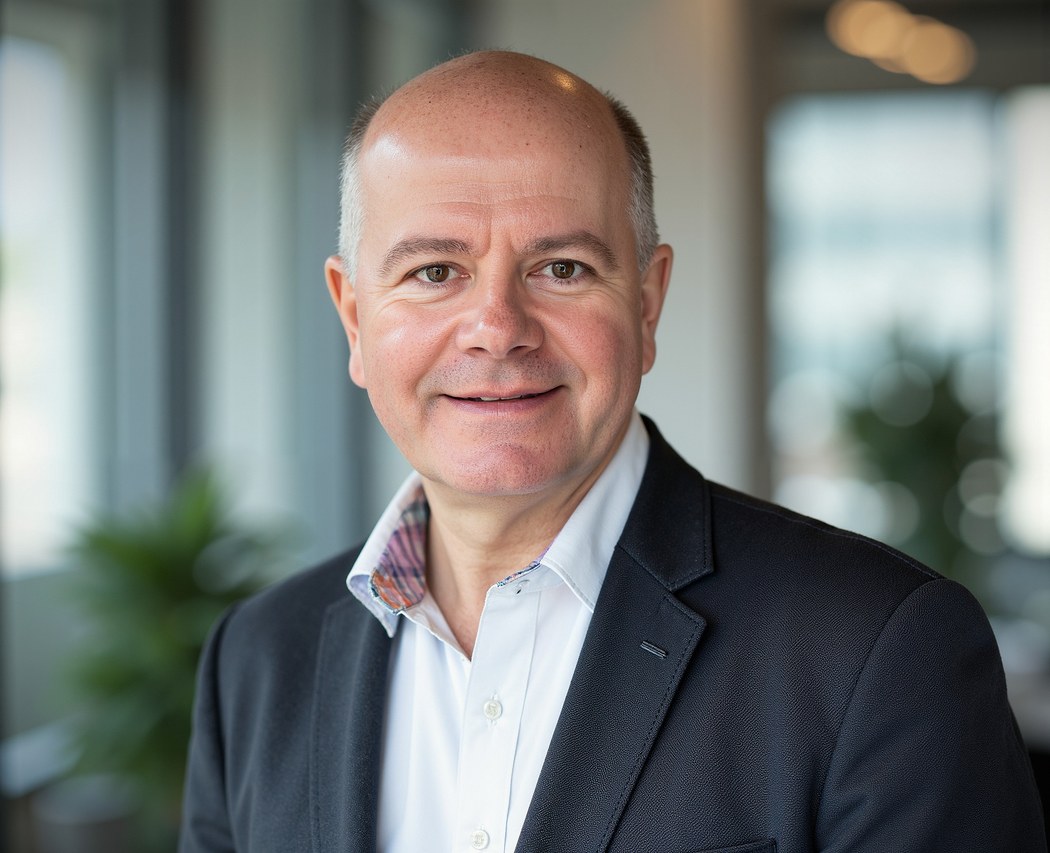
Chris Rasmussen and the business of letting go
He built Doxim by getting close to the work. Growing it meant learning which parts to hand over - and which promises to keep.

Vladimir Lupenko and the business of starting again
Before Impress, Vladimir Lupenko had already built companies and watched one fail. A move to Barcelona in 2019 gave his next venture a new address - and put an old question about sustainable growth back on the table.

Kevin Samuelson and the business of staying useful
Before he helped assemble Infor, Kevin Samuelson taught in Sofia. His route from English literature to enterprise software leads to a practical question: what happens after the sale?
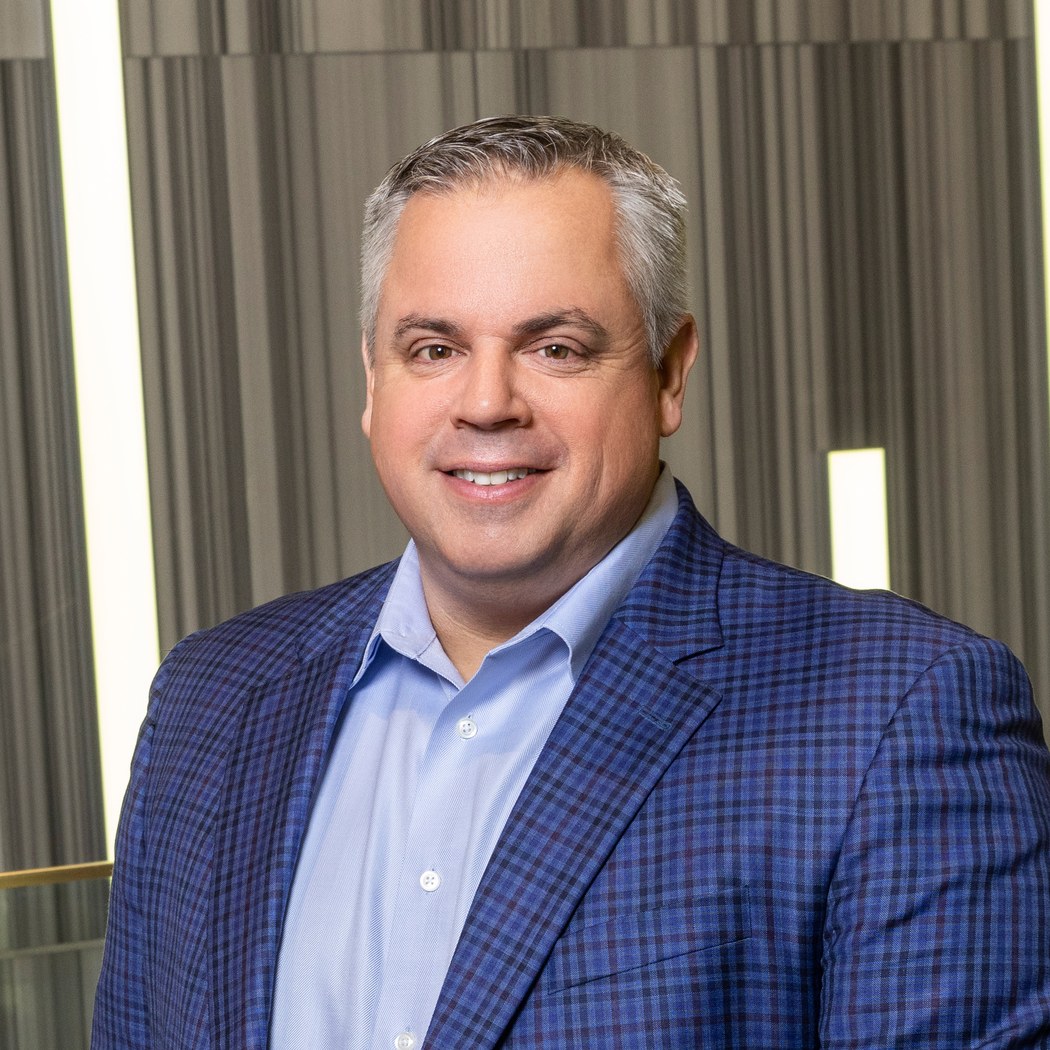
Nick Recker and the business of letting go
He started an IT services business in 2002. Now the Blue Alliance CEO works with founders on a harder question: how to grow beyond the company they built without losing the people who made it work.
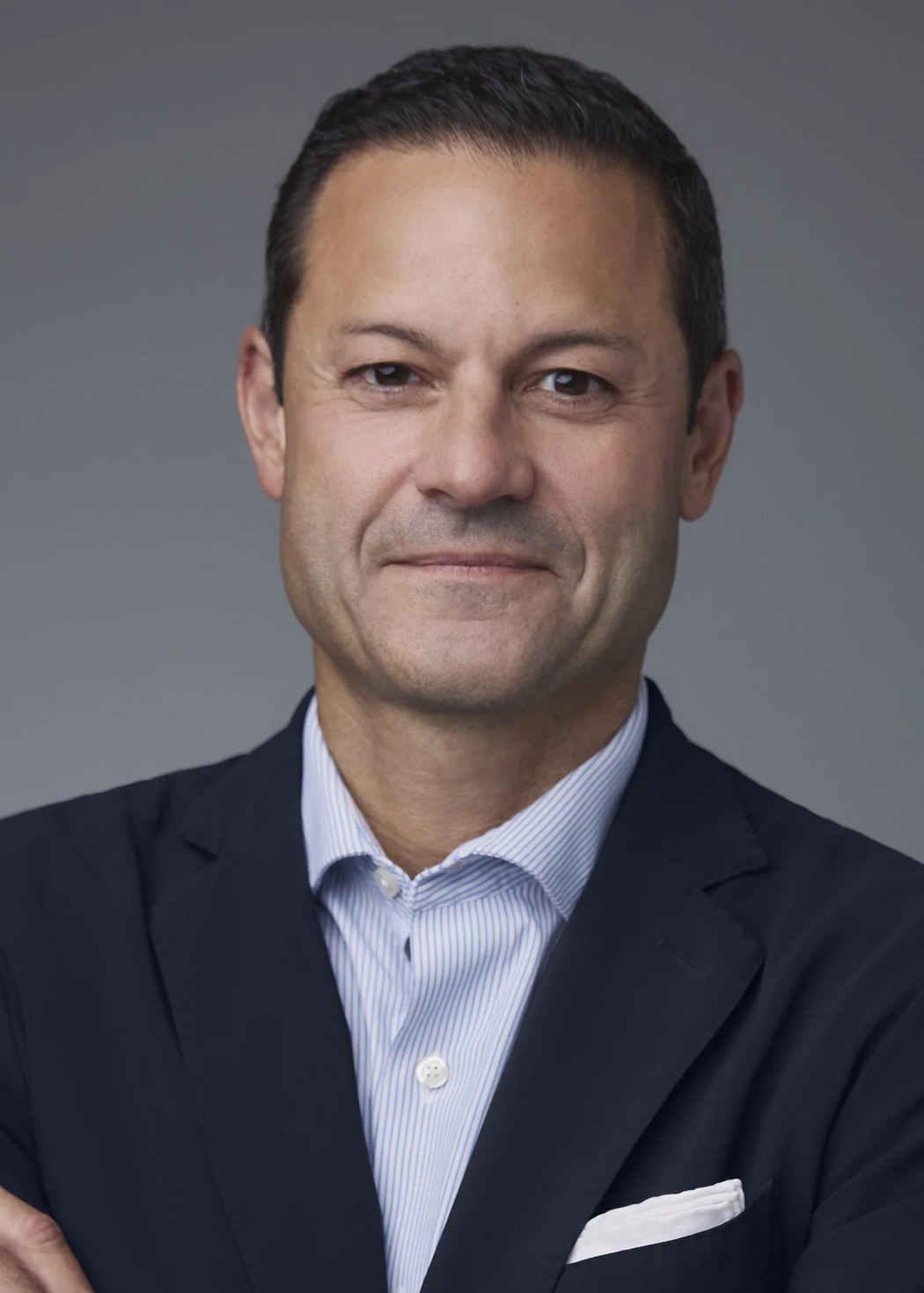
Heath Golden and the art of the next act
A young CEO found a mentor. A lawyer learned to run brands. Now Heath Golden is building partnerships that take familiar names into unfamiliar places, from a Martha Stewart shop in Dubai to a proposed new chapter for Canada’s Roots.
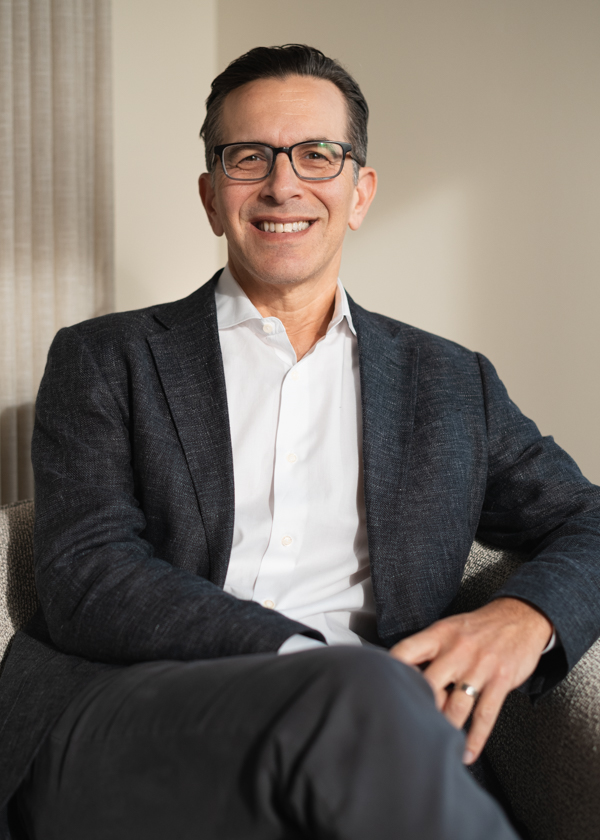
Shawn Lewis and the business of staying
An architecture graduate turned deal lawyer, Shawn Lewis now leads Vancouver’s Tricor Pacific Capital. His work stretches from Wisconsin quarries to an Irish football club, with ownership built around the people already there.
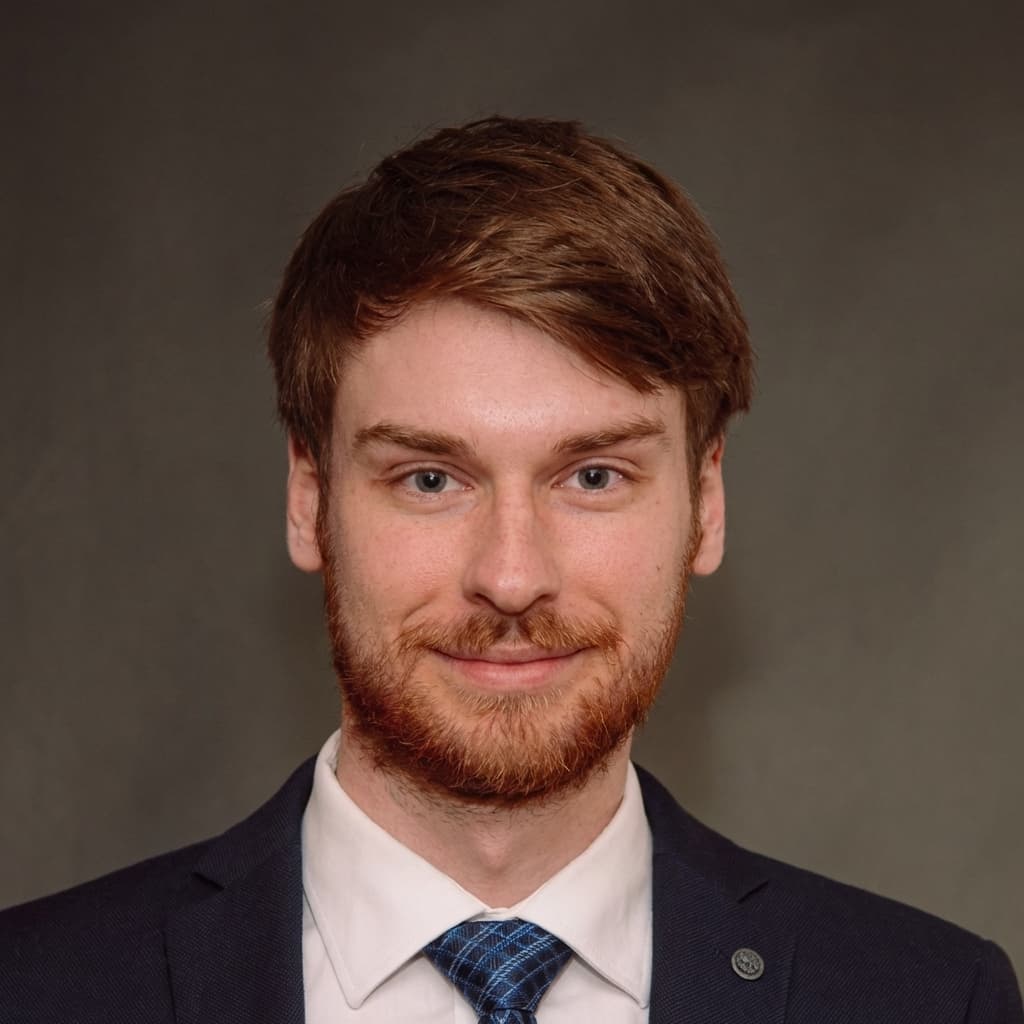
Philip Kaczmarczyk and the business of staying familiar
Philip Kaczmarczyk has built AYCE Capital around a delicate transaction: buying an IT business while preserving the relationships that made it worth buying. His growing network stretches across Canada and the United States.
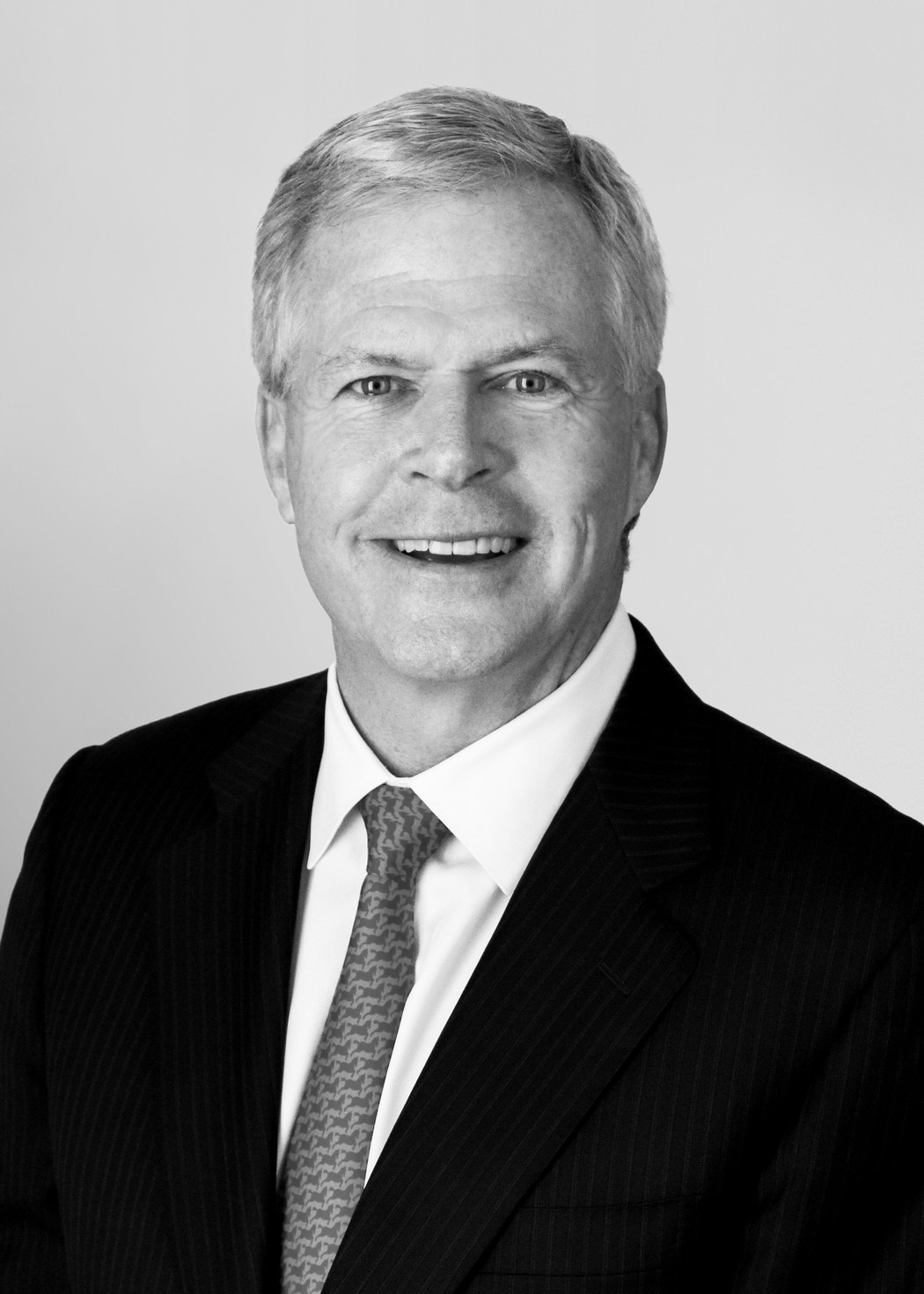
Skip McGee and the size of a banking life
He left a broad banking job to build an energy specialist, one Houston breakfast at a time. Eleven years later, Intrepid’s advisory business has a new home - and his career has another turn.
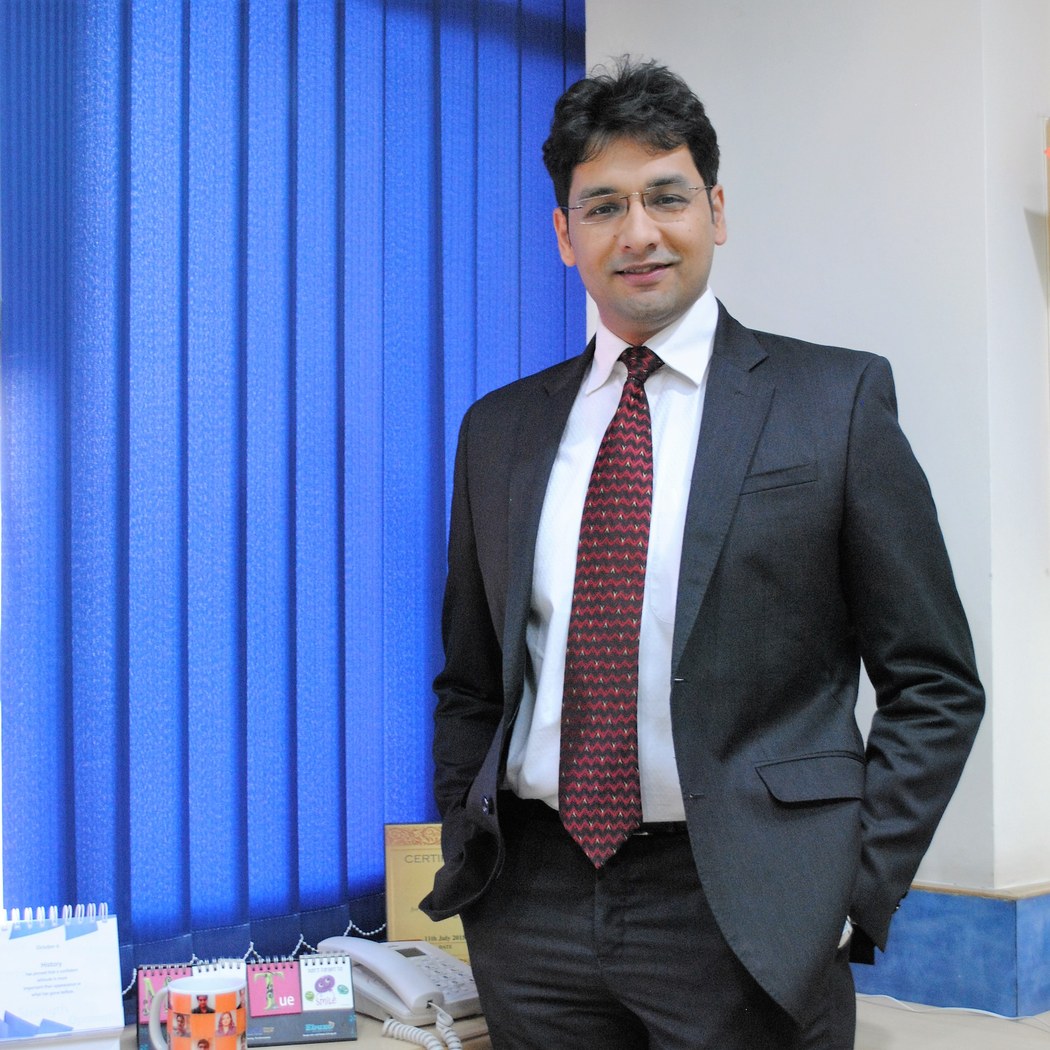
Himanshu Anand and the business of being useful
After engineering, technology and investment banking, Himanshu Anand founded Anplify to help other people execute their deals. His story turns on a practical question: who does the work before the handshake?