marketing-agency
(138)
Directive wants fewer dead-end leads.
The B2B agency built its reputation by asking what happened after the click. Its next bet takes that question into PR, influence, and AI search.
Plan B® finds the buyer before it buys the ad.
A kitchen designer. A supercar dealer. A family choosing care. This Chicago agency builds campaigns around the people who can actually move a decision.

KERN and the art of the next conversation
A welcome email. A first bill. A reason to stay. KERN built a business around the moments that turn a sale into a customer relationship.
829 Studios finds growth between the clicks
An ad is only as useful as what happens next. The Boston agency connects campaigns, websites, and data - then looks for the gaps where customers disappear.
Abstrakt Marketing Group sells the meeting before the sale
A commercial painter needed more doors to open. Abstrakt started with the size of the building - and built a business around doing the prospecting other companies keep putting off.
Catalyst Marketing Agency: Think big. Staff small.
A wine club, a cannabis ingredient maker and a financial-data startup share an awkward problem: they need more marketing skills than they can sensibly hire. Catalyst sells a way to keep the team small and the work connected.
GALE makes the data worth opening
A burrito order can become a story. GALE has built a business around connecting customer intelligence, creative work, and the next purchase.

Your next six months of content already exist.
The Content 10x Podcast teaches a deceptively practical idea: give good work a longer life. Behind the microphone, Amy Woods runs an agency that turns recordings into a publishing plan.

Top Page Rankers and the price of being found
Top Page Rankers sells businesses a route into search results. Its public record offers a more interesting lesson: buying visibility begins with agreeing on what a result actually means.
The Agency That Put Nine Specialists on One Leash
Pavone Group's bet is that a holding company can behave like a neighborhood agency: nine specialist shops, one shared bench, and a bulldog that doubles as an operating philosophy.
The 1,500-Dealer Problem
Strategic America built its reputation in the awkward space between headquarters and the local dealer. The trick was not making one great ad. It was making 1,500 local choices feel like one brand.
The Thirty-Year Overnight Success of PRISM Marketing
Michelle Adams built a Columbus agency one cold call at a time. Thirty years later, its best work still begins with the unfashionable question most marketers skip: what problem are we actually solving?
WH inc. and the Strange Business of Being Liked
The Seattle agency has survived since 1969 by betting on a neglected part of marketing: the long, untidy stretch in which a customer decides whether a brand deserves to be chosen again.
The Ad Agency Built Like a Shopping List
Bastion did not grow by pretending one kind of creative person could do everything. It bought the missing pieces, kept the specialists close, and turned an ex-footballer's fascination with agency structure into a 400-plus-person independent network.
Bravo Group Found the Voters Who Stopped Picking Up the Phone
The Harrisburg firm began with a political operative's instinct: every hard business problem contains a campaign. Then the phone stopped working - and Bravo built its own way to listen.

Walker Sands Learned That Attention Is Only Half the Job
The Chicago agency spent 25 years moving from press mentions toward the harder machinery of growth. Its bet is simple: reputation, demand and revenue should run on the same plan.
The Agency That Keeps Buying New Ingredients
Adcom has survived 36 years of agency churn by treating its own capabilities like a work in progress - adding analytics, production, merchandising and AI without giving up its Cleveland address or independent streak.

The Advertising Agency That Learned When to Stop Advertising
LT has spent six decades selling attention. Its more useful talent is knowing when another ad, another click, or another line of code will not help.

The Most Expensive Part of Marketing Is the Handoff
A Pittsburgh agency has spent nearly four decades making a quiet bet: the fewer times an idea changes hands, the better chance it has of changing minds.
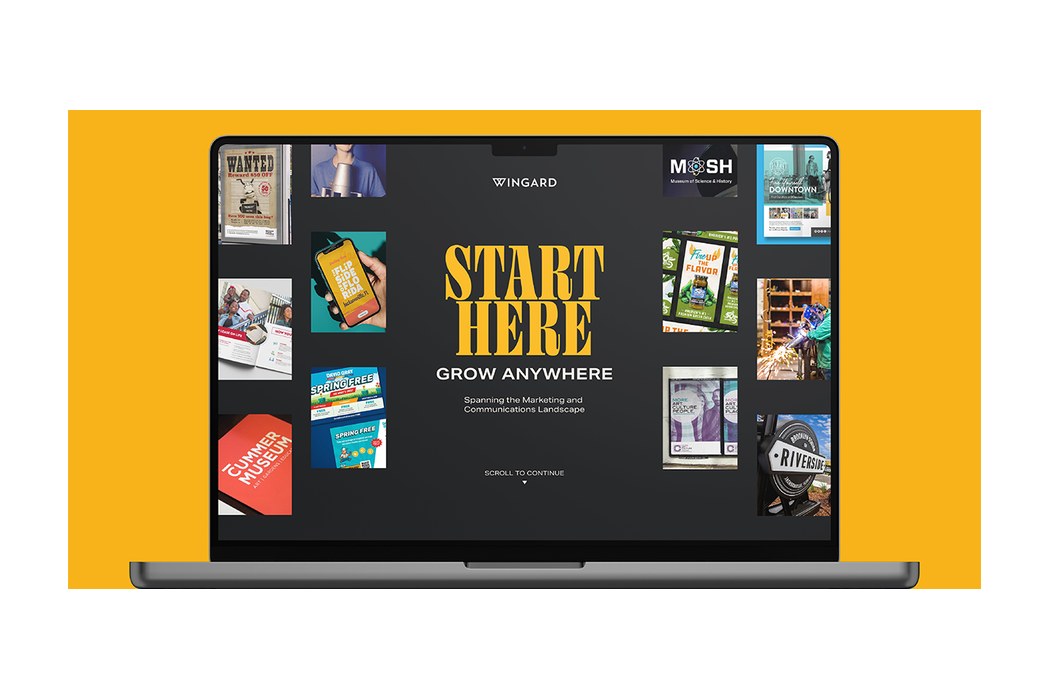
The Agency That Made Jacksonville Its Operating System
Wingard began as one designer answering calls in a recession. Its durable advantage turned out to be less glamorous and more useful: knowing one city well enough to make the city see itself differently.
The Agency That Learned to Stop Buying More
Most agencies ask how much attention a budget can buy. Little Rock's mhp.si asks a more awkward question: how much of that attention had any chance of becoming business?
The Advertising Agency That Went for a Walk
A 1957 agency changed owners, changed its name, and picked a fight with advertising's oldest false choice: build the brand or make the sale.
The Agency That Put Family First - and Became Southwest Florida’s Marketing Department
Priority Marketing began at a dining-room table with a constraint disguised as a name. Thirty-four years later, that constraint has produced a 65-plus-person agency, millions in donated work, and a simple lesson: creative work gets sharper when somebody keeps score.
The Agency That Made a Verb Out of Its Name
See Spark Go began with a belief that stories could move a business. Nearly two decades later, the Athens agency has turned that belief into a measurable operating system.
The Bank Ad With an Otter in Its Pocket
Crawford helped a regional bank sell checking accounts with sea otters, rebuilt trust around a zinc plant, and made a county name into a verb. The method begins where founder Marion Crawford began: in a newsroom, looking for the fact people will repeat.
The Video Shop That Kept Learning New Tricks
JPL started with video cameras in Harrisburg. Thirty-seven years later, it sells a more useful skill: knowing when the story needs a website, a stage, a search strategy - or all three at once.
The Agency That Got Bigger by Saying No
Fox Agency spent its first decade learning the agency trade. Then it chose a narrower game - global B2B technology - and discovered that saying no could travel surprisingly far.
The Campaign Never Ends - Precision Learned to Live Inside It
The Obama veterans who turned campaign urgency into a corporate service are making a more surprising bet: that the future of persuasion is bipartisan, measurable, and always on.

The Agency That Put a Spreadsheet Behind the Story
Roar Media began with a simple marriage: old-school press instincts and digital measurement. Eighteen years later, its most interesting work still happens where a headline meets a dashboard.
Elevation Marketing Built a Machine for the Long B2B Wait
The Arizona agency survived an ugly handoff, spent years turning its own website into a sales engine, and learned that enterprise marketing is mostly the art of staying coherent while everyone waits.