location-intelligence
(44)
Esri UK puts the map to work
A sewer maintenance programme reported £1 million in savings. Heathrow is connecting information on half a million assets. Esri UK’s business begins where the pretty map ends.

GBG wants to let the right people in
The British identity specialist grew by buying the machinery of digital trust. Now it must make those pieces work together - while a fresh setback in America tests its recovery.
Kalibrate knows the corner. And the price at the pump.
Where should the next store go, and what should it charge? Kalibrate has built a business around those expensive questions - with retail forecasts, fuel pricing software and a growing debate over algorithmic power.

Restrata Wants the Headcount Before the Headlines
A crisis is a bad time to discover that HR, travel and security have three different versions of where everyone is. Restrata is building a business around getting them to agree before the alarm sounds.

Kate Wood Wants to Make the Map Speak Human
The Dataplor CMO has spent her career translating technical systems into language people can use. Her other practice, executive coaching, explains why she pays as much attention to the humans doing the work as to the story being sold.

Infillion Bought Ad Tech’s Wreckage. Now It Wants to Be the Operating System for Every Ad.
A social-good startup became an ad company, survived Disney, bought MediaMath out of bankruptcy for $22 million and rebuilt nine pieces of ad tech into one modular machine. With Catalina now inside, Infillion is trying to connect the ad you saw to the cereal you actually bought.

The $1,100 Map Shop That Became the Operating System for Where
Esri began as a tiny land-use consultancy. Fifty-seven years later, its software helps cities find buried valves, retailers choose corners, and emergency teams see trouble before it spreads - while a difficult desktop transition tests the loyalty of the mapmakers who built their careers on it.

INRIX Bet the Road Would Become a Sensor - Now It Sells the Traffic Jam
After 70 investor rejections, INRIX replaced helicopters and roadside loops with a moving network of vehicles. Twenty years later, its harder job is turning a 50-petabyte data lake into answers cities, carmakers and logistics teams will actually pay for.

Marianna Kantor Is Making the Case That Every Business Problem Has a Geography
The Esri CMO has spent a career translating technical systems into business language. Her current argument is disarmingly simple: AI can know what, but decisions still happen somewhere.

Lukas Martinelli Is Teaching AI to Read the World Between the Pins
From a Swiss apprenticeship and open-source map tools to Mapbox and Reprompt, Martinelli has spent his career turning messy places into usable data. Now he is betting that AI agents can keep the physical world current, one storefront, entrance, and stubborn edge case at a time.
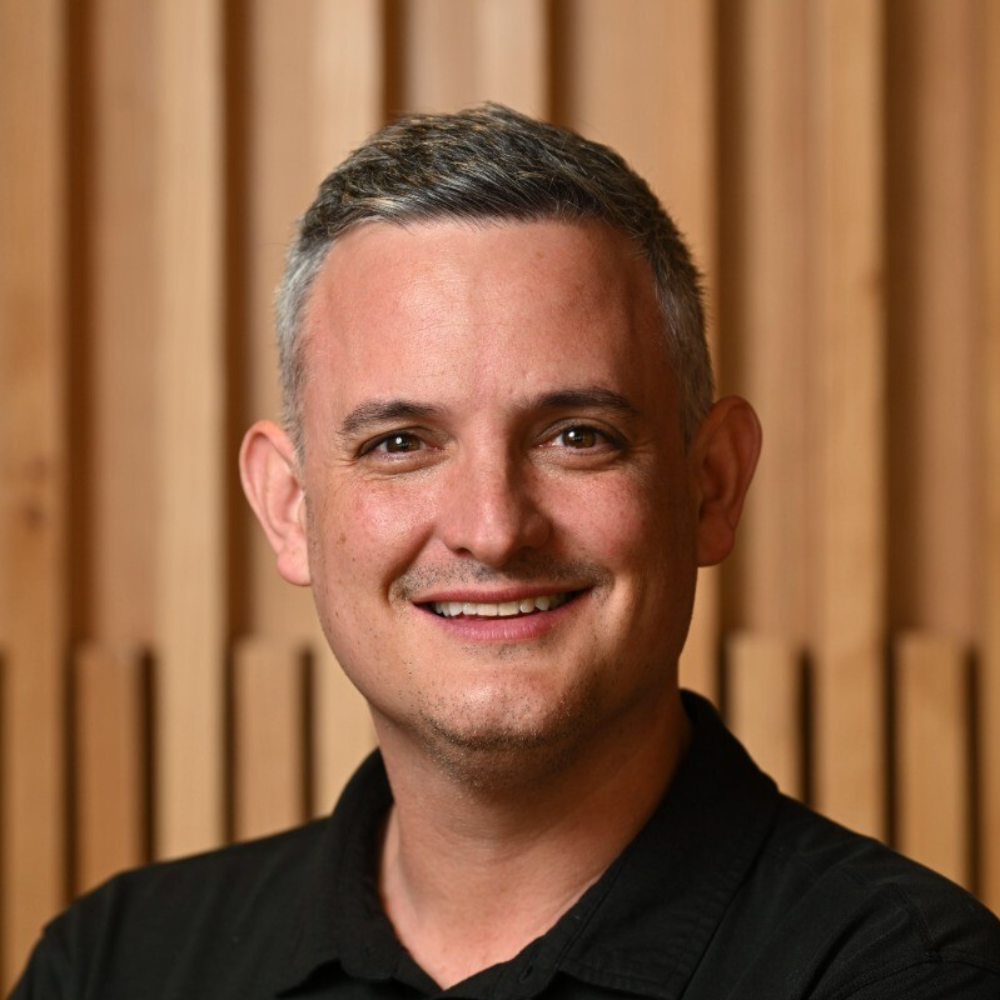
Geoff Michener Built a Business From the Places the Internet Forgot
He went looking for a cleaner database and found an untidy world. Dataplor's founder turned that mess into a global location-intelligence company by pairing machines with people who still bother to check.

Andrea Calcagno Put the Store Floor Online - Then Made WiFi Think
A Calabrian engineer followed a stubborn question from Turin to Pisa to New York: what if WiFi could do more than connect? Two decades later, Andrea Calcagno is still rebuilding the answer.

Dave Drazen Put the Internet on the Map
For 25 years, the GeoTel founder has turned buried fiber, rooftop towers and lit buildings into something decision-makers can actually see - and use.

Ben Edmond Put the Telecom Industry’s Spreadsheets on Notice
At 41, with two sons and a comfortable telecom career, Ben Edmond traded a salary for a stubborn idea: the internet’s commercial plumbing should run on location truth, not emailed spreadsheets. A decade later, Connectbase is still pursuing the same thesis - only the map has become much larger.

VertiGIS Turned the Map Into a Workbench - Now 5,300 Organizations Run Real-World Operations on It
Most maps tell you where something is. VertiGIS wants the map to assign the repair, validate the parcel, update the network, and tell the office what happened next.
Safe Software Built a $100 Million Business Translating the Data Nobody Else Wanted to Touch
FME began as a translator for stubborn map files. Three decades later, Safe Software is betting that the same obsession with interoperability can make enterprise data - and the AI consuming it - behave.
Dataplor Turned Dirty Maps Into a Global Data Business - Now 370 Million Places Can Answer Back
Geoff Michener began with people checking small businesses in Mexico. A decade later, Dataplor sells global place and foot-traffic intelligence - and its most useful lesson is the pivot from custom fieldwork to a data subscription that gets more valuable every time the real world changes.

Connectbase Wants to Turn Telecom's Spreadsheet Swamp Into One Click
The fiber business still runs on stale building lists, email chains and quotes that arrive after the buyer has moved on. Connectbase is betting that location truth, shared APIs and a two-sided network can turn that administrative drag into software - but only if the industry's data and partners show up.

The Company That Turned America's Hidden Fiber Into a Map You Can Actually Read
For more than 20 years, a small Florida team has been quietly answering one expensive question for the telecom industry: where is the fiber, and who owns it?

Cloud4Wi Found a Business Hiding Inside the Guest WiFi Login
The unglamorous captive portal became a wedge into customer data, automated access and AI-assisted network operations. Cloud4Wi's playbook is less about replacing routers than making the ones already in the ceiling earn their keep.
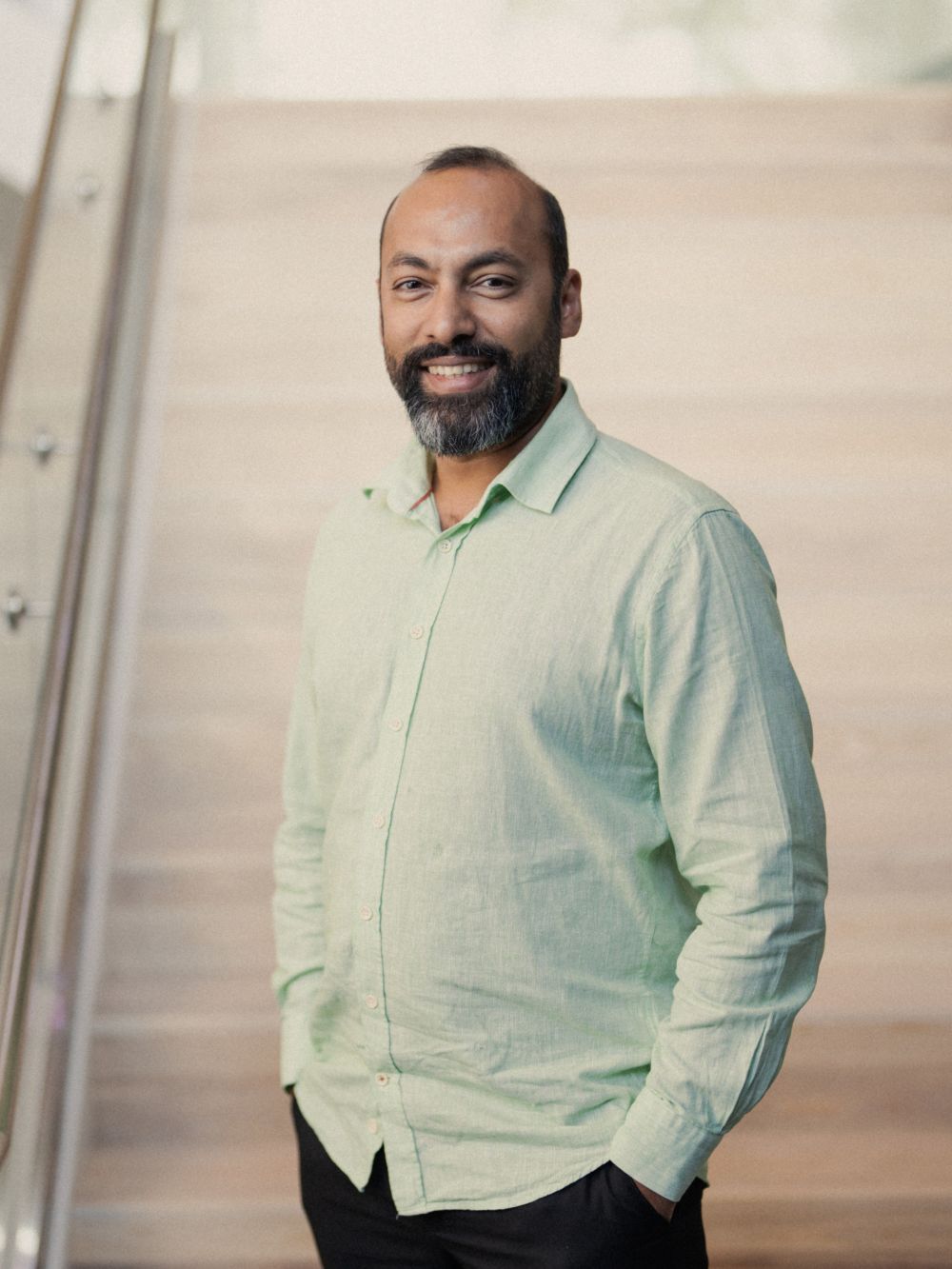
Kashyap Deorah Chose the Flight - Then Built a Career Around the Bet
A missed campus interview became a first bet on entrepreneurship. Four companies, three exits and one difficult rebuild later, Kashyap Deorah is still turning the hidden friction between people and systems into software.

InMarket Wants to Measure What Happens After the Ad
The Austin marketing platform follows advertising beyond the click - into stores, shopping baskets and sales reports. Its bet is that marketers will pay for evidence of outcomes, not another dashboard of impressions.
Precisely
The 1968 mainframe sorting company you have never heard of quietly became the plumbing behind 95 of the Fortune 100's data - and it is now betting the house on making that data safe for AI agents to act on.

Vlad Baskakov
Vlad Baskakov is the co-founder and CEO of VOYGR (YC W26), a San Francisco startup building real-world place intelligence for AI apps and agents. He spent years on Google Maps leading product strategy and go-to-market for places and local advertising, and worked in ridesharing and travel at Gett and OYO before that. A McKinsey alum with a Harvard MBA, he is now betting that AI agents need a maps API that knows not just that a restaurant is 'open till 10,' but whether the chef left and the locals moved on.
Reprompt
Reprompt builds AI agents for location data. Mapping companies like Foursquare, TomTom, and Radar use its agents to keep points-of-interest and business records current - verifying hours, status, ownership, and dozens of other attributes by cross-referencing web, social, government, and news sources. Founded in 2024 by ex-Mapbox and ex-Robinhood operators, the company turns work that once took weeks of manual research into runs that finish in under an hour.

VOYGR
VOYGR is a place-intelligence API that validates whether real-world businesses are actually operating and enriches their records with fresh web context - news, articles, hours, prices and events. Built by ex-Google Maps, Apple and Meta engineers, it is designed to give AI apps and agents map data they can trust, going beyond the 10-15 static attributes offered by traditional mapping APIs.
Quant Data & Analytics
Quant Data & Analytics is a Riyadh-based data science, AI and business-intelligence company that turns raw data into decisions for Saudi businesses and government. Founded in 2015, it pairs consulting with proprietary SaaS products - Suhail for real estate and location intelligence and Fruits360 for food-and-beverage analytics - and has analyzed more than a trillion data records across real estate and restaurant sectors. With around 160 employees and Series A backing, Quant positions itself as an engine for the data-driven decisions behind Saudi Vision 2030.

W-Locate Pte Ltd
W-Locate is a Singapore-based location technology company that blends machine-to-machine (M2M) telematics, big data, cloud computing and location intelligence. Its two flagship platforms - FIND (Fleet Intelligent Dynamics), a cloud fleet-management system, and XimLoc, a patent-pending SIM-based positioning technology that locates any SIM device indoors or outdoors without relying solely on GPS - serve enterprises, mobile operators and governments across Asia. Founded in 2010 by Stevie Ooi, the company has raised roughly US$2M+ from TNF Ventures and RHB-OSK, and works with partners such as Tata Communications to deliver location services for construction, logistics, waste management and smart-city use cases.

Adsquare
Adsquare is a Berlin-based location intelligence company that turns real-world movement and behaviour into audience data marketers can use to plan, target, optimize and measure advertising campaigns. Founded in 2012, its mobile-first data exchange connects location, app-usage, demographic and offline signals to leading DSPs, SSPs and CDPs, powering geocontextual, proximity and audience targeting across mobile, online and digital out-of-home (DOOH). The platform is built privacy-first around consent-based signals and serves thousands of advertisers and dozens of platform partners across Europe, North America and Asia-Pacific.

Nrby, Inc.
Nrby is a New Hampshire-based AI software company that turns raw network telemetry and location data into proactive action for broadband and telecom operators. Its platform - built around SmartPins, VisionAI, and the Link AI framework - shifts network operations from reactive repair to predictive prevention, guiding field technicians to the exact location of a fault and validating that work is done right the first time. Founded in 2015 by telecom veteran Kurt Dobbins, Nrby serves Tier One wireless, fiber, and broadband providers across North and South America.