legal-tech
(74)
Cristina Rossman Built a Marketing Career With an Engineer’s Blueprint
Across 24 years at Morningstar and Relativity, Cristina Rossman made a specialty of translating complicated products into ideas people could trust - while learning to tell a more complicated story about herself.

Tom Furr Quit School at 16. Then He Stopped Apologizing for Being a Brand Marketer.
The DISCO CMO built a career by making complicated technology easier to notice. His more useful trick was learning that a specialist point of view could open doors once he quit trying to disguise it.

Nate Skinner Learned Marketing by Standing Where the Customer Stands
He started in a software lead queue, spent a decade selling and demonstrating products, then crossed into marketing with a healthy suspicion of marketers. Twenty-five years later, that field education shaped a career built around customer language, clear decisions, and one ambitious corporate reinvention.

Devinder Jeet Singh Spent a Decade Making Contracts Interesting
He joined Sirion when contract software meant forms and workflows. Ten years, two continents and one 1,200-registration webinar later, he is its CMO - selling the idea that the fine print can become working business intelligence.

Dan Azeroual Saw a Business Hiding Under New York’s Windshield Wipers
A friend had too many parking tickets. Azeroual supplied the app idea, found the missing operator and helped turn a curbside nuisance into a legal-tech company.

Mary Williams Left Legal AI for a Software Mission Close to Home
After marketing law, creators, performance and AI, the Minnesota operator chose Valant for a reason that arrived through her own family. Her career is a study in making complicated products legible - and then building the team to sell them.

Trish Stromberg Builds the Revenue Engine Before She Polishes the Hood
A chance job listing pulled her into workforce software. Nearly three decades later, Trish Stromberg is still turning market insight into positioning, pipeline and teams that can carry the weight of growth.

Rachel Bryant Is Betting Legal Tech’s Marketing Budget on the Product
After 25 years in B2B software, a four-and-a-half-year consulting chapter and 30 podcast episodes, Actionstep’s new marketing leader has a plain-spoken thesis: trust is earned in the product, not rented from a celebrity.

Leslie Olsen Learned Leadership Before She Learned the Language
Before the C-suite came a mountain, a self-made semester in Paris, and a ski-town promotion she did not expect. Those early choices still explain how Ontra's chief marketing officer thinks about customers, teams, and the discipline of staying focused.

Biju Muduli Spent Two Decades Learning What Makes Enterprise Buyers Move
Her route from electrical engineering to the C-suite runs through CRM systems, global demand engines, cybersecurity and now agentic contract software. The connecting idea is simple: make complicated technology legible, measurable and useful.

Alon Waks Wants B2B Marketing to Stop Chasing Sardines
SpotDraft's CMO has spent two decades stripping the theater out of enterprise marketing. His prescription is unfashionably practical: choose the buyer, reduce the noise, earn trust, and measure what comes back.

Karen Dixon Has Spent Two Decades Selling the Work Behind the Work
Before practice software could promise less paperwork, someone had to make the promise legible. Karen Dixon built a career translating complicated tools into reasons to care - first in legal services, then across the small-business web, and now back in legal tech.

Alecha Stackle Built a Marketing Career by Following the Signal
The NetDocuments CMO began in sales, learned marketing from an overflowing mailbox, and now leads with a rule the industry could use more often: clarity over cuteness.

Ed Breault Runs on Data - and Keeps Finding the Human in the Machine
He began by modeling nuclear-plant data, learned marketing through transformation work, and spent 16 years helping Aprimo change shape. At Malbek, the Pittsburgh-based CMO is applying the same patient systems thinking to contracts, AI agents, and the people behind both.

Hans Ringger Kept Following the Question Behind the Job
Before Filevine, there was a Slovak vocabulary, a pile of untidy data and a downtown Los Angeles math classroom. Hans Ringger's route into legal technology is really a story about learning to ask better questions.

Michael Ciancio Is Marketing the Evidence, Not the Adjectives
After years translating enterprise software into plain English, the New Jersey executive has arrived in legal tech with a compact doctrine: earn authority, diversify demand and make every claim carry its own proof.

Triona Buckley Is Teaching Legal AI to Mind the Whole Firm
After two decades inside law firms and legal technology, Actionstep's Chief Product Officer has a sharp test for AI: does it improve the whole workflow, or merely move the bottleneck to someone more expensive?

Min-Kyu Jung Left the Law, Learned to Code, and Found the Real Product Was Trust
The Ivo co-founder turned a lawyer's recurring annoyance into contract software for enterprise legal teams. His playbook: listen obsessively, move quickly, and make every machine judgment legible.
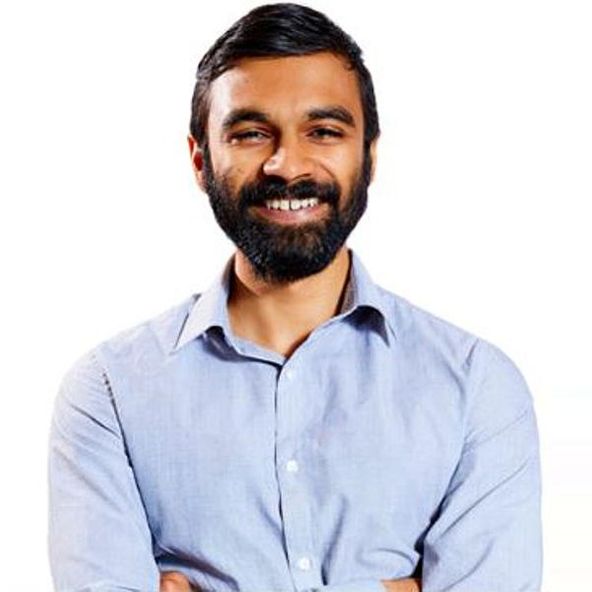
Jay Madheswaran Put AI on the Plaintiff's Side of the Table
He learned speed at Facebook, company-building at Rubrik and pattern recognition at Lightspeed. At Eve, Jay Madheswaran is betting those lessons can give plaintiff lawyers more time for judgment - and less paperwork to drag behind them.

Alex Stroe Wants to Put 50,000 Patents Back to Work
A defense-industry operator and his inventor brother found a valuable corporate asset gathering dust. Their answer is an AI workflow that turns patent research from a scavenger hunt into a system.

Iqbol Temirkhojaev Started Coding at 11. Now He Is Teaching Legal Work to Move Faster.
The Wayco founder's unusual timeline runs from programming Olympiads in Tajikistan to Y Combinator in New York. His most useful lesson is less cinematic: launch sooner, listen harder, and learn the market before polishing the machine.

Oskar Block Is Teaching AI to Read the Fine Print
The Swedish founder began with sports-betting models, learned enterprise AI at McKinsey, and found his next company over dinner with a patent attorney. Now Stilta is trying to turn weeks of high-stakes patent research into evidence a lawyer can inspect.

Casey O'Grady Is Teaching an AI Law Firm to Pick Up the Phone
The Harvard-trained lawyer left consulting, started Blueshoe in a Boston-area coffee shop, and kept changing the product until one stubborn problem came into focus: legal help moves much slower than the question that starts it.

Jared Vishney Found a Business in the Waiting
For a decade, attorneys kept asking Jared Vishney the same question. His eventual answer turned a slow administrative chore into a focused software business - and revealed the value of listening to the request that will not go away.

James Lee Put the Paperwork on Trial
A trial lawyer watched large firms bring armies to litigation. His answer was to turn years of legal judgment into software - and give lawyers their time back.

Reagan Attle’s Legal-Tech Playbook Is Built on Trust
At Clio, Reagan Attle has spent eight-plus years turning customer insight into category strategy. Her wager is patient and practical: educate an industry, create a community, and let trust compound.

Anderson Lunsford Is Turning the Breach Room Into a System
A privacy lawyer watched companies improvise their way through cyber crises. Then he spent years turning the scramble - the calls, clocks, playbooks and proof - into software.

Alec Sorensen Is Rewriting the Economics of a Patent
The Tradespace co-founder spent years watching valuable ideas stall inside corporate portfolios. Now he is building an AI-native operating model that moves patent work in-house and puts strategy ahead of paperwork.

Yoav Zimmerman
Yoav Zimmerman is a San Francisco founder and machine learning engineer who is CEO and co-founder of Third Chair (YC X25), an AI-native IP enforcement agent that helps rightsholders find, stop, and monetize unauthorized use of their content. A Forbes 30 Under 30 honoree, he previously co-founded the social video analytics startup Trendpop (YC W21), grew it past $1M ARR with clients like Universal Music Group and MrBeast, and exited to Collab. Before startups he worked on machine learning at Google and at Determined AI.

Dev Shrotri
Dev Shrotri is the founder and CEO of CloudLex, a New York based cloud platform built exclusively for plaintiff personal injury law firms. An engineer by training with an MBA from Columbia Business School, he spent years running legal support services before building CloudLex in 2015 to replace the antiquated legacy systems and one-size-fits-all tools that trial lawyers had been stuck with. The company has grown to roughly 110 employees, raised about $7.7 million, and in 2025 launched Lexee, an AI assistant designed specifically for personal injury practice.