human-centered-design
(28)
Scott Lien and the People Who Knew Better
He helped build the mobile future, then watched it leave his mother behind. With GrandPad, Scott Lien made her generation part of the design team.
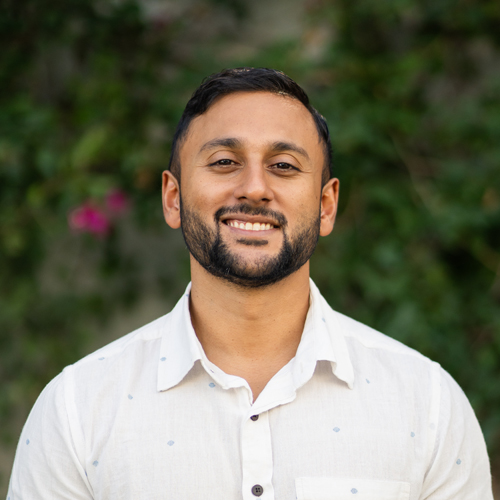
Shahed Alam and the Art of Coming Back
A Stanford class brought Shahed Alam and his co-founders together. The decision to return, and to share the work of leading Noora Health, made the experiment a life’s work.
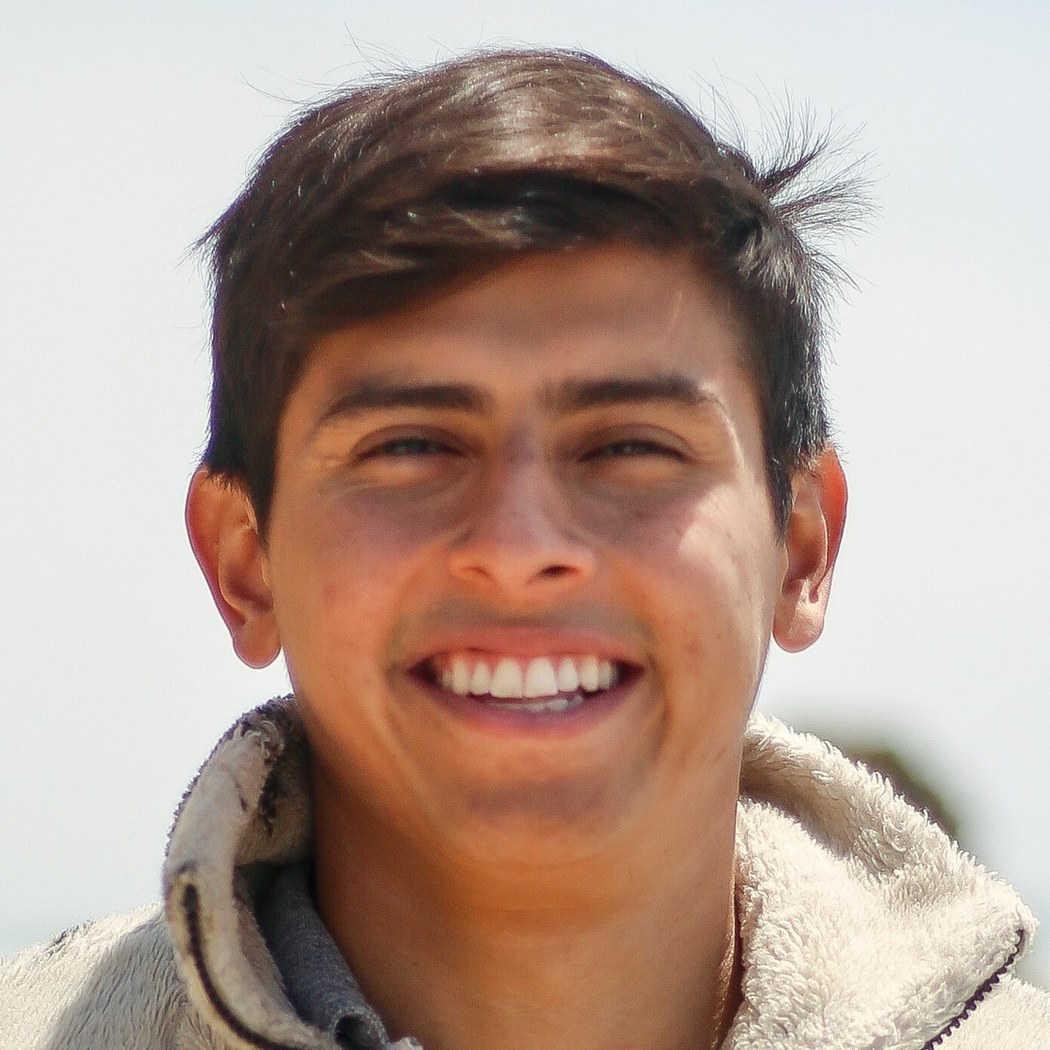
Michael Narea and the company you keep
Before he backed education founders, Michael Narea brought students, surfers and conservationists together. At Transcend Network, he is still working on the same question: what can people build when they have someone beside them?
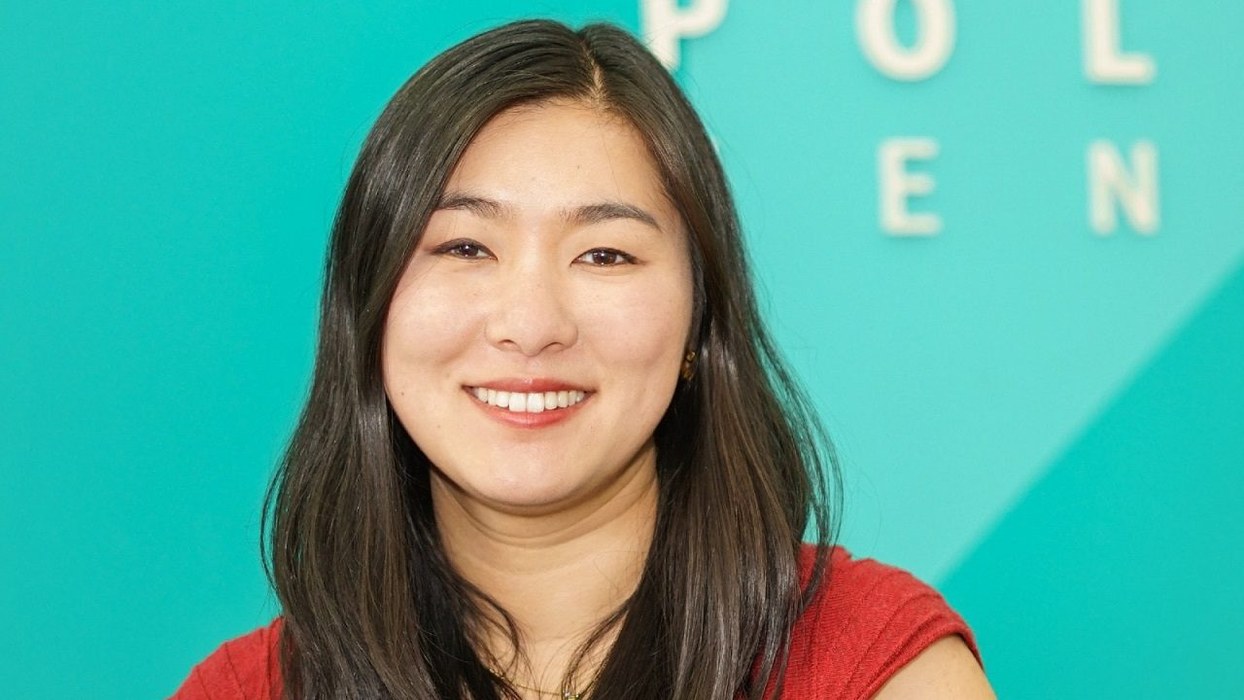
Wenyi Cai and the question that took her to Colombia
After helping run a Silicon Valley startup acquired by eBay, Wenyi Cai went to Colombia to listen. Her work at Polymath Ventures grew from a question about what technology could do for Latin America’s emerging middle class.

Ambush and the art of making complicated things work
Behind the AI promises sits a less glamorous job: making data, software, hardware, and people agree. Ambush has built its business around that difficult meeting.

NuAxis Innovations and the art of making government less trying
Twenty-two agencies. One service desk. NuAxis Innovations built its federal IT business around a deceptively difficult task: making technology work for the people obliged to use it.

PJ Brown Builds the Parts of Software That Remember People Are There
Before PJ Brown helped build tools for studying human behavior, he was already asking engineers to notice the person on the other side of the screen. His route from Louisiana classrooms to Dscout makes a quiet case for software with better manners.
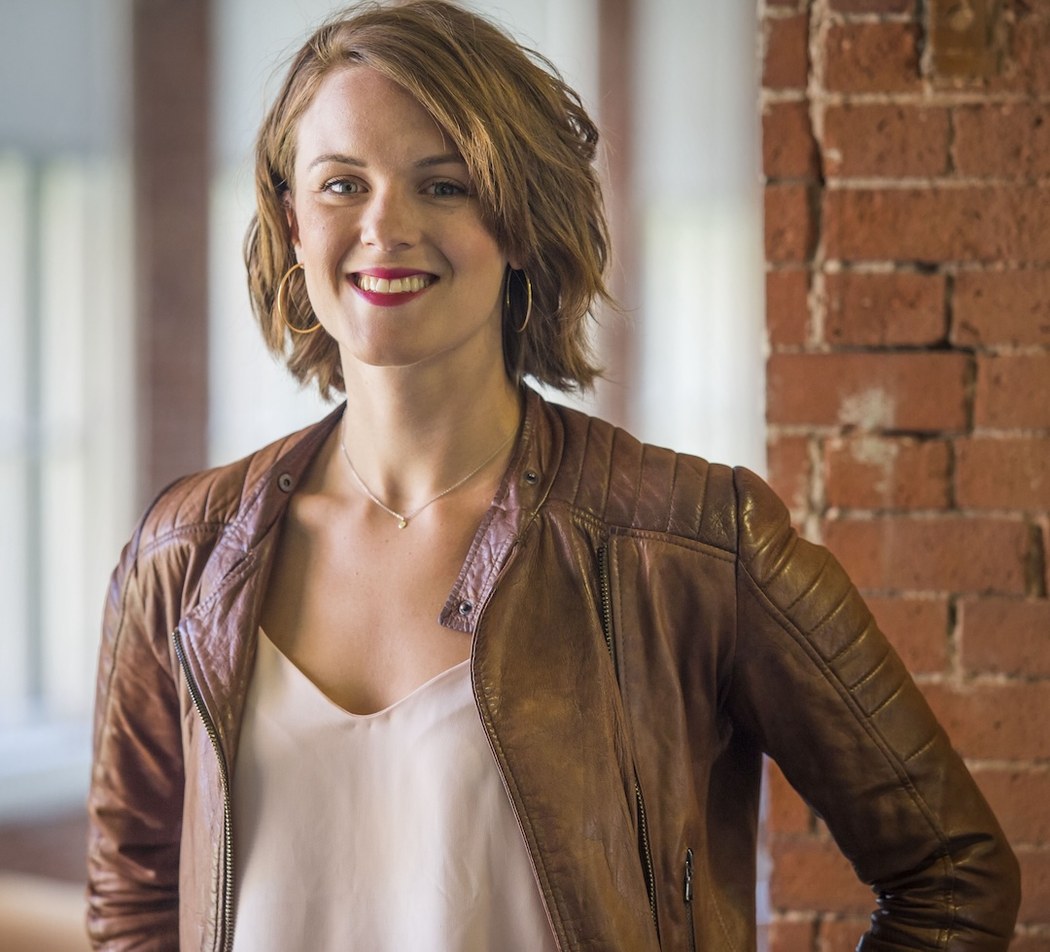
Mary Ann Brody and the Quiet Art of Making Systems Listen
Before Mary Ann Brody led experience at Devoted Health, she watched people collide with government forms. Her career has been a patient argument for listening first - then rebuilding the system around what people actually do.

Brie James Studies the Ritual Behind the Click
At SpotOn, she built a research practice around the people behind restaurant technology. After hours, a lifelong ritual practice asks a remarkably similar question: what is someone really trying to understand?
The Agency That Made Chicken Hygiene Watchable
Public-health information usually arrives wearing sensible shoes. Banyan Communications gives it a plot, a punchline, and a reason to be remembered.
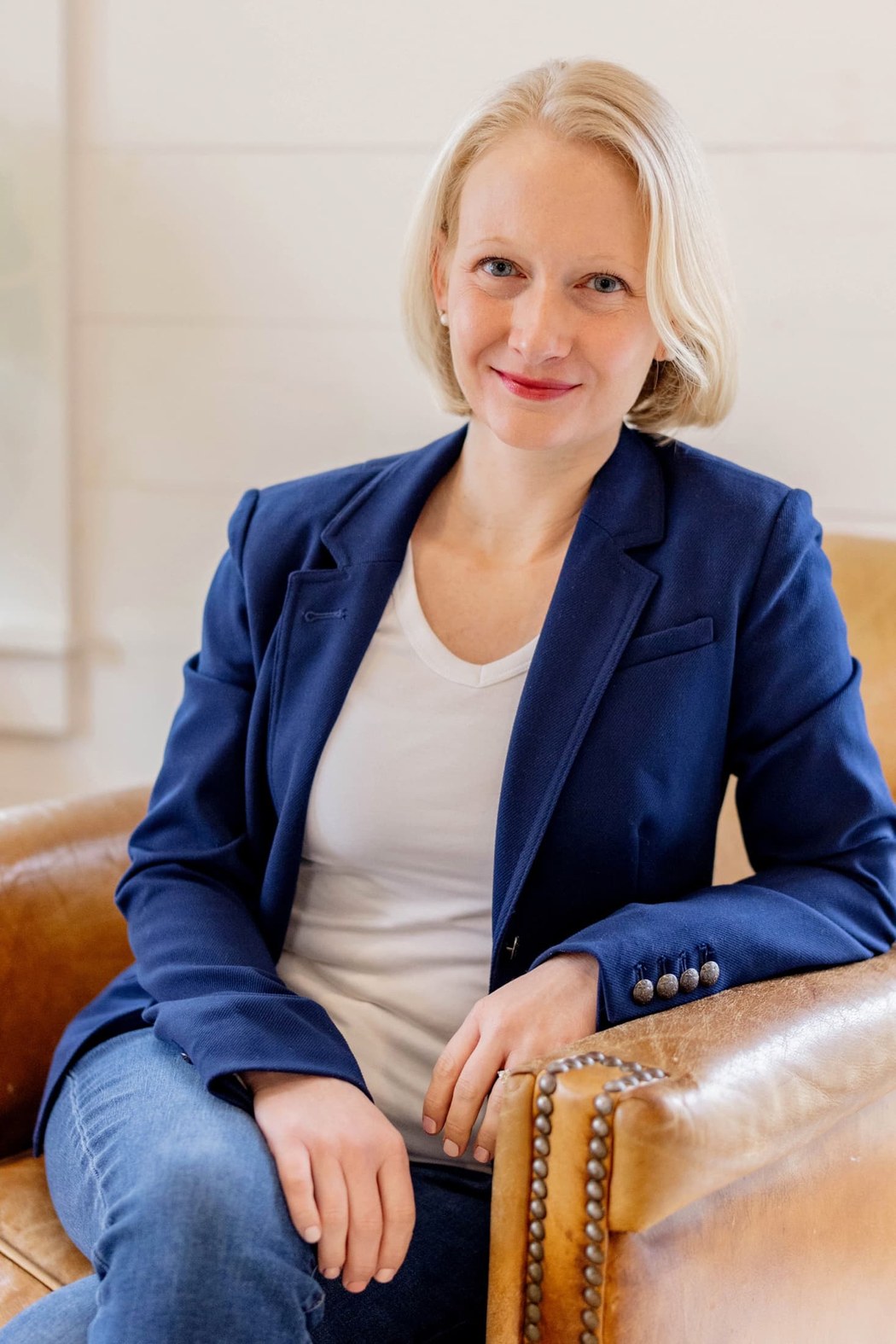
Kelly Jura Put Listening at the Center of the Product
The Qwoted CXO has built a career around a patient idea: before changing a product, a brand or a workplace, learn how people actually experience it.

Oak Lane and the Four-Letter Test for Strategy
Most strategy firms sell answers. Oak Lane sells the harder thing: a way for leaders, staff, funders, and communities to arrive at the same answer - then do something with it.

DC Design asks who your plan forgot
A college asked for a strategy. DC Design gave it a workbook. Inside the consulting firm that lets the people living a problem change the assignment.

Uptown Studios sells the next step
A Sacramento creative agency makes complicated causes easier to act on. Its most revealing work starts before the logo, the camera or the first line of code.

Femto designs for the person who has to make it work
A classroom game, a payment terminal and a mining cost program have more in common than they seem. The Brazilian consultancy works on the decisions and processes that make an idea usable.

Mel van Londen Is Teaching AI to Finish Healthcare's Paperwork
A former sailing captain, IDEO developer, and healthcare product leader has spent his career learning how complicated systems behave. At Develop Health, he is applying that education to the forms between a prescription and the person waiting for it.
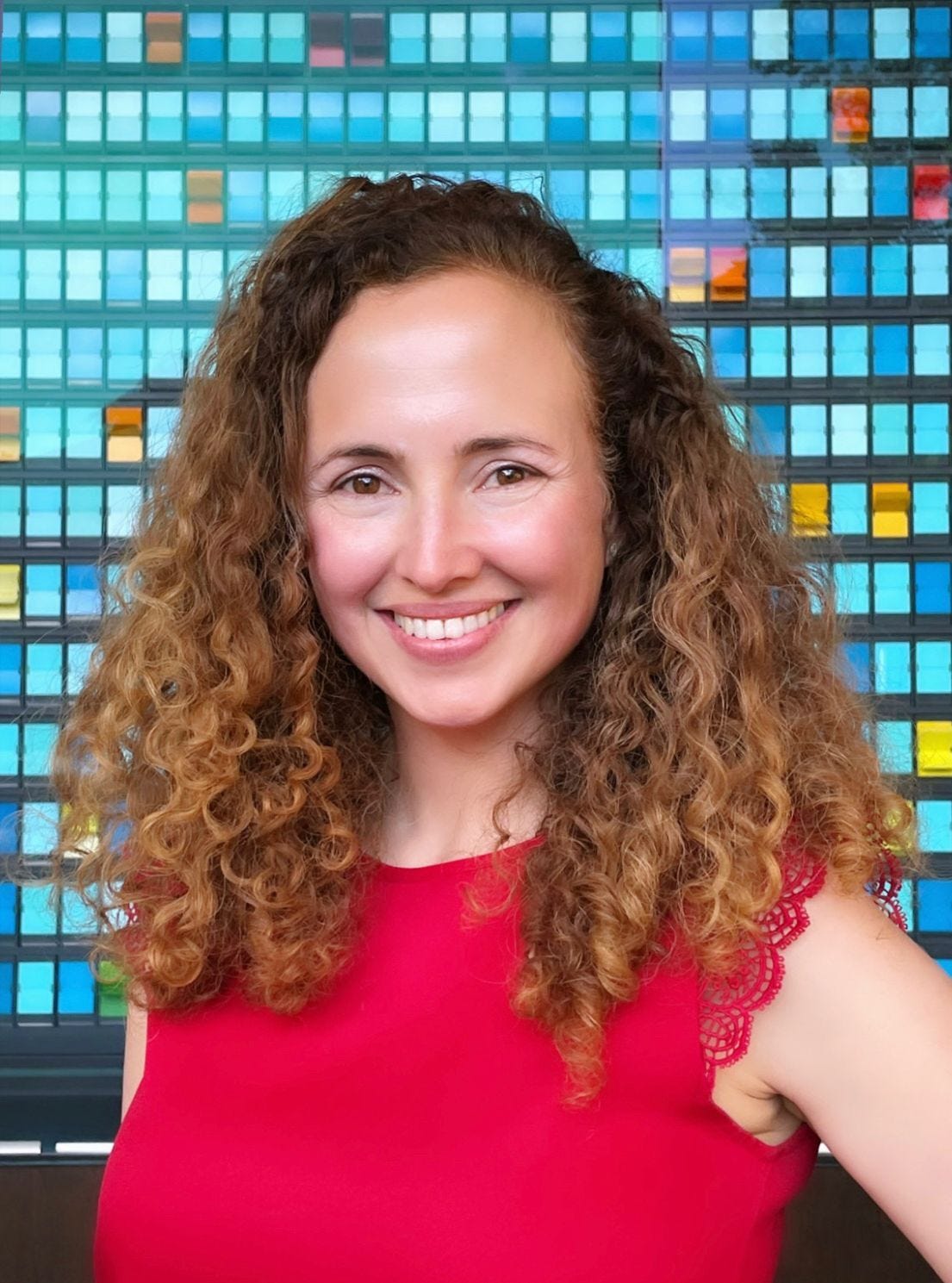
Naama Breckler Keeps Building for the Part Everyone Else Calls Complicated
Four companies in, the software engineer turned CEO has a durable method: get close to the customer, distrust the broad pitch, and make the tedious middle disappear.

Melody Roberts Has Spent a Career Designing What Happens Next
She helped make design useful inside enormous companies. Then an old friend handed her a startup-sized problem - and Roberts began prototyping the business, the team, and herself.

Sona Shah Is Building Medtech for the Hospitals Others Miss
A teaching stint in Kenya and a shelf of idle machines in Uganda changed Sona Shah’s definition of good engineering. Ten years into Neopenda, her playbook starts with context, trust and the unglamorous work after the sale.

CivicActions
CivicActions is a fully remote digital services firm that helps U.S. federal, state, and local government agencies modernize the technology behind public services. Founded in 2004 by Henry Poole and Aaron Pava, the company pairs free and open-source software - especially Drupal - with agile delivery, DevSecOps, human-centered design, and accessibility expertise to rebuild legacy government websites and platforms. Guided by the values of Balance, Openness, and Care, CivicActions has served agencies including Veterans Affairs, the FCC, the National Science Foundation, and the State of Georgia while contributing heavily back to the open-source communities its work depends on.

Hopelab
Hopelab is a San Francisco social innovation lab and impact investor founded in 2001 by Pam Omidyar. It works at the intersection of technology and adolescent mental health, combining behavioral science, youth co-design, and research to advance the well-being of young people ages 10-25, with a focus on BIPOC and LGBTQ+ youth. Best known for the cancer video game Re-Mission, Hopelab now runs research programs, youth fellowships, and Hopelab Ventures, which has invested more than $12 million across roughly 20 youth mental health startups.
Jaspal Sandhu
Jaspal Sandhu is a designer, educator, and social entrepreneur who became President and CEO of Hopelab, a social innovation lab and impact investor focused on the mental well-being of young people ages 10 to 25, on January 1, 2026. Trained as an engineer at MIT and as a designer at UC Berkeley, he built his career around human-centered design in global health, co-founding the pioneering social impact design firm Gobee Group and teaching public health innovation at Berkeley since 2010. At Hopelab he has led investments in youth-focused mental health startups, raised millions for youth-led technology work, and built research and fellowship programs centered on Black, Brown, and Queer young people.
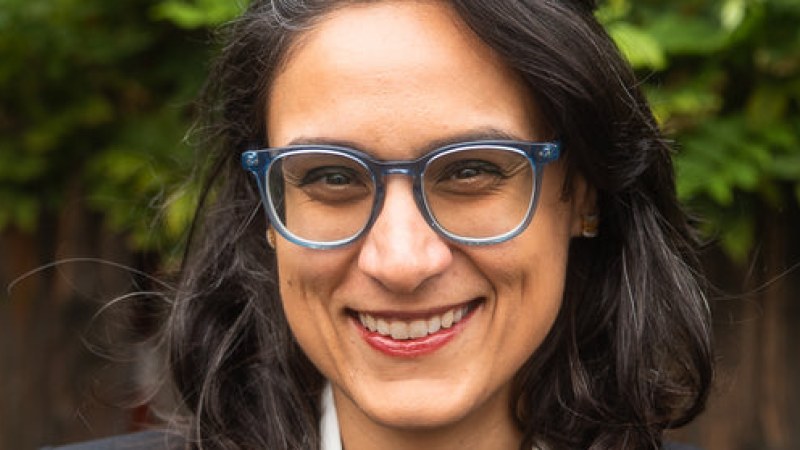
Samira Daswani
Samira Daswani is the founder and CEO of Manta Cares, a San Francisco healthtech company building clinically trusted, AI-enabled tools that help cancer patients and caregivers navigate the maze of treatment. A bioengineer trained at MIT and Wellesley with a master's in healthcare design from Stanford, she spent her early career at McKinsey and as VP of Product at diagnostics company Visby Medical before launching Manta Cares in 2022. The company raised an oversubscribed $5.4M seed round led by Pear VC and Sozo Ventures and now serves thousands of users. She also hosts the podcast 'Patient from Hell.'

Oddball
Oddball is a McLean, Virginia-based digital services agency that modernizes how the U.S. government talks to its citizens. It builds and maintains some of the federal government's busiest websites - notably VA.gov for the Department of Veterans Affairs and Medicare.gov for CMS - using human-centered design, agile engineering, and modern cloud infrastructure. Founded in 2016 and led by CEO Travis Sorensen and CTO Rob Wilkinson, the remote-first firm calls itself 'a strangely human digital agency,' and grew to roughly 340-366 employees and ~$117M in annual prime contract revenue before taking a 2025 growth investment from private equity firm Falfurrias Management Partners.

Alex Niemczewski
Alex Niemczewski is the co-founder and CEO of BallotReady, the nonpartisan online voter guide that covers every race and referendum on the ballot across all 50 states. She built the first version for herself before the 2014 midterms because she didn't know how to vote for the down-ballot offices nobody talks about - water reclamation commissioner, judges, mosquito abatement boards. A University of Chicago philosophy graduate who taught coding and ran a research-design consultancy, she turned a personal frustration into a civic engagement platform that informs millions of voters and powers tools for campaigns and advocacy groups.
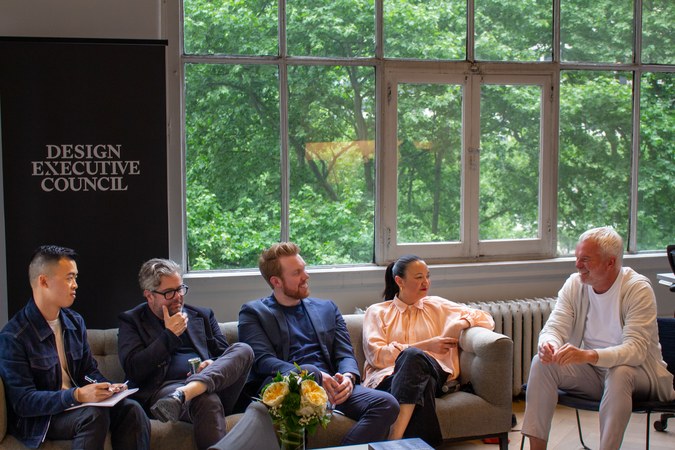
Eight Inc.
Eight Inc. is a globally recognized strategic design firm founded in 1989 by Tim Kobe. Best known for designing the original Apple Store with Steve Jobs, the firm now operates across San Francisco, New York, London, Tokyo, Singapore, Shanghai and Dubai, helping brands like Nike, Virgin Atlantic, Citibank, Dolby, McLaren, Lincoln and Nissan turn ideas into human experiences across architecture, retail, products, identity and digital.
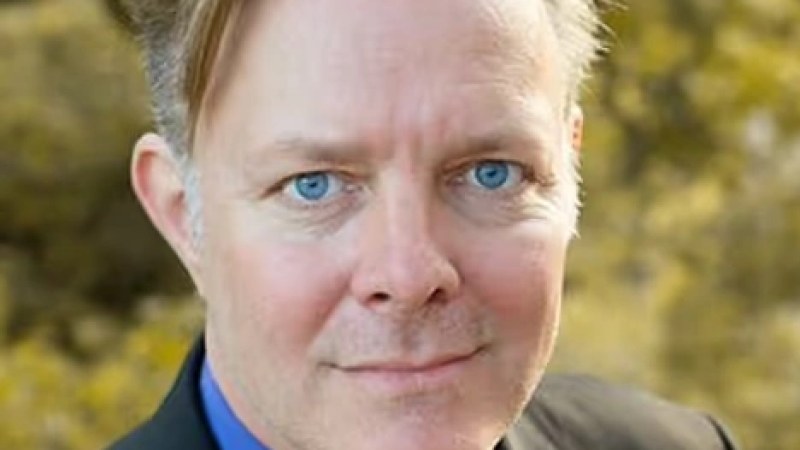
Henry Poole
Henry Poole is the co-founder and CEO of CivicActions, a professional services firm that has spent over two decades modernizing government digital services through open source software, agile methodologies, and human-centered design. A serial entrepreneur and open source visionary, Poole co-founded one of the first digital agencies (Vivid Studios) in 1993, published the landmark Affero General Public License (AGPLv1) in 2002 to close the 'ASP loophole' in open source licensing, and serves on the board of the Free Software Foundation. Under his leadership, CivicActions has become a trusted partner to major federal agencies including CMS, NSF, VA, and HHS, championing the principle that software built with public funds should be publicly owned.
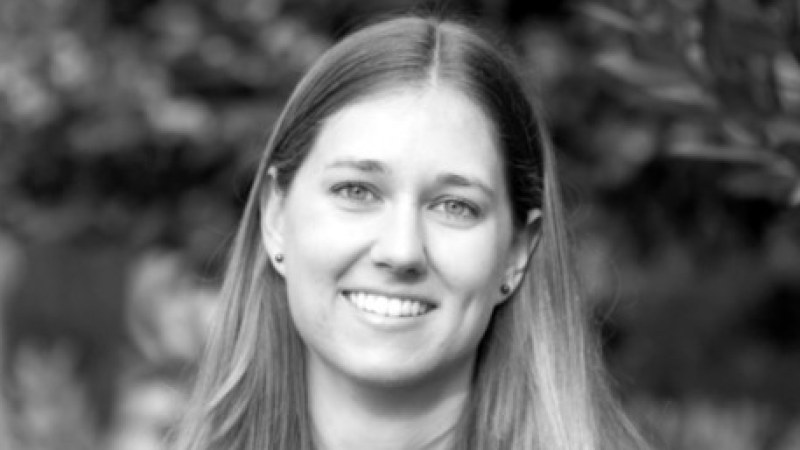
Lesley Marincola
Lesley Silverthorn Marincola is the founder and CEO of Angaza, a San Francisco-based B2B software company that powers pay-as-you-go financing for solar home systems and other off-grid products across emerging markets. A Stanford-trained product designer and mechanical engineer, she launched Angaza in 2010 after a course called 'Designing for Extreme Poverty' lit a fire she hasn't put out since. Today, Angaza's platform reaches over 5 million people across 50 countries, enabling low-income households to pay for life-changing energy products through weekly micropayments via mobile money — replacing kerosene lamps one $1 payment at a time. Her work earned Angaza the 2018 Skoll Award for Social Entrepreneurship and a TED stage appearance. She is a Forbes '30 Under 30' alum, Echoing Green Fellow, and World Economic Forum Young Global Shaper.